Purple Peas Vegetable Seeds Packet

Regular price $4.95

Vacuum Sealed
NON-GMO
Seed Pack Guarantee

Build Your Garden With These Shido Seeds

Choose a seed packet as your starting point, then round out the bed with these for that thrown-together-but-somehow-perfect harvest.


Purple Peas seeds for the kitchen garden that intends to actually produce purple peas this year. Purple Peas grow with the dual ambition of looking good and being edible, and they succeed at both.

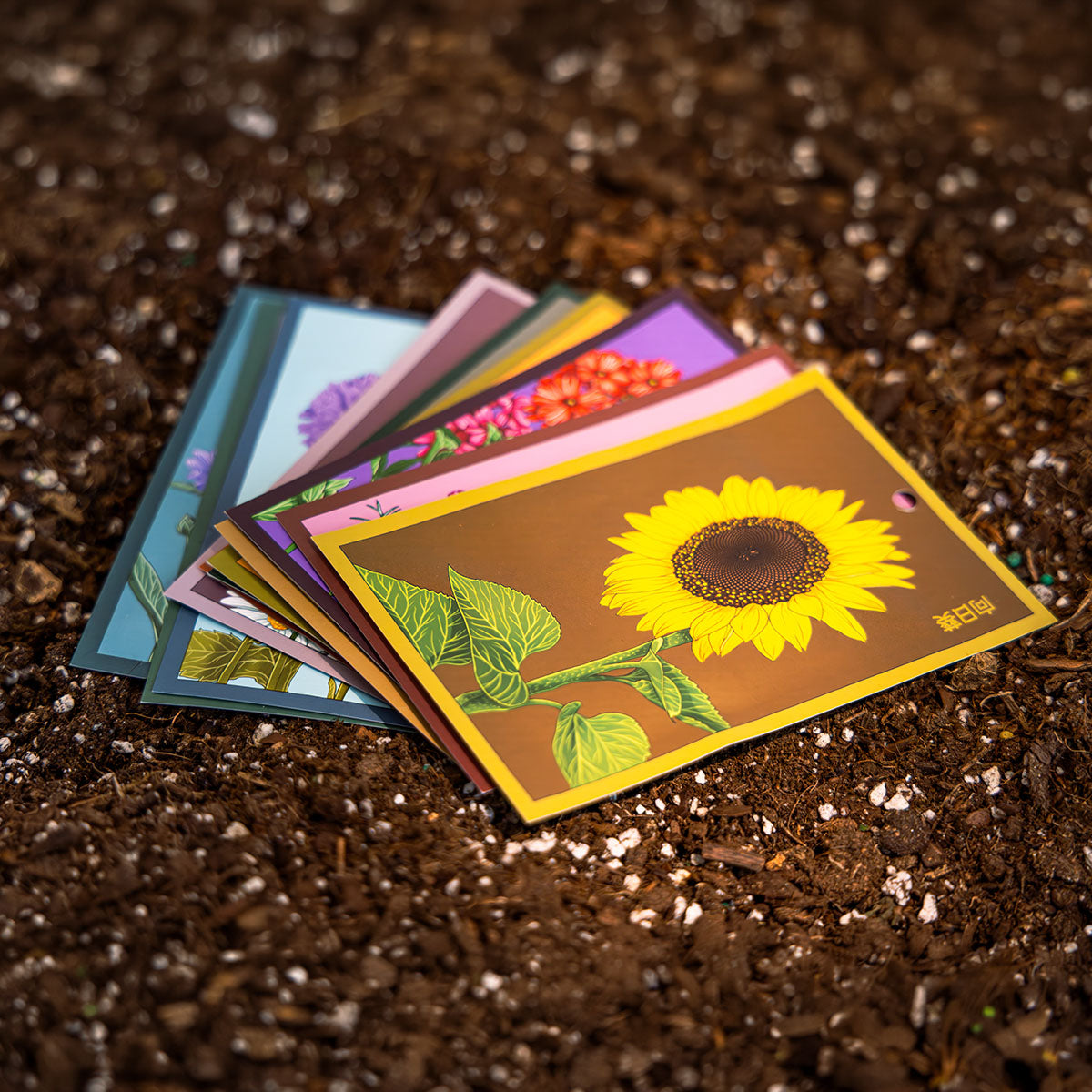
Purple Peas is an ornamental pea with striking purple pods that are as beautiful in the garden as they are useful in the kitchen. Each packet is hermetically vacuum-sealed -- removing the oxygen that causes standard paper seed packets to lose germination viability within approximately one year. State law requires a 3-year viability label on sealed packaging. NASA research on hermetic seed storage indicates viability of up to 10 years under proper conditions. Every packet is non-GMO and germination-tested at independent third-party labs before it earns its Japanese woodblock print artwork.

Seed specifications
  • Material: Seed
  • Botanical name: Pisum Sativum
  • Genus: Pisum
  • Plant family: Fabaceae
  • Species: Sativum
  • Plant type: Annual
  • Pollination type: Vegetable
  • USDA Hardiness Zones: 2-11
  • Packet contents: ≈ 10 Seeds
  • Packaging: Hermetically vacuum-sealed
  • Non-GMO: Yes
  • Seed viability: Up to 10 years (sealed) / 4–5 years (unsealed, ideal conditions)
  • Difficulty: Moderate - Recreational Gardener
Sowing & growing guide

Quick Sowing Guide:

  • When to sow: Direct sow as soon as soil can be worked in spring
  • Sowing depth: 1-2 in
  • Initial spacing: 2-4 in
  • Row spacing: 18-24 in
  • Days to germination: 7-10 days
  • Light: Full sun
  • Water: Consistent moisture
  • Soil: Well-drained
  • Harvest: 60-70 days

Start Growing: Step-by-step sowing and growing guide

About vacuum sealing

Why Vacuum-Sealed Seeds Last Longer

Standard paper seed packets are permeable to oxygen and moisture -- the two primary causes of seed degradation. Most paper-packaged seeds begin losing germination viability after approximately one year, contributing to significant garden-industry waste: packets purchased, not planted, expired, discarded. Shido Seeds are hermetically vacuum-sealed. The packet does not expire quietly in a drawer. It waits.

About the Packaging

Every Shido seed packet is illustrated in the style of Japanese 1910s woodblock printing -- designed and drawn in-house by Chive, that has been exhibiting at the Chelsea Flower Show in London every year and does not, as a matter of principle, sell to big-box retailers. Customers collect the packets as a series. This was not the original plan.

Shipping & returns

Shipping

  • Free shipping: Orders $200+ within the US
  • Standard: 5–8 business days, Express 2–3 business days (at checkout)
  • International Ships: to 40 countries — rates at checkout
  • Packaging Ships: in outer box to protect gift box

View full shipping policy →

Returns

We accept returns within 30 days of delivery on unused items in original packaging. If your piece arrives damaged, contact us within 7 days with a photo and we will replace it at no charge.

View full return policy →

Satisfaction Guarantee

We stand by the quality of our flower seed packets! Every Shido seed packet is lab-tested for germination before it ships. If your seeds do not perform to the stated germination rate under correct growing conditions, contact us and we will replace or refund. Guaranteed!

Wholesale Inquires

Have a cool shop? Know someone that does?

Find Chive on Faire →

Radish Horticultural Specifications

Botanical

Pisum Sativum

Plant Type

Annual

Light

Full sun

Water

Consistent moisture

Soil

Well-drained

Depth

1-2 in

Germination

7-10 days

USDA Zone

2-11

Mature Height

4-6 ft

Harvest

60-70 days


Getting to know your Purple Peas

Purple Peas are a striking variety of pea plant, their deep purple pods giving way to bright green interiors once split open, a contrast that catches people off guard the first time they see it. They grow best in cool weather with full sun and well-drained soil, thriving in the same shoulder-season conditions most peas prefer rather than the height of summer heat. The vines need trellising for support as they climb, since without something to grow up, the plants tend to sprawl and tangle in ways that make harvesting considerably more frustrating than it needs to be. Once established, the plants produce sweet, tender peas suited equally well to fresh eating straight off the vine or cooking into whatever dish calls for them. The purple color is more than a novelty, too; it makes the pods easier to spot at a glance against green foliage, which matters more than people expect once a vine gets dense and harvest becomes a game of parting leaves to check for hidden pods. Purple Peas also tend to draw curiosity from anyone visiting the garden who's never seen a genuinely purple vegetable before, which is a reasonable bonus for a plant that was already going to earn its space through flavor alone.


History & origin

Ancient Fertile Crescent

Like all garden peas, this variety's ancestry traces back roughly 10,000 years to early domestication in the Fertile Crescent.

Purple-Podded Selection

Purple-podded pea varieties represent a color selection within Pisum sativum, valued both for visual novelty in the garden and for the anthocyanin pigments present in the pod that aren't found in standard green peas.

Today

Popular among heirloom and novelty seed gardeners drawn to unusual coloring, though generally less common in mainstream commercial production than standard green pea types.

Shido Vegetable and Flower Seeds Vacuum sealed for peak freshness

Step-by-Step Sowing & Growing Guide

Getting Started

Annual, direct sow, cool-season

Step 1: Timing - Direct sow as soon as soil can be worked in spring.

Step 2: Soil - Well-drained, fertile loam, pH 6.0-7.5.

Step 3: Sowing - 1-1.5 inches deep.

Step 4: Support - Set up a trellis before sowing if this is a vining type, matching the general pea growth habit.

Step 5: Harvest - Judge ripeness by feel (plumpness) rather than color -- purple pods don't show the same green-to-pale ripening cue a standard pea does.

Before you start

Materials needed to sow

  • Garden bed, prepared soil: Direct sown as soon as soil can be worked.
  • Trellis (if a vining type): Set up before sowing, matching general pea growth habit.

Materials for harvest and storage

  • Two hands for picking: Prevents damaging the vine.
  • Basket: For collecting pods.

Tip: Judge ripeness by feel (plumpness) rather than color, since purple pods don't show the same green-to-pale ripening cue a standard green pea does.

Growth Requirements

Light:

  • Require full sun for at least 6-8 hours per day.
  • Can tolerate light shade, but this may reduce pod production.

Soil:

  • Thrive in well-draining, loamy soil with a neutral pH of 6.0 to 7.0.
  • Avoid heavy, clay soils that retain too much moisture, which can lead to root rot.
  • Adding compost or aged manure before planting improves soil fertility and structure.

Watering:

  • Keep soil evenly moist, but avoid waterlogging.
  • Water deeply once or twice a week, depending on weather conditions.
  • Mulch around the base of the plants to retain moisture and suppress weeds.

Temperature & Climate:

  • Purple peas prefer cool weather, with optimal temperatures between 55°F and 70°F (13°C to 21°C).
  • They can tolerate light frost, making them one of the earliest crops to plant in the spring.
  • Heat can cause peas to stop producing, so they are best grown in spring and fall in warmer climates.

Fertilization:

  • Avoid high-nitrogen fertilizers, as peas can fix their own nitrogen.
  • If needed, use a balanced fertilizer with low nitrogen and higher phosphorus and potassium.
  • Side-dress with compost mid-season to maintain soil nutrients.

Maintenance

Trellising & Support:

  • Set up a trellis before sowing if this is a vining type, matching general pea growth habit — light stakes can help even more compact varieties stay upright for easier picking.

Mulching:

  • Apply organic mulch to retain moisture and suppress weeds.

Pruning:

  • Minimal pruning needed — if vining, gently guide tendrils onto the support as the plant grows rather than letting them sprawl.

Watering:

  • Keep watering consistent, especially during flowering and pod fill, when moisture stress most affects yield.

Harvesting:

  • Judge ripeness by feel (plumpness) rather than color — purple pods don't show the same green-to-pale ripening cue a standard pea does.
  • Still unconfirmed whether this is a snap type (whole pod eaten) or shelling type (peas only) — worth resolving, since it changes harvest technique.

Storing:

  • Refrigerate and use within a few days for best quality.
  • Blanch and freeze for longer storage.

Troubleshooting and common mistakes

  • Judging ripeness by color the same way as green peas — purple pods don't show the same green-to-pale ripening cue -- feel for plumpness instead of relying on visual color change
  • Not confirming snap vs. shelling type — this materially changes whether the whole pod or just the peas inside are meant to be eaten -- worth confirming which type this specific product is before finalizing harvest instructions

Culinary uses & nutritional information

What it's used for

1. Culinary Uses:

  • Purple peas can be enjoyed fresh off the vine as a garden snack.
  • Add them to salads, stir-fries, and pasta dishes for a pop of color.
  • The peas can be shelled and cooked, used in soups, stews, and casseroles.
  • Young pods can be eaten whole like snap peas, while mature peas can be shelled and cooked.

2. Ornamental Appeal:

  • The vibrant purple pods and blossoms make purple peas a beautiful addition to edible landscapes.
  • They can be grown along fences, trellises, or garden arches, adding height and color to the garden.

3. Companion Planting:

  • Purple peas are legumes, which means they fix nitrogen in the soil, benefiting nearby plants.
  • Ideal companions include carrots, radishes, cucumbers, and lettuce, which thrive in nitrogen-rich soil.

What parts are edible

  • Depends on type: Unconfirmed whether this is a snap type (whole pod edible, like Sugar Snap) or a shelling type (only the peas inside are eaten, like Little Marvel) -- this should be confirmed before finalizing customer-facing copy, since it changes the answer completely.

Nutritional data

Raw peas, per 100g

Calories: 81 kcal

  • Carbohydrates: 14.5 g
  • Protein: 5.4 g
  • Total fat: 0.4 g
  • Dietary fiber: 5.7 g
  • Vitamin C: 40 mg (44% RDA)
  • Folates: 65 µg (16% RDA)
  • Potassium: 244 mg
  • Cholesterol: 0 mg

Companion plants, pests & diseases

Companion planting

Good companions

  • Carrots, radishes — compatible timing, low competition
  • Cucumbers, corn, beans — nitrogen-fixing benefit for heavy feeders

Poor companions / avoid

  • Onions, garlic, chives, leeks — alliums inhibit legume growth

Pests

  • Pea aphids — cluster on new growth
  • Leafminers — tunneling trails in leaves

Diseases

  • Fusarium wilt, powdery mildew, downy mildew, pea enation mosaic virus — standard pea disease pressures -- no specific resistance confirmed for this purple-podded type without a named variety

Pro Tip

Provide a trellis or support to keep vines off the ground and improve airflow. Harvest pods when they are plump but still tender for the best flavor. Regular picking encourages more production, and the vibrant purple color makes spotting ripe pods easier!

Seeds worth keeping

What makes Shido Seeds different

Shido Seeds are designed by Chive Studio, a ceramic design company. We are not a seed conglomerate. We do not sell through big-box retailers. Each variety in the catalog was selected because it is worth growing — not because it ships well in bulk or photographs well in marketing materials.

Every packet is germination-tested at an independent third-party lab before it earns its woodblock illustration. The vacuum seal removes the oxygen that causes standard paper packets to degrade. The stated germination rate is a floor, not a marketing figure.

If something goes wrong, contact us. We will make it right.

Plants that Grow together look good together...even if they are ceramic
A Sweeter, Sturdier Cousin
For a pea built more for snacking straight off the vine, the Sugar Snap Pea shares the same trellis-loving habit with an edible pod of its own.

Vegetable Shido Seeds packets — by Chive Studio Toronto

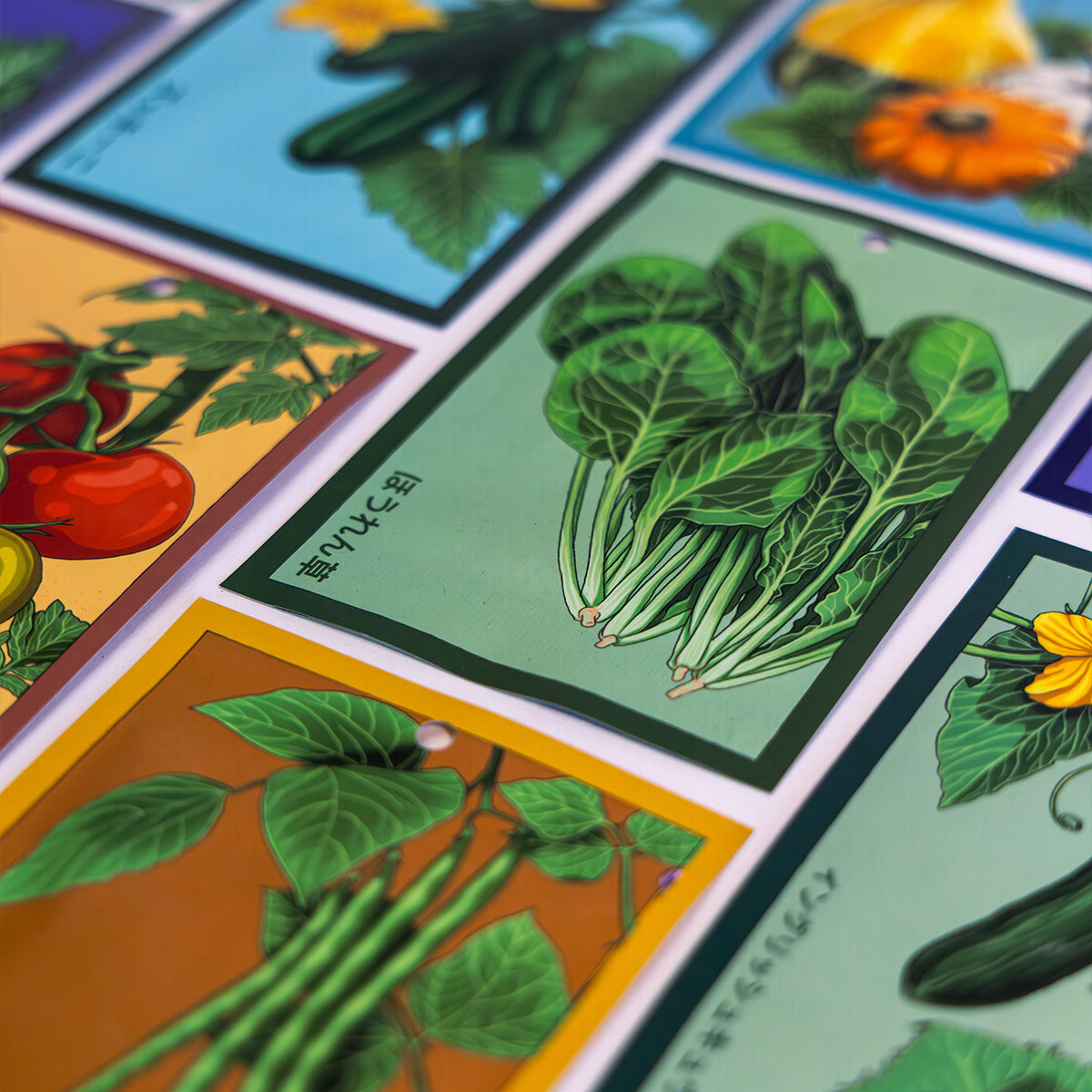
The Rest of the Vegetable Garden

Shido's full vegetable seed lineup covers climbing varieties and ground crops alike, this one included.

Buttercup Yellow Gay Paree Peony - Chive Ceramics Studio - Ceramic Flowers - Chive Ceramics Studio

A Different Kind of Purple

If the pods' color caught your eye, Chive's Ivory Charm Peony brings its own quiet color statement to a shelf without a trellis in sight.

Chive Shido seed packets with botanical illustrations on a peg rack, showing cherry blossom, tomato, and eggplant designs.

The credentials behind the packet

Purple Peas tend to surprise first-time growers before they even reach the plate, since the deep purple pods look almost ornamental until someone actually splits one open. That novelty only pays off if the seed germinates reliably in the first place, and removing oxygen from the packet at the source is how the studio protects that outcome rather than leaving it to chance. A rare variety like this gets exactly the same sealed treatment as the most common green bean in the lineup, since unusual shouldn't mean less dependable. Consistency across every packet, common or curious, is really the whole philosophy behind how the studio approaches seed. The seed itself should never be the part of the garden a person has to worry about.


Plant Care, Simplified with Chive

Keep it alive, keep it thriving. Let's make plant parenthood look easy.

Nobody grows one dahlia. This is what nobody tells you.

Todd Newgren
How to grow dahlias from seed: start indoors 6–8 weeks before last frost, transplant after frost, and expect first blooms in late summer. Nobody warns you that one bloom is all ...
Read more

Do Seeds Expire? How Long Do Seeds Last | Shido

Todd Newgren
Seeds don't expire — they lose viability as oxygen depletes stored energy, and vacuum sealing is the fix. Chive's Shido Seeds are vacuum-sealed, germination-tested, and stocked ...
Read more

Frequently asked questions

What are purple pea seeds and how do they differ from green peas?

Purple Peas are a genuine pea variety, not a novelty dye job — the purple color runs through the pod itself while the interior peas stay green, creating a contrast that surprises people the first time they split one open. Flavor is comparable to standard green peas, sweet and tender when picked at the right stage.

Do purple peas need a trellis to grow properly?

Yes, generally — the vines climb and sprawl without support, which makes harvesting considerably more difficult and can lead to pods rotting where they touch damp soil. A simple trellis or fence line makes a real difference in yield and ease of picking. Without one, the pods often end up resting on damp soil, which shortens their usable window considerably.

What season is best for growing purple peas?

Cool weather suits peas best generally, which makes early spring or fall planting more successful than trying to grow them through summer heat, when pea plants tend to stop producing and decline. Trying to push a planting through summer heat generally results in a shorter, less productive harvest overall. Fall plantings in particular tend to benefit from cooler nights that keep the plants producing longer before frost sets in.

Do purple peas stay purple when cooked?

Often the vivid purple fades somewhat during cooking, shifting toward green as heat breaks down the pigment, though the flavor stays the same regardless of color. Eating them raw or lightly cooked preserves the color best if that visual appeal matters to the dish. Either way, the plant's underlying flavor stays consistent regardless of what happens to the color during cooking.

Can purple peas be grown in containers?

Yes, provided the container is deep enough for root development and has something for the vines to climb — a trellis or stake works even in a container setting, since the plants still want vertical support regardless of where they're rooted. Regular watering and good drainage matter just as much in a container as they do in open garden soil.

How long do purple pea seeds last?

Vacuum-sealed Shido Seeds packets remain viable for up to 10 years under proper storage, well beyond the roughly one-year window typical of a standard paper seed packet. That extra shelf life means a partially used packet from this year is still a safe bet to plant again next season. Storing packets somewhere cool and dry further extends how long that viability actually holds up in practice.

Are purple peas open-pollinated or hybrid?

This variety is open-pollinated, meaning seed saved from a mature pod will generally grow true to the parent plant in future seasons, unlike a hybrid variety bred for a specific one-time cross. That's a genuine advantage for gardeners who want to keep growing the same variety year after year without repurchasing.

Has Chive exhibited seeds at a major flower show?

Chive has shown its seed line at the RHS Chelsea Flower Show, where feedback from professional growers has shaped several varieties in the current catalog. Feedback gathered there from professional growers has genuinely influenced several of the varieties now in the current catalog. Every Shido Seeds packet, purple peas included, is also germination-tested at independent labs before it ships.

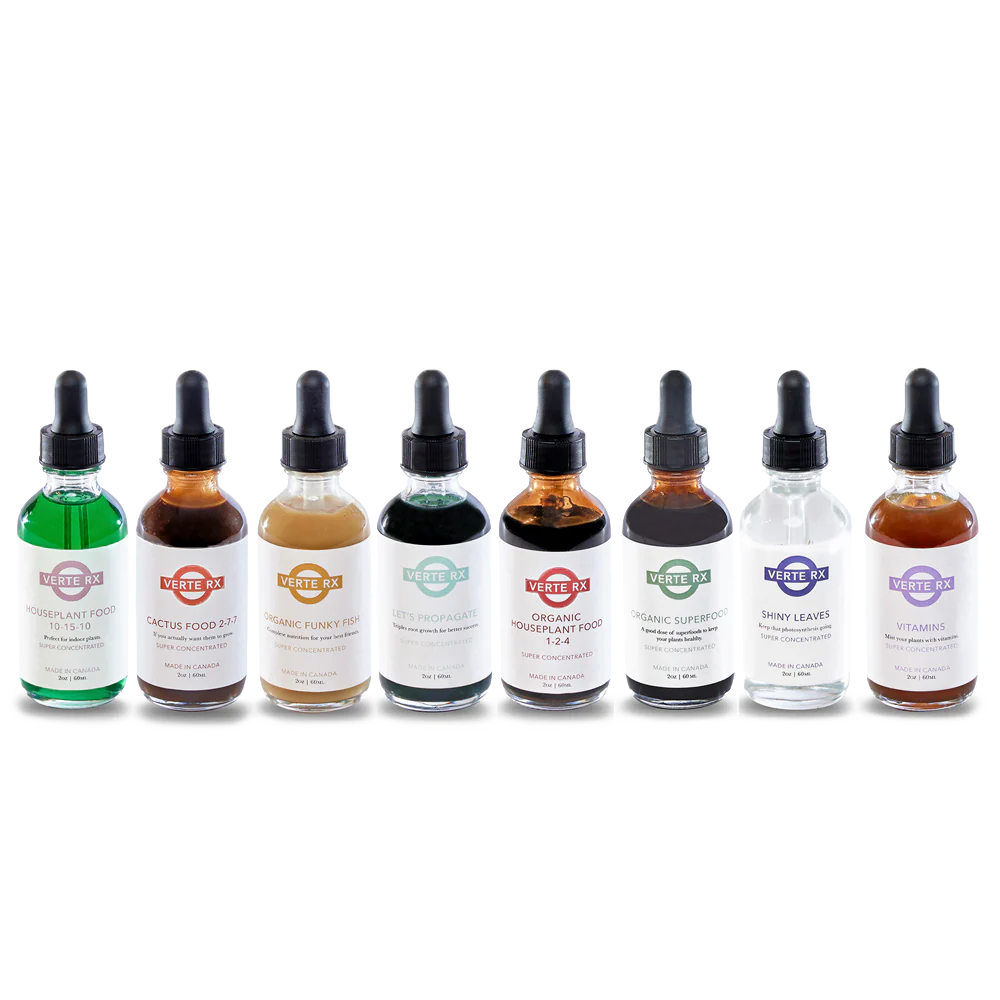
Verte Rx Shiny Leaves for Plants - Chive Ceramics Studio - Chive Ceramics Studio

The seed is the start. Verte RX handles the rest.

Most seedlings fail not from bad seed but from soil that runs out of what the plant needs before the plant can find it. Verte RX is a liquid plant vitamin formulated for exactly that window — the weeks after germination when the root system is establishing and the margin between thriving and stalling is narrowest.