Terrarium Single Glass For Airplants

Single Glass Air Plant Terrarium — One Globe for One Tillandsia

Regular price $17.25
Drainage hole
Saucer Included
30-day return policy

Give Your Plants What They're Missing:

Start with the terrarium, then build out the shelf with the tools that keep what's inside actually thriving.


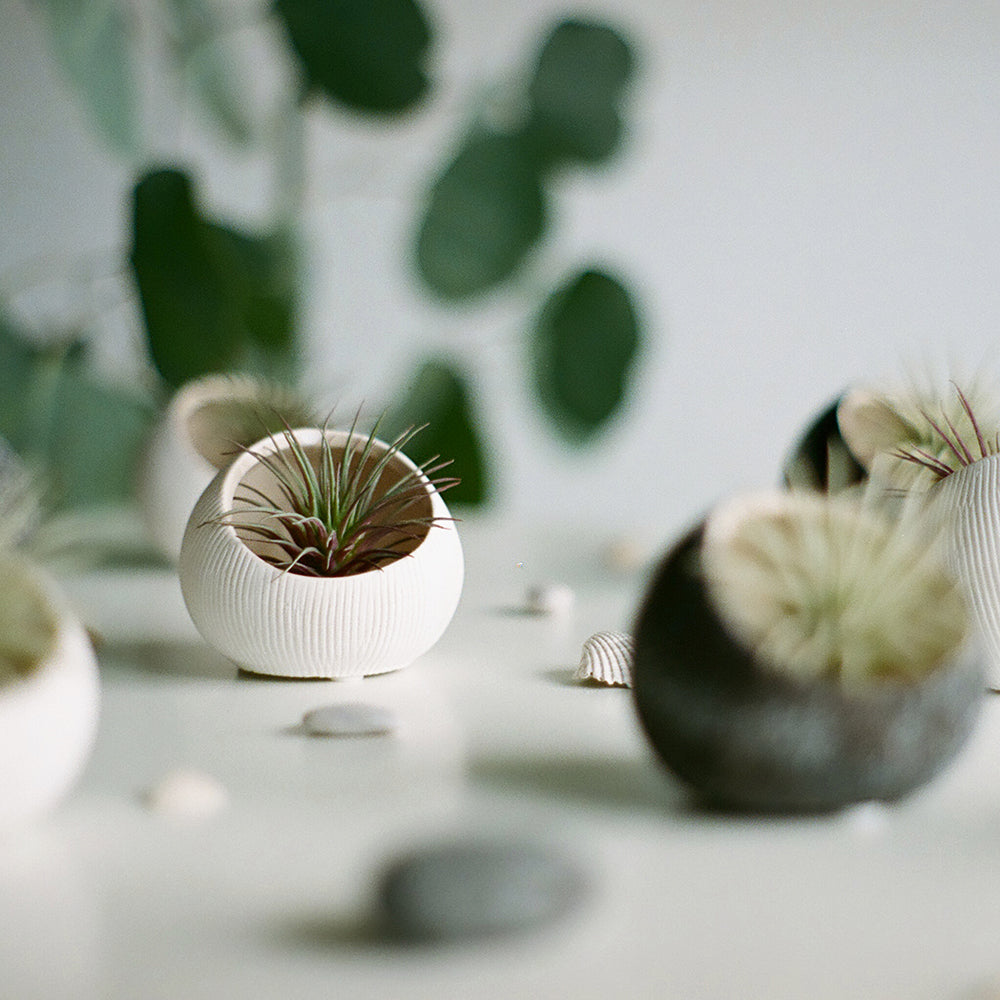
An air plant terrarium should disappear behind the specimen it holds, and this single blown-glass globe does exactly that — three inches in diameter, clear enough to read through, open at the top for airflow and easy misting. The small glass terrarium started life as part of a connected trio joined at the base, one of those shapes that looked clever on a shelf but frustrated everyone who only wanted one. Enough customers said exactly that, so we listened. The separated globe sits stable on any flat surface thanks to a polished base, and the proportions suit compact tillandsia — ionantha, brachycaulos, caput-medusae — that look best isolated in a glass container for plants rather than crammed into a crowded arrangement. Set it on a desk corner, a bathroom shelf, or a kitchen windowsill where indirect morning light reaches the leaves. One plant, one vessel, no soil, no complexity — a display built around the idea that less is usually more.

Product detail
  • Color:
  • Material: Glass
  • Glaze finish: Translucent
  • Finish variation: Natural variation between pieces
  • Drainage:
  • Saucer:
  • Dishwasher safe: Yes
  • Indoor / Outdoor: For indoor use and covered outdoor temperate weather use
  • Designed by: Chive Studio
  • Year Designed: 2012
Dimension
  • 3 inches diameter, 3 inches tall

Plants that love this pot

Quick Terrarium Building Guide:

  1. Add a Drainage Layer
  2. Add Soil
  3. Place Your Plants
  4. Top It Off
  5. Water Sparingly
Pot Care instructions
  1. Dishwasher-safe. Can also be hand-washed with warm soapy water and a soft cloth.
  2. Glazed terrariums and dishes are dipped and kiln-fired — they are sealed, durable, and not looking for trouble. No special cleaning products required.
  3. Not frost-safe. Designed for indoor use and covered outdoor temperate weather use. Freezing temperatures are not recommended.
Shipping & returns

Shipping

  • Free shipping: On qualifying US orders — threshold shown at checkout
  • Standard: 5–8 business days Express2–3 business days (at checkout)
  • International Ships: to 40 countries — rates at checkout
  • Packaging Ships: in outer box to protect gift box

View full shipping policy →

Returns

We accept returns within 30 days of delivery on unused items in original packaging. If your piece arrives damaged, contact us within 14 days with a photo and we will replace it at no charge.

View full return policy →

Wholesale Inquiries

Have a cool shop? Know someone that does?

Chive Wholesale →

Terrarium Single Glass For Airplants - Chive Ceramics Studio - Terrariums - Chive Ceramics Studio

Pots So Good, Even Your Plants Will Thank You

Scale matters in glass. A three-inch globe creates a microclimate around one tillandsia that a larger vessel cannot replicate — the air volume is small enough that each misting session raises internal humidity meaningfully, then dissipates within hours through the open top. That cycle mimics the cloud-forest conditions where many tillandsia species originate: a brief burst of moisture followed by rapid drying. Larger terrariums dilute the effect across too much empty space, and sealed ones trap it until rot begins. The glass wall thickness on this piece is calibrated for stability rather than insulation — thin enough to maximize light transmission, thick enough that the globe does not tip when you set a saturated plant inside. The open aperture is wide relative to the body diameter, which means your fingers reach every interior surface for cleaning without resorting to pipe cleaners or bottle brushes. A flat-polished base ensures the globe sits level without a cradle, stand, or any accessory that would add cost and visual clutter to a product whose entire point is simplicity. The blown-glass process leaves each unit with subtle wall variations that catch light slightly differently from piece to piece — not a defect, but a fingerprint of the production method.

Choosing the Right Terrarium Container

Shape matters more than most people expect:

  • Wide, shallow bowls and dishes work well for succulent clusters — several small plants sharing one visible root zone, with plenty of surface area for soil to actually dry out between waterings.
  • Tall, narrow jars hold humidity near the base while venting excess moisture from an open top — a good middle ground if you want an enclosed look without going fully sealed.
  • Flat-backed or wall-mounted shapes (like a half-moon bowl) solve a placement problem more than a planting one — useful when floor or table space is the real constraint, not the terrarium's needs.
  • Open, punched ceramic shapes (built for air plants specifically) skip soil entirely, relying on airflow through negative space rather than drainage.
Terrarium Koski Ceramic Air Plant Holder - Chive Ceramics Studio - Terrariums - Chive US

Ceramic Mini Terrarium

For a warmer material that insulates overnight temperature shifts, the Koski ceramic terrarium holds a single specimen in a glazed cup at 2.5 inches across. Ceramic adds thermal mass that glass cannot match — a meaningful advantage in rooms where nighttime temperatures dip sharply. Compare the Koski for a different tactile experience.

All Terrariums

The Chive terrariums collection includes ceramic cups, glass bowls, suspended spheres, jar vessels, and wall-mount brackets — eight products organized by material, shape, and intended plant species. Compare them side by side to find the right match for your particular space, your light conditions, and your plant.

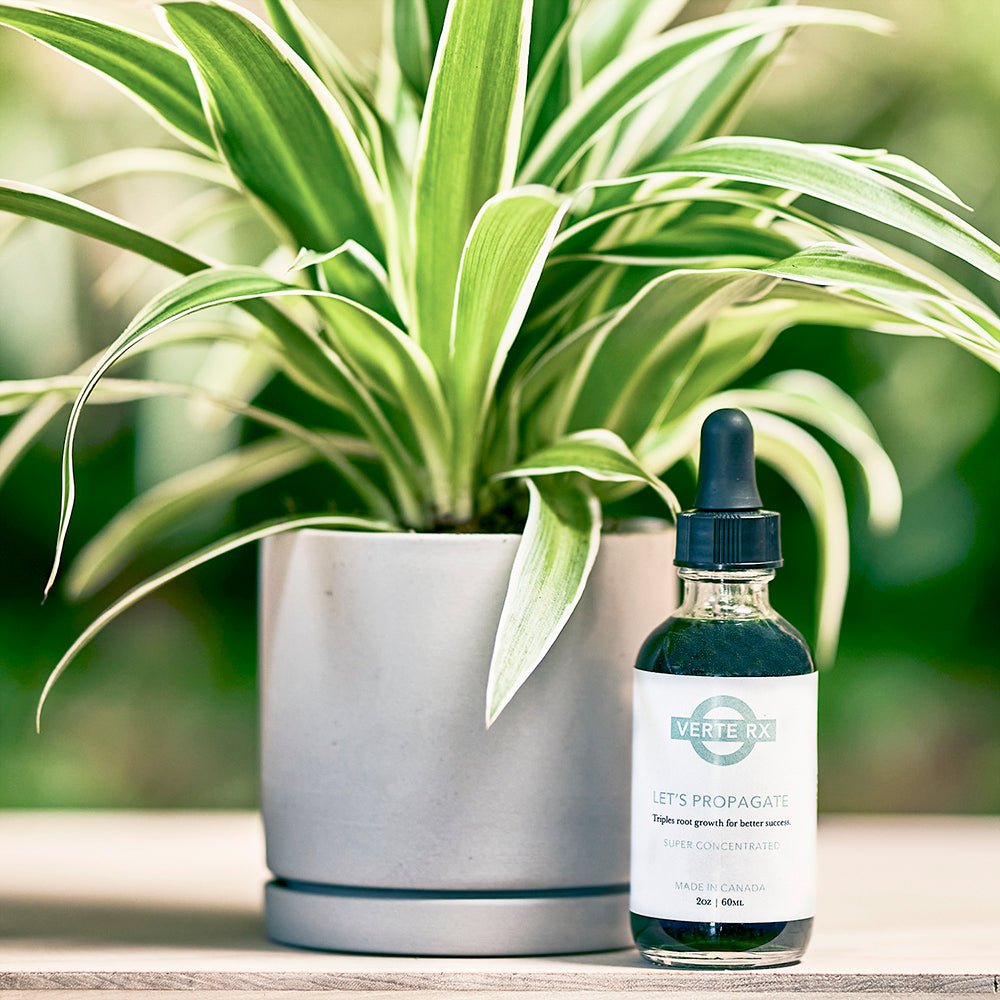
Verte Rx Let's Propagate Plant Propagator - Chive Ceramics Studio - Chive Ceramics Studio

Electric Misting

A USB-powered mister delivers ultra-fine droplets that coat tillandsia leaves uniformly without flooding the globe base. The Mr. Mister electric spray bottle in white runs on a rechargeable battery and produces a fog-like output that settles evenly across foliage. Ideal for daily maintenance between full soaking sessions.

The Chive Story

Chive has been shaping glass since 2004, and this globe reached its current solo form in 2012 after customers at the Chelsea Flower Show kept asking whether the connected trio could be broken apart. It could not, so we redesigned it entirely from the mold up. The single version outsold the original three-to-one within its very first debut season at retail.


Plant Tips from Chive Studio

Quick tips, straight answers, and the occasional reminder that overwatering kills more houseplants than neglect does.

How to Repot a Plant: Watch for the Linen

Todd Newgren
How to repot a plant comes down to three signs, one rule, and one soil decision that most people get wrong. Chive Studio has been making plant pots with drainage since 2004. The...
Read more

Fittonia (Nerve Plant) Care: Light, Water, Varieties

Ryan Hearst
Fittonia (nerve plant) care requires bright filtered light, evenly moist soil, and humidity above 50 percent or a sealed terrarium. It wilts flat when the soil dries out and rec...
Read more

Frequently asked questions

What is the best small glass air plant terrarium for one plant?

A single blown-glass globe in the three-inch range isolates one tillandsia in its own microclimate without wasted space. This particular unit was designed after Chive split a connected trio into individual pieces based on customer feedback — our shop manager, Ada, says the single version outsold the original within two months because people wanted simplicity, not a science-fair project.

How do you water an air plant in a glass terrarium?

Spritz the leaves inside the globe several mornings per week using a fine spray bottle. Once every seven days, pull the tillandsia out and submerge it in a bowl of lukewarm water for a fifteen-to-twenty-minute bath, then tip it inverted over a towel until no moisture remains in the leaf crevices. Our stockroom lead, Oleg, skips the tipping step and lays the plant flat on a dry cloth — equally effective, slightly less theatrical.

Do air plants in a glass container need soil or water?

No soil, ever. Tillandsia absorb moisture and nutrients through trichomes on their leaves, not through buried roots. The root nub anchors the plant to a surface in the wild but serves no feeding purpose indoors. Our greenhouse assistant, Hana, demonstrates this by holding a freshly misted ionantha upside down — it drinks from its leaves regardless of orientation, which never fails to unsettle first-time buyers.

How big is the single glass air plant terrarium in inches?

Three inches in diameter and three inches tall, with an open top roughly two inches across. The globe weighs a few ounces empty and gains minimal mass even with a fully saturated tillandsia inside. Our packer, Dante, describes it as roughly the footprint of a tennis ball — accurate enough for anyone estimating shelf real estate before ordering.

How much light does an air plant in a glass terrarium need?

Roughly five hours of gentle, non-direct illumination each day keeps most tillandsia healthy inside the globe. Set it near an east-facing window where early rays filter through without the harshness of midday exposure. South and west windows overheat the small enclosed air volume and scorch leaf tips quickly. Our designer Maren positions hers on a desk that catches reflected light off a white wall — gentler exposure with zero scorching risk.

How long does an air plant live in a glass terrarium?

Most tillandsia species live three to five years with proper misting and weekly soaking, eventually producing offsets called pups that you can separate and start in new vessels. Our retail buyer, Theo, has kept a single ionantha in a globe for over four years and has harvested six pups from it — a return on investment he mentions at every staff meeting without being asked.

How do you display a single glass air plant terrarium at home?

Set it on a desk, nightstand, floating shelf, or bathroom ledge where indirect light reaches the plant for several hours daily. Group three or five globes in an odd-numbered cluster along a windowsill for a cohesive arrangement. Our photographer, Viv, lines them along her north-facing sill and says the light passing through each globe creates a rippled shadow pattern she has never managed to replicate on purpose.

When did Chive change the air plant terrarium from three to one?

The trio launched in 2012 as three globes fused at the base. Customer feedback at our annual flower show booth that year was consistent and blunt: everyone wanted just one. By the following production run we had separated the mold and started selling singles. The trio technically still exists in the catalog but has not been restocked since 2015.

Shido Vegetable and Flower Seeds Vacuum sealed for peak freshness

The pot is sorted. Now what goes in it?

Shido seeds come vacuum-sealed, non-GMO, and packaged well enough that people keep the packets after the seeds are gone. Which is either a design success or a problem, depending on how you look at it.

Your new pot is waiting.