Tomato Green Zebra Vegetable Seeds Packet

Regular price $4.95

FREE SHIPPING on seeds when you order 5 packs or more

Tomato Green Zebra seeds for the kitchen garden that intends to actually produce tomato green zebra this year. Green Zebra is proof that a tomato does not have to be red to be serious.

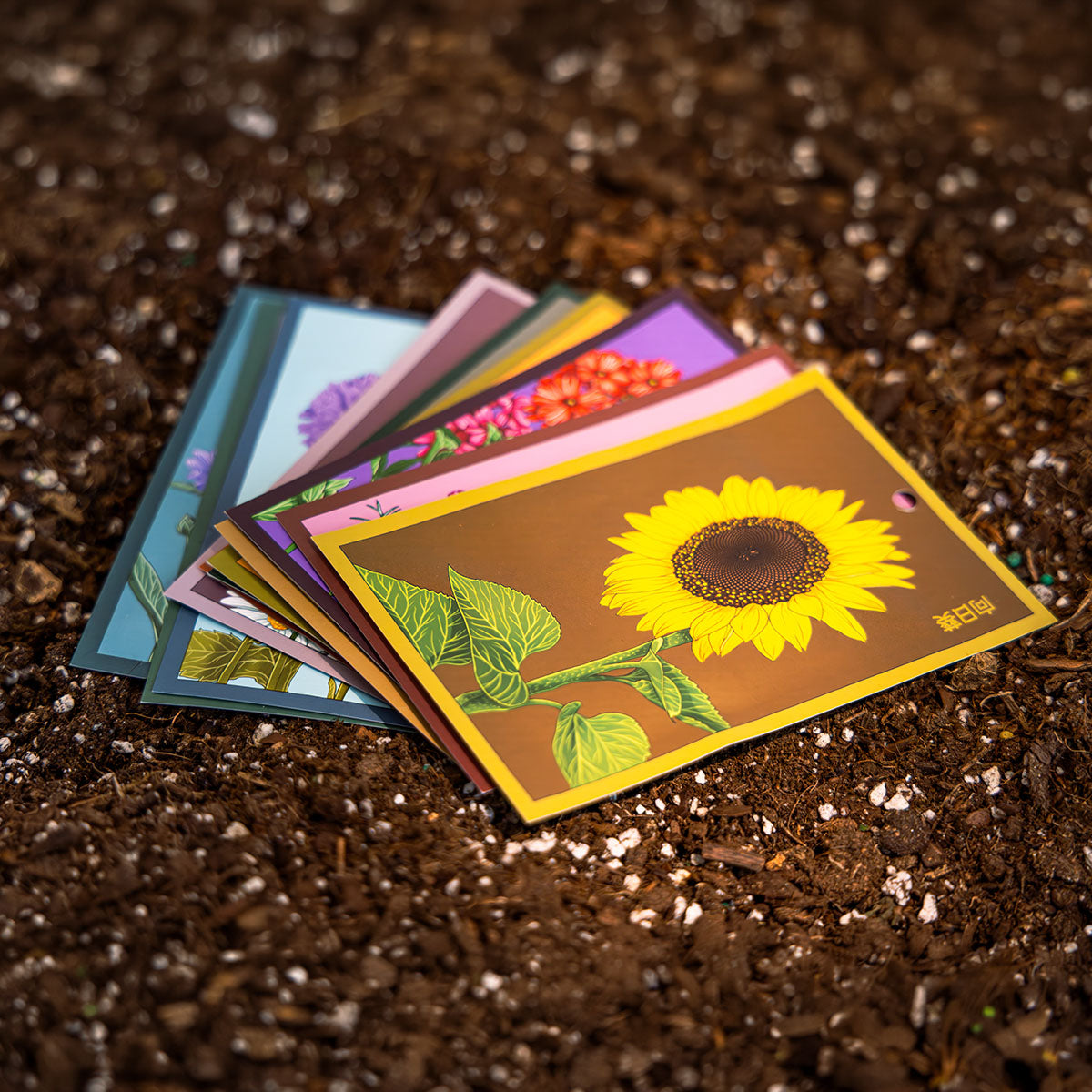
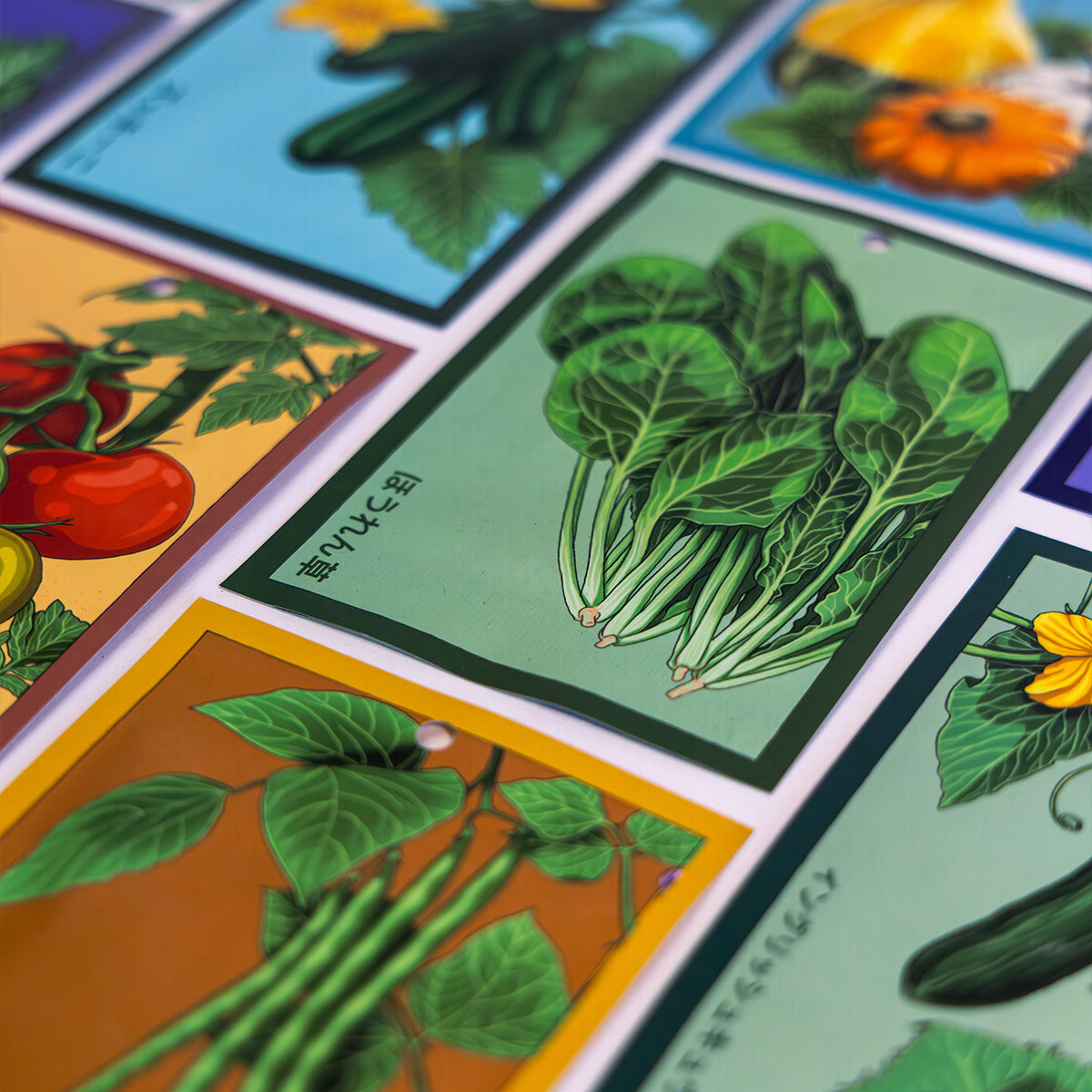
Tomato Green Zebra is a striped heirloom tomato with yellow and green skin and a flavour that rewards the wait. Each packet is hermetically vacuum-sealed -- removing the oxygen that causes standard paper seed packets to lose germination viability within approximately one year. State law requires a 3-year viability label on sealed packaging. NASA research on hermetic seed storage indicates viability of up to 10 years under proper conditions. Every packet is non-GMO and germination-tested at independent third-party labs before it earns its Japanese woodblock print artwork.

Quick Seed Overview
  • Plant Type: Annual vegetable
  • Genus: Solanum
  • Species: Solanum lycopersicum
  • Plant Height/Width: 3-5 feet tall / 2-3 feet wide
  • Season: Summer
  • Exposure: Full Sun
  • Difficulty: Moderate
Satisfaction Guarantee

Seed Pack Guarantee: we stand behind our seeds. If they fail to perform, we'll gladly replace them at no cost. Performance depends on proper growing conditions.

Why Shido Seeds Are the Best

Our flower and vegetable seeds are beautifully packaged little packets of magic. Guaranteed to turn your garden into the envy of the neighborhood. Get your hands dirty and let nature simply do its thing.

Complete Growing Guide

This comprehensive guide provides all the information needed to successfully grow from seeds to mature, thriving plants that will provide years of delicate, beautiful foliage for both indoor enjoyment and floral arrangements.

Seed Starting

1. Sow directly from the packet.

Seed Starting (Indoor/Direct Method)

Sowing Process:

1. Container Preparation: Fill trays with moistened mix.

2. Seed Placement: Sow ¼ inch deep.

3. Environmental Control: 75-85°F.

4. Germination Timeline: 6-8 days.

Germination and Early Care

Germination Conditions:

  • Soil temperature 75-85°F
  • Consistent moisture
  • Bright light once sprouted

Post-Germination Care:

1. Provide bright light.

2. Transplant after frost danger passes, staking early given this vigorous indeterminate habit.

3. Remember ripeness is judged by feel and stripe color, not by waiting for red.

Long-term Care

Ongoing Care and Management
Watering Schedule:

Establishment (First 2-3 Weeks):

  • Water regularly to keep soil moist
  • Check every 2-3 days

Mature Plants:

  • Once established: quite drought tolerant
  • Keep soil evenly moist once flowering/fruiting
  • 1-1.5 inches per week total
  • Deep watering to 6-8 inches depth
  • Morning watering preferred
  • Drip irrigation or soaker hoses ideal

Fertilizing:

  • Fertilize accurately - don't over-do it!
  • Excess nitrogen causes rampant growth, rot, delayed ripening
  • Side-dress monthly with balanced fertilizer
  • Or use tomato-specific fertilizer per package directions
  • Container plants: liquid fertilizer every 2-4 weeks

Pruning and Training:

  • Recommended method: Two-shoot system
  • Identify one strong side shoot, leave it
  • Remove all other side shoots
  • Continue removing new suckers throughout season
  • This directs energy to fruit production
  • Tie main stems loosely to stakes with soft ties

Mulching:

  • Essential for even moisture
  • Prevents soil-borne disease splash
  • Regulates soil temperature
  • Suppresses weeds
  • Apply 2-4 inches, refresh as needed

Flowering and Fruit Development
Flower Characteristics:

  • Small yellow flowers in clusters
  • Self-pollinating
  • Appear continuously on indeterminate vines
  • Flowers from mid-July onward (timing varies)

Fruit Development:

  • Fruits develop 7-10 days after pollination
  • Start deep green with dark green stripes
  • Gradually develop yellow-chartreuse base
  • Stripes remain forest-green initially
  • As ripening continues, stripes turn golden-yellow
  • Amber/blush may develop at blossom end
  • Entire process takes 65-80 days from transplant

Maximizing Production:

  • Maintain even moisture during fruiting
  • Continue feeding regularly
  • Regular harvesting encourages more production
  • Prune to 2 shoots for larger fruit

Harvesting
Determining Ripeness (The Challenge!):

Because Green Zebra stays green, determining ripeness is tricky. Look for these signs:

Visual Cues:

  • Light green stripes turn to yellow or golden
  • Fruit develops yellow blush overall
  • Bottom of stripes may turn amber/pinkish
  • Fruit appears less intensely green
  • Approximately 60% of tomato covered with darker green stripes

Touch Test:

  • Fruit becomes soft to touch (like ripe tomato)
  • Gentle grasp - should give slightly
  • Firm when underripe, soft when perfect

Timing:

  • 65-80 days from transplant typically
  • Can take longer in cool conditions
  • Mid-July onward in most climates

Important Notes:

  • If disease present, tomato stays green and doesn't turn yellow - plant wilts
  • Healthy plants: stripes definitely turn golden-yellow
  • For sweeter flavor: leave on vine longer (stage 3 ripeness)
  • Experiment to find your preferred ripeness stage!

Harvesting Technique:

  • Gently twist and pull ripe tomatoes
  • Or cut stem with pruners
  • Handle carefully - can bruise
  • Harvest every 2-3 days during peak season
  • Morning harvest after dew dries = best quality

Storage:

  • Fresh: use within 4-7 days at room temperature
  • Store in darkness, unstacked in shallow trays
  • For longer storage: pick less ripe
  • Store at 45-60°F (7-16°C) for extended keeping
  • Never refrigerate (ruins flavor and texture!)
  • Any fruit breaking color will ripen post-harvest

Container Growing
Green Zebra can be grown successfully in containers:

Container Requirements:

  • Minimum: 24 inches deep, 18 inches diameter (5-7 gallons)
  • Better: 48 inches deep, 36 inches diameter (15-20 gallons)
  • Excellent drainage holes essential
  • Use quality potting mix (never garden soil)

Container Care:

  • Check moisture daily - may need daily watering
  • Fertilize every 2-4 weeks with liquid fertilizer
  • Provide sturdy support (stake or cage)
  • Place in full sun (6-8+ hours)
  • May produce slightly smaller fruit but still excellent

Seed Saving
Green Zebra is open-pollinated - excellent for seed saving!

Process:

  1. Selection: Choose best fruits from healthiest, most productive plants
  2. Full ripeness: Allow to fully ripen (golden stripes, soft)
  3. Extraction: Cut fruit in half, squeeze seeds and gel into jar
  4. Fermentation: Add water, let sit 2-3 days until mold forms on surface
  5. Cleaning: Add water, stir, pour off floating material (good seeds sink)
  6. Drying: Spread clean seeds on screen or parchment, dry 1-2 weeks
  7. Storage: Store in paper envelopes, labeled, in cool dry place
    Seed Viability: 4-6 years properly stored

Cross-Pollination:

  • Self-pollinating with low cross-pollination rate
  • Isolate 10-20 feet from other tomato varieties for pure seed
  • Green Zebra breeds true to type

Companion Planting
Excellent Companions:

  • Basil (improves flavor, repels pests)
  • Marigolds (deters nematodes, attracts beneficials)
  • Nasturtiums (trap crop for aphids)
  • Carrots (different root depths)
  • Onions/Garlic (pest deterrent)
  • Asparagus, Celery, Peppers, Chard

Avoid Planting Near:

  • Brassicas (cabbage, broccoli, kale, cauliflower, kohlrabi)
  • Corn
  • Dill, Fennel
  • Potatoes (share diseases)

Troubleshooting Common Issues

Can't Tell When Ripe:

  • Solution: Watch for yellow stripes, softening, and wait 65-80 days minimum
  • Touch test most reliable

Cracking/Splitting:

  • Cause: Inconsistent watering (though Green Zebra is crack-resistant!)
  • Solution: Maintain even soil moisture with mulching

Slow Growth:

  • Cause: Cool temperatures, insufficient sun, over-fertilizing
  • Solution: Wait for warm weather, ensure full sun, reduce nitrogen

Blossom End Rot:

  • Cause: Calcium deficiency from inconsistent watering
  • Solution: Even moisture, apply pelleted gypsum at bloom set

Flowers Drop:

  • Cause: Temperature extremes, water stress
  • Solution: Maintain consistent moisture, provide afternoon shade in extreme heat

Pro Tip

Limit vines to two well-chosen stems per plant, and prune additional shoots to focus energy on abundant, flavorful fruit and improved airflow. Also, deeply bury the stem during transplanting and add calcium amendments at planting time. This supports strong root systems, helps prevent blossom-end rot, and improves overall vigor and yield.

Tomato Green Zebra Vegetable Seeds Packet - Chive Ceramics Studio - Seeds - Chive Ceramics Studio

Getting to know your Tomato Green Zebra

Green Zebra tomato seeds are typical of Solanum lycopersicum - small, flat, kidney-shaped seeds with a cream to tan coloration. Each seed measures approximately 2-4mm in diameter with a slightly fuzzy, hairy texture typical of tomato seeds. There are approximately 9,750 seeds per ounce (about 350 seeds per gram). Fresh seeds maintain excellent viability rates of 75-85% for 4-6 years when properly stored in cool, dry conditions, with highest germination rates in the first three years. These warm-season seeds germinate reliably when given proper warmth and moisture.

The challenge? Knowing when to harvest (hint: when stripes turn golden and fruit softens!).

What it's used for

1. Culinary Applications:

  • Fresh eating: Raw slices with salt (incredible flavor!)
  • Salads: Wedges add color and tangy sweetness
  • Salsa verde: Makes stunning green salsa
  • Green ketchup: Surprisingly delicious alternative to red
  • Fried green tomatoes: Traditional preparation
  • Caprese salad: Beautiful with mozzarella and basil
  • Gazpacho: Cool green soup
  • Pasta dishes: Fresh or cooked
  • Sandwiches and burgers: Gourmet topper
  • Canning and preserving: Pickles, salsa, sauce

Growth Requirements

Temperature:

  • Germination: 70-90°F (21-32°C), optimal at 75-85°F
  • Growing season: 70-85°F (21-29°C) daytime ideal
  • Warm-season crop - cannot tolerate frost
  • Plant after soil reaches 60°F minimum
  • Heat and drought tolerant once established
  • Thrives in warm summer conditions

Light:

  • Full sun absolutely essential (minimum 6-8 hours direct sunlight daily)
  • More sun = more fruit production
  • South-facing location ideal
  • Tolerates very light afternoon shade in extreme heat

Soil:
Well-draining soil essential
pH range: 6.0-6.8, optimal at 6.5
Medium-rich soil preferred
Deep, loose, fertile texture
Rich in organic matter
Avoid heavy clay or compacted soils
Deep-rooted (roots may go down 5 feet!)

Water:

  • Moderate water requirements
  • 1-1.5 inches per week once established
  • Deep, infrequent watering encourages strong roots
  • Keep soil evenly moist once flowering and fruiting begins
  • Mulching essential for even moisture
  • Uneven watering causes blossom end rot and cracking
  • Drip irrigation ideal


Space:

  • Plant height: 4-10 feet (typically 6 feet when staked)
  • Indeterminate growth habit - continues growing until frost
  • Very productive and compact for indeterminate type
  • Seed spacing: Plant in flats or cells initially
  • Final spacing: 24-36 inches apart
  • Row spacing: 36-48 inches apart
  • Container minimum: 24-48 inches deep, 18-36 inches diameter
  • Requires sturdy support (stake or cage)

Humidity:

  • Moderate humidity tolerated
  • Good air circulation important
  • Crack-resistant even in humid conditions
  • Suited to areas with summer rains

Maintenance

Daily Tasks:

  • Check soil moisture during hot weather
  • Monitor for pests (especially hornworms)

Every 2-3 Days:
Water check during fruiting period
Harvest check (fruits ripen gradually)


Weekly Tasks:
Deep watering 1-2 times per week
Scout for pests and diseases
Train vines to supports
Tie stems to stakes as needed


Bi-weekly to Monthly:
Side-dress fertilization
Prune suckers (for 2-shoot management)
Check support structures
Major weeding (though mulch minimizes this)


Seasonal Tasks:
Winter/Early Spring: Seed starting indoors (4-6 weeks before transplant)
Spring: Harden off, transplant after frost, install supports
Summer: Regular harvesting from mid-July, consistent watering
Late Summer/Fall: Continue harvest until frost, save seeds
Fall: Pull plants after frost, clean up debris


Fertilizing Schedule:

  • Pre-planting: Work in compost or aged manure
  • At planting: Light application balanced fertilizer (5-10-5 or 10-10-10)
  • During growth: Fertilize accurately - excess nitrogen causes problems!
  • Flowering/Fruiting: Switch to lower nitrogen, higher phosphorus-potassium
  • Container growing: Regular liquid fertilizer (monthly or bi-weekly at half strength)
  • Important: Don't over-fertilize! Causes rampant growth, rot, delayed ripening

Pruning and Training:

  • Two-shoot method recommended: Identify one strong side shoot, leave intact, remove all others
  • Produces best with only 2 shoots per plant
  • Continue removing side shoots from main stem
  • Energy directed to fruit production rather than foliage
  • Can grow 4-6 feet when staked vertically
  • Up to 10 feet if excellent support provided

Support Requirements:

  • Install at planting time (essential!)
  • Requires stake or cage (over 2 meters/6+ feet tall)
  • Options: tall tomato stakes (6-8 feet), heavy-duty cages, trellis systems
  • Tie loosely with soft ties as plant grows
  • Secure support well - mature vines become heavy

Protection:

  • Protect from rain if possible (prevents bursting and disease)
  • Row covers or plastic tunnels beneficial
  • Greenhouse growing excellent option

Pests and Diseases

Growing Together with Shido

At Shido, everything we do starts with one goal: helping you have a truly successful growing experience. We know that planting seeds is just the beginning — your time, energy, and love for gardening are the real magic. That’s why we make sure the seeds you plant are fresh, full of life, and top-quality. When you choose Shido, you’re planting with confidence. We guarantee it.

Our mission is simple: bring you exceptional varieties of high-quality seeds at prices you’ll love, share detailed sowing and growing tips so you can thrive as a home gardener, and deliver the best customer service in the industry, with a smile.

Our Seed Safety Promise

We do not sell genetically modified seeds — ever. And we don’t use genetic engineering to breed new varieties. Instead, our skilled breeders use traditional, natural crossing methods to create hybrid seeds that are healthy, safe, and packed with potential.

Our Seed Quality Guarantee

At Shido, we believe great gardens start with great seeds — and that means quality comes first. Every seed lot we offer is ensure to generate top-notch germination because your garden deserves nothing less.

To keep our seeds at their peak, we run thorough pathology tests at trusted outside labs. When you open a Shido seed packet, you can trust it’s been nurtured, tested, and approved to give you strong, healthy plants from the very first sprout.

Types of Seeds We Offer

Open-Pollinated & Heirloom Seeds

Our open-pollinated (OP) seeds naturally reproduce through wind, insects, water, or self-pollination. When grown in isolation, they produce true-to-type plants year after year.

Among our OP seeds are treasured heirloom varieties — old favorites that have been carefully passed down for generations. While OP plants can be less uniform than hybrids, we run our Open-Pollinated Project to select the most reliable, flavorful, and beautiful strains.

Non-GMO: What It Means and Why It Matters

A GMO (Genetically Modified Organism) is created when scientists alter a plant’s DNA in a lab — often by inserting genes from completely unrelated species — to achieve certain traits, like pest resistance or herbicide tolerance. This is a far cry from natural plant breeding.

At Shido, we believe gardening should stay as close to nature as possible. All our seeds — whether hybrid, heirloom, organic, or open-pollinated — are Non-GMO. They’re bred using traditional methods that respect natural biodiversity, giving you safe, wholesome seeds that grow into plants just as nature intended.

When you plant Shido Non-GMO seeds, you’re choosing purity, sustainability, and peace of mind — along with a garden full of flavor, color, and beauty.

Vacuum-Sealed for Freshness — Good for 10 Years

Every Shido seed packet is vacuum-sealed to lock in freshness and protect your seeds from moisture, air, and pests. This careful packaging not only preserves their quality but also extends their shelf life dramatically. Stored properly in a cool, dry place, our seeds remain viable for up to 10 years — so you can plant them now, next season, or even years down the road. Whether you’re planning a garden this spring or building a long-term seed stash, Shido seeds are ready when you are.


Feed Your Plants Like You Actually Know What You’re Doing

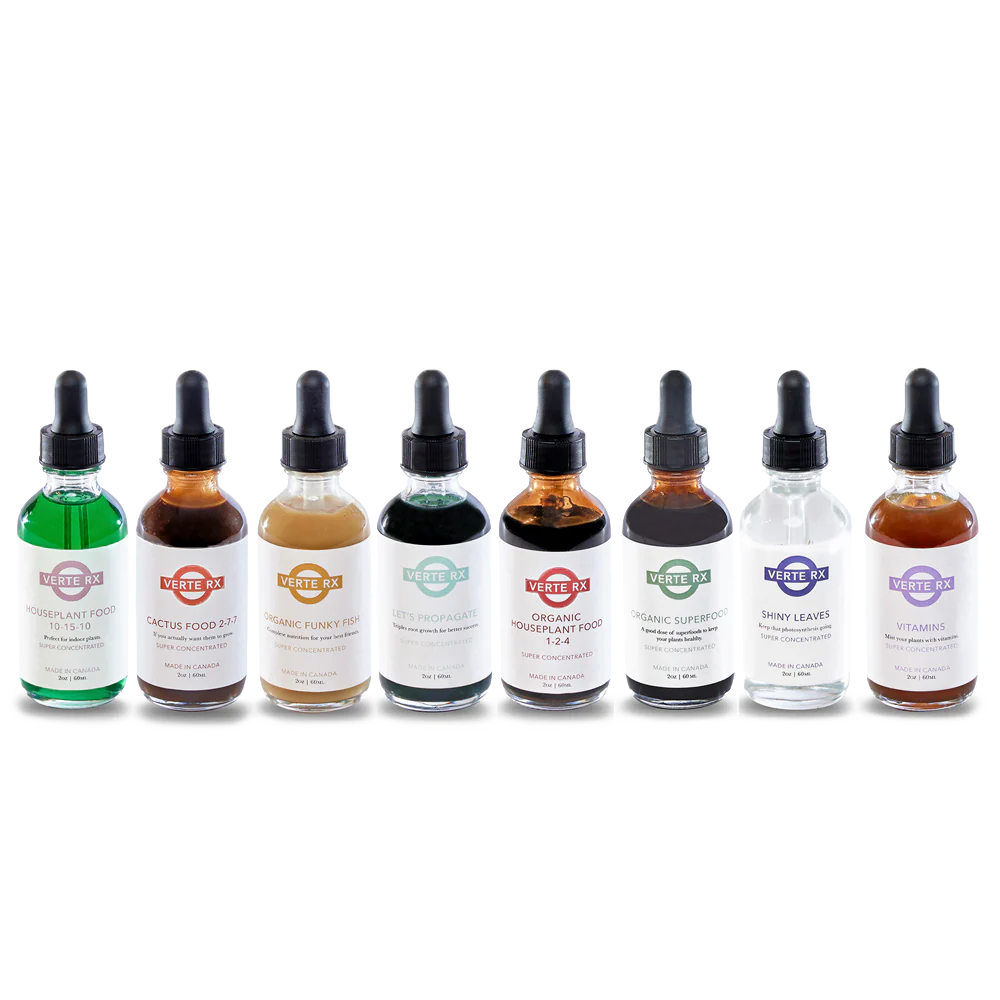
Your plants called—they're tired of your "just water and hope" approach. Give them VerteRx, the premium plant food packed with vitamins and growth boosters. Stronger roots, lusher leaves, and fewer judgmental stares from your fiddle-leaf fig. Because even plants deserve proper nutrition (unlike your diet).

Pretty Pots for Pretty Plants

Your plants work hard to look good—shouldn’t their pots do the same? Choose from our gorgeous flower pots and let your greenery thrive in style. Because plain plastic is just rude.