3D Ceramic Drip Vase

Regular price $89.95
Sizes
Fully Glazed
Dishwasher safe cleaning
30-day return policy

Build Your Effortless Arrangements With These:

Choose a vase as your anchor, then round out the shelf with these for that thrown-together-but-somehow-perfect look.


This 3d printed vase is built the way almost nothing else at the studio is built: from the ground up, layer over layer, out of a liquid stoneware that ends its life waterproof and matte white. The printer lays down horizontal ripples in perfect register, so the finished drip vase wears a wave texture no thrown pot could repeat, rising to a rim that drifts like the edge of a cloud. Nobody here fully understands the chemistry, and we have stopped pretending to at dinner parties. What we do understand is the ranking: this is the second-best thing the studio makes, which in this catalog is not a modest claim, and nobody argued when the title was assigned. As a sculptural ceramic vase it justifies its shelf space with no flowers at all, though a single dark stem against the white ridges repays the trouble. Designed in 2024, printed slowly, glazed fully, and inspected before it ships.

Product detail
  • Vase Type:
  • Material: Ceramic
  • Glaze finish: Fully Glazed
  • Water Resistance: Watertight
  • Year Designed: 2024
Vase Care Instructions

Every ceramic vase in this collection is dishwasher safe on the top rack, making cleanup between arrangements as simple as loading it in with the rest of the dishes. The glazed surface holds up fine to regular washing, so there's no need to hand-wash unless you'd prefer to.

If you're cleaning a piece with painted or sculpted detail, a gentler cycle or a quick hand-wash with warm water and mild soap will help keep the finish looking sharp for longer. Either way, rinse and dry after each use — especially if flower food or cut-stem residue was in the water — so nothing lingers and clouds the glaze.

No special sealants, no periodic maintenance. Wash it, dry it, put flowers back in it.

Flowers that Love this Vase
  • Peony
  • Marigold
  • Buttercup
  • Iris
  • Penstemon
  • Sea Holly
  • Stock
  • Tuberose
  • Heather
  • Bee Balm

Quick Guide to Building a Floral Arrangement

  1. Pick your vase first
  2. Start with your anchor flower.
  3. Build in odd numbers.
  4. Add height, then fill.
  5. Greenery does the quiet work.
  6. Cut stems at an angle, underwater if you can.
  7. Step back before you decide it's done.

Shipping & returns

Shipping

  • Free shipping: Orders $200+ within the US
  • Standard: 5–8 business days, Express 2–3 business days (at checkout)
  • International Ships: to 40 countries — rates at checkout
  • Packaging Ships: in outer box to protect gift box

View full shipping policy →

Returns

We accept returns within 30 days of delivery on unused items in original packaging. If your piece arrives damaged, contact us within 7 days with a photo and we will replace it at no charge.

View full return policy →

Wholesale Inquires

Have a cool shop? Know someone that does?

Chive Wholesale →

Printed, not thrown — The 3D Drip

The printer works at a pace best described as geological. Liquid stoneware goes in, and over hours the machine lays it down in ribbons, each pass a few millimeters higher than the last, building the vessel from the table up while everyone else in the studio throws, trims, and fires at human speed. The ripples on the surface are not decoration; they are the honest record of the process, every horizontal line a layer the machine placed and moved past. The studio could smooth them away and has decided it never will. The chemistry that turns a pourable slurry into a waterproof vessel remains, frankly, imperfectly understood by the people who operate the equipment, and the running joke is that the printer knows and is not telling. What matters is the outcome: a matte white form no wheel could produce, with a rim that wanders like a coastline instead of closing in a circle. It ships in two sizes. The small suits a desk or a deep windowsill; the large wants a table it can command. Both stand comfortably empty, which is fortunate, because owners report a genuine reluctance to cover any part of them. It holds second place in the studio's private ranking of its own work. Nobody has appealed.

Chive Studio trimming tulip stems with scissors on a wooden surface, with white, purple, and pink tulips arranged nearby.

A (Mostly) Simple Guide to Cutting Your Flowers

So, you’re making an arrangement? Let’s ensure it lives long enough to impress someone—even if it's just you.

  1. Scrub the Scissors: Wash your shears first. Your flowers do not want a side of Dorito dust.
  2. Cut at 45°: Snip stems at an angle. It gives them a straw instead of making them chug from the bottle.
  3. Trim Underwater (Fancy Mode): Cut them submerged to block air bubbles. It’s extra, but they didn’t ask to suffocate.
  4. Ditch Submerged Leaves: Strip anything below the waterline. Unless you are actively going for a swamp aesthetic.
  5. Snip Again if Stale: If they sat out on the counter, trim them again. They need a fresh start (don’t we all?).
  6. Swap the Water: Change it and trim the stems every few days so they don't die immediately.

Voilà! You are now a domestic deity. Go take your Instagram photo before you forget to water them.

Pro Tip: Keep It Short and Sweet!

When it comes to flower stems, shorter is better. Not only do shorter stems look chic in arrangements, but they also help your blooms last longer. Why? Because the shorter the stem, the less distance water has to travel to keep those petals perky. It’s like giving your flowers a shorter commute—less stress, fewer breakdowns.

Perfect Pairs for Any Shelf
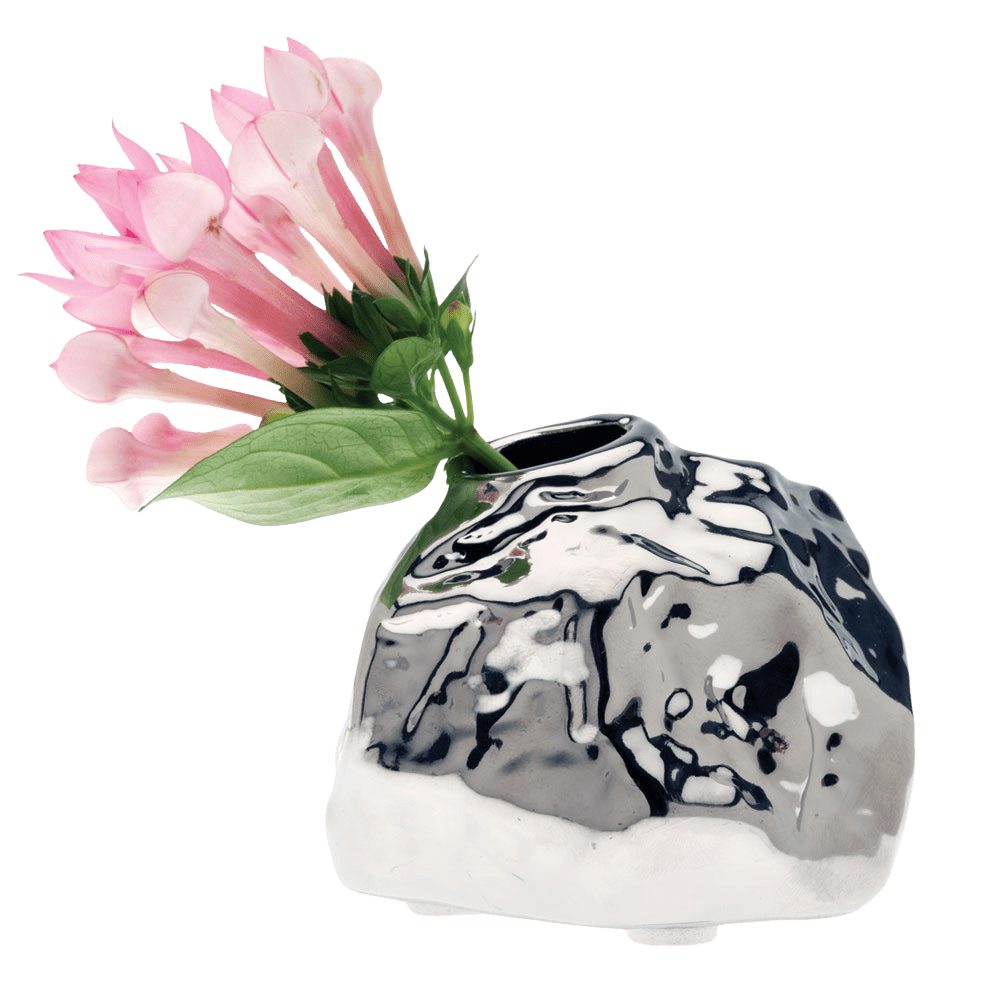
Alu Ceramic Floral Vase - Chive Ceramics Studio - Vases - Chive US
Alu Ceramic Floral Vase

The ceramic vases at Chive come out of the same studio habit that produced everything else here: design the object once, correctly, then resist every opportunity to complicate it. Each one holds stems. None of them holds back. The 3D Drip is the habit meeting new equipment. For the habit meeting an old dare — clay passing as chrome — the Alu Ceramic Floral Vase takes it.

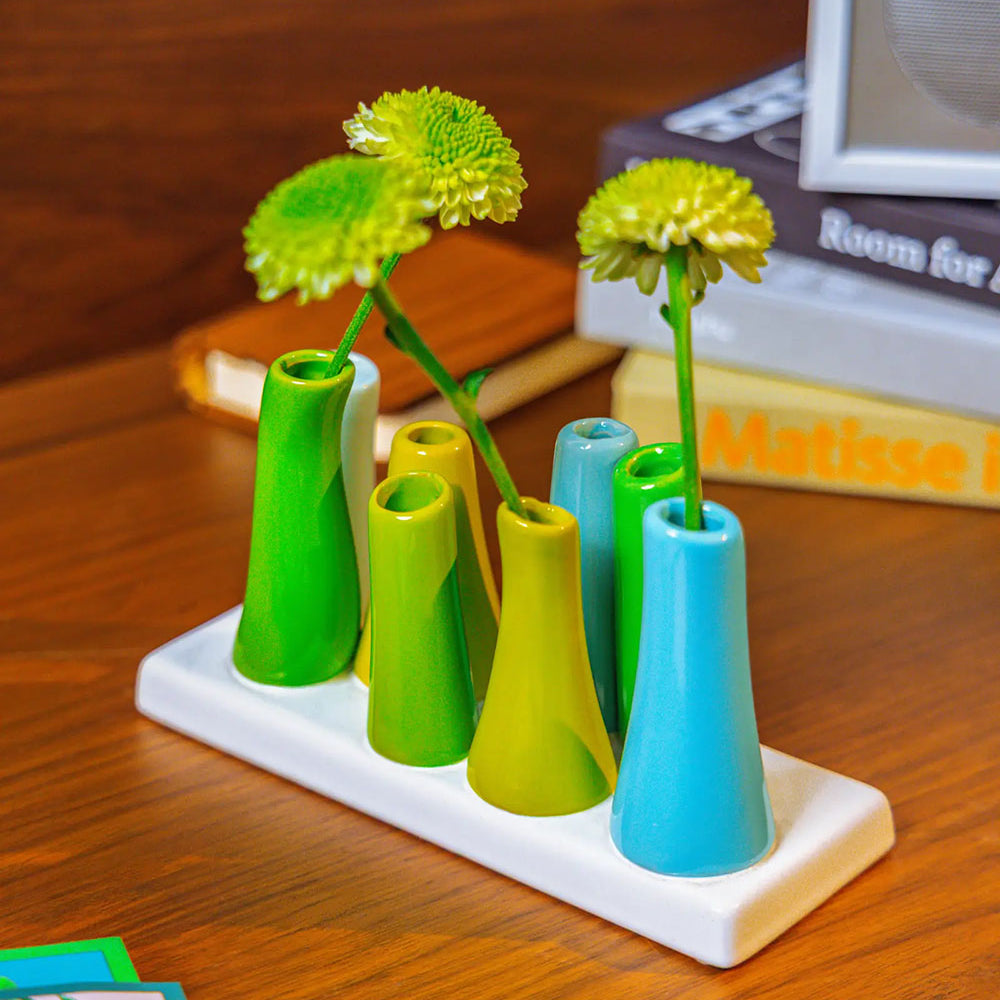
Chive ceramic pooley bud vase in color scout blue, styled with fresh flowers, on a wood desk.

The Ceramic Vases Collection

Every Chive vase is built around one decision about how flowers should stand, then finished by hand until that decision reads as obvious. For the 3D Drip, the decision was honesty — leave the printer's layer lines exactly where the machine put them, so the surface tells you precisely how it was made. A matte white record of its own construction that also happens to hold flowers. View the whole Ceramic Vases collection.

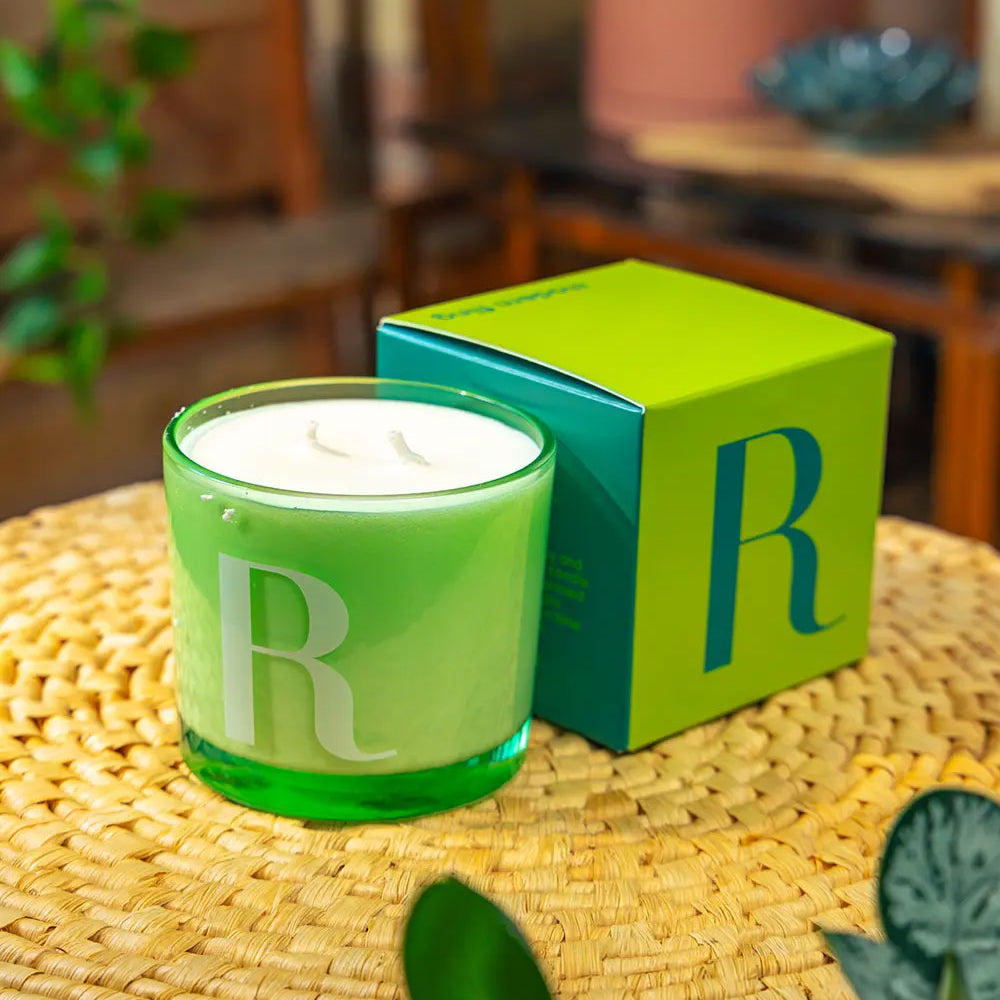
Ravenous Shido Candle

Machine-made meets hand-poured: the Ravenous Shido Candle burns a coconut-soy blend beside the 3D Drip's printed ridges, and the ripples catch candlelight in moving horizontal bands the overheads never find. It is the cheapest lighting upgrade the vase will ever get. Print, pour, strike a match. The shelf handles the rest.


Chive Studio at Chelsea Flower Show displaying ceramic pooley vases of different colors.

Old Studio, New Machines — Chive Since 2004

The kiln at Chive is older than some of its staff; the printer beside it is newer than most of the glaze recipes. The studio has never seen a contradiction in that. Since 2004 the operating principle has been that tools are hired, not worshipped — a machine earns floor space by producing something the wheel cannot, and it keeps that space only as long as human hands still finish, inspect, and approve every piece it touches. New equipment arrives on probation and stays on it permanently. The result is a workshop where a technique from the Song dynasty and a technique from last year run side by side, judged by exactly one standard: what the finished object is like to live with.


Inside the Chive Design Studio

Low maintenance, high impact. Let's make home styling look easy.

Wedding Centerpiece Vases: The Planning Guide Nobody Gives You

Jessie Duenas
Wedding centerpiece vases work best small and plural — three to seven per table, one to three stems each. A fifteen-table reception needs roughly seventy-five vases and 100 to 1...
Read the full story

The Best 10 Styles of Vases

Jessie Duenas
The glorious world of flower vases! Because nothing says "I have my life together" quite like a carefully chosen vessel for your soon-to-be-wilting flora. Gather 'round, fell...
Read the full story

Frequently asked questions

What should you look for when buying a 3d printed vase online?

Confirm three claims before paying: that the material is genuinely fired ceramic rather than resin or plastic, that the interior is sealed waterproof, and that the seller shows the layer lines up close instead of smoothing them away in photos. This one is liquid stoneware, fully glazed, printed layer by visible layer. Printed decor is easy to fake in pictures. Ceramic is the word that matters.

Can the 3D Drip vase hold dried stems as well as fresh?

Both, and it may be the studio's best dried-stem vessel. The matte white surface and rhythmic ridges flatter pampas, bunny tail grass, and dried seed heads, which echo the texture instead of fighting it — and dried arrangements skip the water entirely. For fresh stems, the glazed interior holds water reliably. Alternate by season if you like. The vase is indifferent.

How much water does the 3D Drip vase hold when filled?

Enough for its job, in either size: the small carries a day or two of water for a few stems, and the large holds roughly twice that for fuller handfuls. Fill to about two-thirds so the wandering rim stays comfortably above the waterline. Exact capacity varies with the organic interior form, which is the printer's signature. Two-thirds full is the working rule.

Why was ceramic chosen for the 3D Drip vase's construction?

Because the alternative is plastic, and plastic ages badly in every way that matters. Printing in liquid stoneware lets the studio keep everything it values about ceramic — the fired hardness, the waterproof glaze, the honest weight — while gaining forms no wheel can throw. Resin prints scratch, yellow, and read as gadgets. Stoneware reads as an object. The studio makes objects.

Can you remove hard water marks from the 3D Drip vase easily?

Easily. Fill it with equal parts white vinegar and warm water, let it stand thirty minutes, then rinse — mineral film releases from fired glaze without scrubbing. For the exterior ridges, a soft cloth dampened with the same mix follows the ripple lines. Avoid abrasive powders, which dull matte glaze faster than gloss. Vinegar, patience, rinse. Marks lose.

Where does the 3D Drip vase look best in a modern room?

Anywhere raking light travels — a console under a window, a shelf with a directional lamp — because side light turns the horizontal ridges into moving bands of shadow. Against dark walls the matte white silhouette does the work instead. Keep the immediate area sparse: the surface is the statement and it dislikes an ensemble. That is all it asks: one clear sightline.

Should you choose the 3D Drip vase or the Alu vase first?

Decide between two conversations. The 3D Drip announces how it was made — visible layers, printed form, technology on the surface. The Alu conceals what it is made of — clay in a chrome disguise, a trick revealed only on lifting. Modern rooms with warmth lean Drip; industrial rooms lean Alu. First purchase goes to your room's gap. Process shown, or material hidden.

When did the Chive studio team design the 3D Drip vase?

In 2024, making it one of the newest pieces in the catalog. The design followed the studio's acquisition of a ceramic printer and a long period of learning what liquid stoneware would tolerate, which the team describes as negotiation rather than engineering. The ripple texture and drifting rim emerged from those limits. The machine set the terms. The studio signed.

Ceramic astronaut vase with flowers styled on shelf — Chive Studio Toronto
Behind the Studio

The story behind the Chive astronaut vases

The story of Laika, Félicette, a solar eclipse in New York, and a space bar that ordered a hundred vases a month until it closed.