
Bird of Paradise Flower Seeds Packet

Regular price $4.95
Vacuum Sealed
NON-GMO
Seed Pack Guarantee

Build Your Garden With These Shido Seeds

Choose a seed packet as your starting point, then round out the bed with these for that thrown-together-but-somehow-perfect harvest.


Bird of paradise seeds grow into the iconic tropical houseplant, prized indoors for its extraordinary orange and blue flowers. Shido bird of paradise seeds are non-GMO and hermetically vacuum-sealed, so the wait for a first bloom starts on your schedule, not the shelf's. Standard paper-packed seeds begin losing germination viability after approximately one year.

This is a plant that measures its own progress in years, not weeks, and remains entirely unbothered by the timeline it has set for itself. It does not rush or apologize for the wait, and it eventually produces a flower dramatic enough to make the delay feel worthwhile. Buying this packet requires having already made peace with the fact that the payoff arrives on the plant's calendar, not yours. Every packet ships germination-tested at independent third-party labs before packaging, a formality the seeds themselves seem unbothered by, having already survived years sealed in a vacuum.

Seed specifications
  • Material: Seed
  • Botanical name: Strelitzia Reginae
  • Genus: Strelitzia
  • Plant family: Strelitziaceae
  • Species: reginae
  • Plant type: Perennial tropical plant
  • Pollination type: House Plant
  • USDA Hardiness Zones: 9–11 (houseplant everywhere)
  • Packet contents: ≈ 10 Seeds
  • Packaging: Hermetically vacuum-sealed
  • Non-GMO: Yes
  • Seed viability: Up to 10 years (sealed) / 4–5 years (unsealed, ideal conditions)
  • Difficulty: Expert - Advanced Grower
Sowing & growing guide

Quick Sowing Guide:

  • When to sow: Any time indoors
  • Sowing depth: 1/2 in
  • Initial spacing: 6-10 in
  • Row spacing: 3-4 ft
  • Days to germination: 1-3 months with pre-treatment
  • Light: Full sun to partial shade
  • Water: Moderate
  • Soil: Well-drained, fertile soil

Start Growing: Step-by-step sowing and growing guide

About vacuum sealing

Why Vacuum-Sealed Seeds Last Longer

Standard paper seed packets are permeable to oxygen and moisture -- the two primary causes of seed degradation. Most paper-packaged seeds begin losing germination viability after approximately one year, contributing to significant garden-industry waste: packets purchased, not planted, expired, discarded. Shido Seeds are hermetically vacuum-sealed. The packet does not expire quietly in a drawer. It waits.

About the Packaging

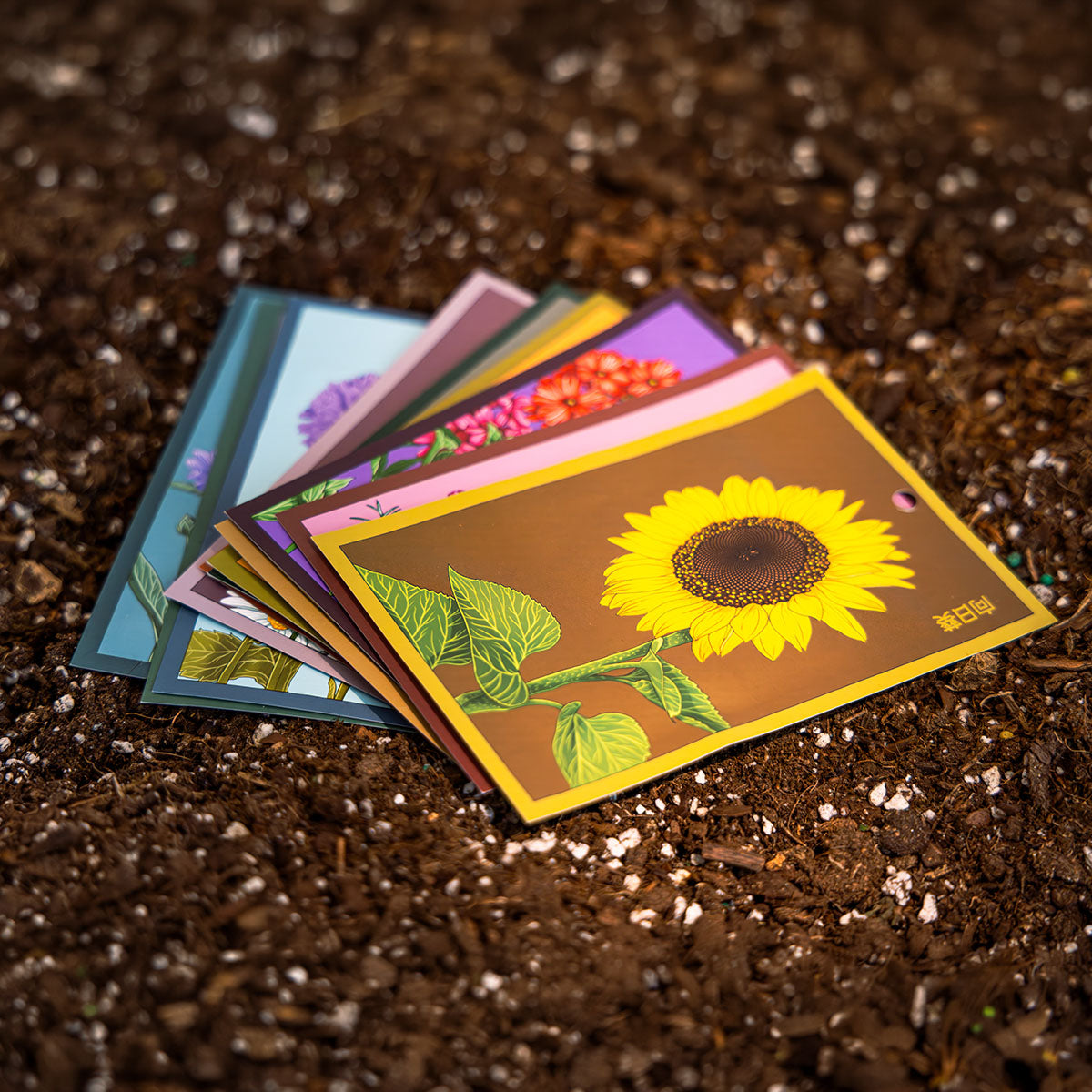
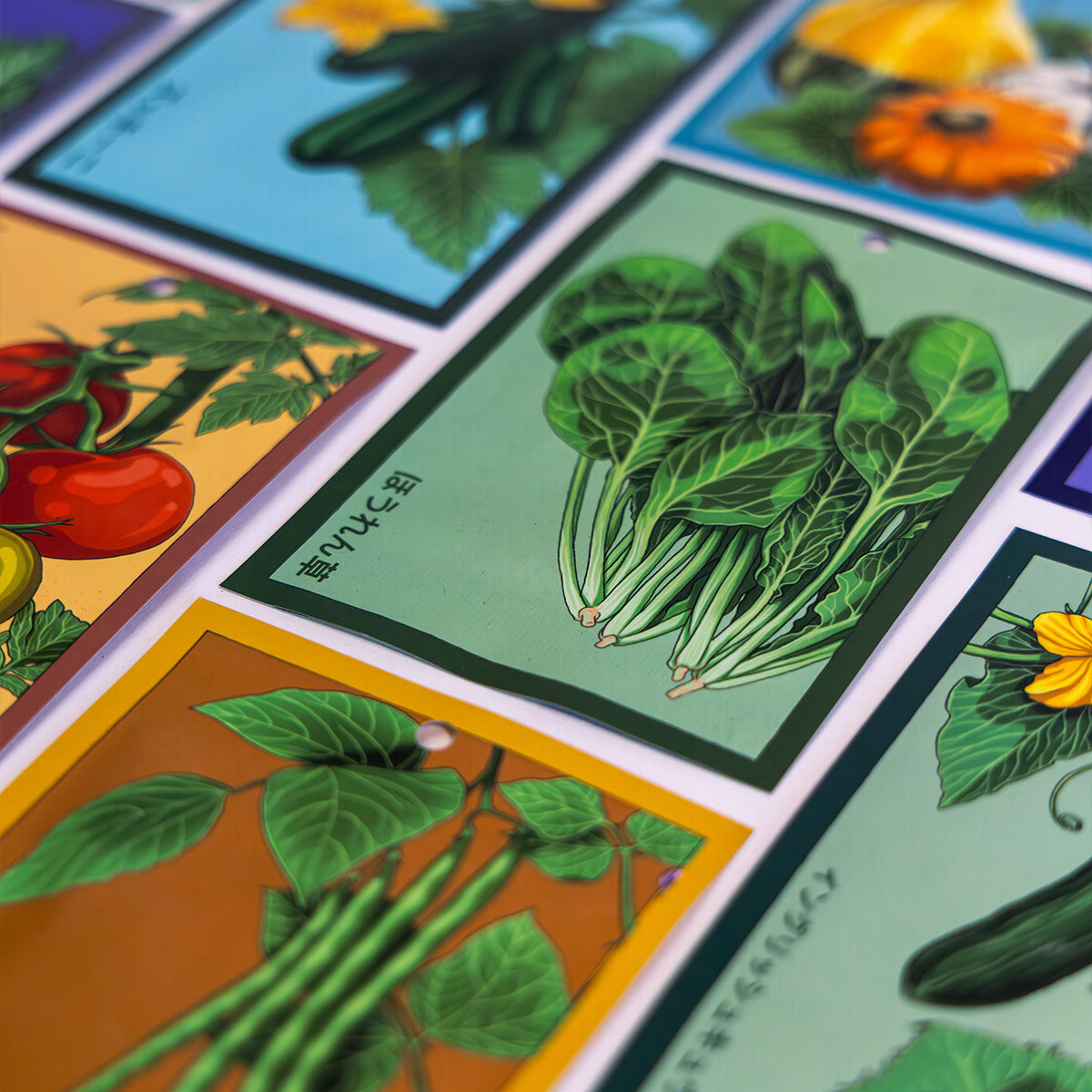
Every Shido seed packet is illustrated in the style of Japanese 1910s woodblock printing -- designed and drawn in-house by Chive, that has been exhibiting at the Chelsea Flower Show in London every year and does not, as a matter of principle, sell to big-box retailers. Customers collect the packets as a series. This was not the original plan.

Shipping & returns

Shipping

  • Free shipping: Orders $200+ within the US
  • Standard: 5–8 business days, Express 2–3 business days (at checkout)
  • International Ships: to 40 countries — rates at checkout
  • Packaging Ships: in outer box to protect gift box

View full shipping policy →

Returns

We accept returns within 30 days of delivery on unused items in original packaging. If your piece arrives damaged, contact us within 7 days with a photo and we will replace it at no charge.

View full return policy →

Satisfaction Guarantee

We stand by the quality of our flower seed packets! Every Shido seed packet is lab-tested for germination before it ships. If your seeds do not perform to the stated germination rate under correct growing conditions, contact us and we will replace or refund. Guaranteed!

Wholesale Inquires

Have a cool shop? Know someone that does?

Find Chive on Faire →

Radish Horticultural Specifications

Botanical

Strelitzia Reginae

Plant Type

Perennial tropical plant

Light

Full sun to partial shade

Water

Moderate

Soil

Well-drained, fertile soil

Depth

1/2 in

Germination

1-3 months with pre-treatment

USDA Zone

9–11 (houseplant everywhere)

Mature Height

3-6 ft indoors, 6-10 ft outdoor

Harvest

3-5 years to bloom


Getting to know your Bird of Paradise

Bird of Paradise produces genuinely dramatic, tropical-looking foliage that reads as a statement piece in any indoor collection, with broad, paddle-shaped leaves that give the plant real presence even before it ever flowers. Germinating this variety from seed asks for real patience upfront; the seed coat is naturally hard and impermeable, which means scarification and soaking genuinely improve germination rates compared to sowing straight from the packet. Once established, the plant grows into a substantial indoor presence, thriving in bright, indirect light and consistently warm conditions that mimic its native tropical habitat. Bird of Paradise asks for well-draining soil and a watering routine that allows the top layer to dry out between sessions, since consistently soggy soil invites root problems this plant doesn't tolerate well. Mature plants can eventually produce the genuinely striking orange and blue flowers the species is famous for, though indoor specimens typically need several years of steady growth before flowering becomes a realistic expectation. Its bold, architectural foliage alone justifies a spot in a bright room, flowers or not, given how much visual presence the leaves provide on their own. Few houseplants command a room from a single pot quite the way this one does. That patience required upfront is really the whole tradeoff for a plant this visually rewarding once established.


History & origin

Native Range

Strelitzia reginae is native to South Africa, particularly the Eastern Cape region.

1773, England

Named by botanist Sir Joseph Banks in honor of Queen Charlotte of Mecklenburg-Strelitz, wife of King George III — the genus Strelitzia commemorates her.

Common Name Origin

The flower's shape, resembling a colorful tropical bird's head and crest, gave rise to the widely used common name.

19th-20th Century Spread

Cultivated as an exotic ornamental in botanical collections through the 1800s, then increasingly popular in warm-climate landscaping through the 20th century, particularly in California and Florida.

Today

An iconic tropical plant and the official flower of the City of Los Angeles.

Shido Vegetable and Flower Seeds Vacuum sealed for peak freshness

Step-by-Step Sowing & Growing Guide

Getting Started

Step 1: Pre-soak seed - Soak seeds 24-48 hours in warm water before sowing — this softens the hard seed coat and meaningfully improves germination odds.

Step 2: Sowing - Sow ¼-½ inch deep in a rich, well-drained potting mix, kept warm at 75-85°F — a heat mat genuinely helps here.

Step 3: Germination patience - This is notably slow and erratic — germination can take anywhere from a few weeks to a few months. Don't assume a tray has failed early.

Step 4: Transplant - Pot up once seedlings have a couple of true leaves, and expect to repot into progressively larger containers as the plant grows over the following years.

Step 5: Long-term expectations - This species typically needs several years of maturity before its first bloom — treat this as a long-term project, not a quick-turnaround houseplant.

Before you start

Materials needed to sow

  • Container of warm water: For the essential 24-48 hour pre-soak that softens this seed's hard coat and removes the attached orange tufts.
  • Small file or knife: For scarifying (lightly nicking) the seed coat, which meaningfully improves germination odds alongside the soak.
  • Deep pots (4-6 inches), with drainage holes: This species develops roots early that appreciate depth, unlike many houseplant seeds started in shallow trays.
  • Heat mat: Maintains the 75-85°F this seed wants for its already slow, unpredictable germination.
  • Clear plastic cover or humidity dome: Holds the high humidity (80-90%) this seed needs throughout its 1-3 month germination window.
  • Plant labels: Worth using given how long this takes — easy to forget what was sown where over a multi-month wait.

Materials for harvest and storage

  • Floral snips or pruning shears: For cutting mature flower stalks once the plant reaches flowering age, often several years after starting.
  • A container of water: For conditioning cut flower stalks before arranging, the same as any cut floral stem.

Tip: Don't expect flowers on a young plant — this species genuinely needs years of maturity before its first bloom, and that wait is normal, not a sign anything is wrong.

Growth Requirements

Light:

  • Bright light, including some direct sun.

Soil:

  • Rich, well-drained potting mix.

Watering:

  • Water regularly during the growing season, allowing the top inch of soil to dry between waterings; reduce in winter.

Temperature & Climate:

  • Prefers warm conditions, 65-85°F.
  • Frost-tender — protect from temperatures below 50°F.

Fertilization:

  • Feed regularly during spring and summer with a balanced fertilizer; reduce in fall and winter.

Maintenance

Patience Note:

  • This plant typically needs several years of maturity before it blooms — lack of flowers on a young plant is normal, not a sign of a problem.

Soil:

  • Rich, well-drained potting mix.

Watering:

  • Water regularly during the growing season, allowing the top inch of soil to dry between waterings; reduce watering in winter.

Pruning:

  • Remove yellowed or damaged leaves at the base as needed; otherwise minimal pruning.

Feeding:

  • Feed regularly during spring and summer growth with a balanced fertilizer; reduce in fall and winter.

Repotting:

  • This plant actually flowers better when slightly pot-bound, so avoid repotting more often than necessary — every 2-3 years is usually enough.

Troubleshooting and common mistakes

  • Expecting flowers on a young plant — this species typically needs several years of maturity before its first bloom — no flowers isn't a sign of a problem
  • Overwatering — the most common way to damage or lose this plant, more so than underwatering
  • Low humidity or fluoridated tap water — common causes of brown leaf tips — using filtered water can help

What it's used for

1. Decorative Uses:

  • A dramatic tropical statement plant, with bird-like orange and blue flowers once mature
  • Widely used in professional floral arrangements for its striking, exotic shape

2. Practical Benefits:

  • Long-lived as a houseplant, rewarding patient growers over many years

3.Garden & Landscape Uses:

  • A popular landscape specimen for pool areas and patios in warm, frost-free climates

4. Novelty & Educational Value:

  • Genuinely takes years to reach flowering maturity, making the eventual bloom a real milestone for a dedicated grower

Companion plants, pests & diseases

Companion planting

Good companions

  • Other tropical foliage plants (ferns, palms) — similar light and water needs make for easy grouped care and display
  • Hibiscus, ginger, other warm-climate landscape plants — compatible outdoor companions in frost-free zones where it's grown in-ground

Poor companions / avoid

  • Cacti and succulents — opposite watering needs — grouping them means overwatering one or underwatering the other

Pests

  • Spider mites — common in dry indoor air; fine webbing and stippled leaves
  • Mealybugs — white, cottony clusters at leaf joints
  • Scale insects — small brown bumps on stems and leaf undersides

Diseases

  • Root rot — from overwatering or poorly draining soil — the primary risk for this plant
  • Fungal leaf spot — in overly humid, stagnant conditions

Pro Tip

For the best bloom production, allow the plant to become slightly root-bound. Mature, snug roots encourage flower development, especially in container-grown plants.

Seeds worth keeping

What makes Shido Seeds different

Shido Seeds are designed by Chive Studio, a ceramic design company. We are not a seed conglomerate. We do not sell through big-box retailers. Each variety in the catalog was selected because it is worth growing — not because it ships well in bulk or photographs well in marketing materials.

Every packet is germination-tested at an independent third-party lab before it earns its woodblock illustration. The vacuum seal removes the oxygen that causes standard paper packets to degrade. The stated germination rate is a floor, not a marketing figure.

If something goes wrong, contact us. We will make it right.

Plants that Grow together look good together...even if they are ceramic
A Different Kind of Drama
For another plant with genuine sculptural presence, Monterey Cypress brings its own kind of dramatic, wind-sculpted character to a very different setting.

Vegetable Shido Seeds packets — by Chive Studio Toronto

More From Shido's Garden

This is part of Shido's broader houseplant seed collection, where dramatic statement plants sit alongside quieter, easier-care varieties.

April Birth Flower - Daisy ceramic wall flower styled on wall — Birth Flower Collection — Chive Studio Toronto

Bold Foliage, No Years of Waiting

Bird of Paradise needs years before its first bloom, but Chive's Ivory Charm Peony arrives already at its most striking.

Chive Shido seed packets with botanical illustrations on a peg rack, showing cherry blossom, tomato, and eggplant designs.

The credentials behind the packet

A seed this naturally hard to germinate already asks a gardener for real patience before anything even sprouts, which makes packaging reliability matter more rather than less. Cutting oxygen exposure before a packet ever ships is how the studio protects against compounding that difficulty further. A plant this dramatic in its eventual payoff deserves a seed just as carefully handled on the way to a gardener's hands. Patience upfront shouldn't be undercut by uncertainty in the one variable fully within the studio's control. Getting that first step right matters more here than with an easier variety. Difficulty at the start shouldn't compound into something worse. Real drama later needs real reliability now.


Plant Care, Simplified with Chive

Keep it alive, keep it thriving. Let's make plant parenthood look easy.

Are Seed Packets GMO? The Honest Answer

Todd Newgren
Are seed packets GMO? No—home garden seed packets, Shido included, are never genetically modified, since GMO seed is only made for large-scale commercial crops. The non-GMO badg...
Read more

Heirloom vs Hybrid Seeds: What Actually Differs | Shido

Todd Newgren
Heirloom seeds aren't automatically better than hybrid seeds—each suits different goals, from saving seed year to year to fighting off disease. The real difference is genetics, ...
Read more

Frequently asked questions

What is the best way to grow Bird of Paradise from seed?

Bird of Paradise needs bright, indirect light and consistently warm conditions, along with well-draining soil that's allowed to dry out somewhat between waterings. Scarifying and soaking the seed before planting genuinely improves germination given its naturally hard seed coat. Consistent warmth throughout germination also improves the odds of a successful sprout.

Why is Bird of Paradise seed so hard to germinate?

Its seed coat is naturally thick and impermeable, which protects the seed in the wild but also means scarification and soaking are genuinely necessary steps to improve germination rates at home. Soaking for at least 24 hours before sowing is a commonly recommended additional step. A light nick with a file before soaking further improves water absorption through that hard shell.

How long does it take for Bird of Paradise to flower?

Indoor specimens typically need several years of steady growth before flowering becomes a realistic expectation, since the plant needs to reach real maturity first. Providing consistently warm temperatures throughout that period helps the process along as much as light does. A heat mat can help maintain those consistently warm temperatures in a cooler home.

Does Bird of Paradise need a lot of light?

Yes, bright indirect light supports its best growth, though it tolerates a slightly dimmer spot better than many other tropical plants, just with slower overall development. A spot near an east or south-facing window usually provides that balance well. Direct afternoon sun through glass can scorch leaves faster than the plant can recover from.

Can Bird of Paradise be grown as a houseplant long-term?

Yes, and its bold, architectural foliage justifies a spot in a bright room even before it ever flowers, given how much visual presence the leaves alone provide. That patience is really the entire tradeoff for a plant this visually rewarding once established. That structural presence alone often justifies the wait long before any bloom appears.

How long do Bird of Paradise seeds last?

Vacuum-sealed Shido Seeds packets remain viable for up to 10 years under proper storage, compared to roughly one year for a standard paper seed packet exposed to normal conditions. Real drama later needs real reliability now. Storing packets somewhere cool and dry helps preserve that extended shelf life even further.

Does Bird of Paradise need repotting as it grows?

Yes, generally — as the plant matures and its root system fills the container, repotting into a larger pot supports continued healthy growth. Fresh soil every couple of years also supports continued healthy root development. A pot only slightly larger than the current one avoids overwhelming the root system too quickly.

Is this seed germination-tested?

Yes — every Shido Seeds packet, Bird of Paradise included, is tested at independent third-party labs before it reaches a shelf, given how demanding this particular seed already is. That extra scrutiny matters given how much patience this particular seed already demands. No shortcuts taken on a seed already this demanding to germinate.

Verte Rx Shiny Leaves for Plants - Chive Ceramics Studio - Chive Ceramics Studio

The seed is the start. Verte RX handles the rest.

Most seedlings fail not from bad seed but from soil that runs out of what the plant needs before the plant can find it. Verte RX is a liquid plant vitamin formulated for exactly that window — the weeks after germination when the root system is establishing and the margin between thriving and stalling is narrowest.