
Monterey Cypress Flower Seeds Packet

Regular price $4.95
Vacuum Sealed
NON-GMO
Seed Pack Guarantee

Build Your Garden With These Shido Seeds

Choose a seed packet as your starting point, then round out the bed with these for that thrown-together-but-somehow-perfect harvest.


Monterey cypress seeds grow into a dramatic coastal conifer that develops a distinctive flat-topped silhouette with age. Shido monterey cypress seeds are non-GMO and hermetically vacuum-sealed, so the seed can outlast a paper packet by years. Standard paper-packed seeds begin losing germination viability after approximately one year.

It grows with the confident posture of a tree that has already spent a century standing on a cliff, wind and salt included at no extra charge. Fast-growing and famously wind-tolerant, it treats a coastline's worst weather as background noise on the way to that eventual flat-topped canopy it will wear like a crown. Most seedlings need coddling and reassurance. This one appears to have firm opinions about wind, salt, and neglect, and every one of those opinions turns out to be favorable. Available at the Philadelphia Flower Show, where Chive has exhibited six times, most recently after a long absence.

Seed specifications
  • Material: Seed
  • Botanical name: Cupressus Macrocarpa
  • Genus: Cupressus
  • Plant family: Cupressaceae
  • Species: macrocarpa
  • Plant type: Evergreen tree
  • Pollination type: House Plant
  • USDA Hardiness Zones: 7–10
  • Packet contents: ≈ 50 Seeds
  • Packaging: Hermetically vacuum-sealed
  • Non-GMO: Yes
  • Seed viability: Up to 10 years (sealed) / 4–5 years (unsealed, ideal conditions)
  • Difficulty: Moderate - Recreational Gardener
Sowing & growing guide

Quick Sowing Guide:

  • When to sow: Sow in spring
  • Sowing depth: 1/4 in
  • Initial spacing: 20-30 ft
  • Row spacing: 6-10 ft
  • Days to germination: 2-4 weeks
  • Light: Full Sun
  • Water: Moderate
  • Soil: Well-drained

Start Growing: Step-by-step sowing and growing guide

About vacuum sealing

Why Vacuum-Sealed Seeds Last Longer

Standard paper seed packets are permeable to oxygen and moisture -- the two primary causes of seed degradation. Most paper-packaged seeds begin losing germination viability after approximately one year, contributing to significant garden-industry waste: packets purchased, not planted, expired, discarded. Shido Seeds are hermetically vacuum-sealed. The packet does not expire quietly in a drawer. It waits.

About the Packaging

Every Shido seed packet is illustrated in the style of Japanese 1910s woodblock printing -- designed and drawn in-house by Chive, that has been exhibiting at the Chelsea Flower Show in London every year and does not, as a matter of principle, sell to big-box retailers. Customers collect the packets as a series. This was not the original plan.

Shipping & returns

Shipping

  • Free shipping: Orders $200+ within the US
  • Standard: 5–8 business days, Express 2–3 business days (at checkout)
  • International Ships: to 40 countries — rates at checkout
  • Packaging Ships: in outer box to protect gift box

View full shipping policy →

Returns

We accept returns within 30 days of delivery on unused items in original packaging. If your piece arrives damaged, contact us within 7 days with a photo and we will replace it at no charge.

View full return policy →

Satisfaction Guarantee

We stand by the quality of our flower seed packets! Every Shido seed packet is lab-tested for germination before it ships. If your seeds do not perform to the stated germination rate under correct growing conditions, contact us and we will replace or refund. Guaranteed!

Wholesale Inquires

Have a cool shop? Know someone that does?

Find Chive on Faire →

Radish Horticultural Specifications

Botanical

Cupressus Macrocarpa

Plant Type

Evergreen tree

Light

Full Sun

Water

Moderate

Soil

Well-drained

Depth

1/4 in

Germination

2-4 weeks

USDA Zone

7–10

Mature Height

40-80+ ft as a full-size tree

Harvest

10-15 years to mature
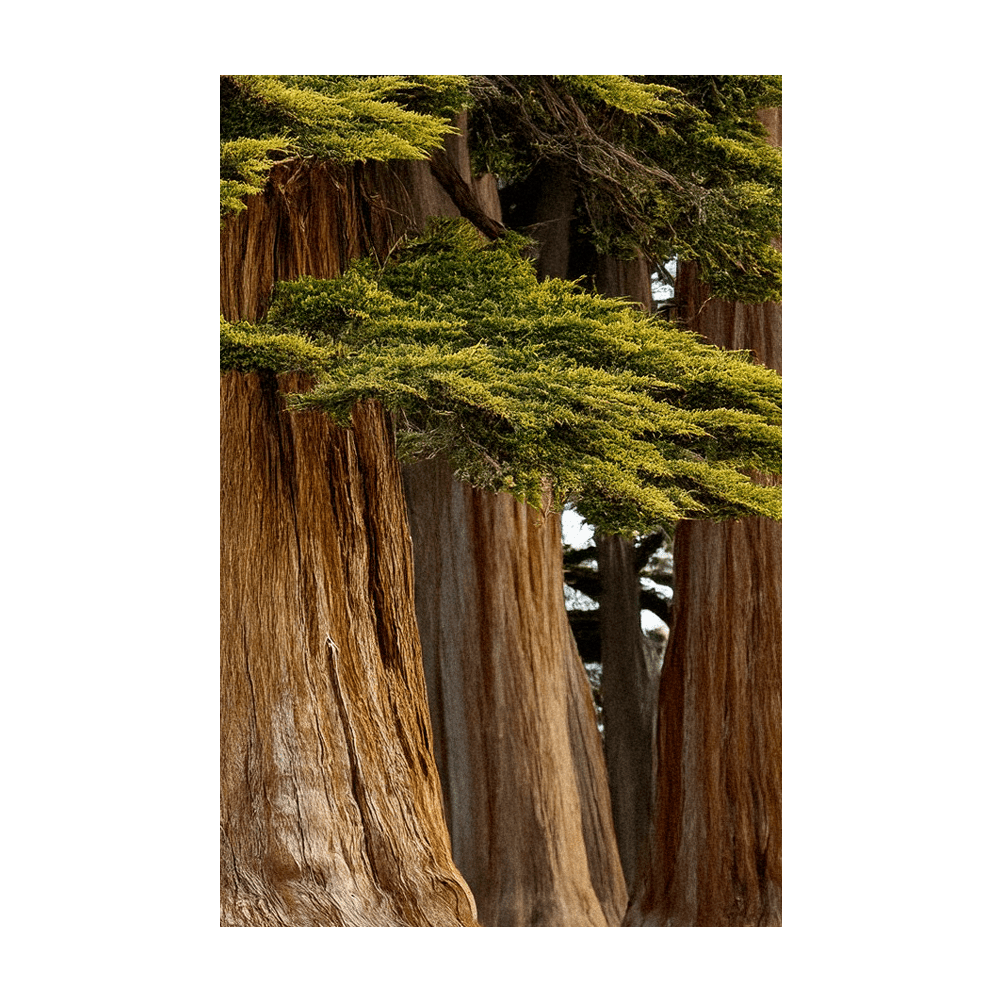

Monterey Cypress seeds in hermetically sealed packet

Getting to know your Monterey Cypress

Moody, majestic, and more dramatic than a coastal fog rolling in at dusk, the Monterey Cypress is not just a tree, it's a living sculpture. Native to California's rugged coastline, this evergreen has become iconic for its wind-sculpted silhouette, dark green foliage, and genuinely mysterious presence. It's the kind of plant that brings real gravitas to a landscape, like a weathered philosopher that's seen things over many decades of exposure to salt air and coastal wind. Monterey Cypress thrives in full sun and tolerates poor, sandy soils that would stress out a fussier tree entirely. It's drought-tolerant once established and incredibly wind-hardy, perfect for exposed or coastal areas that batter more delicate species. However, it can be genuinely sensitive to overly wet soil and doesn't love high humidity, so a soggy or tropical spot isn't the right home for this particular tree. In short, this is a tree with genuine presence. Whether creating a privacy screen, a living sculpture, or simply inviting a bit of coastal poetry into a yard, the Monterey Cypress stands tall, literally and metaphorically, through conditions that would challenge almost anything planted nearby. Few trees combine this much drama with this much genuine resilience against harsh, exposed conditions.


History & origin

An Extremely Limited Native Range

Hesperocyparis macrocarpa survives wild in only two small groves near Monterey, California — Point Lobos and Cypress Point — one of the most restricted native ranges of any commonly cultivated tree.

Botanical Puzzle

Botanists still debate why its wild population is so limited; one theory holds it's a relict species from a wetter prehistoric climate that has since retreated to a last coastal refuge.

Iconic Specimens

Famous wind-sculpted individual trees, most notably the "Lone Cypress" at Pebble Beach, have made the species one of the most photographed trees in North America.

Global Ornamental Spread

Despite its tiny native range, the tree was widely planted elsewhere from the 19th century onward as an ornamental and windbreak — it naturalized so successfully in New Zealand that it's now common there.

Today

A celebrated specimen, hedge, and windbreak tree in coastal landscapes worldwide.

Shido Vegetable and Flower Seeds Vacuum sealed for peak freshness

Step-by-Step Sowing & Growing Guide

Getting Started

Step 1: Timing - Sow in spring; no stratification typically needed for this species.

Step 2: Sowing - Sow ¼ inch deep in well-drained soil or seed-starting mix.

Step 3: Germination - Typically 2-4 weeks.

Step 4: Transplant - Pot up as seedlings grow — expect to repot multiple times over the following years as this becomes a substantial tree, not a one-and-done potting.

Step 5: Establishment care - Provide wind protection and consistent watering for the first 1-2 years while the tree establishes; drought tolerance comes later, not immediately.

Before you start

Materials needed to sow

  • Deep pots, at least 4-6 inches: This species develops a taproot early and dislikes being disturbed later, so starting deep reduces how often it needs repotting.
  • Well-drained seed-starting mix: Standard mix is fine; drainage matters more than any special formulation.
  • Container of water (optional): Some growers soak seed 24 hours before sowing, though this species doesn't strictly require it.
  • Plant labels: Worth using given this is a genuinely multi-year project from seedling to any meaningful size.

Materials for harvest and storage

  • Pruning shears or loppers: For shaping the tree while young, or removing dead wood on a mature specimen.

Tip: There's no traditional harvest for this tree — its 'payoff' is the specimen itself, so focus maintenance on shaping and structural health rather than any single collection event.

Growth Requirements

Light:

  • Full sun.

Soil:

  • Well-drained soil — naturally tolerant of sandy, coastal, and mildly salty conditions.

Watering:

  • Regular watering while young and establishing; notably drought-tolerant once mature.

Temperature & Climate:

  • Best suited to mild coastal climates, hardy roughly zones 7-10.
  • Young plants benefit from wind and cold protection; mature trees are considerably tougher.

Fertilization:

  • Minimal feeding needed once established — adapted to naturally lean coastal soils.

Maintenance

Space Planning:

  • This is a full-size tree that can eventually reach 40-80+ feet — plan placement with its mature size in mind from the start, not its appearance as a seedling.

Soil:

  • Well-drained soil; naturally tolerant of sandy, coastal, and even somewhat salty conditions given its native range.

Watering:

  • Regular watering while young and establishing; notably drought-tolerant once mature.

Pruning:

  • Prune to shape while young if a hedge or windbreak form is the goal; mature specimens need little pruning beyond removing dead wood.

Feeding:

  • Minimal feeding needed once established — this species is adapted to naturally lean coastal soils.

Seasonal Care:

  • Fully hardy in mild coastal climates; may need wind protection while young in more exposed inland sites.

Troubleshooting and common mistakes

  • Impatience during establishment — slow growth in the first 1-2 years is typical and not a sign of a problem
  • Skipping support while young — staking in exposed, windy sites protects young trees until roots are well established
  • Ignoring branch dieback on a mature tree — this can indicate cypress canker, a real disease risk specific to this species, rather than simple aging or drought stress

What it's used for

1. Decorative Uses:

  • A dramatic, wind-sculpted specimen tree, especially in coastal landscapes

2. Practical Benefits:

  • Effective as a windbreak or privacy hedge given its dense growth habit
  • Naturally tolerant of salty coastal air and sandy soil

3. Garden & Landscape Uses:

  • Used historically and today for coastal erosion control and slope stabilization
  • Suitable as a large specimen tree in landscapes with room for its mature size

4. Novelty & Educational Value:

  • Native to a famously small wild range (the Monterey Peninsula), giving it real botanical and geographic interest for plant enthusiasts

Companion plants, pests & diseases

Companion planting

Good companions

  • Rosemary, lavender, and other Mediterranean/coastal plants — once the tree matures and dappled light develops beneath it, these compatible drought-tolerant plants can share the space

Poor companions / avoid

  • Full-sun plants planted directly beneath a maturing canopy — dense shade develops over time and will stunt most sun-loving plants underneath

Pests

  • Cypress bark beetle — can attack stressed or damaged trees
  • Aphids, scale insects — occasional on new growth

Diseases

  • Cypress canker — a serious, genus-specific fungal disease causing branch dieback — worth having assessed by an arborist if it appears on a mature tree
  • Root rot — in poorly drained soil

Pro Tip

Plant in full sun and water deeply but infrequently to encourage deep root growth. Avoid humid or overly wet conditions—this tree is drought-tolerant but hates soggy feet.

Seeds worth keeping

What makes Shido Seeds different

Shido Seeds are designed by Chive Studio, a ceramic design company. We are not a seed conglomerate. We do not sell through big-box retailers. Each variety in the catalog was selected because it is worth growing — not because it ships well in bulk or photographs well in marketing materials.

Every packet is germination-tested at an independent third-party lab before it earns its woodblock illustration. The vacuum seal removes the oxygen that causes standard paper packets to degrade. The stated germination rate is a floor, not a marketing figure.

If something goes wrong, contact us. We will make it right.

Plants that Grow together look good together...even if they are ceramic
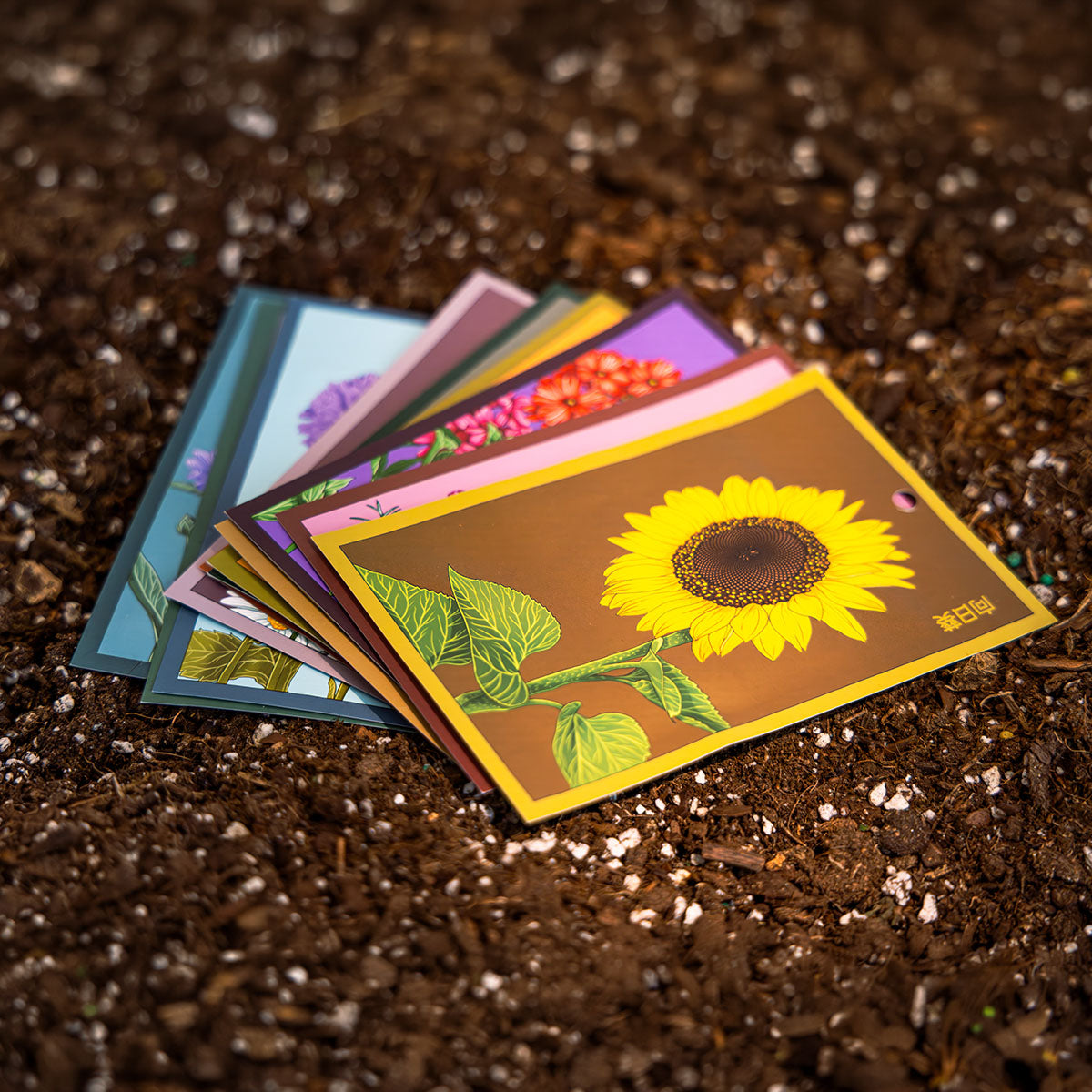
A Different Kind of Statement Plant
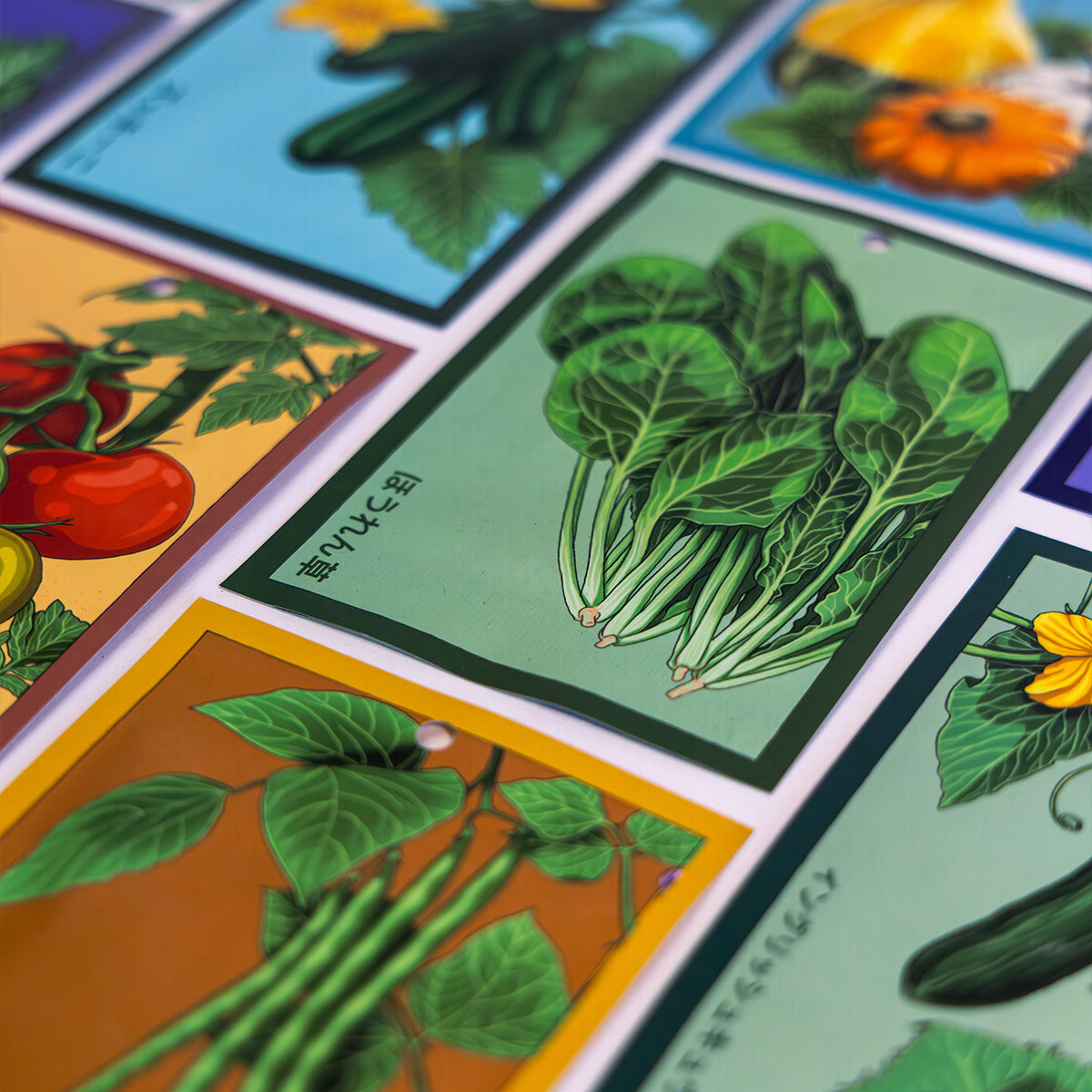
For an equally dramatic plant suited to a much smaller indoor space, Bird of Paradise brings that same sculptural presence to a windowsill rather than a coastline.

Vegetable Shido Seeds packets — by Chive Studio Toronto

The Rest of the Houseplant Collection

Browse Shido's full houseplant seed collection for other statement plants that bring real presence to a garden or indoor space.

April Birth Flower - Daisy ceramic wall flower styled on wall — Birth Flower Collection — Chive Studio Toronto

Coastal Resilience, No Salt Air Required

Monterey Cypress earns its character from genuinely harsh coastal winds, but Chive's Ivory Larkspur holds its own presence without ever facing that weather.

Chive Shido seed packets with botanical illustrations on a peg rack, showing cherry blossom, tomato, and eggplant designs.

The credentials behind the packet

A tree built to withstand genuinely harsh coastal conditions for decades needs a seed just as sturdy at the very start of that long life. Minimizing oxygen exposure the moment a packet is sealed is the studio's approach to that foundation, well ahead of anything plain paper typically manages. A tree this resilient later in life shouldn't have to overcome an unreliable start too, especially given how long the eventual payoff actually takes. Real toughness, whether in a tree or a seed packet, comes down to getting the foundation right before anything else gets built on top of it. Decades of durability start with one dependable germination. A tree meant to outlast a generation deserves that same standard.


Plant Care, Simplified with Chive

Keep it alive, keep it thriving. Let's make plant parenthood look easy.

Nobody grows one dahlia. This is what nobody tells you.

Ryan Hearst
How to grow dahlias from seed: start indoors 6–8 weeks before last frost, transplant after frost, and expect first blooms in late summer. Nobody warns you that one bloom is all ...
Read more

Are Seed Packets GMO? The Honest Answer

Todd Newgren
Are seed packets GMO? No—home garden seed packets, Shido included, are never genetically modified, since GMO seed is only made for large-scale commercial crops. The non-GMO badg...
Read more

Frequently asked questions

What is the best way to grow Monterey Cypress from seed?

Monterey Cypress needs full sun and tolerates poor, sandy soils that would stress out a fussier tree, growing into a genuinely wind-hardy evergreen once established. Well-draining soil also matters considerably, since standing water is genuinely this tree's weak point. Occasional deep watering during the first year helps establish that eventual drought tolerance.

Why is Monterey Cypress known for its unusual shape?

Constant coastal wind sculpts its silhouette over years, bending and shaping growth in a way that gives mature trees their iconic, weathered appearance. That same wind exposure is part of what gives older specimens their iconic, weathered character. That same exposure would genuinely stunt or damage a less wind-adapted species.

Does Monterey Cypress tolerate humid climates?

Not particularly well — it can be sensitive to overly wet soil and doesn't love high humidity, making a soggy or tropical spot a poor fit for this tree. A drier, well-ventilated planting spot suits it far better than anywhere consistently damp. Raised beds or sloped ground also help avoid the standing water this tree dislikes.

How drought-tolerant is Monterey Cypress?

Very, once established — it handles genuinely dry conditions well, which pairs naturally with its tolerance for the sandy, well-draining soil typical of coastal areas. That combination makes it especially well suited to exposed coastal or windswept garden locations. Its needle-like foliage also reduces moisture loss compared to broader-leaved evergreens.

Can Monterey Cypress be used as a privacy screen?

Yes, its dense evergreen foliage and tall, upright growth habit make it a strong choice for a living privacy screen in the right climate. Regular light pruning while young also helps encourage that dense, wind-resistant growth habit. Avoiding heavy fertilization also helps keep growth naturally dense rather than leggy and open.

How long do Monterey Cypress seeds last?

Vacuum-sealed Shido Seeds packets stay viable for up to 10 years when stored properly, compared to roughly one year for a standard paper seed packet exposed to normal conditions. A tree meant to outlast a generation deserves that same standard. Storing packets somewhere cool and dry helps preserve that extended shelf life even further.

Is Monterey Cypress suitable for a home garden?

Yes, particularly in exposed or coastal areas where its wind-hardiness and drought tolerance genuinely shine compared to a less resilient ornamental tree. Its drought tolerance also makes it a reasonably low-water choice once fully established. That same resilience also makes it a reasonably low-maintenance choice once fully established. Minimal upkeep once roots are fully established.

Is this seed lab-tested for germination?

Yes — every Shido Seeds packet, Monterey Cypress included, is germination-tested at independent third-party labs before it ever reaches a shelf. That extra scrutiny matters given how long this tree is genuinely built to last. No exceptions made regardless of how long a tree lives. Decades of growth start with one dependable seed.

Verte Rx Shiny Leaves for Plants - Chive Ceramics Studio - Chive Ceramics Studio

The seed is the start. Verte RX handles the rest.

Most seedlings fail not from bad seed but from soil that runs out of what the plant needs before the plant can find it. Verte RX is a liquid plant vitamin formulated for exactly that window — the weeks after germination when the root system is establishing and the margin between thriving and stalling is narrowest.