Black Beauty Eggplant Vegetable Seeds Packet

Regular price $4.95
Vacuum Sealed
NON-GMO
Seed Pack Guarantee

Build Your Garden With These Shido Seeds

Choose a seed packet as your starting point, then round out the bed with these for that thrown-together-but-somehow-perfect harvest.


Black Beauty Eggplant seeds for the kitchen garden that intends to actually produce black beauty eggplant this year. Black Beauty eggplant is the kind of vegetable that looks good on the vine and better in the oven.

Black Beauty Eggplant is the classic deep-purple eggplant with glossy skin and dense, meaty flesh ideal for roasting and grilling. Each packet is hermetically vacuum-sealed -- removing the oxygen that causes standard paper seed packets to lose germination viability within approximately one year. State law requires a 3-year viability label on sealed packaging. NASA research on hermetic seed storage indicates viability of up to 10 years under proper conditions. Every packet is non-GMO and germination-tested at independent third-party labs before it earns its Japanese woodblock print artwork.

Seed specifications
  • Material: Seed
  • Botanical name: Solanum melongena 'Black Beauty
  • Genus: Solanum
  • Plant family: Solanaceae
  • Species: Melongena
  • Plant type: Annual
  • Pollination type: Vegetable
  • USDA Hardiness Zones: 9-11
  • Packet contents: ≈ 50 Seeds
  • Packaging: Hermetically vacuum-sealed
  • Non-GMO: Yes
  • Seed viability: Up to 10 years (sealed) / 4–5 years (unsealed, ideal conditions)
  • Difficulty: Moderate - Recreational Gardener
Sowing & growing guide

Quick Sowing Guide:

  • When to sow: 8-10 wks before last frost
  • Sowing depth: 1/4 in
  • Initial spacing: 18-24 in
  • Row spacing: 36-48 in
  • Days to germination: 7-14 days
  • Light: Full sun
  • Water: Moderate, consistent
  • Soil: Fertile, well-drained soil
  • Harvest: 70-90 days

Start Growing: Step-by-step sowing and growing guide

About vacuum sealing

Why Vacuum-Sealed Seeds Last Longer

Standard paper seed packets are permeable to oxygen and moisture -- the two primary causes of seed degradation. Most paper-packaged seeds begin losing germination viability after approximately one year, contributing to significant garden-industry waste: packets purchased, not planted, expired, discarded. Shido Seeds are hermetically vacuum-sealed. The packet does not expire quietly in a drawer. It waits.

About the Packaging

Every Shido seed packet is illustrated in the style of Japanese 1910s woodblock printing -- designed and drawn in-house by Chive, that has been exhibiting at the Chelsea Flower Show in London every year and does not, as a matter of principle, sell to big-box retailers. Customers collect the packets as a series. This was not the original plan.

Shipping & returns

Shipping

  • Free shipping: Orders $200+ within the US
  • Standard: 5–8 business days, Express 2–3 business days (at checkout)
  • International Ships: to 40 countries — rates at checkout
  • Packaging Ships: in outer box to protect gift box

View full shipping policy →

Returns

We accept returns within 30 days of delivery on unused items in original packaging. If your piece arrives damaged, contact us within 7 days with a photo and we will replace it at no charge.

View full return policy →

Satisfaction Guarantee

We stand by the quality of our flower seed packets! Every Shido seed packet is lab-tested for germination before it ships. If your seeds do not perform to the stated germination rate under correct growing conditions, contact us and we will replace or refund. Guaranteed!

Wholesale Inquires

Have a cool shop? Know someone that does?

Find Chive on Faire →

Radish Horticultural Specifications

Botanical

Solanum melongena 'Black Beauty

Plant Type

Annual

Light

Full sun

Water

Moderate, consistent

Soil

Fertile, well-drained soil

Depth

1/4 in

Germination

7-14 days

USDA Zone

9-11

Mature Height

up to 30 in tall

Harvest

70-90 days
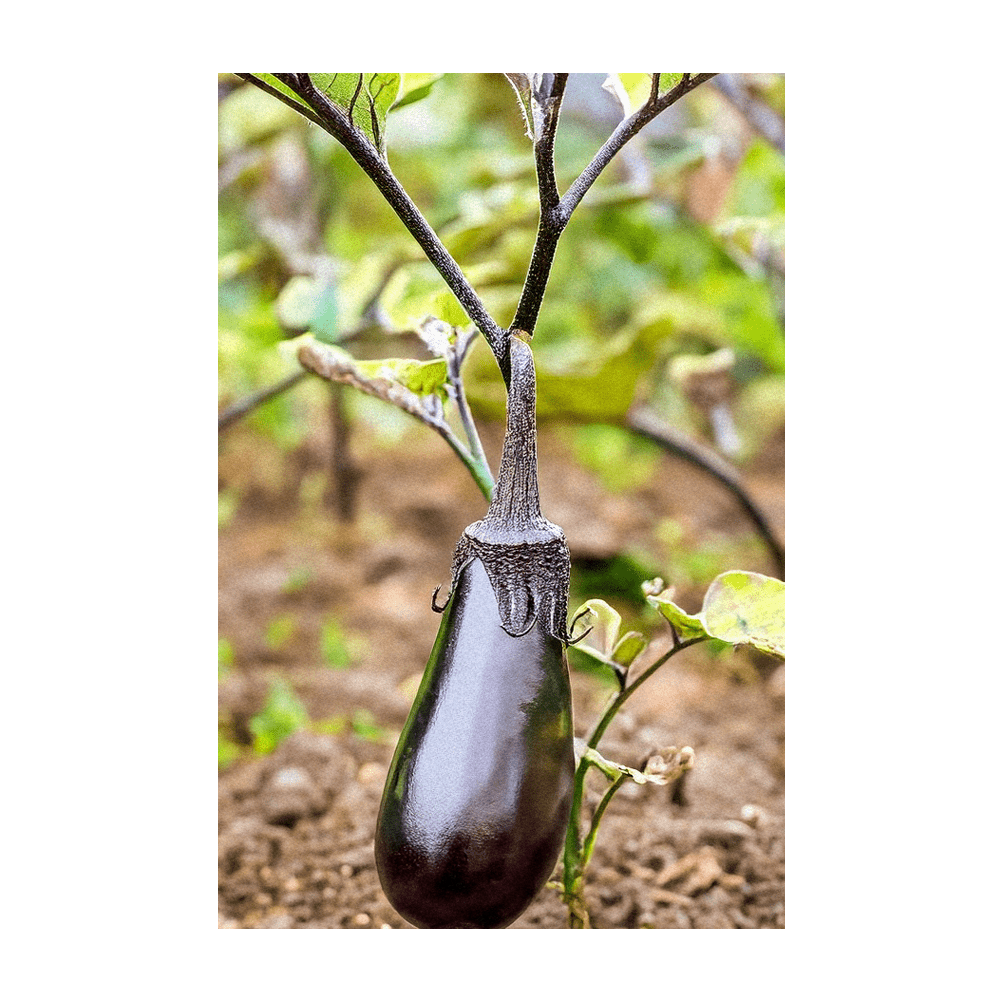

Black Beauty Eggplant seeds vacuum-sealed - Shido Seeds by Chive

Getting to know your Black Beauty Eggplant

Black Beauty eggplant is a classic heirloom variety known for its large, glossy fruits in a deep, almost black shade of purple. The plant grows into a genuinely substantial bush with broad, slightly spiny leaves, thriving in warm temperatures, full sun, and well-drained soil the way most eggplant varieties do. Black Beauty produces high yields of oval-shaped fruits with creamy, mild flesh that holds up well whether it's grilled, fried, or baked into a dish that lets the eggplant itself take center stage. Regular watering and fertilization support the kind of steady growth that produces a genuinely full harvest rather than a handful of undersized fruit. Like most eggplant, it attracts flea beetles and aphids, though companion planting with basil or marigolds tends to help keep both at a more manageable distance without resorting to anything harsher. As one of the older, more established eggplant varieties still widely grown today, Black Beauty has earned its lasting reputation through reliable performance rather than novelty. Few eggplants combine glossy good looks with this much genuine kitchen versatility. Its lasting popularity says as much about consistent performance as it does about good looks. Newer varieties come and go, but this one has genuinely stood the test of time.


History & origin

Ancient South Asia

Like all eggplants, this variety's ancestry traces to domestication in South and Southeast Asia several thousand years ago.

1902, United States

Black Beauty was introduced by the W. Atlee Burpee Company, quickly becoming the standard eggplant variety for American home gardeners due to its reliable productivity and classic glossy, deep-purple fruit.

20th Century Standard

For much of the 20th century, Black Beauty was essentially synonymous with "eggplant" in American seed catalogs and grocery stores, the default type most home cooks and gardeners pictured.

Today

Remains the most commonly grown open-pollinated eggplant variety in home gardens over a century after its introduction.

Shido Vegetable and Flower Seeds Vacuum sealed for peak freshness

Step-by-Step Sowing & Growing Guide

Getting Started

Annual, started indoors

Step 1: Timing - Start indoors 8-10 weeks before last frost.

Step 2: Soil - Rich, fertile, well-drained soil.

Step 3: Sowing - ¼ inch deep, 75-90°F soil.

Step 4: Transplant - After frost danger passes and soil is warm, 18-24 inches apart.

Step 5: Ongoing care - Support fruit-heavy branches -- this variety produces large, heavy fruit that can snap unsupported stems.

Step 6: Harvest - Pick while skin is glossy and firm -- a dull, matte finish signals overripe fruit with tough, seedy flesh.

Before you start

Materials needed to sow

  • Seed trays or small pots: For the 8-10 week indoor start.
  • Heat mat: For consistent 75-90°F germination temperature.
  • Grow light: For strong seedling growth.
  • Stakes or a simple support structure, ready at transplanting: This variety produces large, heavy fruit that can snap unsupported stems.

Materials for harvest and storage

  • A sharp knife or pruners: The stem is tough and prickly -- cutting cleanly avoids injury and plant damage.
  • Basket: For collecting fruit.
  • Refrigerator (short-term) or blanching setup for freezing: For storage beyond a few days.

Tip: Pick while skin is glossy and firm -- a dull, matte finish signals overripe fruit with tough, seedy flesh that won't improve if left longer.

Growth Requirements

Light:

  • Eggplants thrive in full sun, needing at least 6-8 hours of direct sunlight daily.
  • Insufficient sunlight can lead to leggy plants and reduced fruit production.

Soil:

  • Prefers rich, well-draining, loamy soil with plenty of organic matter.Optimal pH: 5.5 – 7.0.
  • Amend the soil with compost or aged manure before planting to boost fertility.
  • Good drainage is essential to prevent root rot.

Watering:

  • Consistent moisture is key, especially during flowering and fruiting stages.
  • Water deeply and evenly, keeping the soil consistently moist but not waterlogged.
  • Apply mulch around the base to retain moisture and regulate soil temperature.
  • Eggplants need approximately 1-1.5 inches of water per week.

Temperature and Climate:

  • Black Beauty eggplants prefer warm, consistent temperatures between 70°F and 85°F (21°C – 29°C).
  • They are sensitive to cold and will not thrive if temperatures drop below 50°F (10°C).
  • If growing in cooler climates, use row covers or cloches to protect young plants.
  • Ideal growing season: Late spring through summer.

Fertilization:

  • Eggplants are heavy feeders.
  • Apply a balanced fertilizer (5-10-10) before planting.
  • Once flowering begins, switch to a phosphorus and potassium-rich fertilizer to promote fruit development.
  • Side-dress with compost or aged manure mid-season.

Maintenance

Mulching:

  • Apply a 2-3 inch layer of mulch around the plants.
  • Mulch helps retain moisture, regulate soil temperature, and reduce weeds.

Staking and Pruning:

  • As the plants grow, they become top-heavy with fruit.
  • Use stakes or cages to support the stems and prevent breakage
  • .Prune suckers and lower leaves to promote airflow and reduce disease risk.

Harvesting:

  • Black Beauty eggplants are ready for harvest in 75-85 days.
  • Fruits should be firm, glossy, and deep purple.
  • Harvest when they reach 4-6 inches in diameter.
  • Cut the stem with sharp scissors or pruning shears, leaving 1 inch of stem attached.
  • Frequent harvesting encourages more fruit production.

Troubleshooting and common mistakes

  • Unsupported fruit-heavy branches — this variety produces large, heavy fruit that can snap stems -- a simple stake or Florida Weave trellis prevents this
  • Harvesting too late — a dull, matte skin signals overripe fruit with tough, seedy flesh -- pick while still glossy

Culinary uses & nutritional information

What it's used for

1. Culinary Uses:

  • Grilled or Roasted: Sliced and grilled or roasted, eggplant develops a rich, smoky flavor.
  • Baked Dishes: Commonly used in eggplant Parmesan, moussaka, and ratatouille.
  • Stuffed: Eggplants can be hollowed and filled with grains, vegetables, or meat.
  • Fried or Sautéed: Fried slices or cubes are popular in many cuisines.
  • Pureed or Mashed: Blended into creamy dips such as baba ghanoush.
  • Preserved: Eggplants can be pickled or frozen for later use.

2. Nutritional Benefits:

  • Black Beauty eggplants are low in calories but rich in fiber, making them ideal for weight management.
  • They contain antioxidants, particularly nasunin, which gives them their deep purple color and supports brain health.
  • High in vitamins C, K, and B6, as well as potassium and manganese.
  • Eggplants contain phytonutrients that may promote heart health and reduce inflammation.

3. Ornamental:

  • Black Beauty eggplants add ornamental appeal with their large, deep green leaves and striking purple fruits.
  • They pair well with herbs like basil, thyme, and oregano, which help deter pests.

What parts are edible

  • Fruit: The only edible part -- best picked while the skin is still glossy, before it dulls with overripeness.

Nutritional data

Raw eggplant, per 100g

Calories: 25 kcal

  • Carbohydrates: 5.9 g
  • Protein: 1 g
  • Total fat: 0.2 g
  • Dietary fiber: 3 g
  • Vitamin C: 2.2 mg (2% RDA)
  • Folates: 22 µg (6% RDA)
  • Potassium: 229 mg
  • Cholesterol: 0 mg
  • Nasunin: antioxidant concentrated in the dark purple/black skin, this variety's signature compound

Companion plants, pests & diseases

Companion planting

Good companions

  • Beans, peppers, marigolds — classic eggplant companions
  • Spinach, thyme — spinach benefits from the light shade eggplant casts

Poor companions / avoid

  • Fennel — allelopathic to many nearby plants
  • Other nightshades — rotate away from tomatoes, peppers, potatoes

Pests

  • Flea beetles — shot-holes in young leaves
  • Spider mites, aphids — cluster on new growth
  • Colorado potato beetle — will feed on eggplant as well as potatoes

Diseases

  • Verticillium wilt — soil-borne, one-sided wilting
  • Bacterial wilt — sudden wilting with no recovery, no cure
  • Damping off — affects seedlings from overwatering

Pro Tip

For larger and more flavorful fruits, prune off small or misshapen eggplants early in the season. This allows the plant to focus energy on producing fewer, but larger and higher-quality fruits.

Seeds worth keeping

What makes Shido Seeds different

Shido Seeds are designed by Chive Studio, a ceramic design company. We are not a seed conglomerate. We do not sell through big-box retailers. Each variety in the catalog was selected because it is worth growing — not because it ships well in bulk or photographs well in marketing materials.

Every packet is germination-tested at an independent third-party lab before it earns its woodblock illustration. The vacuum seal removes the oxygen that causes standard paper packets to degrade. The stated germination rate is a floor, not a marketing figure.

If something goes wrong, contact us. We will make it right.

Plants that Grow together look good together...even if they are ceramic

A Different Nightshade Entirely
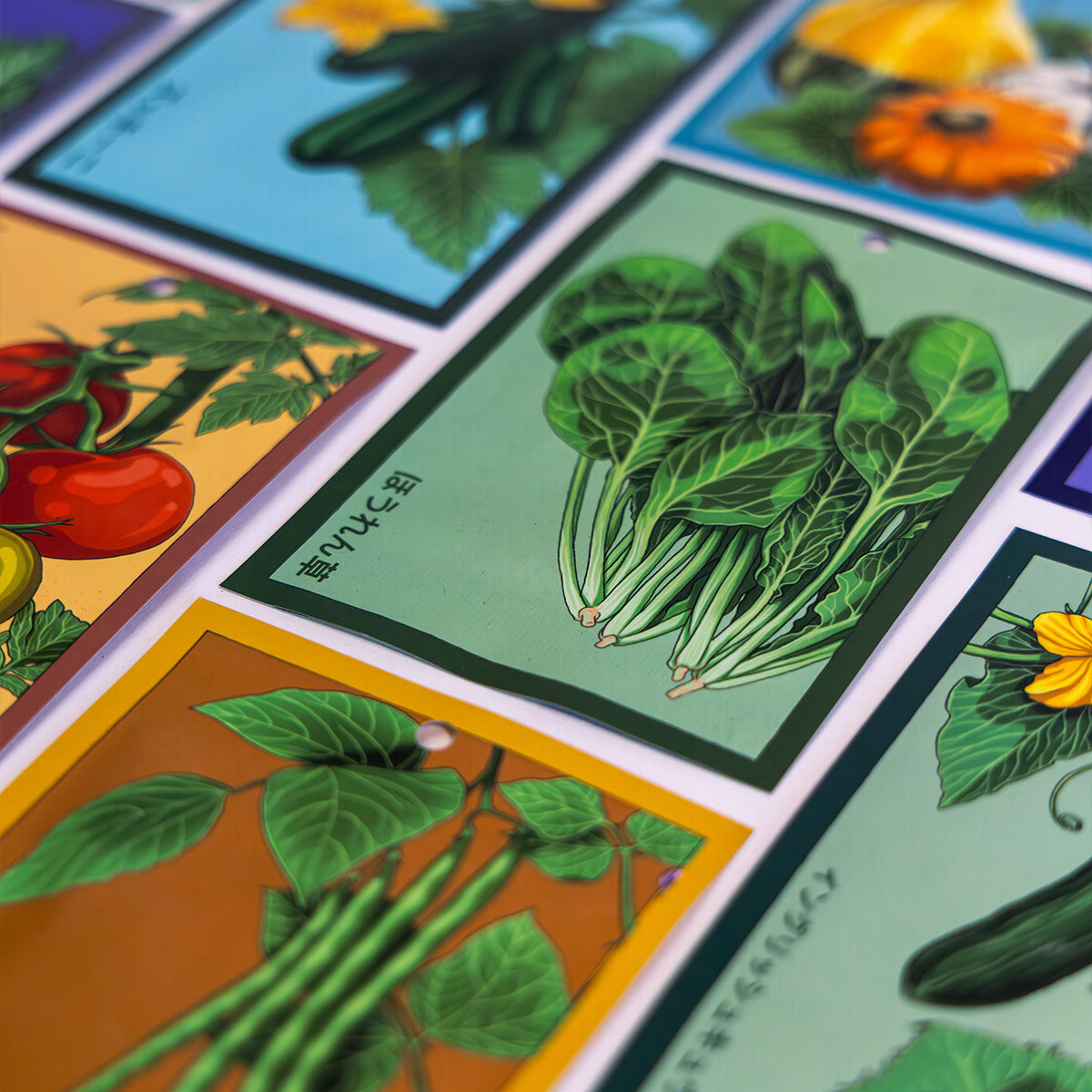
For another heat-loving nightshade with a completely different harvest, Old German Heirloom Tomato shares eggplant's love of warmth and staking with an entirely different fruit.

Vegetable Shido Seeds packets — by Chive Studio Toronto

More From Shido's Garden

This belongs to Shido's vegetable seed lineup, where heat-loving nightshades sit alongside cooler-season crops.

Buttercup Yellow Gay Paree Peony - Chive Ceramics Studio - Ceramic Flowers - Chive Ceramics Studio

Deep Purple, No Growing Season Required

Black Beauty's glossy purple only develops with real summer heat, but Chive's Ivory Spider Mum holds a rich color on a shelf regardless of season.

Chive Shido seed packets with botanical illustrations on a peg rack, showing cherry blossom, tomato, and eggplant designs.

The credentials behind the packet

An heirloom variety that's stayed popular this long has earned a level of trust the seed itself needs to live up to. The studio keeps that reputation intact by minimizing oxygen exposure in every packet well before it ever reaches a shelf. A classic like Black Beauty deserves seed just as dependable as its long track record suggests. That same sealed standard extends to every vegetable in the lineup, heirloom or otherwise. Longevity like this doesn't happen by accident, on either side of the equation. A variety that's earned decades of trust deserves seed that lives up to that history. Consistency, more than novelty, is really what keeps a variety like this one around.


Plant Care, Simplified with Chive

Keep it alive, keep it thriving. Let's make plant parenthood look easy.

Are Seed Packets GMO? The Honest Answer

Todd Newgren
Are seed packets GMO? No—home garden seed packets, Shido included, are never genetically modified, since GMO seed is only made for large-scale commercial crops. The non-GMO badg...
Read more

Nobody grows one dahlia. This is what nobody tells you.

Ryan Hearst
How to grow dahlias from seed: start indoors 6–8 weeks before last frost, transplant after frost, and expect first blooms in late summer. Nobody warns you that one bloom is all ...
Read more

Frequently asked questions

What is the best way to grow Black Beauty eggplant?

Black Beauty needs full sun, warm temperatures, and well-drained soil, growing into a substantial bush that benefits from regular watering and fertilization to support its genuinely high yields. Mulching around the base also helps maintain the consistent soil moisture this variety prefers. A dark mulch also helps retain the warmth this heat-loving plant prefers.

What makes Black Beauty a classic heirloom variety?

It's one of the older, more established eggplant varieties still widely grown today, having earned a lasting reputation through consistent performance rather than novelty or recent breeding. That track record is really the strongest argument for choosing it over a newer, less proven variety. Newer hybrid varieties come and go, but this one has stayed a garden staple.

Does Black Beauty eggplant need staking?

As fruit develops and adds real weight to the plant, staking helps prevent an otherwise sturdy stem from bending or snapping under that load. A simple stake driven in early avoids disturbing roots later once the plant is already established. Waiting until fruit has already set makes staking considerably more disruptive to the plant.

What pests commonly affect Black Beauty eggplant?

Flea beetles and aphids are the most frequent visitors, and companion planting with basil or marigolds tends to help keep both at a more manageable distance. Checking the undersides of leaves regularly helps catch either pest before it spreads across the plant. Early intervention is always easier than treating a full-blown infestation later.

How is Black Beauty eggplant best used in cooking?

Its creamy, mild flesh holds up well grilled, fried, or baked, and it absorbs surrounding flavors readily, making it a versatile base for Mediterranean and Asian dishes alike. Its neutral flavor also makes it easy to pair with a wide range of seasonings and cuisines. That neutral base is part of why eggplant works in so many different cuisines.

How long do Black Beauty eggplant seeds last?

Vacuum-sealed Shido Seeds packets remain viable for up to 10 years under proper storage, compared to roughly one year for a standard paper seed packet exposed to normal conditions. Storing unused packets somewhere cool and dry helps preserve that extended shelf life even further. That reliability matters given the genuinely long season this variety already asks for.

Does Black Beauty eggplant need a long growing season?

Yes, it needs a genuinely warm stretch to perform well, so starting seed indoors before the last frost helps ensure a full harvest window once temperatures rise. A greenhouse or indoor start can help gardeners in cooler climates make the most of a shorter season. A sunny windowsill can help extend the effective growing window in cooler climates.

Is this seed germination-tested?

Yes — every Shido Seeds packet, Black Beauty included, is tested at independent third-party labs before it ever reaches a shelf. That scrutiny matters given how much of a full season this plant already requires. That commitment to reliability matches the variety's own long-standing reputation. No shortcuts taken, heirloom or otherwise.

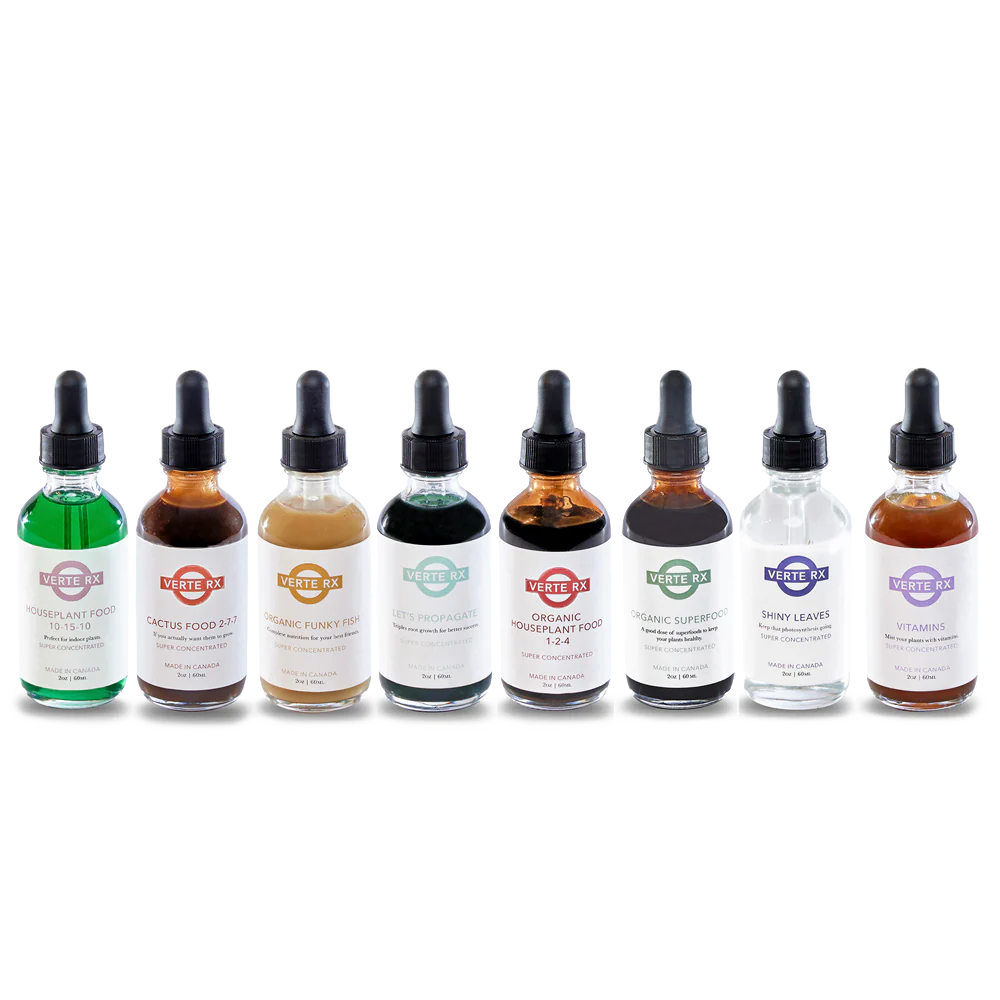
Verte Rx Shiny Leaves for Plants - Chive Ceramics Studio - Chive Ceramics Studio

The seed is the start. Verte RX handles the rest.

Most seedlings fail not from bad seed but from soil that runs out of what the plant needs before the plant can find it. Verte RX is a liquid plant vitamin formulated for exactly that window — the weeks after germination when the root system is establishing and the margin between thriving and stalling is narrowest.