
Cactus Indoor Houseplant Seeds Packet

Regular price $4.95
Vacuum Sealed
NON-GMO
Seed Pack Guarantee

Build Your Garden With These Shido Seeds

Choose a seed packet as your starting point, then round out the bed with these for that thrown-together-but-somehow-perfect harvest.


Cactus seeds grow into a low-maintenance indoor collection for the gardener who wants results without much fuss. Shido cactus seeds are non-GMO and hermetically vacuum-sealed, holding their viability long after a paper packet would have given up. Standard paper-packed seeds begin losing germination viability after approximately one year.

The cactus asks for very little, which is most of its charm and, frankly, something of a relief on a crowded windowsill. It rewards neglect more reliably than attention, flowers on its own unhurried schedule once mature, and has never once needed anyone to apologize for forgetting it. Other houseplants demand a schedule and a watering app and a certain amount of guilt. This one prefers to be left alone, and still ends up looking deliberate rather than abandoned. Sold at the RHS Chelsea Flower Show, where Chive has been exhibiting since 2013 and has won the 5-star booth award twice.

Seed specifications
  • Material: Seed
  • Botanical name: Echinocactus Grusonii
  • Genus: Echinocactus
  • Plant family: Cactaceae
  • Species: grusonii
  • Plant type: Perennial succulent
  • Pollination type: House Plant
  • USDA Hardiness Zones: 10–11 (houseplant everywhere)
  • Packet contents: ≈ 20 Seeds
  • Packaging: Hermetically vacuum-sealed
  • Non-GMO: Yes
  • Seed viability: Up to 10 years (sealed) / 4–5 years (unsealed, ideal conditions)
  • Difficulty: Easy - Beginner Friendly
Sowing & growing guide

Quick Sowing Guide:

  • When to sow: Any time indoors
  • Sowing depth: Surface sow, barely cover
  • Initial spacing: 6-24 in
  • Row spacing: 2-4 ft
  • Days to germination: 1-4 weeks
  • Light: Full Sun
  • Water: Sparse - allow to dry out completely between waterings
  • Soil: Well-drained, sandy or gritty

Start Growing: Step-by-step sowing and growing guide

About vacuum sealing

Why Vacuum-Sealed Seeds Last Longer

Standard paper seed packets are permeable to oxygen and moisture -- the two primary causes of seed degradation. Most paper-packaged seeds begin losing germination viability after approximately one year, contributing to significant garden-industry waste: packets purchased, not planted, expired, discarded. Shido Seeds are hermetically vacuum-sealed. The packet does not expire quietly in a drawer. It waits.

About the Packaging

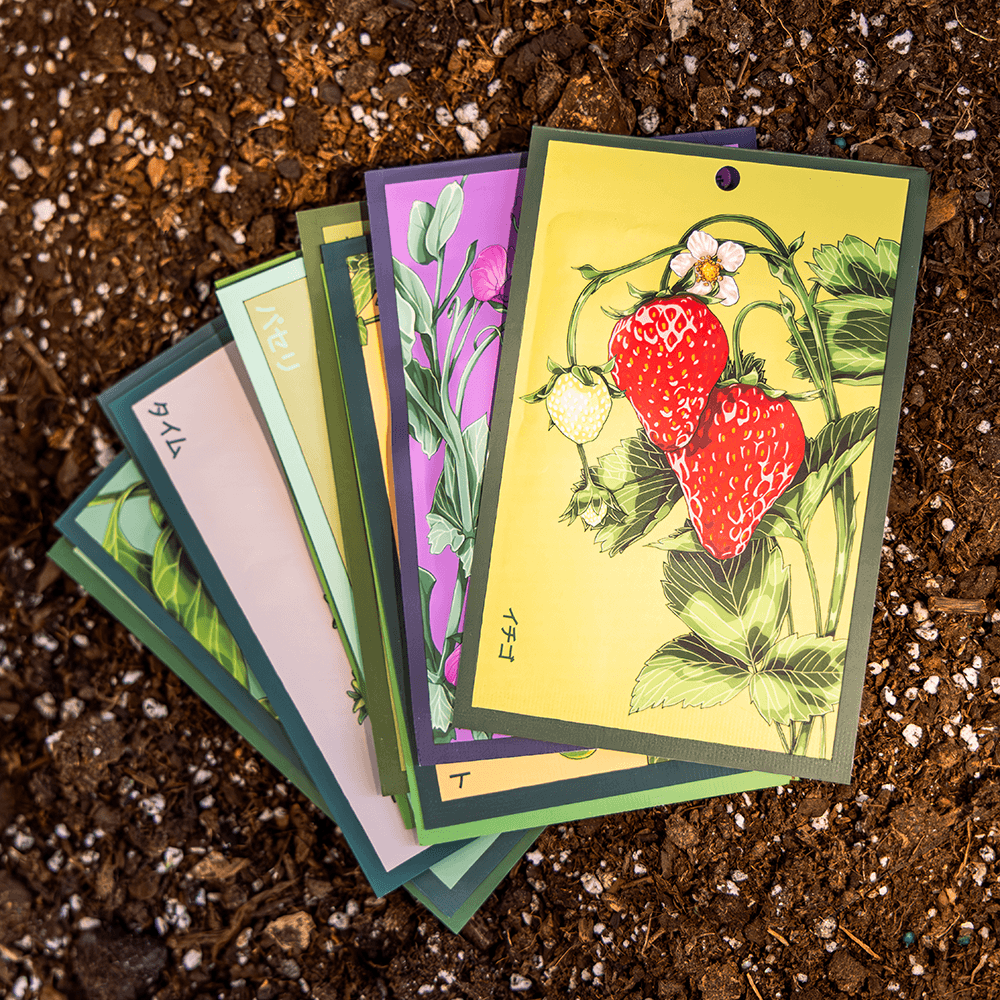
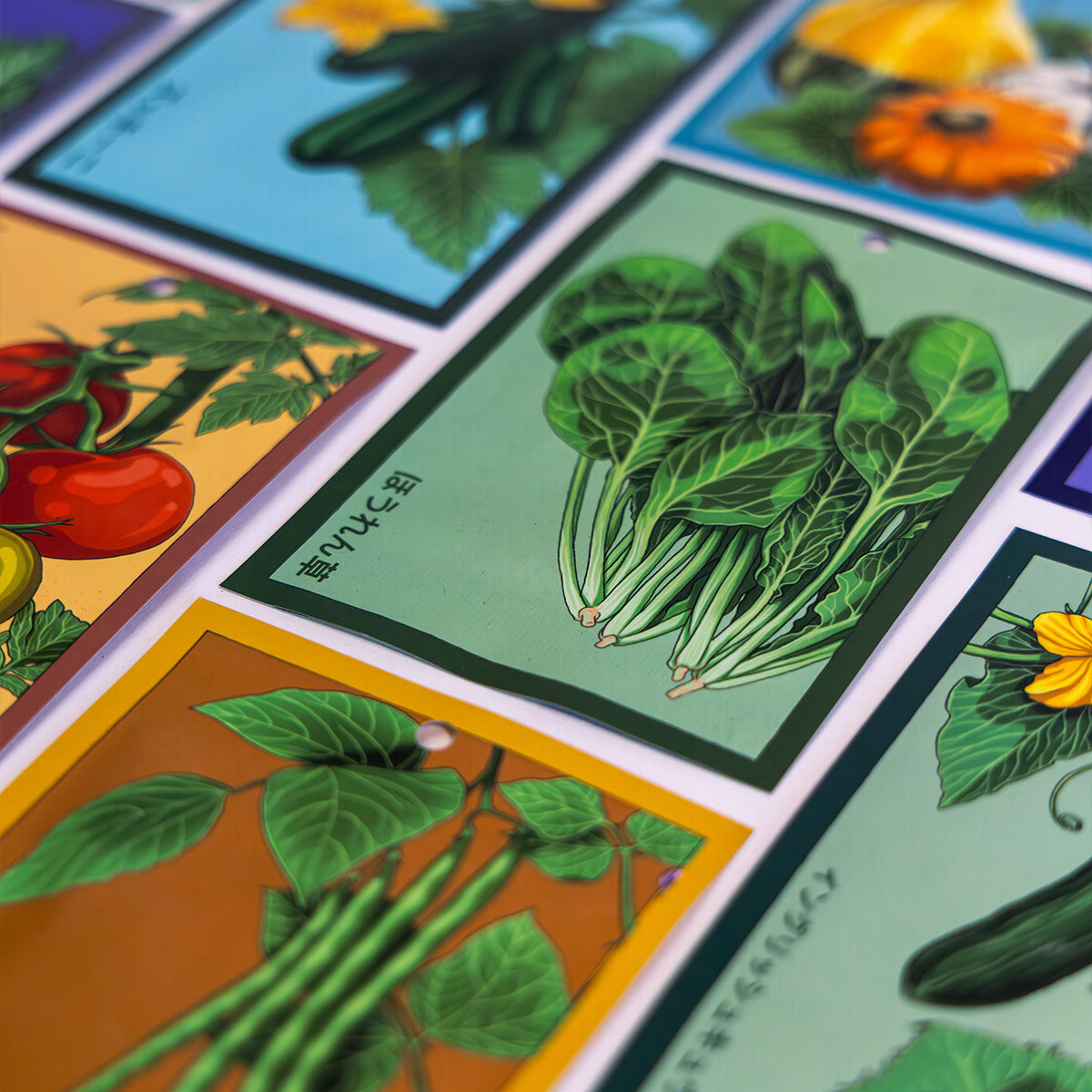
Every Shido seed packet is illustrated in the style of Japanese 1910s woodblock printing -- designed and drawn in-house by Chive, that has been exhibiting at the Chelsea Flower Show in London every year and does not, as a matter of principle, sell to big-box retailers. Customers collect the packets as a series. This was not the original plan.

Shipping & returns

Shipping

  • Free shipping: Orders $200+ within the US
  • Standard: 5–8 business days, Express 2–3 business days (at checkout)
  • International Ships: to 40 countries — rates at checkout
  • Packaging Ships: in outer box to protect gift box

View full shipping policy →

Returns

We accept returns within 30 days of delivery on unused items in original packaging. If your piece arrives damaged, contact us within 7 days with a photo and we will replace it at no charge.

View full return policy →

Satisfaction Guarantee

We stand by the quality of our flower seed packets! Every Shido seed packet is lab-tested for germination before it ships. If your seeds do not perform to the stated germination rate under correct growing conditions, contact us and we will replace or refund. Guaranteed!

Wholesale Inquires

Have a cool shop? Know someone that does?

Find Chive on Faire →

Radish Horticultural Specifications

Botanical

Echinocactus Grusonii

Plant Type

Perennial succulent

Light

Full Sun

Water

Sparse - allow to dry out completely between waterings

Soil

Well-drained, sandy or gritty

Depth

Surface sow, barely cover

Germination

1-4 weeks

USDA Zone

10–11 (houseplant everywhere)

Mature Height

3 to 4 ft

Harvest

1-5 years to bloom
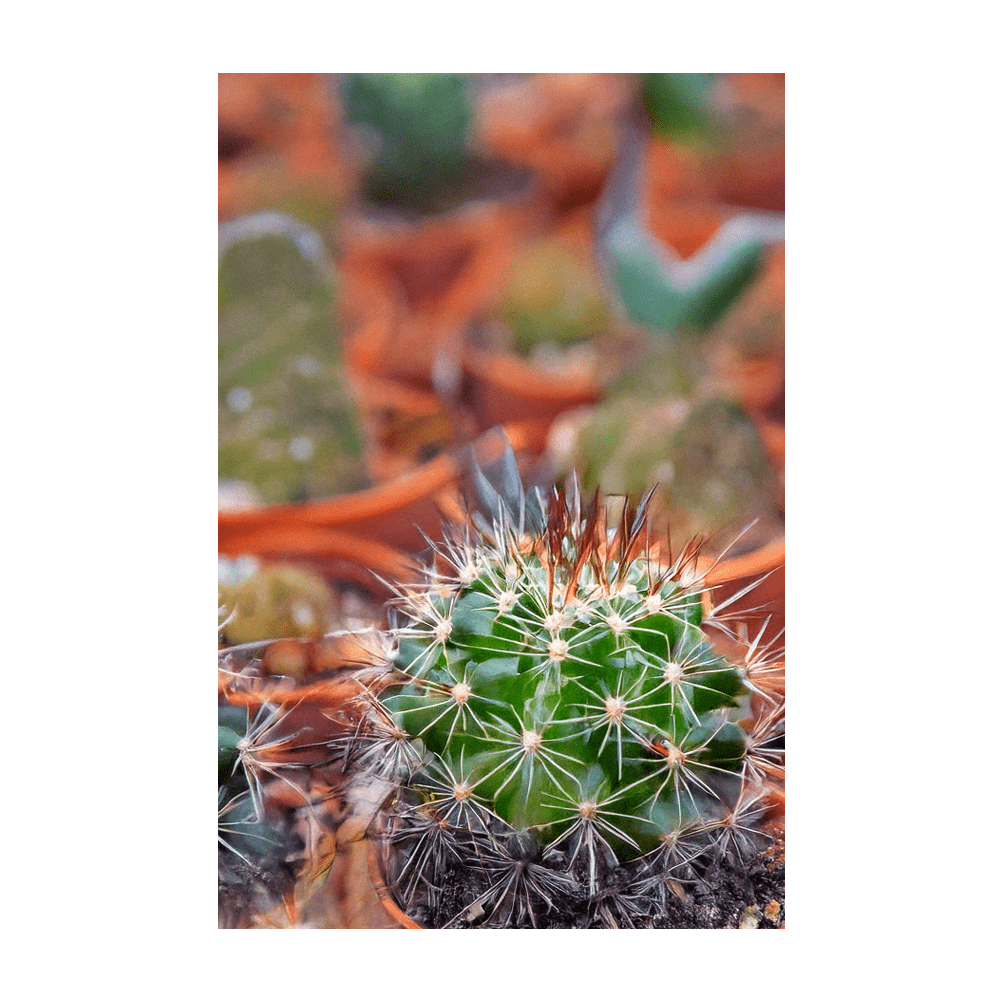

Cactus seeds in hermetically sealed Shido packet

Getting to know your Cactus

Cactus is the original desert minimalist, unbothered, unshaken, and unapologetically prickly. It's the plant equivalent of someone who wears all black, drinks black coffee, and doesn't care what anyone thinks. And honestly, that's exactly what makes it cool. Cacti come in hundreds of species, shapes, and sizes, from towering desert giants to teeny desk-friendly globes, but they all share one thing: they've genuinely mastered the art of survival. These plants store water like secrets, tolerate neglect like champs, and defend themselves with spines that double as a don't-touch-me accessory. Cacti don't need much: bright light, good drainage, and very occasional watering. During active growth in spring and summer, they'll appreciate a sip every few weeks. In winter, let them nap, since dry soil is really their comfort zone during that dormant stretch. Whether you're a houseplant newbie or a seasoned grower with genuine commitment issues, cactus is your low-maintenance ride-or-die. It minds its own business, looks great doing it, and quietly reminds a gardener that resilience can be beautiful, and sometimes a little spiky along the way. Few plants ask for this little while delivering quite this much personality in return. That balance of ease and character is what keeps it in steady rotation among houseplant collections.


History & origin

Ancient Americas

Cacti (family Cactaceae) are native almost exclusively to the Americas, with Indigenous peoples using various species for food (prickly pear fruit and pads), medicine, construction, and ceremonial purposes for thousands of years.

16th Century, European Contact

Spanish exploration of the Americas introduced cacti to Europe as botanical curiosities, sparking centuries of collector interest.

Victorian-Era Collecting

19th-century plant collecting fever in Europe drove significant demand for cacti and succulents, cementing their place in ornamental horticulture.

Today

Globally popular for low-maintenance ornamental use, though a number of wild cactus species now face real conservation concern from over-collection and habitat loss.

Shido Vegetable and Flower Seeds Vacuum sealed for peak freshness

Step-by-Step Sowing & Growing Guide

Getting Started

Step 1: Sowing - Surface sow or barely cover — most cactus seed needs light to germinate, so don't bury it the way you would larger seeds.

Step 2: Warmth - Keep at 70-80°F for germination.

Step 3: Humidity (seedling stage only) - Counterintuitively, young cactus seedlings want more humidity than mature plants ever will — cover the tray with plastic wrap or a dome initially.

Step 4: Watering - Mist gently rather than watering heavily while seedlings are tiny and still developing their root systems.

Step 5: Transition to mature care - Gradually reduce humidity and watering frequency over several months as seedlings mature into the typical dry, sparse-watering cactus routine.

Before you start

Materials needed to sow

  • Shallow pots or trays with drainage holes: Cactus roots are typically shallow and wide rather than deep.
  • Gritty, cactus-specific seed mix: Standard potting soil holds too much moisture for this seed and its seedlings.
  • Heat mat: Maintains the 70-80°F this seed wants for reliable germination.
  • Clear plastic cover or humidity dome: Counterintuitively important — young cactus seedlings want more humidity than mature plants ever will.
  • Spray bottle: For gentle misting rather than heavy watering, since seedlings are easily disturbed at this stage.

Materials for harvest and storage

  • Thick gloves or a folded strip of paper/leather: For safely handling spiny mature plants during repotting or division, without needing bare hands near the spines.
  • Tongs: Useful for maneuvering small or densely spined specimens without direct contact.

Tip: When repotting, let the plant sit dry for a few days afterward before watering again — this gives any small root damage from handling time to callus over, reducing rot risk.

Growth Requirements

Light:

  • Bright, direct light — a south-facing window is typically ideal.

Soil:

  • Very well-drained, gritty cactus-specific mix.

Watering:

  • Water sparingly, allowing soil to dry out completely between waterings.

Temperature & Climate:

  • Warm during the growing season; a cooler, drier winter rest period supports healthier growth and better flowering.

Fertilization:

  • Light feeding with a cactus-specific fertilizer, growing season only.

Maintenance

Placement:

  • Bright, direct light — a south-facing window is typically ideal for most cactus types.

Soil:

  • Very well-drained, gritty cactus-specific mix.

Watering:

  • Water sparingly, allowing soil to dry out completely between waterings.

Pruning:

  • Minimal to none needed; remove any shriveled or rotting sections promptly to prevent spread.

Feeding:

  • Light feeding with a cactus-specific fertilizer during the active growing season only.

Seasonal Care:

  • A cooler, drier winter rest period supports healthier growth and better flowering the following season.

Troubleshooting and common mistakes

  • Overwatering — the single most common way to lose a cactus — when in doubt, wait longer before watering again
  • Confusing shriveling (underwatering) with soft rot (overwatering) — these look similar at a glance but need opposite responses, so correct diagnosis matters
  • Skipping a winter rest period — many cacti need a cooler, drier winter to trigger blooming the following season — keeping it warm and watered year-round can prevent flowering

What it's used for

1. Decorative Uses:

  • A clean, sculptural houseplant that suits minimalist and modern interior styles

2. Practical Benefits:

  • Very low water and maintenance needs, tolerant of neglect and inconsistent watering schedules

3. Garden & Landscape Uses:

  • Suited to xeriscaping in warm, dry climates for hardy types

4. Novelty & Educational Value:

  • An accessible entry point for anyone new to succulent and cactus growing

Companion plants, pests & diseases

Companion planting

Good companions

  • Other cacti and succulents — shared low-water needs make for easy, compatible dish garden or windowsill groupings

Poor companions / avoid

  • Ferns, tropical foliage plants, or anything moisture-loving — overwatering to accommodate a moisture-loving companion is the fastest way to rot a cactus

Pests

  • Mealybugs — the most common cactus pest — often hides in spine clusters and crevices, harder to spot than on smooth-leaved plants
  • Root mealybugs — a soil-dwelling version that's easy to miss until the plant shows decline
  • Spider mites, scale insects — less common but possible, especially in dry indoor air

Diseases

  • Root and stem rot — overwhelmingly the most common cactus problem, almost always traced to overwatering or poor drainage rather than the plant's health otherwise
  • Fungal rot spots — soft, discolored patches, usually following an injury or excess moisture

Pro Tip

Once sprouted, provide bright indirect light (not full sun) and only mist occasionally until they develop spines. Then, gradually transition them to more light and reduce watering to once every 2–3 weeks.

Seeds worth keeping

What makes Shido Seeds different

Shido Seeds are designed by Chive Studio, a ceramic design company. We are not a seed conglomerate. We do not sell through big-box retailers. Each variety in the catalog was selected because it is worth growing — not because it ships well in bulk or photographs well in marketing materials.

Every packet is germination-tested at an independent third-party lab before it earns its woodblock illustration. The vacuum seal removes the oxygen that causes standard paper packets to degrade. The stated germination rate is a floor, not a marketing figure.

If something goes wrong, contact us. We will make it right.

Plants that Grow together look good together...even if they are ceramic
A Mixed Alternative
For a broader range of shapes in one packet, Small Mixed Cacti offers the same easy care with genuine variety across the whole collection.

Vegetable Shido Seeds packets — by Chive Studio Toronto

More From Shido's Garden

Find this among Shido's houseplant seed collection, where low-maintenance desert plants sit alongside more demanding tropical varieties.

April Birth Flower - Daisy ceramic wall flower styled on wall — Birth Flower Collection — Chive Studio Toronto

Low-Maintenance, Without the Wait

A cactus rewards patience over years of slow growth, but Chive's Ivory Keiko Peony delivers its full, understated appeal immediately.

Chive Shido seed packets with botanical illustrations on a peg rack, showing cherry blossom, tomato, and eggplant designs.

The credentials behind the packet

A plant famous for surviving neglect still needs a genuinely reliable seed before any of that toughness has the chance to show up. The studio removes oxygen from every packet well before it ships, treating even a hardy variety with the same care as anything more delicate in the lineup. Resilience later in a plant's life doesn't excuse an unreliable start; if anything, it makes that first step matter more, since there's nothing else compensating for it early on. Every houseplant in the catalog gets that same sealed treatment, tough or fussy alike. Toughness is a trait the plant earns later, not an excuse to skip care earlier. Neglect tolerance is earned, not assumed from the start.


Plant Care, Simplified with Chive

Keep it alive, keep it thriving. Let's make plant parenthood look easy.

How to Plant Zinnia Seeds | Shido Seeds Guide

Todd Newgren
Zinnia seeds germinate in 7 days and bloom all summer long. You plant one packet thinking "a little color." By August, the zinnias have taken over. Learn the one rule that keeps...
Read more

Nobody grows one dahlia. This is what nobody tells you.

Ryan Hearst
How to grow dahlias from seed: start indoors 6–8 weeks before last frost, transplant after frost, and expect first blooms in late summer. Nobody warns you that one bloom is all ...
Read more

Frequently asked questions

What is the best way to grow cactus from seed?

Cactus needs bright light, good drainage, and very occasional watering, thriving on a routine most other houseplants would consider neglect. During active growth in spring and summer, an occasional sip every few weeks is plenty. A finger test an inch into the soil beats guessing by a fixed schedule every time.

How often should you water an indoor cactus?

Far less than most houseplants — during active growth, every few weeks is usually enough, and in winter, letting the soil stay dry entirely suits its natural dormant period. That reduced surface area also helps the plant retain moisture during long dry stretches. Spines also help create a thin layer of shade across the plant's own surface.

Why do cacti have spines instead of leaves?

Spines are a genuine adaptation for water conservation and defense, reducing surface area for moisture loss while also discouraging animals from taking a bite in the wild. Even several weeks without attention rarely causes lasting harm to an established plant. A quick visual check for shriveling is a more reliable sign of genuine thirst than any calendar.

Can cacti survive being forgotten about for a while?

Yes, remarkably well — cacti tolerate neglect better than almost any other houseplant category, which is really the whole reason they've become a favorite for less attentive growers. Reducing water gradually rather than all at once helps the plant transition smoothly into dormancy. A slightly cooler room during that dormant stretch also supports healthier growth once spring arrives.

Do indoor cacti need a dormant period?

Yes, generally in winter — reducing water and letting the soil dry out fully mimics the natural rest period cacti experience in their native desert habitats. Storing packets somewhere cool and dry helps preserve that extended shelf life even further. That gradual transition also helps prevent the shock of an abrupt change in soil moisture.

How long do cactus seeds last?

Vacuum-sealed Shido Seeds packets remain viable for up to 10 years under proper storage, compared to roughly one year for a standard paper seed packet exposed to normal conditions. Neglect tolerance is earned, not assumed from the start. Cool, dry storage extends that shelf life even further. Even a hardy seed deserves that same protection.

Is cactus a good choice for a beginner houseplant grower?

Yes, genuinely — its tolerance for inconsistent watering and general neglect makes it one of the most forgiving houseplants available for someone just starting out. A simple, gritty cactus mix from any garden center works well right out of the bag. A terracotta pot also helps wick away excess moisture better than a glazed or plastic one.

Is this seed germination-tested?

Yes — every Shido Seeds packet, cactus included, is tested at independent third-party labs before it reaches a shelf, ensuring dependable results. That extra scrutiny matters even for a hardy crop, since consistency is the whole basis of the claim. No shortcuts taken, hardy or delicate alike. No compromises. None.

Verte Rx Shiny Leaves for Plants - Chive Ceramics Studio - Chive Ceramics Studio

The seed is the start. Verte RX handles the rest.

Most seedlings fail not from bad seed but from soil that runs out of what the plant needs before the plant can find it. Verte RX is a liquid plant vitamin formulated for exactly that window — the weeks after germination when the root system is establishing and the margin between thriving and stalling is narrowest.