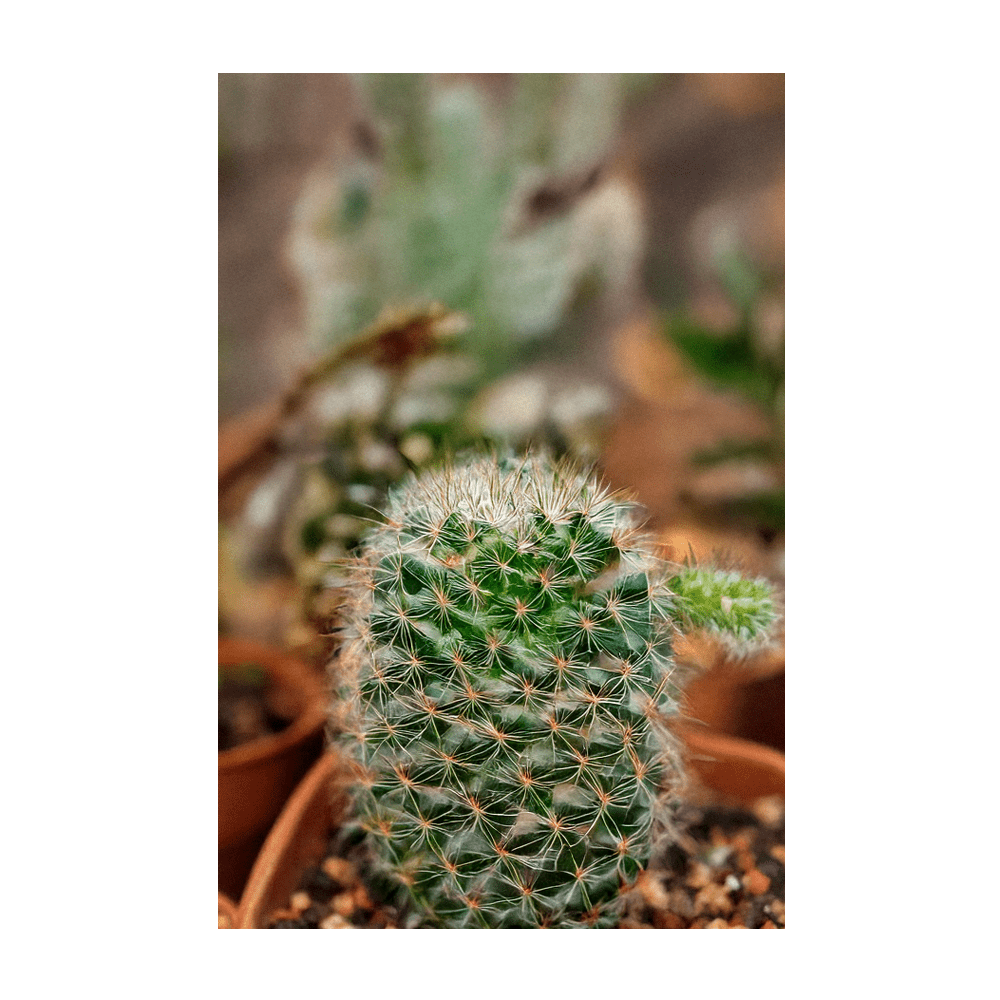
Small Mixed Cacti Indoor Houseplant Seeds Packet

Regular price $4.95
Vacuum Sealed
NON-GMO
Seed Pack Guarantee

Build Your Garden With These Shido Seeds

Choose a seed packet as your starting point, then round out the bed with these for that thrown-together-but-somehow-perfect harvest.


Mixed cactus seeds grow into an indoor collection of forms, spines, and eventual blooms, no two seedlings quite the same. Shido mixed cactus seeds are non-GMO and hermetically vacuum-sealed, sealed years before any of them need to sprout. Standard paper-packed seeds begin losing germination viability after approximately one year.

Each packet holds a genuine mix of species, so the seedlings arrive as a small botanical lottery, and the supplier's idea of variety is not always yours. The plants ask for almost nothing once they get going, which is the entire appeal and, if pressed, the entire personality. Patience is the only ingredient the seed actually requires from you, and it does not mind being ignored for a week. Every packet ships germination-tested at independent third-party labs before packaging, a formality the seeds themselves seem unbothered by, having already survived years sealed in a vacuum.

Seed specifications
  • Material: Seed
  • Botanical name: Various
  • Genus: Varies
  • Plant family: Cactaceae
  • Species: Multiple species
  • Plant type: Perennial succulent
  • Pollination type: House Plant
  • USDA Hardiness Zones: 9–11 (houseplant everywhere)
  • Packet contents: ≈ 30 Seeds
  • Packaging: Hermetically vacuum-sealed
  • Non-GMO: Yes
  • Seed viability: Up to 10 years (sealed) / 4–5 years (unsealed, ideal conditions)
  • Difficulty: Easy - Beginner Friendly
Sowing & growing guide

Quick Sowing Guide:

  • When to sow: Any time indoors
  • Sowing depth: Surface sow, barely cover
  • Initial spacing: 6-18 in
  • Row spacing: 12-24 in
  • Days to germination: 1-4 weeks
  • Light: Full Sun
  • Water: Sparse - allow to dry completely between waterings
  • Soil: Well-drained, sandy

Start Growing: Step-by-step sowing and growing guide

About vacuum sealing

Why Vacuum-Sealed Seeds Last Longer

Standard paper seed packets are permeable to oxygen and moisture -- the two primary causes of seed degradation. Most paper-packaged seeds begin losing germination viability after approximately one year, contributing to significant garden-industry waste: packets purchased, not planted, expired, discarded. Shido Seeds are hermetically vacuum-sealed. The packet does not expire quietly in a drawer. It waits.

About the Packaging

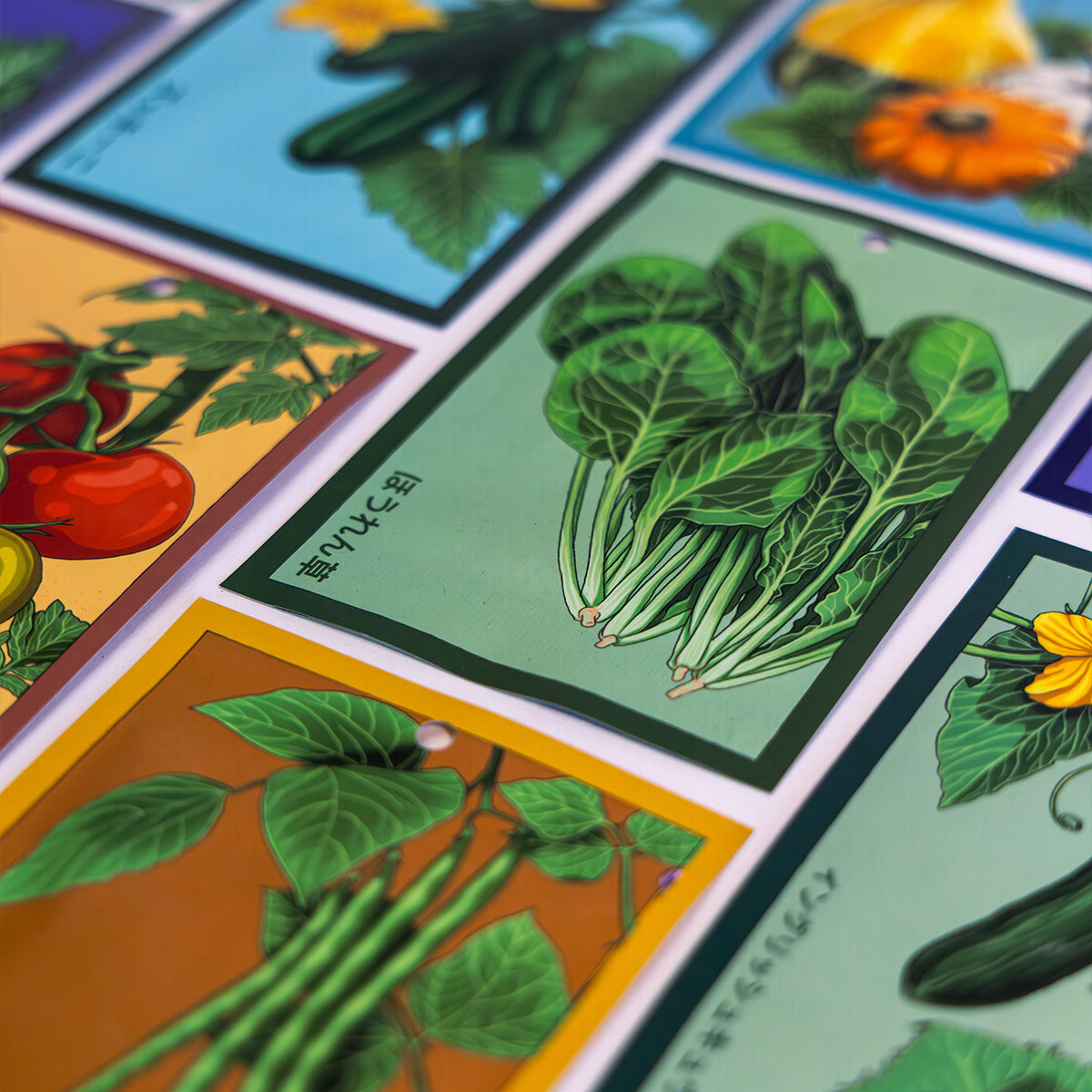
Every Shido seed packet is illustrated in the style of Japanese 1910s woodblock printing -- designed and drawn in-house by Chive, that has been exhibiting at the Chelsea Flower Show in London every year and does not, as a matter of principle, sell to big-box retailers. Customers collect the packets as a series. This was not the original plan.

Shipping & returns

Shipping

  • Free shipping: Orders $200+ within the US
  • Standard: 5–8 business days, Express 2–3 business days (at checkout)
  • International Ships: to 40 countries — rates at checkout
  • Packaging Ships: in outer box to protect gift box

View full shipping policy →

Returns

We accept returns within 30 days of delivery on unused items in original packaging. If your piece arrives damaged, contact us within 7 days with a photo and we will replace it at no charge.

View full return policy →

Satisfaction Guarantee

We stand by the quality of our flower seed packets! Every Shido seed packet is lab-tested for germination before it ships. If your seeds do not perform to the stated germination rate under correct growing conditions, contact us and we will replace or refund. Guaranteed!

Wholesale Inquires

Have a cool shop? Know someone that does?

Find Chive on Faire →

Radish Horticultural Specifications

Botanical

Various

Plant Type

Perennial succulent

Light

Full Sun

Water

Sparse - allow to dry completely between waterings

Soil

Well-drained, sandy

Depth

Surface sow, barely cover

Germination

1-4 weeks

USDA Zone

9–11 (houseplant everywhere)

Mature Height

Harvest

1-5 years to bloom


Mixed Cacti mature specimens in ceramic pots - Shido Seeds by Chive

Getting to know your Small Mixed Cacti

Cacti are typically small and genuinely compact, making them ideal for windowsills, desktops, and container gardens where a larger plant simply wouldn't fit comfortably. Their shapes vary widely, including globular or ball-shaped varieties, columnar and ribbed types, and cluster-forming species that spread into small colonies over time. Colors range from classic green to blue-green, grayish, and even reddish tones, giving a mixed collection genuine visual variety even before anything blooms. Many cacti feature protective spines, bristles, or woolly tufts, adding texture and character well beyond a simple green silhouette. While they may seem tough and understated, these plants can genuinely surprise a grower with vivid, showy blooms in shades of pink, red, yellow, or white, usually appearing in spring or summer once conditions are right. Though the flowers are often quite large compared to the plant itself, they typically emerge only once the cactus has reached real maturity, which takes considerable patience if grown from seed rather than a nursery start. A mixed collection like this one rewards that patience with a genuinely varied windowsill, no two plants looking quite the same as they mature. Few houseplants offer this much visual range from such a genuinely low-maintenance starting point. Patience is really the only real requirement this collection ever asks for.


History & origin

Ancient Americas

Shares the same broad family history as cacti generally — native to the Americas, used by Indigenous peoples for millennia, introduced to Europe via 16th-century exploration.

Victorian-Era Collecting

19th-century European collecting fever established cacti as serious ornamental subjects, setting the stage for the variety-focused cultivation seen today.

20th Century Variety Packs

Mixed cactus assortments specifically became popular as an accessible way to introduce home gardeners to the family's genuine diversity without committing to a single species.

Today

A popular entry point for new succulent collectors, offering variety from a single packet.

Shido Vegetable and Flower Seeds Vacuum sealed for peak freshness

Step-by-Step Sowing & Growing Guide

Getting Started

Step 1: Sowing - Surface sow or barely cover — most cactus seed in this blend will need light to germinate.

Step 2: Humidity (seedling stage) - Maintain higher humidity than mature cacti will ever need, using a dome or plastic wrap initially.

Step 3: Watering - Mist gently; avoid heavy watering while seedlings are tiny.

Step 4: Variety note - Since this is a mixed blend, watch for different germination timelines among the various species included — not every seed will sprout on the same schedule.

Step 5: Transition to mature care - Gradually reduce humidity and watering frequency as seedlings mature.

Before you start

Materials needed to sow

  • Shallow pots or trays with drainage holes: Matches the shallow root habit shared across most cactus species.
  • Gritty, cactus-specific seed mix: Same drainage logic as generic cactus — standard soil holds too much moisture.
  • Heat mat: Maintains 70-80°F for germination.
  • Clear plastic cover or humidity dome: Important for young seedlings across nearly all species in this kind of blend, even though mature cacti won't want this humidity later.
  • Plant labels: Especially useful here, since different species in the mix may germinate on noticeably different timelines.

Materials for harvest and storage

  • Gloves or tongs: For handling spiny mature specimens during repotting, the same as generic cactus.

Tip: Watch for one or two specimens in the mix growing noticeably faster or slower than the rest — that's normal variation between species, not a sign that the slower ones are failing.

Growth Requirements

Light:

  • Bright light, mostly full sun — exact preference can vary slightly by which species are included in the blend.

Soil:

  • Very well-drained, gritty cactus-specific mix.

Watering:

  • Water sparingly, allowing soil to dry out completely between waterings — far less often than typical houseplants.

Temperature & Climate:

  • Warm during the growing season; benefits from a cooler, drier winter rest period, which also supports better flowering.

Fertilization:

  • Light feeding with a cactus-specific fertilizer, growing season only.

Maintenance

Variety Note:

  • Since this is a mixed blend, exact care can vary somewhat by which specific cacti are included — the guidance below covers the general care nearly all of them share.

Soil:

  • Very well-drained, gritty cactus-specific mix.

Watering:

  • Water sparingly, allowing soil to dry out completely between waterings — far less often than most houseplants, especially in winter.

Pruning:

  • Minimal to none needed; remove any shriveled or rotting growth promptly.

Feeding:

  • Light feeding with a cactus-specific fertilizer during the active growing season only.

Seasonal Care:

  • Most cacti benefit from a cooler, drier winter rest period with reduced watering, which also supports better flowering the following season.

Troubleshooting and common mistakes

  • Treating all species in the blend identically — since this is a mixed assortment, individual species may have slightly different specific needs — watch for one specimen declining while others thrive, which may signal a mismatch rather than a single uniform problem
  • Overwatering to keep the whole dish garden uniformly moist — cacti in a mixed planting still need to dry out between waterings, even if sharing a container with something less drought-tolerant

What it's used for

1. Decorative Uses:

  • A varied, low-maintenance collection well suited to dish gardens, terrariums, and windowsill displays

2. Practical Benefits:

  • Genuinely low-water and low-maintenance, tolerant of inconsistent care better than most houseplant categories

3. Garden & Landscape Uses:

  • Suited to xeriscaping in warm, dry climates where individual species are hardy outdoors

4. Novelty & Educational Value:

  • Offers built-in variety from a single packet, appealing to collectors and beginners wanting to sample several cactus types at once

Companion plants, pests & diseases

Companion planting

Good companions

  • Other cacti and succulents with matching low-water needs — ideal for shared dish gardens

Poor companions / avoid

  • Moisture-loving plants — overwatering risk if grouped together

Pests

  • Mealybugs — the most common cactus pest, often hiding in spine clusters
  • Spider mites, scale insects — less common but possible

Diseases

  • Root and stem rot — the overwhelming risk, almost always from overwatering

Pro Tip

Dust your cactus regularly with a soft brush or cloth—clean plants can photosynthesize more efficiently and stay healthier!

Seeds worth keeping

What makes Shido Seeds different

Shido Seeds are designed by Chive Studio, a ceramic design company. We are not a seed conglomerate. We do not sell through big-box retailers. Each variety in the catalog was selected because it is worth growing — not because it ships well in bulk or photographs well in marketing materials.

Every packet is germination-tested at an independent third-party lab before it earns its woodblock illustration. The vacuum seal removes the oxygen that causes standard paper packets to degrade. The stated germination rate is a floor, not a marketing figure.

If something goes wrong, contact us. We will make it right.

Plants that Grow together look good together...even if they are ceramic

A Single-Variety Alternative
For one specific cactus type rather than a mixed blend, Cactus offers the same low-maintenance care with a single, predictable shape.

Vegetable Shido Seeds packets — by Chive Studio Toronto

The Rest of the Houseplant Collection

Browse Shido's full houseplant seed collection for other low-maintenance varieties that share this blend's easy care requirements.

April Birth Flower - Daisy ceramic wall flower styled on wall — Birth Flower Collection — Chive Studio Toronto

Variety That Doesn't Need a Windowsill

A cactus collection takes years to show its full range, but Chive's Ivory Spider Mum shows its complete character the moment it arrives.

Chive Shido seed packets with botanical illustrations on a peg rack, showing cherry blossom, tomato, and eggplant designs.

The credentials behind the packet

A mixed collection puts real pressure on every seed in the packet, since one weak variety in a blend stands out immediately against neighbors that germinated on schedule. Removing oxygen at the sealing stage is the studio's answer to that pressure, a step most paper-only seed racks never bother taking. A blend built around variety deserves seed just as dependable across every type included, not just the more common ones. That standard holds whether a packet contains one variety or five growing side by side on the same windowsill. Consistency across a blend is really the harder standard to hit, and the one worth getting right. That's the standard applied here.


Plant Care, Simplified with Chive

Keep it alive, keep it thriving. Let's make plant parenthood look easy.

Heirloom vs Hybrid Seeds: What Actually Differs | Shido

Todd Newgren
Heirloom seeds aren't automatically better than hybrid seeds—each suits different goals, from saving seed year to year to fighting off disease. The real difference is genetics, ...
Read more

Do Seeds Expire? How Long Do Seeds Last | Shido

Todd Newgren
Seeds don't expire — they lose viability as oxygen depletes stored energy, and vacuum sealing is the fix. Chive's Shido Seeds are vacuum-sealed, germination-tested, and stocked ...
Read more

Frequently asked questions

What is the best way to grow mixed cacti from seed?

Mixed cacti need bright light, gritty well-draining soil, and very infrequent watering, thriving best when left mostly alone between waterings. Patience matters more than almost anything else, since a genuinely varied collection takes considerable time to mature into its distinct final shapes. Sandy or gritty potting mixes designed for succulents work particularly well here.

How many different cactus varieties are in a mixed packet?

A mixed collection typically includes several distinct shapes and colors, from globular and ball-shaped types to columnar and cluster-forming varieties, all growing from the same packet of seed. That range means a single windowsill can hold considerable visual variety without much extra effort required. Colors and spine patterns also vary noticeably within the same mixed packet.

Do all cacti in a mixed collection need the same care?

Broadly, yes — most cacti share the same basic preferences for bright light, minimal water, and well-draining soil, though individual varieties within a mix may mature at slightly different rates. Occasional differences in growth rate are normal and don't signal a problem with any individual plant. Occasional differences in growth rate are normal across a genuinely varied blend.

When do mixed cacti typically flower?

Blooms usually appear in spring or summer once a cactus has reached real maturity, which can take considerable time from seed, often several years depending on the specific variety. Patience through those early years is really the entire tradeoff for eventually seeing those blooms. Larger, more established specimens tend to bloom more reliably than younger seedlings.

Can mixed cacti be grown together in one container?

Yes, provided the container has good drainage and enough room for each plant to develop, though separating faster-growing varieties later prevents any one type from crowding out the others. Grouping by similar growth rate makes ongoing care considerably more manageable over time. Separating slower growers into their own pot once established prevents any real crowding issues.

How long do mixed cacti seeds last?

Vacuum-sealed Shido Seeds packets stay viable for up to 10 years when stored properly, compared to roughly one year for a standard paper seed packet exposed to normal air and humidity. That's the standard applied to every variety in this blend. Storing packets somewhere cool and dry helps preserve that extended shelf life even further.

Is a mixed cactus collection good for beginners?

Yes, genuinely — cacti as a category are forgiving of inconsistent care, making a mixed collection a low-stakes way to start experimenting with different shapes and textures at once. Occasional misting can help humidity-sensitive varieties within the mix without overwatering the others. That resilience is really the whole reason a mixed collection suits a first-time grower well.

Is this seed lab-tested for germination?

Yes — every Shido Seeds packet, this mixed collection included, is germination-tested at independent third-party labs before it ever reaches a shelf. That extra scrutiny matters given how many distinct varieties a single blend actually contains. No shortcuts taken regardless of how many varieties one packet contains. That standard covers every shape and color in the blend.

Verte Rx Shiny Leaves for Plants - Chive Ceramics Studio - Chive Ceramics Studio

The seed is the start. Verte RX handles the rest.

Most seedlings fail not from bad seed but from soil that runs out of what the plant needs before the plant can find it. Verte RX is a liquid plant vitamin formulated for exactly that window — the weeks after germination when the root system is establishing and the margin between thriving and stalling is narrowest.