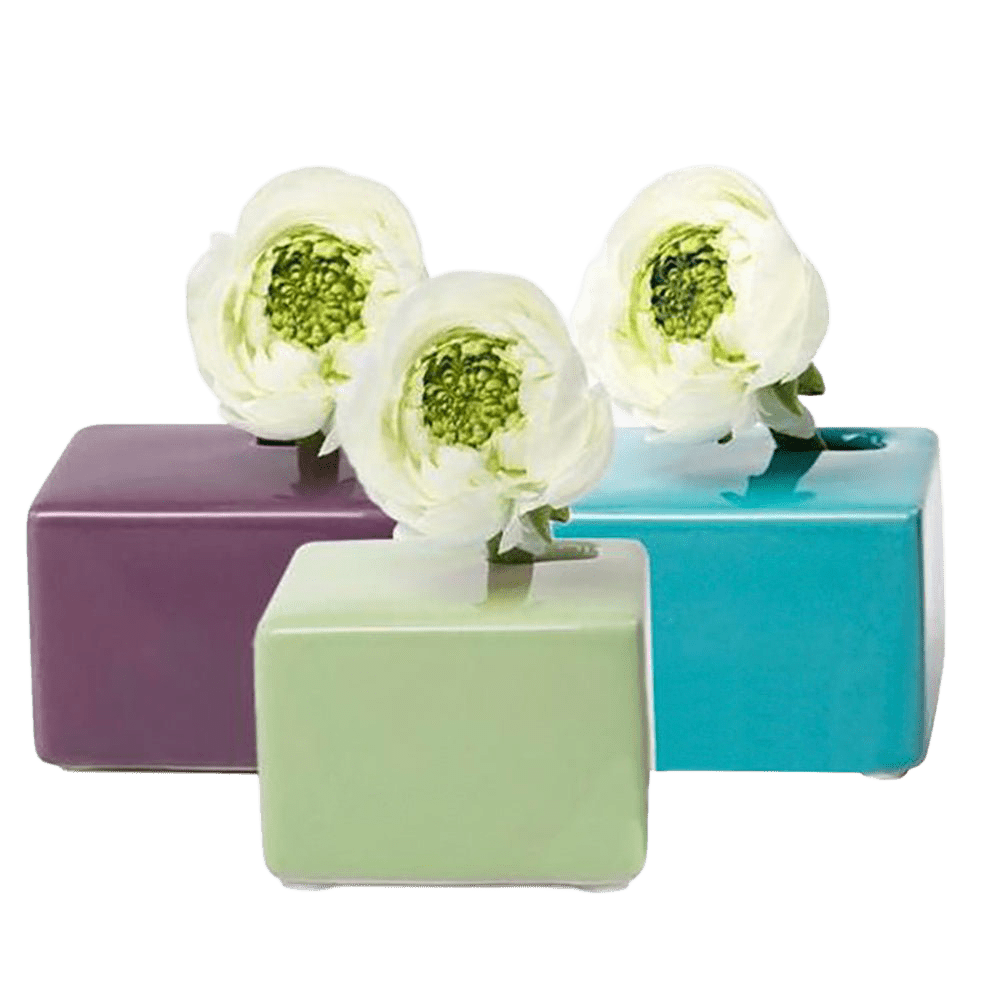
Cube Ceramic Flower Vase

Regular price $11.95
Colors: Grey
Sizes
Fully Glazed
Dishwasher safe cleaning
30-day return policy

Build Your Effortless Arrangements With These:

Choose a vase as your anchor, then round out the shelf with these for that thrown-together-but-somehow-perfect look.


The Cube vase is a cube vase in the most literal sense the studio could manage, a ceramic cube vase and simultaneously a square ceramic vase, and the naming committee, if there was one, moved on quickly to more contested items. Nobody argued about the shape either. Four equal sides and a flat top settle most questions before they get asked, and the finish was glazed so a wiped surface stays a wiped surface. Anyone shopping for a square-sided piece already knows what they are doing and does not need a paragraph of persuasion, which is a small relief on days when persuasion has to be manufactured for a vase shaped like a beehive or a person or a fish. The Cube gets its form by hand at Chive Ceramics Studio, though the honest naming turns out to be, on reflection, either an act of restraint or a small act of surrender, and possibly both.

Product detail
  • Vase Type:
  • Material:
  • Glaze finish:
  • Water Resistance: Watertight
  • Year Designed:
Vase Care Instructions

Every ceramic vase in this collection is dishwasher safe on the top rack, making cleanup between arrangements as simple as loading it in with the rest of the dishes. The glazed surface holds up fine to regular washing, so there's no need to hand-wash unless you'd prefer to.

If you're cleaning a piece with painted or sculpted detail, a gentler cycle or a quick hand-wash with warm water and mild soap will help keep the finish looking sharp for longer. Either way, rinse and dry after each use — especially if flower food or cut-stem residue was in the water — so nothing lingers and clouds the glaze.

No special sealants, no periodic maintenance. Wash it, dry it, put flowers back in it.

Flowers that Love this Vase
  • Lily
  • Anemone
  • Lisianthus
  • Baby's Breath
  • Tuberose
  • Allium
  • Anthurium
  • Astilbe
  • Kangaroo Paw
  • Pussy Willow

Quick Guide to Building a Floral Arrangement

  1. Pick your vase first
  2. Start with your anchor flower.
  3. Build in odd numbers.
  4. Add height, then fill.
  5. Greenery does the quiet work.
  6. Cut stems at an angle, underwater if you can.
  7. Step back before you decide it's done.

Shipping & returns

Shipping

  • Free shipping: Orders $200+ within the US
  • Standard: 5–8 business days, Express 2–3 business days (at checkout)
  • International Ships: to 40 countries — rates at checkout
  • Packaging Ships: in outer box to protect gift box

View full shipping policy →

Returns

We accept returns within 30 days of delivery on unused items in original packaging. If your piece arrives damaged, contact us within 7 days with a photo and we will replace it at no charge.

View full return policy →

Wholesale Inquires

Have a cool shop? Know someone that does?
Find Chive on Faire →

Cube Ceramic Flower Vase - Chive Ceramics Studio - Vases - Chive US

It is a cube, it is a vase — the naming committee gave up

It is a cube. It is also a vase. The team has tried, in the interest of doing its job on this page, to locate something more to say about the shape, and the honest truth is the name already told you everything necessary — either the most direct naming decision anywhere in the ceramic catalog or a quiet capitulation by the naming discussion — most likely both simultaneously. Nobody standing here needs convincing of anything further. The shape already delivered its argument the morning the first version emerged from the kiln looking exactly like the sketch on the whiteboard, and the label simply got out of the way and let the geometric object stand. Four equal sides. A flat top surface with a wide square opening cut into the center of it. A flat bottom that meets any shelf without complaint or wobble. That is the design brief in one paragraph, no expansion needed. The Cube holds full arrangements, which the studio's horizontal siblings physically cannot, and it reads as furniture when standing empty, which the studio's figurative siblings also cannot manage without visible strain. It has quietly become one of the most reordered ceramic vases here, which surprises the team here less than it surprises the occasional visiting design consultant. Restraint reorders. The room keeps making it.

Chive Studio trimming tulip stems with scissors on a wooden surface, with white, purple, and pink tulips arranged nearby.

A (Mostly) Simple Guide to Cutting Your Flowers

So, you’re making an arrangement? Let’s ensure it lives long enough to impress someone—even if it's just you.

  1. Scrub the Scissors: Wash your shears first. Your flowers do not want a side of Dorito dust.
  2. Cut at 45°: Snip stems at an angle. It gives them a straw instead of making them chug from the bottle.
  3. Trim Underwater (Fancy Mode): Cut them submerged to block air bubbles. It’s extra, but they didn’t ask to suffocate.
  4. Ditch Submerged Leaves: Strip anything below the waterline. Unless you are actively going for a swamp aesthetic.
  5. Snip Again if Stale: If they sat out on the counter, trim them again. They need a fresh start (don’t we all?).
  6. Swap the Water: Change it and trim the stems every few days so they don't die immediately.

Voilà! You are now a domestic deity. Go take your Instagram photo before you forget to water them.

Pro Tip: Keep It Short and Sweet!

When it comes to flower stems, shorter is better. Not only do shorter stems look chic in arrangements, but they also help your blooms last longer. Why? Because the shorter the stem, the less distance water has to travel to keep those petals perky. It’s like giving your flowers a shorter commute—less stress, fewer breakdowns.

Perfect Pairs for Any Shelf

Félicette space cat ceramic vase holding flowers — Chive Studio Toronto

Felicette the Astronaut Ceramic Vase

The ceramic vases at Chive come out of the same studio habit that produced everything else here: design the object once, correctly, then resist every opportunity to complicate it. Each one holds stems. None of them holds back. The Cube keeps its argument geometric; the Felicette astronaut vase turns the same catalog toward figuration — a small ceramic tribute to a specific historical feline pilot. Different vocabulary from the Cube, same instinct against over-decoration.

The Ceramic Vases Collection

Every Chive vase is built around one decision about how flowers should stand, then finished by hand until that decision reads as obvious. For the Cube, the decision was volume without curve — a four-sided ceramic block that reads as architecture on a shelf and takes a full arrangement without complaint. On a dining table it holds an occasion's worth of stems; on a floor it holds a season's worth of branches. Both scales work. See the ceramic vases collection for the rest of the studio's take on the form.

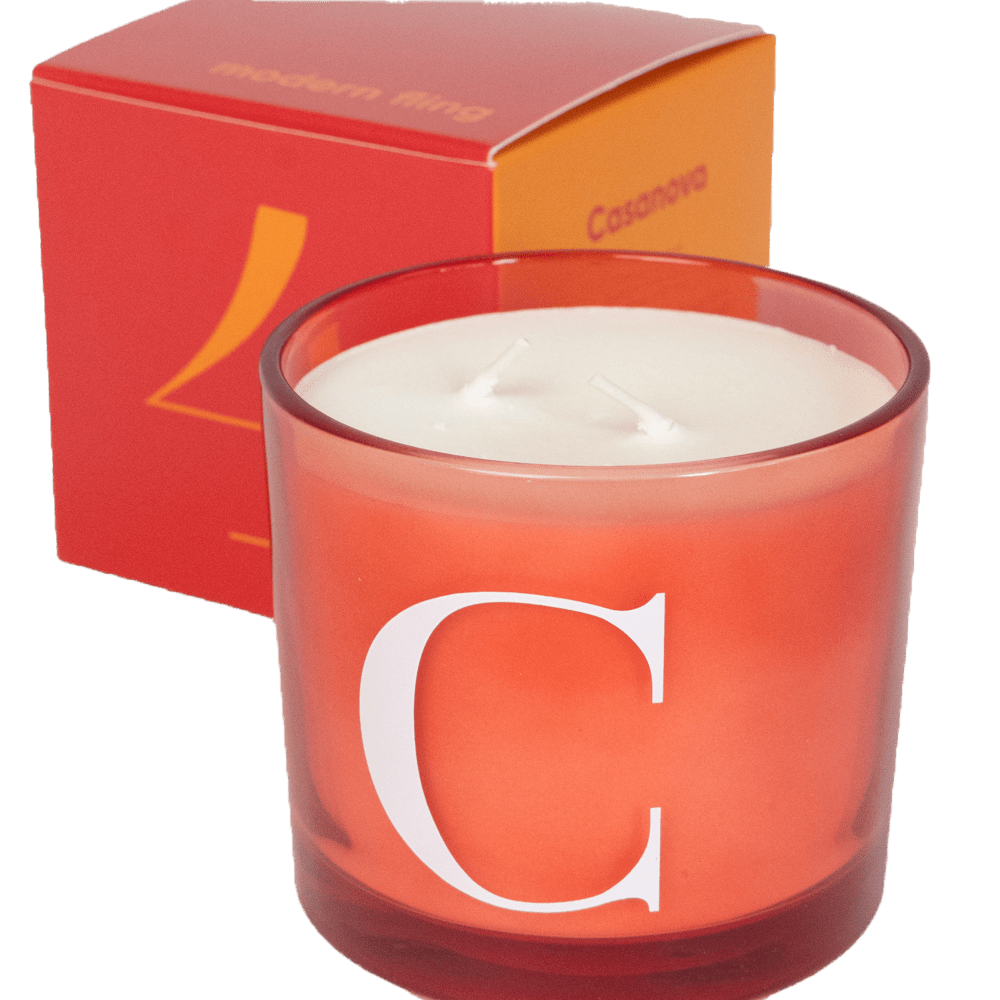
Casanova Coconut-Soy Candle

Between arrangements the Cube's flat top invites a small piece of hardware, and the studio's Casanova candle sits on it well without competing with the geometry of the piece. The two surfaces share a tonal register instead of trading elbows. Rooms stay populated between arrangements this way.


Chive Studio at Chelsea Flower Show displaying ceramic pooley vases of different colors.

How Chive Practices Restraint in a Catalog — Studio Notes

Restraint about decoration has been a fixed operating principle at the studio since it opened in 2004: if a ceramic form is right on its own terms, the form can leave the studio, and no additional ornament will be applied afterward to redeem a shape the team was not fully certain about in the first place. The Cube represents that principle in its most literal form yet — a shape the team was certain about, applied cleanly, with no argument added on top of the geometry. Most ceramic studios elsewhere would decorate a cube on principle. The team here declined the impulse, permanently. The catalog is easier to trust because of that particular refusal.


Inside the Chive Design Studio

Low maintenance, high impact. Let's make home styling look easy.

Wedding Centerpiece Vases: The Planning Guide Nobody Gives You

Todd Newgren
Wedding centerpiece vases work best small and plural — three to seven per table, one to three stems each. A fifteen-table reception needs roughly seventy-five vases and 100 to 1...
Read the full story

The Best 10 Styles of Vases

Jessie Duenas
The glorious world of flower vases! Because nothing says "I have my life together" quite like a carefully chosen vessel for your soon-to-be-wilting flora. Gather 'round, fell...
Read the full story

Frequently asked questions

What is a cube vase and what sets the Cube Ceramic apart?

A cube vase is a four-sided vessel with equal length, width, and height measurements, and an opening cut into the top face for stems. The Cube Ceramic distinguishes itself through the discipline of the proportions — square within a small manufacturing tolerance, not merely cube-adjacent — and through a hand-glazed surface that reads differently from every side. The name was honest. The shape agrees.

Can the Cube Ceramic vase hold dried stems as well as fresh?

Its wide top opening handles dried arrangements at least as well as fresh ones. Structural botanicals — dried hydrangea heads, cotton on stem, pussy willow branches, wheat sheaves in autumn — sit well against the geometric outline, since the square base gives the eye somewhere to rest while the arrangement talks. Fresh stems also work reliably. Skip water for dried.

How much water does the Cube Ceramic vase hold when filled?

The Cube's four-sided volume gives it substantially more water capacity than most tall bud forms, which suits a full bouquet rather than a single stem — several days between refills is normal, considerably longer in a cool room away from direct sun. Specific fluid ounces do not appear on the product page. Refer to the listing's dimensions to gauge total interior room available. The proportions handle the rest.

Why was ceramic chosen for the Cube Ceramic vase's construction?

A glass cube reads as a display box; a metal cube reads as industrial hardware from a warehouse. Ceramic gives the shape enough visual weight to feel like an actual object in its own right rather than merely a container built to hold something else, and glaze allows a controlled surface variation that a glass version simply could not produce. The team has never tested another material for it.

Can you remove hard water marks from the Cube Ceramic vase easily?

Mineral haze inside the Cube responds to essentially the same treatment as the rest of the ceramic catalog — a diluted vinegar bath at a rough one-to-three ratio against warm tap water, left overnight if any deposit ring proves stubborn — rinsed the following morning to clear. The wide opening makes physical access easy. A soft bottle brush finishes it. Repeat only when actually needed.

Where does the Cube Ceramic vase look best in a modern room?

The Cube suits rooms that have already committed to some restraint — a low console with a single lamp, the middle of a bookshelf that is not overfilled with clutter, the counter of an open kitchen where the piece can genuinely stand alone in view. Ornate rooms fight the geometry. Minimalist rooms lean into it. Either way it holds.

Should you choose the Cube Ceramic vase or the Felicette vase first?

Reach for the Cube when a room needs a piece that carries a full bouquet while also reading like small-scale architecture on the shelf, and reach for the Felicette first when a shelf calls for a small character with a specific biography attached and does not yet require water volume. Neither replaces the other. Most own both.

When did the Chive studio team design the Cube Ceramic vase?

The Cube took shape early in the studio's ceramic vases line, and it has been in continuous production without a single redraw since. The original design brief was one sentence long, delivered verbally in a hallway conversation, and no additional revisions have since been requested by anyone still working in the building today. Glaze recipes drift subtly year to year. The form does not.

Ceramic astronaut vase with flowers styled on shelf — Chive Studio Toronto
Behind the Studio

The story behind the Chive astronaut vases

The story of Laika, Félicette, a solar eclipse in New York, and a space bar that ordered a hundred vases a month until it closed.