Edward Clippers Ikebana Pruning Scissors

Regular price $20.50
Thoughtfully Designed
Ships worldwide
30-day return policy

Give Your Plants What They're Missing:

Start with the pot, then build out the shelf with the tools that keep what's in it actually thriving.


Named after Edward Scissorhands, mostly as a joke about ambition rather than a literal resemblance — the character was all blade and none of it practical, which is roughly the opposite of what a real cutting tool needs to be. At five inches from tip to handle, Edward Clippers are built for precision on a single stem rather than volume across a whole garden bed. Steel holds an edge longer than lighter alternatives, which matters once you've tried cutting the same stem twice because the first pass crushed instead of sliced. A clean cut isn't just tidier; it's the difference between a stem that draws water properly once it's in a kenzan or vase and one that struggles from the moment it's placed. These aren't meant for thick branches or heavy pruning — that's a job for larger garden shears. This is the last-inch tool, the one that makes the final, exact cut before a stem goes into an arrangement.

Product detail
  • Material: Steel
  • Year Designed: 2020
Dimension

5" long from tip

Shipping & returns

Shipping

  • Free shipping: Orders $200+ within the US
  • Standard: 5–8 business days, Express 2–3 business days (at checkout)
  • International Ships: to 40 countries — rates at checkout
  • Packaging Ships: in outer box to protect gift box

View full shipping policy →

Returns

We accept returns within 30 days of delivery on unused items in original packaging. If your piece arrives damaged, contact us within 7 days with a photo and we will replace it at no charge.

View full return policy →

Wholesale Inquires

Have a cool shop? Know someone that does?

Find Chive on Faire →

Chive Studio trimming tulip stems with scissors on a wooden surface, with white, purple, and pink tulips arranged nearby.

The Story Behind the Edward Clippers

We named these after Edward Scissorhands, which feels like the right amount of ambition for a pair of garden clippers — not a whole personality, just borrowing a little of his. He never seemed built for anything practical, all blade and none of it useful for actually getting through a stem, which is roughly the opposite of what we were going for. These are small enough to work inside a kenzan arrangement without knocking over everything around it, sharp enough that a stem comes away clean instead of crushed. Edward would not have approved. At five inches from tip to handle, they're built for precision rather than volume — this isn't a tool for clearing a hedge, it's a tool for the last inch of a stem that needs to be exactly right before it goes into the pins. Steel holds an edge longer than most people expect from something this size, which matters more once you've tried cutting the same stem twice because the first attempt crushed rather than sliced. A clean cut isn't vanity here. It's the difference between a stem that drinks water properly and one that doesn't. A dull blade tears where a sharp one slices, and that difference shows up in the vase a week later.

Pro Tip: Recut Every Few Days

Stems seal themselves over time as the cut end dries out and calluses slightly, which slows water intake the longer an arrangement sits. A fresh trim every two to three days reopens the stem and noticeably extends how long the flowers last.

Perfect Pairs for Any Shelf

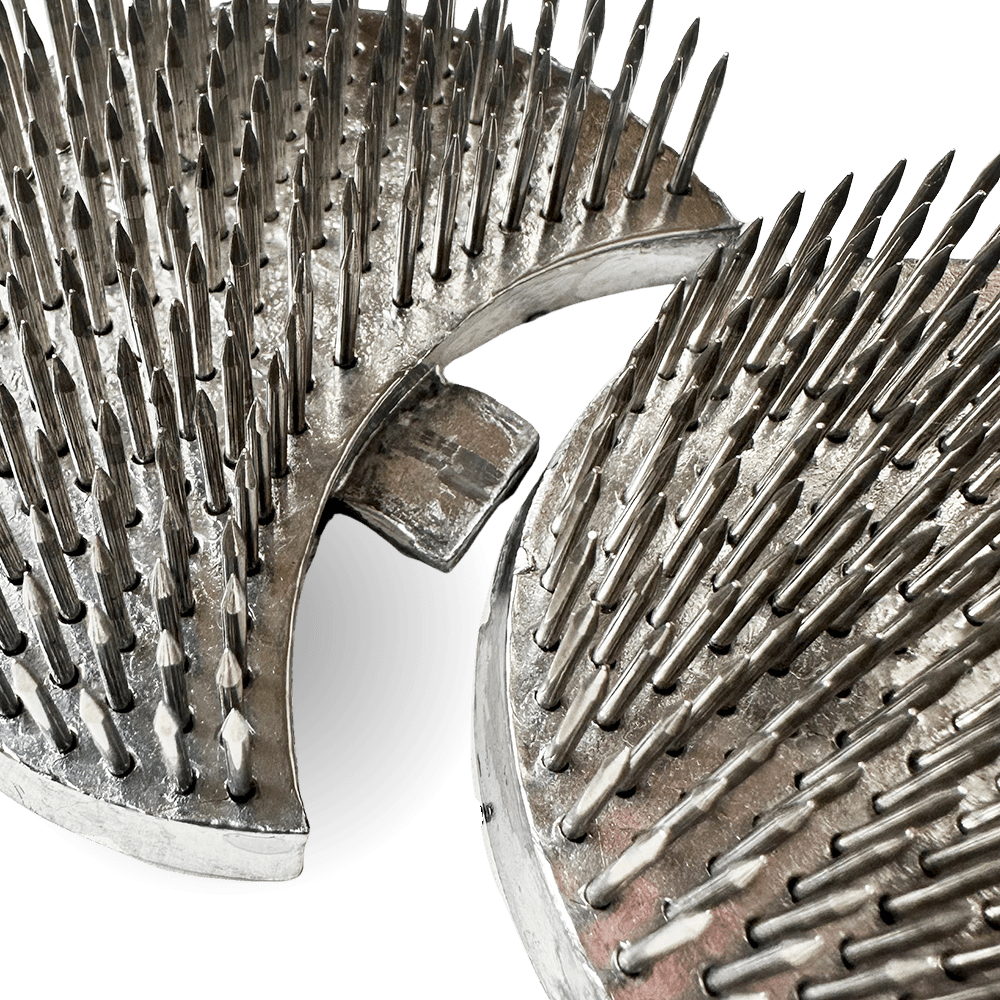
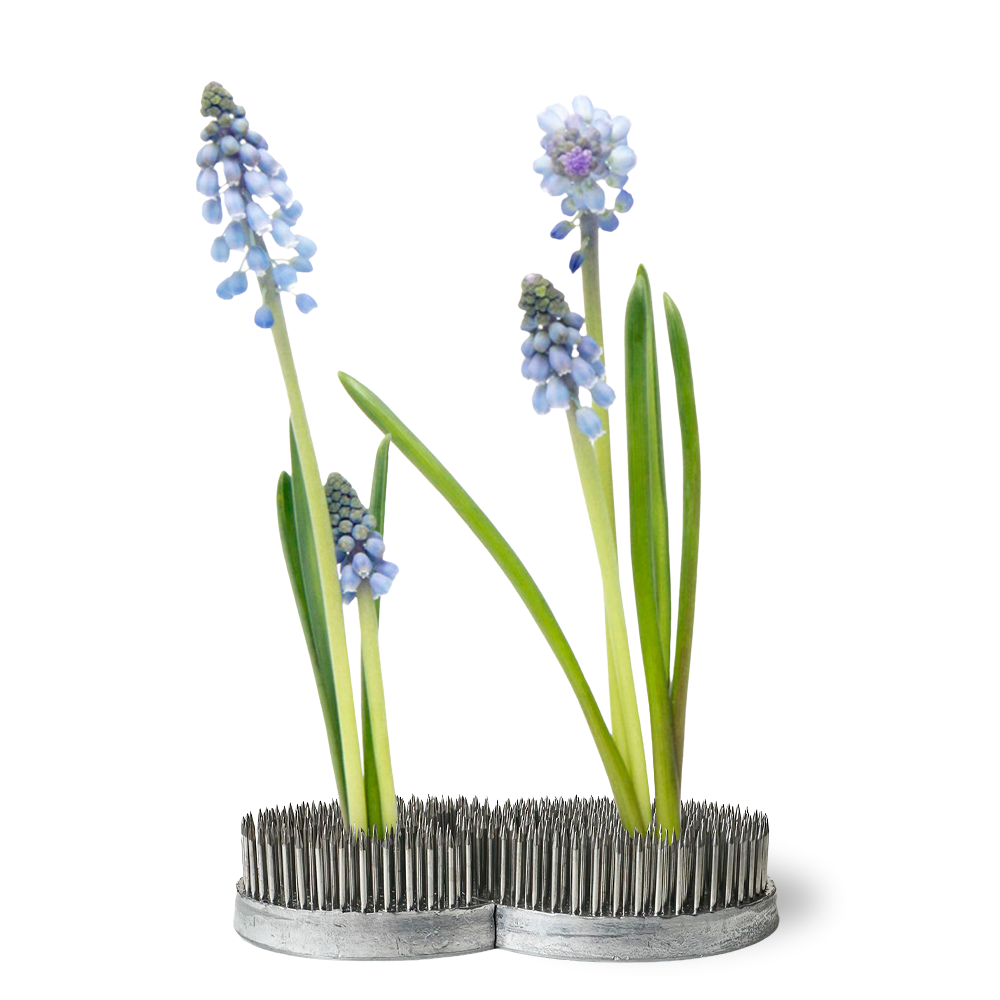
Kenzan Metal Floral Frogs For Ikebana - Chive Ceramics Studio - Tools & Accessories - Chive Ceramics Studio

Somewhere for the Cut Stem to Go

A clean cut only matters if there's somewhere for the stem to actually stand once it's made; the Kenzan Metal Floral Frogs hold it exactly where it's placed, no wobbling, no second-guessing the angle.

Image description

The Full Ikebana Set

Find this among the rest of Chive's ikebana collection, where cutting tools sit alongside the kenzan and dishes they're actually meant to be used with.

What the Arrangement Still Needs

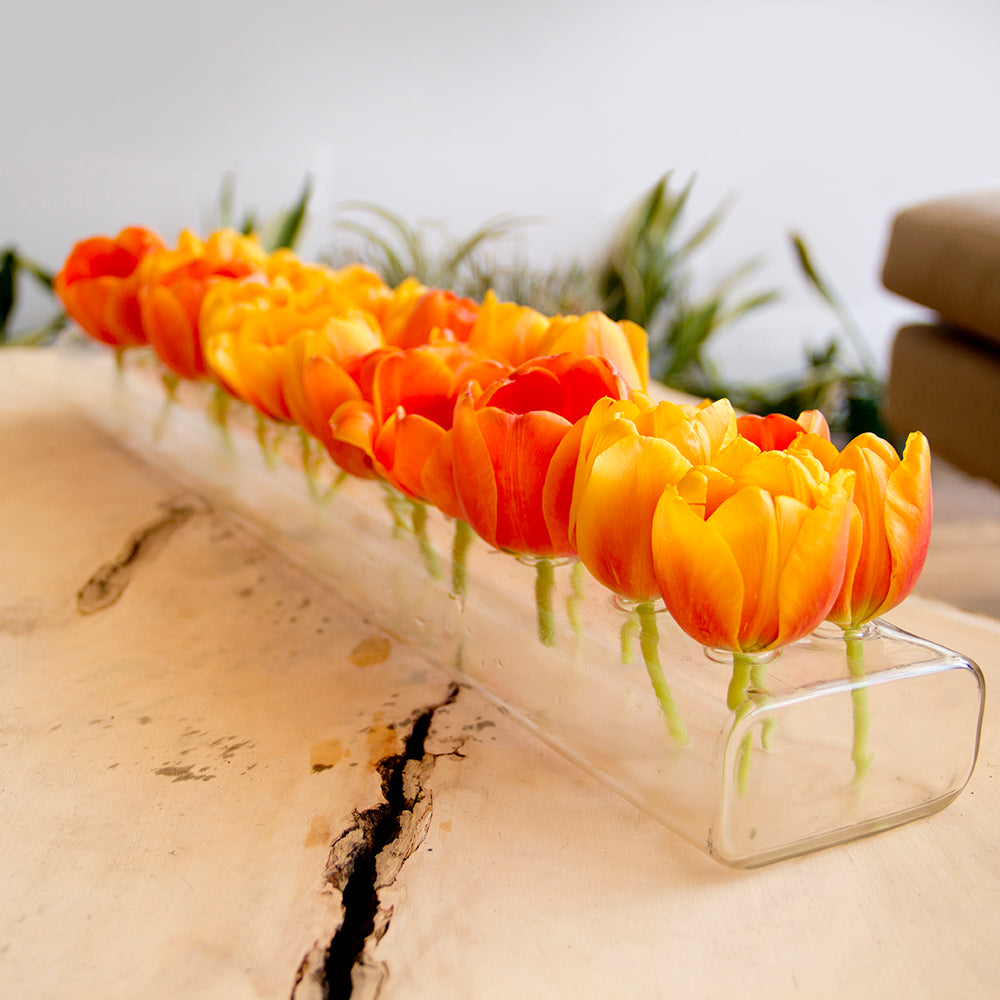
A properly cut stem still needs water and a container built to hold it, and Chive's vase collection supplies exactly that for whatever gets trimmed with these.


About Chive Studio

The studio has kept cutting tools in steady, if quiet, rotation since 2004, mostly because an arrangement is only as good as the cut that went into it. A crushed stem struggles to take up water no matter how carefully everything else gets arranged around it, which makes a clean pair of clippers less of an accessory and more of a prerequisite. Edward earned his name mostly as a joke that stuck, borrowed from a character who was all blade and no precision — the opposite of what this tool actually needed to be. The name has outlasted plenty of more serious naming conventions the studio has tried over the years, mostly because nobody's ever proposed a better one for a pair of scissors this specific.


Plant Care, Simplified with Chive

Keep it alive, keep it thriving. Let's make plant parenthood look easy.

Fern

Jessie Duenas
Ferns, the ancient wonders that have stood the test of time for 300 million years. With 12,000 species, they thrive in various climates, adding delicate charm to any space, as l...
Read the full story

Plant Propagation Made Simple

Lexi Bertolas
In the quiet hours of morning, while most neighbors slumber peacefully in their beds, one can often find the dedicated gardener hunched over a collection of glass jars, examinin...
Read the full story

Frequently asked questions

What makes Edward Clippers different from regular garden scissors?

Edward Clippers are built for precision on a single stem rather than volume across a whole hedge, sized small enough to work cleanly inside a tight kenzan arrangement without knocking over everything nearby. Most garden scissors are built for speed and reach; these are built for a controlled, exact cut on one stem at a time.

How long are the Edward ikebana pruning clippers?

Five inches long from tip to handle, small enough to maneuver precisely around an already-arranged kenzan without disturbing stems that are already placed. That compact size is really the entire design premise behind them. That size makes them easy to store alongside a kenzan setup without taking up much extra room.

What material are Edward Clippers made from?

Steel, chosen specifically because it holds an edge longer than most lighter alternatives, which matters more than people expect once you've tried the same cut twice because the first attempt crushed rather than sliced cleanly through. Regular garden shears trade that precision for reach and cutting power instead, which suits an entirely different job.

Can Edward Clippers cut thick, woody stems?

They're built more for precision on floral stems than for genuinely thick, woody material — a rose or tulip stem is well within their range, but a thick branch is better suited to heavier pruning shears instead. Anything closer to a small branch than a flower stem calls for heavier tools built specifically for that purpose instead.

How do you keep garden clippers sharp over time?

A sharpening stone used occasionally on the blade edge keeps steel clippers performing well for years. Wiping the blades dry after use also prevents the kind of moisture buildup that dulls an edge faster than normal use alone. A few passes every month or two is usually enough to keep the edge performing the way it did when new.

Are Edward Clippers good for indoor plant maintenance?

Very well suited to it, actually — their small size and precise cut make them easier to use than bulkier outdoor pruning shears when trimming stems for an indoor arrangement or tidying a houseplant. Their compact size also makes them easier to store near a windowsill full of plants than a bulkier outdoor tool would be.

Why are they named after Edward Scissorhands?

The name borrows a little personality from the character without taking the resemblance too literally — Edward Scissorhands was all blade and none of it practical, which is roughly the opposite of what a real cutting tool actually needs to be. It's a small nod rather than a full theme, more about the shape of the joke than any literal resemblance.

When did Chive start making the Edward Clippers?
The studio added cutting tools to its ikebana offerings in 2004, alongside the kenzan and dishes they're most often paired with. The pairing has stuck around because a clean cut genuinely does make a visible difference in how long an arrangement lasts. It's remained one of the smaller, quieter tools in the lineup ever since.

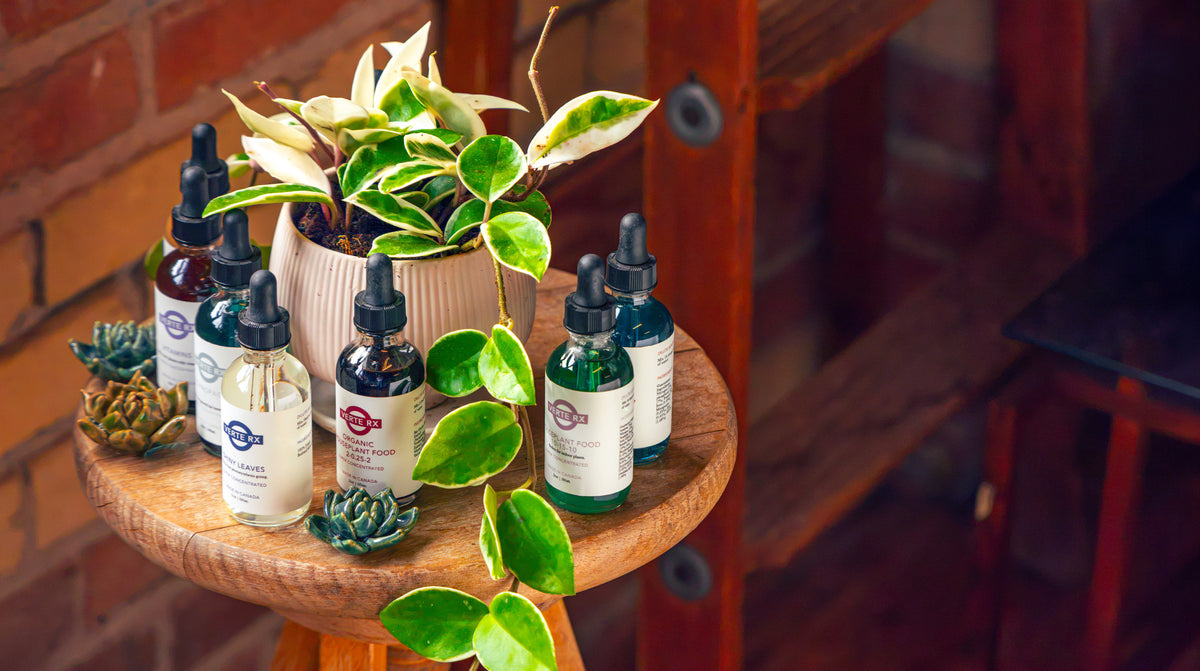
Verte Rx Plant Food and Vitamin Collection - Chive Ceramics Studio - Chive Ceramics Studio

The seed is the start. Verte RX handles the rest.

Most seedlings fail not from bad seed but from soil that runs out of what the plant needs before the plant can find it. Verte RX is a liquid plant vitamin formulated for exactly that window — the weeks after germination when the root system is establishing and the margin between thriving and stalling is narrowest.