
Herbaceous Peony Flower Seeds Packet

Regular price $4.95
Vacuum Sealed
NON-GMO
Seed Pack Guarantee

Build Your Garden With These Shido Seeds

Choose a seed packet as your starting point, then round out the bed with these for that thrown-together-but-somehow-perfect harvest.


Herbaceous peony seeds grow into a die-back perennial peony that returns from the ground each spring rather than keeping woody stems. Shido herbaceous peony seeds are non-GMO and hermetically vacuum-sealed — a dependable route into a peony that starts fresh from the ground each spring — while standard paper-packed seeds lose germination viability within approximately one year.

It dies back to the ground every winter and reappears every spring as though nothing happened, no woody memory of the season before. It returns reliably every spring for decades in the same spot, one of the few perennials that genuinely improves the longer it is left alone. It genuinely improves with age in the same spot, which few perennials can claim honestly. Once the clump is established, division every several years is optional rather than required, and many gardeners. Every packet ships germination-tested at independent third-party labs before packaging.

Seed specifications
  • Material: Seed
  • Botanical name: Paeonia Lactiflora
  • Genus: Paeonia
  • Plant family: Paeoniaceae
  • Species: lactiflora
  • Plant type: Perennial
  • Pollination type: Flowers
  • USDA Hardiness Zones: 3–8
  • Packet contents:
  • Packaging: Hermetically vacuum-sealed
  • Non-GMO: Yes
  • Seed viability: Up to 10 years (sealed) / 4–5 years (unsealed, ideal conditions)
  • Difficulty: Expert - Advanced Grower
Sowing & growing guide

Quick Sowing Guide:

  • When to sow: Fall sow outdoors (requires cold stratification)
  • Sowing depth: 1/2 in
  • Initial spacing: 24-36 in
  • Row spacing: 36 in
  • Days to germination: Slow, 1-2 years (double dormancy)
  • Light: Full sun to part shade
  • Water: Moderate
  • Soil: Well-drained, rich loamy soil
  • Harvest: 2-3 years to first bloom

Start Growing: Step-by-step sowing and growing guide

About vacuum sealing

Why Vacuum-Sealed Seeds Last Longer

Standard paper seed packets are permeable to oxygen and moisture -- the two primary causes of seed degradation. Most paper-packaged seeds begin losing germination viability after approximately one year, contributing to significant garden-industry waste: packets purchased, not planted, expired, discarded. Shido Seeds are hermetically vacuum-sealed. The packet does not expire quietly in a drawer. It waits.

About the Packaging

Every Shido seed packet is illustrated in the style of Japanese 1910s woodblock printing -- designed and drawn in-house by Chive, that has been exhibiting at the Chelsea Flower Show in London every year and does not, as a matter of principle, sell to big-box retailers. Customers collect the packets as a series. This was not the original plan.

Shipping & returns

Shipping

  • Free shipping: Orders $200+ within the US
  • Standard: 5–8 business days, Express 2–3 business days (at checkout)
  • International Ships: to 40 countries — rates at checkout
  • Packaging Ships: in outer box to protect gift box

View full shipping policy →

Returns

We accept returns within 30 days of delivery on unused items in original packaging. If your piece arrives damaged, contact us within 7 days with a photo and we will replace it at no charge.

View full return policy →

Satisfaction Guarantee

We stand by the quality of our flower seed packets! Every Shido seed packet is lab-tested for germination before it ships. If your seeds do not perform to the stated germination rate under correct growing conditions, contact us and we will replace or refund. Guaranteed!

Wholesale Inquires

Have a cool shop? Know someone that does?

Find Chive on Faire →

Radish Horticultural Specifications

Botanical

Paeonia Lactiflora

Plant Type

Perennial

Light

Full sun to part shade

Water

Moderate

Soil

Well-drained, rich loamy soil

Depth

1/2 in

Germination

Slow, 1-2 years (double dormancy)

USDA Zone

3–8

Mature Height

2-3 ft

Harvest

2-3 years to first bloom


The Story Behind This Packet

Herbaceous Peony seeds have been part of the Shido lineup since the collection first opened, grown into a die-back perennial peony that returns from the ground each spring rather than keeping woody stems. Every packet is illustrated in the style of early-1900s Japanese woodblock printing, drawn in-house rather than licensed, which means the artwork on this packet exists nowhere else. The seeds themselves are hermetically vacuum-sealed, a packaging choice that has as much to do with the garden as the growing does: a standard paper packet starts losing viability within about a year, while a vacuum seal holds that line for years longer, so the packet in a drawer is still a packet worth planting whenever the moment actually arrives. Shido treats the seed itself as worth that extra step, on the theory that a gardener who buys herbaceous peony seeds deserves a packet that is still viable whenever they finally get around to using it, not just the season they bought it.


History & origin

Native Range

Native across Asia, Europe, and western North America, with the greatest diversity concentrated in China.

Ancient Naming

The genus name honors Paeon, a physician to the gods in Greek mythology, credited with using the plant to heal a wound — Zeus is said to have turned Paeon into a peony flower to save him from a jealous Asclepius.

Common Name Origin

The word "peony" traces directly to Paeon's name.

Imperial History

Cultivated in China since antiquity — fossil evidence puts peonies at over 30 million years old — the flower became a symbol of the Tang Dynasty imperial court, with the poet Bai Juyi writing that all of Chang'an went "crazy for peonies" each spring, and a single exceptional plant reportedly selling for the price of a house.

Today

A globally beloved garden and cut flower, grown in herbaceous, tree, and intersectional forms, with China's Paeonia lactiflora forming the backbone of most modern Western garden varieties.

Shido Vegetable and Flower Seeds Vacuum sealed for peak freshness

Step-by-Step Sowing & Growing Guide

Getting Started

Perennial — a multi-year commitment

Step 1: Timing - Sow outdoors in fall; peony seed requires a warm period followed by a cold period (double dormancy) to germinate.

Step 2: Soil - Well-drained, rich loamy soil, pH 6.5-7.0 — this planting will be in place for decades, so prepare the bed thoroughly at the outset.

Step 3: Sowing - Sow 1/2 inch deep.

Step 4: Germination - Slow and irregular, often taking 1-2 years to sprout.

Step 5: Transplant - Once seedlings are established, space 24-36 inches apart in a permanent location — peonies resent being moved once settled.

Step 6: Patience - Expect 2-3 years before the first bloom; established plants can then flower reliably for decades.

Before you start

Materials needed to sow

  • A permanent outdoor location, chosen in advance: Peonies dislike being moved, so this decision matters more than for almost any other plant in the catalog.
  • Sealable bag and a small amount of moist sand or vermiculite: If stratifying seed indoors rather than sowing directly outside in fall.
  • Refrigerator space: For the warm-then-cold stratification cycle peony seed requires.
  • Patience and a garden journal: Germination is slow and irregular, often over a year or more — tracking sow dates helps.

Materials for harvest and storage

  • Sharp scissors or pruners: For cutting flower stems.
  • Bucket of water: For fresh-cut stems.

Tip: Cut when buds are just beginning to soften and show color (the "marshmallow stage") for the longest vase life.

Growth Requirements

Light:

  • Requires full sun (6+ hours of direct sunlight per day).
  • Can tolerate partial shade, but flowering may be reduced.

Soil:

  • Prefers rich, well-drained, loamy soil.
  • Requires a neutral to slightly alkaline pH (6.5-7.5).
  • Avoid heavy clay or soggy soil, which can lead to root rot.

Watering:

  • Water deeply but infrequently; peonies are drought-tolerant once established.
  • Avoid overhead watering to prevent fungal diseases.

Temperature & Climate:

  • Hardy in USDA zones 3-8.
  • Requires a cold period in winter for proper dormancy and flowering.

Fertilization:

  • Apply a balanced fertilizer (10-10-10) in early spring.
  • Top-dress with compost or aged manure annually to enrich soil nutrients.

Maintenance

Watering:

  • Water deeply once a week during dry spells.
  • Avoid overwatering to prevent root rot.

Pruning & Deadheading:

  • Cut back foliage to ground level in fall to prevent disease.
  • Remove spent flowers to maintain a tidy appearance.

Disease & Pest Prevention:

  • Peonies are susceptible to botrytis blight and powdery mildew.
  • Ensure good air circulation and avoid overhead watering.
  • Monitor for ants, which are harmless but attracted to peony buds.

Troubleshooting and common mistakes

  • Planting the crown too deep: Peonies planted more than 2 inches deep often fail to bloom for years — this is the single most common cause of a peony that won't flower.
  • Moving established plants: Peonies resent transplanting and may take several years to bloom again after being moved.
  • Removing foliage too early in fall: Cutting back leaves before they've died back naturally reduces the energy stored for next year's blooms.

Culinary uses & nutritional information

What it's used for

1. Ornamental Gardening:

  • Perfect for flower beds, borders, and cottage gardens.
  • Creates focal points with lush blooms and elegant foliage.

2. Cut Flowers & Floral Arrangements:

  • Highly valued in wedding bouquets and vase arrangements.
  • Long vase life and elegant appearance make peonies a florist favorite.

3. Traditional Medicine & Symbolism:

  • Historically used in Chinese herbal medicine for its believed healing properties.
  • Symbolizes prosperity, romance, and honor in various cultures.

4. Pollinator Support:

  • Early blooms provide nectar and pollen for bees and butterflies.

What parts are edible

Nutritional data

Companion plants, pests & diseases

Companion planting

Good companions

  • Roses — classic companion with complementary bloom times extending the early-summer display
  • Catmint, salvia — masks peony's bare lower stems once its own flowering has finished

Poor companions / avoid

  • Aggressive spreading perennials — peonies dislike root competition, especially since the bed is meant to remain undisturbed for decades

Pests

  • Ants on buds: Attracted to sugary nectar on unopened buds; generally harmless and need no treatment.
  • Thrips: Cause distorted, streaked buds and flowers. Insecticidal soap at first sign.
  • Japanese beetles: Skeletonize leaves and chew flowers. Handpick or use floating row covers.

Diseases

  • Botrytis blight: Gray mold on buds and stems, especially in wet spring weather — a well-known peony problem. Remove affected growth promptly and improve airflow.
  • Powdery mildew: White powdery coating on leaves, common late in the season. Improve air circulation and avoid overhead watering.
  • Root rot: Soft, blackened roots from poorly drained or overly wet soil. Improve drainage and avoid overwatering.

Pro Tip

To ensure long-lasting blooms, cut back spent flowers and leave the foliage until it naturally dies back in the fall.

Bonus: Peonies are low-maintenance once established and make excellent cut flowers!

Seeds worth keeping

What makes Shido Seeds different

Shido Seeds are designed by Chive Studio, a ceramic design company. We are not a seed conglomerate. We do not sell through big-box retailers. Each variety in the catalog was selected because it is worth growing — not because it ships well in bulk or photographs well in marketing materials.

Every packet is germination-tested at an independent third-party lab before it earns its woodblock illustration. The vacuum seal removes the oxygen that causes standard paper packets to degrade. The stated germination rate is a floor, not a marketing figure.

If something goes wrong, contact us. We will make it right.

Plants that Grow together look good together...even if they are ceramic

More From the Shido Garden
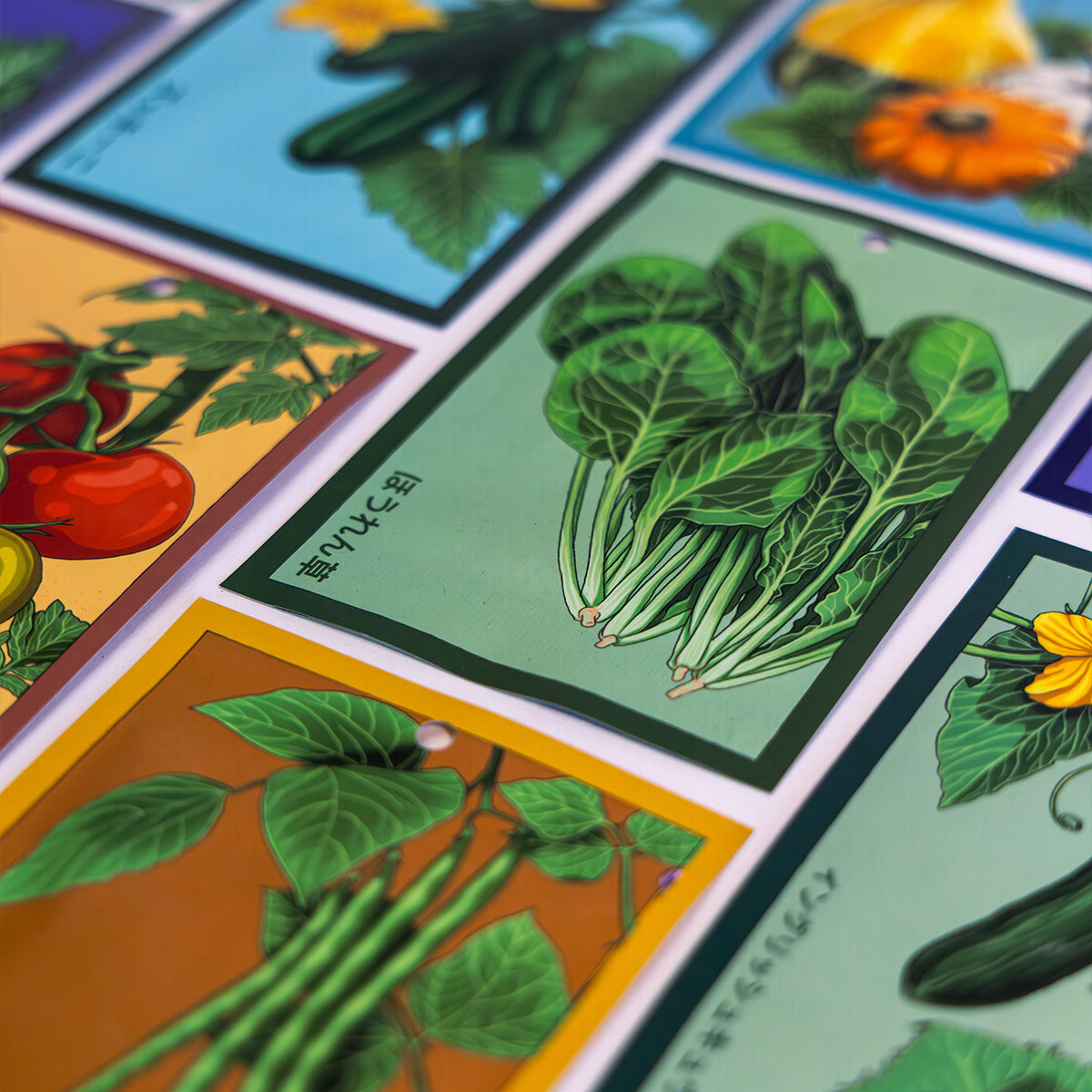
Every Shido variety belongs to a wider garden of vacuum-sealed packets, each illustrated in-house. For a different take on the same general appeal as herbaceous peony, Iris is worth a look.

Vegetable Shido Seeds packets — by Chive Studio Toronto

Explore the Full Flower Seeds Collection

Shido Seeds spans flowers, vegetables, herbs, houseplants, and fruit & berry varieties, all sealed for lasting germination. The Shido Seed Flowers Collection holds the rest of the catalog herbaceous peony was written into.

Buttercup Yellow Gay Paree Peony - Chive Ceramics Studio - Ceramic Flowers - Chive Ceramics Studio

Ceramic Flowers That Never Wilt

Chive also makes ceramic flowers that never need water, sun, or a growing season of their own. Herbaceous Peony takes real patience before it shows its full character, but Chive's Ivory Spider Mum arrives already at its best.

Chive Shido seed packets with botanical illustrations on a peg rack, showing cherry blossom, tomato, and eggplant designs.

The credentials behind the packet

Chive Studio started as a ceramics workshop and grew, one collection at a time, into seeds, vases, and everything else now carrying its name. Shido Seeds is the newest branch of that same tree, built on the belief that a seed packet deserves the same attention to material and design as a ceramic vase does. That is why every variety, herbaceous peony included, ships vacuum-sealed rather than paper-packed, and why the packaging is illustrated rather than merely printed.


Plant Care, Simplified with Chive

Keep it alive, keep it thriving. Let's make plant parenthood look easy.

Nobody grows one dahlia. This is what nobody tells you.

Ryan Hearst
How to grow dahlias from seed: start indoors 6–8 weeks before last frost, transplant after frost, and expect first blooms in late summer. Nobody warns you that one bloom is all ...
Read more

Are Seed Packets GMO? The Honest Answer

Todd Newgren
Are seed packets GMO? No—home garden seed packets, Shido included, are never genetically modified, since GMO seed is only made for large-scale commercial crops. The non-GMO badg...
Read more

Frequently asked questions

How long do herbaceous peony seeds last in the packet?

Herbaceous peony seeds stay viable far longer than a standard paper packet allows. Shido seals every packet hermetically, removing the oxygen and moisture that cause paper-packed seeds to lose germination viability within about a year. That difference matters most for a gardener who buys ahead of a season rather than the week they plant, since a vacuum-sealed packet is still good years after a paper one would have quietly failed.

Is herbaceous peony easy to grow from seed?

Herbaceous Peony grows into a die-back perennial peony that returns from the ground each spring rather than keeping woody stems, and most gardeners find it manageable from seed once they know what it actually wants. It is not a fussy plant so much as a specific one, with its own timing and its own preferences, and once those are respected it tends to perform reliably rather than dramatically.

Can herbaceous peony seeds be started indoors?

Yes, herbaceous peony seeds can be started indoors under a grow light or on a bright windowsill several weeks before the outdoor season begins, then hardened off gradually before transplanting. Starting indoors gives the plant a head start on a shorter growing season and lets a gardener control moisture and temperature more precisely than an outdoor bed allows.

Are herbaceous peony seeds non-GMO?

Yes. Every packet of Shido herbaceous peony seeds is non-GMO, sourced and packaged without any genetic modification at any stage. That commitment runs across the entire Shido Seeds catalog, not just this variety, and it is one of the reasons the seeds are vacuum-sealed rather than paper-packed: the extra step protects a seed that was already grown to a higher standard than the packet price might suggest.

What is the best time of year to plant herbaceous peony seeds?

Timing depends on your climate, but most gardeners plant herbaceous peony seeds once the risk of a hard frost has passed and the soil has had a chance to warm. Cooler-climate gardeners often start seeds indoors a few weeks earlier to compensate for a shorter outdoor season. Checking your specific USDA zone against the packet's sowing notes is the most reliable way to time it correctly for your particular garden.

Does herbaceous peony attract pollinators to the garden?

Many gardeners choose herbaceous peony seeds specifically for the pollinator activity it brings in, since a blooming garden tends to draw bees, butterflies, and other visitors that a bare bed simply does not. Herbaceous Peony fits comfortably into that role alongside most of the flowering varieties in the Shido lineup, adding both color and activity to a border without requiring any special pollinator-specific care on your part.

How much sun does herbaceous peony need to thrive?

Most Shido flower varieties, herbaceous peony included, perform best with several hours of direct sun each day, though tolerance varies by species and garden conditions can shift that somewhat. A spot that gets strong morning light and a bit of afternoon shade often works well as a middle ground for gardeners unsure of their exact conditions, and the packet's specific guidance is worth checking before choosing a permanent spot.

What makes Shido herbaceous peony seeds different from a standard seed packet?

The seed inside is the same species you would find anywhere, but the packaging is not: Shido seals every packet hermetically rather than in ordinary paper, which is why the seeds hold their germination rate for years longer than a standard packet manages. Shido is available at the Philadelphia Flower Show, where Chive has exhibited six times.

Verte Rx Shiny Leaves for Plants - Chive Ceramics Studio - Chive Ceramics Studio

The seed is the start. Verte RX handles the rest.

Most seedlings fail not from bad seed but from soil that runs out of what the plant needs before the plant can find it. Verte RX is a liquid plant vitamin formulated for exactly that window — the weeks after germination when the root system is establishing and the margin between thriving and stalling is narrowest.