Sprocket Glass Modern Watering Container - Blue

Cool blue glass in a shape too sculptural to hide in a cabinet.

Regular price $33.75
Thoughtfully Designed
Ships worldwide
30-day return policy

Give Your Plants What They're Missing:

Start with the pot, then build out the shelf with the tools that keep what's in it actually thriving.


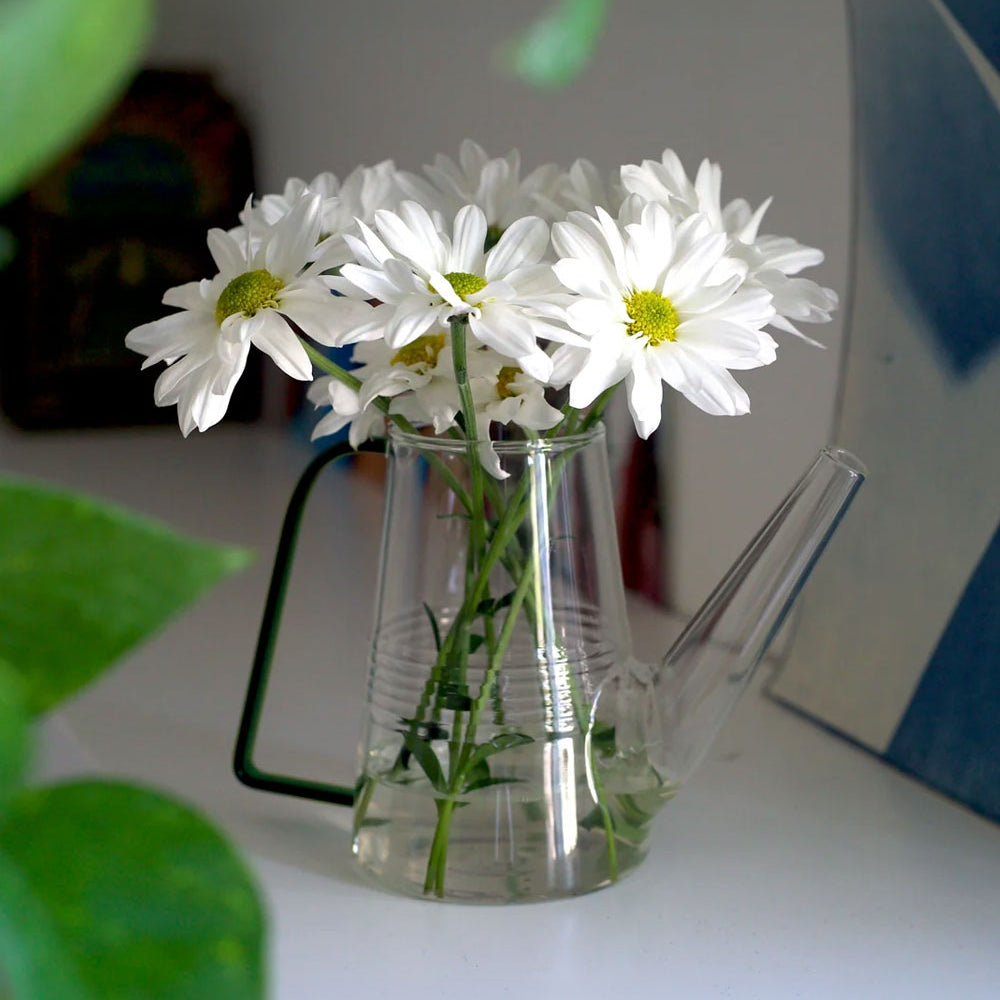
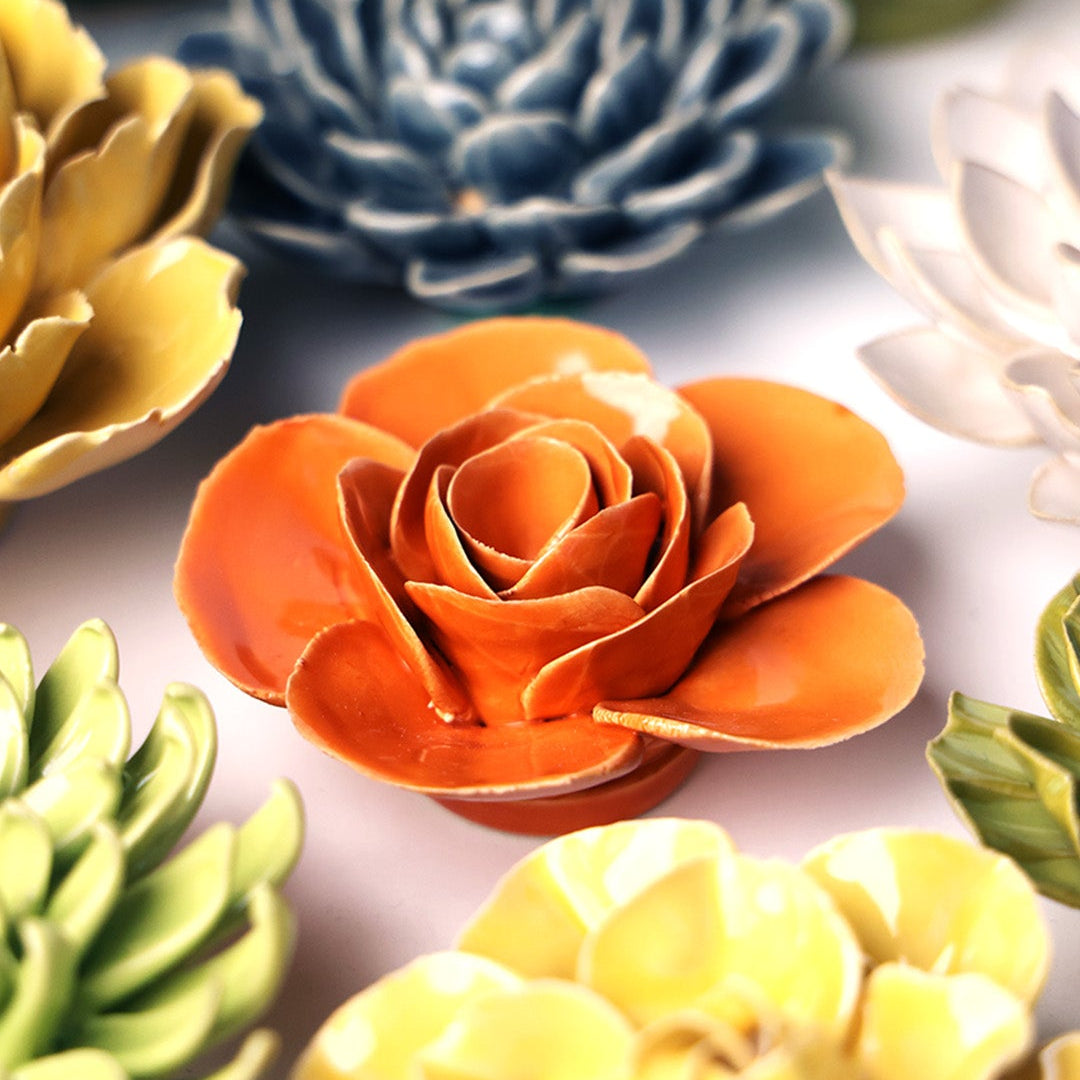
A watering can for indoor plants does not need to look like a watering can — a lesson the Sprocket in blue learned from vases and refuses to give back. This is a glass container that waters plants, holds cut flowers when the mood strikes, and sits on a table looking like the only thing in the room someone actually thought about buying rather than simply acquiring.

The blue glass is translucent enough to see the water level through the wall, which solves the guessing problem that opaque vessels never admit they have. Compact enough for a tight windowsill, lighter than ceramic when full, and shaped for the narrow spaces between pots on a crowded shelf. Three colors in the Sprocket range, and the blue reads as coastal, cool, and deliberate — a small watering can for indoor plant care that doubles as a bud vase the moment you drop a stem into the opening.

Product detail
  • Material: Glass
  • Year Designed: 2019
Shipping & returns

Shipping

  • Free shipping: Orders $200+ within the US
  • Standard: 5–8 business days, Express 2–3 business days (at checkout)
  • International Ships: to 40 countries — rates at checkout
  • Packaging Ships: in outer box to protect gift box

View full shipping policy →

Returns

We accept returns within 30 days of delivery on unused items in original packaging. If your piece arrives damaged, contact us within 7 days with a photo and we will replace it at no charge.

View full return policy →

Wholesale Inquires

Have a cool shop? Know someone that does?
Find Chive on Faire →

Why Glass Changes How You Water

Glass solves a problem that ceramic and metal watering vessels share and never acknowledge: you cannot see the water inside. Every opaque vessel turns water level into a guessing game — is there enough left for one more plant, or are you about to tilt an empty can at a thirsty fern? The Sprocket's translucent blue glass makes the water level visible at a glance, which changes the rhythm of watering from cautious tilts to confident, calibrated pours. The compact profile is the second departure from traditional design. At roughly half the height of a ceramic jug, the Sprocket fits on a windowsill between pots without displacing anything, sits inside a shelf cubby, and travels from room to room in one hand without the weight commitment of a full ceramic vessel. That portability matters in apartments where plants live in separate locations and a heavy jug discourages the walk. The dual-purpose shape is intentional — drop in a few stems of cosmos or a single ranunculus and the Sprocket becomes a bud vase. The opening accommodates both a slow watering pour and a small arrangement of cut flowers, which means the container earns counter space daily instead of only on watering day. Blue glass filters light in a way that clear glass cannot, casting a faint tint across a white surface. Three colors in the range let you match a room or mix a trio across different shelves.

Pro Tip: Check Before You Pour

Most overwatering happens on a schedule, not a need. Stick a finger an inch into the soil first — if it's still damp, wait another day. Plants dying of thirst are rare; plants dying of "just in case" are common.

Perfect Pairs for Any Shelf

Botanical Camouflage
Green glass shifts the Sprocket from coastal to botanical — a color that disappears among plant leaves rather than contrasting with them. Same compact shape, same translucent wall, same dual-purpose opening for watering or holding cut stems. If the blue reads cool and deliberate, the Sprocket Green reads organic and quiet, the version that blends into a plant shelf rather than standing apart from it.

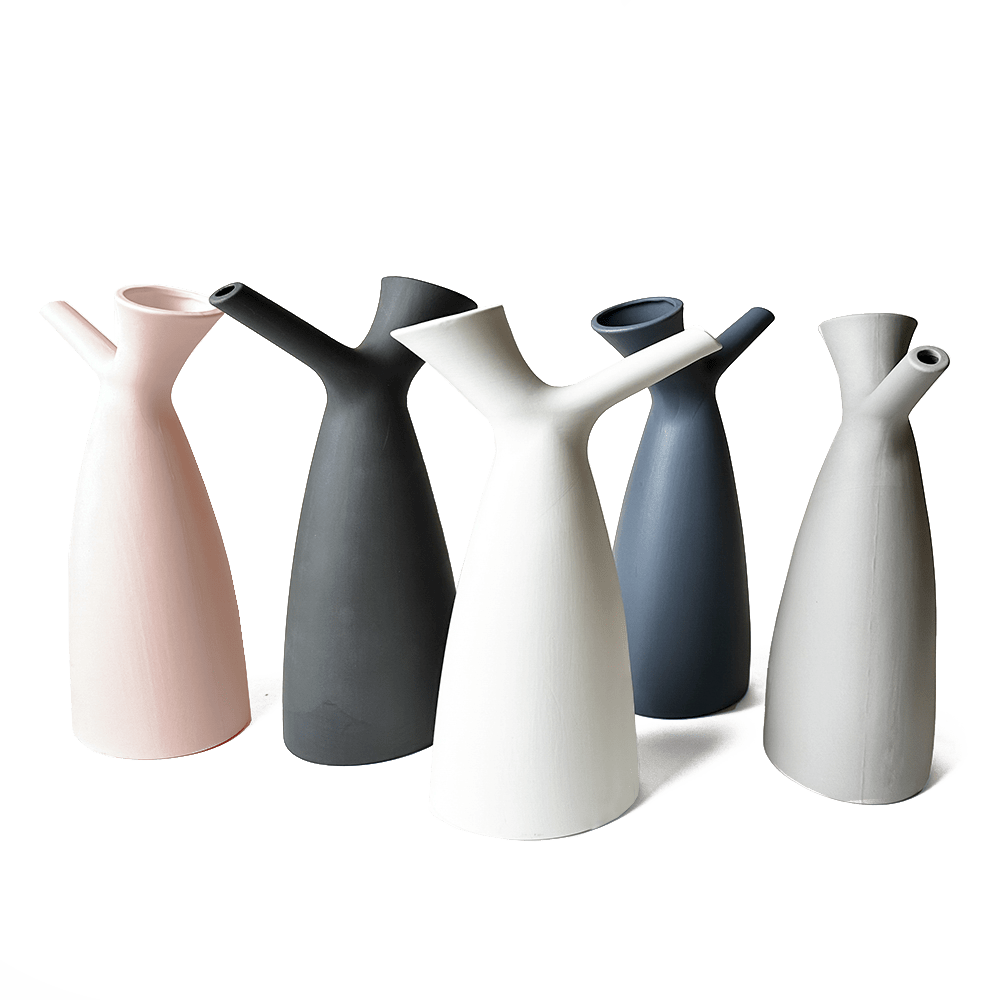
Jessie Ceramic Watering Jug - Chive Ceramics Studio - Tools & Accessories - Chive US

Glass Meets Ceramic

Glass is one material in a wider lineup — the full watering can collection includes ceramic jugs, porcelain designs, and enough variety that every room gets a tool matched to its material palette. A glass Sprocket for the sunny windowsill and a ceramic jug for the dark shelf: the collection covers both ends.

orange Elegance Ranunculus ceramic wall flower — English Garden Collection — handmade by Chive Studio Toronto

Warm Contrast on the Wall

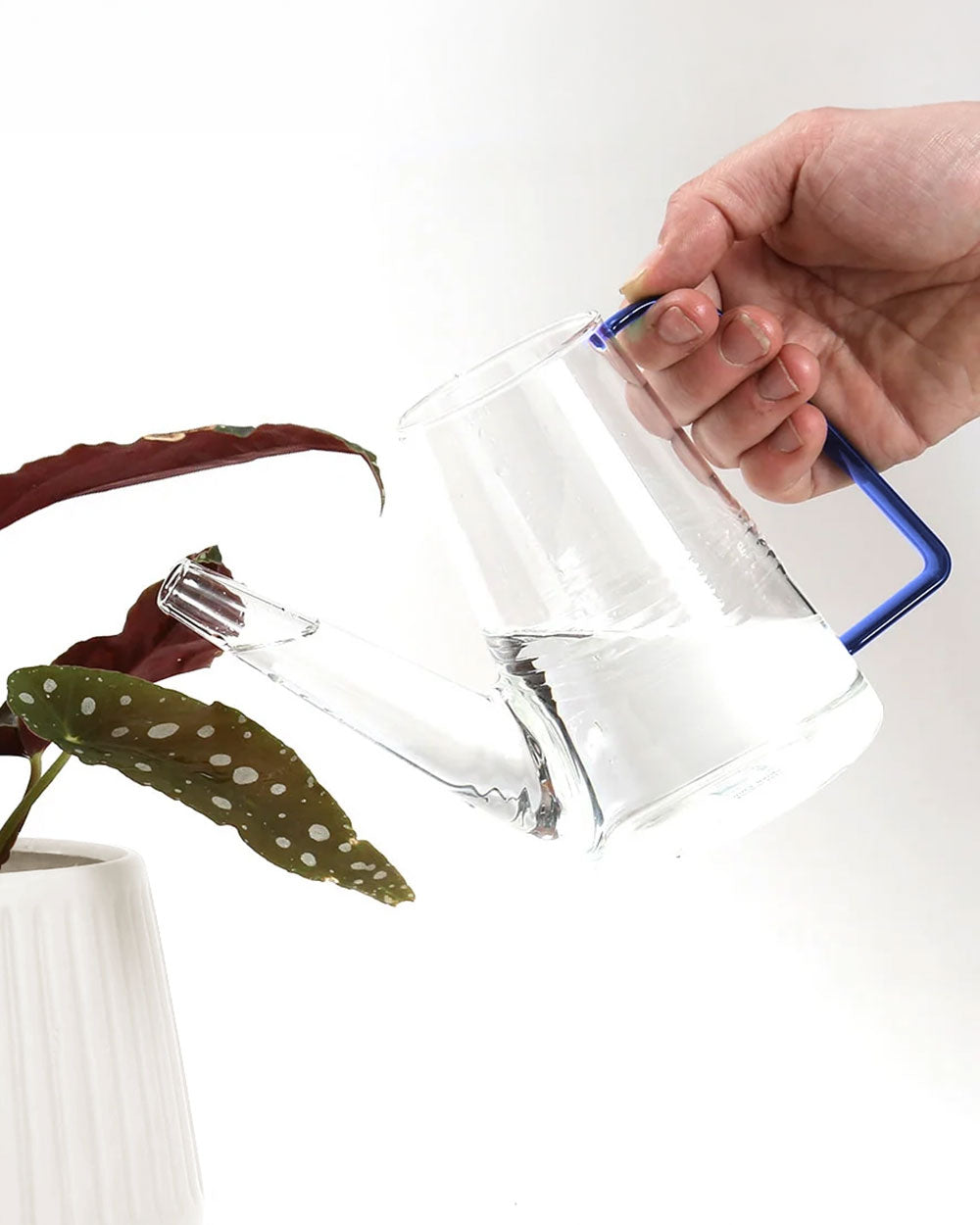
An orange ranunculus in ceramic wall art brings warm contrast to a blue glass shelf — porcelain, hand-shaped, keyhole-mounted. The orange against blue is a complementary pair that art directors reach for deliberately, and the ranunculus elegance design translates that principle to a plant wall with a single screw and under a minute of effort.


When a Vase Studio Designs a Watering Container

The Sprocket was designed in 2019 inside a studio that has been shaping glass and ceramics since 2004 — a studio whose work has appeared on the exhibition floor at Chelsea Flower Show, at Philadelphia Flower Show, and on the shelves of thousands of independent shops through wholesale. When a company that makes ceramic flowers and vases designs a watering container, it ends up looking like both.


Plant Care, Simplified with Chive

Keep it alive, keep it thriving. Let's make plant parenthood look easy.

Are Ceramic Pots Good for Plants?

Todd Newgren
Ceramic pots for plants outperform plastic on drainage, weight, and longevity — when they have a drainage hole. Chive has spent more than two decades getting that detail right, ...
Read the full story

Ficus Care: Everything Your Ficus Isn't Telling You

Todd Newgren
Chive Studio · Plant Care Ficus Care: Everything Your Ficus Isn't Telling You Ficus care simplified — why it keeps dropping leaves, how to water it correctly, and the one rul...
Read the full story

Frequently asked questions

What is a good watering can for indoor plants?

A good watering can for indoor plants pours slowly enough for soil to absorb, fits into tight shelf spaces without knocking over neighboring pots, and stays accessible between waterings. The Sprocket satisfies all three by being compact, slow-pouring, and good-looking enough to leave on a windowsill permanently. My previous setup — a repurposed thermos with the lid off — met exactly one of those criteria, and it was the wrong one.

Is glass a good material for an indoor watering can?

Glass lets you see the water level, which is an advantage no opaque material can match — you always know whether there is enough left for one more plant or whether you are about to tilt an empty vessel at a fern. Glass also doesn't absorb odors, doesn't react with fertilizer, and doesn't develop the bacterial film that builds inside porous containers. The trade-off is fragility, which the Sprocket mitigates with a compact, low-center-of-gravity shape that resists tipping.

Does the Sprocket need a saucer underneath it?

Not while it's sitting idle — the Sprocket doesn't sweat or drip when filled with room-temperature water. A saucer only becomes relevant if you are using it as a bud vase with cut stems, where a slight overflow during water changes could reach the shelf. I keep mine directly on a wooden windowsill without a saucer and have never had a moisture issue in six months of use, which for me constitutes a long-term clinical trial.

How much water does the glass watering can hold?

The Sprocket is a small watering can by design — it holds approximately sixteen to twenty ounces, enough for two to three average houseplants per fill. The smaller capacity is the trade-off for compactness and portability: this is a container built for a windowsill station or a desk with two pots, not for a twelve-plant marathon. I use it for the three succulents and one aloe on my office windowsill, and one fill covers all four with water to spare.

Can I see how much water is left through the glass?

Yes — the blue glass is translucent, so the water level is visible from the outside at any angle. This changes watering from a guessing game to a measured process. I used to pour from an opaque mug, tilt cautiously after the third plant, and occasionally discover I was pouring air at a thirsty orchid — an experience that the Sprocket eliminates entirely by simply showing you what's inside.

Does it come in three colors and is the glass actually colored?

Three hues total, and yes — the tint is fused into the molten glass during forming, not sprayed on afterward. Scratch it, wash it, leave it in the sun: the blue is structural and permanent. The other two shades handle light differently — one goes leafy and camouflaged, one goes bright and lantern-like — but the blue is the coolest of the family, closest to sea glass.

Can the glass Sprocket go in the dishwasher, or does it need hand washing?

Glass is dishwasher-friendly — the Sprocket can go in the top rack without concern for the finish or the color, since the tint is integral to the glass rather than applied to the surface. I run mine through the dishwasher every few weeks and hand-rinse between cycles, and the blue has not faded or clouded after dozens of washes. This is one material advantage glass holds over matte ceramic: you can automate the cleaning without guilt.

Is the Sprocket container more compact than the Jessie or Duenas?
Substantially — the Sprocket is roughly half the height of either ceramic jug and fits into shelf spaces where neither the Jessie nor the Duenas would physically fit. The trade-off is capacity: the Sprocket holds about twenty ounces versus forty-eight for the Jessie. I think of the Sprocket as the desk tool and the Jessie as the circuit tool — different jobs, different scales, both designed to stay visible.

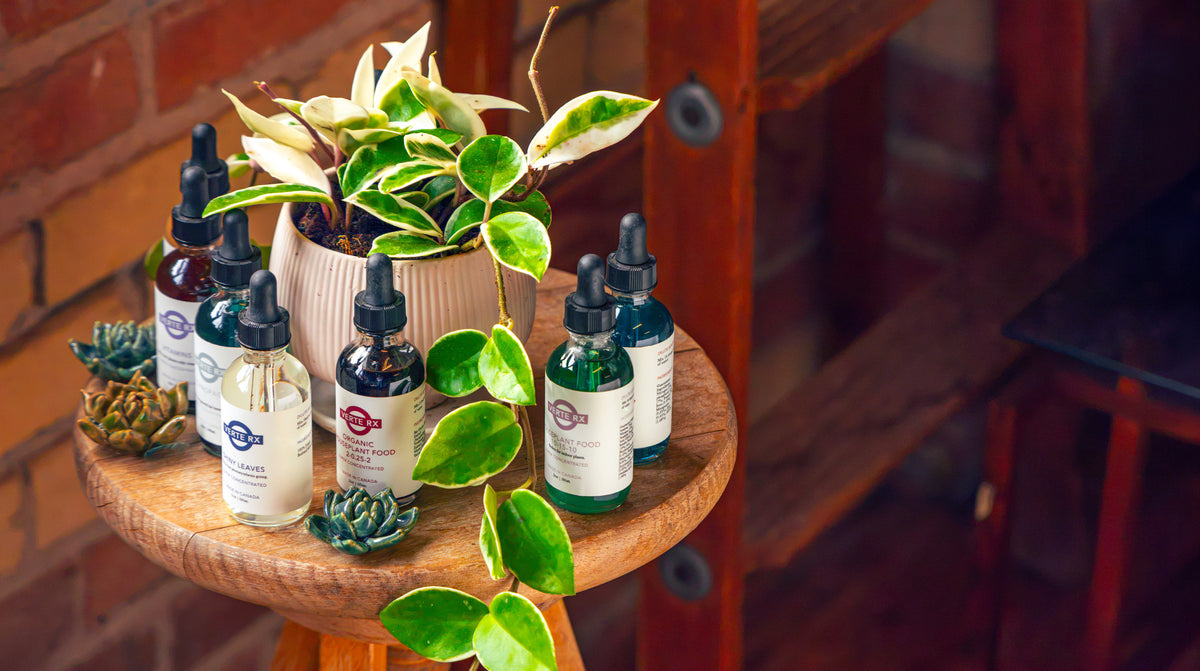
Verte Rx Plant Food and Vitamin Collection - Chive Ceramics Studio - Chive Ceramics Studio

The seed is the start. Verte RX handles the rest.

Most seedlings fail not from bad seed but from soil that runs out of what the plant needs before the plant can find it. Verte RX is a liquid plant vitamin formulated for exactly that window — the weeks after germination when the root system is establishing and the margin between thriving and stalling is narrowest.