
King of the Garden Bean Vegetable Seeds Packet

Regular price $4.95
Vacuum Sealed
NON-GMO
Seed Pack Guarantee

Build Your Garden With These Shido Seeds

Choose a seed packet as your starting point, then round out the bed with these for that thrown-together-but-somehow-perfect harvest.


King of the Garden Bean seeds for the kitchen garden that intends to actually produce king of the garden bean this year. King of the Garden Bean is not modest about its intentions, and the harvest justifies the name.

King of the Garden Bean is a climbing pole lima bean producing large, buttery beans on vigorous vines that reach three metres. Each packet is hermetically vacuum-sealed -- removing the oxygen that causes standard paper seed packets to lose germination viability within approximately one year. State law requires a 3-year viability label on sealed packaging. NASA research on hermetic seed storage indicates viability of up to 10 years under proper conditions. Every packet is non-GMO and germination-tested at independent third-party labs before it earns its Japanese woodblock print artwork.

Seed specifications
  • Material: Seed
  • Botanical name: Phaseolus lunatus 'King of the Garden'
  • Genus: Phaseolus
  • Plant family: Fabaceae
  • Species: Lunatus
  • Plant type: Annual
  • Pollination type: Vegetable
  • USDA Hardiness Zones: 4-11
  • Packet contents: ≈ 15 Seeds
  • Packaging: Hermetically vacuum-sealed
  • Non-GMO: Yes
  • Seed viability: Up to 10 years (sealed) / 4–5 years (unsealed, ideal conditions)
  • Difficulty: Moderate - Recreational Gardener
Sowing & growing guide

Quick Sowing Guide:

  • When to sow: Direct sow after all frost danger has passed
  • Sowing depth: 1-2 in
  • Initial spacing: 6-8 in
  • Row spacing: 24-30 in
  • Days to germination: 7-14 days
  • Light: Full sun
  • Water: Moderate, consistent
  • Soil: Fertile, well-drained soil
  • Harvest: 85-95 days

Start Growing: Step-by-step sowing and growing guide

About vacuum sealing

Why Vacuum-Sealed Seeds Last Longer

Standard paper seed packets are permeable to oxygen and moisture -- the two primary causes of seed degradation. Most paper-packaged seeds begin losing germination viability after approximately one year, contributing to significant garden-industry waste: packets purchased, not planted, expired, discarded. Shido Seeds are hermetically vacuum-sealed. The packet does not expire quietly in a drawer. It waits.

About the Packaging

Every Shido seed packet is illustrated in the style of Japanese 1910s woodblock printing -- designed and drawn in-house by Chive, that has been exhibiting at the Chelsea Flower Show in London every year and does not, as a matter of principle, sell to big-box retailers. Customers collect the packets as a series. This was not the original plan.

Shipping & returns

Shipping

  • Free shipping: Orders $200+ within the US
  • Standard: 5–8 business days, Express 2–3 business days (at checkout)
  • International Ships: to 40 countries — rates at checkout
  • Packaging Ships: in outer box to protect gift box

View full shipping policy →

Returns

We accept returns within 30 days of delivery on unused items in original packaging. If your piece arrives damaged, contact us within 7 days with a photo and we will replace it at no charge.

View full return policy →

Satisfaction Guarantee

We stand by the quality of our flower seed packets! Every Shido seed packet is lab-tested for germination before it ships. If your seeds do not perform to the stated germination rate under correct growing conditions, contact us and we will replace or refund. Guaranteed!

Wholesale Inquires

Have a cool shop? Know someone that does?

Find Chive on Faire →

Radish Horticultural Specifications

Botanical

Phaseolus lunatus 'King of the Garden'

Plant Type

Annual

Light

Full sun

Water

Moderate, consistent

Soil

Fertile, well-drained soil

Depth

1-2 in

Germination

7-14 days

USDA Zone

4-11

Mature Height

8-12 ft

Harvest

85-95 days
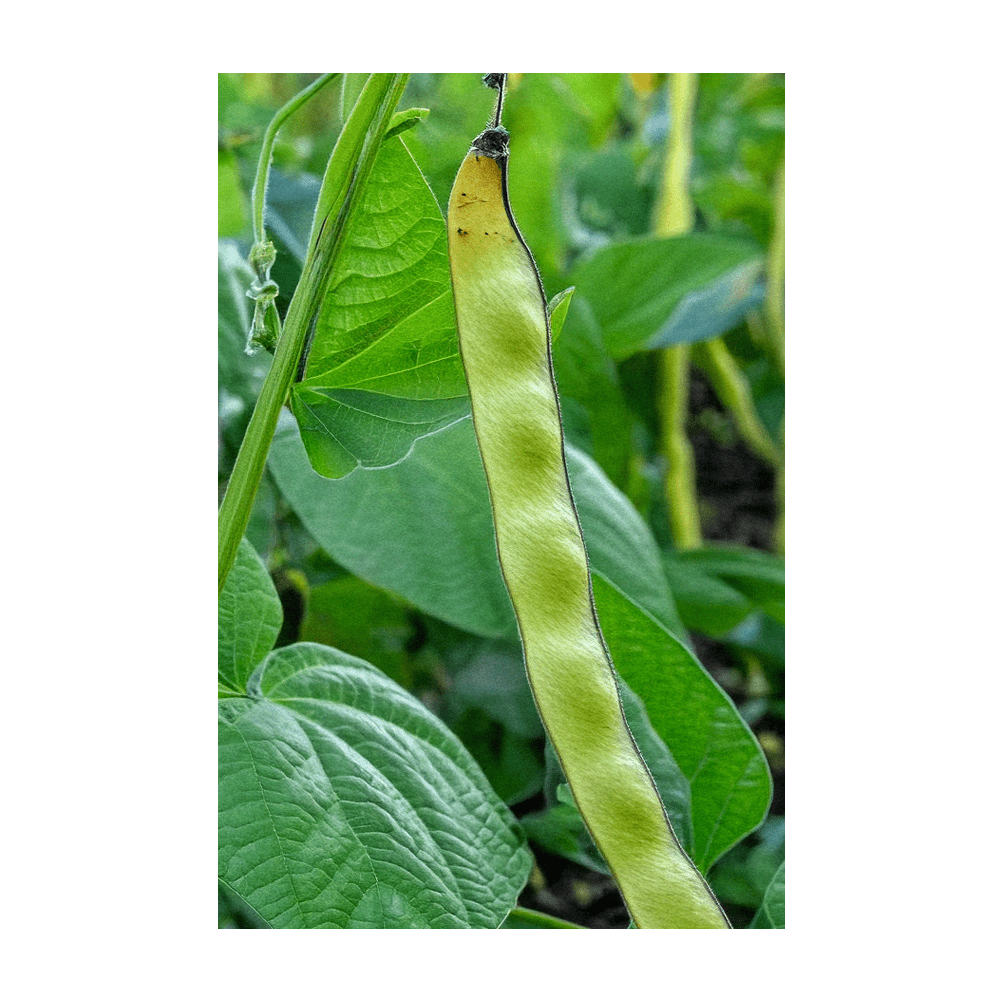

King of the Garden Bean harvest -- large buttery lima beans

Getting to know your King of the Garden Bean

King of the Garden is a large, heirloom lima bean variety known for its genuinely high yields and creamy texture once cooked. It produces vigorous, vining plants that need trellises or poles for real support, since the vines climb aggressively and quickly outgrow anything less substantial. The plant thrives in full sun and well-drained soil, producing flat, pale green pods that each hold several large beans with a buttery, nutty flavor suited equally well to fresh eating or drying for longer storage. Consistent watering matters throughout the season, and well-spaced planting helps prevent the kind of crowding that invites mildew into a dense planting. This variety has earned a lasting spot in home gardens specifically for its combination of productivity and resilience, tolerating a bit of gardener inconsistency better than some fussier beans might. A trellis set up early saves considerable frustration once the vines really take off later in the season. Few lima beans reward a modest trellis investment with quite this generous a harvest. Drying a portion of the harvest also extends its usefulness well past the fresh season. A trellis built to last the season pays for itself many times over by harvest. Worth the wait every single season.


History & origin

Ancient Andes

Lima beans (Phaseolus lunatus) were domesticated in South America, with archaeological evidence from Peru dating cultivation back several thousand years -- named for the city of Lima, a major historical export point.

Pre-Columbian Spread

Lima beans spread throughout Central America and parts of North America well before European contact, developing into both bush and vining pole types.

1883, New Haven, Connecticut

King of the Garden was introduced by Frank S. Platt, developed by crossing existing large-seeded lima varieties to produce a vigorous pole type with especially large, high-quality beans.

1970s Revival

After a period of declining popularity, the variety saw renewed interest among heirloom seed savers and home gardeners in the 1970s.

Today

One of the most widely available heirloom pole lima bean varieties, valued for its productivity and large bean size.

Shido Vegetable and Flower Seeds Vacuum sealed for peak freshness

Step-by-Step Sowing & Growing Guide

Getting Started

Annual, pole type, direct sow

Step 1: Timing - Direct sow only after soil is truly warm, 60°F+ -- this variety is notably more cold- and wet-soil-sensitive than most beans.

Step 2: Soil - Rich, sandy, well-drained soil.

Step 3: Trellis first - Build a genuinely sturdy 8-12 foot support before sowing -- taller than most home gardeners plan for, and undersized supports are the most common setup mistake.

Step 4: Sowing - 1 inch deep.

Step 5: Ongoing care - Space plants 20+ feet from other lima varieties if you intend to save seed, since cross-pollination is possible.

Step 6: Harvest - Pick at the shelling stage, pods still green and pliable but beans plump -- or leave to fully dry on the vine for storage beans.

Before you start

Materials needed to sow

  • Garden bed, prepared soil: Direct sown only, after soil is truly warm.
  • A genuinely sturdy 8-12 foot trellis, built before sowing: Undersized supports are the most common setup mistake with this vigorous pole variety.
  • Soil thermometer (helpful, not essential): This variety is notably more cold- and wet-soil-sensitive than most beans, so confirming soil has actually warmed helps avoid rot.

Materials for harvest and storage

  • Basket: For collecting pods.
  • Blanching setup for freezing: For preserving beans at the fresh shelling stage.
  • Drying trays or screens: If letting pods fully dry on the vine for storage beans instead of fresh shelling.

Tip: Pick at the shelling stage when pods are still green and pliable but beans have filled out and bulge the pod -- or leave them to dry fully on the vine if storage beans are the goal instead.

Growth Requirements

Light:

  • Beans require full sun to thrive.
  • Ensure they receive at least 6-8 hours of direct sunlight daily.
  • Partial shade may reduce pod production and slow growth.

Soil:

  • Beans prefer loamy, well-drained soil with a pH of 6.0-6.8.
  • Avoid heavy clay soils, which retain too much moisture and can lead to root rot.
  • Amend the soil with compost or organic matter before planting to improve fertility and drainage.

Watering:

  • Water consistently but avoid waterlogging the soil.
  • Beans need 1-1.5 inches of water per week, especially during flowering and pod formation.
  • Use soaker hoses or drip irrigation to keep the soil evenly moist.
  • Avoid overhead watering to reduce the risk of fungal diseases.

Temperature and Climate:

  • King of the Garden beans thrive in warm weather with temperatures between 70°F and 85°F (21°C to 29°C).
  • Avoid planting too early; beans are sensitive to cold soil and frost.
  • For optimal germination, wait until the soil temperature reaches 65°F (18°C).

Fertilization:

  • Beans are light feeders and typically do not require heavy fertilization.
  • Prior to planting, amend the soil with compost or aged manure.
  • If necessary, apply a low-nitrogen fertilizer (e.g., 5-10-10) to encourage pod production.
  • Avoid excess nitrogen, as it promotes leafy growth rather than bean production.

Maintenance

Mulching:

  • Apply a layer of mulch around the base of the plants to retain moisture and suppress weeds.
  • Organic mulch, such as straw or shredded leaves, helps regulate soil temperature.

Pruning and Thinning:

  • Thin seedlings to ensure proper air circulation.
  • Remove any damaged or yellowing leaves to promote healthy growth.
  • Prune excess foliage sparingly to prevent overcrowding.

Harvesting:

  • King of the Garden beans are ready to harvest 85-95 days after planting.
  • Pick the pods when they are plump and firm, but before they become dry and tough.
  • For fresh beans, harvest when the pods are still green and tender.
  • For dry beans, allow the pods to fully mature and dry on the vine before harvesting.

Troubleshooting and common mistakes

  • Undersized trellis — needs a genuinely sturdy 8-12 foot support, taller than most home gardeners plan for
  • Planting before soil is truly warm — notably more cold- and wet-soil-sensitive than most beans; wait for 60°F+ soil
  • Disagreement on disease resistance — commercial sources conflict on this -- one rates it 'none,' others report strong field performance; don't oversell a specific resistance claim without confirming with your seed supplier

Culinary uses & nutritional information

What it's used for

1. Culinary Uses:

  • King of the Garden beans are popular for their smooth, rich, and nutty flavor.
  • They can be enjoyed fresh, dried, or frozen.
  • Fresh Beans: Boil, steam, or sauté and add to soups, casseroles, and side dishes.
  • Dried Beans: Store for long-term use and add to stews, chili, or bean salads.
  • Freezing: Blanch and freeze for later use while preserving their texture and flavor.
  • The beans hold their shape well when cooked, making them a hearty, satisfying addition to recipes.

2. Nutritional Benefits:

  • King of the Garden beans are rich in protein, fiber, and essential nutrients.
  • They are an excellent source of folate, magnesium, potassium, and iron.
  • Low in fat and cholesterol-free, making them heart-healthy and nutrient-dense.
  • The beans’ fiber content supports digestive health and helps regulate blood sugar levels.

3. Ornamental and Companion Planting:

  • The lush foliage and climbing habit make King of the Garden beans an attractive addition to fences, arbors, or trellises.
  • The plants also provide natural shade in the garden when grown vertically.
  • Companion plants: Corn, cucumbers, and carrots make excellent companions, while onions and garlic should be avoided as they can stunt bean growth.

What parts are edible

  • Beans: Shelled from the pod at the plump, still-green stage -- this is a true lima/butter bean, eaten shelled rather than pod-and-all.
  • Pod: Not eaten once beans have developed -- only very young, undeveloped pods could theoretically be eaten like a snap bean, which isn't the intended use for this variety.
  • Dried beans: If pods are left to fully dry on the vine, the mature beans can be stored and cooked like any dried lima bean.

Nutritional data

Raw immature lima beans, per 100g

Calories: 113 kcal

  • Carbohydrates: 20.9 g
  • Protein: 7.8 g -- exceptionally high for a vegetable
  • Total fat: 0.5 g
  • Dietary fiber: 5.3 g
  • Vitamin C: 17.4 mg (19% RDA)
  • Folates: 33 µg (8% RDA)
  • Potassium: 508 mg -- very high
  • Cholesterol: 0 mg
  • Overall: protein and potassium levels here are closer to a legume/protein food than a typical garden vegetable

Companion plants, pests & diseases

Companion planting

Good companions

  • Corn, squash — classic companion trio
  • Marigolds — general pest-deterrent value

Poor companions / avoid

  • Onions, garlic, chives, leeks — alliums inhibit legume growth
  • Other legumes planted the previous season — avoid repeated planting in the same soil

Pests

  • Aphids, whiteflies — cluster on new growth
  • Spider mites — worse in hot dry conditions
  • Mexican bean beetle — skeletonizes leaves

Diseases

  • Bacterial blight — avoid handling wet plants, which spreads it readily
  • Bean mosaic virus — mottled leaves, spread by aphids
  • Root rot — especially in cold, wet soil during germination

Pro Tip

To maximize bean production, harvest regularly. Frequent picking encourages the plant to produce more pods throughout the growing season. For a continuous harvest, stagger plantings every 2-3 weeks.

Seeds worth keeping

What makes Shido Seeds different

Shido Seeds are designed by Chive Studio, a ceramic design company. We are not a seed conglomerate. We do not sell through big-box retailers. Each variety in the catalog was selected because it is worth growing — not because it ships well in bulk or photographs well in marketing materials.

Every packet is germination-tested at an independent third-party lab before it earns its woodblock illustration. The vacuum seal removes the oxygen that causes standard paper packets to degrade. The stated germination rate is a floor, not a marketing figure.

If something goes wrong, contact us. We will make it right.

Plants that Grow together look good together...even if they are ceramic
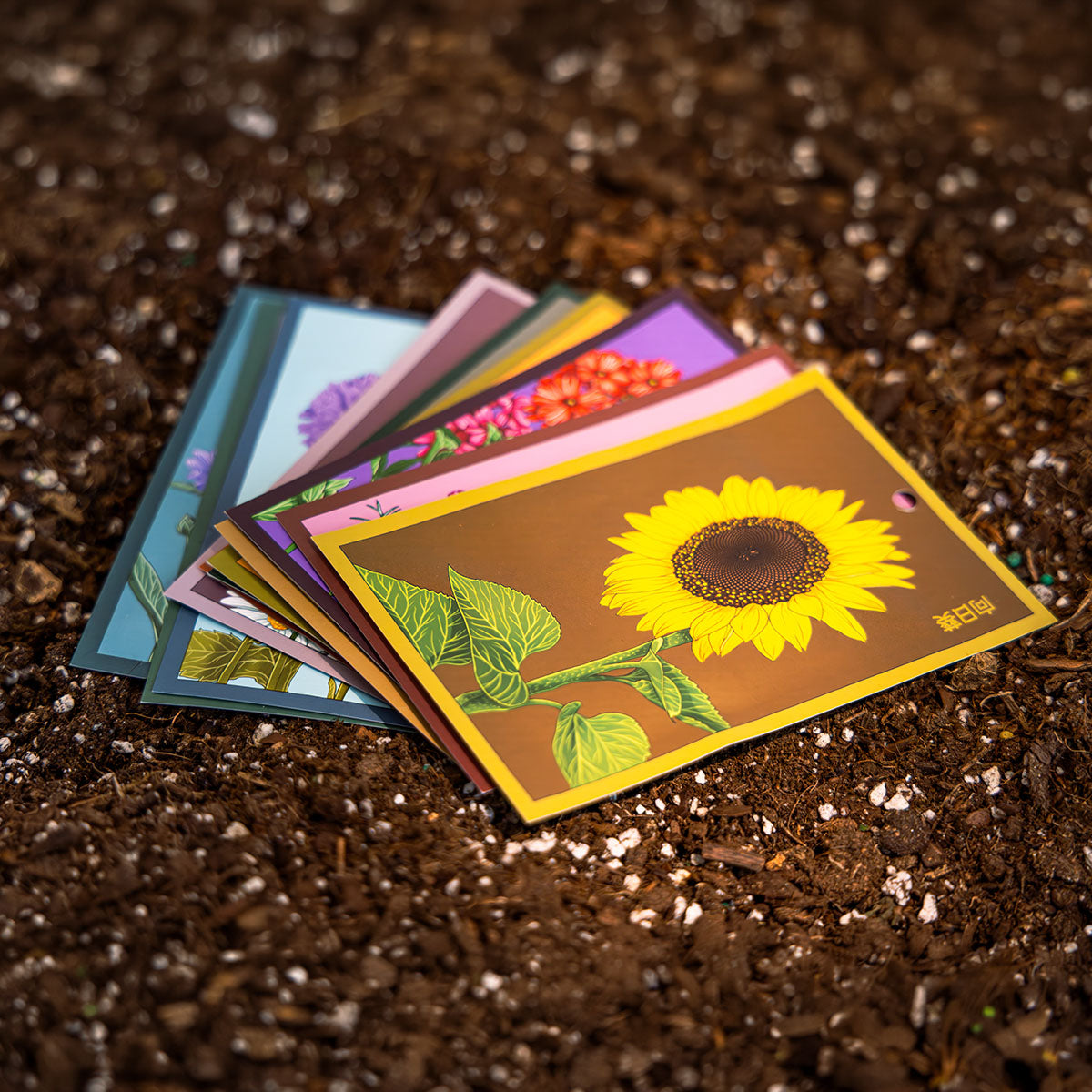
A Quicker Bean Alternative
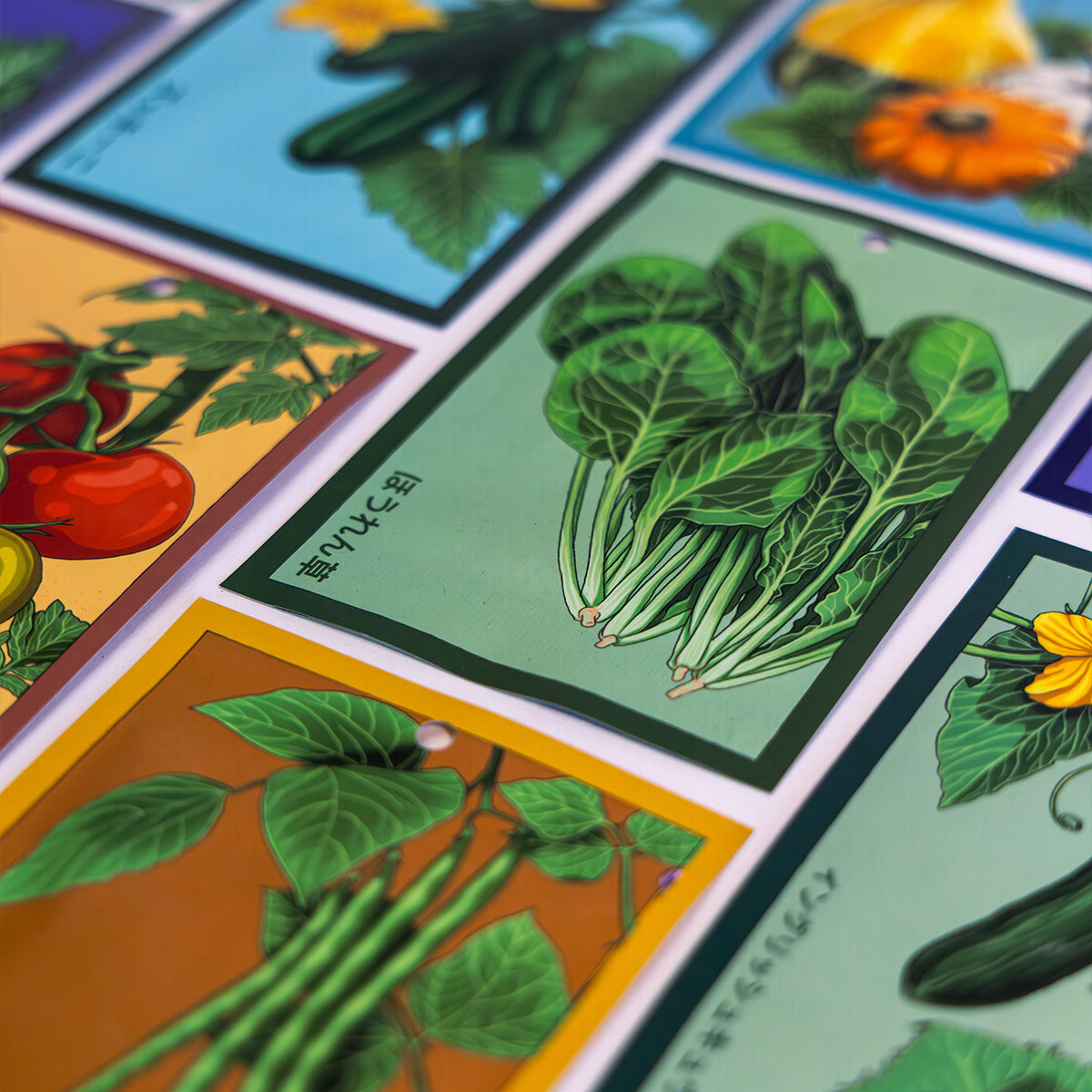
For a faster-growing bean without the extensive trellising, Green Beans share this lima bean's productivity in considerably less time.

Vegetable Shido Seeds packets — by Chive Studio Toronto

The Rest of the Vegetable Garden

Explore Shido's full vegetable seed catalog, spanning quick bush crops and slower, trellis-dependent climbers alike.

Buttercup Yellow Gay Paree Peony - Chive Ceramics Studio - Ceramic Flowers - Chive Ceramics Studio

Height Without the Trellis

A lima bean vine needs real vertical support to thrive, but Chive's Ivory Empire Cabbage Flower reaches its full, substantial shape with no structure required at all.

Chive Shido seed packets with botanical illustrations on a peg rack, showing cherry blossom, tomato, and eggplant designs.

The credentials behind the packet

A lima bean vine this vigorous needs trellising built before a single seed even goes into the ground, which raises the cost of a packet that doesn't perform. The studio's fix is straightforward: seal oxygen out before shipping, rather than trusting a paper envelope to hold up over time on a shelf. A crop demanding this much upfront structure shouldn't also carry the risk of unreliable seed on top of it. Heirloom varieties in particular benefit from that consistency, since their reputation was built over generations, not one good season. A slow-to-mature lima bean rewards that kind of patience only if the seed cooperates from day one. Trellis, patience, and reliable seed together are really the whole recipe here.


Plant Care, Simplified with Chive

Keep it alive, keep it thriving. Let's make plant parenthood look easy.

Do Seeds Expire? How Long Do Seeds Last | Shido

Todd Newgren
Seeds don't expire — they lose viability as oxygen depletes stored energy, and vacuum sealing is the fix. Chive's Shido Seeds are vacuum-sealed, germination-tested, and stocked ...
Read more

Are Seed Packets GMO? The Honest Answer

Todd Newgren
Are seed packets GMO? No—home garden seed packets, Shido included, are never genetically modified, since GMO seed is only made for large-scale commercial crops. The non-GMO badg...
Read more

Frequently asked questions

What is the best way to grow King of the Garden lima beans?

This variety needs full sun, well-drained soil, and sturdy trellising set up early, since the vigorous vines quickly outgrow anything less substantial once they get going. Consistent watering throughout the season supports the plant's genuinely high yields. Setting that structure up before planting avoids disturbing roots later once the vines are already established.

Why does King of the Garden need such tall support?

The vines grow considerably more vigorously than a typical bush bean, climbing well beyond what a simple stake could support, which makes a proper trellis or pole structure necessary from the start. A simple pole system works nearly as well as a formal trellis for most home garden setups. A single central pole rarely provides enough surface area for a fully mature vine.

Can lima beans be dried for storage?

Yes, and King of the Garden is well suited to it — letting pods dry fully on the vine before shelling produces beans that store for months, unlike the shorter window fresh lima beans offer. Properly dried beans stored in a sealed container can last considerably longer than a fresh harvest ever would.

Why does lima bean spacing matter?

Crowded plants create the kind of dense, poorly ventilated conditions that invite mildew, so well-spaced planting genuinely helps keep the vines healthier through a long growing season. Good airflow between plants also helps the foliage dry out faster after rain or watering. Good spacing from the start avoids having to thin an already-established row later.

What does King of the Garden lima bean taste like?

It carries a buttery, nutty flavor that's noticeably richer than a smaller lima bean variety, which is part of why it's remained a popular heirloom choice for home gardens. That richness holds up particularly well in slow-cooked dishes like soups and stews. Fresh lima beans offer a lighter, greener flavor by comparison.

How long do lima bean seeds last?

Vacuum-sealed Shido Seeds packets stay viable for up to 10 years when stored properly, compared to roughly one year for a standard paper seed packet left exposed to normal conditions. Storing unused packets somewhere cool and dry helps preserve that extended viability even further. A cool pantry shelf works just as well as a refrigerator for dried beans.

Do lima beans need a long growing season?

Yes, this variety takes longer to mature than a typical green bean, so starting as early as the weather allows helps ensure a full harvest before the season ends. Starting seed as early as safely possible gives the plant the best shot at a full harvest. That timeline matters more here than with a faster bush variety nearby.

Are these seeds tested for germination reliability?

Yes — every Shido Seeds packet, King of the Garden included, undergoes germination testing at independent third-party labs before ever reaching a shelf. That scrutiny matters given how much space and time this variety already demands. That standard applies to every heirloom bean in the catalog, not just the more popular ones.

Verte Rx Shiny Leaves for Plants - Chive Ceramics Studio - Chive Ceramics Studio

The seed is the start. Verte RX handles the rest.

Most seedlings fail not from bad seed but from soil that runs out of what the plant needs before the plant can find it. Verte RX is a liquid plant vitamin formulated for exactly that window — the weeks after germination when the root system is establishing and the margin between thriving and stalling is narrowest.