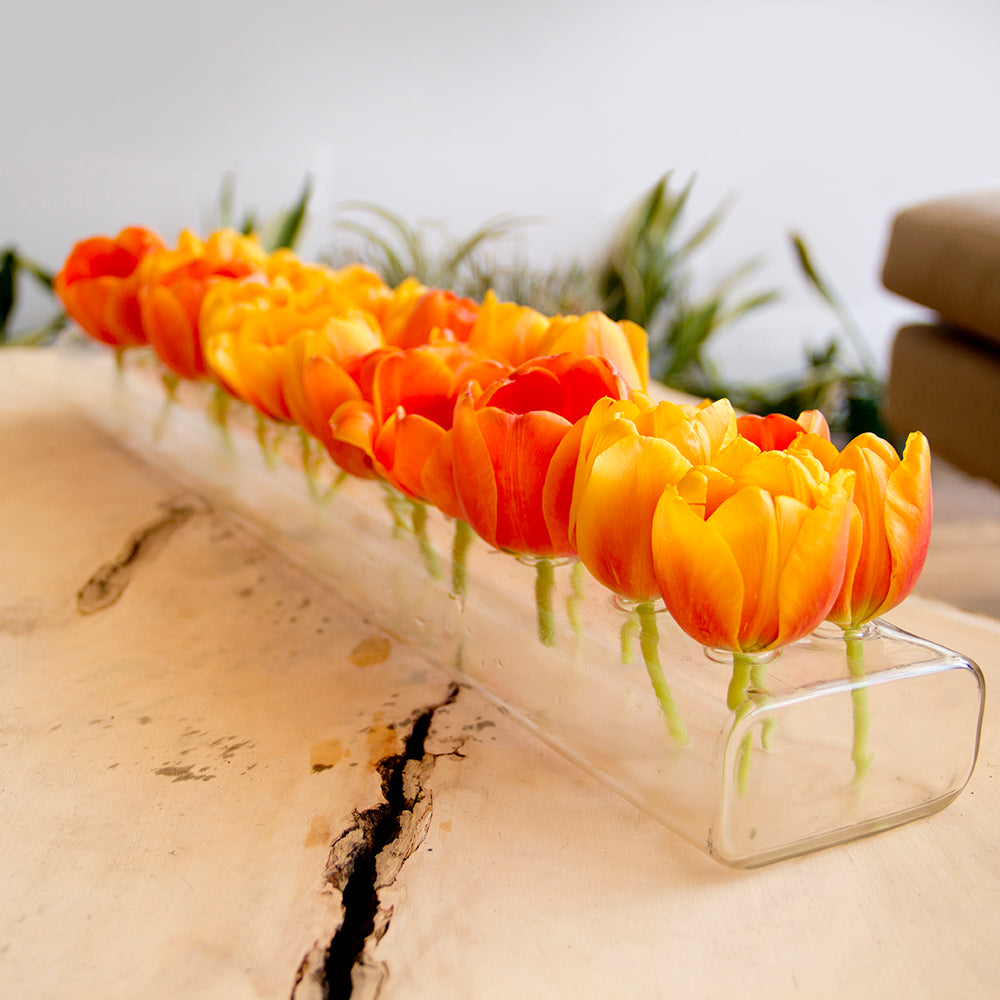
Lot Glass Modern Clear Flower Vase

Regular price $44.00
Sizes
Hand Blown Glass
Dishwasher safe cleaning
30-day return policy

Build the Arrangement That Looks Harder Than It Was

Pick a vase to anchor the shelf, then add the rest until it reads as curated instead of collected.


The Lot vase is a single body with a row of tubes set into it, so calling it a grouped tube vase or a row bud vase describes one object from two directions. The two sizes trade against each other instead of scaling. The large takes more table, 4.5 inches by 6.75, and stands only 4.5 tall; the small occupies 2 by 4 and rises to 7.75. Together those tubes do the work of several separate vessels without asking anyone to decide how far apart to set them, which is the decision most people get wrong with single stems on a table. Spacing here is settled at the moment the piece is made. What is left to choose is how many openings to fill, and leaving some of them empty reads as intended rather than unfinished. To understand why the form works, fill alternate tubes and step back from it.

Product detail

Product Detail:

  • Material: Glass
  • Glaze finish: Translucent
  • Year Designed: 2010
Dimension
  • Large: 4 inches long, 2 inches wide, 7.75 inches tall
  • Small: 6.75 inches long, 4.5 inches wide, 4.5 inches tall
Vase Care Instructions

All glass vases in this collection are dishwasher safe for easy cleaning, with one exception: mercury glass vases should be hand-washed only. The silvered mercury finish is a delicate coating rather than a solid color, and dishwasher heat and detergent can dull or strip it over time.

For standard glass vases, just load it in with the rest of the dishes — no special care needed. For mercury glass pieces, wash gently with warm water and mild soap, and dry with a soft cloth rather than letting it air dry with water spots.

Rinse and dry after each use, especially if flower food or cut-stem residue was in the water, so nothing lingers and clouds the glass.

Flowers that Love this Vase
  • Snapdragon
  • Poppy
  • Iris
  • Tulip
  • Hellebore
  • Statice
  • Feverfew
  • Delphinium
  • Evening Primrose
  • Borage

Quick Guide to Building a Floral Arrangement

  1. Pick your vase first
  2. Start with your anchor flower.
  3. Build in odd numbers.
  4. Add height, then fill.
  5. Greenery does the quiet work.
  6. Cut stems at an angle, underwater if you can.
  7. Step back before you decide it's done.

Shipping & returns

Shipping

  • Free shipping: Orders $200+ within the US
  • Standard: 5–8 business days, Express 2–3 business days (at checkout)
  • International Ships: to 40 countries — rates at checkout
  • Packaging Ships: in outer box to protect gift box

View full shipping policy →

Returns

We accept returns within 30 days of delivery on unused items in original packaging. If your piece arrives damaged, contact us within 7 days with a photo and we will replace it at no charge.

View full return policy →

Wholesale Inquires

Have a cool shop? Know someone that does?

Find Chive on Faire →

Lot Glass Modern Clear Flower Vase - Chive Ceramics Studio - Vases - Chive US

The fat one and the tall one - The Lot

The Lot comes in a large and a small, and I should admit that they were never conceived as a pair. The one we now call small arrived first, in a year I could look up but won't, drawn to sit on the narrow ledge above a sink. Years afterward somebody asked for a longer one for a shop counter, we made it, and the catalogue needed two words to tell them apart. Large and small were the words available.

The consequence is that they do not scale, and every so often a customer notices and writes in about it. The wide one takes more surface and stands lower. The narrow one occupies almost nothing and goes up instead. If they had been designed together, one would be an enlargement of the other and both would be duller for it, because a shape drawn for a sink ledge and a shape drawn for a counter want opposite proportions.

Marguerite in shipping refers to them as the fat one and the tall one, which is considerably more useful than what we print on the box, and after several years of losing that argument I have stopped correcting her. She is right and the catalogue is merely accurate.

Chive Studio trimming tulip stems with scissors on a wooden surface, with white, purple, and pink tulips arranged nearby.
How to Cut Flowers Like a Pro:

A (Mostly) Simple Guide to Cutting Your Flowers

So, you’re making an arrangement? Let’s ensure it lives long enough to impress someone—even if it's just you.

  1. Scrub the Scissors: Wash your shears first. Your flowers do not want a side of Dorito dust.
  2. Cut at 45°: Snip stems at an angle. It gives them a straw instead of making them chug from the bottle.
  3. Trim Underwater (Fancy Mode): Cut them submerged to block air bubbles. It’s extra, but they didn’t ask to suffocate.
  4. Ditch Submerged Leaves: Strip anything below the waterline. Unless you are actively going for a swamp aesthetic.
  5. Snip Again if Stale: If they sat out on the counter, trim them again. They need a fresh start (don’t we all?).
  6. Swap the Water: Change it and trim the stems every few days so they don't die immediately.

Voilà! You are now a domestic deity. Go take your Instagram photo before you forget to water them.

Pro Tip: The light does half the work.

Glass catches and bends light in a way ceramic can't. Set the arrangement somewhere it'll get some late afternoon sun, even for an hour, and the water and stems start doing something a solid vase never will.

Perfect Pairs for Any Shelf
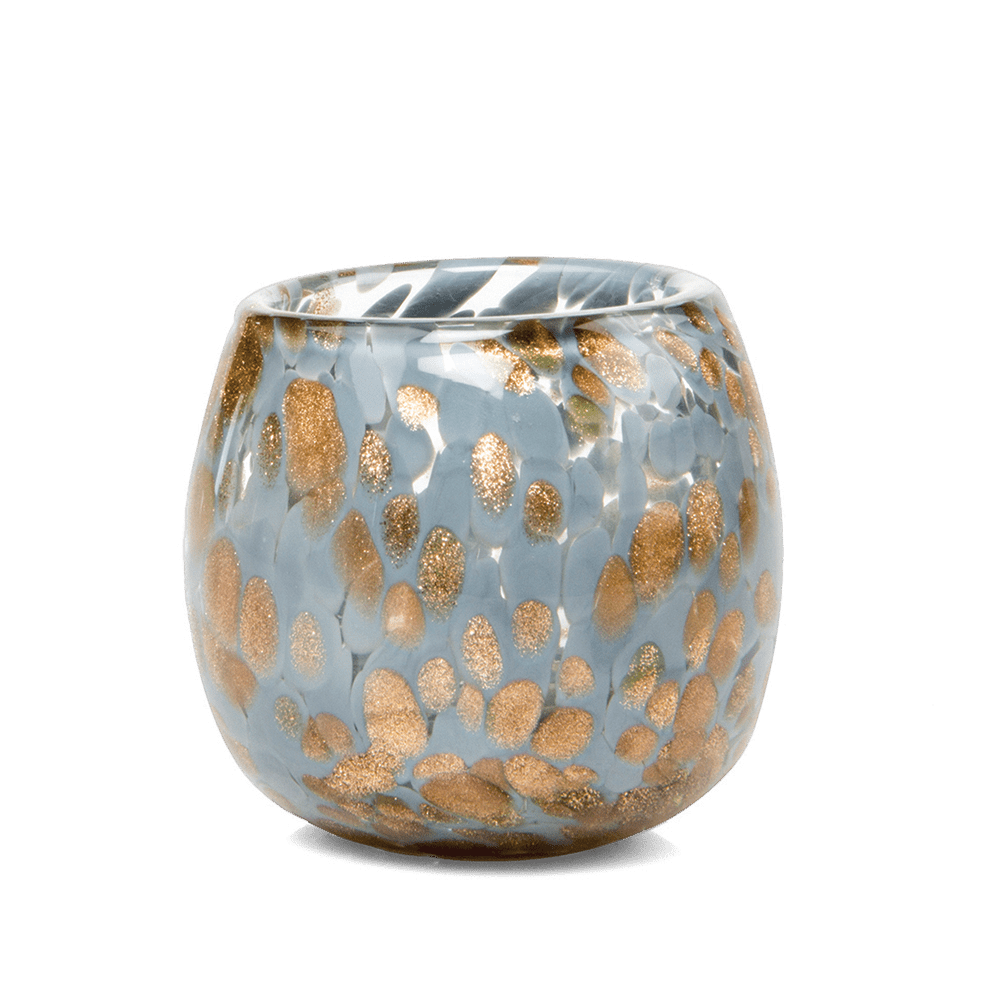
Nebula Glass Modern Flower Vase - Chive Ceramics Studio - Vases - Chive US

The Same Instinct, Gone The Other Way
The glass vases at Chive come out of the same studio habit that produced everything else here: design the object once, correctly, then resist every opportunity to complicate it. Each one holds stems. None of them hides anything. The Lot takes that idea and repeats it in one pull, so a row arrives already spaced. When the same instinct goes the other way and becomes one wide swirled body instead of several openings, the Nebula Glass Vase is where it lands.

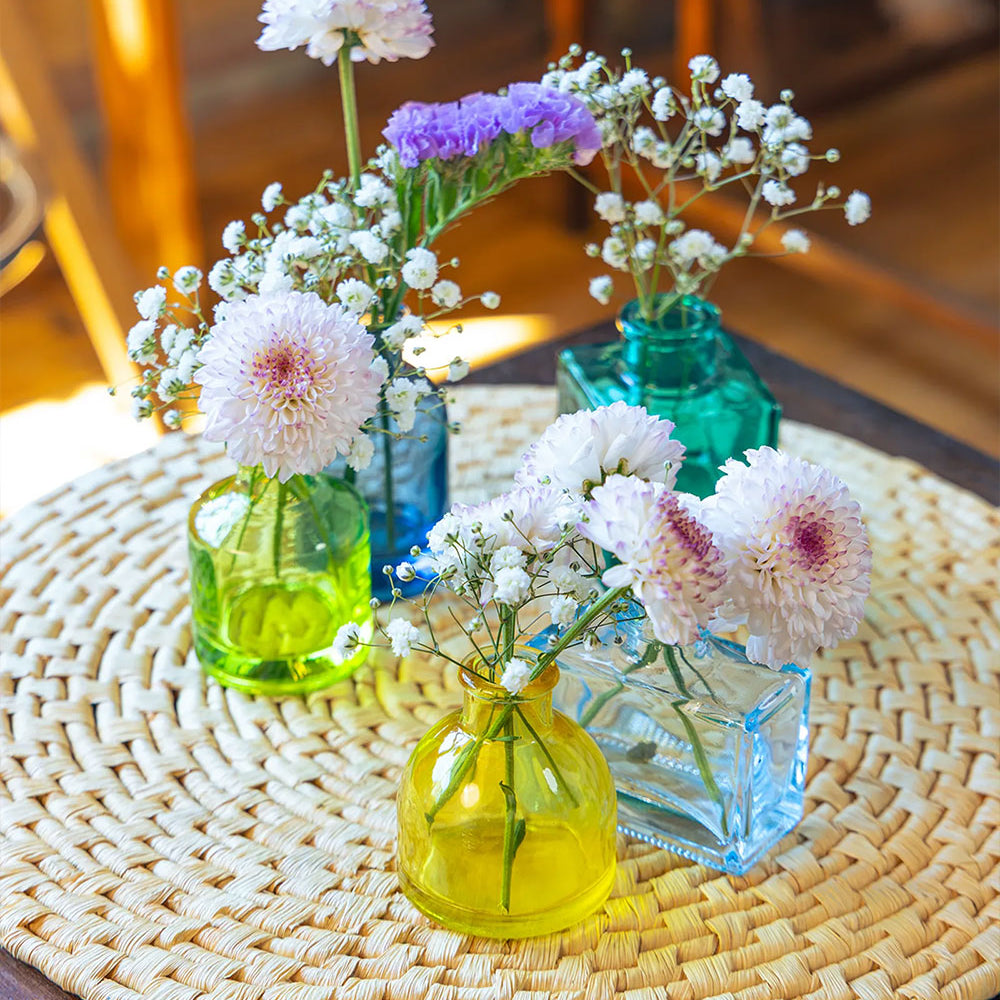
Chive Loft glass bud vase set in assorted shapes and colors on a table mat, each styled with flowers.

A Row That Arrives Already Spaced

Every Chive vase is built around one decision about how flowers should stand, then finished by hand until that decision reads as obvious. On the Lot the decision was arithmetic: several openings in a single base, pitched far enough apart that stems clear each other and close enough that they still read as one object. Nothing about the layout is adjustable, which removes the fiddling that single stems normally invite. Everything in the glass vases lineup resolves one question like this and then leaves it resolved.

Arguing For The Same Shape, Different Season
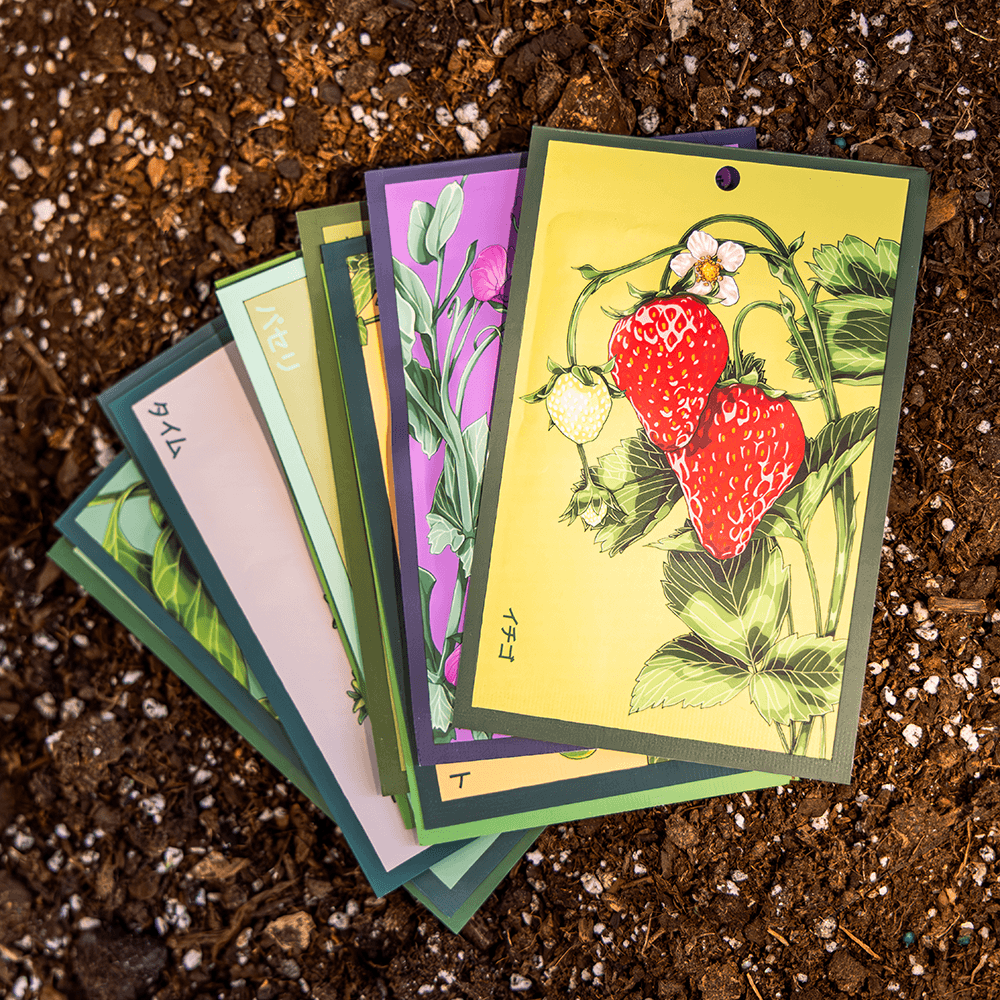
King of the Garden Bean seeds want a row, a stake and about eight feet of ambition, and the Lot wants a row of cut stems, so the two objects are arguing for the same shape from opposite ends of the season. Plant the beans in spring. Fill the tubes with whatever the garden gives up by August.


One Team, One Row

One team sets the tubes on a Lot, and that same team signs off the finished row before it leaves the bench. It sounds like an organisational footnote and it is the whole quality argument. Tube spacing cannot be inspected in isolation, because a single opening is either round or it isn't, while a row is only right relative to itself. The person who set them is the person best placed to see a drift of a fraction, so we do not hand that judgement down a corridor to somebody fresh. This company opened in 2004 and has run the practice that way from the beginning, which is why rejected pieces still go back to whoever set them rather than into a bin somebody else empties.


Inside the Chive Design Studio

Low maintenance, high impact. Let's make home styling look easy.

The Best 10 Styles of Vases

Jessie Duenas
The glorious world of flower vases! Because nothing says "I have my life together" quite like a carefully chosen vessel for your soon-to-be-wilting flora. Gather 'round, fell...
Read the full story

Wedding Centerpiece Vases: The Planning Guide Nobody Gives You

Todd Newgren
Wedding centerpiece vases work best small and plural — three to seven per table, one to three stems each. A fifteen-table reception needs roughly seventy-five vases and 100 to 1...
Read the full story

Frequently asked questions

How does the Lot earn its name as a lot vase?

A lot is a quantity of things kept together, and that is precisely what this is: several tubes cast into one glass body, bought and used as a single unit. You are not acquiring a vase so much as an arrangement of them that somebody has already spaced for you. The word describes the count rather than the silhouette. It is a group with one base.

Do short-stemmed garden flowers work well in the Lot vase?

Very well, and better than a tall vessel does. A short garden stem in a single vase looks stranded, whereas the same stem in a row of tubes borrows presence from the ones beside it. Six inches is plenty of length here. Trim them all to roughly one length so the whole group looks deliberate rather than accidental. Sweet peas and cornflowers were what convinced us.

What footprint does the Lot vase take up on a table?

Depends which size, and they invert each other. The larger covers 4.5 inches by 6.75 and stands 4.5 tall, so it occupies real table and stays low across it. The smaller takes only 2 inches by 4 of surface but rises to 7.75. One is a footprint and the other is a column. Neither wants a runner underneath.

Is the Lot vase's glass body durable for everyday use?

Yes, and being one object rather than five is most of the reason. Five separate bud vases on a table are five chances to catch a sleeve, while this is a single mass with a broad base and a low centre of gravity in the larger size. The walls are heavier than the tubes suggest from above. Fewer objects means fewer accidents.

Is the Lot vase dishwasher safe or hand wash only?

Hand wash only, and the reason is drainage rather than heat. Water sits between tubes that are close together and a machine cannot get in to displace it, so pieces come out with standing water in the gaps and dry with rings. Fill the row from a tap, tip it fully, then stand it on a folded towel at an angle. It will drain in an hour.

Does the Lot vase work as decor without any flowers in it?

It does, and rather better than most vases manage empty. A row of open tubes is a repeating pattern, so the object reads as geometry when nothing is in it and as flowers when something is. Filling half the openings and leaving the rest bare is a legitimate way to use it year-round. Empty, it looks finished rather than waiting.

What makes the Lot vase different from the Nebula vase nearby?

Openings, mainly. The Lot presents a row of separate tubes, so every stem is held apart from its neighbour at a fixed distance and what you get is a straight sequence. The Nebula is one continuous swirled body with a single mouth, so stems fall together and lean. One organises for you and the other lets things settle. Different intentions, similar footprint.

How did the Lot vase's design evolve at Chive studio?

It began as a single tube on a ledge and became a row when we noticed people buying three at a time and setting them out in a line themselves. The remaining question was pitch. We tested spacing against tulips, because a tulip is the widest thing anybody was likely to put in one, and stopped where the leaves cleared. That measurement has not moved since 2010.

Ceramic astronaut vase with flowers styled on shelf — Chive Studio Toronto
Behind the Studio

The story behind the Chive astronaut vases

The story of Laika, Félicette, a solar eclipse in New York, and a space bar that ordered a hundred vases a month until it closed.