Mini Sweet Peppers Vegetable Seeds Packet

Regular price $4.95
Vacuum Sealed
NON-GMO
Seed Pack Guarantee

Build Your Garden With These Shido Seeds

Choose a seed packet as your starting point, then round out the bed with these for that thrown-together-but-somehow-perfect harvest.


Mini Sweet Peppers seeds for the kitchen garden that intends to actually produce mini sweet peppers this year. The mini sweet pepper is the only pepper that never requires an apology to guests.

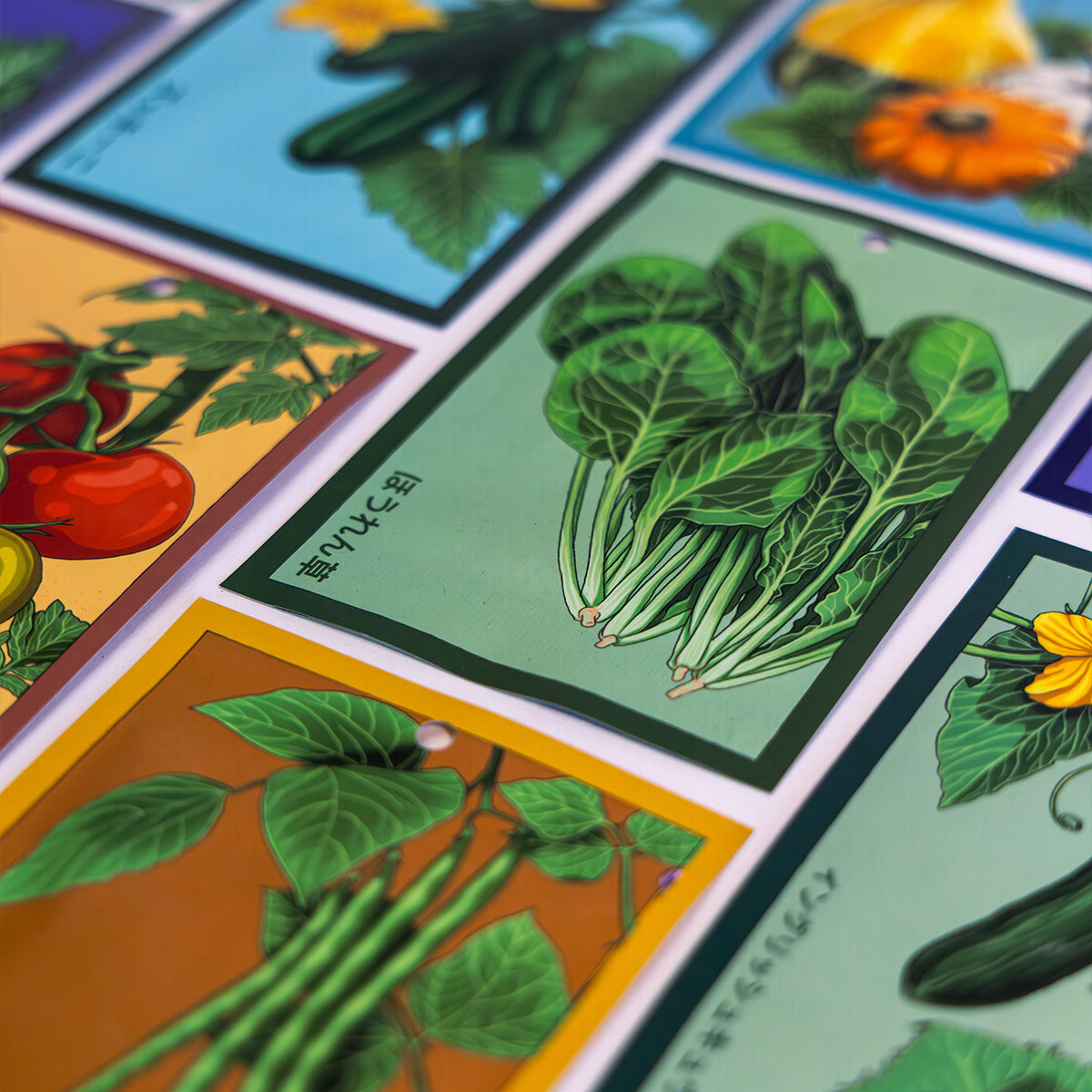
Mini Sweet Peppers is compact, high-yielding plants producing colorful sweet peppers with no heat. Each packet is hermetically vacuum-sealed -- removing the oxygen that causes standard paper seed packets to lose germination viability within approximately one year. State law requires a 3-year viability label on sealed packaging. NASA research on hermetic seed storage indicates viability of up to 10 years under proper conditions. Every packet is non-GMO and germination-tested at independent third-party labs before it earns its Japanese woodblock print artwork.

Seed specifications
  • Material: Seed
  • Botanical name: Capsicum annuum 'Red Knight'
  • Genus: Capsicum
  • Plant family: Solanaceae
  • Species: annuum
  • Plant type: Annual, perennial in frost-free climates
  • Pollination type: Vegetable
  • USDA Hardiness Zones: 9-11
  • Packet contents: ≈ 80 Seeds
  • Packaging: Hermetically vacuum-sealed
  • Non-GMO: Yes
  • Seed viability: Up to 10 years (sealed) / 4–5 years (unsealed, ideal conditions)
  • Difficulty: Moderate - Recreational Gardener
Sowing & growing guide

Quick Sowing Guide:

  • When to sow: 8-10 wks before last frost
  • Sowing depth: 1/4 in
  • Initial spacing: 12-18 in
  • Row spacing: 18-24 in
  • Days to germination: 7-14 days
  • Light: Full sun
  • Water: Moderate, consistent moisture
  • Soil: Well-drained loamy soil (rich in organic matter)
  • Harvest: 60-75 days

Start Growing: Step-by-step sowing and growing guide

About vacuum sealing

Why Vacuum-Sealed Seeds Last Longer

Standard paper seed packets are permeable to oxygen and moisture -- the two primary causes of seed degradation. Most paper-packaged seeds begin losing germination viability after approximately one year, contributing to significant garden-industry waste: packets purchased, not planted, expired, discarded. Shido Seeds are hermetically vacuum-sealed. The packet does not expire quietly in a drawer. It waits.

About the Packaging

Every Shido seed packet is illustrated in the style of Japanese 1910s woodblock printing -- designed and drawn in-house by Chive, that has been exhibiting at the Chelsea Flower Show in London every year and does not, as a matter of principle, sell to big-box retailers. Customers collect the packets as a series. This was not the original plan.

Shipping & returns

Shipping

  • Free shipping: Orders $200+ within the US
  • Standard: 5–8 business days, Express 2–3 business days (at checkout)
  • International Ships: to 40 countries — rates at checkout
  • Packaging Ships: in outer box to protect gift box

View full shipping policy →

Returns

We accept returns within 30 days of delivery on unused items in original packaging. If your piece arrives damaged, contact us within 7 days with a photo and we will replace it at no charge.

View full return policy →

Satisfaction Guarantee

We stand by the quality of our flower seed packets! Every Shido seed packet is lab-tested for germination before it ships. If your seeds do not perform to the stated germination rate under correct growing conditions, contact us and we will replace or refund. Guaranteed!

Wholesale Inquiries

Have a cool shop? Know someone that does?

Chive Wholesale →

Radish Horticultural Specifications

Botanical

Capsicum annuum 'Red Knight'

Plant Type

Annual, perennial in frost-free climates

Light

Full sun

Water

Moderate, consistent moisture

Soil

Well-drained loamy soil (rich in organic matter)

Depth

1/4 in

Germination

7-14 days

USDA Zone

9-11

Mature Height

12-24 in

Harvest

60-75 days


Getting to know your Mini Sweet Peppers

In the garden, Mini Sweet Peppers are no divas. They love full sun, warm soil, and regular watering, but they're relatively low-drama, making them ideal for container growers and small-space gardeners alike. They're also genuinely productive, rewarding attention with a steady supply of glossy fruits throughout the warmer months. You'll be harvesting handfuls before you even realize the plant has fully hit its stride. And if you're a balcony grower or urban gardener, there's real reason to celebrate: Mini Sweet Peppers stay surprisingly compact and tidy. No aggressive vines or oversized leaves here, just a bushy little plant that's eager to produce fruit after fruit. They're also a genuine magnet for beneficial pollinators, so expect a bit of welcome backyard buzz alongside the harvest. Regular picking encourages the plant to keep setting new fruit rather than slowing its pace, and consistent watering throughout the season supports that steady, ongoing production. In short, Mini Sweet Peppers are the reliable garden companion many gardeners didn't realize they needed. They're sweet, colorful, undemanding, and always ready to brighten up a salad or a snack plate. Get ready to pick early, pick often, and genuinely fall for this one. Few peppers make a small space feel this genuinely productive.


History & origin

Ancient Mesoamerica

Peppers (Capsicum annuum) were domesticated in Mexico and Central America, with archaeological evidence of cultivation dating back roughly 6,000 years -- among the oldest domesticated crops in the Americas.

Post-Columbian Exchange, 16th Century

Spanish and Portuguese traders carried peppers to Europe, Africa, and Asia after 1492, where they were rapidly adopted into cuisines worldwide, particularly across South and Southeast Asia.

20th Century Breeding

Sweet, non-bitter pepper varieties were selectively bred for milder flavor and smaller, snackable size, distinct from the larger bell pepper types more common in earlier decades.

Today

Mini sweet peppers are a modern retail category, prized for eating raw as a snack -- their small size and sweetness reflect breeding aimed specifically at that use, rather than cooking.

Shido Vegetable and Flower Seeds Vacuum sealed for peak freshness

Step-by-Step Sowing & Growing Guide

Getting Started

Annual, started indoors

Step 1: Timing - Start indoors 8-10 weeks before your average last frost date.

Step 2: Soil - Rich, well-drained loamy soil, pH 6.0-6.8.

Step 3: Sowing - ¼ inch deep, kept at 75-85°F. Germination takes 7-14 days.

Step 4: Transplant - Harden off and move outside only after soil is reliably warm, 65°F+ -- peppers are notably cold-sensitive even after the last frost date has passed. Space 12-18 inches apart, rows 18-24 inches.

Step 5: Ongoing care - Water consistently -- inconsistent moisture is the main cause of blossom end rot and split fruit.

Step 6: Harvest - Pick at any color stage; full color develops sweetness but reduces total yield if left too long. Regular picking encourages more fruit set.

Before you start

Materials needed to sow

  • Seed trays or small pots: For the 8-10 week indoor head start peppers need before it's safe to move them outside.
  • Heat mat: Peppers germinate faster and more reliably at a steady 75-85°F, warmer than most indoor rooms hold on their own.
  • Grow light: Carries seedlings through the full indoor period without the legginess a dim windowsill often causes.
  • Humidity dome: Helps hold consistent moisture during germination.
  • Plant labels: Useful if starting multiple pepper types side by side, since seedlings look nearly identical at this stage.

Materials for harvest and storage

  • Scissors or pruning snips: Cutting the stem rather than pulling protects the plant from damage that can invite disease.
  • Basket or bowl: For collecting fruit as it's picked.
  • Freezer bags: Peppers freeze well raw and sliced, a good option for a larger harvest.

Tip: Pick at any color stage -- full color develops sweetness but reduces total yield if left too long, so regular picking at whatever stage suits your taste keeps the plant most productive.

Growth Requirements

Light:

  • Requires full sun (at least 6-8 hours daily).

Soil:

  • Prefers rich, well-drained loamy soil with a pH of 6.0-6.8.

Watering:

  • Requires consistent watering, about 1-2 inches per week.
  • Inconsistent moisture is the leading cause of blossom end rot and split fruit.

Temperature & Climate:

  • Thrives in warm temperatures, ideally 70-85°F.
  • Notably cold-sensitive — transplant only once soil is reliably warm (65°F+), not just after the last frost date has technically passed.

Fertilization:

  • Apply a balanced fertilizer at planting time.
  • Side-dress with phosphorus and potassium at flowering and fruit set.
  • Avoid excess nitrogen, which favors leafy growth over pepper production.

Maintenance

Staking & Support:

  • Light staking helps support branches once loaded with fruit, especially for heavily producing plants.

Mulching:

  • Apply organic mulch to retain consistent moisture, which helps reduce blossom end rot.

Pruning:

  • Pinching early flower buds on young plants encourages stronger branching before fruit production begins.
  • Remove any damaged foliage as needed.

Watering:

  • Keep watering consistent — inconsistent moisture is the leading cause of blossom end rot and split fruit.

Harvesting:

  • Pick at any color stage.
  • Regular picking encourages the plant to keep setting new fruit.

Storing:

  • Refrigerate in a crisper drawer for 1-2 weeks.
  • Can be sliced and frozen raw for longer storage.

Troubleshooting and common mistakes

  • Transplanting too early — peppers are cold-sensitive; wait until soil is reliably warm, not just past the last frost date
  • Inconsistent watering — the main cause of blossom end rot and split fruit

Culinary uses & nutritional information

What it's used for

1. Culinary Applications:

  • Eaten raw as a snack, whole or sliced
  • A natural addition to lunchboxes given their compact size
  • Stuffed and baked as bite-sized appetizers
  • Grilled or roasted whole
  • Added to stir-fries and pickling projects
  • A colorful addition to vegetable and charcuterie trays

2. Nutritional Benefits:

  • Exceptionally high in vitamin C, particularly in fully red-ripe fruit
  • Good source of vitamin A
  • Low in calories relative to how satisfying and snackable they are
  • Contains folate and other antioxidants typical of the pepper family

3. Garden and Ornamental Uses:

  • Mixed red, orange, and yellow fruit adds season-long color to the garden
  • Compact plants well suited to containers and patio growing
  • Continuous production means fresh color and fruit for months rather than one harvest window
  • An easy, rewarding pepper type for new gardeners given its manageable size

4. Practical Benefits:

  • Snack-sized fruit appeals to kids and encourages vegetable eating
  • Extended harvest window compared to many single-flush crops
  • Convenient portion size for meal prep without needing to cut a larger pepper down
  • Colorful variety gives it strong appeal at farmers markets and as a homegrown gift

What parts are edible

  • Fruit: The entire edible part of the plant, usable at any ripeness stage from green through fully colored -- sweeter and higher in vitamin C the more color it develops.
  • Seeds and pith: Technically edible but almost always removed before eating -- mildly bitter and not part of the intended eating experience the way pepper flesh is.

Nutritional data

Red sweet pepper, raw, per 100g (representative of mixed-color mini peppers)

Calories: 31 kcal

  • Carbohydrates: 6 g
  • Protein: 1 g
  • Total fat: 0.3 g
  • Dietary fiber: 2.1 g
  • Vitamin C: 127.7 mg (142% RDA) -- exceptionally high, red peppers' defining nutrient
  • Folates: 46 µg (12% RDA)
  • Potassium: 211 mg
  • Cholesterol: 0 mg
  • Vitamin A: 3,131 IU -- also notably high in red-ripe peppers

Companion plants, pests & diseases

Companion planting

Good companions

  • Basil — planted nearby, may help deter aphids from peppers
  • Onions, carrots — low competition for space and nutrients
  • Tomatoes, eggplant — same nightshade family growing conditions

Poor companions / avoid

  • Fennel — allelopathic -- inhibits growth of many nearby plants, peppers included
  • Kohlrabi and other brassicas — competitive/allelopathic effects reported

Pests

  • Aphids — cluster on new growth; strong water spray or insecticidal soap
  • Spider mites — fine webbing, worse in hot dry conditions
  • Pepper weevil — larvae damage developing fruit from inside; remove and destroy affected pods

Diseases

  • Bacterial leaf spot — dark, water-soaked spots on leaves; avoid overhead watering
  • Blossom end rot — dark, sunken patch on fruit bottom, caused by inconsistent watering or calcium uptake issues, not a pathogen
  • Mosaic virus — mottled, distorted leaves; remove and destroy infected plants, no cure

Pro Tip

Once seedlings have 2–3 sets of true leaves, transplant them into deeper containers to encourage a stronger root system. Pinch the first flower buds to focus early growth on foliage and root developmen

Vegetable sprouting in rich dark soil - Shido Seeds
Seeds worth keeping

What makes Shido Seeds different

Shido Seeds are designed by Chive Studio, a ceramic design company. We are not a seed conglomerate. We do not sell through big-box retailers. Each variety in the catalog was selected because it is worth growing — not because it ships well in bulk or photographs well in marketing materials.

Every packet is germination-tested at an independent third-party lab before it earns its woodblock illustration. The vacuum seal removes the oxygen that causes standard paper packets to degrade. The stated germination rate is a floor, not a marketing figure.

If something goes wrong, contact us. We will make it right.

Plants that Grow together look good together...even if they are ceramic
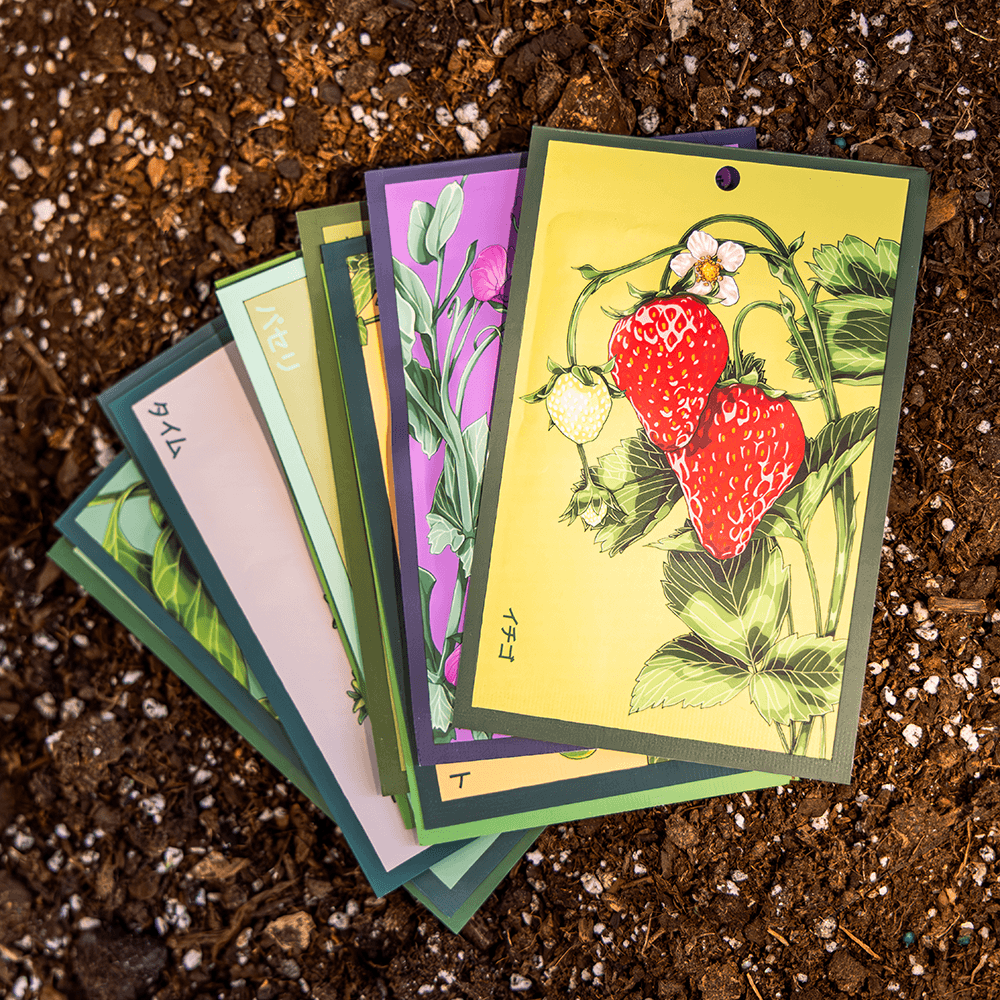
Set of Chive Shido Seeds packets with fruit and flower illustrations on a soil background.

A Bolder Pepper Alternative

For a pepper with considerably more personality and heat, Peter Pepper trades mini sweet pepper's mild flavor for real conversation-starting spice.

Vegetable Shido Seeds packets — by Chive Studio Toronto

More From Shido's Garden

This is part of Shido's vegetable seed lineup, where sweet, mild peppers sit alongside considerably bolder, spicier varieties.

Color That Never Needs Picking

A mini sweet pepper's color only shows once harvest arrives, but Chive's Ivory Charm Peony shows its full color from day one.

Chive Shido seed packets with botanical illustrations on a peg rack, showing cherry blossom, tomato, and eggplant designs.

The credentials behind the packet

A genuinely productive pepper variety still depends entirely on a reliable seed before any of that productivity ever shows up. The studio protects that reliability the same way it does across the whole catalog, cutting oxygen exposure well ahead of shipping rather than trusting paper to hold up over time. A crop built around steady, ongoing harvest deserves a seed just as steady at the very start of the process, not one working against that rhythm from day one. Productivity means little if the seed itself never actually shows up. That standard covers every pepper and every vegetable in the lineup, compact or otherwise. Consistency at the start is what makes that productivity possible at all.


Plant Care, Simplified with Chive

Keep it alive, keep it thriving. Let's make plant parenthood look easy.

Do Seeds Expire? How Long Do Seeds Last

Todd Newgren
Seeds don't expire — they lose viability as oxygen depletes stored energy, and vacuum sealing is the fix. Chive's Shido Seeds are vacuum-sealed, germination-tested, and stocked ...
Read more

Are Seed Packets GMO? The Honest Answer

Todd Newgren
Are seed packets GMO? No—home garden seed packets, Shido included, are never genetically modified, since GMO seed is only made for large-scale commercial crops. The non-GMO badg...
Read more

Frequently asked questions

What is the best way to grow mini sweet peppers?

Mini sweet peppers need full sun, warm soil, and regular watering, growing into a compact, bushy plant that's genuinely low-drama and ideal for container growers and small-space gardeners alike. Consistent care throughout the season supports a steady, generous harvest. A bit of regular feeding also helps sustain that steady production through the warmer months.

Are mini sweet peppers good for containers?

Yes, they stay surprisingly compact and tidy, without the aggressive vines or oversized leaves a bulkier pepper variety might produce, making them a strong fit for balconies and small gardens. That tidy growth habit is really the whole reason they've become a favorite for urban gardeners. That tidiness has made them a genuine favorite among small-space and balcony gardeners.

Do mini sweet pepper plants attract pollinators?

Yes — they're a genuine magnet for beneficial pollinators, which means a bit of welcome backyard buzz alongside the harvest for anyone paying attention to the garden. That extra pollinator activity often benefits other flowering plants growing nearby in the same space. That pollinator boost is a welcome bonus beyond just the pepper harvest itself.

How do you keep mini sweet peppers producing all season?

Regular picking encourages the plant to keep setting new fruit rather than slowing its pace, since mature peppers left too long signal the plant to ease off further production. A five-gallon container generally provides enough room for a full, productive plant. Good drainage in that container matters just as much as available room.

What colors do mini sweet peppers come in?

They typically ripen through a range of colors including red, yellow, and orange, adding genuine visual variety to a harvest beyond just flavor. That range adds genuine visual interest to a harvest bowl beyond just flavor alone. That range adds real visual interest to a harvest bowl beyond flavor alone.

How long do mini sweet pepper seeds last?

Vacuum-sealed Shido Seeds packets stay viable for up to 10 years when stored properly, compared to roughly one year for a standard paper seed packet exposed to normal air and humidity. Consistency at the start is what makes that productivity possible at all. That reliability matters given how much this crop's appeal depends on steady output.

Can mini sweet peppers be grown indoors?

Yes, provided they receive plenty of direct sunlight, a sunny windowsill or grow light setup can support a reasonably productive indoor pepper plant. A south-facing window generally provides the light intensity peppers actually need to thrive. A bit of direct afternoon sun also helps sustain strong indoor growth. Consistent light exposure matters more than total space available.

Is this seed lab-tested for germination?

Yes — every Shido Seeds packet, mini sweet peppers included, is germination-tested at independent third-party labs before it ever reaches a shelf. That scrutiny matters regardless of how compact or productive a given variety is. That scrutiny matters regardless of how productive a variety turns out. No shortcuts anywhere in the catalog.

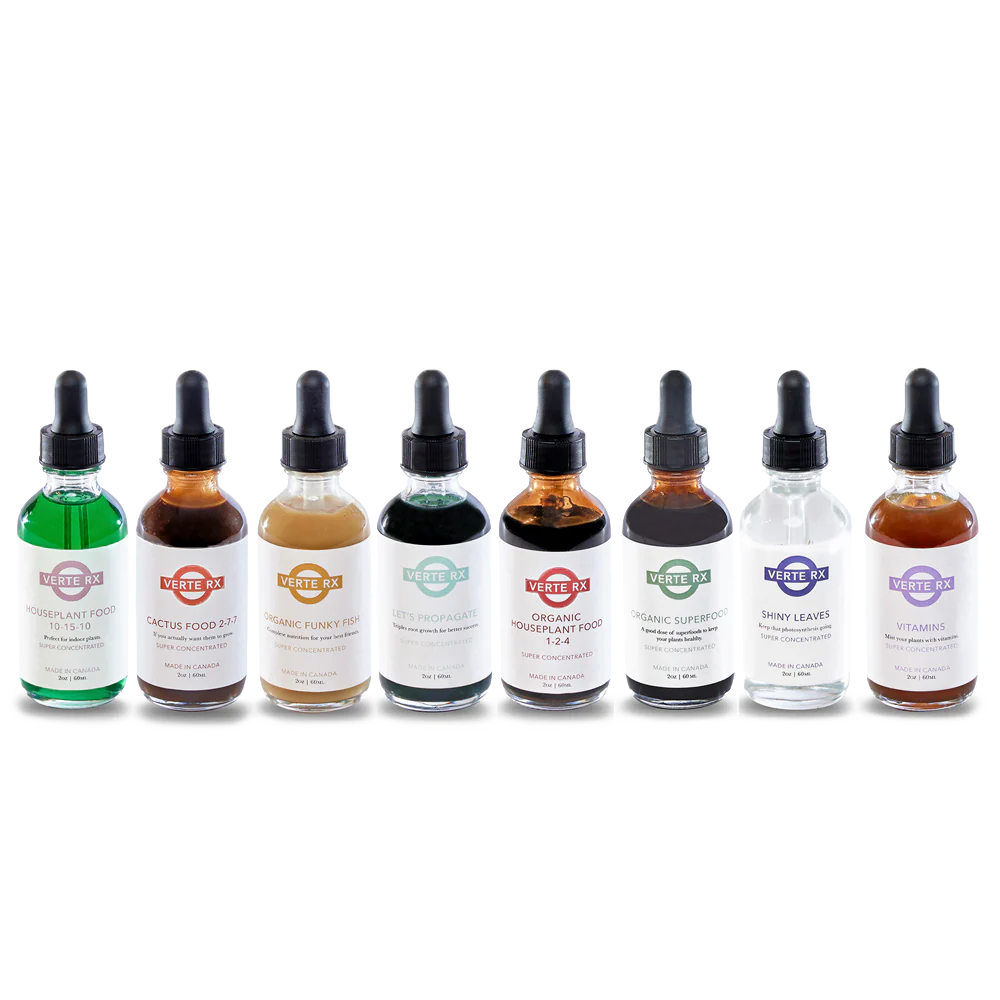
Verte Rx Shiny Leaves for Plants - Chive Ceramics Studio - Chive Ceramics Studio

The seed is the start. Verte RX handles the rest.

Most seedlings fail not from bad seed but from soil that runs out of what the plant needs before the plant can find it. Verte RX is a liquid plant vitamin formulated for exactly that window — the weeks after germination when the root system is establishing and the margin between thriving and stalling is narrowest.