Rainbow Carrot Vegetable Seeds Packet

Regular price $4.95
Vacuum Sealed
NON-GMO
Seed Pack Guarantee

Build Your Garden With These Shido Seeds

Choose a seed packet as your starting point, then round out the bed with these for that thrown-together-but-somehow-perfect harvest.


Rainbow Carrot seeds for the kitchen garden that intends to actually produce rainbow carrot this year. Rainbow Carrots are proof that the vegetable garden does not have to be modest about itself.

Rainbow Carrot is a mix of purple, yellow, white, and orange carrots that make the harvest look like something worth photographing. Each packet is hermetically vacuum-sealed -- removing the oxygen that causes standard paper seed packets to lose germination viability within approximately one year. State law requires a 3-year viability label on sealed packaging. NASA research on hermetic seed storage indicates viability of up to 10 years under proper conditions. Every packet is non-GMO and germination-tested at independent third-party labs before it earns its Japanese woodblock print artwork.

Seed specifications
  • Material: Seed
  • Botanical name: d. carota subsp. sativus
  • Genus: Daucus
  • Plant family: Apiaceae
  • Species: Carota
  • Plant type: Biennial, grown as an annual
  • Pollination type: Vegetable
  • USDA Hardiness Zones: 6
  • Packet contents: ≈ 100 Seeds
  • Packaging: Hermetically vacuum-sealed
  • Non-GMO: Yes
  • Seed viability: Up to 10 years (sealed) / 4–5 years (unsealed, ideal conditions)
  • Difficulty: Moderate - Recreational Gardener
Sowing & growing guide

Quick Sowing Guide:

  • When to sow: Direct sow 3-5 weeks before last frost
  • Sowing depth: 1/4 in
  • Initial spacing: 2-3 in
  • Row spacing: 12-18 in
  • Days to germination: 14-21 days
  • Light: Full sun
  • Water: Consistent, even moisture
  • Soil: Loose, well-drained
  • Harvest: 70-80 days

Start Growing: Step-by-step sowing and growing guide

About vacuum sealing

Why Vacuum-Sealed Seeds Last Longer

Standard paper seed packets are permeable to oxygen and moisture -- the two primary causes of seed degradation. Most paper-packaged seeds begin losing germination viability after approximately one year, contributing to significant garden-industry waste: packets purchased, not planted, expired, discarded. Shido Seeds are hermetically vacuum-sealed. The packet does not expire quietly in a drawer. It waits.

About the Packaging

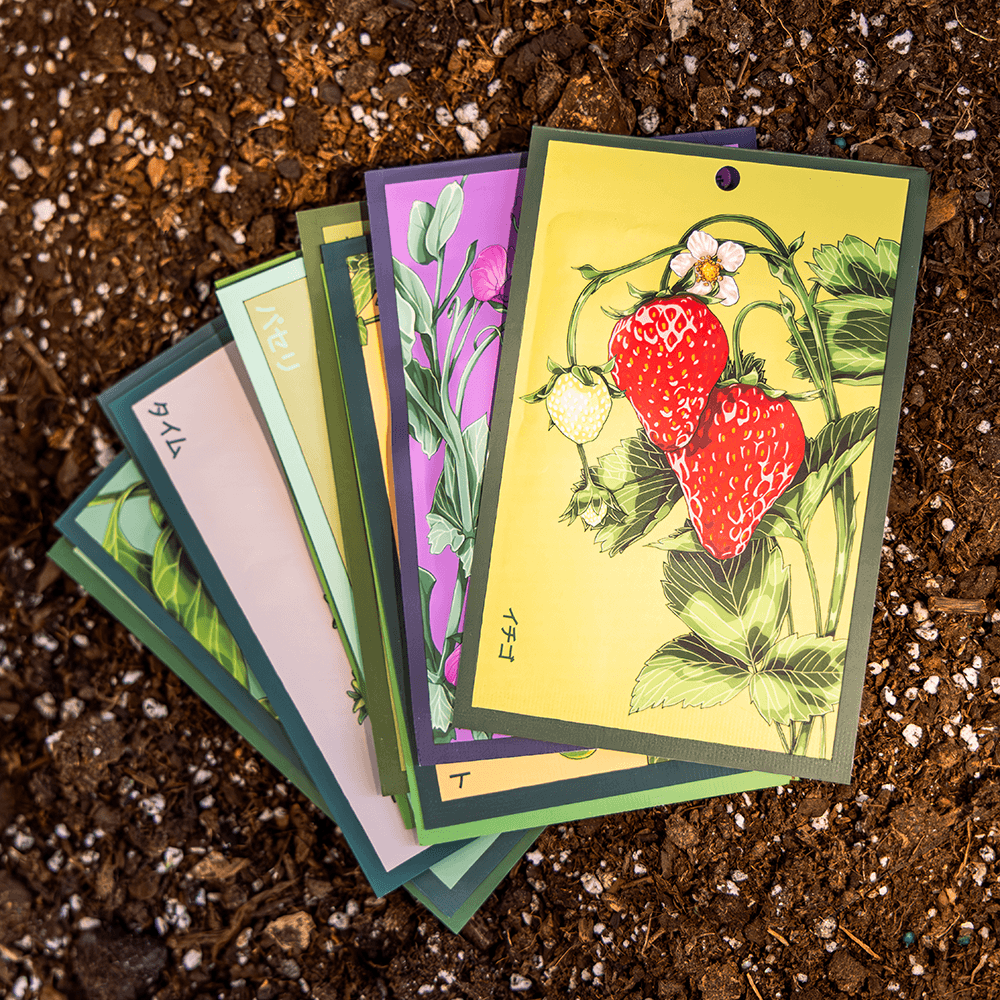
Every Shido seed packet is illustrated in the style of Japanese 1910s woodblock printing -- designed and drawn in-house by Chive, that has been exhibiting at the Chelsea Flower Show in London every year and does not, as a matter of principle, sell to big-box retailers. Customers collect the packets as a series. This was not the original plan.

Shipping & returns

Shipping

  • Free shipping: Orders $200+ within the US
  • Standard: 5–8 business days, Express 2–3 business days (at checkout)
  • International Ships: to 40 countries — rates at checkout
  • Packaging Ships: in outer box to protect gift box

View full shipping policy →

Returns

We accept returns within 30 days of delivery on unused items in original packaging. If your piece arrives damaged, contact us within 7 days with a photo and we will replace it at no charge.

View full return policy →

Satisfaction Guarantee

We stand by the quality of our flower seed packets! Every Shido seed packet is lab-tested for germination before it ships. If your seeds do not perform to the stated germination rate under correct growing conditions, contact us and we will replace or refund. Guaranteed!

Wholesale Inquires

Have a cool shop? Know someone that does?

Find Chive on Faire →

Radish Horticultural Specifications

Botanical

d. carota subsp. sativus

Plant Type

Biennial, grown as an annual

Light

Full sun

Water

Consistent, even moisture

Soil

Loose, well-drained

Depth

1/4 in

Germination

14-21 days

USDA Zone

6

Mature Height

8-24 in foliage

Harvest

70-80 days
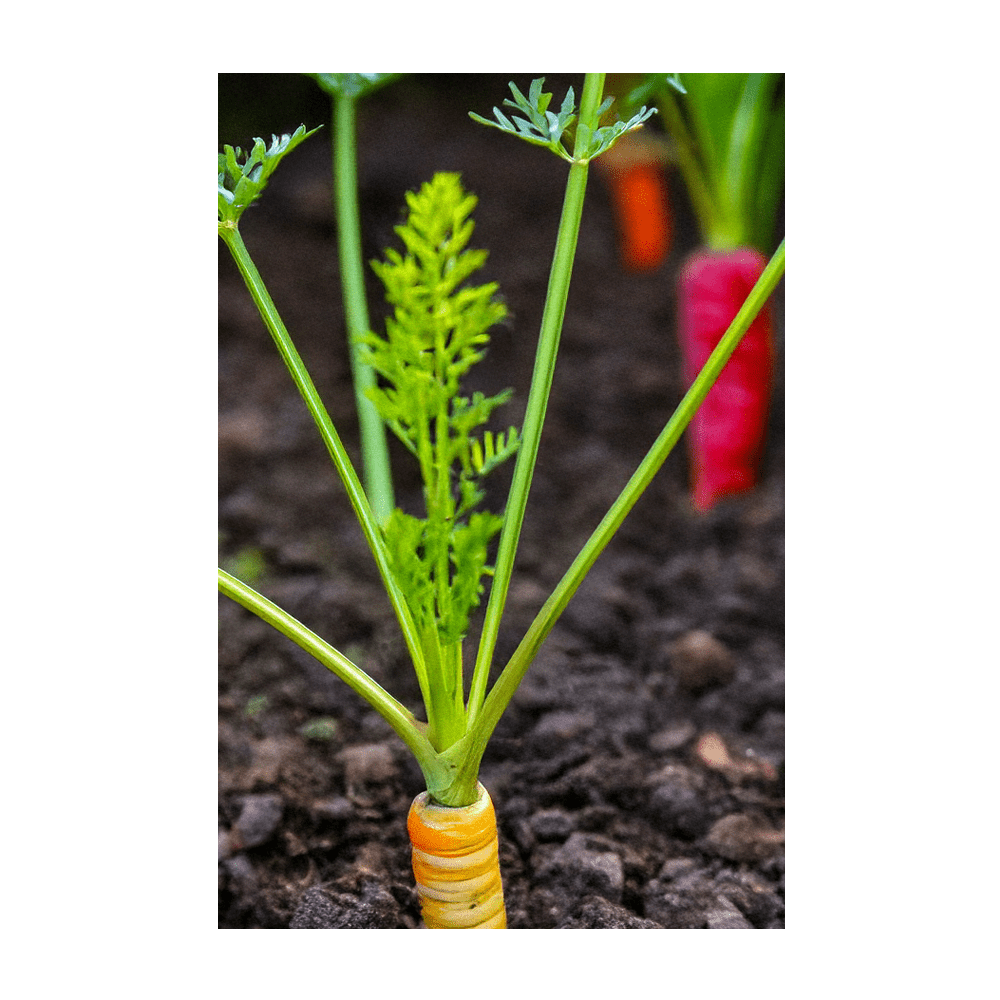

Rainbow Carrot seedlings growing in loose garden soil

Getting to know your Rainbow Carrot

Rainbow Mix carrot is a colorful blend of heirloom varieties that produce roots in shades of orange, yellow, red, purple, and white, all growing side by side from the same packet of seed. These carrots thrive in loose, well-drained soil and full sun, the same basic requirements as a standard orange carrot, just multiplied across a genuinely wider color range. The feathery green foliage above ground gives little hint at what color is actually developing beneath the surface, which makes harvest itself a small surprise every time. Rainbow carrots carry a sweet, earthy flavor across every color in the mix, and they bring real nutritional value too, rich in antioxidants, vitamins, and fiber regardless of which shade ends up on the plate. Consistent moisture throughout the season matters just as much here as with any single-color carrot, and thinning seedlings early prevents the kind of overcrowding that stunts root development. The visual variety alone makes this mix a popular choice for gardeners who want something a little more interesting than a uniform row of orange. Few vegetables turn a simple harvest into quite this much of a reveal. Sliced into rounds, the mixed colors make even a simple side dish look considerably more intentional.


History & origin

Ancient Central Asia

Carrots (Daucus carota) were first domesticated in Central Asia (modern-day Afghanistan and surrounding regions), with early cultivated types being purple or yellow rather than orange.

Medieval Period

Purple and yellow carrots spread through the Middle East and into Europe by the medieval period, appearing in Arab agricultural texts.

17th Century, Netherlands

Orange carrots, now the most familiar type worldwide, are widely believed to have been developed by Dutch growers in the 16th-17th centuries, though the precise history is debated, and orange mutations likely existed earlier.

Modern Rainbow Blends

Rainbow carrot mixes intentionally bring back the purple, yellow, and white types that predate the now-dominant orange carrot, alongside orange types, marketed together for their visual variety and different antioxidant profiles.

Today

Rainbow carrot mixes are popular in farmers markets and home gardens, reviving color diversity that was the historical norm before orange carrots became commercially standardized.

Shido Vegetable and Flower Seeds Vacuum sealed for peak freshness

Step-by-Step Sowing & Growing Guide

Getting Started

Biennial grown as an annual, direct sow only

Step 1: Timing - Direct sow 3-5 weeks before last frost.

Step 2: Soil preparation - Loosen soil to at least 12 inches and remove all rocks and clumps -- this single step prevents most forking and stunting problems.

Step 3: Sowing - ¼ inch deep. Germination is slow and uneven, 14-21 days -- don't assume failure early. A fast-germinating radish sown in the same row makes a good marker.

Step 4: Thinning - Thin to 2-3 inches apart once seedlings emerge -- crowded carrots stay skinny regardless of how long they're left in the ground.

Step 5: Harvest - Pull once shoulders are visibly colored and about ¾ inch across at the soil line -- pull a test root before committing to the full bed, since size is hard to judge from above.

Before you start

Materials needed to sow

  • Garden bed, deeply loosened soil: Direct sown only -- carrots resent transplanting entirely.
  • Garden fork or broadfork: For loosening soil to at least 12 inches and removing rocks, the single biggest step in preventing forked roots.
  • Rake: For creating a fine, level seedbed -- carrot seed is tiny and needs an even surface.
  • Fast-germinating radish seed (optional): A classic trick -- mixed into the row, radishes mark where the row is while slow-germinating carrots are still invisible underground.

Materials for harvest and storage

  • A garden fork: For loosening soil before pulling -- yanking straight up on tight soil can snap the root.
  • Basket: For collecting roots.
  • Root cellar or refrigerator crisper: For longer-term storage, ideally with tops removed.

Tip: Pull a test root before committing to the full bed -- with size hard to judge from above ground, checking one root confirms the rest are actually ready rather than guessing from foliage alone.

Growth Requirements

Light:

  • Carrots require full sun for optimal growth, meaning 6-8 hours of direct sunlight daily.
  • In hotter climates, they can tolerate partial shade, especially during the hottest part of the day.

Soil:

  • Rainbow carrots thrive in loose, well-draining, sandy or loamy soil.
  • Avoid heavy, compacted, or rocky soils, as they can cause misshapen or stunted roots.
  • Ideal soil pH: 6.0-6.8.
  • Enrich the soil with compost or aged manure before planting to boost fertility.

Watering:

  • Keep the soil consistently moist but not waterlogged.
  • Carrots require about 1 inch of water per week.
  • Inconsistent watering can lead to cracking or forked roots.
  • Use a soaker hose or drip irrigation for even moisture.

Temperature and Climate:

  • Rainbow carrots are a cool-season crop, growing best in temperatures between 55°F and 75°F (13°C – 24°C).
  • They can tolerate light frosts, making them suitable for spring and fall planting.
  • Hot weather can cause the carrots to become bitter or woody.

Fertilization:

  • Carrots are light feeders but benefit from a balanced, low-nitrogen fertilizer.
  • Excess nitrogen promotes leafy growth instead of root development.
  • Use an organic fertilizer with an NPK ratio of 5-10-10.
  • Side-dress with compost or fish emulsion midway through the growing season.

Maintenance

Mulching:

  • Add a layer of straw, leaves, or grass clippings around the plants.
  • Mulch helps retain soil moisture and regulate temperature.

Pruning and Thinning:

  • Regularly thin seedlings to prevent overcrowding.
  • Remove any damaged or yellowing foliage.

Harvesting:

  • Rainbow carrots are ready for harvest in 65-75 days.For baby carrots, harvest earlier at 50-60 days.
  • Gently loosen the soil and pull the carrots by the base of the foliage.
  • Avoid damaging the roots when harvesting.
  • Store freshly harvested carrots in a cool, dark place.

Troubleshooting and common mistakes

  • Rocky or compacted soil — the #1 cause of forked, stunted roots across every carrot type -- loosen soil to at least 12 inches and remove stones before sowing
  • Skipping thinning — crowded carrots stay skinny no matter how long they're left in the ground
  • Guessing at germination failure too early — carrot seed is notoriously slow (14-21 days) -- don't give up on a bed too soon

Culinary uses & nutritional information

What it's used for

1. Culinary Uses:

  • Rainbow carrots add a pop of color and flavor to various dishes.
  • Raw: Perfect for snacking, salads, or crudité platters.
  • Cooked: Roast, steam, or sauté to enhance their natural sweetness.
  • Juicing: Brightly colored carrots add nutrients and natural sweetness to fresh juices.
  • Pickling: The vibrant colors make beautiful and flavorful pickled carrots.
  • Baking: Shred into carrot cakes or muffins for added sweetness and moisture.

2. Nutritional Benefits:

  • Rainbow carrots are packed with vitamins A, C, and K, along with fiber and antioxidants.
  • Their beta-carotene content supports eye health and immune function.
  • Purple carrots contain anthocyanins, which have anti-inflammatory properties.
  • Red carrots offer lycopene, linked to heart health.
  • Yellow carrots are rich in lutein, which promotes healthy vision.
  • Low in calories and high in fiber, making them an excellent choice for a healthy diet.

3. Ornamental

  • The lush, green foliage adds ornamental value to garden beds.

What parts are edible

  • Root: The primary harvest and the main reason this crop is grown.
  • Leaves / tops: Technically edible, though bitter and rough -- occasionally used in pesto or as a garnish rather than eaten as a main green.

Nutritional data

Raw carrot, per 100g (base figures for standard orange type; color variants differ in pigment, see note)

Calories: 41 kcal

  • Carbohydrates: 9.6 g
  • Protein: 0.9 g
  • Total fat: 0.2 g
  • Dietary fiber: 2.8 g
  • Vitamin C: 5.9 mg (7% RDA)
  • Folates: 19 µg (5% RDA)
  • Potassium: 320 mg
  • Cholesterol: 0 mg
  • Vitamin A: 16,706 IU (334% RDA) in orange roots specifically -- IMPORTANT: purple, yellow, and white roots in this rainbow mix carry different, generally lower amounts of beta-carotene, with purple roots instead high in anthocyanins and yellow roots higher in lutein -- nutrition genuinely varies by which color root is eaten

Companion plants, pests & diseases

Companion planting

Good companions

  • Peas, lettuce, onions — classic companion pairing, low competition
  • Rosemary, sage, tomatoes — traditional beneficial pairing

Poor companions / avoid

  • Dill — same family -- competes and can stunt carrot growth if allowed to flower nearby

Pests

  • Carrot rust fly — larvae tunnel into roots; row covers are the primary defense
  • Aphids — cluster on foliage
  • Wireworms — larvae damage roots from below, especially in soil recently converted from lawn

Diseases

  • Alternaria leaf blight — dark spots on foliage, spreads in humid conditions
  • Cavity spot — sunken lesions on the root surface, favored by wet, poorly-drained soil
  • Root-knot nematodes — cause forked, distorted roots; avoid replanting carrots in the same soil where symptoms appeared

Pro Tip

For sweeter carrots, wait until after the first light frost to harvest. The frost encourages the plants to convert starches into sugars, enhancing their sweetness.

Seeds worth keeping

What makes Shido Seeds different

Shido Seeds are designed by Chive Studio, a ceramic design company. We are not a seed conglomerate. We do not sell through big-box retailers. Each variety in the catalog was selected because it is worth growing — not because it ships well in bulk or photographs well in marketing materials.

Every packet is germination-tested at an independent third-party lab before it earns its woodblock illustration. The vacuum seal removes the oxygen that causes standard paper packets to degrade. The stated germination rate is a floor, not a marketing figure.

If something goes wrong, contact us. We will make it right.

Plants that Grow together look good together...even if they are ceramic
The Single-Color Original
For the classic single-color version of the same root crop, Carrot grows under identical conditions without the color surprise underground.

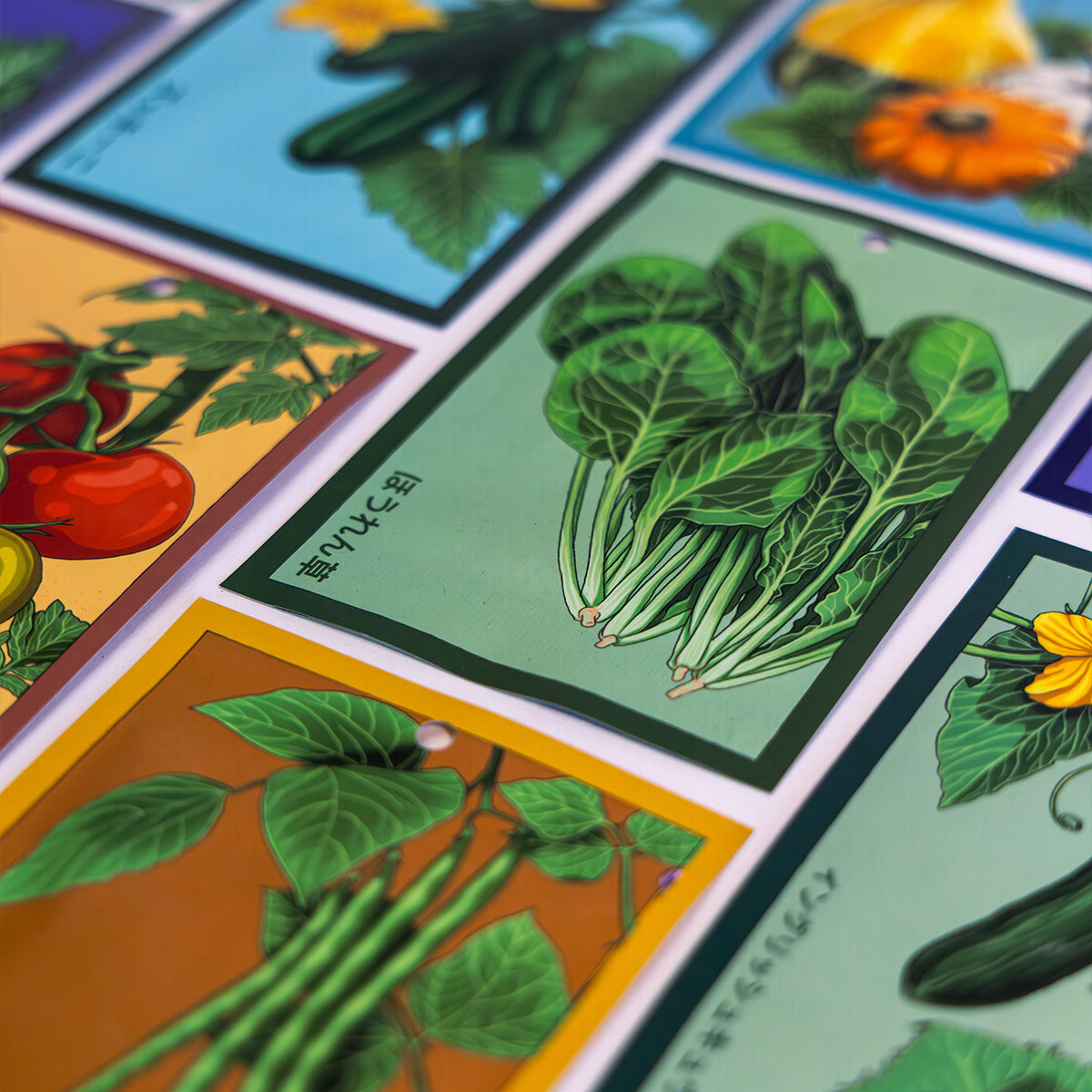
Vegetable Shido Seeds packets — by Chive Studio Toronto

More From Shido's Garden

Shido's vegetable seed lineup runs from single-color staples to mixed, multicolor blends like this one.

Buttercup Yellow Gay Paree Peony - Chive Ceramics Studio - Ceramic Flowers - Chive Ceramics Studio

Color That Doesn't Wait for Harvest

A rainbow carrot's color stays hidden until it's pulled from the ground, but Chive's Ivory Monch Aster shows its full color from the moment it's unwrapped.

Chive Shido seed packets with botanical illustrations on a peg rack, showing cherry blossom, tomato, and eggplant designs.

The credentials behind the packet

A mixed-color carrot packet promises variety that only shows up months later, underground, which makes a weak seed a particularly quiet kind of disappointment. The studio addresses that by keeping the packet's oxygen exposure to a minimum from the moment it's sealed, well before it ever reaches a shelf. A blend built around surprise deserves a seed dependable enough to actually deliver on it. A blend like this one is really where that consistency matters most, since disappointment would show up in five colors instead of just one. Getting five colors right starts with getting one packet right. Everything after that first step is really just soil, water, and time doing their job.


Plant Care, Simplified with Chive

Keep it alive, keep it thriving. Let's make plant parenthood look easy.

Nobody grows one dahlia. This is what nobody tells you.

Ryan Hearst
How to grow dahlias from seed: start indoors 6–8 weeks before last frost, transplant after frost, and expect first blooms in late summer. Nobody warns you that one bloom is all ...
Read more

Do Seeds Expire? How Long Do Seeds Last | Shido

Todd Newgren
Seeds don't expire — they lose viability as oxygen depletes stored energy, and vacuum sealing is the fix. Chive's Shido Seeds are vacuum-sealed, germination-tested, and stocked ...
Read more

Frequently asked questions

What is the best way to grow rainbow carrots?

Rainbow Mix carrots need loose, well-drained soil and full sun, the same basic requirements as a standard orange carrot, just applied across a wider blend of heirloom colors in one packet. Working compost into the bed ahead of planting also helps loosen denser soil considerably. Consistent moisture throughout matters just as much as the soil texture itself.

Do all the colors in a rainbow carrot mix taste the same?

Flavor stays broadly similar across the mix, sweet and earthy, though subtle differences in sweetness do show up between colors once cooked, which is worth noticing on your own. Trying each color side by side is really the best way to notice those subtle flavor differences. Purple varieties in particular tend to carry a slightly earthier note.

Why do carrots need loose soil to grow well?

Compacted or rocky soil causes roots to twist and fork around resistance underground, while loose, well-worked soil lets them grow straight and develop their full expected shape. Sifting out rocks and breaking up clumps before planting goes a long way toward preventing forking. A raised bed filled with loose soil solves this problem directly.

How do you prevent carrots from cracking?

Consistent watering is the biggest factor, since a heavy watering after a dry stretch causes the root to expand faster than its skin can accommodate, leading to visible cracks. Mulching can also help regulate soil moisture and reduce the kind of sudden swings that cause cracking. Mulching helps regulate that moisture more evenly across the growing season.

Do rainbow carrots need thinning after germination?

Yes, thinning seedlings early gives the remaining roots enough space to develop properly rather than competing underground, which matters just as much here as with a single-color carrot. Crowded seedlings compete directly for space underground, which often results in smaller, misshapen roots. Skipping this step is a common reason home-grown carrots come out smaller than expected.

How long do rainbow carrot seeds last?

Vacuum-sealed Shido Seeds packets remain viable for up to 10 years under proper storage, compared to roughly one year for a standard paper seed packet exposed to normal air and humidity. Storing unused packets somewhere cool and dry helps preserve that extended shelf life even further. That reliability matters given how much a carrot's shape depends on early conditions.

Can rainbow carrots be grown in containers?

Yes, provided the container is deep enough to accommodate full root development, generally at least a foot deep depending on the specific varieties included in the mix. That depth gives the mixed varieties in this blend enough room to reach their full size. Consistent watering in a container matters even more than in open garden soil.

Is this seed lab-tested for germination?

Yes — every Shido Seeds packet, this rainbow blend included, is germination-tested at independent third-party labs before it ever reaches a shelf. That standard applies across every color in the mix, not just the more common ones. That verification happens before any packet ships, mixed blends included. No shortcuts taken regardless of the blend involved.

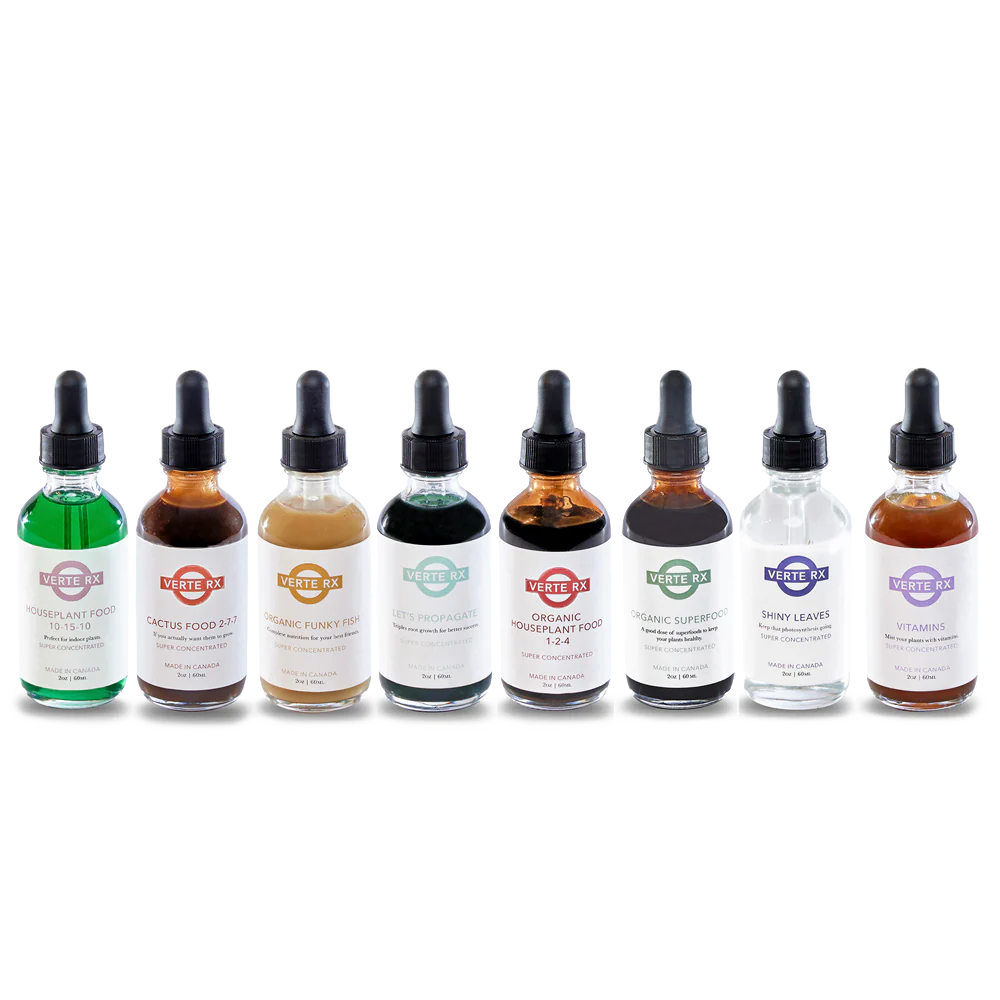
Verte Rx Shiny Leaves for Plants - Chive Ceramics Studio - Chive Ceramics Studio

The seed is the start. Verte RX handles the rest.

Most seedlings fail not from bad seed but from soil that runs out of what the plant needs before the plant can find it. Verte RX is a liquid plant vitamin formulated for exactly that window — the weeks after germination when the root system is establishing and the margin between thriving and stalling is narrowest.