Raspberry Fall Gold Fruit & Berry Seeds Packet

Regular price $4.95

FREE SHIPPING on seeds when you order 5 packs or more

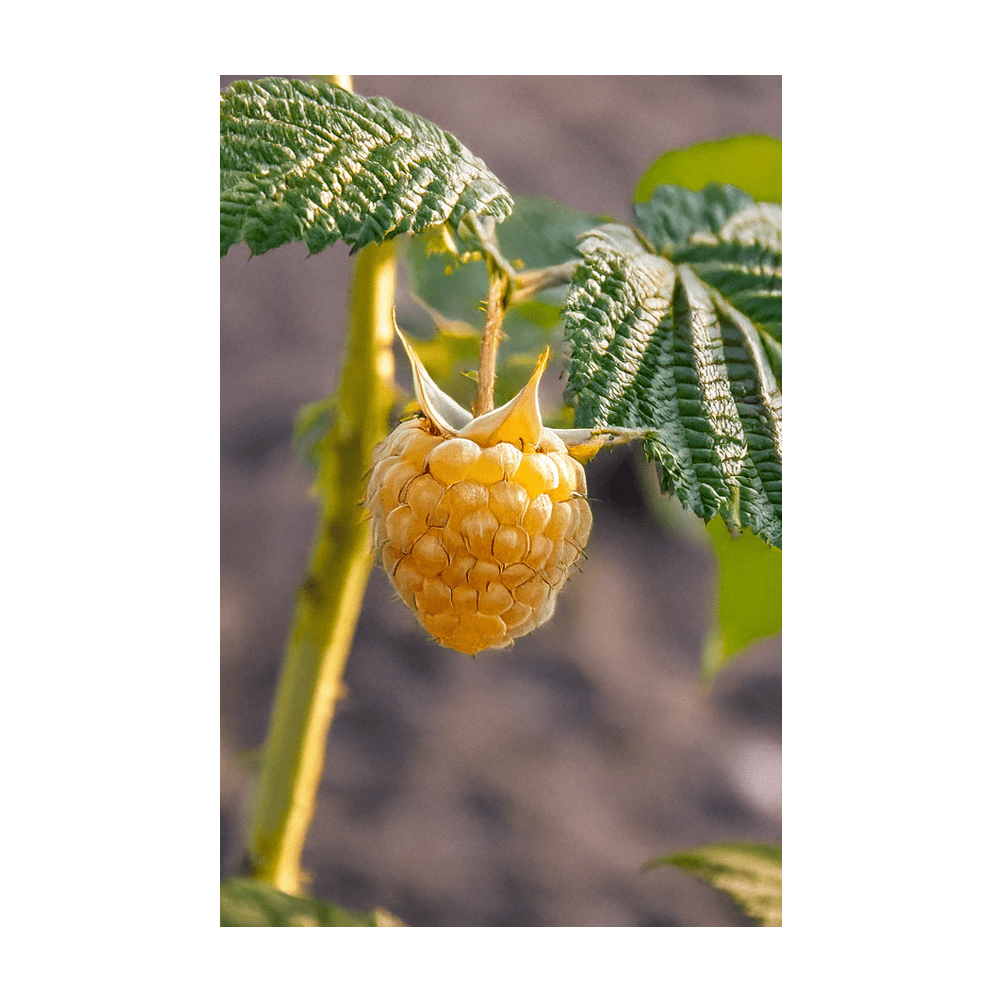
Raspberry Fall Gold seeds for the kitchen garden that intends to actually produce raspberry fall gold this year. Fall Gold raspberry is the colour of late afternoon in August, which is perhaps the most pleasant thing a fruit can aspire to.

Raspberry Fall Gold is autumn-fruiting raspberry with golden-yellow berries and an exceptionally sweet flavour. Each packet is hermetically vacuum-sealed -- removing the oxygen that causes standard paper seed packets to lose germination viability within approximately one year. State law requires a 3-year viability label on sealed packaging. NASA research on hermetic seed storage indicates viability of up to 10 years under proper conditions. Every packet is non-GMO and germination-tested at independent third-party labs before it earns its Japanese woodblock print artwork.

How to Grow Raspberry Fall Gold from Seed

Sowing and Germination

Start indoors 8-10 weeks before last frost or sow in autumn. Well-drained fertile soil.

Care and Harvest

Golden-yellow fruit with honey-sweet flavour. Autumn-fruiting. Prune after harvest.

Why Vacuum-Sealed Seeds Last Longer

Standard paper seed packets are permeable to oxygen and moisture -- the two primary causes of seed degradation. Most paper-packaged seeds begin losing germination viability after approximately one year, contributing to significant garden-industry waste: packets purchased, not planted, expired, discarded. Shido Seeds are hermetically vacuum-sealed. The packet does not expire quietly in a drawer. It waits.

About the Packaging

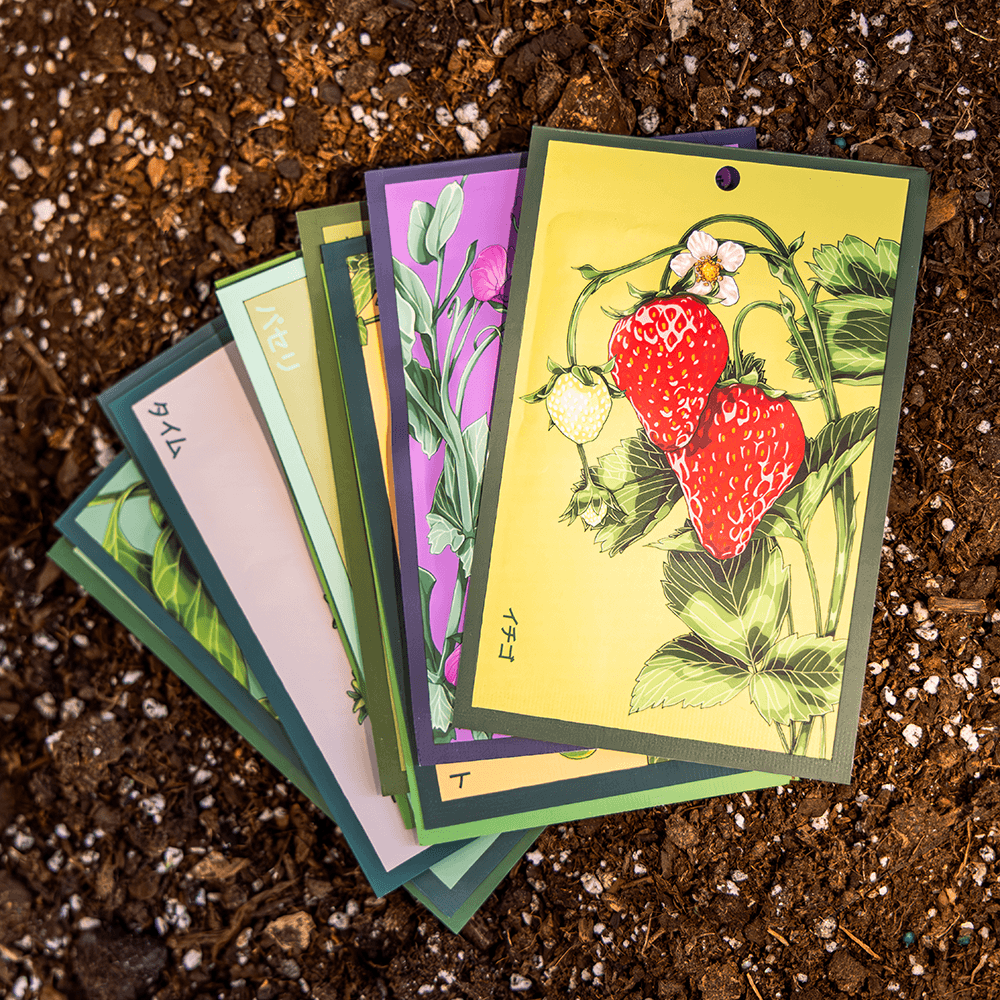
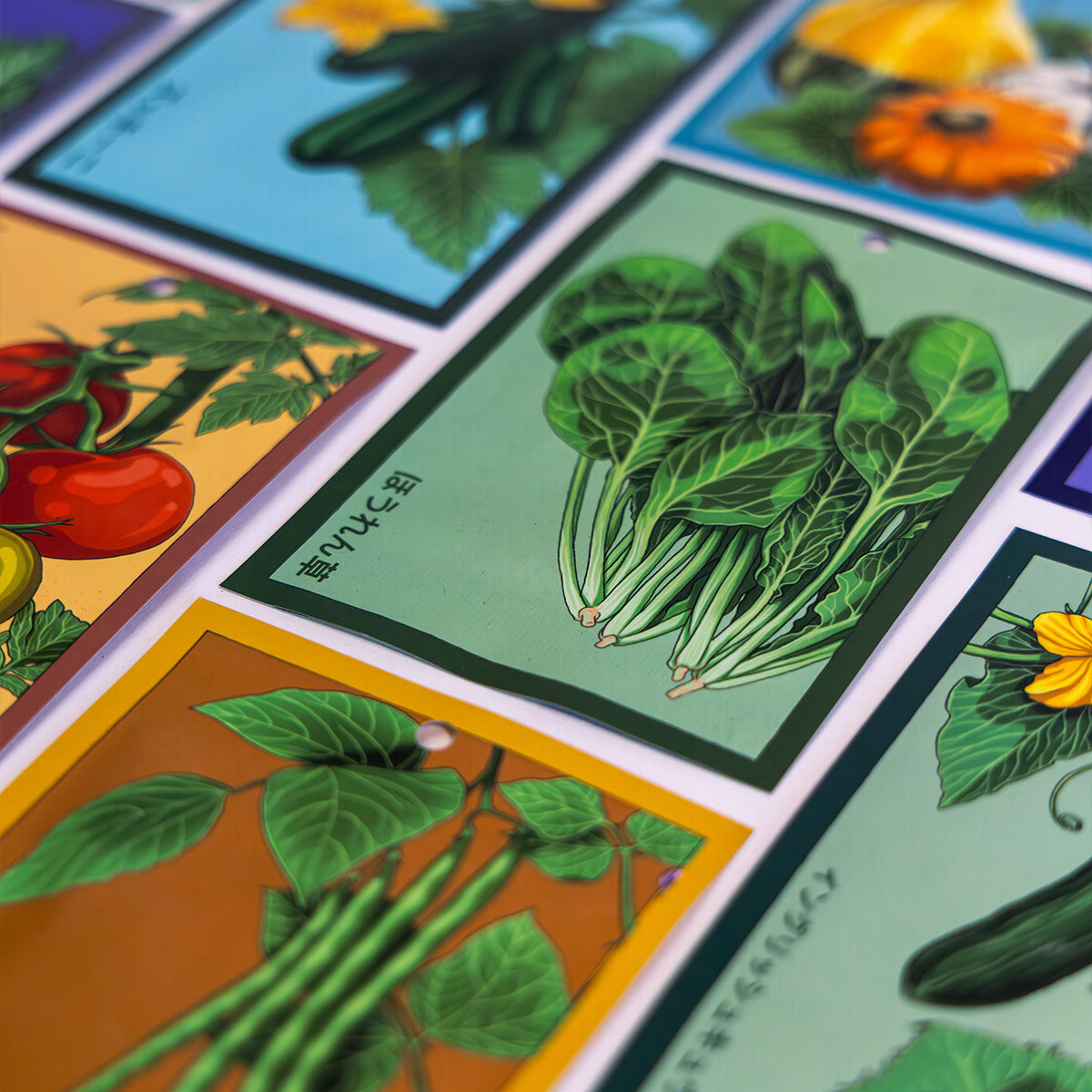
Every Shido seed packet is illustrated in the style of Japanese 1910s woodblock printing -- designed and drawn in-house by Chive, the Toronto ceramics studio that has been exhibiting at the Chelsea Flower Show in London every year and does not, as a matter of principle, sell to big-box retailers. Customers collect the packets as a series. This was not the original plan.

Quick Seed Overview

  • Plant Type: Perennial fruiting shrub
  • Genus: Rubus
  • Species: Rubus idaeus
  • Plant Height/Width: 4-6 feet tall / 3-4 feet wide
  • Season: Spring to Fall
  • Exposure: Full Sun
  • Difficulty: Moderate

Satisfaction Guarantee

We stand by the quality of our flower seed packets! With high germination rates and vibrant blooms, your garden is sure to flourish. If you're not completely satisfied, we’ll replace or refund—guaranteed!

Why Shido Seeds Are the Best

Our flower and vegetable seeds are beautifully packaged little packets of magic. Guaranteed to turn your garden into the envy of the neighborhood. Get your hands dirty and let nature simply do its thing.

How to Plant Raspberry Fall Gold from Seed

Pro Tip

For the best harvest, cut back all canes in late fall after fruiting is done. This forces the plant to put all its energy into fresh primocanes next season, leading to bigger berries and earlier yields. Also, plant them in raised beds if your soil tends to stay wet—raspberries hate “wet feet.”

Fall Gold raspberry seeds in hermetically sealed packet

Getting to know your Raspberry Fall Gold

Fall Gold raspberries are typically propagated from bare-root plants, suckers, or tissue culture rather than seeds. Raspberry seeds are extremely tiny (approximately 2,000-2,500 seeds per gram), hard, and embedded within the individual drupelets that make up each "berry." Each raspberry contains 100-120 tiny seeds. The seeds are dark brown to black, measuring less than 2mm in length. Seed propagation is unreliable for cultivated varieties like Fall Gold, as they may not breed true to type and can take 2-3 years to produce fruit. Fresh seeds require cold stratification (90+ days at 32-40°F) and scarification for germination. Commercial and home growers universally use vegetative propagation methods for reliable, true-to-type plants.

What it's used for

Culinary Applications:

  • Fresh eating: Extremely sweet - perfect straight off the cane!
  • Preserves and jams: Excellent for canning
  • Freezing: Maintains quality beautifully
  • Baking: Pies, tarts, muffins, scones
  • Desserts: Ice cream topping, fruit salads
  • Smoothies: Sweet flavor, vibrant color
  • Syrups and sauces: Drizzle over desserts
  • Garnishes: Elegant golden color for plating
  • Fresh fruit displays: Eye-catching alternative to red
  • Wine and liqueurs: Fermentation potential

Nutritional Benefits:

  • High in vitamin C and antioxidants
  • Good source of dietary fiber
  • Contains ellagic acid (anti-cancer properties)
  • Rich in manganese, vitamin K, and folate
  • Low calorie (approximately 64 calories per cup)
  • Plant-based nutrients and phytochemicals

Garden and Landscape Benefits:

  • Everbearing: two harvests per year!
  • Self-fertile (no pollinator needed)
  • Attracts bees and beneficial pollinators
  • White rose-like flowers in spring
  • Can serve as living privacy barrier
  • Suitable for containers
  • Winter hardy (zones 4-9)
  • Disease-resistant variety

Growth Requirements

Temperature:

  • USDA Hardiness Zones: 4-9 (some sources say 5-9)
  • Hardy to -20°F or below
  • Requires winter chill hours for proper fruiting
  • Growing season temperatures: 60-75°F ideal
  • Tolerates summer heat with adequate water
  • Flowers in April (spring)

Light:

  • Full sun preferred (6-8+ hours direct sunlight daily)
  • Can tolerate partial shade (4-6 hours)
  • 1⁄2 day to full sun recommended
  • More sun = sweeter berries and heavier yields
  • Some shade acceptable but yield reduced

Soil:

  • Organically rich, slightly acidic, well-drained soil
    pH range: 6.0-6.8 optimal
  • Deep, well-drained, fertile soil preferred
  • Raspberries dislike waterlogged soils
  • Avoid shallow chalky soils
  • Sandy loam to loamy soil ideal
  • Good drainage critical for success

Water:

  • Consistent moisture important
  • 1-2 inches per week during growing season
  • Deep rooted - moderate water needs
  • Drip irrigation highly recommended
  • Never waterlogged (causes root disease)
  • Critical during fruit development
  • Mulch helps maintain moisture

Space:

  • Plant height: 4-6 feet tall (120-180 cm)
  • Spread: 2-4 feet wide (60-120 cm)
  • Shallow-rooted: fill space 3-4 feet wide
  • Spacing: 2-3 feet apart within rows
  • Row spacing: 3-5 feet between rows
  • Container minimum: 15-20 gallon, 18-24 inches deep
  • Requires support (post and wire system or single stake)

Humidity:

  • Moderate humidity tolerated
  • High humidity can cause fungal issues
  • Good air circulation essential
  • Extra spacing recommended in humid zones

Maintenance

Seasonal Tasks:
Late Winter/Early Spring: Prune, fertilize, remove winter-damaged canes
Spring: White flowers appear, new growth emerges
Early Summer (June): First harvest from overwintered canes
Summer: Water consistently, train new canes
Late Summer/Fall (August-frost): Main harvest season

After Fall Harvest: Prune spent canes, mulch for winter
Fertilizing:
Spring fertilization supports healthy growth
Nutrient-rich soil essential
Apply compost or all-purpose fertilizer in spring
Newly set plants: fertilize 2-3 weeks after planting and again in early summer
Established plants: fertilize each spring
Avoid excessive nutrients (causes stunted growth, defoliation)
Container growing: monthly liquid fertilizer at half strength
Pruning (Critical for Everbearing Varieties!):
Two Pruning Options:
Option 1 - Single Fall Crop (Easiest):
Cut ALL canes to ground in late winter/early spring
Results in one large fall crop only
Simpler management
No staking required
Higher total yield
Option 2 - Two Crops (June + Fall):
After fall harvest: cut back only top 1/3 of canes that fruited
Leave bottom 2/3 for June fruiting next year
After June harvest: remove entire canes that fruited
Keep new primocanes for next fall harvest
More complex but provides two harvests
General Pruning:
Remove old fruiting canes completely at ground level
Thin to 5-10 strongest canes per plant

Remove weak, damaged, or diseased canes
Cut back tips damaged by winter
Prune young canes to 4-5 feet tall
Support Requirements:
Post and wire system most common
Single stake per plant for smaller plantings
T-bar trellis for row plantings
Can grow along fence
Support keeps fruit off ground and improves air circulation
Sucker Management:
Promptly remove excess suckers to control spread
Remove suckers extending into pathways
Thin new plants to maintain row width
Mulching:
Apply 2-4 inches organic mulch around plants
Helps retain moisture and suppress weeds
Keep mulch away from crowns
Consider removing mulch in spring to let plants warm up
Reapply after soil warms

Pests and Diseases

Pests and Diseases
Common Pests:
Aphids
Identification: Small, soft-bodied insects on new growth
Damage: Curled leaves, transmit viruses
Treatment: Strong water spray, insecticidal soap, beneficial insects
Prevention: Encourage natural predators

Raspberry Beetle
Identification: Small beetles; larvae in fruit
Damage: Maggots in berries
Treatment: Remove infested berries, organic insecticides
Prevention: Clean cultivation, remove plant debris
Glasshouse Red Spider Mite
Identification: Tiny mites causing stippled leaves
Damage: Yellowing foliage, fine webbing
Treatment: Spray with water, predatory mites
Prevention: Maintain humidity, avoid drought stress
Raspberry Leaf and Bud Mite
Identification: Microscopic mites causing distorted growth
Damage: Stunted, deformed leaves and buds
Treatment: Remove affected parts
Prevention: Use certified disease-free plants
Leafhoppers
Identification: Small wedge-shaped insects
Damage: Yellowing leaves, reduced vigor
Treatment: Insecticidal soap
Prevention: Row covers, beneficial insects
Common Diseases:
Important: Fall Gold is generally disease-resistant!
Raspberry Cane Blight
Symptoms: Lesions on canes, dieback
Treatment: Prune out affected canes, dispose properly
Prevention: Proper pruning, avoid wounding canes

Raspberry Spur Blight
Symptoms: Purple-brown areas around buds
Treatment: Remove affected canes
Prevention: Good air circulation, avoid overhead watering
Raspberry Rust
Symptoms: Orange pustules on undersides of leaves
Treatment: Remove infected leaves, fungicides
Prevention: Proper spacing, resistant varieties
Powdery Mildew
Symptoms: White powdery coating on leaves
Treatment: Improve air circulation, fungicides
Prevention: Proper spacing, avoid overcrowding
Raspberry Viruses
Symptoms: Mottled leaves, stunted growth
Treatment: No cure - remove and destroy infected plants
Prevention: Control aphids, use virus-free stock
Root Diseases:
Can develop in poorly drained or mulched soils
Prevention: Excellent drainage most critical

Growing Together with Shido

At Shido, everything we do starts with one goal: helping you have a truly successful growing experience. We know that planting seeds is just the beginning — your time, energy, and love for gardening are the real magic. That’s why we make sure the seeds you plant are fresh, full of life, and top-quality. When you choose Shido, you’re planting with confidence. We guarantee it.

Our mission is simple: bring you exceptional varieties of high-quality seeds at prices you’ll love, share detailed sowing and growing tips so you can thrive as a home gardener, and deliver the best customer service in the industry — with a smile.

Our Seed Safety Promise

We do not sell genetically modified seeds — ever. And we don’t use genetic engineering to breed new varieties. Instead, our skilled breeders use traditional, natural crossing methods to create hybrid seeds that are healthy, safe, and packed with potential.

Our Seed Quality Guarantee

At Shido, we believe great gardens start with great seeds — and that means quality comes first. Every seed lot we offer is ensure to generate top-notch germination because your garden deserves nothing less.

To keep our seeds at their peak, we run thorough pathology tests at trusted outside labs. When you open a Shido seed packet, you can trust it’s been nurtured, tested, and approved to give you strong, healthy plants from the very first sprout.

Types of Seeds We Offer

Hybrid Seeds (F1)

F1 hybrid seeds are the garden’s high achievers — created by crossing two specially chosen parent plants for superior vigor, uniformity, and performance. We use only traditional breeding methods to produce these powerhouse seeds.

Open-Pollinated & Heirloom Seeds

Our open-pollinated (OP) seeds naturally reproduce through wind, insects, water, or self-pollination. When grown in isolation, they produce true-to-type plants year after year.

Among our OP seeds are treasured heirloom varieties — old favorites that have been carefully passed down for generations. While OP plants can be less uniform than hybrids, we run our Open-Pollinated Project to select the most reliable, flavorful, and beautiful strains. Many are also available as certified organic seeds.

Non-GMO: What It Means and Why It Matters

A GMO (Genetically Modified Organism) is created when scientists alter a plant’s DNA in a lab — often by inserting genes from completely unrelated species — to achieve certain traits, like pest resistance or herbicide tolerance. This is a far cry from natural plant breeding.

At Shido, we believe gardening should stay as close to nature as possible. All our seeds — whether hybrid, heirloom, organic, or open-pollinated — are Non-GMO. They’re bred using traditional methods that respect natural biodiversity, giving you safe, wholesome seeds that grow into plants just as nature intended.

When you plant Shido Non-GMO seeds, you’re choosing purity, sustainability, and peace of mind — along with a garden full of flavor, color, and beauty.

Vacuum-Sealed for Freshness — Good for 10 Years

Every Shido seed packet is vacuum-sealed to lock in freshness and protect your seeds from moisture, air, and pests. This careful packaging not only preserves their quality but also extends their shelf life dramatically. Stored properly in a cool, dry place, our seeds remain viable for up to 10 years — so you can plant them now, next season, or even years down the road. Whether you’re planning a garden this spring or building a long-term seed stash, Shido seeds are ready when you are.


Feed Your Plants Like You Actually Know What You’re Doing

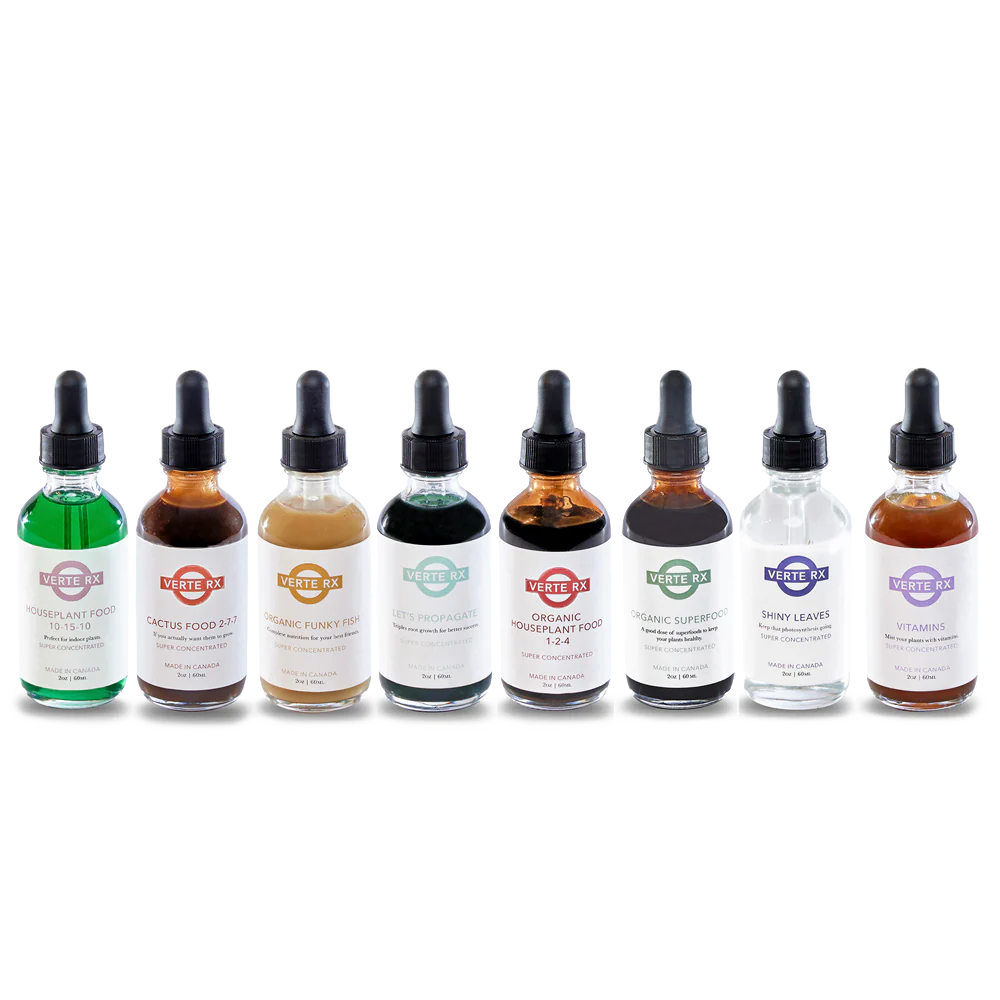
Your plants called—they're tired of your "just water and hope" approach. Give them VerteRx, the premium plant food packed with vitamins and growth boosters. Stronger roots, lusher leaves, and fewer judgmental stares from your fiddle-leaf fig. Because even plants deserve proper nutrition (unlike your diet).

Pretty Pots for Pretty Plants

Your plants work hard to look good—shouldn’t their pots do the same? Choose from our gorgeous flower pots and let your greenery thrive in style. Because plain plastic is just rude.