
Blackberry Fruit & Berry Seeds Packet

Regular price $4.95
Vacuum Sealed
NON-GMO
Seed Pack Guarantee

Build Your Garden With These Shido Seeds

Choose a seed packet as your starting point, then round out the bed with these for that thrown-together-but-somehow-perfect harvest.


Blackberry seeds grow into vigorous cane fruit that rewards a trellis and a bit of patience with an intense, glossy black harvest. Shido blackberry seeds are non-GMO and hermetically vacuum-sealed, so the packet holds its viability long after a paper one would have quietly failed. Standard paper-packed seeds begin losing germination viability after approximately one year.

The blackberry does not ask for much beyond space, support, and the understanding that you will be stained by September, and it considers that a fair trade. It spreads with the confidence of a plant that has never once doubted it belongs exactly where it's been put, canes reaching further every season whether you asked them to or not, and eventually further than the trellis technically allows. Every packet ships germination-tested at independent third-party labs before packaging, a formality the seed has already outlasted many times over inside its vacuum seal.

Seed specifications
  • Material: Seed
  • Botanical name: r. fruticosus
  • Genus: Rubus
  • Plant family: Rosaceae
  • Species: fruticosus
  • Plant type: Perennial bramble
  • Pollination type: Vegetable
  • USDA Hardiness Zones: 5–9 zone
  • Packet contents: ≈ 50 Seeds
  • Packaging: Hermetically vacuum-sealed
  • Non-GMO: Yes
  • Seed viability: Up to 10 years (sealed) / 4–5 years (unsealed, ideal conditions)
  • Difficulty: Moderate - Recreational Gardener
Sowing & growing guide

Quick Sowing Guide:

  • When to sow: 8–10 weeks before last frost
  • Sowing depth: 1/2-1/4 in
  • Initial spacing: 3-5 ft
  • Row spacing: 8–10 ft
  • Days to germination: 20 to 35 days
  • Light: Full Sun
  • Water: Consistent moisture
  • Soil: Moist, well-drained
  • Harvest: 2 years

Start Growing: Step-by-step sowing and growing guide

About vacuum sealing

Why Vacuum-Sealed Seeds Last Longer

Standard paper seed packets are permeable to oxygen and moisture -- the two primary causes of seed degradation. Most paper-packaged seeds begin losing germination viability after approximately one year, contributing to significant garden-industry waste: packets purchased, not planted, expired, discarded. Shido Seeds are hermetically vacuum-sealed. The packet does not expire quietly in a drawer. It waits.

About the Packaging

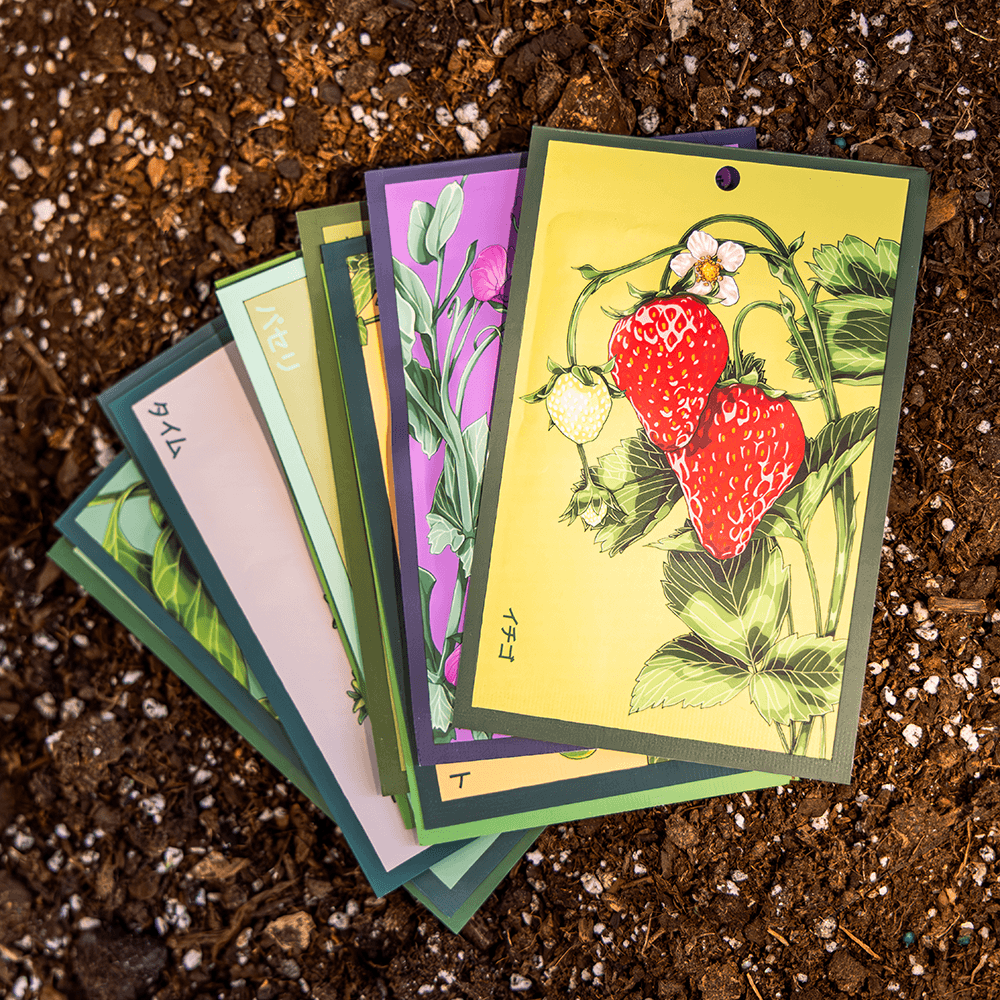
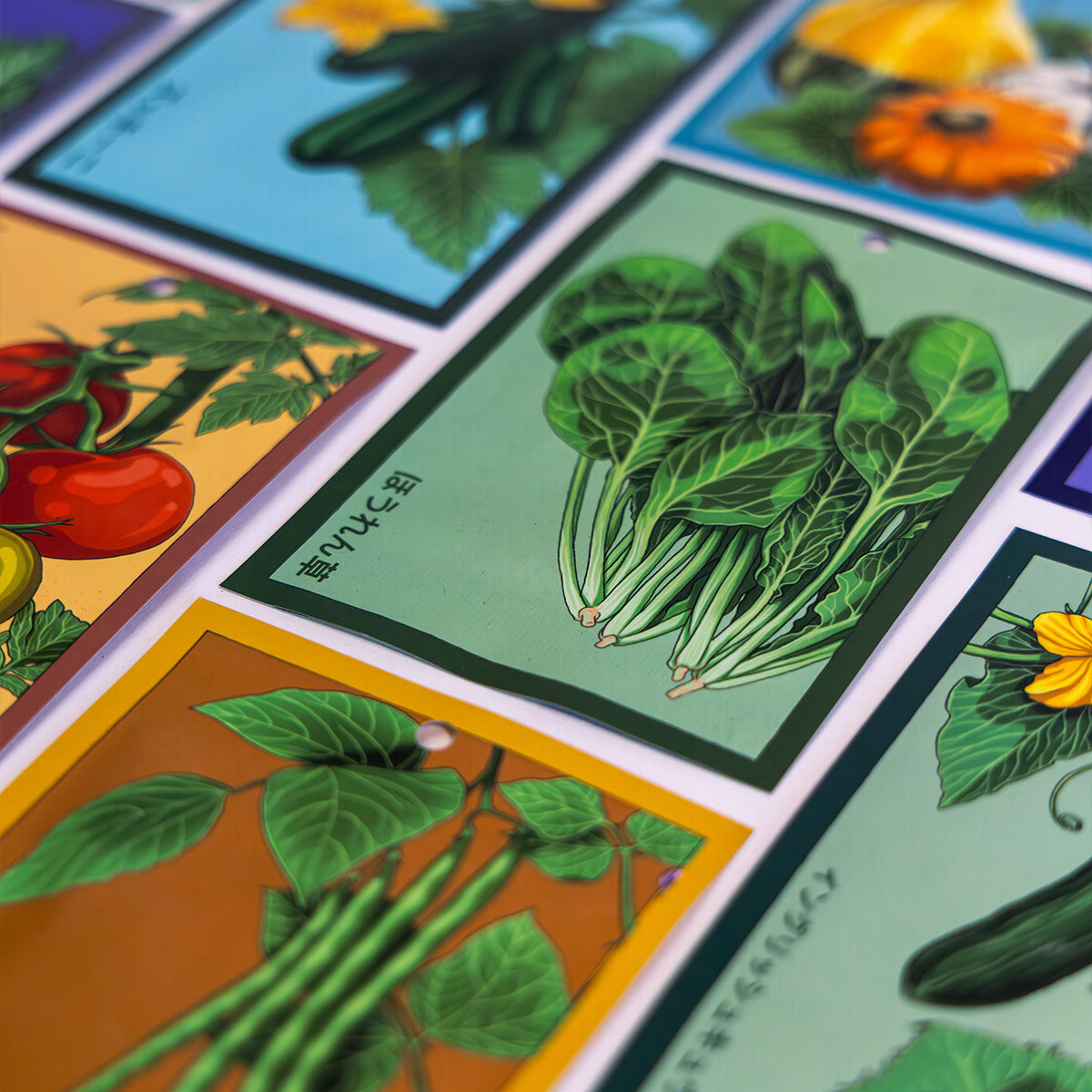
Every Shido seed packet is illustrated in the style of Japanese 1910s woodblock printing -- designed and drawn in-house by Chive, that has been exhibiting at the Chelsea Flower Show in London every year and does not, as a matter of principle, sell to big-box retailers. Customers collect the packets as a series. This was not the original plan.

Shipping & returns

Shipping

  • Free shipping: Orders $200+ within the US
  • Standard: 5–8 business days, Express 2–3 business days (at checkout)
  • International Ships: to 40 countries — rates at checkout
  • Packaging Ships: in outer box to protect gift box

View full shipping policy →

Returns

We accept returns within 30 days of delivery on unused items in original packaging. If your piece arrives damaged, contact us within 7 days with a photo and we will replace it at no charge.

View full return policy →

Satisfaction Guarantee

We stand by the quality of our flower seed packets! Every Shido seed packet is lab-tested for germination before it ships. If your seeds do not perform to the stated germination rate under correct growing conditions, contact us and we will replace or refund. Guaranteed!

Wholesale Inquires

Have a cool shop? Know someone that does?

Find Chive on Faire →

Radish Horticultural Specifications

Botanical

r. fruticosus

Plant Type

Perennial bramble

Light

Full Sun

Water

Consistent moisture

Soil

Moist, well-drained

Depth

1/2-1/4 in

Germination

20 to 35 days

USDA Zone

5–9 zone

Mature Height

3–6 ft

Harvest

2 years
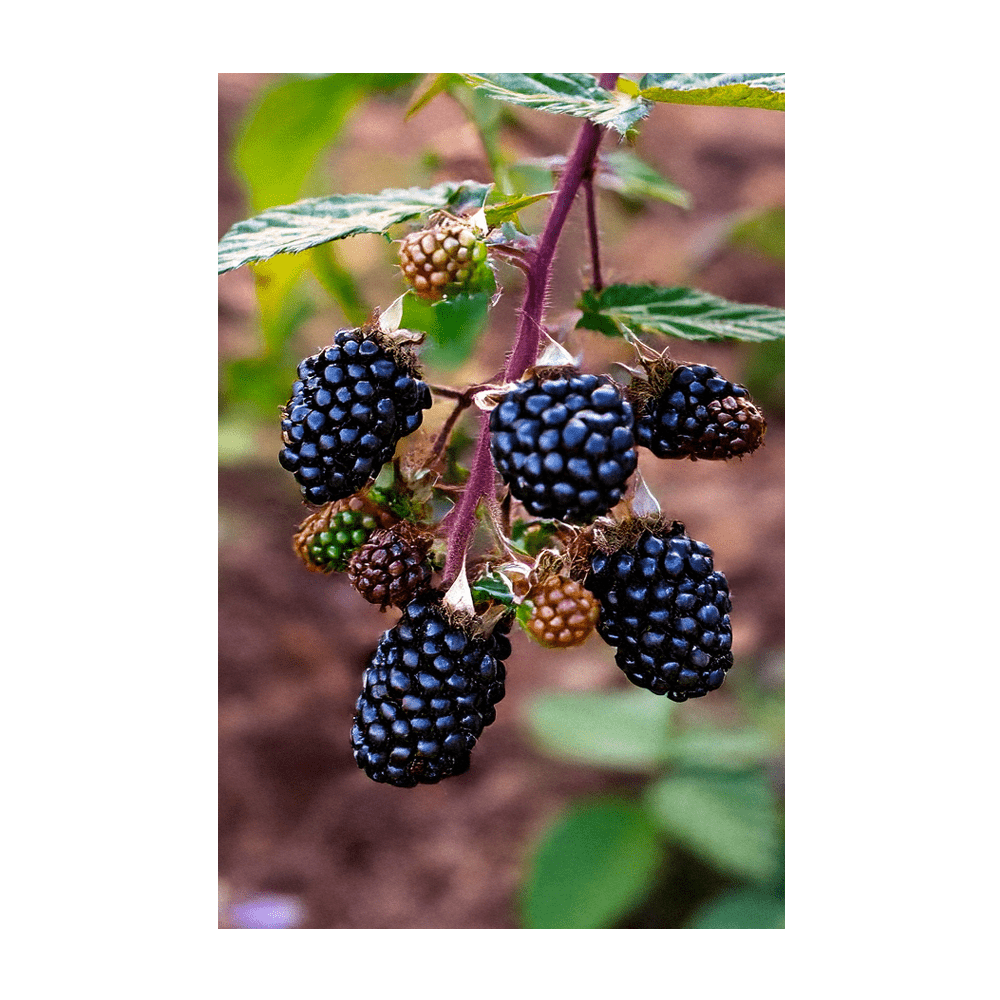

Blackberry plant flowering and fruiting on support structure

Getting to know your Blackberry

Blackberry is the wild child of the berry world. Fast-growing, a little thorny, and entirely unapologetic about it, it's the kind of plant that takes over, breaks the rules of whatever bed it's planted in, and rewards a gardener with armloads of inky, juicy fruit right around when patience was about to run out. This bramble is genuinely all about abundance, sending out long, arching canes, some of which root wherever they touch soil, forming thickets that don't much care about physical boundaries or a gardener's original plan for the space. Without regular pruning, it will become a genuine berry jungle, though anyone who enjoys a bit of botanical chaos alongside plenty of fresh fruit will find blackberry a fair trade. Blackberries are genuinely tough, tolerating poor soil, neglect, and drought once established, though full sun and a good trellis still bring out the best performance. Regular pruning helps keep the chaos manageable, but honestly, this plant will probably thrive even if some seasons get forgotten entirely. Plant blackberry if you're ready to share the garden with a fast, generous fruiting machine that may not stay exactly where it was planted but will show up every summer with flavor and real attitude to spare.


History & origin

Ancient Origins

Wild blackberries (various Rubus species) are native across Europe, Asia, and the Americas, and have been gathered by humans since prehistoric times -- among the most widespread wild-foraged fruits in the world.

19th Century American Breeding

Serious blackberry breeding and cultivar development accelerated in the United States in the mid-to-late 1800s, including the 1881 development in California of the Loganberry (a blackberry-raspberry cross by Judge James Harvey Logan), a direct precursor to the later development of hybrid brambles like boysenberry and tayberry.

Thornless Breeding, 20th Century

Much of 20th-century blackberry breeding focused on developing thornless varieties, making the fruit dramatically easier and safer to grow and harvest in home gardens.

Today

Grown worldwide both as wild-foraged fruit and cultivated garden and commercial crop, valued for its productivity and rich flavor.

Shido Vegetable and Flower Seeds Vacuum sealed for peak freshness

Step-by-Step Sowing & Growing Guide

Getting Started

Perennial bramble -- vigorous, thicket-forming

Step 1: Timing - Start indoors 8-10 weeks before last frost, or sow in a cold frame in fall -- bramble seed benefits from cold stratification, similar to raspberry.

Step 2: Soil - Well-drained, fertile loam, pH 5.5-6.5.

Step 3: Sowing - ¼ inch deep, kept moist.

Step 4: Transplant - Space plants 3-4 feet apart -- blackberries spread vigorously by suckers and will form a thicket if not managed, so plan boundaries (edging, mowing strips) from the start.

Step 5: Trellis - A simple two-wire trellis makes harvest easier and improves airflow, reducing fungal disease pressure, though free-standing bush types can be grown without one.

Step 6: Ongoing care - Remove spent floricanes after harvest each year, same general principle as raspberries -- canes that have fruited will not fruit again.

Step 7: Harvest - Pick once berries turn fully black and dull (not glossy) and detach with a gentle tug -- glossy black berries are usually a day or two away from full ripeness and flavor.

Before you start

Materials needed to sow

  • Seed trays, or a cold frame for fall sowing: Either method works, similar to raspberry.
  • Seed-starting mix: For indoor starts.
  • Refrigerator space and moist sand: For cold stratification, which benefits bramble seed generally.
  • Edging material or a root barrier: Worth installing before planting, not after -- blackberries sucker vigorously and will spread into a thicket without a physical boundary in place from the start.
  • A simple two-wire trellis: Optional for bush types, but makes harvest easier and improves airflow for any blackberry variety.
  • Pruning shears or loppers: For removing spent floricanes each year, the same general principle as raspberries.

Materials for harvest and storage

  • Shallow basket or tray: Prevents crushing under the weight of berries piled too deep.
  • Gloves: Many blackberry varieties retain thorns, even some so-called thornless types have occasional thorny canes -- worth having gloves on hand regardless.
  • Refrigerator storage, unwashed: Keeps a few days if kept dry and cool.
  • Freezer bags or trays: For preserving beyond the first few days.

Tip: Wait for the berry to turn fully black AND dull, not glossy -- a shiny black blackberry is usually still a day or two away from full ripeness and its best flavor, and it should come away with only the gentlest tug once it's actually ready.

Growth Requirements

Light:

  • Requires full sun.

Soil:

  • Prefers well-drained, fertile loam, pH 5.5-6.5.

Watering:

  • Requires consistent moisture.

Temperature & Climate:

  • Hardy in zones 5-9; some cold-hardy types extend to zone 4.

Fertilization:

  • Apply a balanced fertilizer in early spring.
  • Side-dress with potassium during fruiting.

Maintenance

Thicket Management:

  • Install edging or a root barrier before planting, not after — this species suckers vigorously and will spread well beyond its original spot without a boundary in place.

Mulching:

  • Apply organic mulch to retain moisture and suppress weeds.

Pruning:

  • Remove spent floricanes after harvest each year.

Watering:

  • Keep moisture consistent.

Harvesting:

  • Pick once fully black and dull, not glossy — glossy berries are usually still a day or two from full ripeness.

Storing:

  • Refrigerate unwashed for a few days.
  • Freezes well for longer storage.

Troubleshooting and common mistakes

  • Letting the thicket spread unmanaged — blackberries sucker vigorously -- without a boundary plan from the start, they will spread well beyond where they were planted
  • Judging ripeness by "black" color alone — glossy black berries are usually still a day or two from full ripeness -- wait for the color to turn fully dull/matte before picking

Culinary uses & nutritional information

What it's used for

1. Culinary Uses:

  • Consumed fresh.
  • Used in jams, preserves, and pies.
  • Used in wine-making.
  • Frozen for extended use.

2. Nutritional Value:

  • High in dietary fiber.
  • Good source of vitamin K and manganese.
  • Rich in antioxidant compounds.

3. Garden & Decorative Uses:

  • Trained on a trellis, it doubles as a productive privacy screen.
  • Makes a good companion plant with garlic and chives, commonly said to help deter aphids and other bramble pests.

What parts are edible

  • Fruit: The entire edible harvest -- an aggregate of drupelets. Unlike raspberries, the central core stays inside the fruit when picked rather than separating from it.
  • Leaves: Not part of the standard harvest, but traditionally dried for an herbal tea, similar to raspberry leaf.

Nutritional data

Raw blackberry, per 100g

Calories: 43 kcal

  • Carbohydrates: 9.6 g
  • Protein: 1.4 g
  • Total fat: 0.5 g
  • Dietary fiber: 5.3 g
  • Vitamin C: 21 mg (23% RDA)
  • Folates: 25 µg (6% RDA)
  • Potassium: 162 mg
  • Cholesterol: 0 mg
  • Vitamin K: 19.8 µg, plus notably high manganese (0.65 mg, 28% RDA) -- blackberries are a genuinely good source of both

Companion plants, pests & diseases

Companion planting

Good companions

  • Garlic, chives, tansy — commonly cited as helping deter aphids and other bramble pests

Poor companions / avoid

  • Nightshades (tomatoes, potatoes, eggplant, peppers) — share verticillium wilt susceptibility
  • Wild or unmanaged brambles nearby — virus risk

Pests

  • Raspberry crown borer — larvae tunnel into the crown and canes
  • Spider mites — worse in hot, dry conditions
  • Japanese beetle, stink bugs — feed on foliage and fruit

Diseases

  • Verticillium wilt — soil-borne; avoid planting after nightshades
  • Orange rust — a serious, systemic disease -- infected plants should be dug up and destroyed, since it doesn't clear on its own
  • Cane blight — wilting and dieback entering through wounds
  • Botrytis (grey mold) — affects fruit in humid conditions

Pro Tip

For a consistently high yield, rotate your berry patch every 7–8 years and practice tip layering—a propagation technique where the tip of a cane is buried to root and create a new plant. This helps rejuvenate your berry patch and ensures a continuous supply of fruit.

Seeds worth keeping

What makes Shido Seeds different

Shido Seeds are designed by Chive Studio, a ceramic design company. We are not a seed conglomerate. We do not sell through big-box retailers. Each variety in the catalog was selected because it is worth growing — not because it ships well in bulk or photographs well in marketing materials.

Every packet is germination-tested at an independent third-party lab before it earns its woodblock illustration. The vacuum seal removes the oxygen that causes standard paper packets to degrade. The stated germination rate is a floor, not a marketing figure.

If something goes wrong, contact us. We will make it right.

Plants that Grow together look good together...even if they are ceramic
A Hybrid Cousin Worth Trying
For a hybrid that shares blackberry's genes with a different personality, Tummelberry brings the same bramble energy with its own distinct flavor.

Vegetable Shido Seeds packets — by Chive Studio Toronto

More From the Fruit & Berry Lineup

Find this among Shido's fruit and berry seeds, where wild, vigorous brambles sit next to more compact, orderly fruit.

Buttercup Yellow Gay Paree Peony - Chive Ceramics Studio - Ceramic Flowers - Chive Ceramics Studio

Abundance Without the Thicket

A blackberry patch left unchecked becomes genuine wilderness, but Chive's Ivory Spider Mum stays exactly as arranged as the day it arrived.

Chive Shido seed packets with botanical illustrations on a peg rack, showing cherry blossom, tomato, and eggplant designs.

The credentials behind the packet

Glazing by hand means staying close enough to actually feel when a surface is ready, a kind of proximity no automated process quite replicates. Blackberry rewards that same closeness, thriving under a gardener who checks canes regularly rather than planting once and walking away for the season. That same hands-on attention carries through to how every packet gets sealed against oxygen, since a plant this responsive to touch deserves a start that wasn't left to chance. Distance rarely produces the best results, whether at the glazing bench or in a bramble patch that needs regular pruning to stay generous rather than wild. Chaos in the bramble patch is fine; chaos in the packaging isn't.


Plant Care, Simplified with Chive

Keep it alive, keep it thriving. Let's make plant parenthood look easy.

How to Plant Zinnia Seeds | Shido Seeds Guide

Todd Newgren
Zinnia seeds germinate in 7 days and bloom all summer long. You plant one packet thinking "a little color." By August, the zinnias have taken over. Learn the one rule that keeps...
Read more

Do Seeds Expire? How Long Do Seeds Last | Shido

Todd Newgren
Seeds don't expire — they lose viability as oxygen depletes stored energy, and vacuum sealing is the fix. Chive's Shido Seeds are vacuum-sealed, germination-tested, and stocked ...
Read more

Frequently asked questions

What is the best way to grow blackberries?

Blackberries tolerate poor soil, neglect, and drought once established, though full sun and a sturdy trellis bring out the best performance. Regular pruning helps manage the plant's genuinely vigorous, thicket-forming growth habit. That toughness is really the whole reason blackberry has a reputation for thriving almost anywhere. Regular pruning also helps direct that toughness toward fruit rather than unchecked spreading.

Why do blackberry canes root wherever they touch soil?

It's a natural spreading strategy built into the plant — arching canes that touch the ground readily take root, which is exactly how a blackberry patch expands into a thicket if left unpruned. It's a natural rooting mechanism that lets the plant spread and colonize new ground without human help.

How do you keep blackberries from taking over the garden?

Regular pruning and removing canes that root at the tips keeps growth contained, though even with attention, blackberries tend to spread more assertively than most other fruiting plants. Even attentive pruning won't fully stop that spreading tendency, just slow it to a more manageable pace. Consistent attention still noticeably improves shape and yield even on an already resilient plant.

Are blackberries difficult to grow?

Not particularly — they're genuinely tough, tolerating conditions that would stress out a fussier plant, which makes them a forgiving choice even for a less attentive gardener. That resilience makes it a reasonable first fruiting plant for a gardener nervous about killing something delicate. A stressed plant elsewhere in the garden would likely show real trouble under similar neglect.

Do blackberries need a trellis?

It helps considerably, keeping the long, arching canes organized and off the ground, though established blackberries will still produce even without one. Without one, canes still produce, just in a messier, more sprawling arrangement across the ground. A trellis also makes harvesting considerably easier by keeping fruit visible and accessible.

How long do blackberry seeds last?

Vacuum-sealed Shido Seeds packets stay viable for up to 10 years when stored properly, compared to roughly one year for a standard paper seed packet exposed to normal conditions. Chaos in the bramble patch is fine; chaos in the packaging isn't. Cool, dry storage further extends that shelf life well past the basic guarantee.

What's the best way to use fresh blackberries?

They hold up well eaten fresh, baked into pies and cobblers, or cooked down into jams and syrups that capture their intense, slightly tart flavor. Freezing a portion of the harvest also extends how long that intense flavor stays available afterward. That tart edge also balances well against sweeter fruit in a mixed dessert.

Was this seed line shown at a major flower show?

Chive has exhibited its seed line at the Philadelphia Flower Show, where feedback from professional growers has helped shape several varieties currently offered in the catalog. That scrutiny matters given how vigorously this plant tends to spread once established. That trade show presence has helped shape several varieties in the current fruit and berry lineup.

Verte Rx Shiny Leaves for Plants - Chive Ceramics Studio - Chive Ceramics Studio

The seed is the start. Verte RX handles the rest.

Most seedlings fail not from bad seed but from soil that runs out of what the plant needs before the plant can find it. Verte RX is a liquid plant vitamin formulated for exactly that window — the weeks after germination when the root system is establishing and the margin between thriving and stalling is narrowest.