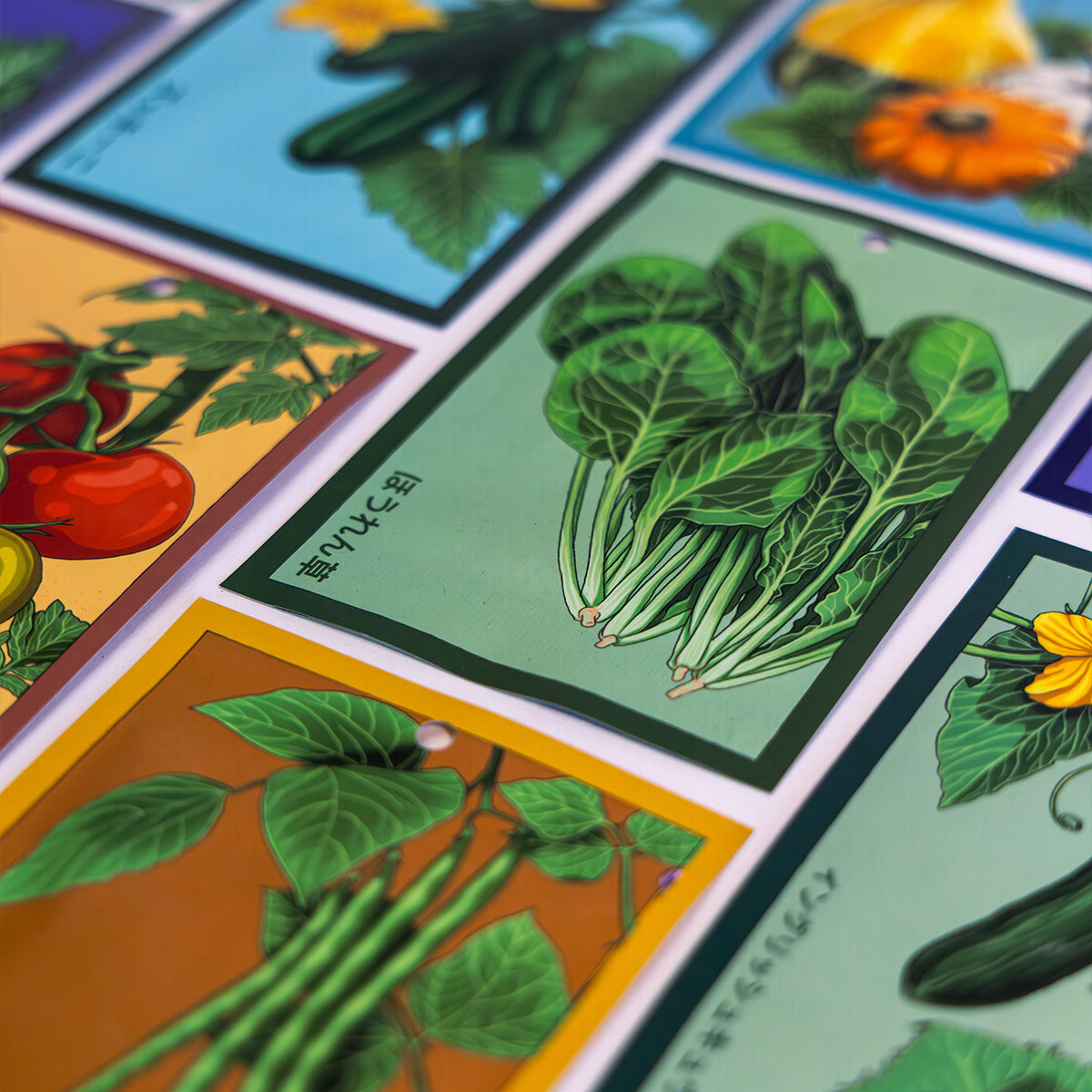
Spinach Vegetable Seeds Packet

Regular price $4.95
Vacuum Sealed
NON-GMO
Seed Pack Guarantee

Build Your Garden With These Shido Seeds

Choose a seed packet as your starting point, then round out the bed with these for that thrown-together-but-somehow-perfect harvest.


Spinach seeds for the kitchen garden that intends to actually produce spinach this year. Spinach is one of the few vegetables that improves in both flavour and reputation when grown at home.

Spinach is fast-growing cool-season leaf vegetable best harvested young when flavour is sweetest. Each packet is hermetically vacuum-sealed -- removing the oxygen that causes standard paper seed packets to lose germination viability within approximately one year. State law requires a 3-year viability label on sealed packaging. NASA research on hermetic seed storage indicates viability of up to 10 years under proper conditions. Every packet is non-GMO and germination-tested at independent third-party labs before it earns its Japanese woodblock print artwork.

Seed specifications
  • Material: Seed
  • Botanical name: Spinacia oleracea
  • Genus: Spinacia
  • Plant family: Amaranthaceae
  • Species: Oleracea
  • Plant type: Annual
  • Pollination type: Vegetable
  • USDA Hardiness Zones: 2-11
  • Packet contents: ≈ 100 Seeds
  • Packaging: Hermetically vacuum-sealed
  • Non-GMO: Yes
  • Seed viability: Up to 10 years (sealed) / 4–5 years (unsealed, ideal conditions)
  • Difficulty: Easy - Beginner Friendly
Sowing & growing guide

Quick Sowing Guide:

  • When to sow: Direct sow as soon as soil can be worked in early spring
  • Sowing depth: 1/2 in
  • Initial spacing: 3-6 in
  • Row spacing: 12-18 in
  • Days to germination: 5-10 days
  • Light: Full sun
  • Water: Consistent moisture
  • Soil: Fertile, well-drained
  • Harvest: 40-50 days

Start Growing: Step-by-step sowing and growing guide

About vacuum sealing

Why Vacuum-Sealed Seeds Last Longer

Standard paper seed packets are permeable to oxygen and moisture -- the two primary causes of seed degradation. Most paper-packaged seeds begin losing germination viability after approximately one year, contributing to significant garden-industry waste: packets purchased, not planted, expired, discarded. Shido Seeds are hermetically vacuum-sealed. The packet does not expire quietly in a drawer. It waits.

About the Packaging

Every Shido seed packet is illustrated in the style of Japanese 1910s woodblock printing -- designed and drawn in-house by Chive, that has been exhibiting at the Chelsea Flower Show in London every year and does not, as a matter of principle, sell to big-box retailers. Customers collect the packets as a series. This was not the original plan.

Shipping & returns

Shipping

  • Free shipping: Orders $200+ within the US
  • Standard: 5–8 business days, Express 2–3 business days (at checkout)
  • International Ships: to 40 countries — rates at checkout
  • Packaging Ships: in outer box to protect gift box

View full shipping policy →

Returns

We accept returns within 30 days of delivery on unused items in original packaging. If your piece arrives damaged, contact us within 7 days with a photo and we will replace it at no charge.

View full return policy →

Satisfaction Guarantee

We stand by the quality of our flower seed packets! Every Shido seed packet is lab-tested for germination before it ships. If your seeds do not perform to the stated germination rate under correct growing conditions, contact us and we will replace or refund. Guaranteed!

Wholesale Inquires

Have a cool shop? Know someone that does?

Find Chive on Faire →

Radish Horticultural Specifications

Botanical

Spinacia oleracea

Plant Type

Annual

Light

Full sun

Water

Consistent moisture

Soil

Fertile, well-drained

Depth

1/2 in

Germination

5-10 days

USDA Zone

2-11

Mature Height

6-12 in rosette

Harvest

40-50 days


Getting to know your Spinach

Spinach is a fast-growing, cool-season leafy green that thrives in well-drained, fertile soil, rewarding a gardener with results in a matter of weeks rather than months. It can be picked continuously as outer leaves mature, rather than requiring a single, one-time cutting the way some leafy crops do. Spinach carries real nutritional value, rich in iron, calcium, and vitamins A and C, which has helped cement its reputation as one of the more genuinely useful greens to grow at home. The plant bolts quickly once warm weather arrives, shifting energy toward flowering rather than leaf production, which makes timing considerably more important here than with a more heat-tolerant green. Succession planting, sowing a new small batch every couple of weeks, helps extend the usable harvest window well past what a single planting could manage on its own. Consistent moisture throughout growth supports that quick pace, and a stressed plant tends to bolt even earlier than one that's been watered steadily. Spinach suits both a quick raw salad and a lightly wilted side dish equally well, holding up to heat without losing all of its structure the way some tender greens do. Few vegetables move from seed to plate quite this quickly while still delivering this much nutritional payoff.


History & origin

Ancient Persia

Spinach (Spinacia oleracea) is believed to have originated in ancient Persia (modern Iran), with cultivation dating back over 2,000 years.

Spread via the Silk Road

Spinach traveled along trade routes into China by the 7th century CE, and westward into the Arab world and eventually Europe by the 12th century, often called "the Persian vegetable" in various historical texts along the way.

Moorish Spain

Spinach is believed to have entered Europe through Moorish Spain in the 12th century, spreading northward from there.

20th Century Popular Culture

Spinach's modern reputation for strength-building (popularized by the Popeye cartoon character starting in the 1930s) significantly boosted American consumption, despite the famous iron-content statistic behind the association being based partly on a data error.

Today

A global leafy green staple, grown on every populated continent.

Shido Vegetable and Flower Seeds Vacuum sealed for peak freshness

Step-by-Step Sowing & Growing Guide

Getting Started

Annual, direct sow, cool-season

Step 1: Timing - Direct sow as soon as soil can be worked in early spring, and again 6-8 weeks before first fall frost.

Step 2: Soil - Rich, well-drained loam, high nitrogen, pH 6.5-7.5.

Step 3: Sowing - ½ inch deep. Germinates poorly above 75°F, so timing matters more than for most greens.

Step 4: Ongoing care - Succession sow in cool weather rather than expecting one planting to last all season -- spinach bolts fast once heat arrives.

Step 5: Harvest - Cut outer leaves for a cut-and-come-again approach, or the whole rosette at once if bolting looks imminent.

Before you start

Materials needed to sow

  • Garden bed, prepared soil: Direct sown, no indoor trays needed.
  • Garden fork: For working in compost before sowing.
  • Row cover (optional): Extends the cool-season growing window on both ends.

Materials for harvest and storage

  • Scissors or a knife: For cutting leaves or the whole rosette cleanly.
  • Basket: For collecting leaves.
  • Salad spinner and airtight storage container: Removing excess moisture before storage extends fridge life noticeably.

Tip: Cut outer leaves for a cut-and-come-again approach, or the whole rosette at once if bolting looks imminent -- once a plant starts to bolt, remaining leaves turn bitter quickly, so it's better to harvest everything at that point rather than wait.

Growth Requirements

Light:

  • Prefers full sun to partial shade.
  • Too much heat causes early bolting, so partial shade is beneficial in warm climates.

Soil:

  • Requires well-draining, nutrient-rich soil with a pH of 6.0-7.5.
  • Adding organic compost improves soil fertility.

Watering:

  • Keep soil evenly moist, but avoid waterlogging.
  • Water deeply at the base to encourage root growth.

Temperature & Climate:

  • Spinach thrives in cool weather, with optimal temperatures of 50-65°F (10-18°C).
  • Protect from frost with row covers or cold frames.

Fertilization:

  • Apply a balanced fertilizer (10-10-10) or compost before planting.
  • Side-dress with nitrogen-rich amendments to boost leafy growth.

Maintenance

Mulching:

  • Apply a thin layer of mulch to retain moisture and suppress weeds.

Pruning & Bolting Prevention:

  • Remove yellowing leaves to promote new growth.
  • Provide shade or water frequently to delay bolting in warm weather.

Harvesting:

  • Baby spinach: Harvest leaves when they reach 3-4 inches long (25-30 days after sowing).
  • Mature spinach: Harvest outer leaves first, allowing inner leaves to continue growing.
  • For a full harvest, cut plants at the base before bolting.

Refrigeration:

  • Store fresh spinach in a sealed bag in the refrigerator for up to a week.

2. Freezing:

  • Blanch spinach leaves in boiling water for 2 minutes, then transfer to ice water.
  • Drain, pack into airtight freezer bags, and freeze for up to 6 months.

3. Drying:

  • Dehydrate leaves at 95°F (35°C) until crisp.
  • Store in airtight containers for long-term use.

Troubleshooting and common mistakes

  • Planting in warm weather — spinach bolts and turns bitter fast above roughly 75°F -- this is the single most common spinach complaint
  • Treating it as a one-planting crop — succession sow in cool weather rather than expecting one planting to last all season

Culinary uses & nutritional information

What it's used for

1. Culinary Uses:

  • Fresh spinach is used in salads, sandwiches, and smoothies.
  • Cooked spinach enhances soups, stir-fries, pasta dishes, and casseroles.
  • Baby spinach is popular for tender, mild-flavored greens.

2. Nutritional Benefits:

  • Rich in iron, calcium, fiber, and antioxidants.
  • Promotes heart health, bone strength, and digestion.
  • Low in calories and high in vitamin K and folate.

3. Companion Planting:

  • Spinach pairs well with radishes, carrots, strawberries, and legumes.
  • It deters weeds and improves soil health with its quick-growing habit.

What parts are edible

  • Leaves: The entire edible part of this crop.

Nutritional data

Raw spinach, per 100g

Calories: 23 kcal

  • Carbohydrates: 3.6 g
  • Protein: 2.9 g
  • Total fat: 0.4 g
  • Dietary fiber: 2.2 g
  • Vitamin C: 28.1 mg (31% RDA)
  • Folates: 194 µg (49% RDA) -- exceptionally high
  • Potassium: 558 mg
  • Cholesterol: 0 mg
  • Vitamin K: ~483 µg (well over 400% RDA) -- spinach's single most extreme nutrient, alongside iron and folate

Companion plants, pests & diseases

Companion planting

Good companions

  • Peas, beans — fast-growing companions with a similar cool-season window
  • Strawberries, radishes — low competition, compatible timing

Poor companions / avoid

  • Crowded plantings generally — no strongly antagonistic companion documented, but crowding raises downy mildew risk significantly for this crop specifically

Pests

  • Aphids — cluster on new growth
  • Leaf miners — tunneling trails in leaves
  • Flea beetles — shot-holes in leaves

Diseases

  • Planting in warm weather — spinach bolts and turns bitter fast above roughly 75°F -- this is the single most common spinach complaint
  • Treating it as a one-planting crop — succession sow in cool weather rather than expecting one planting to last all season

Pro Tip

Spinach thrives in cool weather, so plant it early in the spring or late summer for a fall harvest. To keep it from bolting (going to seed too quickly), provide partial shade in warmer months and keep the soil consistently moist. For a continuous harvest, sow new seeds every two weeks!

Seeds worth keeping

What makes Shido Seeds different

Shido Seeds are designed by Chive Studio, a ceramic design company. We are not a seed conglomerate. We do not sell through big-box retailers. Each variety in the catalog was selected because it is worth growing — not because it ships well in bulk or photographs well in marketing materials.

Every packet is germination-tested at an independent third-party lab before it earns its woodblock illustration. The vacuum seal removes the oxygen that causes standard paper packets to degrade. The stated germination rate is a floor, not a marketing figure.

If something goes wrong, contact us. We will make it right.

Plants that Grow together look good together...even if they are ceramic

Set of Chive Shido Seeds packets with fruit and flower illustrations on a soil background.

A More Heat-Tolerant Alternative

For a leafy green that holds up better once temperatures rise, Rainbow Chard shares spinach's quick growth with considerably more heat tolerance.

Vegetable Shido Seeds packets — by Chive Studio Toronto

The Rest of the Vegetable Garden

Shido's vegetable seed lineup runs from quick-bolting greens like this one to sturdier, more heat-tolerant options.

Buttercup Yellow Gay Paree Peony - Chive Ceramics Studio - Ceramic Flowers - Chive Ceramics Studio

Green That Never Bolts

Spinach bolts fast once the weather turns warm, and Chive's Ivory Keiko Peony stays exactly as it is regardless of the season outside.

Chive Shido seed packets with botanical illustrations on a peg rack, showing cherry blossom, tomato, and eggplant designs.

The credentials behind the packet

A crop this quick to bolt gives a gardener a narrow window to work with, which makes a slow-starting packet a genuine problem rather than a minor inconvenience. The studio protects that narrow window by removing oxygen from every packet well ahead of shipping, rather than leaving germination timing to chance. Spinach rewards speed at every stage, and the seed itself shouldn't be the one part of the process working against that. Every vegetable in the line gets that same sealed treatment, fast-bolting or otherwise. A quick crop deserves a quick, dependable start rather than a slow one working against it. Timing matters more here than with almost anything slower to bolt.


Plant Care, Simplified with Chive

Keep it alive, keep it thriving. Let's make plant parenthood look easy.

Are Seed Packets GMO? The Honest Answer

Todd Newgren
Are seed packets GMO? No—home garden seed packets, Shido included, are never genetically modified, since GMO seed is only made for large-scale commercial crops. The non-GMO badg...
Read more

Nobody grows one dahlia. This is what nobody tells you.

Ryan Hearst
How to grow dahlias from seed: start indoors 6–8 weeks before last frost, transplant after frost, and expect first blooms in late summer. Nobody warns you that one bloom is all ...
Read more

Frequently asked questions

What is the best way to grow spinach from seed?

Spinach thrives in well-drained, fertile soil during cool weather, growing quickly enough to reward a gardener with continuous harvests of outer leaves rather than a single one-time cutting. A bit of afternoon shade can also help extend the harvest slightly as temperatures start climbing. A bit of afternoon shade can also help extend the harvest as temperatures climb.

Why does spinach bolt so quickly in warm weather?

Rising temperatures signal the plant to shift energy toward flowering and seed production rather than leaf growth, which is why spinach performs best during a garden's cooler shoulder seasons. That shift in priority is really the entire reason timing matters so much with this particular crop. That shift in priority is really the entire reason timing matters this much here.

Can spinach be harvested more than once?

Yes — picking outer leaves as they mature allows continuous harvest over several weeks, rather than requiring the entire plant to be pulled at once. That continuous approach also reduces waste compared to a single, all-at-once harvest. That continuous approach also reduces waste compared to one large, all-at-once harvest. Most gardeners find weekly picking keeps pace nicely with new growth.

What nutrients does spinach provide?

It carries genuine nutritional value, rich in iron, calcium, and vitamins A and C, which has helped cement its reputation as one of the more useful leafy greens to grow at home. Adding it fresh to a smoothie is another simple way to make the most of that nutritional density.

How do you prevent spinach from bolting too early?

Succession planting in small batches every couple of weeks helps extend the usable harvest window, since each batch bolts on its own schedule rather than all at once. Cool, covered storage between sowings also helps preserve seed quality across an extended planting schedule. Cool, covered storage between sowings also helps preserve seed quality across a longer schedule.

How long do spinach seeds last?

Vacuum-sealed Shido Seeds packets stay viable for up to 10 years when stored properly, compared to roughly one year for a standard paper seed packet exposed to normal air and humidity. Cool, dry storage further extends that shelf life beyond the basic guarantee. That reliability matters given how narrow this crop's actual growing window already is.

Can spinach be grown in containers?

Yes, provided the container receives consistent watering and at least partial sun, since spinach's quick pace depends on steady moisture throughout its short growing window. Regular feeding also helps a container-grown plant keep pace with its own naturally quick growth cycle. Regular feeding also helps a container-grown plant keep pace with its own quick cycle.

Are these seeds lab-tested for germination?

Yes — every Shido Seeds packet, spinach included, is germination-tested at independent third-party labs before it ever reaches a shelf, given how quickly timing matters for this crop. That scrutiny matters given how much this crop's short window depends on early reliability. No shortcuts taken on a crop with this little room for delay.

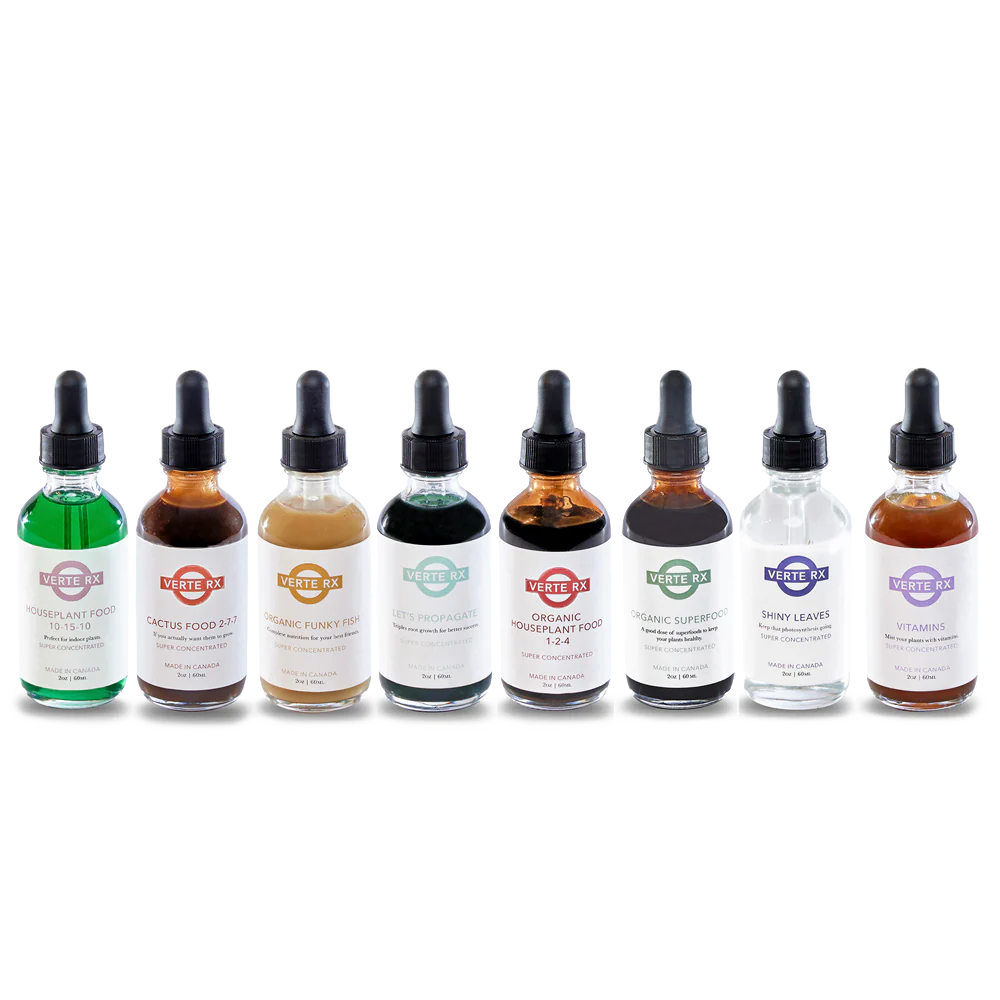
Verte Rx Shiny Leaves for Plants - Chive Ceramics Studio - Chive Ceramics Studio

The seed is the start. Verte RX handles the rest.

Most seedlings fail not from bad seed but from soil that runs out of what the plant needs before the plant can find it. Verte RX is a liquid plant vitamin formulated for exactly that window — the weeks after germination when the root system is establishing and the margin between thriving and stalling is narrowest.