
Rainbow Chard Vegetable Seeds Packet

Regular price $4.95
Vacuum Sealed
NON-GMO
Seed Pack Guarantee

Build Your Garden With These Shido Seeds

Choose a seed packet as your starting point, then round out the bed with these for that thrown-together-but-somehow-perfect harvest.


Rainbow Chard seeds for the kitchen garden that intends to actually produce rainbow chard this year. Rainbow Chard is the only vegetable that works equally well in the kitchen garden and the flower border, and knows it.

Rainbow Chard is ornamental and edible in equal measure -- colourful stems that improve both the garden and the plate. Each packet is hermetically vacuum-sealed -- removing the oxygen that causes standard paper seed packets to lose germination viability within approximately one year. State law requires a 3-year viability label on sealed packaging. NASA research on hermetic seed storage indicates viability of up to 10 years under proper conditions. Every packet is non-GMO and germination-tested at independent third-party labs before it earns its Japanese woodblock print artwork.

Seed specifications
  • Material: Seed
  • Botanical name: Beta vulgaris var. cicla
  • Genus: Beta
  • Plant family: Amaranthaceae
  • Species: Vulgaris
  • Plant type: Biennial, grown as an annual
  • Pollination type: Vegetable
  • USDA Hardiness Zones: 6-7
  • Packet contents: ≈ 30 Seeds
  • Packaging: Hermetically vacuum-sealed
  • Non-GMO: Yes
  • Seed viability: Up to 10 years (sealed) / 4–5 years (unsealed, ideal conditions)
  • Difficulty: Easy - Beginner Friendly
Sowing & growing guide

Quick Sowing Guide:

  • When to sow: Direct sow 2-3 wks before last frost
  • Sowing depth: 1/2 in
  • Initial spacing: 4-6 in
  • Row spacing: 18-24 in
  • Days to germination: 7-14 days
  • Light: Full sun
  • Water: Consistent moisture
  • Soil: Sandy or loamy, well-drained
  • Harvest: 50-60 days

Start Growing: Step-by-step sowing and growing guide

About vacuum sealing

Why Vacuum-Sealed Seeds Last Longer

Standard paper seed packets are permeable to oxygen and moisture -- the two primary causes of seed degradation. Most paper-packaged seeds begin losing germination viability after approximately one year, contributing to significant garden-industry waste: packets purchased, not planted, expired, discarded. Shido Seeds are hermetically vacuum-sealed. The packet does not expire quietly in a drawer. It waits.

About the Packaging

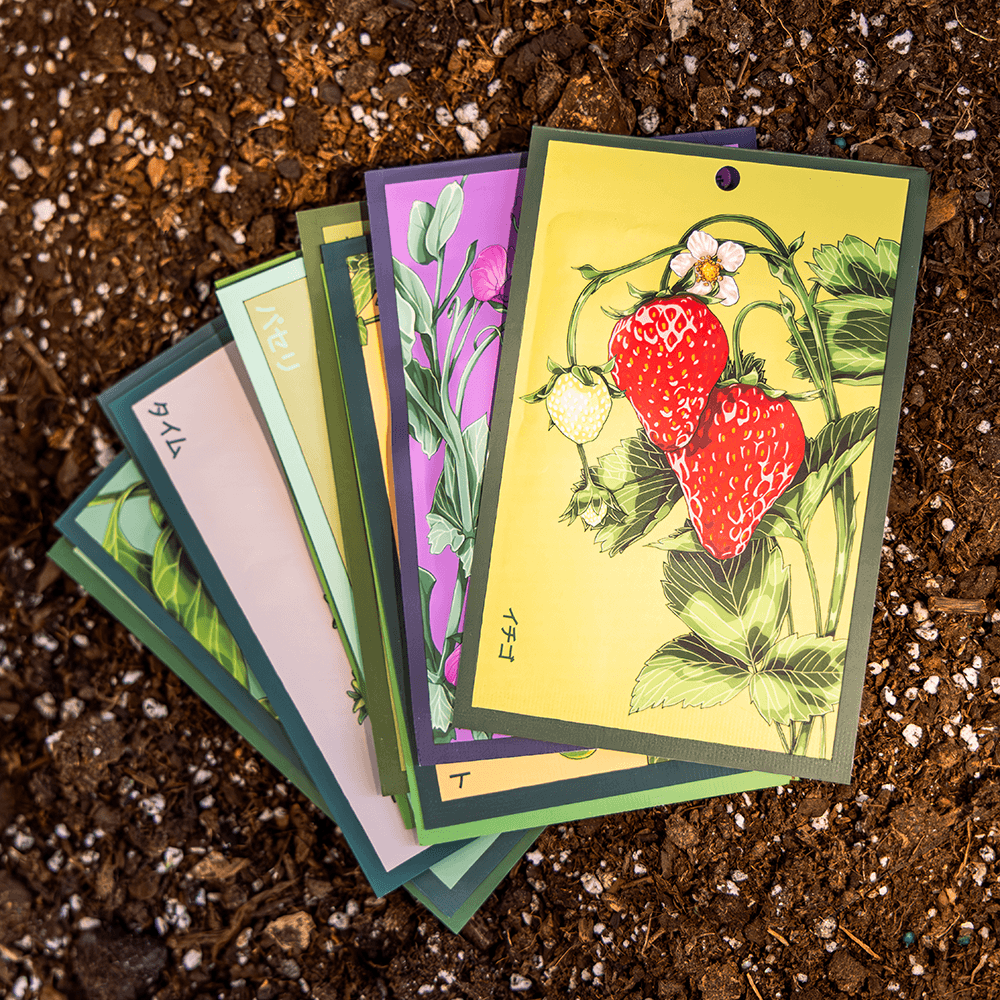
Every Shido seed packet is illustrated in the style of Japanese 1910s woodblock printing -- designed and drawn in-house by Chive, that has been exhibiting at the Chelsea Flower Show in London every year and does not, as a matter of principle, sell to big-box retailers. Customers collect the packets as a series. This was not the original plan.

Shipping & returns

Shipping

  • Free shipping: Orders $200+ within the US
  • Standard: 5–8 business days, Express 2–3 business days (at checkout)
  • International Ships: to 40 countries — rates at checkout
  • Packaging Ships: in outer box to protect gift box

View full shipping policy →

Returns

We accept returns within 30 days of delivery on unused items in original packaging. If your piece arrives damaged, contact us within 7 days with a photo and we will replace it at no charge.

View full return policy →

Satisfaction Guarantee

We stand by the quality of our flower seed packets! Every Shido seed packet is lab-tested for germination before it ships. If your seeds do not perform to the stated germination rate under correct growing conditions, contact us and we will replace or refund. Guaranteed!

Wholesale Inquires

Have a cool shop? Know someone that does?

Find Chive on Faire →

Radish Horticultural Specifications

Botanical

Beta vulgaris var. cicla

Plant Type

Biennial, grown as an annual

Light

Full sun

Water

Consistent moisture

Soil

Sandy or loamy, well-drained

Depth

1/2 in

Germination

7-14 days

USDA Zone

6-7

Mature Height

18-24 in

Harvest

50-60 days


Getting to know your Rainbow Chard

Rainbow chard features broad, crinkled leaves paired with strikingly colorful stems that run through shades of red, yellow, orange, and white, all growing from the same packet of mixed seed. It thrives across a genuinely wide range of climates, tolerating both cooler conditions and a fair amount of heat better than many other leafy greens manage. The plant stays highly productive throughout the season, pushing out new leaves continuously as long as it's harvested correctly, taking outer leaves rather than cutting the whole plant down at once. Rainbow chard grows well as a cut-and-come-again crop, which means a single planting can realistically supply a household with fresh greens for months rather than one single harvest. The colorful stems aren't just visual flair either; they hold up well cooked alongside the leaves, adding a mild earthiness that complements the leaf's own gentle, slightly mineral flavor. Well-drained, fertile soil and consistent watering support that extended productivity, since a stressed plant tends to bolt toward seed production earlier than a well-tended one would. Few leafy greens offer this much visual variety alongside this much practical, ongoing harvest. That combination is really the whole appeal of growing a mixed chard blend over a single-color variety.


History & origin

Ancient Mediterranean

Chard (Beta vulgaris) shares its species with beets, both descending from wild sea beet native to Mediterranean and Atlantic coastlines -- chard was selected for its leaves and stems rather than a swollen root.

Ancient Greece

Aristotle referenced chard in his writings, and it was well established as a distinct crop from the root-focused beet by classical Greek and Roman times.

Medieval Europe

Chard remained a common leafy vegetable throughout medieval Europe, valued for its tolerance of poor soil and ability to be harvested continuously over a long season.

Modern Rainbow Breeding

'Rainbow' or 'Bright Lights' style chard blends, combining red, yellow, orange, pink, and white stems in one planting, became popular from the late 20th century onward, prized as much for ornamental garden appeal as for the kitchen.

Today

A popular choice for both culinary use and ornamental edible landscaping, given its colorful stems.

Shido Vegetable and Flower Seeds Vacuum sealed for peak freshness

Step-by-Step Sowing & Growing Guide

Getting Started

Biennial grown as an annual, notably heat-tolerant

Step 1: Timing - Direct sow 2-3 weeks before last frost -- can also be sown through summer given its heat tolerance.

Step 2: Soil - Rich, well-drained loam, pH 6.0-7.0.

Step 3: Sowing - ½-1 inch deep. Each "seed" is actually a cluster of several seeds.

Step 4: Thinning - Thin multi-seed clusters to one seedling each -- more important here than for single-seed crops, or plants crowd and stems stay thin.

Step 5: Harvest - Cut outer leaves/stems at the base and let the center keep producing -- this variety can be harvested nearly all season.

Before you start

Materials needed to sow

  • Garden bed, prepared soil: Direct sown.
  • Garden fork: For working soil before sowing.
  • Thinning shears or scissors: Each seed is actually a cluster of several seeds -- thinning to one seedling per spot matters more here than for single-seed crops.

Materials for harvest and storage

  • Scissors or a knife: For cutting stems at the base.
  • Basket: For collecting the colorful stems and leaves.
  • Blanching setup for freezing: Chard freezes well, though stems and leaves are best prepped and frozen separately given their different cooking times.

Tip: Cut outer leaves and stems at the base, leaving the center to keep producing -- this variety's heat tolerance means it can often be harvested nearly all season from a single planting.

Growth Requirements

Light:

  • Grows best in full sun but tolerates partial shade.

Soil:

  • Prefers well-draining, loamy soil with a pH of 6.0-7.0.

Watering:

  • Keep the soil evenly moist but avoid overwatering to prevent root rot.

Sunlight:

  • Thrives in full sun but can tolerate partial shade.

Fertilization:

  • Apply a balanced fertilizer or compost to encourage leafy growth.

Temperature:

  • Rainbow chard grows well in temperatures between 50-80°F (10-27°C) and is frost-tolerant.

Maintenance

Harvesting:

  • Begin harvesting outer leaves when they reach about 8-10 inches (20-25 cm) tall.
  • Cut leaves at the base while leaving the central growing point intact to promote regrowth.
  • Continuous harvesting encourages more leaf production throughout the season.

Troubleshooting and common mistakes

  • Skipping thinning — chard seed is actually a cluster of several seeds, often producing multiple seedlings per spot -- unthinned plantings crowd and produce thin stems
  • Treating stems and leaves the same when cooking — stems take noticeably longer to cook than leaves -- worth separating them in prep, and in any freezing/storage instructions

Culinary uses & nutritional information

What it's used for

1. Culinary Applications:

  • Sautéed quickly as a simple side dish, similar to spinach
  • Added to soups, stews, and braises for body and color
  • Stems cooked separately from the leaves, since they take longer, or pickled on their own
  • Used in gratins, quiches, and savory tarts
  • Young, small leaves eaten raw in salads

2. Nutritional Benefits:

  • Extremely high in vitamin K, one of the most concentrated sources among common leafy greens
  • Good source of vitamin C and potassium
  • Contains magnesium and dietary fiber
  • Low in calories relative to how substantial it is in cooking

3. Garden and Ornamental Uses:

  • Genuinely ornamental — red, yellow, orange, pink, and white stems make this a striking addition to a mixed bed, not just a vegetable patch
  • Popular in edible landscaping specifically for this colorful stem display
  • Suits containers as well as garden beds
  • Provides visual interest for months given its long, heat-tolerant harvest window

4. Practical Benefits:

  • True cut-and-come-again crop, harvested continuously rather than all at once
  • More heat-tolerant than spinach or lettuce, extending usable harvest further into summer
  • Both leaves and stems are used, reducing what goes to waste from a single planting
  • Well suited to small, frequent harvests rather than needing to process a large crop all at once

What parts are edible

  • Leaves: Edible, cooked quickly, similar to spinach.
  • Stems: Edible but take noticeably longer to cook than the leaves -- often prepared separately, and the colorful stems are part of this variety's appeal.

Nutritional data

Raw Swiss chard, per 100g

Calories: 19 kcal

  • Carbohydrates: 3.7 g
  • Protein: 1.8 g
  • Total fat: 0.2 g
  • Dietary fiber: 1.6 g
  • Vitamin C: 30 mg (33% RDA)
  • Folates: 14 µg (4% RDA)
  • Potassium: 379 mg
  • Cholesterol: 0 mg
  • Vitamin K: ~830 µg -- one of the single highest vitamin K concentrations of any vegetable in this project

Companion plants, pests & diseases

Companion planting

Good companions

  • Onions, beans — compatible timing, low competition
  • Cabbage family, mint — general leafy-green companion pairing

Poor companions / avoid

  • Other goosefoot/amaranth-family plants growing too closely — competition rather than true antagonism

Pests

  • Leaf miners — tunneling trails visible in leaves, a persistent chard-specific issue
  • Aphids, flea beetles — standard leafy-green pest pressures

Diseases

  • Downy mildew — favors crowded, humid conditions
  • Cercospora leaf spot — circular spots with dark borders
  • Root rot — in poorly drained soil

Pro Tip

Rainbow chard is a cut-and-come-again crop, so harvest outer leaves regularly to keep it producing for months! It thrives in rich, well-draining soil—add compost for extra nutrients.

Bonus: Chard can handle light frost, but for sweeter leaves, give it some shade in hot weather.

Seeds worth keeping

What makes Shido Seeds different

Shido Seeds are designed by Chive Studio, a ceramic design company. We are not a seed conglomerate. We do not sell through big-box retailers. Each variety in the catalog was selected because it is worth growing — not because it ships well in bulk or photographs well in marketing materials.

Every packet is germination-tested at an independent third-party lab before it earns its woodblock illustration. The vacuum seal removes the oxygen that causes standard paper packets to degrade. The stated germination rate is a floor, not a marketing figure.

If something goes wrong, contact us. We will make it right.

Plants that Grow together look good together...even if they are ceramic
A Milder Leafy Alternative
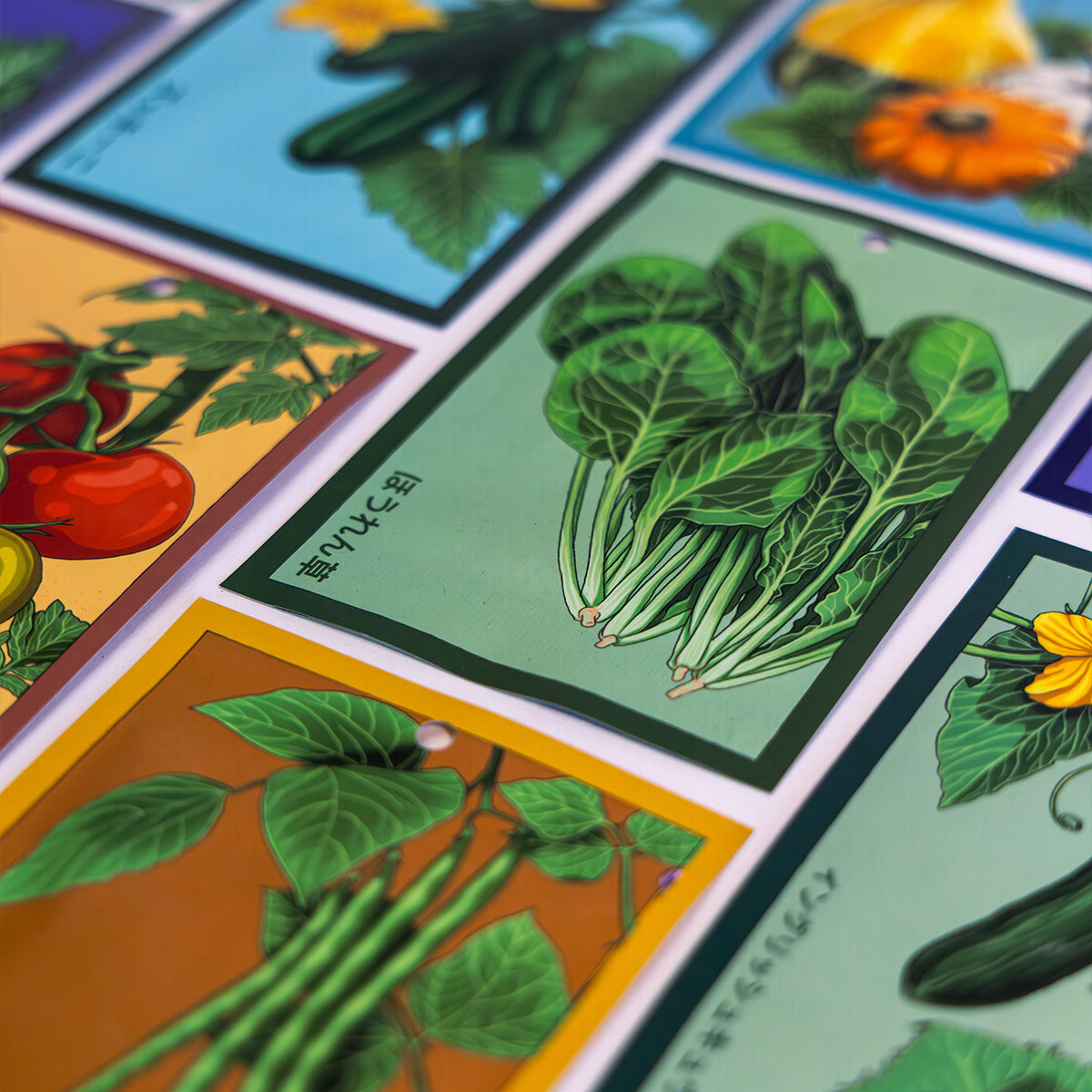
For a gentler leafy green with similar growing needs, Spinach trades chard's colorful stems for a faster, more delicate leaf.

Vegetable Shido Seeds packets — by Chive Studio Toronto

The Rest of the Vegetable Garden

Explore Shido's full vegetable seed catalog for other leafy greens that share chard's tolerance for a wide range of climates.

Buttercup Yellow Gay Paree Peony - Chive Ceramics Studio - Ceramic Flowers - Chive Ceramics Studio

Color That Doesn't Wait on Weather

Chard's stems only show their full color once established, but Chive's Ivory Empire Cabbage Flower arrives already at full, vivid color.

Chive Shido seed packets with botanical illustrations on a peg rack, showing cherry blossom, tomato, and eggplant designs.

The credentials behind the packet

A mixed-color packet promises variety that only shows up once the plants are actually growing, which makes a weak seed a particularly disappointing kind of letdown. Keeping every packet's oxygen exposure low from the start is how the studio guards that promise, rather than leaving germination up to whatever a paper envelope happens to preserve. A blend built around visual surprise deserves a seed dependable enough to actually deliver on all the colors advertised. That same sealed care extends to every vegetable in the lineup, not just the mixed varieties. Five colors depending on one reliable seed is really the whole bet a gardener is making. A blend this colorful earns the extra scrutiny.


Plant Care, Simplified with Chive

Keep it alive, keep it thriving. Let's make plant parenthood look easy.

Nobody grows one dahlia. This is what nobody tells you.

Ryan Hearst
How to grow dahlias from seed: start indoors 6–8 weeks before last frost, transplant after frost, and expect first blooms in late summer. Nobody warns you that one bloom is all ...
Read more

Do Seeds Expire? How Long Do Seeds Last | Shido

Todd Newgren
Seeds don't expire — they lose viability as oxygen depletes stored energy, and vacuum sealing is the fix. Chive's Shido Seeds are vacuum-sealed, germination-tested, and stocked ...
Read more

Frequently asked questions

What is the best way to grow rainbow chard from seed?

Rainbow chard tolerates a genuinely wide range of climates, thriving in well-drained, fertile soil with consistent watering that supports the continuous leaf production this variety is known for. That adaptability is really the whole reason chard shows up in gardens across such different regions. That range of tolerance is really what sets chard apart from more delicate greens nearby.

Why does rainbow chard have different colored stems?

The mixed packet contains several distinct heirloom varieties bred for different stem colors, including red, yellow, orange, and white, all growing together from the same seed blend. Each color comes from a distinct heirloom lineage bred over generations for that specific stem pigment. Each color comes from its own distinct heirloom lineage bred specifically for that pigment.

Can you harvest rainbow chard more than once?

Yes — it grows well as a cut-and-come-again crop, meaning outer leaves can be picked repeatedly throughout the season while the plant keeps producing new growth from the center. That ongoing harvest is really the entire appeal of choosing chard over a single-cut vegetable. That kind of ongoing harvest is really the entire case for growing chard over a single-cut crop.

Does rainbow chard taste different depending on stem color?

Flavor stays broadly similar across colors, mild and slightly earthy, though the colorful stems themselves carry a touch more mineral flavor once cooked alongside the leaves. Cooking brings out slightly more of that mineral note across every stem color in the mix. Cooking brings out a bit more of that earthy note across every color in the mix.

Is rainbow chard more heat-tolerant than spinach?

Yes, noticeably — chard holds up to a wider range of temperatures without bolting as quickly as spinach does, making it a more forgiving choice through a longer stretch of the season. That resilience makes chard a more forgiving choice for a garden with unpredictable seasonal swings. That resilience makes chard a dependable choice through an unpredictable or shifting season.

How long do rainbow chard seeds last?

Vacuum-sealed Shido Seeds packets stay viable for up to 10 years when stored properly, compared to roughly one year for a standard paper seed packet exposed to normal air and humidity. Cool, dry storage further extends that shelf life beyond the basic guarantee. That reliability matters most for a blend depending on every included color performing well.

Can rainbow chard be grown in containers?

Yes, provided the container is reasonably deep and receives consistent watering, since chard's extended, repeated harvest depends on steady moisture throughout the season. A five-gallon container or larger generally supports a full season of repeated harvesting. A five-gallon container generally supports a full season of repeated, ongoing harvest. Bigger containers support even more of that ongoing harvest.

Are these seeds lab-tested for germination?

Yes — every Shido Seeds packet, this rainbow blend included, is germination-tested at independent third-party labs before it ever reaches a shelf. That scrutiny matters given how much a mixed blend depends on every color performing. No shortcuts taken across any single color in the blend. No exceptions made for any color in the mix.

Verte Rx Shiny Leaves for Plants - Chive Ceramics Studio - Chive Ceramics Studio

The seed is the start. Verte RX handles the rest.

Most seedlings fail not from bad seed but from soil that runs out of what the plant needs before the plant can find it. Verte RX is a liquid plant vitamin formulated for exactly that window — the weeks after germination when the root system is establishing and the margin between thriving and stalling is narrowest.