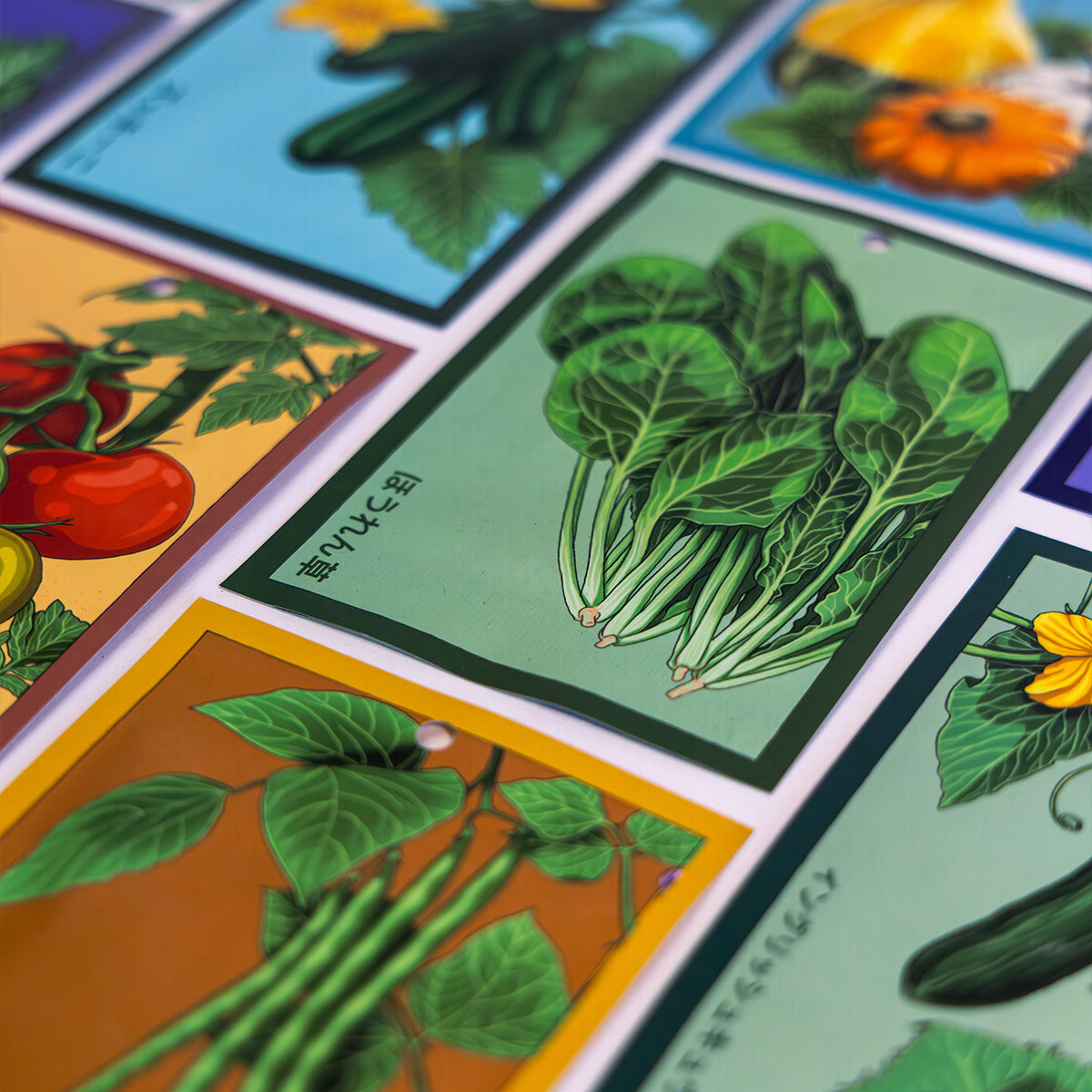
Texas Super Sweet Onion Vegetable Seeds Packet

Regular price $4.95
Vacuum Sealed
NON-GMO
Seed Pack Guarantee

Build Your Garden With These Shido Seeds

Choose a seed packet as your starting point, then round out the bed with these for that thrown-together-but-somehow-perfect harvest.


Texas Super Sweet Onion seeds for the kitchen garden that intends to actually produce texas super sweet onion this year. The Texas Super Sweet onion is the rare vegetable that makes raw onion something people actually choose.

Texas Super Sweet Onion is a large, mild sweet onion with excellent fresh eating quality and the patience to wait until properly ready. Each packet is hermetically vacuum-sealed -- removing the oxygen that causes standard paper seed packets to lose germination viability within approximately one year. State law requires a 3-year viability label on sealed packaging. NASA research on hermetic seed storage indicates viability of up to 10 years under proper conditions. Every packet is non-GMO and germination-tested at independent third-party labs before it earns its Japanese woodblock print artwork.

Seed specifications
  • Material: Seed
  • Botanical name: Allium cepa 'Texas Grano 1015Y'
  • Genus: Allium
  • Plant family: Amaryllidaceae
  • Species: Cepa
  • Plant type: Biennial, grown as an annual
  • Pollination type: Vegetable
  • USDA Hardiness Zones: 7-10
  • Packet contents: ≈ 100 Seeds
  • Packaging: Hermetically vacuum-sealed
  • Non-GMO: Yes
  • Seed viability: Up to 10 years (sealed) / 4–5 years (unsealed, ideal conditions)
  • Difficulty: Moderate - Recreational Gardener
Sowing & growing guide

Quick Sowing Guide:

  • When to sow: Sow/transplant in fall (around Oct. 15 in Texas) for spring harvest
  • Sowing depth: 1/4 in
  • Initial spacing: 4-6 in
  • Row spacing: 12-18 in
  • Days to germination: 7-10 days
  • Light: Full sun
  • Water: Moderate, consistent
  • Soil: Loose, well-drained, (rich in organic matter)
  • Harvest: 110-130 days

Start Growing: Step-by-step sowing and growing guide

About vacuum sealing

Why Vacuum-Sealed Seeds Last Longer

Standard paper seed packets are permeable to oxygen and moisture -- the two primary causes of seed degradation. Most paper-packaged seeds begin losing germination viability after approximately one year, contributing to significant garden-industry waste: packets purchased, not planted, expired, discarded. Shido Seeds are hermetically vacuum-sealed. The packet does not expire quietly in a drawer. It waits.

About the Packaging

Every Shido seed packet is illustrated in the style of Japanese 1910s woodblock printing -- designed and drawn in-house by Chive, that has been exhibiting at the Chelsea Flower Show in London every year and does not, as a matter of principle, sell to big-box retailers. Customers collect the packets as a series. This was not the original plan.

Shipping & returns

Shipping

  • Free shipping: Orders $200+ within the US
  • Standard: 5–8 business days, Express 2–3 business days (at checkout)
  • International Ships: to 40 countries — rates at checkout
  • Packaging Ships: in outer box to protect gift box

View full shipping policy →

Returns

We accept returns within 30 days of delivery on unused items in original packaging. If your piece arrives damaged, contact us within 7 days with a photo and we will replace it at no charge.

View full return policy →

Satisfaction Guarantee

We stand by the quality of our flower seed packets! Every Shido seed packet is lab-tested for germination before it ships. If your seeds do not perform to the stated germination rate under correct growing conditions, contact us and we will replace or refund. Guaranteed!

Wholesale Inquiries

Have a cool shop? Know someone that does?

Chive Wholesale →

Radish Horticultural Specifications

Botanical

Allium cepa 'Texas Grano 1015Y'

Plant Type

Biennial, grown as an annual

Light

Full sun

Water

Moderate, consistent

Soil

Loose, well-drained, (rich in organic matter)

Depth

1/4 in

Germination

7-10 days

USDA Zone

7-10

Mature Height

18-24 in

Harvest

110-130 days
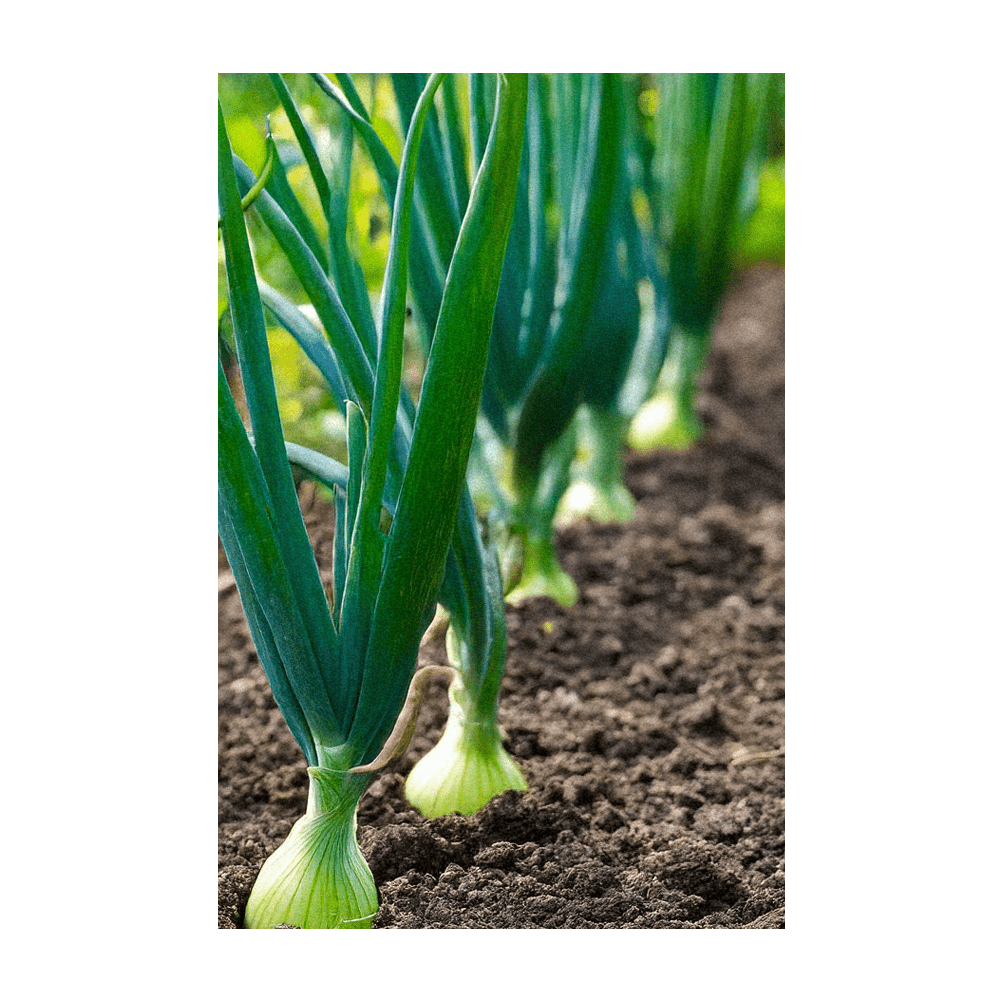

Texas Super Sweet Onion growing in garden bed

Getting to know your Texas Sweet Onion

Texas Super Sweet onion is a large, sweet variety known for its mild flavor and notably low sulfur content, which is really the whole reason it doesn't bring tears to your eyes the way a sharper onion would. It thrives in warm climates and well-drained, sandy soil, growing into globe-shaped bulbs covered in golden-brown skin with crisp white flesh underneath. This variety holds up notably well against bolting, which makes it a dependable choice for spring planting when a sudden warm spell might otherwise push a less resistant onion to flower prematurely. It asks for a genuinely long growing season and consistent watering throughout, rewarding that patience with a mild sweetness that holds up raw in a sandwich, caramelized slowly in a pan, or charred on a grill. Properly cured after harvest, the bulbs store reasonably well, extending their usefulness well past the actual harvest window. Few onions manage to be this mild without sacrificing genuine flavor in the process. That balance is really the entire reason gardeners keep coming back to this particular variety. Curing properly after harvest makes all the difference in how long that shelf life actually holds. That mild flavor rarely disappoints anyone expecting a sharper bite.


History & origin

Ancient Central Asia

Onions (Allium cepa) are among the oldest cultivated vegetables, with evidence of domestication in Central Asia dating back several thousand years.

Ancient Egypt

Onions held near-sacred status in ancient Egypt, symbolically linked to eternity because of their concentric rings, and were included in burial offerings and depicted in tomb art.

Bermuda-to-Texas Lineage

Sweet onion cultivation in Texas traces back to onion seed brought from Bermuda in the late 19th century, which adapted well to South Texas's mild winters and became the foundation of the state's sweet onion industry.

Texas A&M Breeding Program

Modern super-sweet Texas onion varieties, including this one (commonly known as Texas 1015Y, named for its ideal October 15th planting date), were developed through Texas A&M's onion breeding program, led by Dr. Leonard Pike, which focused on lowering pungency (pyruvate content) to produce a milder, sweeter onion.

Today

Texas sweet onions are a recognized regional specialty crop and a commercial mainstay of South Texas agriculture.

Shido Vegetable and Flower Seeds Vacuum sealed for peak freshness

Step-by-Step Sowing & Growing Guide

Getting Started

Biennial grown as an annual -- short-day type, zone-sensitive

Step 1: Confirm your zone first - This is a short-day variety -- it needs the shorter daylight hours of southern latitudes (zones 7-10) to bulb properly; grown further north, it may stay small or fail to bulb at all.

Step 2: Timing - Sow or transplant around October 15th in Texas and similar zones, for a spring harvest.

Step 3: Soil - Loose, well-drained, fertile, pH 6.0-6.8.

Step 4: Sowing - ¼ inch deep. Germination takes 7-10 days.

Step 5: Ongoing care - Water consistently, then reduce as bulbs mature.

Step 6: Harvest - Pull once tops fall over and about half the foliage yellows. Cure in a warm, dry, ventilated spot for 1-2 weeks -- this variety stores only 2-3 months, shorter than pungent storage onions.

Before you start

Materials needed to sow

  • Seed trays or garden bed: Depending on whether starting indoors or direct sowing.
  • Garden fork: For loosening soil before sowing or transplanting.
  • Calendar or planting reminder: This is a day-length-sensitive variety traditionally planted around October 15th -- worth marking well ahead of the actual planting window.

Materials for harvest and storage

  • A digging fork: For loosening soil before pulling bulbs.
  • A curing rack or mesh bags, in a warm, dry, ventilated space: Essential for this variety -- proper curing significantly affects how well the bulbs store afterward.
  • Mesh storage bags: For the storage period following curing.

Tip: Pull once tops fall over and about half the foliage yellows, then cure for 1-2 weeks before storing -- this variety keeps only 2-3 months, notably shorter than pungent storage onions, so plan to use it up sooner.

Growth Requirements

Light:

  • Requires full sun for at least 10-12 hours daily.
  • Insufficient sunlight reduces bulb formation and results in smaller onions.

Soil:

  • Prefers loamy, well-draining soil rich in organic matter.
  • Optimal pH: 6.0-7.0.Amend the soil with compost or aged manure before planting to enhance fertility.
  • Avoid heavy clay soils, which can cause bulb deformation.

Watering:

  • Onions need consistent moisture but cannot tolerate waterlogged soil.
  • Water deeply and regularly, ensuring the top 1-2 inches of soil remain moist.
  • Reduce watering slightly once the bulbs begin to mature to prevent rot.

Temperature and Climate:

  • Texas Supersweet onions thrive in warm, mild climates.Optimal growing temperatures: 55°F – 75°F (13°C – 24°C).
  • They tolerate light frosts but should be harvested before heavy freezes.
  • In warmer climates, plant them in late fall or early winter for a spring harvest.
  • In cooler regions, plant them in early spring.

Fertilization:

  • Onions are heavy feeders and require regular fertilization.Apply a balanced fertilizer (10-10-10) at planting.
  • Once seedlings establish, side-dress with nitrogen-rich fertilizer every 2-3 weeks.
  • Stop fertilizing when the bulbs begin to swell to prevent splitting.

Maintenance

Mulching:

  • Apply a 2-3 inch layer of mulch around the plants.
  • Mulch helps retain moisture, regulate soil temperature, and reduce weeds.

Staking and Pruning:

  • As the plants grow, they become top-heavy with fruit.
  • Use stakes or cages to support the stems and prevent breakage
  • .Prune suckers and lower leaves to promote airflow and reduce disease risk.

Harvesting:

  • Black Beauty eggplants are ready for harvest in 75-85 days.
  • Fruits should be firm, glossy, and deep purple.
  • Harvest when they reach 4-6 inches in diameter.
  • Cut the stem with sharp scissors or pruning shears, leaving 1 inch of stem attached.
  • Frequent harvesting encourages more fruit production.

Troubleshooting and common mistakes

  • Growing in the wrong day-length region — this is a SHORT-DAY variety -- grown in long-day northern regions during summer, it produces small bulbs or fails to bulb at all; day-length matching matters more here than for almost any other vegetable in this project
  • Harvesting too early — wait until tops fall over and about half the foliage yellows before pulling

Culinary uses & nutritional information

What it's used for

1. Culinary Uses:

  • Raw in Salads: Their mild, sweet flavor makes them ideal for fresh salads and salsas.
  • Grilled or Roasted: The natural sugars caramelize beautifully when grilled or roasted.
  • Pickled or Preserved: Sweet onions can be pickled for a tangy, flavorful treat.Cooking: Adds depth to soups, stews, and casseroles.
  • Garnish or Condiment: Thinly sliced onions can enhance burgers, sandwiches, and wraps.
  • Onion Rings or Blooms: Their sweetness makes them perfect for fried onion rings or onion blooms.

2. Nutritional Benefits:

  • Rich in vitamin C, supporting immune health.
  • Contains antioxidants, including quercetin, which has anti-inflammatory properties.
  • Low in calories and rich in fiber, aiding digestion.
  • Contains natural sulfur compounds with potential cardiovascular benefits.

3. Ornamental

  • Onions deter pests and can be used as companion plants for carrots, tomatoes, lettuce, and cabbage.
  • Their pungent scent repels aphids, thrips, and cabbage worms.

What parts are edible

  • Bulb: The primary harvest, reached after tops fall over and foliage yellows.
  • Green tops: Edible young, before the bulb has formed, similar to a scallion.

Nutritional data

Raw onion, per 100g

Calories: 40 kcal

  • Carbohydrates: 9.3 g
  • Protein: 1.1 g
  • Total fat: 0.1 g
  • Dietary fiber: 1.7 g
  • Vitamin C: 7.4 mg (8% RDA)
  • Folates: 19 µg (5% RDA)
  • Potassium: 146 mg
  • Cholesterol: 0 mg
  • Low pyruvate: this variety's defining trait -- lower levels of the sulfur compound responsible for pungency and eye irritation, which is what makes it taste "sweet"

Companion plants, pests & diseases

Companion planting

Good companions

  • Carrots, chamomile, lettuce, beets — alliums generally pair well with root and leafy crops

Poor companions / avoid

  • Beans, peas — alliums inhibit legume growth

Pests

  • Onion thrips — silvery streaking on leaves
  • Onion maggots — larvae tunnel into bulbs; row covers help prevent egg-laying

Diseases

  • Fusarium basal rot — causes bulbs to soften and rot from the base
  • Pink root — roots turn pink then die; soil-borne, favors long rotations away from alliums
  • Downy mildew — in crowded, humid plantings

Pro Tip

For larger, sweeter bulbs, reduce watering during the final two weeks before harvest. This encourages the onions to concentrate their sugars, resulting in sweeter, more flavorful bulbs.

Vegetable sprouting in rich dark soil - Shido Seeds
Seeds worth keeping

What makes Shido Seeds different

Shido Seeds are designed by Chive Studio, a ceramic design company. We are not a seed conglomerate. We do not sell through big-box retailers. Each variety in the catalog was selected because it is worth growing — not because it ships well in bulk or photographs well in marketing materials.

Every packet is germination-tested at an independent third-party lab before it earns its woodblock illustration. The vacuum seal removes the oxygen that causes standard paper packets to degrade. The stated germination rate is a floor, not a marketing figure.

If something goes wrong, contact us. We will make it right.

Plants that Grow together look good together...even if they are ceramic
Shido Seeds packets styled in soil with sunlight — Chive Studio

Another Allium Worth Growing

For a different allium with a much shorter growing season, Rapini shares onion's love of well-drained soil with a considerably faster turnaround.

Vegetable Shido Seeds packets — by Chive Studio Toronto

More From Shido's Garden

This is part of Shido's broader vegetable seed collection, where long-season crops share space with much quicker ones.

Mild Flavor, No Curing Required

A sweet onion needs proper curing to reach its best flavor, but Chive's Ivory Charm Peony looks its best the moment it arrives, with nothing further needed.

Chive Shido seed packets with botanical illustrations on a peg rack, showing cherry blossom, tomato, and eggplant designs.

The credentials behind the packet

An onion this committed to a long growing season needs a seed that doesn't waste a single week of it failing to germinate. Vacuum-sealing at the source is how the studio protects that timeline, pulling oxygen out before it ever has the chance to weaken a packet sitting on a shelf. A hundred-day commitment deserves a seed dependable enough to justify starting the clock in the first place. Long-season crops like this one make the case for that care better than almost anything quicker growing nearby. Storage life only matters if the bulb made it that far in the first place. That's a fair trade for a crop asking this much patience of the gardener growing it.


Plant Care, Simplified with Chive

Keep it alive, keep it thriving. Let's make plant parenthood look easy.

Do Seeds Expire? How Long Do Seeds Last

Todd Newgren
Seeds don't expire — they lose viability as oxygen depletes stored energy, and vacuum sealing is the fix. Chive's Shido Seeds are vacuum-sealed, germination-tested, and stocked ...
Read more

Are Seed Packets GMO? The Honest Answer

Todd Newgren
Are seed packets GMO? No—home garden seed packets, Shido included, are never genetically modified, since GMO seed is only made for large-scale commercial crops. The non-GMO badg...
Read more

Frequently asked questions

What is the best way to grow sweet onion from seed?

Texas Super Sweet onion needs warm climates, well-drained sandy soil, and a genuinely long growing season with consistent watering throughout. Starting seed indoors before the last frost gives the plant a head start on that extended timeline. Starting seed early indoors gives the plant a genuine head start on that extended growing window.

Why is this onion called sweet instead of regular?

Its notably low sulfur content is what gives Texas Super Sweet its mild flavor, since sulfur compounds are largely responsible for the sharper bite found in standard cooking onions. That mildness is really the entire reason gardeners specifically seek this variety out. Most standard onions carry noticeably more of that compound by comparison.

Does this onion variety resist bolting?

Yes, it holds up notably well against premature flowering compared to less resistant varieties, which makes it a dependable choice for spring planting even through an unexpected warm spell. That resistance matters most in years when an unexpected warm spell arrives earlier than usual. Less resistant varieties often bolt without warning under the same conditions.

How do you know when to harvest sweet onions?

Watch for the green tops to naturally fall over and begin yellowing, which signals the bulb has finished developing and is ready to be pulled and cured. Waiting a few extra days past that point rarely improves the bulb and can actually reduce storage life. Waiting for that natural signal beats guessing by a fixed calendar date.

How do you cure onions after harvest?

Lay harvested bulbs out in a warm, dry, well-ventilated spot for one to two weeks until the outer skins papery and the necks fully dry, which extends storage life considerably. Proper airflow during curing prevents the kind of rot that can develop in a crowded, poorly ventilated space. Skipping this step often shortens storage life considerably.

How long do sweet onion seeds last?

Vacuum-sealed Shido Seeds packets remain viable for up to 10 years under proper storage, a significant improvement over the roughly one-year shelf life of a standard paper seed packet. Storing packets somewhere cool and dry helps preserve that extended shelf life even further. That reliability matters given how long this particular onion takes to mature.

Can sweet onions be grown in containers?

Yes, provided the container is wide enough to accommodate the bulb's mature size and has good drainage, since onions don't tolerate consistently soggy soil well. A wide, shallow container tends to work better here than a deep, narrow one. Good drainage matters more than depth in a container setup like this.

Is this seed germination-tested?

Yes — every Shido Seeds packet, this onion variety included, is tested at independent third-party labs before it reaches a shelf, ensuring dependable results. That scrutiny matters given how long a full season already takes for this variety. That reliability matters given how much of an investment a long-season crop like this already represents.

Verte Rx Shiny Leaves for Plants - Chive Ceramics Studio - Chive Ceramics Studio

The seed is the start. Verte RX handles the rest.

Most seedlings fail not from bad seed but from soil that runs out of what the plant needs before the plant can find it. Verte RX is a liquid plant vitamin formulated for exactly that window — the weeks after germination when the root system is establishing and the margin between thriving and stalling is narrowest.