
Tummelberry Fruit & Berry Seeds Packet

Regular price $4.95
Vacuum Sealed
NON-GMO
Seed Pack Guarantee

Build Your Garden With These Shido Seeds

Choose a seed packet as your starting point, then round out the bed with these for that thrown-together-but-somehow-perfect harvest.


Tummelberry seeds grow into a thornless hybrid berry producing large, sweet purple-red fruit with an exceptional flavor. Shido tummelberry seeds are non-GMO and hermetically vacuum-sealed, so the packet outlasts a paper one by years, not months. Standard paper-packed seeds begin losing germination viability after approximately one year.

The tummelberry is what happens when a raspberry and a tayberry agree to try something new, and the result is thornless, which nobody involved seems to regret. It exists because someone in Scotland decided two good berries deserved a third option, and the tummelberry has been quietly proving that instinct correct in gardens ever since. Thornless canes make it the rare bramble fruit that skips the toll for harvesting, purple-red and unbothered by comparisons to either parent. Every packet ships germination-tested at independent third-party labs before packaging, a formality the seed has already outlasted many times over inside its vacuum seal.

Seed specifications
  • Material: Seed
  • Botanical name: r. fruticosus × r. idaeus 'Tummelberry'
  • Genus: Rubus
  • Plant family: Rosaceae
  • Species: hybrid (fruticosus × idaeus)
  • Plant type: Perennial Shrub
  • Pollination type: Vegetable
  • USDA Hardiness Zones: 4–8 zone
  • Packet contents: ≈ 50 Seeds
  • Packaging: Hermetically vacuum-sealed
  • Non-GMO: Yes
  • Seed viability: Up to 10 years (sealed) / 4–5 years (unsealed, ideal conditions)
  • Difficulty: Moderate - Recreational Gardener
Sowing & growing guide

Quick Sowing Guide:

  • When to sow: 8–10 weeks before last frost
  • Sowing depth: 1/4 in
  • Initial spacing: 3-4 in
  • Row spacing: 6–8 ft
  • Days to germination: 120 to 365 days
  • Light: Full Sun to partial shade
  • Water: Consistent moisture
  • Soil: Moist, well-drained
  • Harvest: 2 years

Start Growing: Step-by-step sowing and growing guide

About vacuum sealing

Why Vacuum-Sealed Seeds Last Longer

Standard paper seed packets are permeable to oxygen and moisture -- the two primary causes of seed degradation. Most paper-packaged seeds begin losing germination viability after approximately one year, contributing to significant garden-industry waste: packets purchased, not planted, expired, discarded. Shido Seeds are hermetically vacuum-sealed. The packet does not expire quietly in a drawer. It waits.

About the Packaging

Every Shido seed packet is illustrated in the style of Japanese 1910s woodblock printing -- designed and drawn in-house by Chive, that has been exhibiting at the Chelsea Flower Show in London every year and does not, as a matter of principle, sell to big-box retailers. Customers collect the packets as a series. This was not the original plan.

Shipping & returns

Shipping

  • Free shipping: Orders $200+ within the US
  • Standard: 5–8 business days, Express 2–3 business days (at checkout)
  • International Ships: to 40 countries — rates at checkout
  • Packaging Ships: in outer box to protect gift box

View full shipping policy →

Returns

We accept returns within 30 days of delivery on unused items in original packaging. If your piece arrives damaged, contact us within 7 days with a photo and we will replace it at no charge.

View full return policy →

Satisfaction Guarantee

We stand by the quality of our flower seed packets! Every Shido seed packet is lab-tested for germination before it ships. If your seeds do not perform to the stated germination rate under correct growing conditions, contact us and we will replace or refund. Guaranteed!

Wholesale Inquires

Have a cool shop? Know someone that does?

Find Chive on Faire →

Radish Horticultural Specifications

Botanical

r. fruticosus × r. idaeus 'Tummelberry'

Plant Type

Perennial Shrub

Light

Full Sun to partial shade

Water

Consistent moisture

Soil

Moist, well-drained

Depth

1/4 in

Germination

120 to 365 days

USDA Zone

4–8 zone

Mature Height

5–7 ft

Harvest

2 years
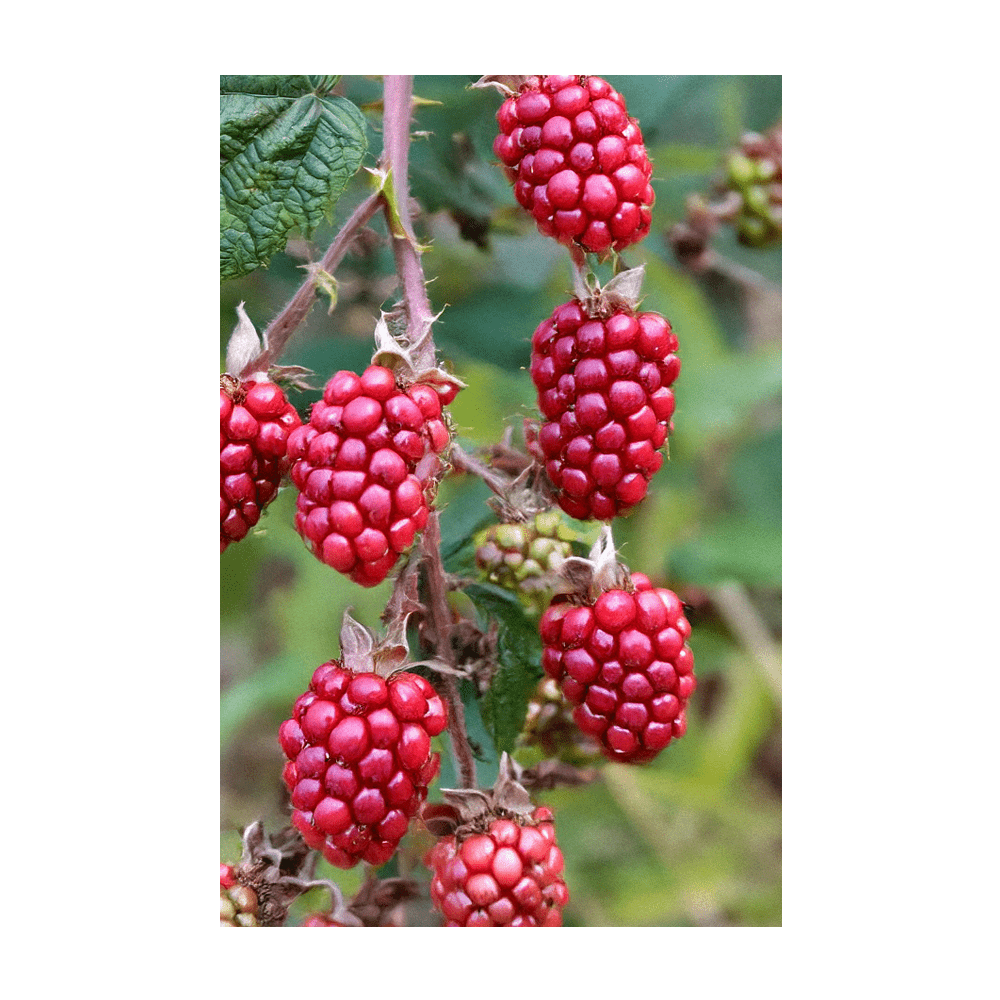

Tummelberry harvest - Shido Seeds by Chive

Getting to know your Tummelberry

The Tummelberry is not here to be subtle. With deep red-purple fruit, sprawling vines, and genuinely in-your-face flavor, this bramble hybrid plays the rebellious middle child of the berry world, equal parts blackberry and raspberry with a loud, juicy attitude entirely its own. Hardy and genuinely high-yielding, Tummelberries handle cooler climates noticeably better than many other berry hybrids, making them a strong choice for northern growers who've struggled with more delicate varieties. They're not delicate, they're not picky about conditions, and once established, they come back swinging year after year without much fuss required from the gardener. Full sun and a sturdy trellis bring out the best performance, though the plant tolerates a fair amount of neglect once its root system is properly established. Regular pruning keeps the sprawling canes from taking over neighboring beds, though anyone drawn to a bit of bramble chaos will find that tendency more feature than flaw. In essence, the Tummelberry is a berry with a genuine point to prove. Not content to be just another raspberry or blackberry, it's here to steal the show, and quite possibly a gardener's heart along with it. Few hybrids commit this fully to their own distinct identity.


History & origin

1973, Scotland

The cross that produced Tummelberry was made at the Scottish Crop Research Institute (SCRI) in Dundee, crossing the Tayberry (itself a blackberry-raspberry hybrid bred at the same institute) with an SCRI breeding line known as seedling 69102/18.

Development & Naming

The variety was initially called Clydeberry before being renamed Tummelberry, after the River Tummel in Scotland -- a naming convention shared with its sibling Tayberry, named for the River Tay.

Official Introduction, 1980s

Following years of trials at SCRI, the National Fruit Trials in England, and other UK sites, Tummelberry was formally patented as a new and distinct Rubus variety, distinguished from Tayberry by its flavor, size, ripening season, and more intensely pigmented stems and leaves.

Today

A specialty bramble hybrid grown mostly by home gardeners and small fruit enthusiasts, valued for its sweeter flavor compared to Tayberry and its good cold tolerance for a hybrid berry.

Shido Vegetable and Flower Seeds Vacuum sealed for peak freshness

Step-by-Step Sowing & Growing Guide

Getting Started

Perennial bramble hybrid (raspberry × tayberry)

Step 1: Timing - Sow indoors 8-10 weeks before last frost. Seed is slow to start -- expect a longer, less predictable germination window than most garden seed.

Step 2: Soil - Well-drained, fertile soil, pH 6.0-7.0.

Step 3: Sowing - ¼-½ inch deep, kept consistently moist.

Step 4: Trellis - Set up a two-wire trellis before transplanting -- canes need training and benefit from horizontal support for easier harvest and airflow.

Step 5: Ongoing care - After harvesting, remove old floricanes promptly. In early spring, keep just 5-7 vigorous new canes per plant and trim lateral growth for airflow.

Step 6: Harvest - Berries ripen from mid-July through late August; pick when fully red-purple and they detach easily from the core.

Before you start

Materials needed to sow

  • Seed trays or small pots: For starting indoors, since this hybrid's seed is slow and germinates unpredictably compared to standard garden seed.
  • Well-drained seed-starting mix: Fertile, pH 6.0-7.0 soil is the eventual goal, but a clean starting mix reduces damping-off risk during the long germination window.
  • Grow light or bright south-facing window: Needed to carry seedlings through the full 8-10 week indoor head start before transplanting.
  • Humidity dome or loose plastic wrap: Helps hold consistent moisture during germination, which can be slow and uneven for this bramble hybrid.
  • Two-wire trellis materials (posts and wire): Set up before transplanting, not after -- mature canes need to be trained horizontally, and retrofitting a trellis around established canes is much harder.
  • Pruning shears: For removing spent floricanes after harvest and thinning to 5-7 vigorous canes each spring.
  • Plant labels: Especially useful here, since seed-grown plants will vary genetically from each other and from the named Tummelberry -- labeling helps track which seedlings are actually worth keeping.

Materials for harvest and storage

  • Shallow basket or tray: Not a deep bucket -- berries at the bottom of a deep container crush under the weight of those above, which matters even more for a soft hybrid berry like this one.
  • Gloves: Many bramble hybrids retain some thorniness from their parent species -- worth having a pair on hand even if this variety is bred toward fewer thorns.
  • Refrigerator storage container, unwashed: Keep berries dry and unwashed until ready to use -- moisture speeds spoilage.
  • Freezer bags or trays: This berry doesn't keep long fresh, so freezing shortly after harvest is the more reliable way to preserve a larger crop.

Tip: Pick in the cool of the morning rather than the heat of the day, and choose berries that are fully colored and detach with only the gentlest pull -- if it resists, it isn't ready yet.

Growth Requirements

Light:

  • Requires full sun to partial shade.

Soil:

  • Prefers well-drained, fertile soil with a pH of 6.0-7.0.

Watering:

  • Requires consistent moisture, especially during fruit development.

Temperature & Climate:

  • Hardy in zones 4-8; performs best in cool temperate climates, reflecting its Scottish breeding origin.

Fertilization:

  • Apply a balanced fertilizer in early spring.
  • Side-dress with potassium as fruiting approaches to support development.

Maintenance

Trellising & Training:

  • Train canes onto a two-wire trellis, set up before the plant matures, for easier harvest and better airflow.

Mulching:

  • Apply organic mulch to retain moisture and suppress weeds.

Pruning:

  • Remove spent floricanes after harvest each year.
  • Thin to 5-7 vigorous canes each spring.

Watering:

  • Keep moisture consistent, especially during fruit development.

Harvesting:

  • Pick once fully colored and detaching easily from the plant.

Storing:

  • Refrigerate unwashed and use within a few days.
  • Freeze for longer storage, since this berry doesn't keep long fresh.

Troubleshooting and common mistakes

  • Expecting seed-grown plants to match the named variety exactly — this hybrid is patented and normally propagated by cuttings or tissue culture for a reason -- seed-grown plants are a genetic wildcard
  • Undersized trellis — this is a vigorous, sprawling cane plant that benefits from real training, not a token stake

Culinary uses & nutritional information

What it's used for

1. Culinary Uses:

  • Consumed fresh as a snacking berry when in season.
  • Used in jams, preserves, pies, and crumbles.
  • Made into sauces for both sweet and savory dishes.
  • Frozen for use throughout the year.

2. Nutritional Value:

  • Good source of dietary fiber, typical of bramble berries.
  • Contains vitamin C and antioxidants, though exact levels are estimated for this specific hybrid rather than independently measured.

3. Garden & Decorative Uses:

  • Trained on a two-wire trellis, the canes add vertical structure and seasonal interest to a garden bed.
  • Makes a good companion plant with garlic and chives, commonly said to help deter aphids and cane pests.

What parts are edible

  • Fruit: The entire edible harvest -- like other brambles, the berry is technically an aggregate of many small drupelets clustered around a central core.

Nutritional data

Raspberry/blackberry parentage (Rubus fruticosus x R. idaeus), per 100g raw

Calories: ~45-50 kcal (estimated)

  • Carbohydrates: ~10-11 g (estimated)
  • Protein: ~1.2 g (estimated)
  • Total fat: ~0.5 g (estimated)
  • Dietary fiber: ~5-6 g (estimated) -- brambles generally run high in fiber
  • Vitamin C: ~20-25 mg (estimated, 22-28% RDA)
  • Folates: ~22 µg (estimated, 5-6% RDA)
  • Potassium: ~155-165 mg (estimated)
  • Cholesterol: 0 mg
  • Confidence note: recommend independent lab analysis before publishing exact nutrition figures for this specific hybrid -- these numbers are a reasonable estimate based on its two parent species, not a verified measurement of Tummelberry itself

Companion plants, pests & diseases

Companion planting

Good companions

  • Garlic, chives — alliums are commonly said to help deter aphids and cane pests from brambles generally
  • Comfrey — traditional bramble companion -- deep roots pull nutrients from the subsoil, and cut leaves make a good mulch/fertilizer

Poor companions / avoid

  • Wild or unmanaged blackberries nearby — can carry viruses and pests that spread into cultivated hybrid brambles like this one

Pests

  • Raspberry beetle — larvae feed inside developing fruit; row covers during flowering help prevent egg-laying
  • Cane midge — larvae damage cane bark, creating entry points for cane diseases
  • Aphids — cluster on new growth; also spread virus between plants

Diseases

  • Raspberry cane spot — purple-brown spots on canes, worse in wet conditions
  • Botrytis (grey mold) — affects fruit in humid, crowded plantings
  • Verticillium wilt — soil-borne; avoid planting where tomatoes or potatoes grew previously

Pro Tip

Train and prune efficiently: After harvesting, remove old floricanes promptly. In early spring, retain just 5–7 vigorous primocanes per plant, trimming lateral growth for airflow. Train fruiting canes horizontally on a two-wire trellis and tip-layer new canes to contain spread—or prune tips to manage rooting. This structure optimizes yield, simplifies picking, and minimizes unwanted spread through self‑layering

Seeds worth keeping

What makes Shido Seeds different

Shido Seeds are designed by Chive Studio, a ceramic design company. We are not a seed conglomerate. We do not sell through big-box retailers. Each variety in the catalog was selected because it is worth growing — not because it ships well in bulk or photographs well in marketing materials.

Every packet is germination-tested at an independent third-party lab before it earns its woodblock illustration. The vacuum seal removes the oxygen that causes standard paper packets to degrade. The stated germination rate is a floor, not a marketing figure.

If something goes wrong, contact us. We will make it right.

Plants that Grow together look good together...even if they are ceramic
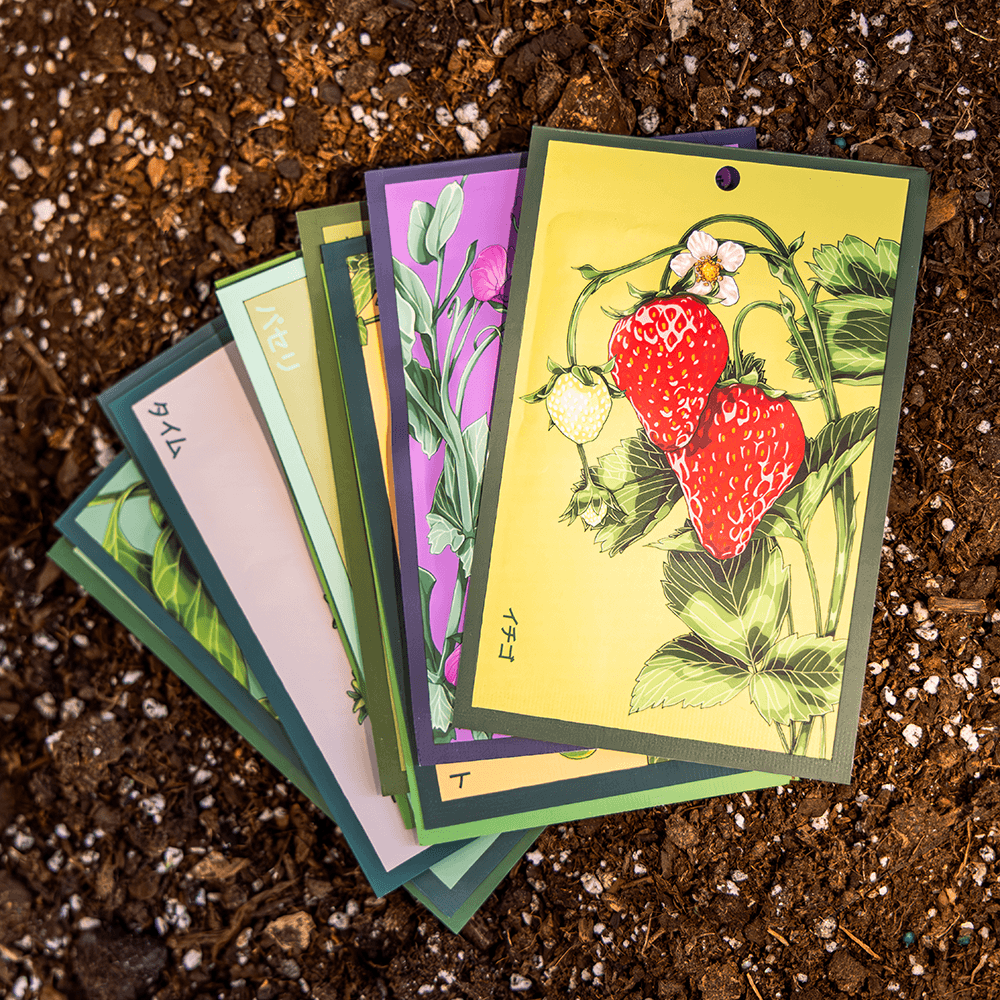
One of Its Parent Varieties
For one of the two brambles that gave rise to this hybrid, Blackberry offers a more straightforward version of the same bold, thorny character.

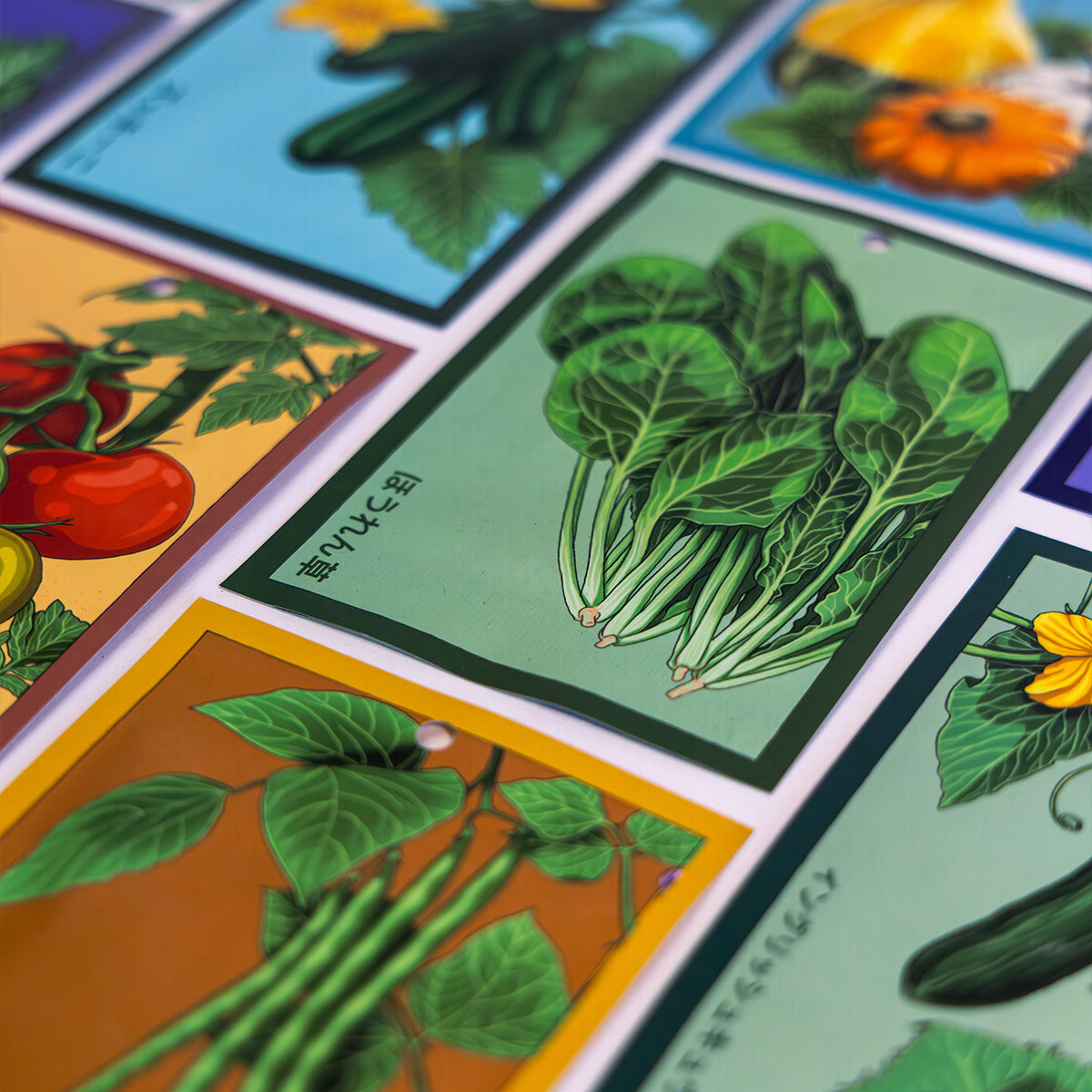
Vegetable Shido Seeds packets — by Chive Studio Toronto

The Rest of the Fruit & Berry Garden

This sits within Shido's wider fruit and berry catalog, where hybrid brambles share space with their more traditional parent varieties.

Buttercup Yellow Gay Paree Peony - Chive Ceramics Studio - Ceramic Flowers - Chive Ceramics Studio

Bold Flavor, No Cold Snap Survived

Tummelberry proves its toughness through a real northern winter, but Chive's Ivory Keiko Peony never has to survive anything to look this good.

Chive Shido seed packets with botanical illustrations on a peg rack, showing cherry blossom, tomato, and eggplant designs.

The credentials behind the packet

Some of the studio's most requested glazes started as quiet experiments nobody expected much from, tucked in a corner of the kiln until they turned out to be exactly what people wanted all along. Tummelberry carries that same secret-standout energy, a hybrid berry that shouldn't outshine its blackberry and raspberry parents and somehow does anyway. The studio treats this quietly excellent variety with the same sealed care given to every packet in the lineup, since a plant this good doesn't need flashy packaging to prove its worth. The best surprises rarely announce themselves loudly at the start. Quiet excellence still depends on getting the fundamentals right first. A quiet standout still earns its place the same way.


Plant Care, Simplified with Chive

Keep it alive, keep it thriving. Let's make plant parenthood look easy.

Are Seed Packets GMO? The Honest Answer

Todd Newgren
Are seed packets GMO? No—home garden seed packets, Shido included, are never genetically modified, since GMO seed is only made for large-scale commercial crops. The non-GMO badg...
Read more

Heirloom vs Hybrid Seeds: What Actually Differs | Shido

Todd Newgren
Heirloom seeds aren't automatically better than hybrid seeds—each suits different goals, from saving seed year to year to fighting off disease. The real difference is genetics, ...
Read more

Frequently asked questions

What is the best way to grow Tummelberry?

Tummelberry handles cooler climates noticeably better than many other berry hybrids, thriving with full sun and a sturdy trellis while tolerating a fair amount of neglect once its root system is properly established. That neglect tolerance is really the whole reason it suits a gardener who wants fruit without constant fuss.

What is a Tummelberry a cross between?

It's a hybrid combining traits from raspberry and blackberry lineage, producing a distinctive berry that plays up bold, loud flavor rather than settling for a milder, more conventional taste. That distinctiveness is part of why growers seek it out rather than settling for a more familiar bramble. A quick taste test is really the best way to appreciate how distinct that flavor actually is.

Is Tummelberry good for cold climates?

Yes, genuinely — it handles cooler conditions better than many other berry hybrids, making it a strong choice specifically for northern growers who've struggled with more delicate varieties. That established resilience is really the whole reason it keeps coming back stronger each season. That cold tolerance is really the whole reason it's found a genuine following among northern growers.

Does Tummelberry need a lot of maintenance?

Not especially — once established, it comes back reliably year after year without much fuss, though regular pruning helps keep the sprawling canes from taking over neighboring beds. Most tasters notice that boldness immediately, without needing to compare it side by side with either parent. Established plants also handle a missed watering or two without much visible stress.

What does Tummelberry taste like?

It carries a bold, juicy flavor that leans into its raspberry and blackberry heritage without simply tasting like either parent, offering something distinctly its own. A quick bite off the cane during harvest is really the best way to check. That distinctiveness is really the whole reason it stands apart from more familiar bramble fruit.

How long do Tummelberry seeds last?

Vacuum-sealed Shido Seeds packets remain viable for up to 10 years under proper storage, compared to roughly one year for a standard paper seed packet exposed to normal conditions. A quiet standout still earns its place the same way. That comfort during harvest is a genuine, practical advantage over thornier bramble varieties nearby.

Is Tummelberry thornless?

Yes — unlike many bramble hybrids, Tummelberry canes are thornless, which makes pruning and harvesting considerably more comfortable than with a thornier variety. That structural difference also makes it a bit easier to work with during pruning season. That comfort adds up over a long harvest season with repeated picking.

Was this seed line shown at a major flower show?

Chive has exhibited its seed line at the RHS Chelsea Flower Show, where feedback from professional growers has helped shape several varieties currently offered in the catalog. That trade show presence has helped shape several varieties currently offered in the catalog. No exceptions made anywhere. Consistency matters regardless of how unique a variety is.

Verte Rx Shiny Leaves for Plants - Chive Ceramics Studio - Chive Ceramics Studio

The seed is the start. Verte RX handles the rest.

Most seedlings fail not from bad seed but from soil that runs out of what the plant needs before the plant can find it. Verte RX is a liquid plant vitamin formulated for exactly that window — the weeks after germination when the root system is establishing and the margin between thriving and stalling is narrowest.