Umbrella Plant Indoor Houseplant Seeds Packet

Regular price $4.95
Vacuum Sealed
NON-GMO
Seed Pack Guarantee

Build Your Garden With These Shido Seeds

Choose a seed packet as your starting point, then round out the bed with these for that thrown-together-but-somehow-perfect harvest.


Umbrella plant seeds grow into architectural, whorled foliage built for a bright indoor corner. Shido umbrella plant seeds are non-GMO and hermetically vacuum-sealed, so a packet outlasts the paper kind by years, not months. Standard paper-packed seeds begin losing germination viability after approximately one year.

It arrives in a room and quietly improves the architecture, the way a plant behaves when it already knows exactly what it is doing. Nothing about it is showy; the whorled leaves simply accumulate with quiet confidence until the room looks like it was designed around the plant, not the other way around. It manages all of this without fanfare, without asking for credit, and without ever once looking like it is trying particularly hard to earn either one from anybody in the room. Available at the Philadelphia Flower Show, where Chive has exhibited six times, most recently after a long absence.

Seed specifications
  • Material: Seed
  • Botanical name: Cyperus Alternifolius
  • Genus: Cyperus
  • Plant family: Cyperaceae
  • Species: alternifolius
  • Plant type: Perennial wetland plant
  • Pollination type: House Plant
  • USDA Hardiness Zones: 9–10 (houseplant everywhere)
  • Packet contents: ≈ 20 Seeds
  • Packaging: Hermetically vacuum-sealed
  • Non-GMO: Yes
  • Seed viability: Up to 10 years (sealed) / 4–5 years (unsealed, ideal conditions)
  • Difficulty: Moderate - Recreational Gardener
Sowing & growing guide

Quick Sowing Guide:

  • When to sow: Any time indoors
  • Sowing depth: 1/4 in
  • Initial spacing: 12-18 in
  • Row spacing: 12-18 in
  • Days to germination: 2-6 weeks
  • Light: Full sun to partial shade
  • Water: Constant standing water or fully saturated soil at all times
  • Soil: Moist to wet

Start Growing: Step-by-step sowing and growing guide

About vacuum sealing

Why Vacuum-Sealed Seeds Last Longer

Standard paper seed packets are permeable to oxygen and moisture -- the two primary causes of seed degradation. Most paper-packaged seeds begin losing germination viability after approximately one year, contributing to significant garden-industry waste: packets purchased, not planted, expired, discarded. Shido Seeds are hermetically vacuum-sealed. The packet does not expire quietly in a drawer. It waits.

About the Packaging

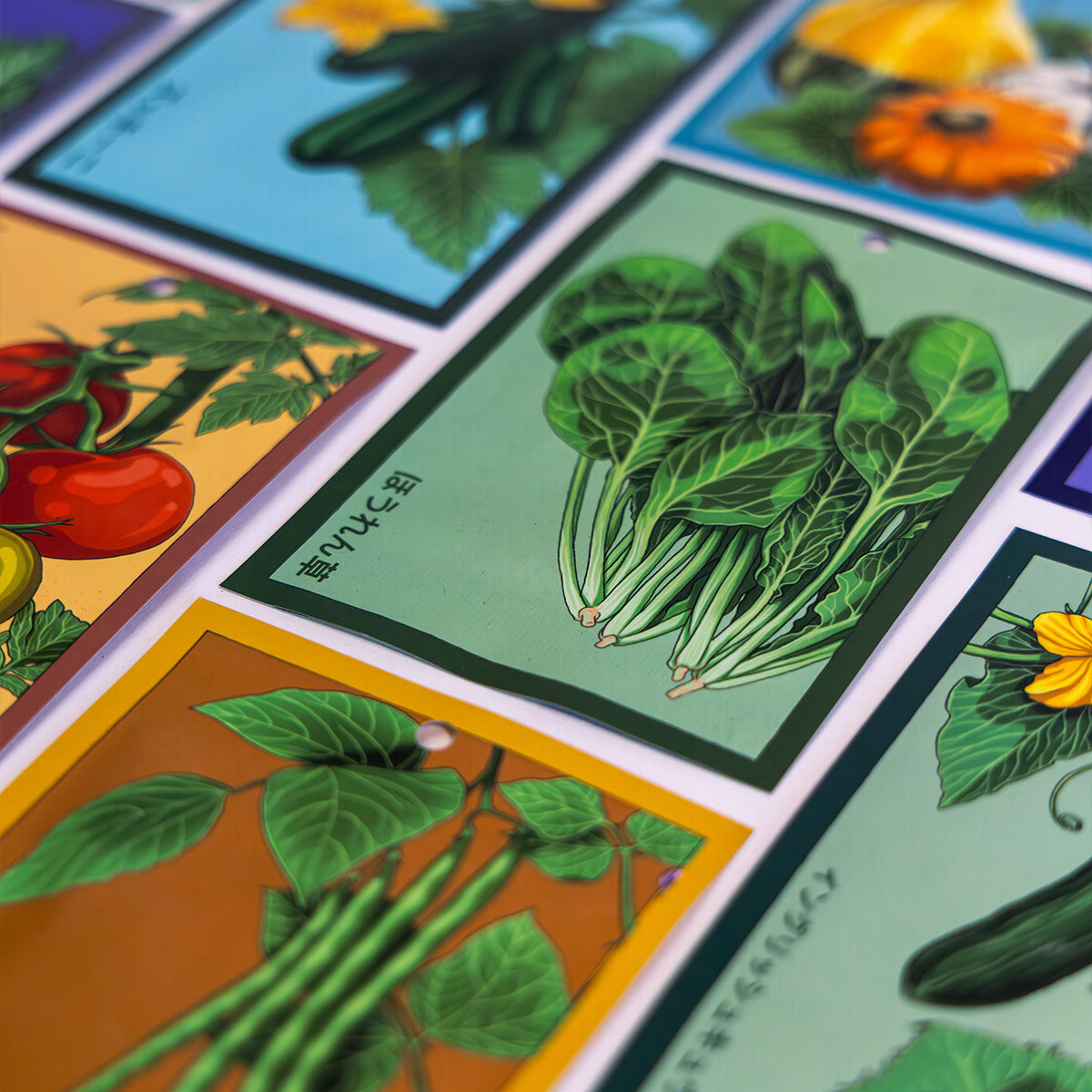
Every Shido seed packet is illustrated in the style of Japanese 1910s woodblock printing -- designed and drawn in-house by Chive, that has been exhibiting at the Chelsea Flower Show in London every year and does not, as a matter of principle, sell to big-box retailers. Customers collect the packets as a series. This was not the original plan.

Shipping & returns

Shipping

  • Free shipping: Orders $200+ within the US
  • Standard: 5–8 business days, Express 2–3 business days (at checkout)
  • International Ships: to 40 countries — rates at checkout
  • Packaging Ships: in outer box to protect gift box

View full shipping policy →

Returns

We accept returns within 30 days of delivery on unused items in original packaging. If your piece arrives damaged, contact us within 7 days with a photo and we will replace it at no charge.

View full return policy →

Satisfaction Guarantee

We stand by the quality of our flower seed packets! Every Shido seed packet is lab-tested for germination before it ships. If your seeds do not perform to the stated germination rate under correct growing conditions, contact us and we will replace or refund. Guaranteed!

Wholesale Inquires

Have a cool shop? Know someone that does?

Find Chive on Faire →

Radish Horticultural Specifications

Botanical

Cyperus Alternifolius

Plant Type

Perennial wetland plant

Light

Full sun to partial shade

Water

Constant standing water or fully saturated soil at all times

Soil

Moist to wet

Depth

1/4 in

Germination

2-6 weeks

USDA Zone

9–10 (houseplant everywhere)

Mature Height

3 to 6 ft indoors, 10 to 15 ft outdoors

Harvest

90-180 days to mature


Getting to know your Umbrella Plant

Umbrella Plant has a genuinely distinctive appearance, with tall, slender stems topped by a circular arrangement of narrow green leaves, giving the plant the unmistakable shape of an open umbrella. Those radiating leaflets are really the entire reason behind its common name, arranged in a way that sets it apart from almost anything else in a typical houseplant collection. It forms dense clumps and grows quickly under favorable conditions, spreading by rhizomes that make it genuinely well suited to filling out garden beds, containers, or the edges of an indoor water feature. It is not a true palm, but its upright habit and radiating leaf formation give it a genuinely palm-like silhouette that reads as tropical even indoors. Umbrella Plant thrives in consistently moist, even boggy conditions, making it one of the rare houseplants that tolerates sitting in standing water rather than demanding the well-drained soil most other plants require. It's considered evergreen in warm climates and may die back to the roots in colder conditions, reemerging reliably again once warmer weather returns. That tolerance for constant moisture suits a spot other plants would struggle in, like a damp windowsill. Few houseplants actually prefer wet feet quite the way this one does. That preference alone sets it apart from nearly everything else in a typical indoor plant collection.


History & origin

Native Range

Cyperus involucratus (also classified as Cyperus alternifolius) is native to Madagascar.

Botanical Relation

A relative of Cyperus papyrus, the famous papyrus plant used to make paper in ancient Egypt — though this is a distinct, smaller species, not the historical paper-making plant itself.

19th Century Introduction

Brought into Western horticulture as an exotic water-garden curiosity.

20th Century Houseplant Popularity

Became a popular indoor plant for water gardens and humidity-loving plant displays as houseplant collecting grew through the 1900s.

Today

A common water garden and houseplant, valued for its distinctive umbrella-like whorls of foliage.

Shido Vegetable and Flower Seeds Vacuum sealed for peak freshness

Step-by-Step Sowing & Growing Guide

Getting Started

Step 1: Sowing - Surface sow in standard potting mix, pressing seed in gently.

Step 2: Constant moisture from day one - Keep soil consistently wet to saturated during germination — not just evenly moist the way most seed trays are managed, but genuinely wet throughout.

Step 3: Setup - Consider placing the seed tray in a shallow water bath to maintain this constant saturation more easily than hand-watering allows.

Step 4: Germination - Several weeks.

Step 5: Transition to mature care - Once established, move to the plant's permanent setup — a pot sitting in a water-filled saucer, or directly at a pond margin.

Before you start

Materials needed to sow

  • Standard potting mix: No special drainage formulation needed — the opposite of most seed-starting advice, since this plant wants constant water, not good drainage.
  • Pots or containers without needing drainage holes: Unusual for a seed-starting setup, but this plant tolerates and even prefers standing water.
  • A shallow tray or saucer for standing water: The easiest way to keep the growing medium constantly saturated throughout germination, rather than watering by hand repeatedly.

Materials for harvest and storage

  • Scissors: For cutting stems either to propagate (they root readily in a glass of water) or for use in floral arrangements.

Tip: Unlike almost every other plant in this project, this one's stems don't need to be kept out of water after cutting — stand cut stems in a glass of water and they'll often root on their own within a few weeks.

Growth Requirements

Light:

  • Bright indirect light to full sun — tolerates a wide range.

Soil:

  • Standard potting mix is fine — drainage isn't a priority for this species the way it is for most houseplants.
  • Can be grown without drainage holes at all, since it's meant to sit in water.

Watering:

  • Requires constant standing water or fully saturated soil at all times — keep the pot sitting in a water-filled saucer, or grow directly in a pond margin. This is the opposite watering need from nearly everything else in this list.

Temperature & Climate:

  • Prefers warm, humid conditions, 65-85°F.
  • Not cold-hardy — protect from temperatures below 50°F.

Fertilization:

  • Apply a light, balanced liquid fertilizer during the active growing season.

Maintenance

Water & Placement:

  • This is a marginal aquatic sedge, not a typical houseplant — it wants constantly wet to standing water, unlike almost anything else in this list.
  • Set the pot in a saucer kept filled with water, or grow it directly in a water garden or pond margin.

Soil:

  • Standard potting mix is fine, since it's the constant water that matters here, not special drainage.
  • Tolerates being grown without drainage holes at all, unusual for a potted plant.

Pruning:

  • Trim yellowing or browning stems at the base as needed.
  • Cutting back hard occasionally encourages fresh, upright new growth.

Feeding:

  • Light, regular feeding during the growing season supports its fast growth habit.

Propagation:

  • Easily propagated by dividing clumps, or by rooting a cut umbrella-topped stem in a glass of water.

Troubleshooting and common mistakes

  • Letting the water tray or soil dry out, even briefly — the opposite risk from almost every other houseplant on this list — browning stem tips are the usual first sign
  • Never refreshing standing water — stagnant water encourages algae and odor — periodic refreshing keeps the display healthier

What it's used for

1. Decorative Uses:

  • A striking architectural accent for indoor water features or pond edges, with its umbrella-like whorls of foliage
  • Cut stems used in fresh floral arrangements for their unusual radiating shape

2. Practical Benefits:

  • Naturally raises humidity in a room through its high rate of transpiration
  • Tolerates low-light indoor conditions better than many flowering houseplants
  • Extremely forgiving of overwatering, unlike most houseplants

3. Garden & Landscape Uses:

  • A natural fit for pond margins, rain gardens, and water features
  • Useful for softening the edges of a water garden with dense, upright foliage

4. Novelty & Educational Value:

  • A good teaching example of a plant adapted to constant wet conditions, the opposite lesson from most houseplant care

Companion plants, pests & diseases

Companion planting

Good companions

  • Other marginal aquatic or pond-edge plants — share the same constant-moisture requirement, unlike most houseplant pairings

Poor companions / avoid

  • Drought-tolerant plants — directly opposite water needs make this an impractical pairing

Pests

  • Aphids — occasional on new growth
  • Spider mites — more likely if the plant is ever allowed to dry out, somewhat ironic given its usual overwatering-tolerant reputation

Diseases

  • Fungal or bacterial issues at the base — more likely in stagnant, non-refreshed water than from the constant moisture itself
  • Algae buildup in the water tray — not harmful to the plant directly, but worth managing for appearance and water quality

Pro Tip

Keep the pot sitting in a saucer of water at all times—this mimics its natural bog habitat and ensures lush, healthy growth, especially indoors.

Seeds worth keeping

What makes Shido Seeds different

Shido Seeds are designed by Chive Studio, a ceramic design company. We are not a seed conglomerate. We do not sell through big-box retailers. Each variety in the catalog was selected because it is worth growing — not because it ships well in bulk or photographs well in marketing materials.

Every packet is germination-tested at an independent third-party lab before it earns its woodblock illustration. The vacuum seal removes the oxygen that causes standard paper packets to degrade. The stated germination rate is a floor, not a marketing figure.

If something goes wrong, contact us. We will make it right.

Plants that Grow together look good together...even if they are ceramic

A Drier Foliage Alternative
For a similar radiating leaf shape without the constant moisture requirement, Dwarf Schefflera brings a comparable umbrella-like structure to standard indoor conditions.

Vegetable Shido Seeds packets — by Chive Studio Toronto

The Rest of the Houseplant Collection

This is part of Shido's houseplant seed catalog, where moisture-loving varieties sit alongside plants built for drier, standard care.

April Birth Flower - Daisy ceramic wall flower styled on wall — Birth Flower Collection — Chive Studio Toronto

Lush Growth, No Standing Water Needed

Umbrella Plant thrives on constant moisture most plants would resent, but Chive's Ivory White Speckle thrives on a dry shelf with no water at all.

Chive Shido seed packets with botanical illustrations on a peg rack, showing cherry blossom, tomato, and eggplant designs.

The credentials behind the packet

A plant that thrives on constant moisture asks for genuinely different care than almost everything else in the lineup, which makes seed reliability the one constant that shouldn't vary along with it. The same sealed approach applies here as everywhere else in the catalog, minimizing oxygen exposure from the moment a packet is sealed rather than leaving results to chance. An unusual houseplant still deserves an entirely ordinary level of care at the seed stage, regardless of how different its growing needs turn out to be later. Different water requirements don't call for a different packaging standard. Consistency at the seed level covers every variety, wet-footed or not. Reliability shouldn't bend just because the plant's needs do.


Plant Care, Simplified with Chive

Keep it alive, keep it thriving. Let's make plant parenthood look easy.

Heirloom vs Hybrid Seeds: What Actually Differs | Shido

Todd Newgren
Heirloom seeds aren't automatically better than hybrid seeds—each suits different goals, from saving seed year to year to fighting off disease. The real difference is genetics, ...
Read more

Do Seeds Expire? How Long Do Seeds Last | Shido

Todd Newgren
Seeds don't expire — they lose viability as oxygen depletes stored energy, and vacuum sealing is the fix. Chive's Shido Seeds are vacuum-sealed, germination-tested, and stocked ...
Read more

Frequently asked questions

What is the best way to grow Umbrella Plant?

Umbrella Plant thrives in consistently moist, even boggy conditions, tolerating standing water far better than most houseplants, which typically demand well-drained soil instead. A shallow tray of water beneath the pot can help maintain that consistently damp environment. Refreshing that water regularly also helps prevent the buildup of stagnant, low-oxygen conditions.

Why is Umbrella Plant called that?

Its tall, slender stems topped by a circular arrangement of narrow leaves give the plant the unmistakable shape of an open umbrella, which is exactly where the name comes from. That radiating leaf arrangement is really what gives the plant its instantly recognizable silhouette. That distinctive shape also makes it easy to identify at a glance among other houseplants.

Can Umbrella Plant be grown in standing water?

Yes, remarkably well — it's one of the rare houseplants that actually tolerates sitting in water rather than needing the well-drained soil most other plants require. Keeping the water shallow enough to avoid fully submerging the root crown produces the best results. A saucer without drainage holes can also help maintain that consistently moist environment indoors.

Is Umbrella Plant a true palm?

No — despite its palm-like silhouette from the upright stems and radiating leaves, it's actually a clump-forming sedge that spreads by rhizomes rather than true palm growth. That rhizome-based spreading is part of why it fills out a bed or pond edge so effectively. That spreading habit means a small planting can fill in considerably more space over time.

Does Umbrella Plant die back in winter?

It may die back to the roots in colder conditions, though it typically reemerges reliably again once warmer weather returns, especially in a protected indoor spot. A sheltered spot indoors over winter helps protect it until warmer growing conditions return. Consistent moisture and moderate light through the colder months also help it survive more reliably.

How long do Umbrella Plant seeds last?

Vacuum-sealed Shido Seeds packets stay viable for up to 10 years when stored properly, compared to roughly one year for a standard paper seed packet exposed to normal conditions. Reliability shouldn't bend just because the plant's needs do. Storing packets somewhere cool and dry helps preserve that extended shelf life even further.

What spots in a home suit Umbrella Plant best?

A consistently damp spot works especially well, such as near a water feature, a humid bathroom, or anywhere else that would stress out a plant needing drier soil. Regular misting in a drier spot can help bridge the gap until more consistent moisture is available. That same tolerance makes it a genuinely practical choice near an indoor water feature too.

Is this seed lab-tested for germination?

Yes — every Shido Seeds packet, Umbrella Plant included, is germination-tested at independent third-party labs before it ever reaches a shelf. That extra scrutiny matters given how unusual this plant's moisture needs actually are. No exceptions made for unusual growing conditions. Wet feet or dry, the standard holds. No compromises.

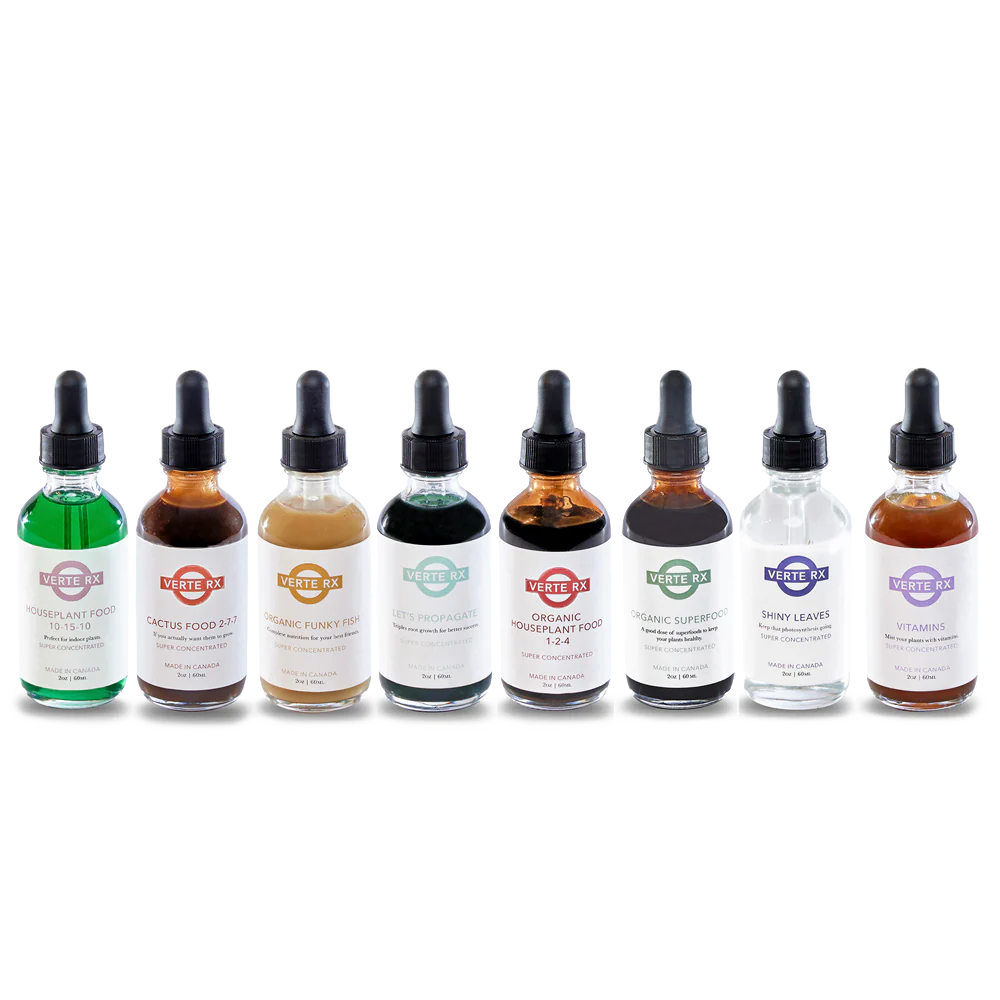
Verte Rx Shiny Leaves for Plants - Chive Ceramics Studio - Chive Ceramics Studio

The seed is the start. Verte RX handles the rest.

Most seedlings fail not from bad seed but from soil that runs out of what the plant needs before the plant can find it. Verte RX is a liquid plant vitamin formulated for exactly that window — the weeks after germination when the root system is establishing and the margin between thriving and stalling is narrowest.