
Terrariums

Terrariums

The glass is the frame. The opening is the engineering.

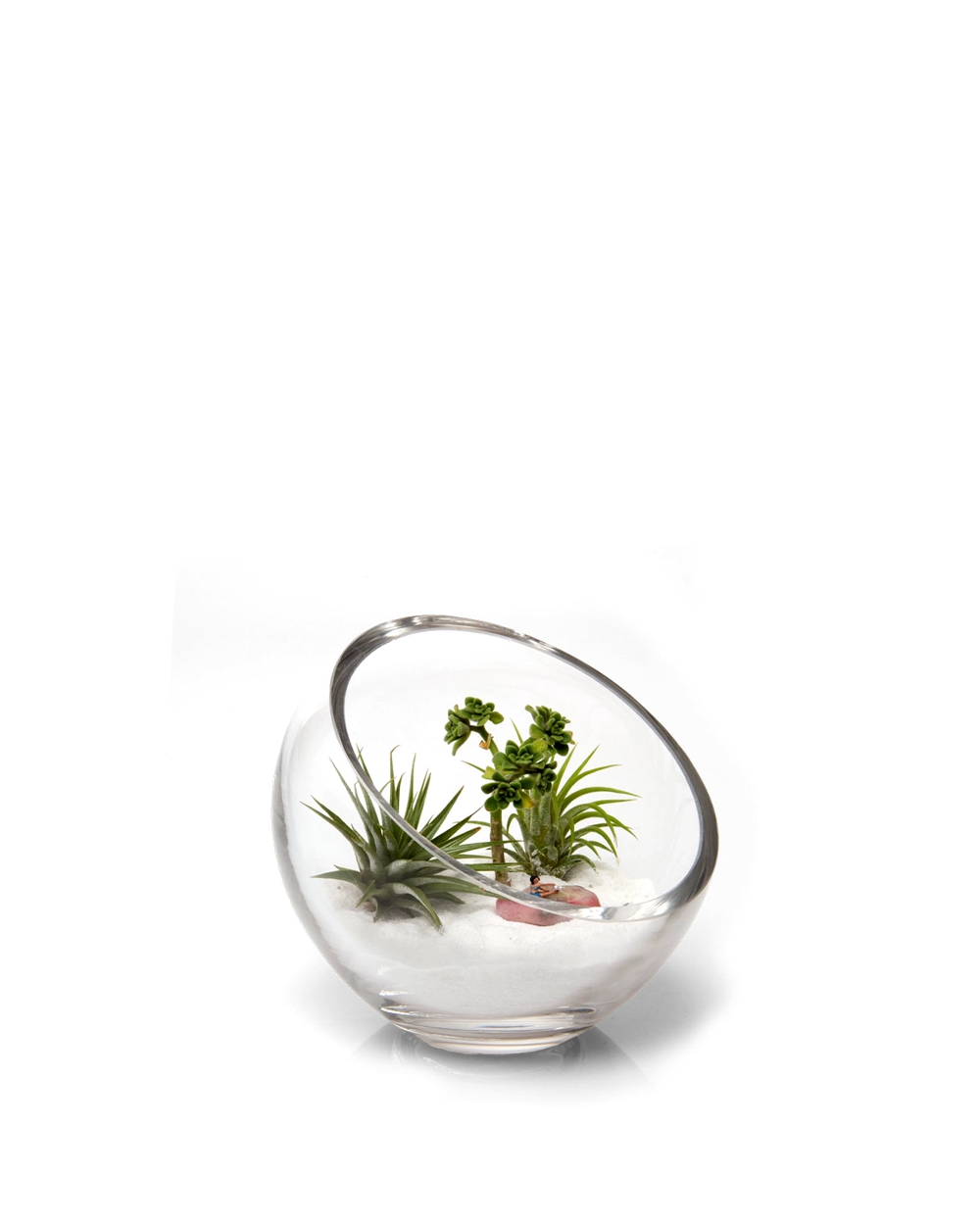
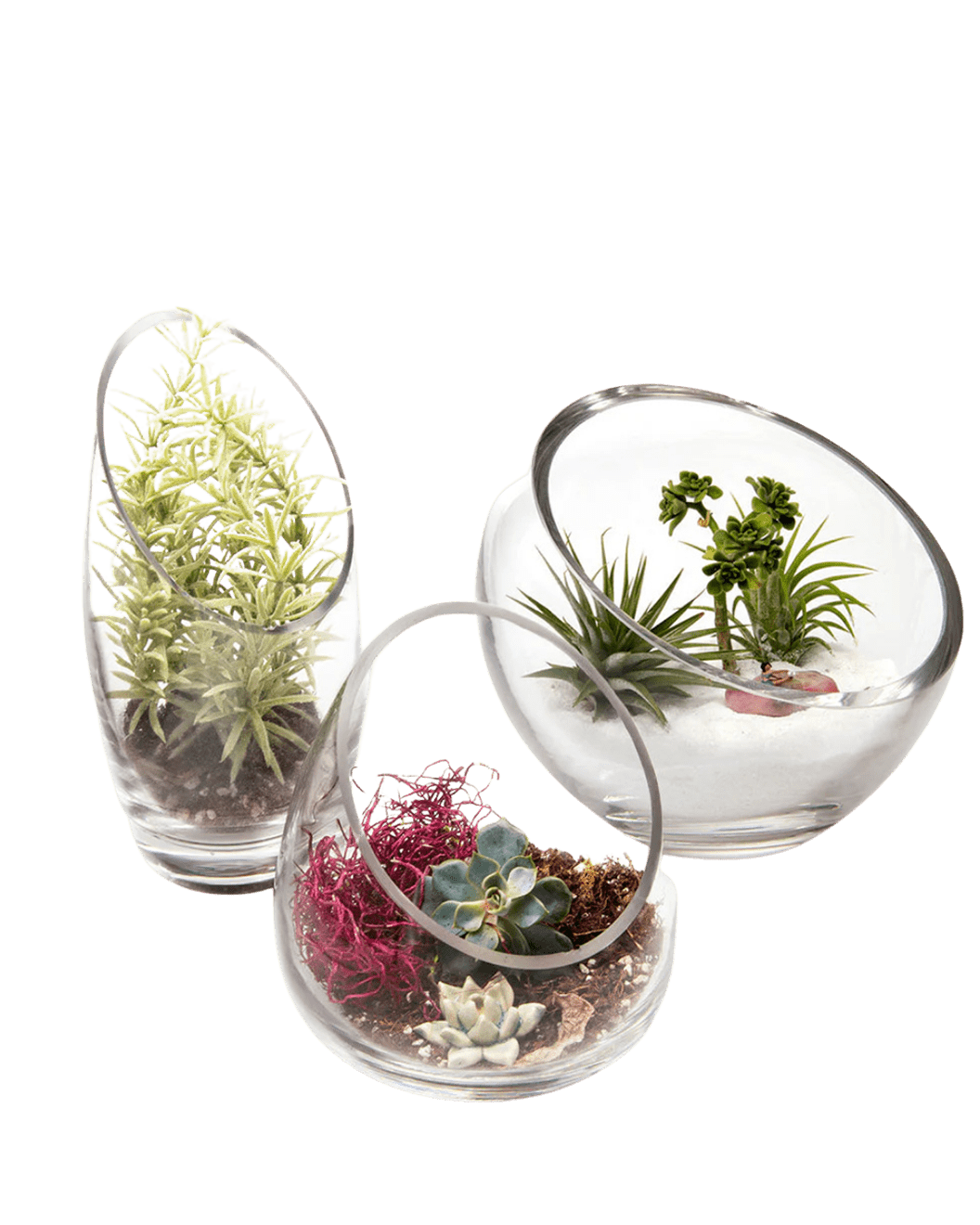
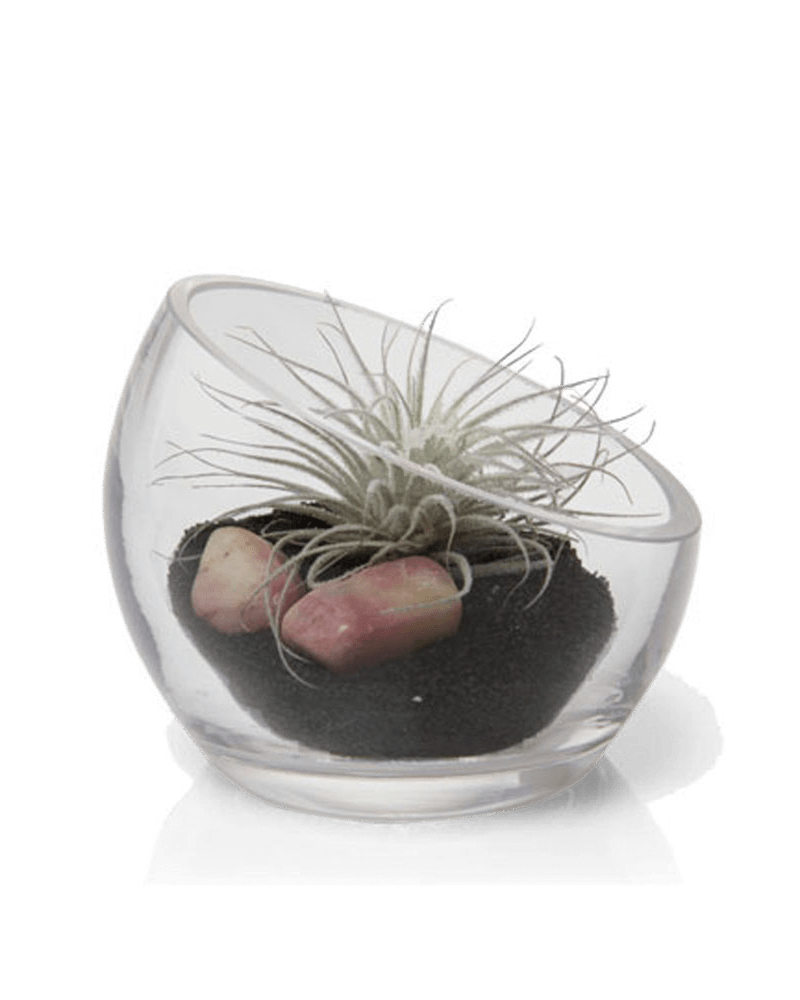
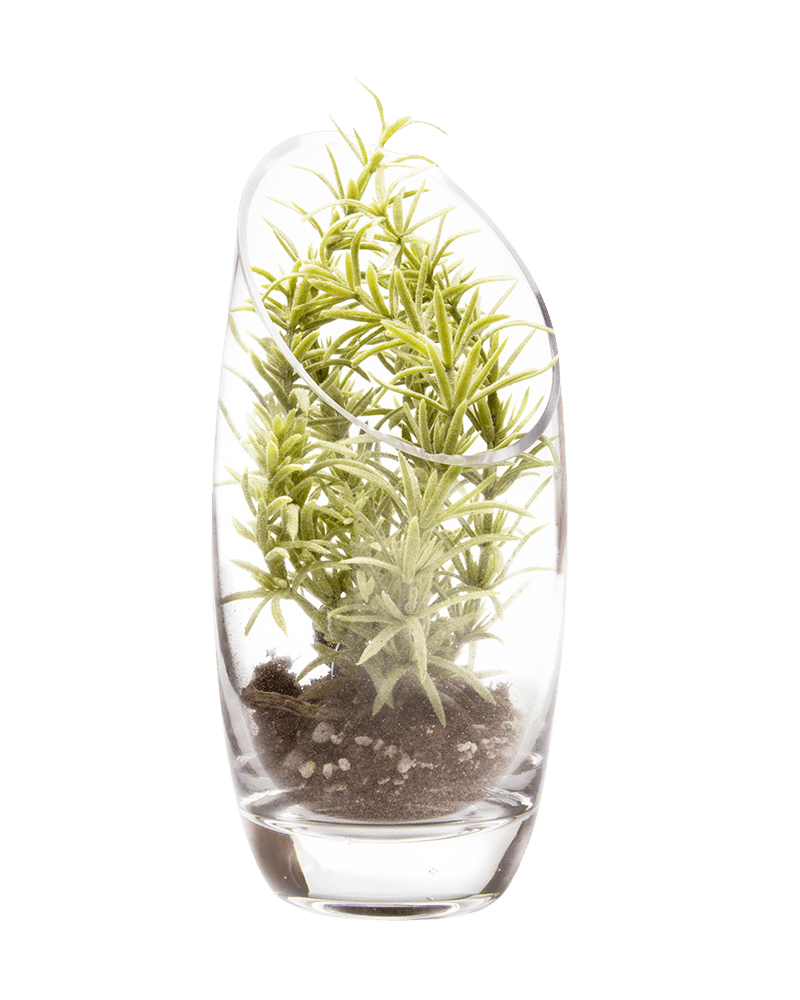
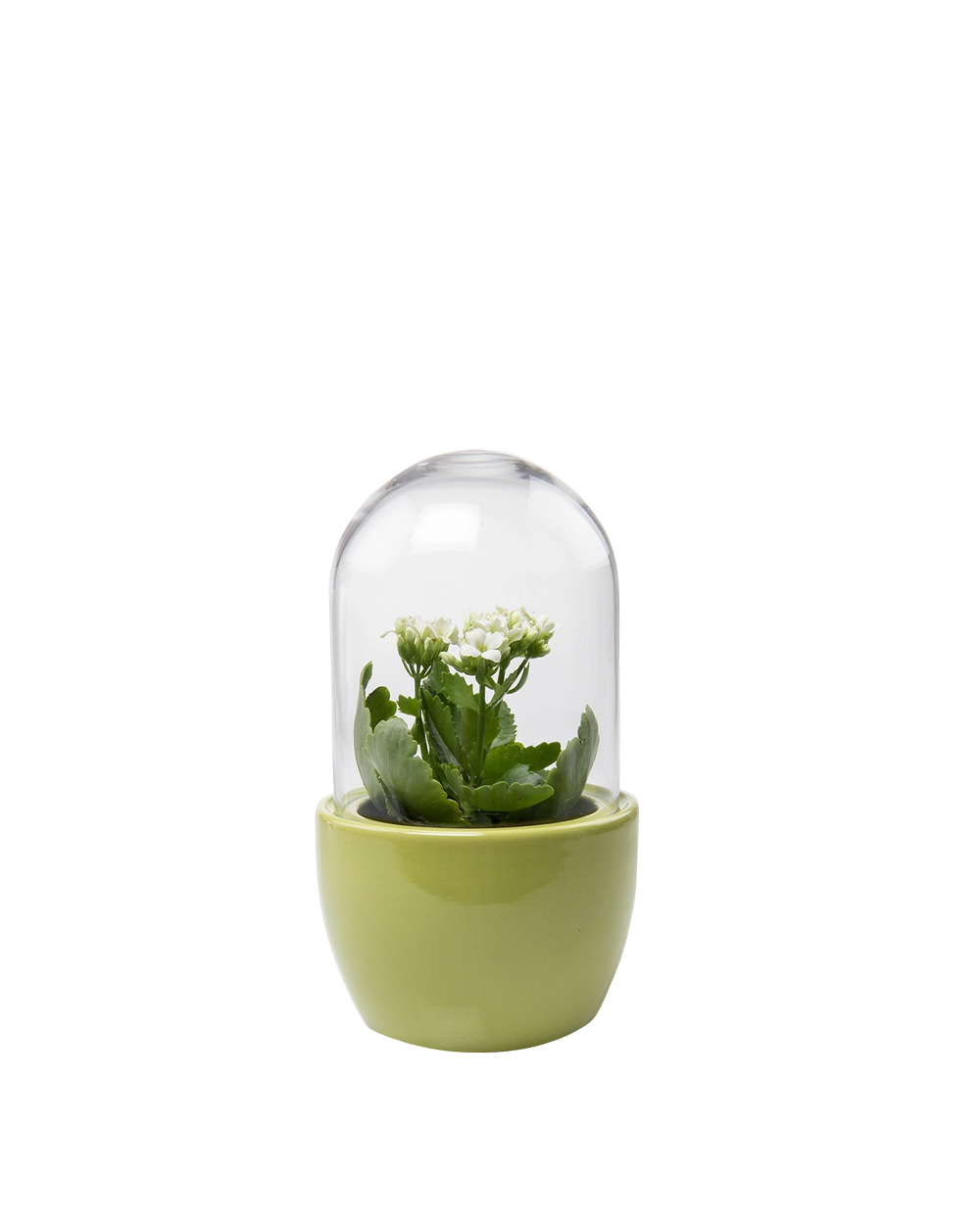
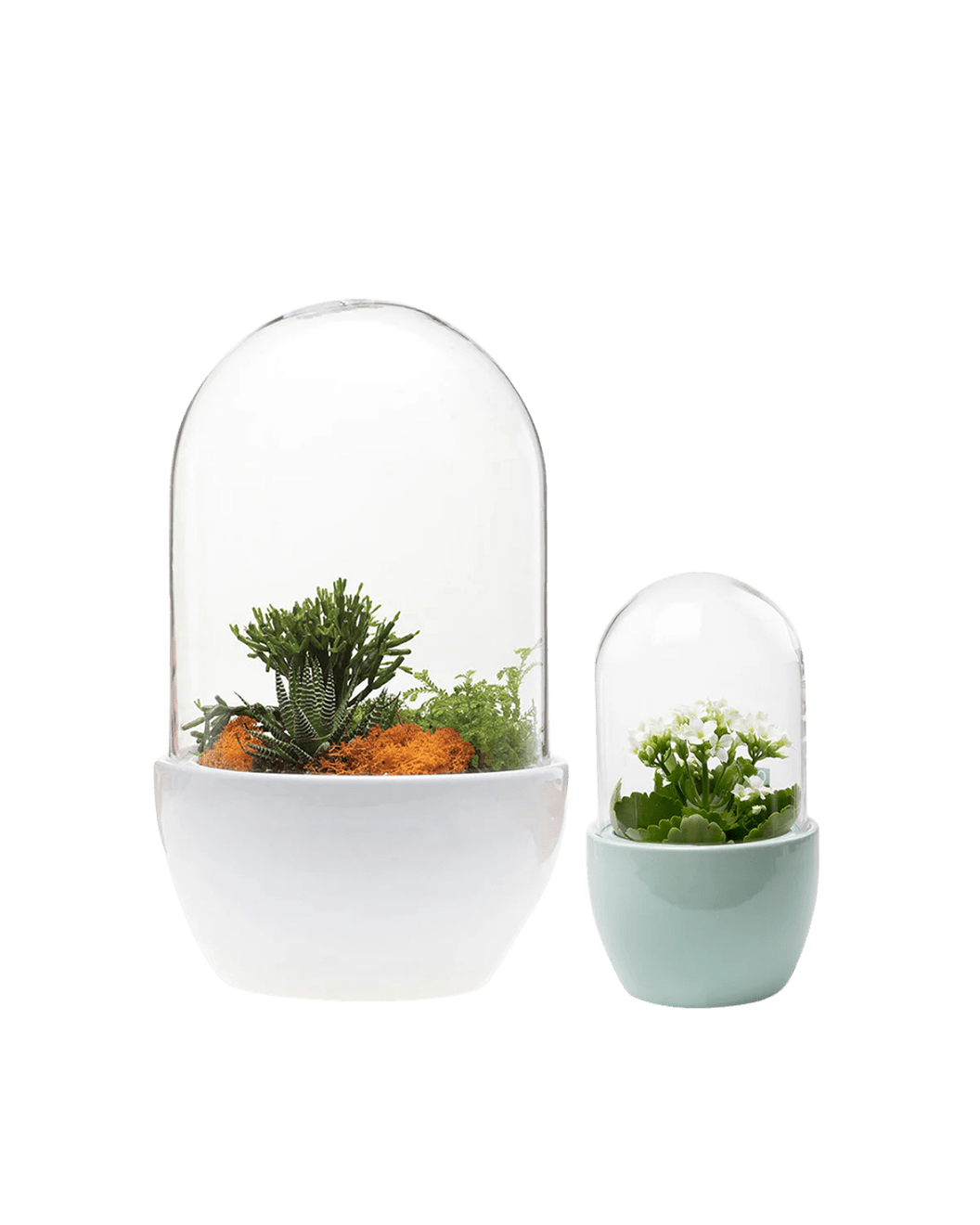
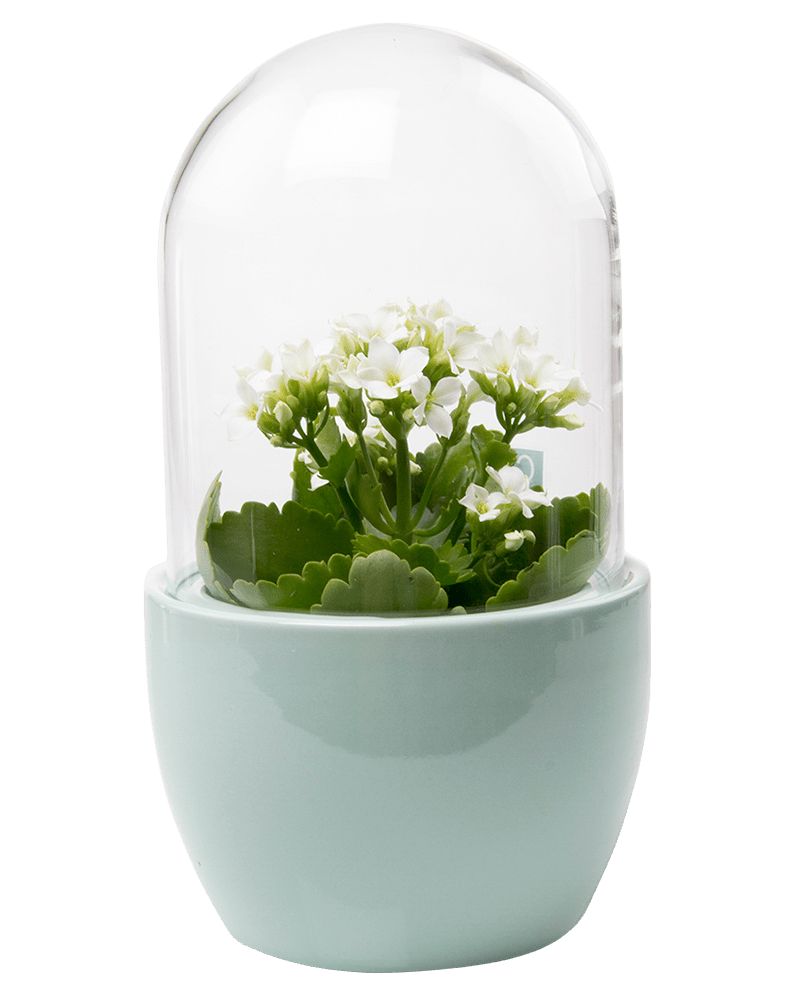
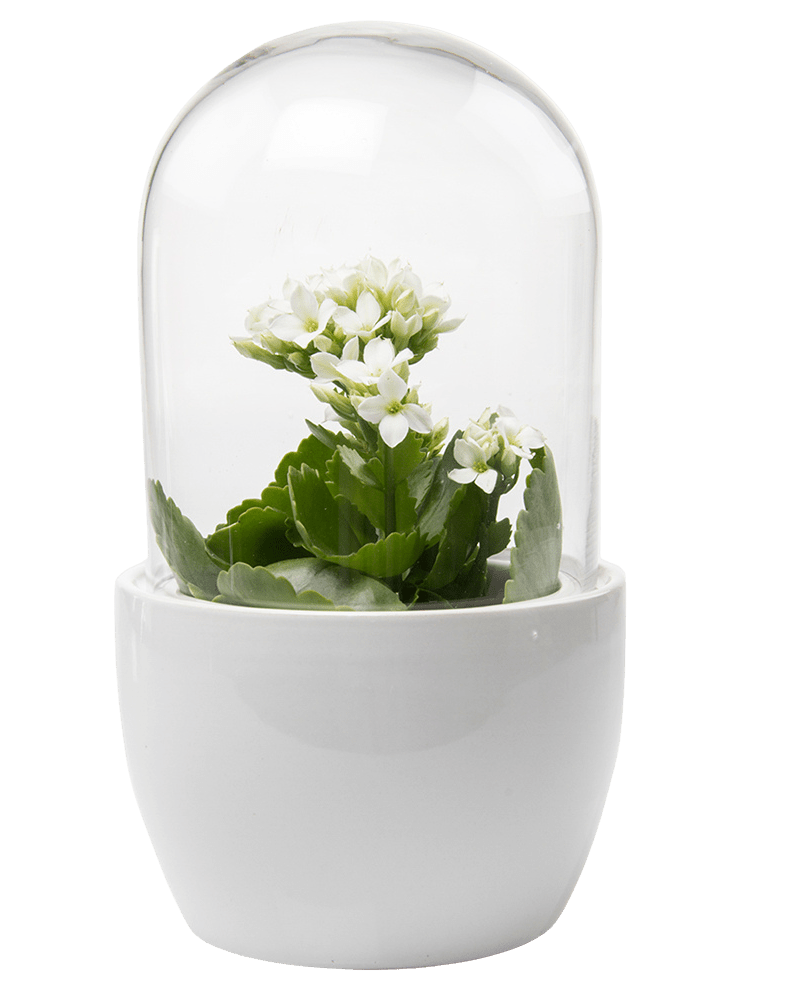
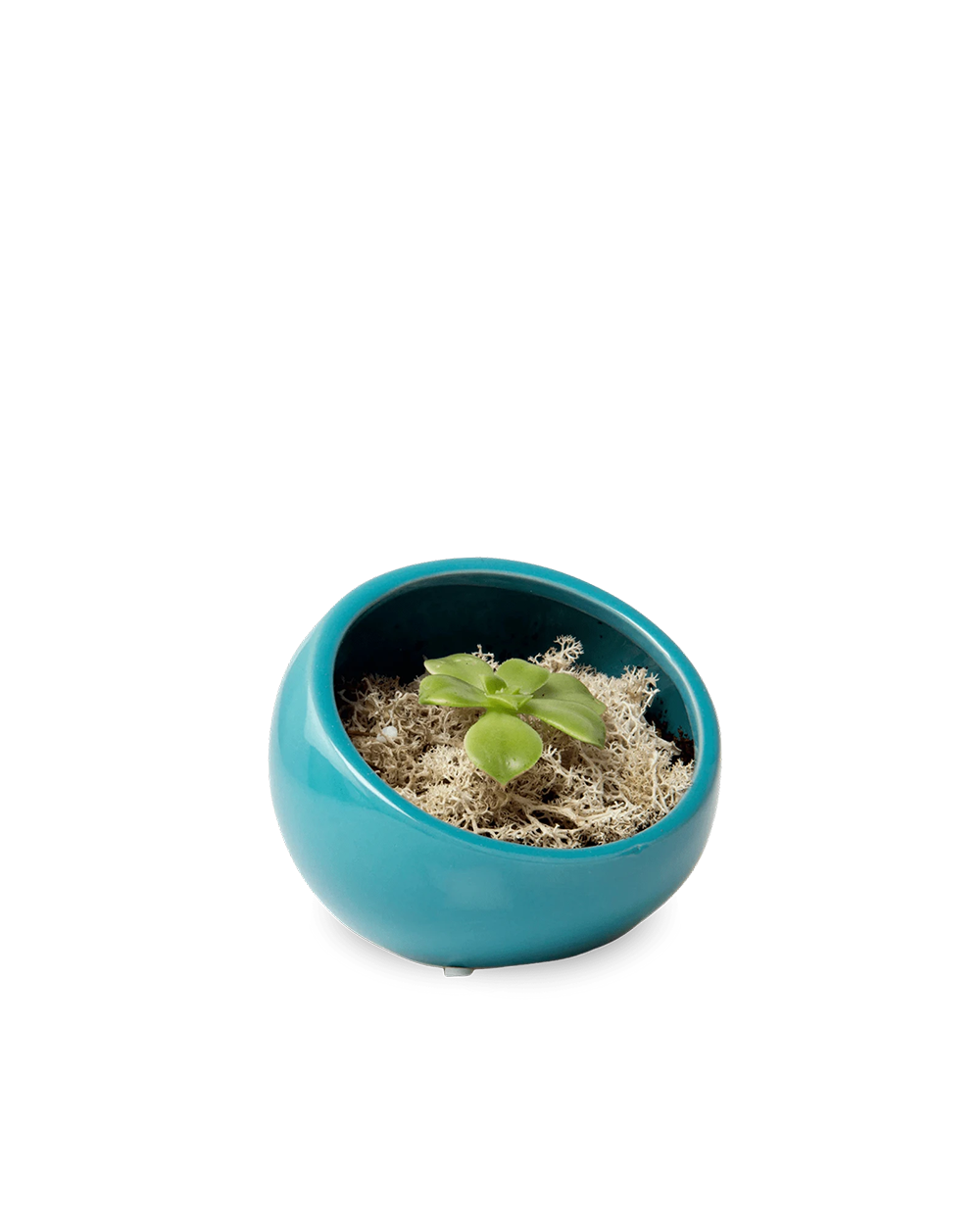
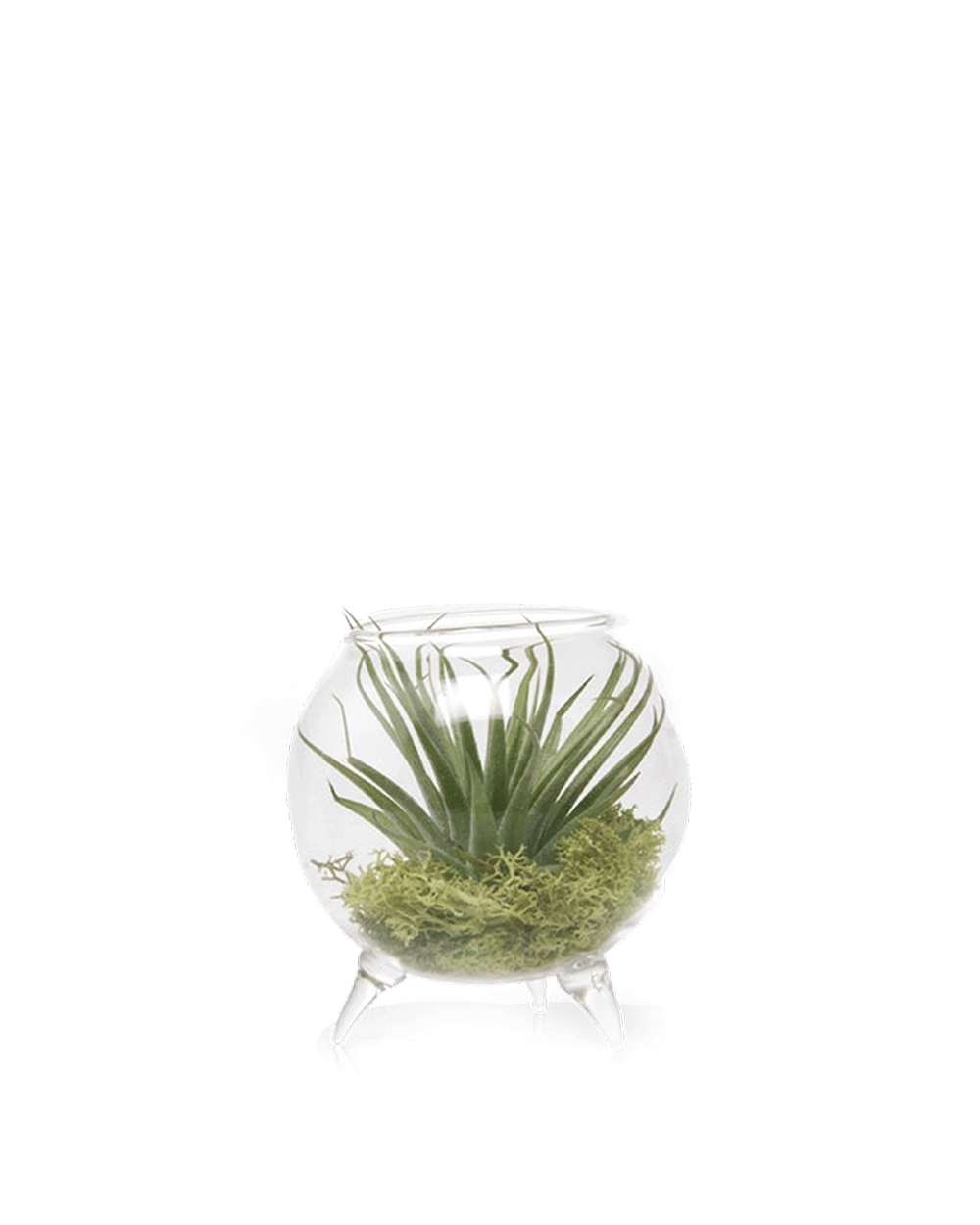
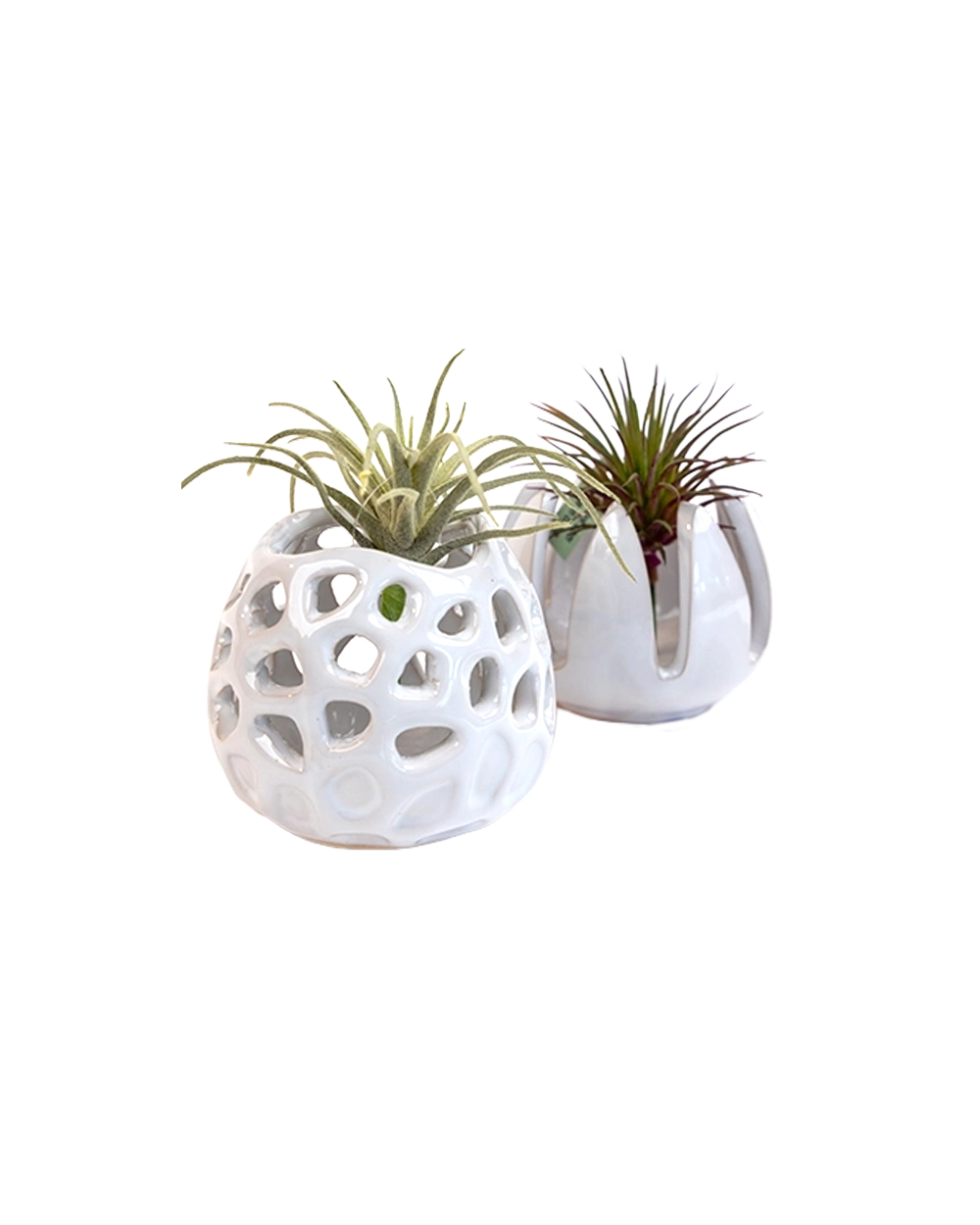
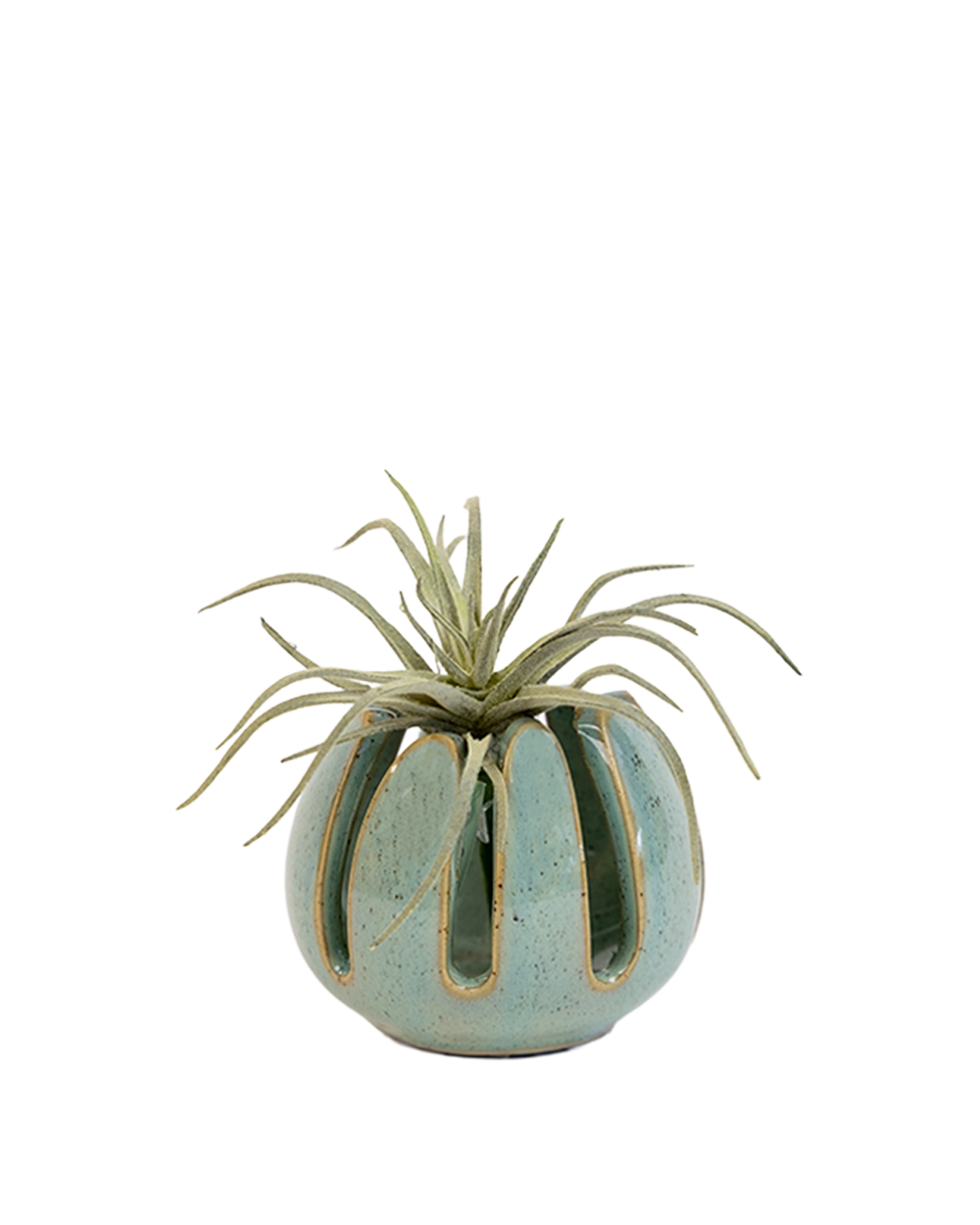
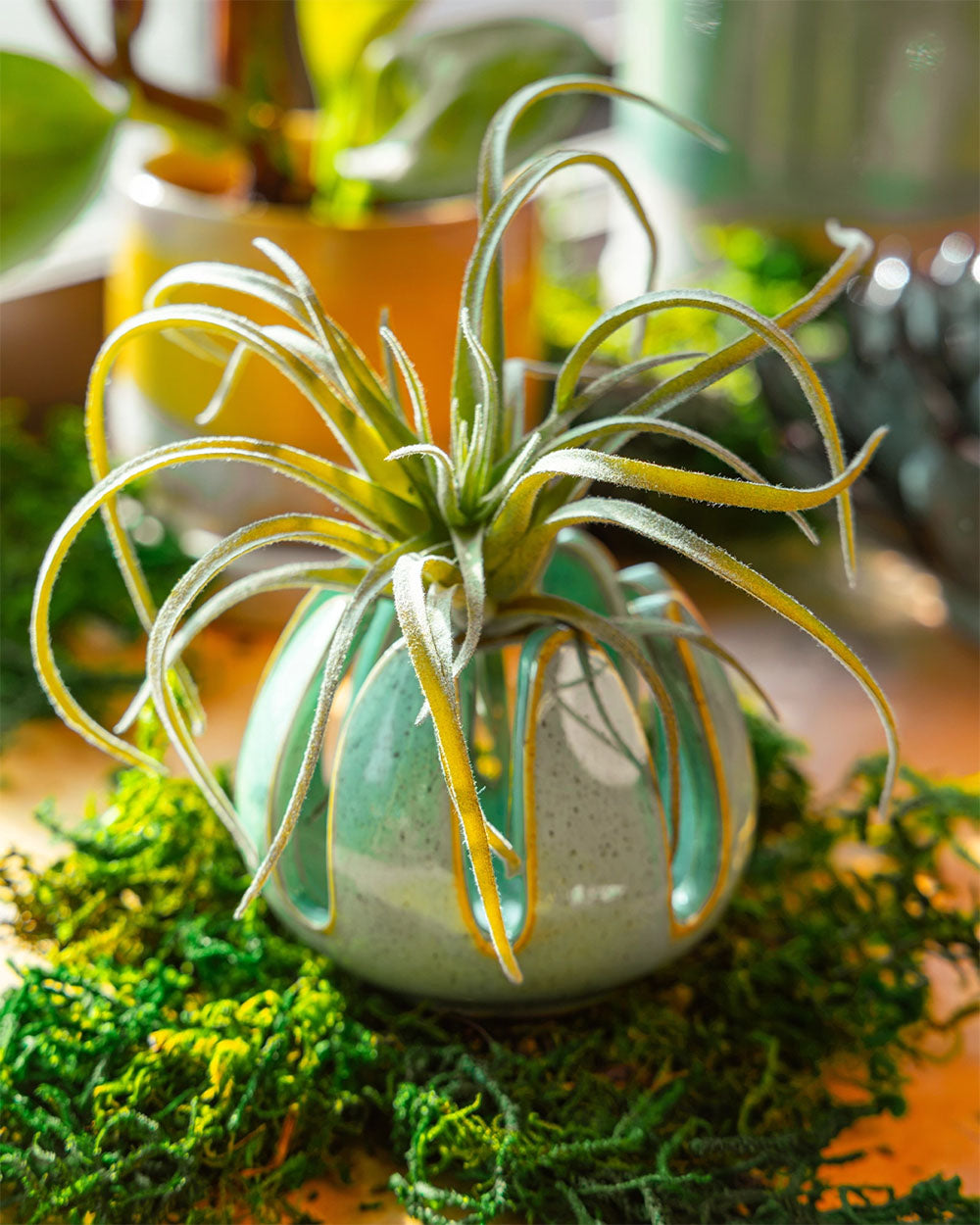
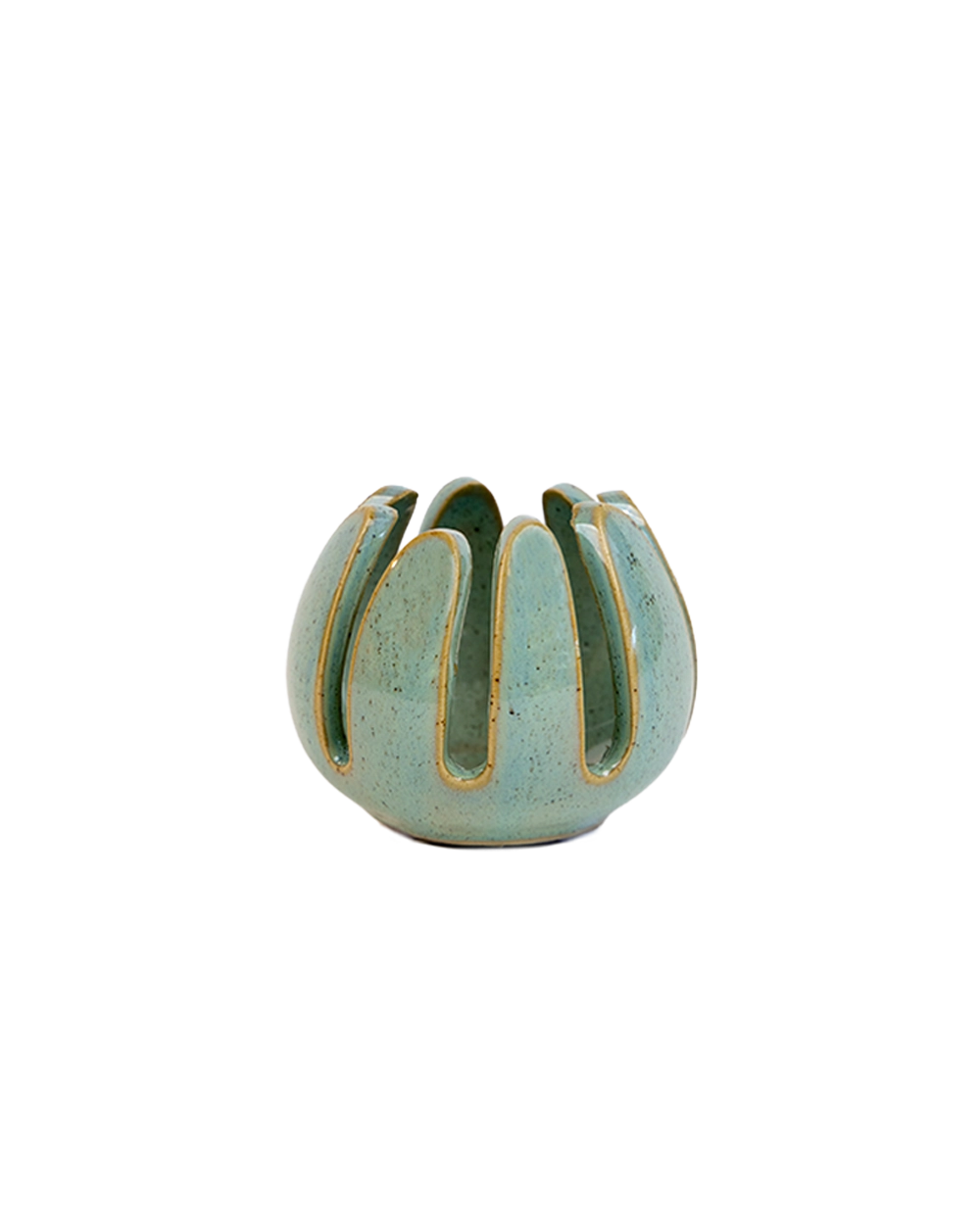
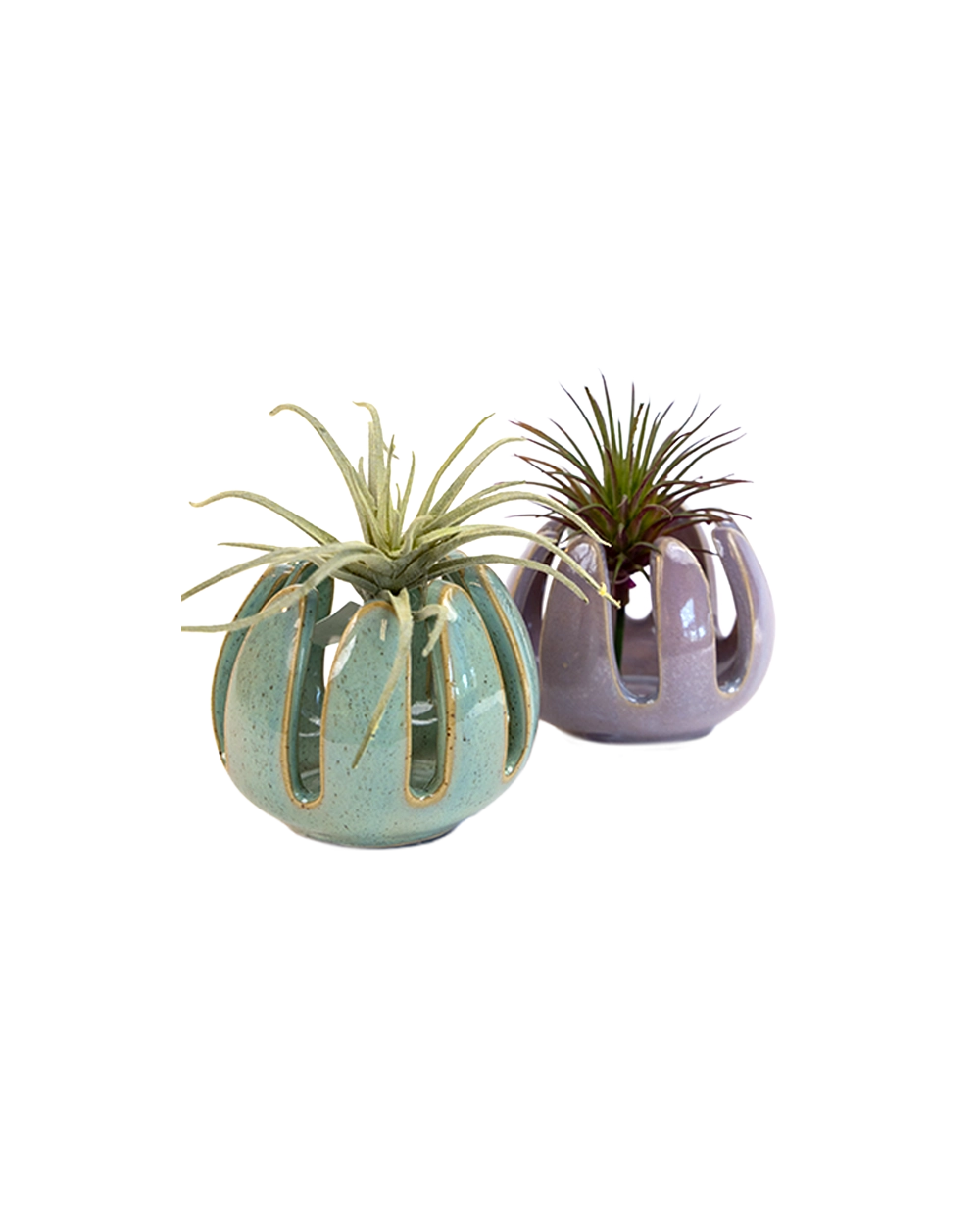
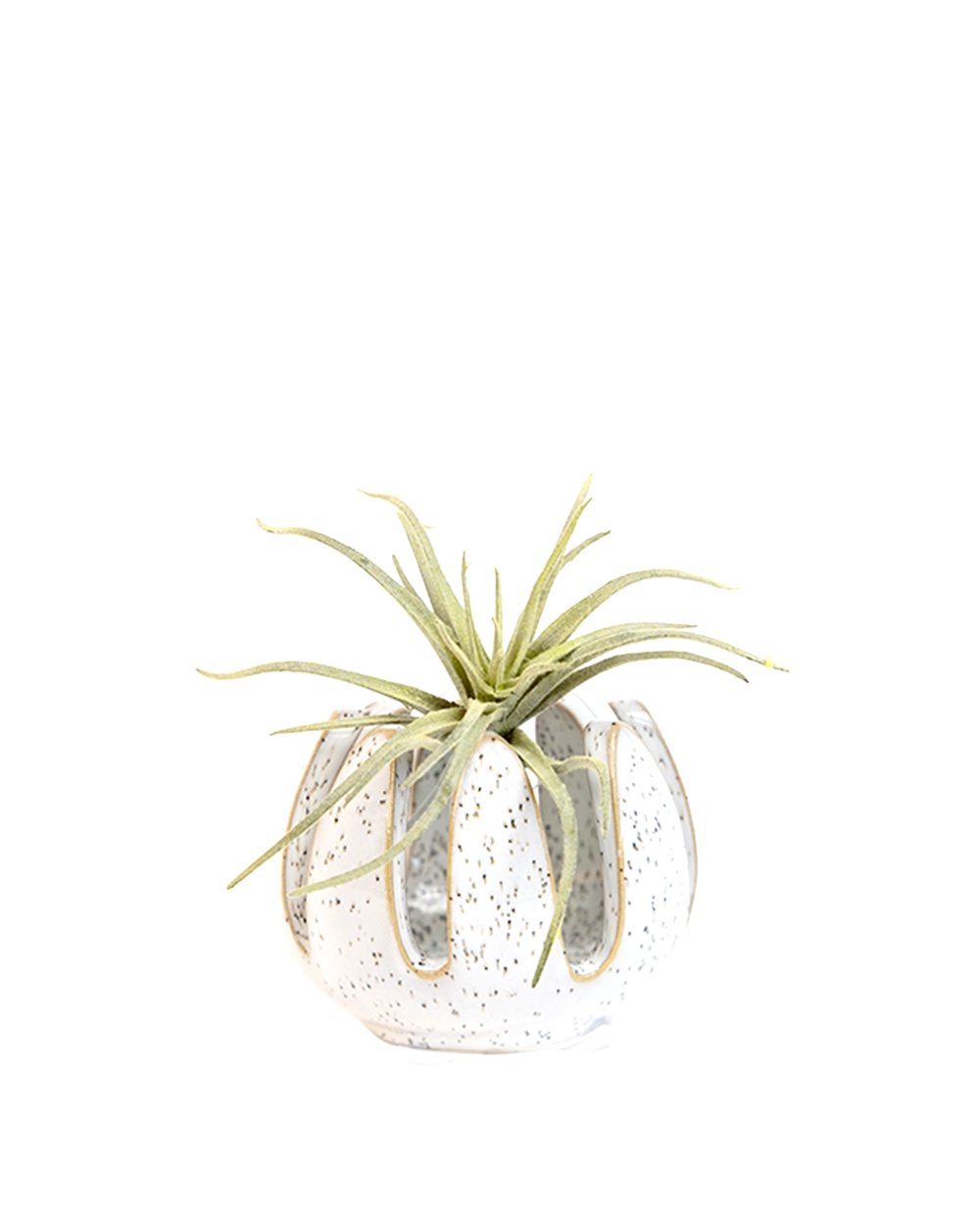
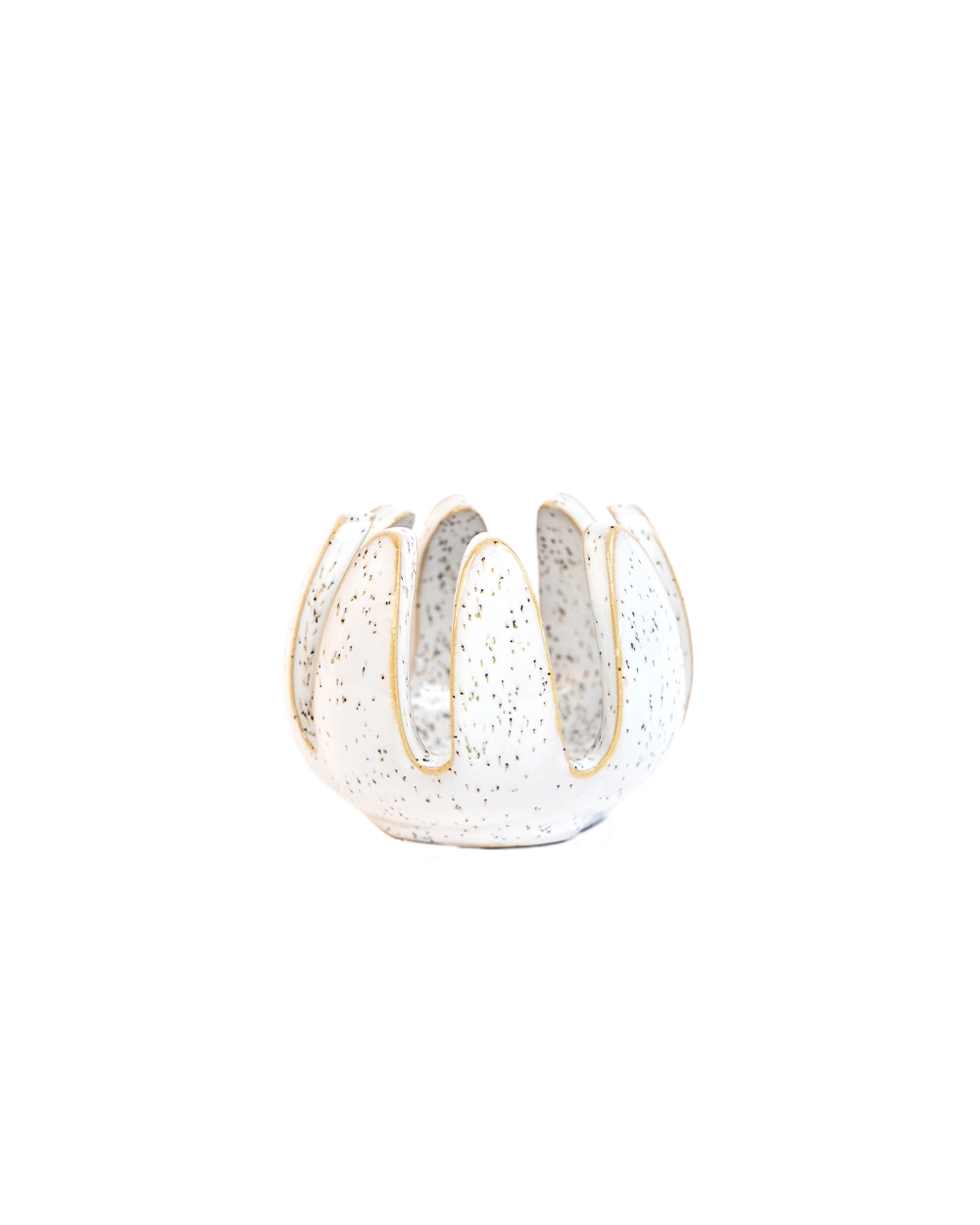
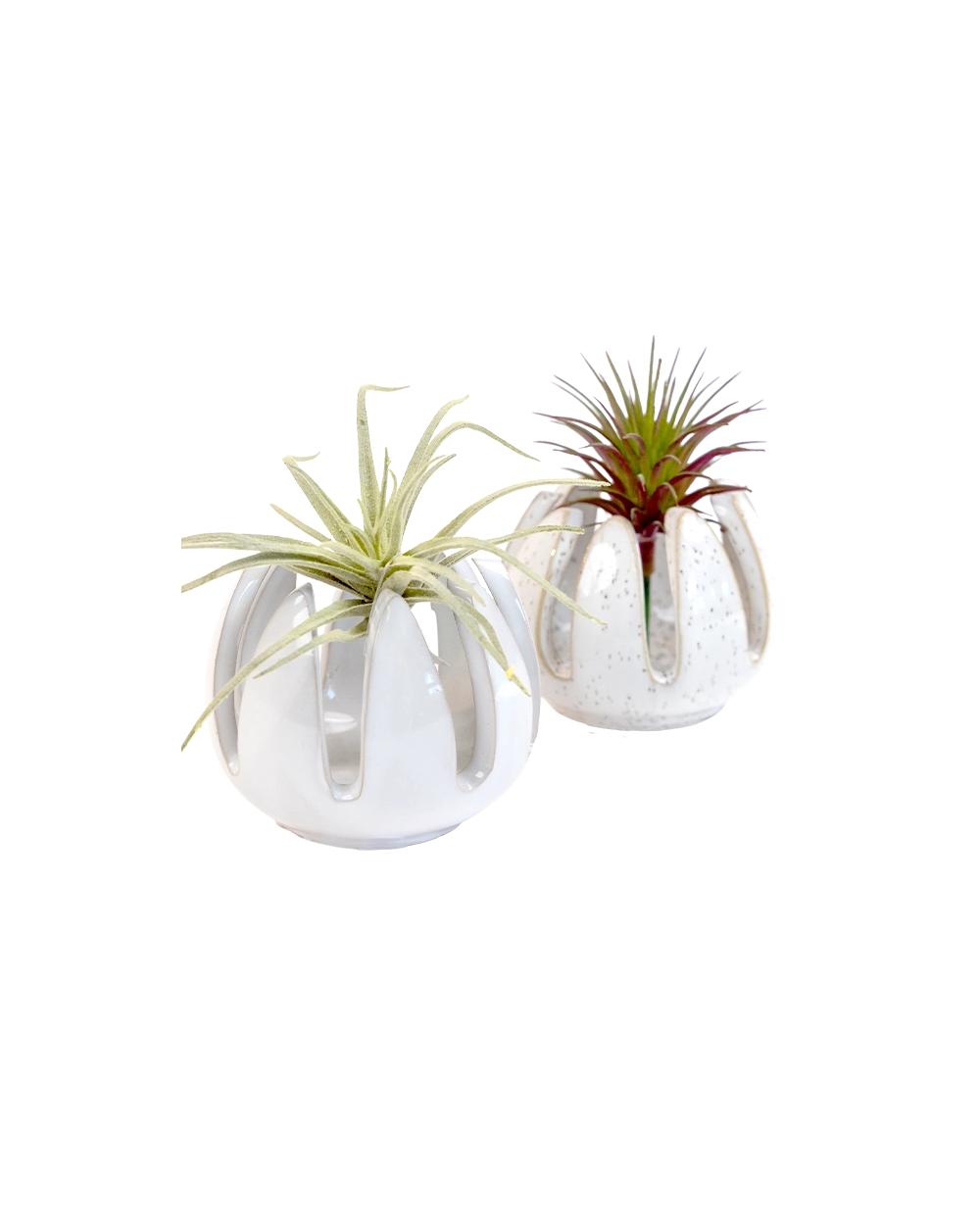
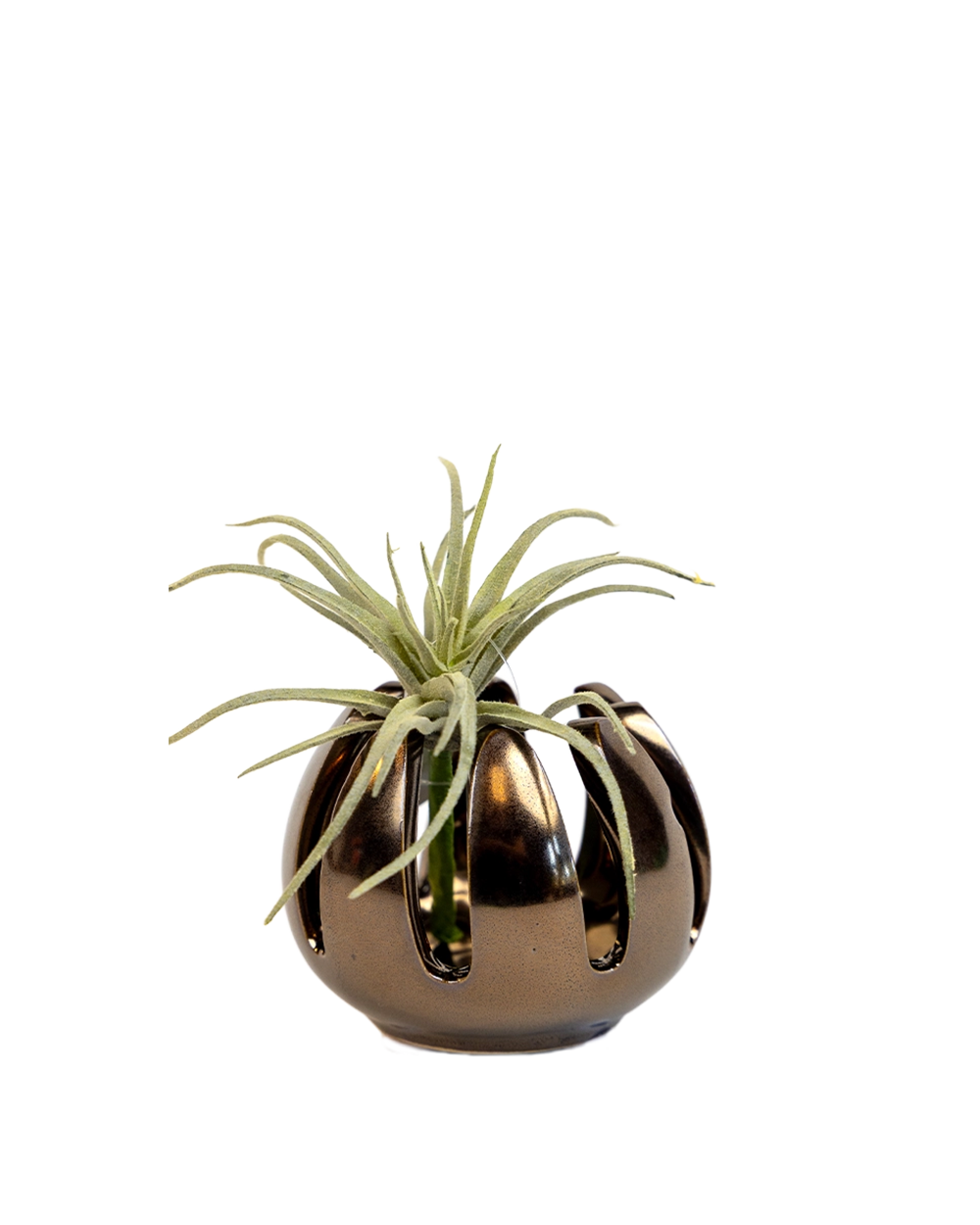
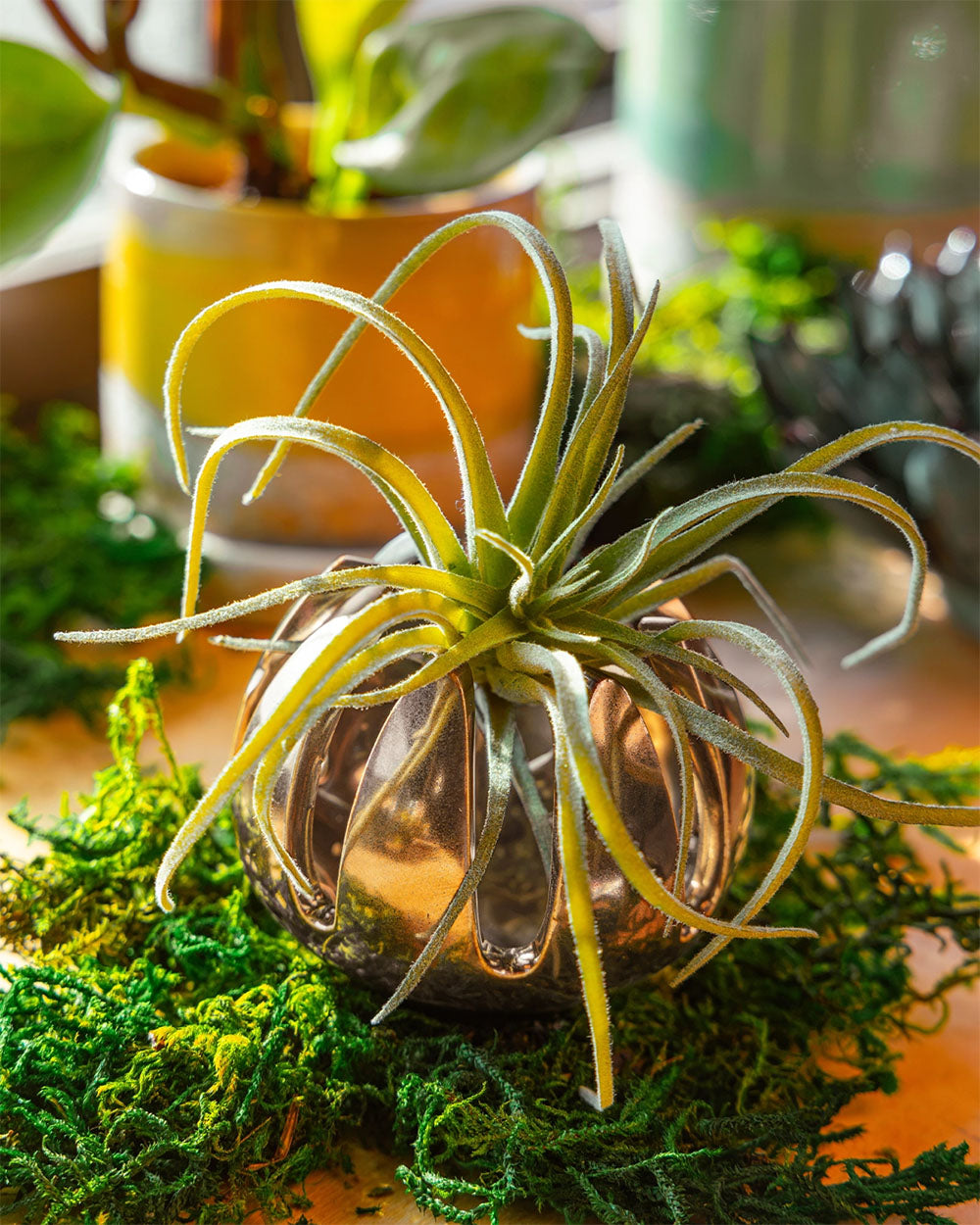
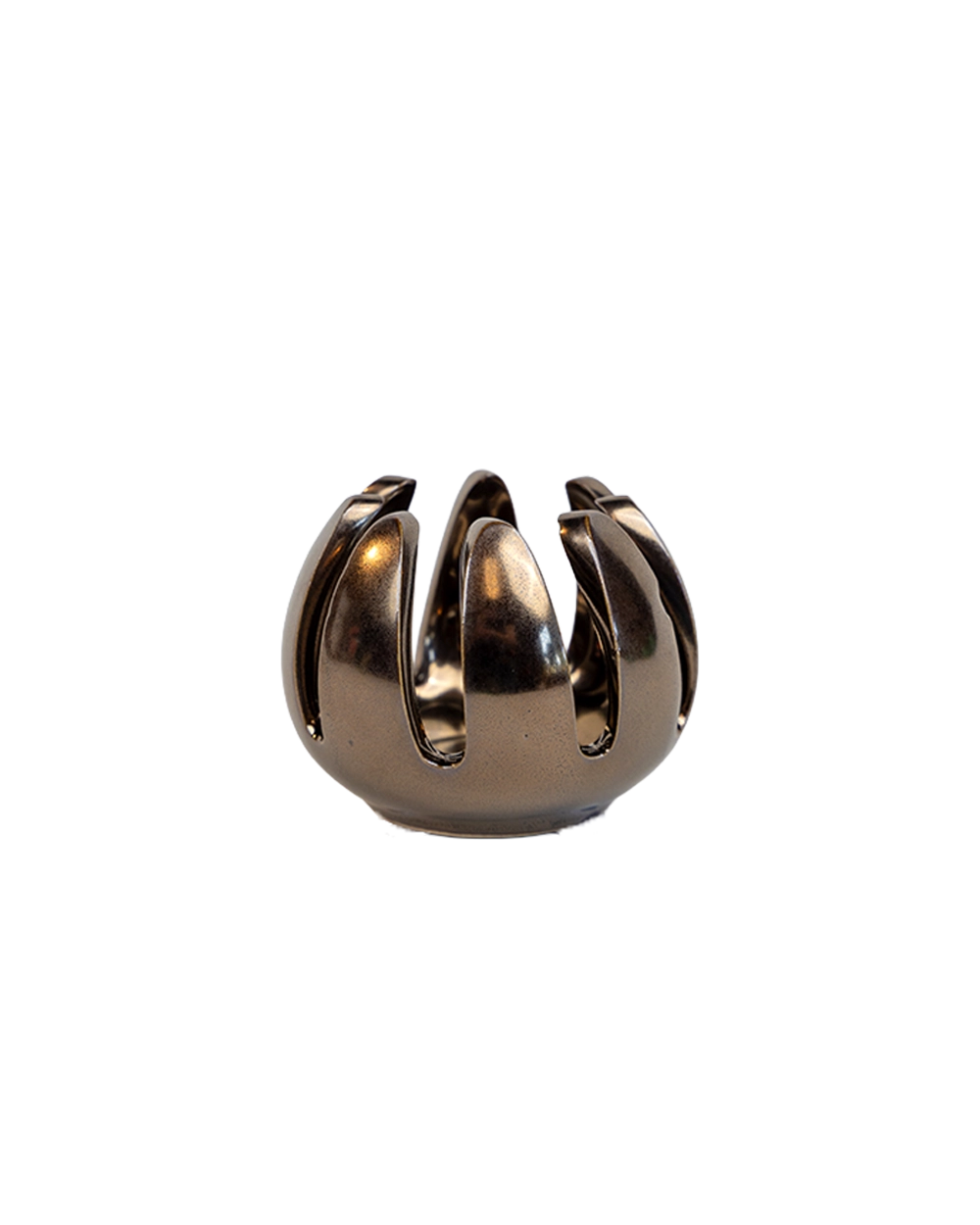
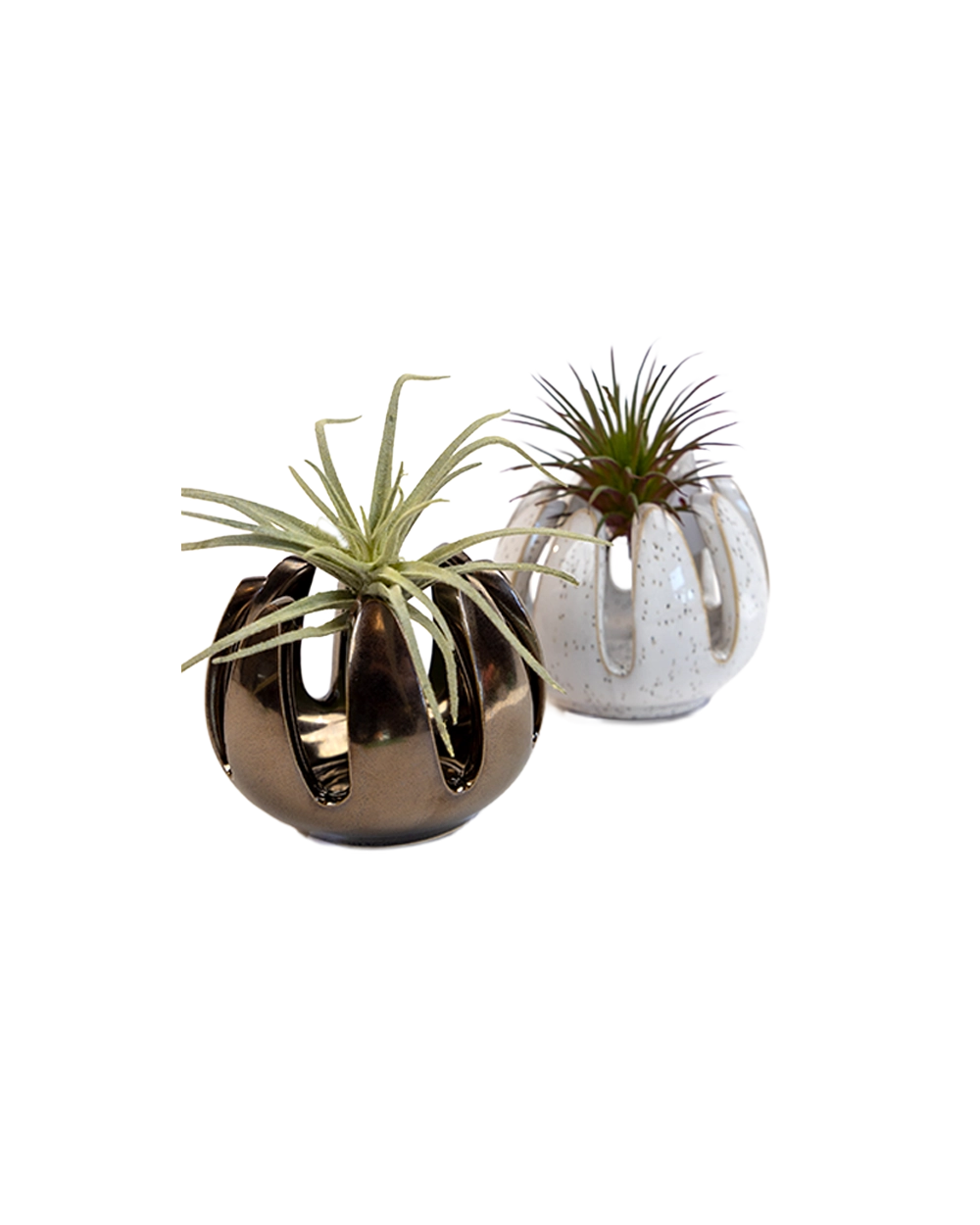
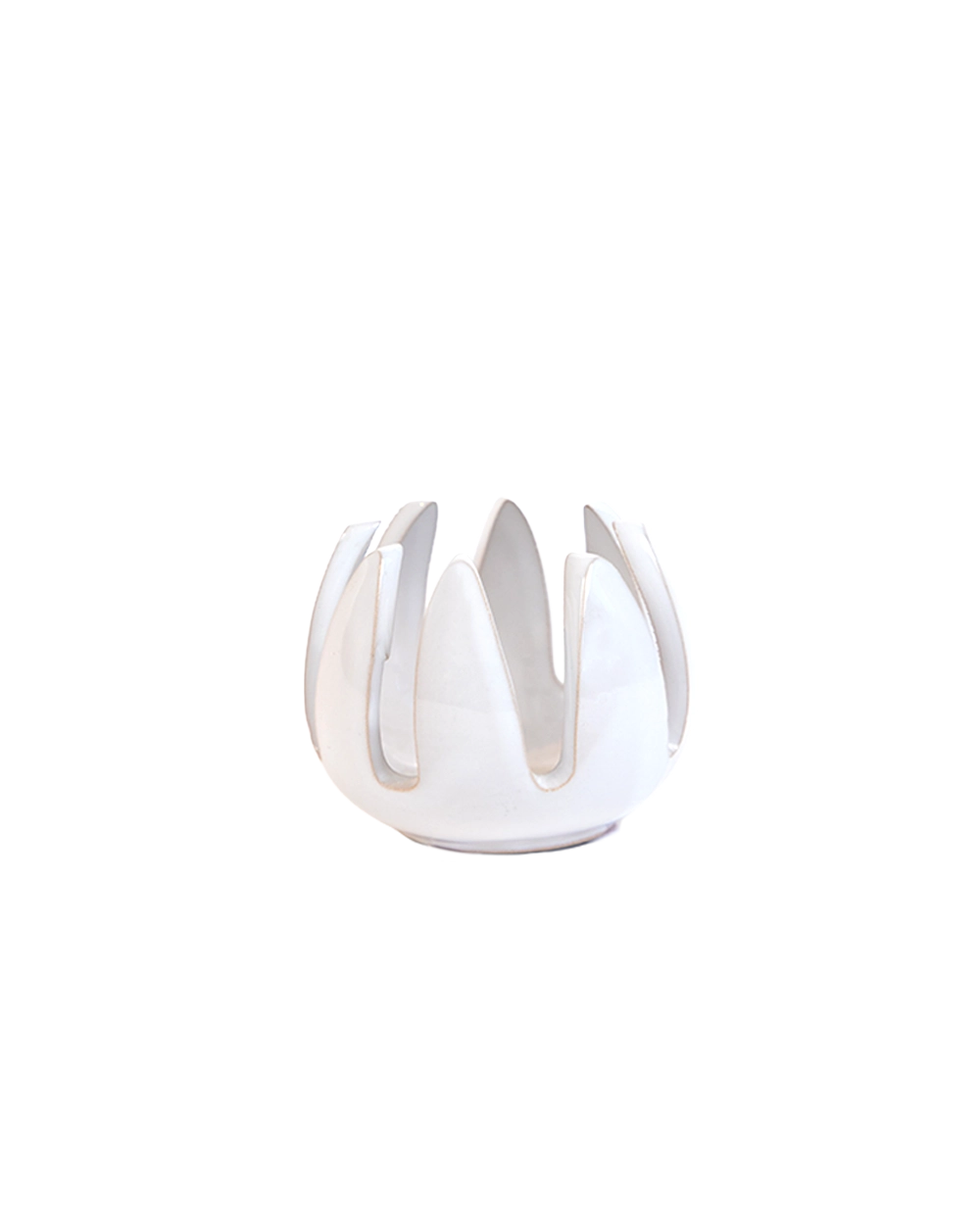
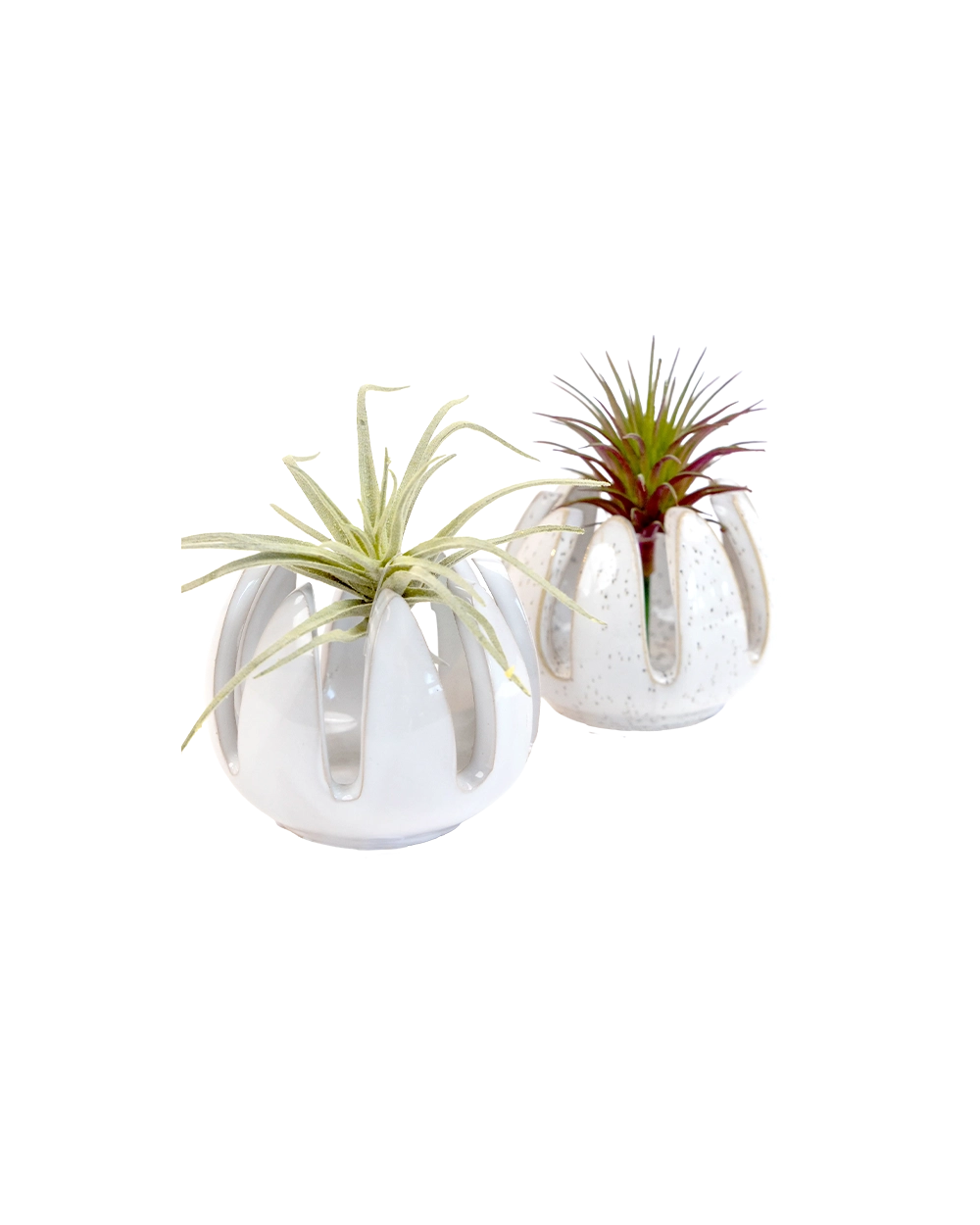
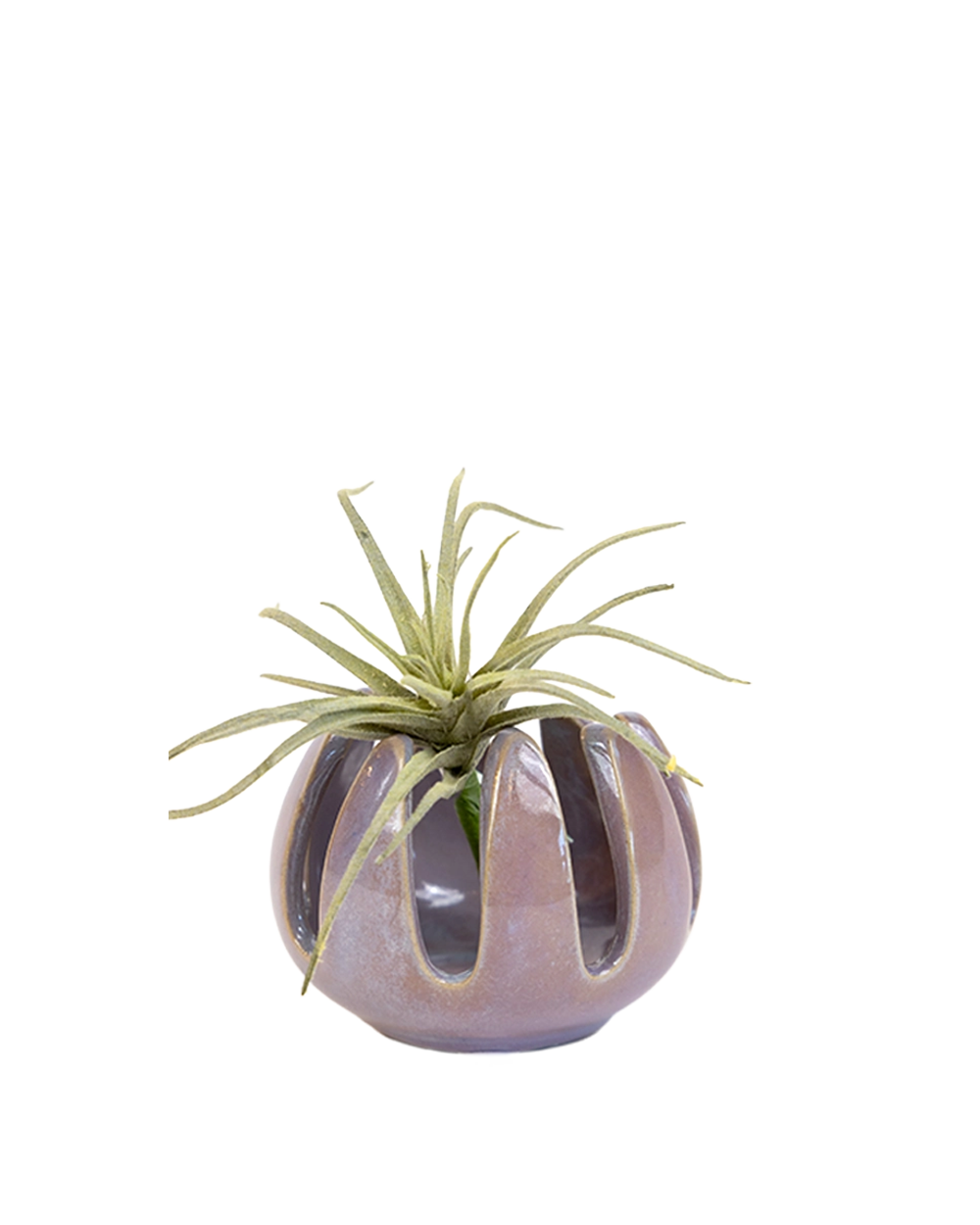
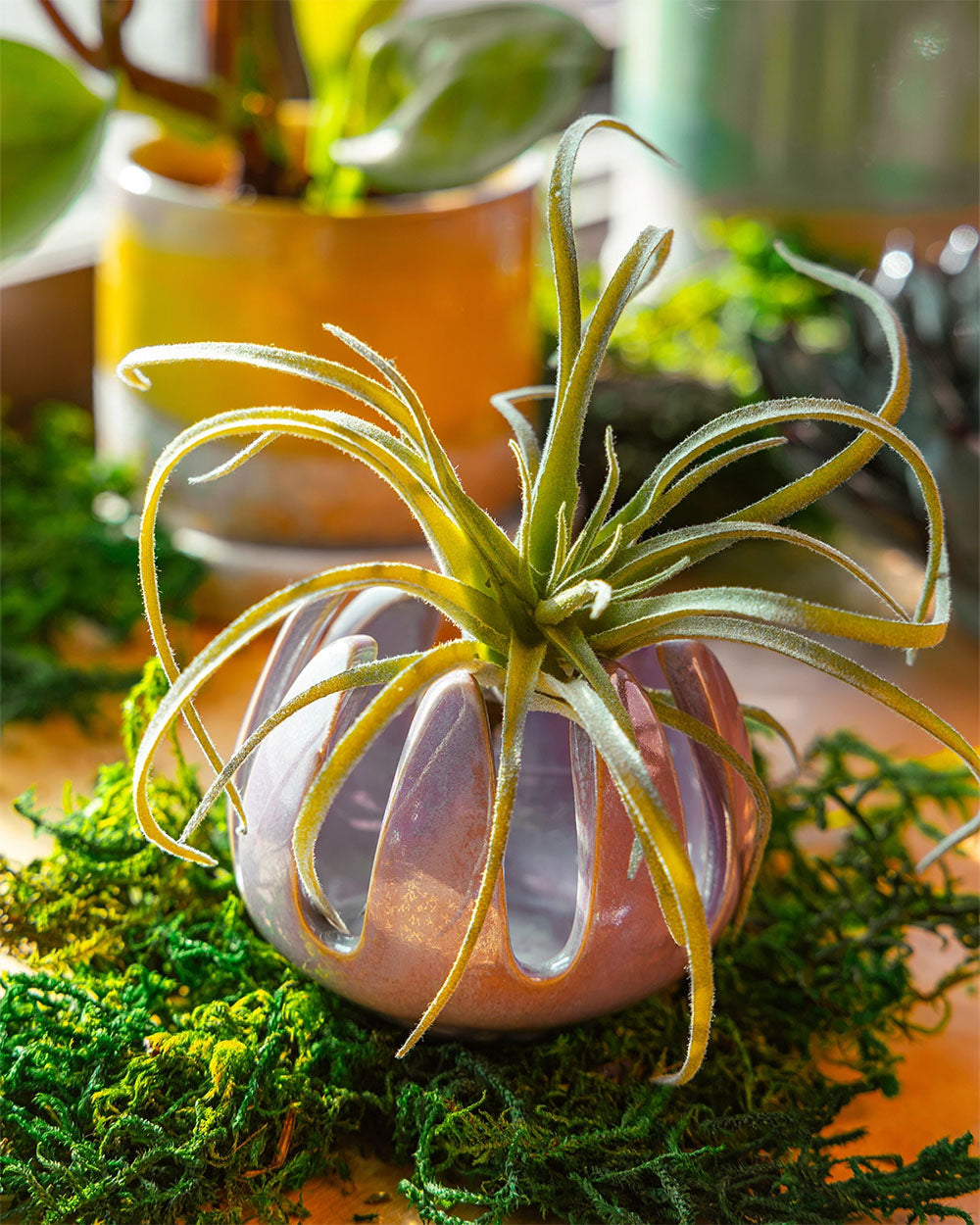
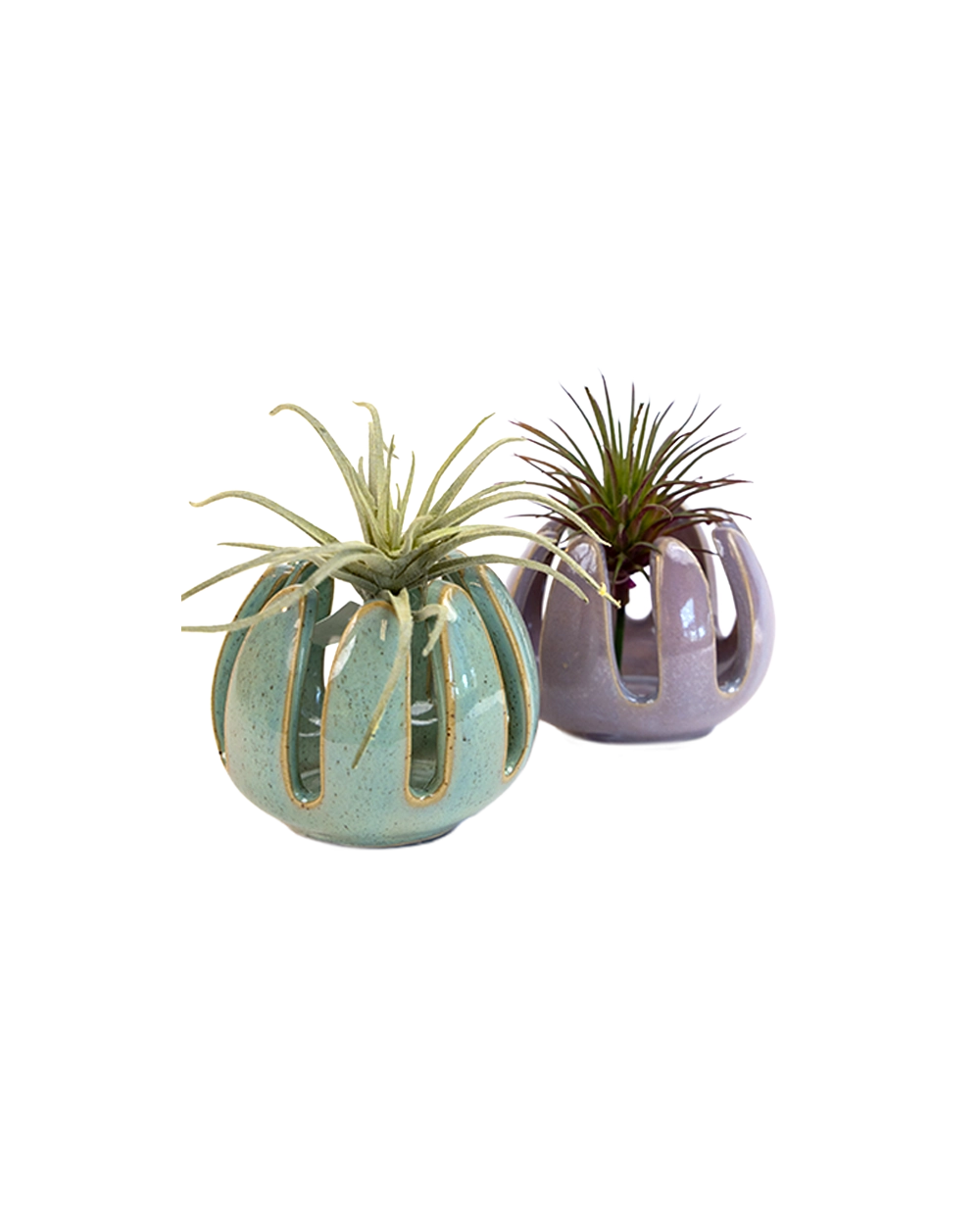
A glass terrarium is a transparent growing case — open designs breathe for succulents and air plants, closed ones seal humidity in for tropical species. This collection covers hanging globes, open bowls, jars, and ceramic air-plant holders, each shaped so the plant gets the airflow it actually needs under the glass.

Open & closed glass terrariums · Hanging globes · Succulent bowls & jars · Ceramic air plant holders · Designed in Toronto, made by hand · Ships gift-ready to 40+ countries
Filters
Sort by
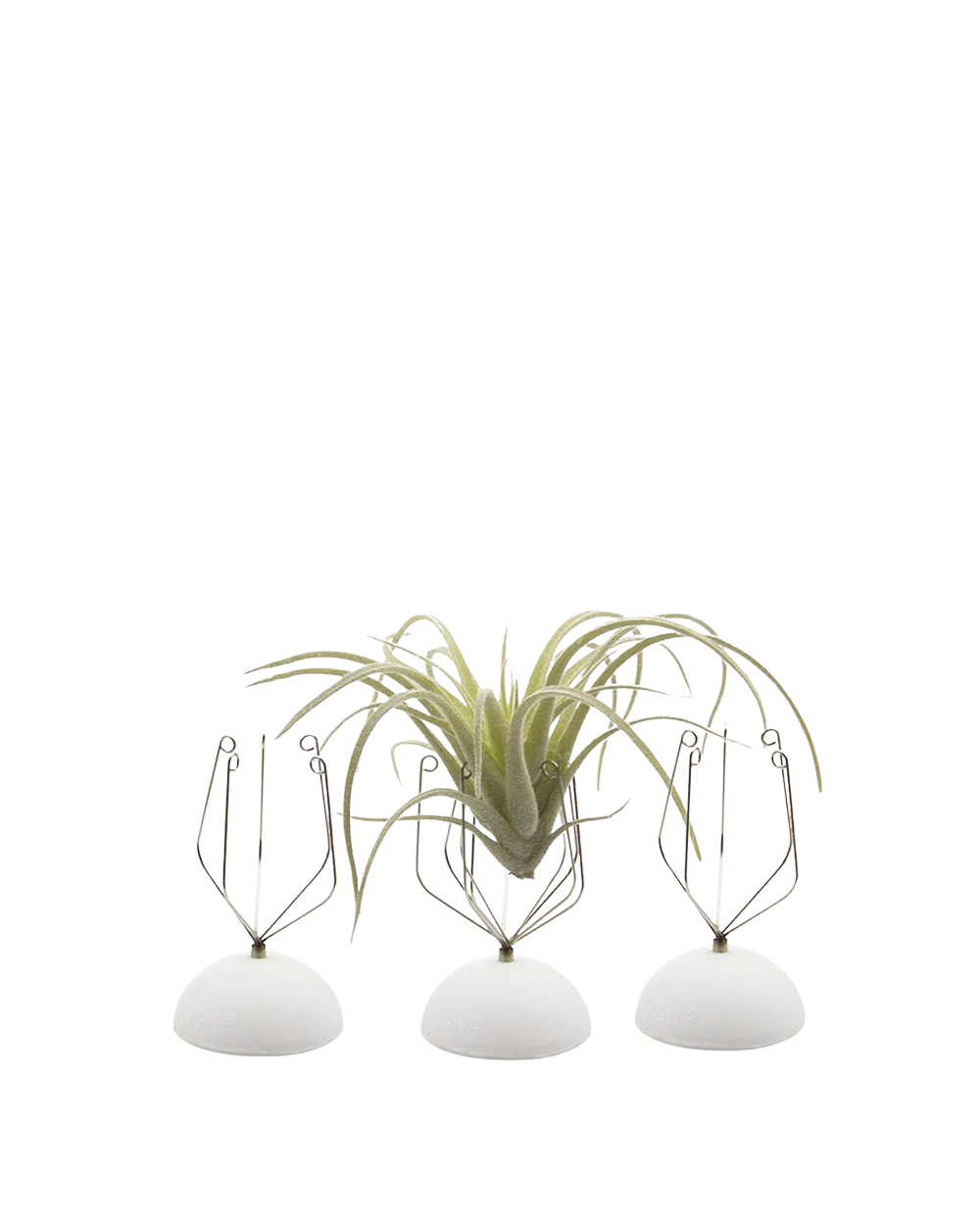
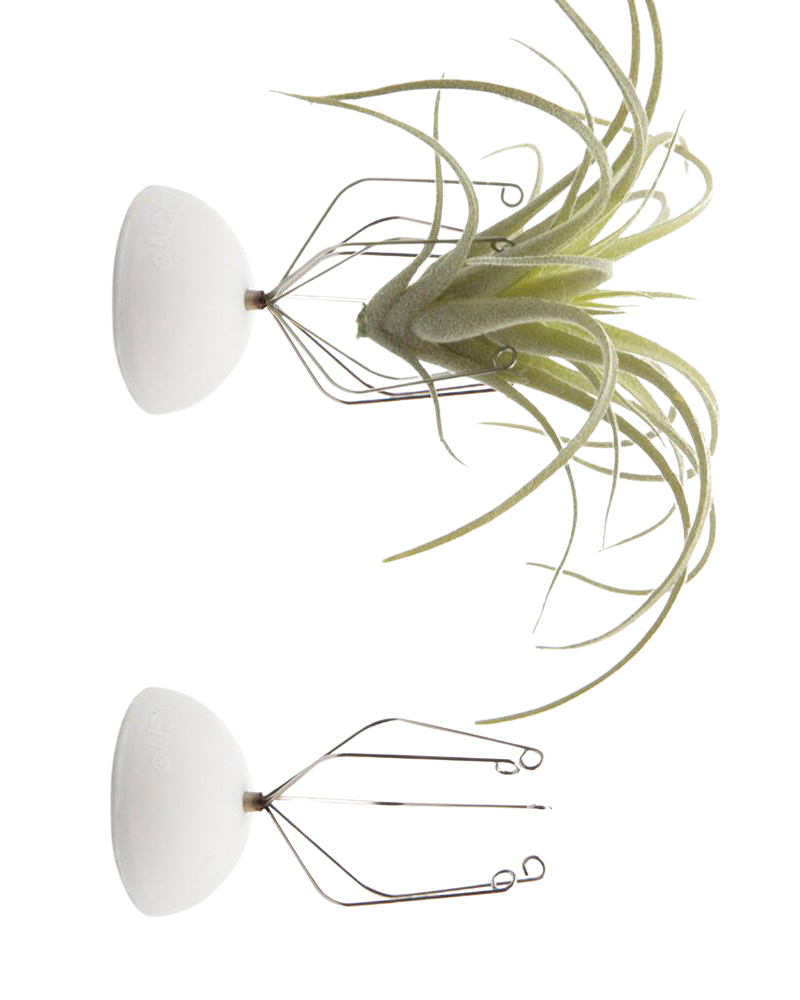
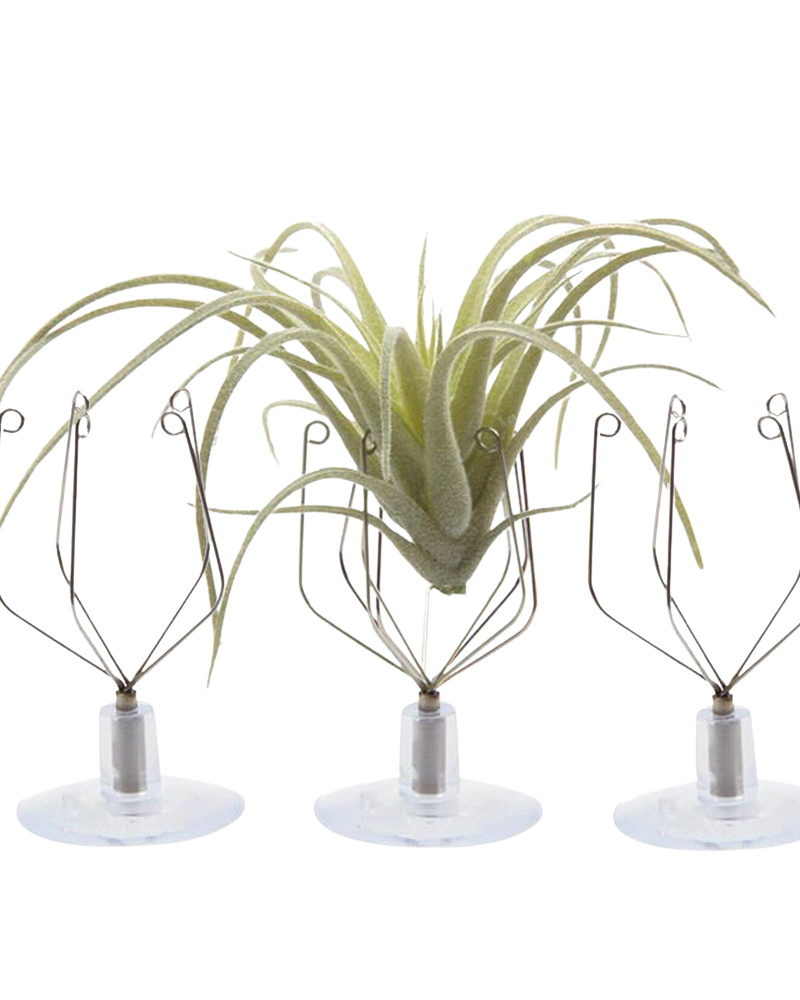
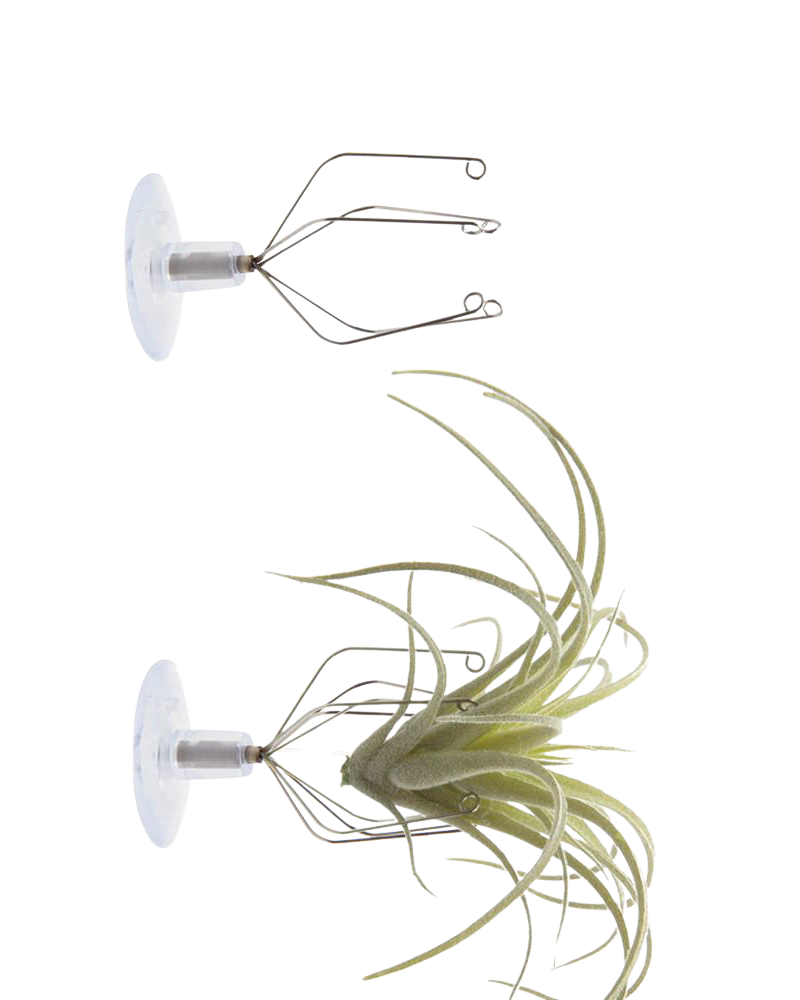
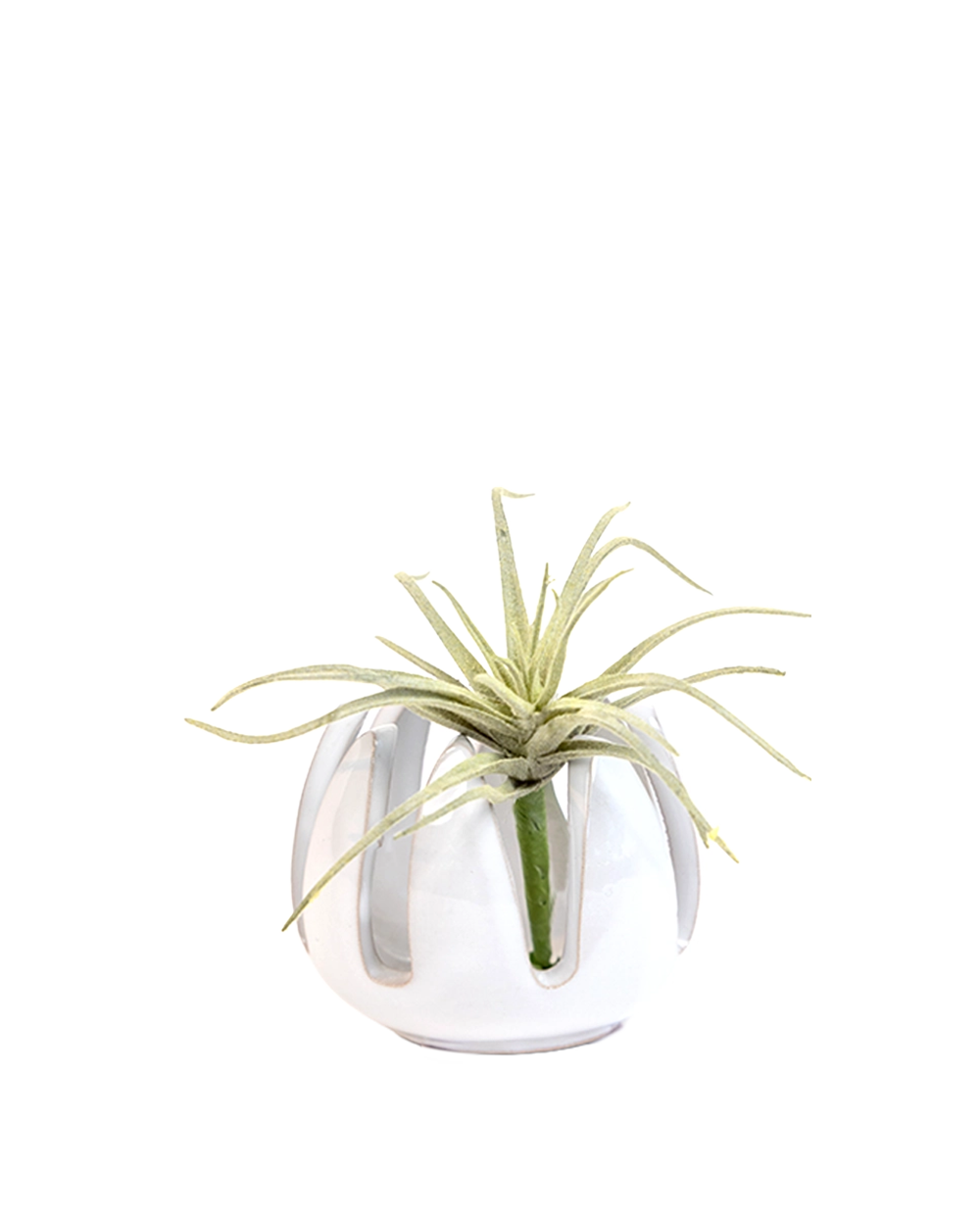
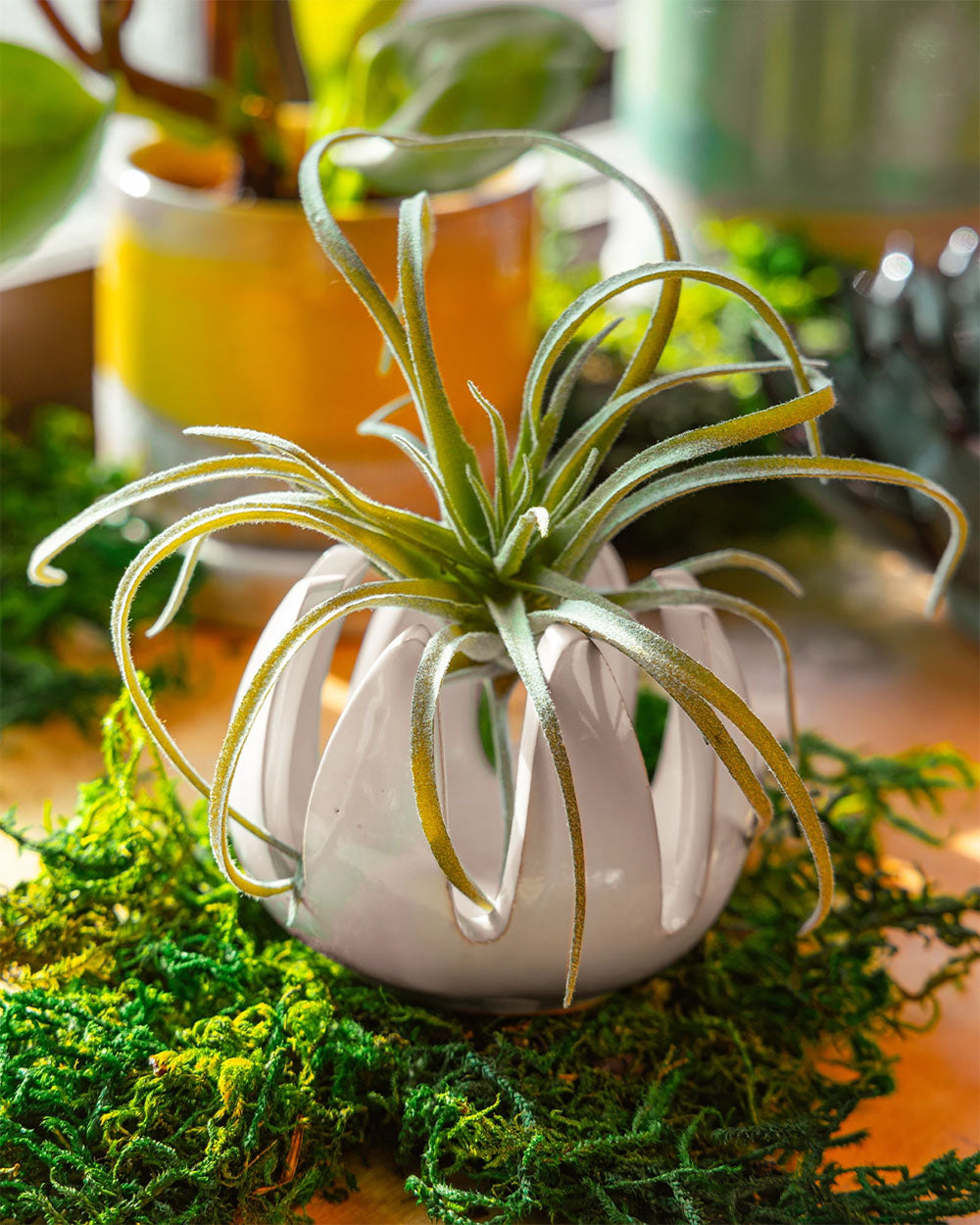
Air Plant Holder Wall Glass
Regular priceFrom $12.25
3-Pack Suction Cup 3-Pack Wall Mount Suction Cup + 1 more

The open-or-closed decision does most of the work in terrarium keeping, and it happens before any plant arrives. Open vessels — the bowls, the hanging globes — move air, which is what succulents and air plants require to avoid rot. Closed jars trap humidity, which is what mosses and small tropicals prefer. Choose the environment first and the plant will confirm the choice; choose the plant first and the glass will eventually deliver the verdict. Everything in this collection states its airflow plainly, because a beautiful terrarium that suffocates its tenant is just an attractive coffin.

Care under glass is mostly restraint. Water sparingly — the glass slows evaporation and shows you the moisture level, which is a diagnostic advantage no opaque pot offers. Air plants want a light mist and a vessel that breathes; how to care for air plants reduces almost entirely to airflow and neglect in the correct ratio. Chive designs the range in Toronto, and the glass has been road-tested by people who unpack boxes for a living.

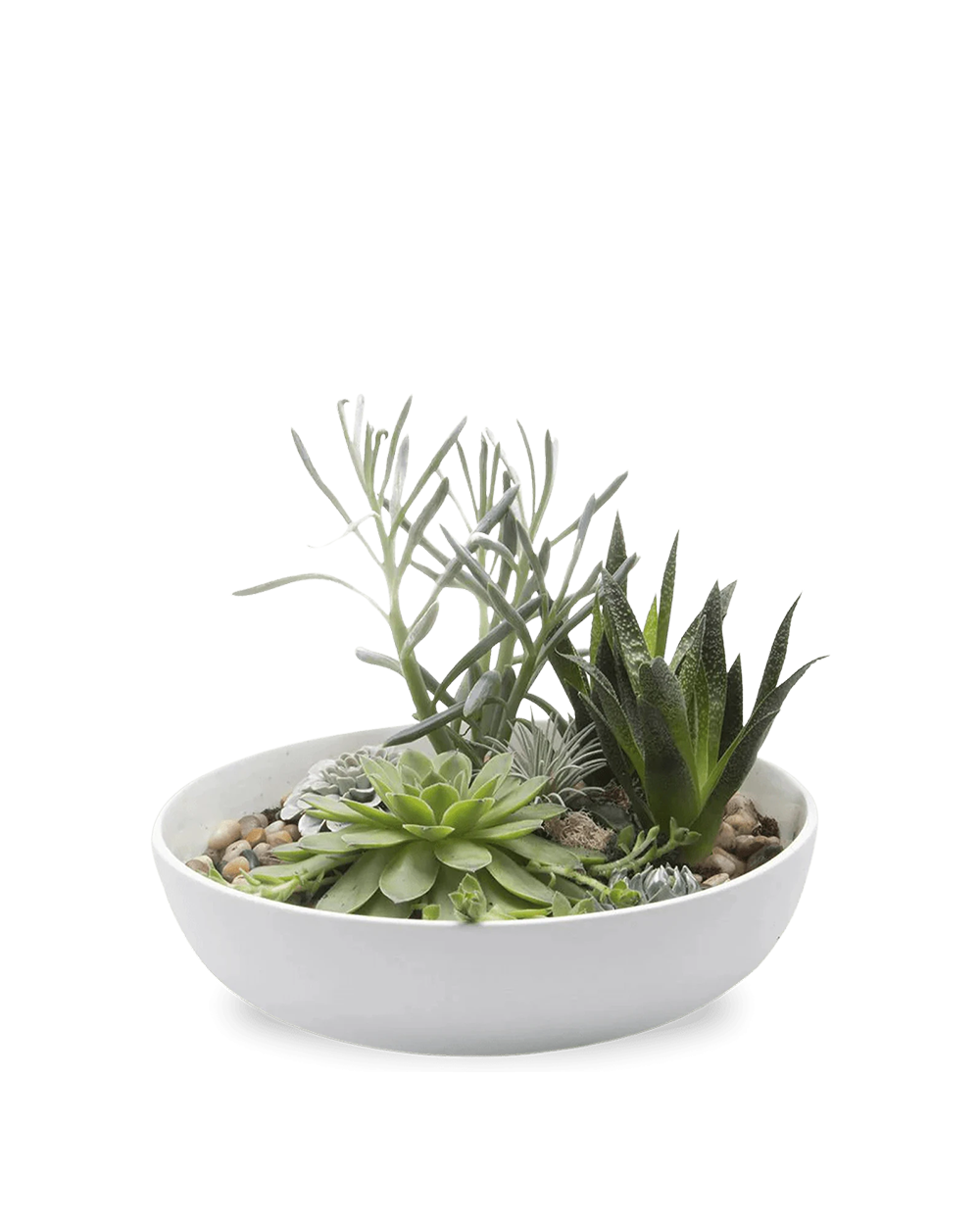
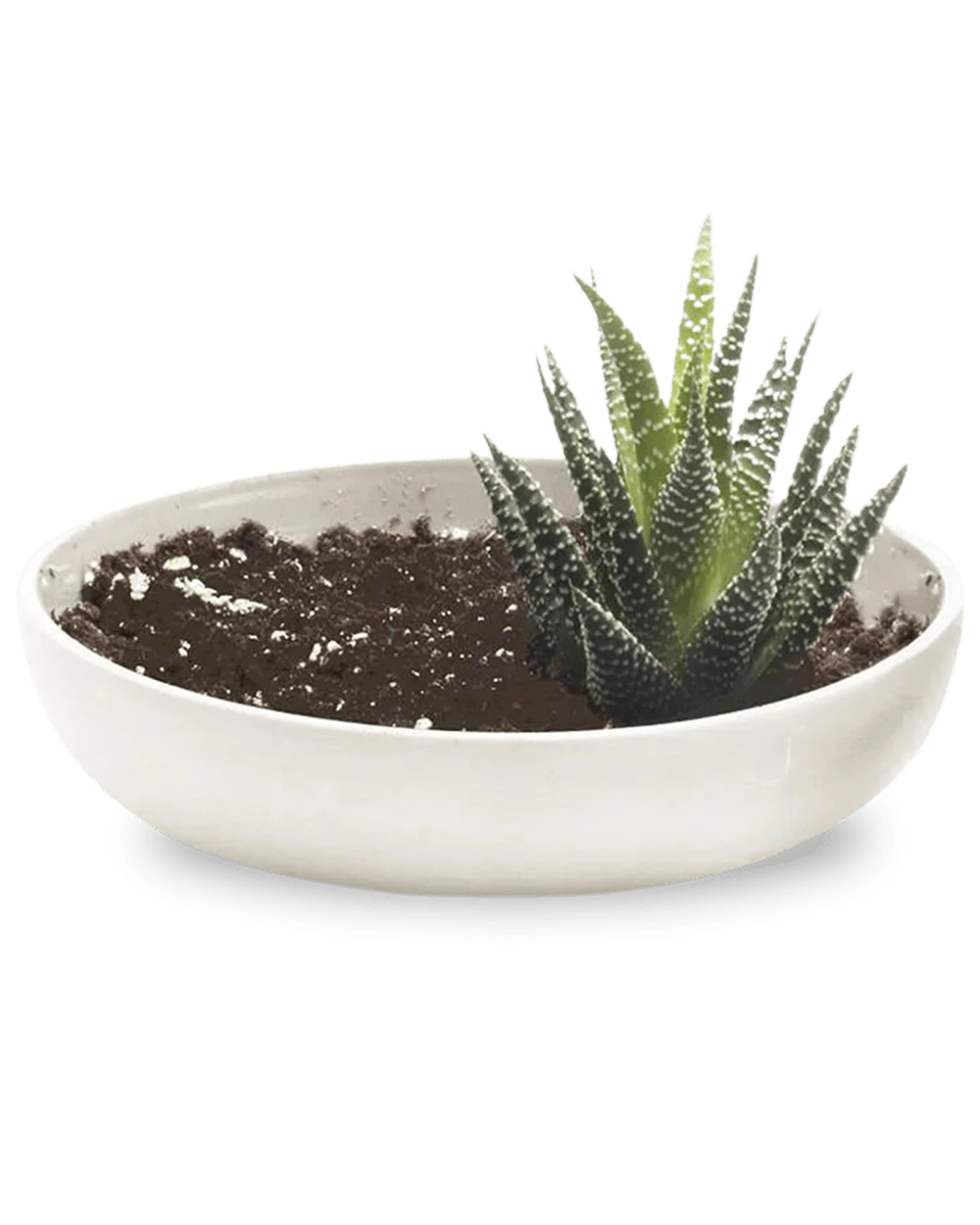
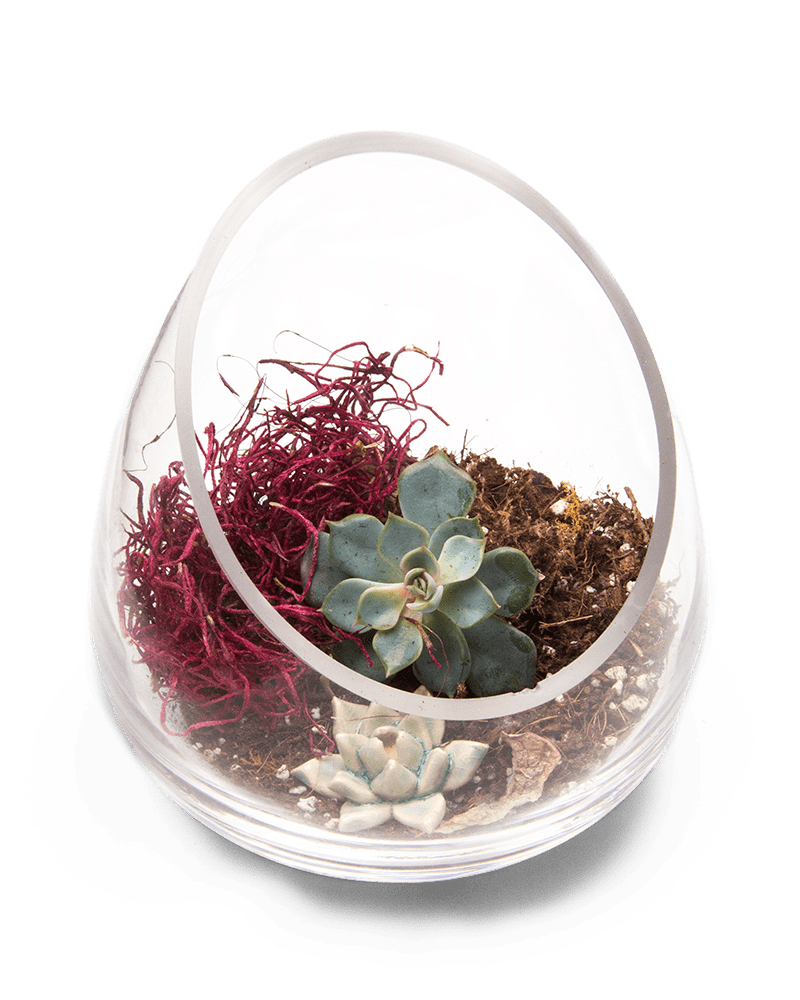
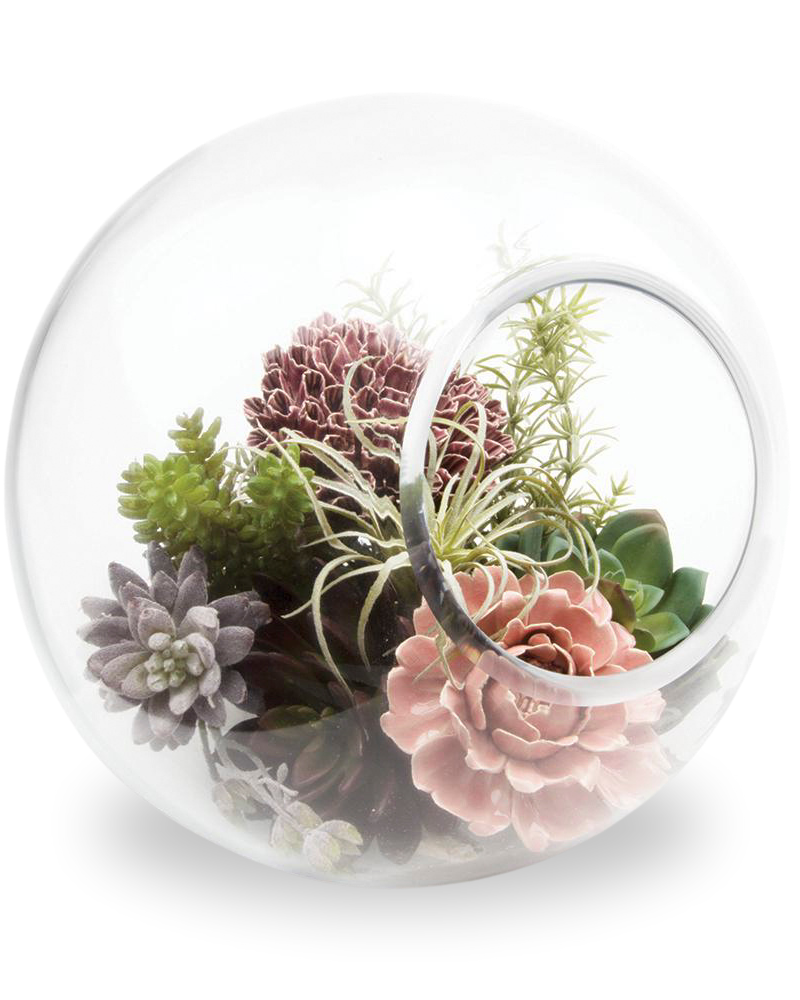
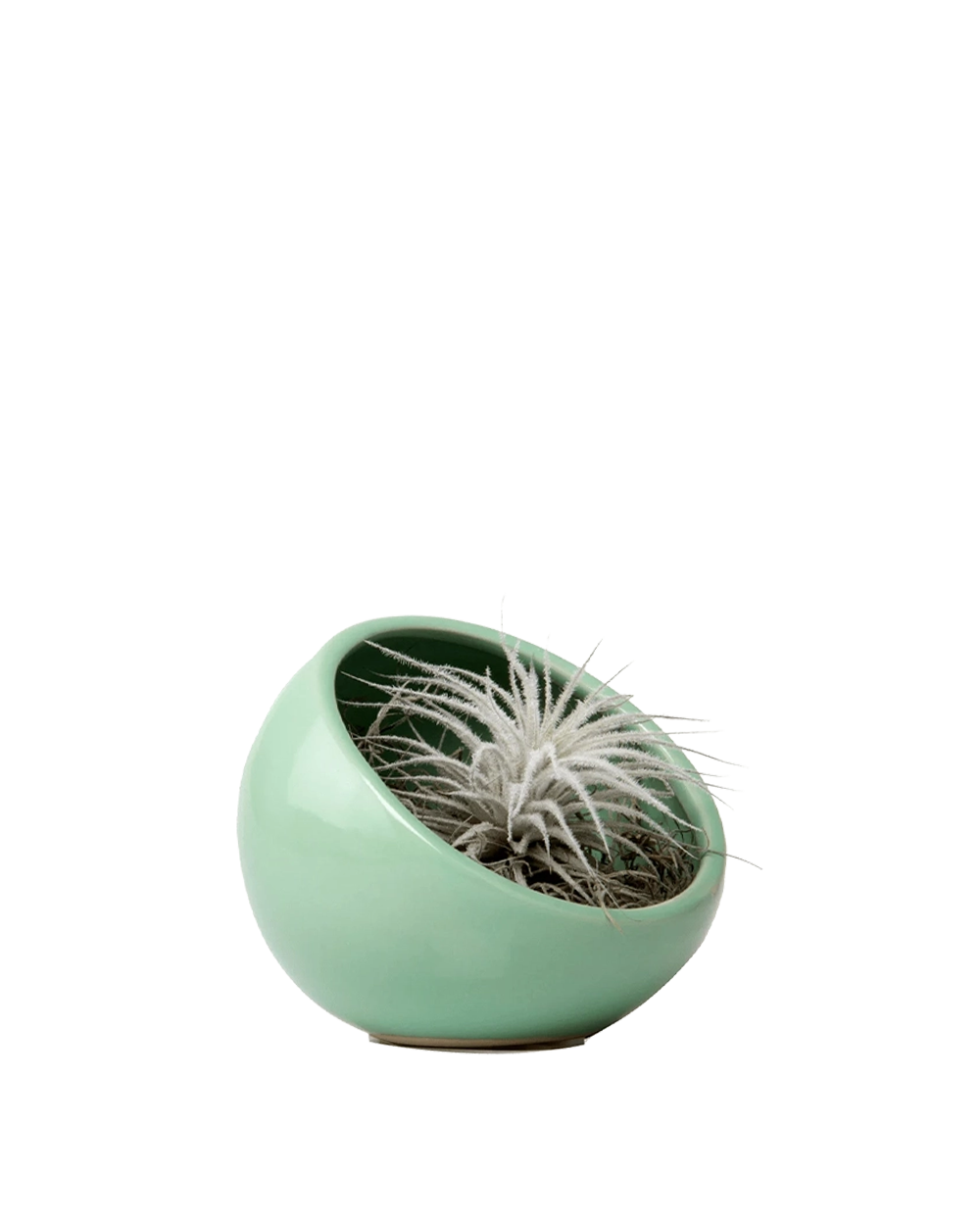
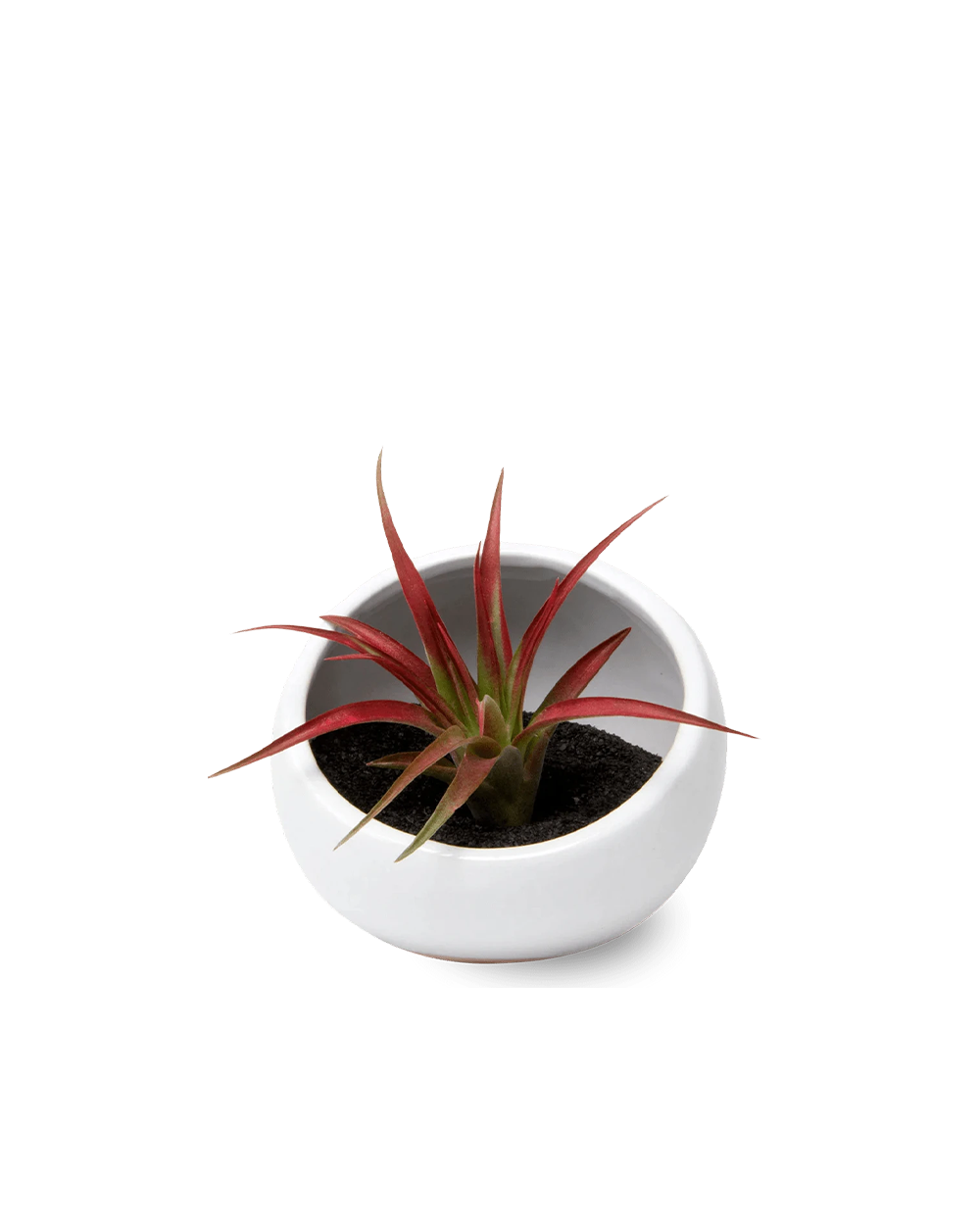
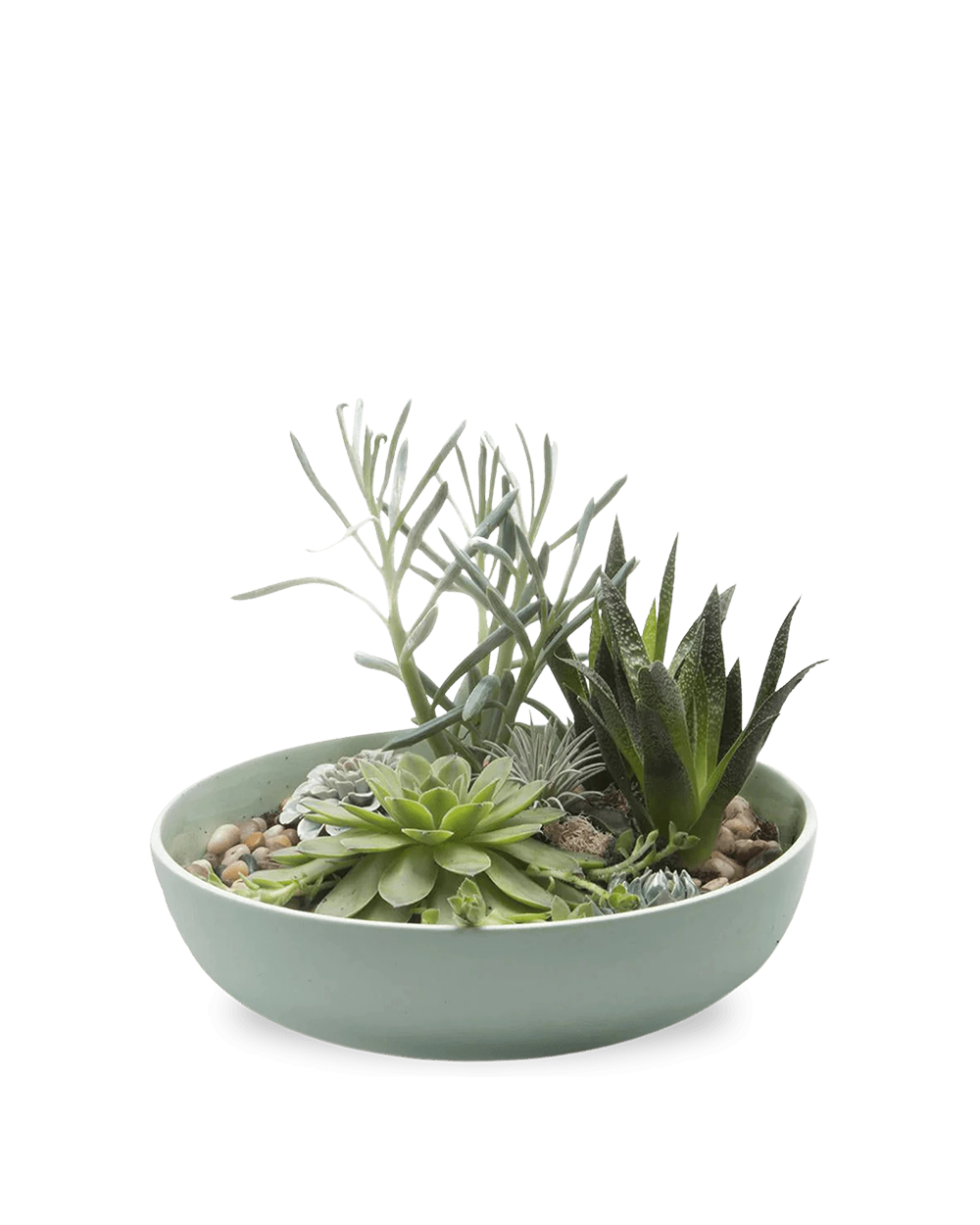
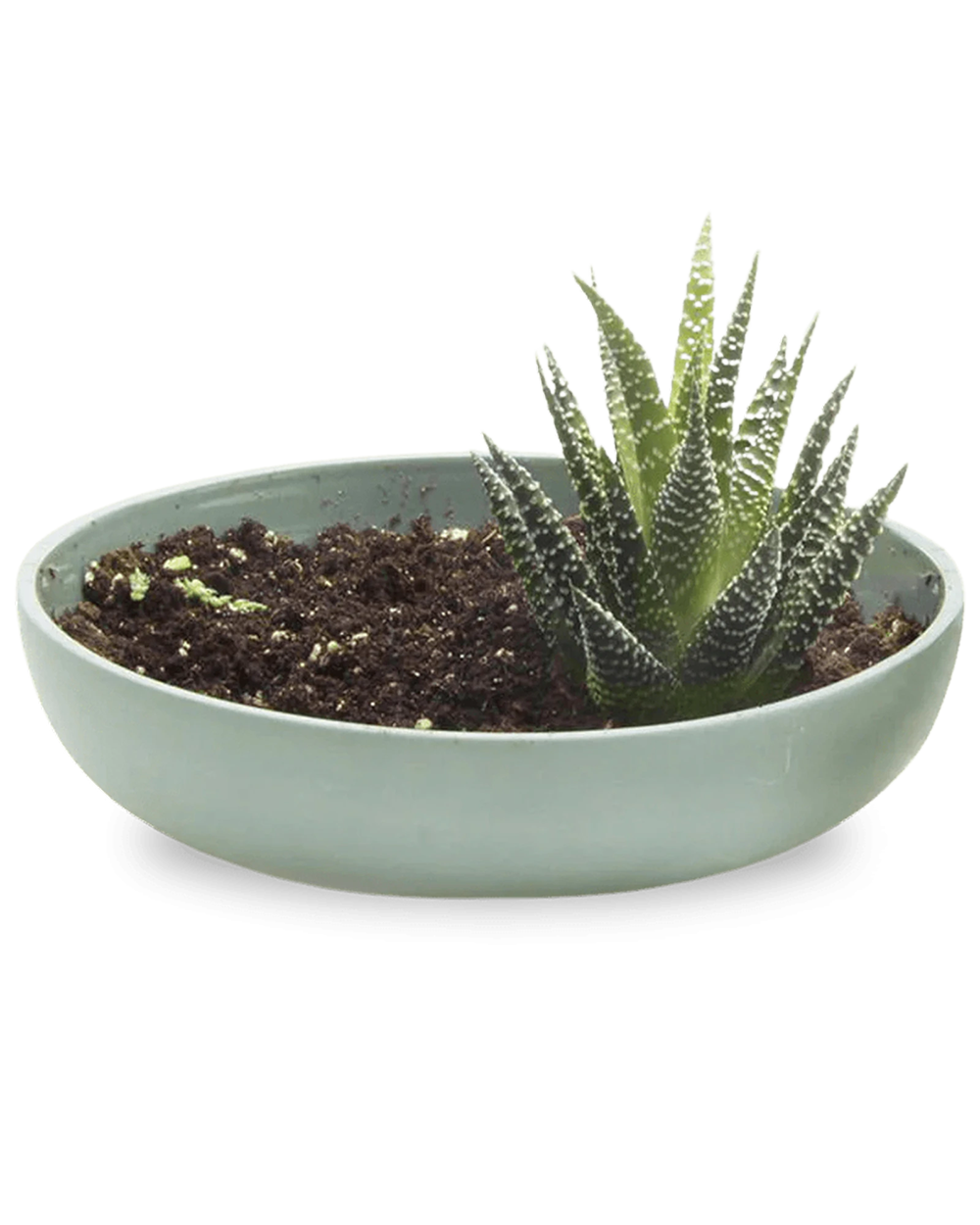
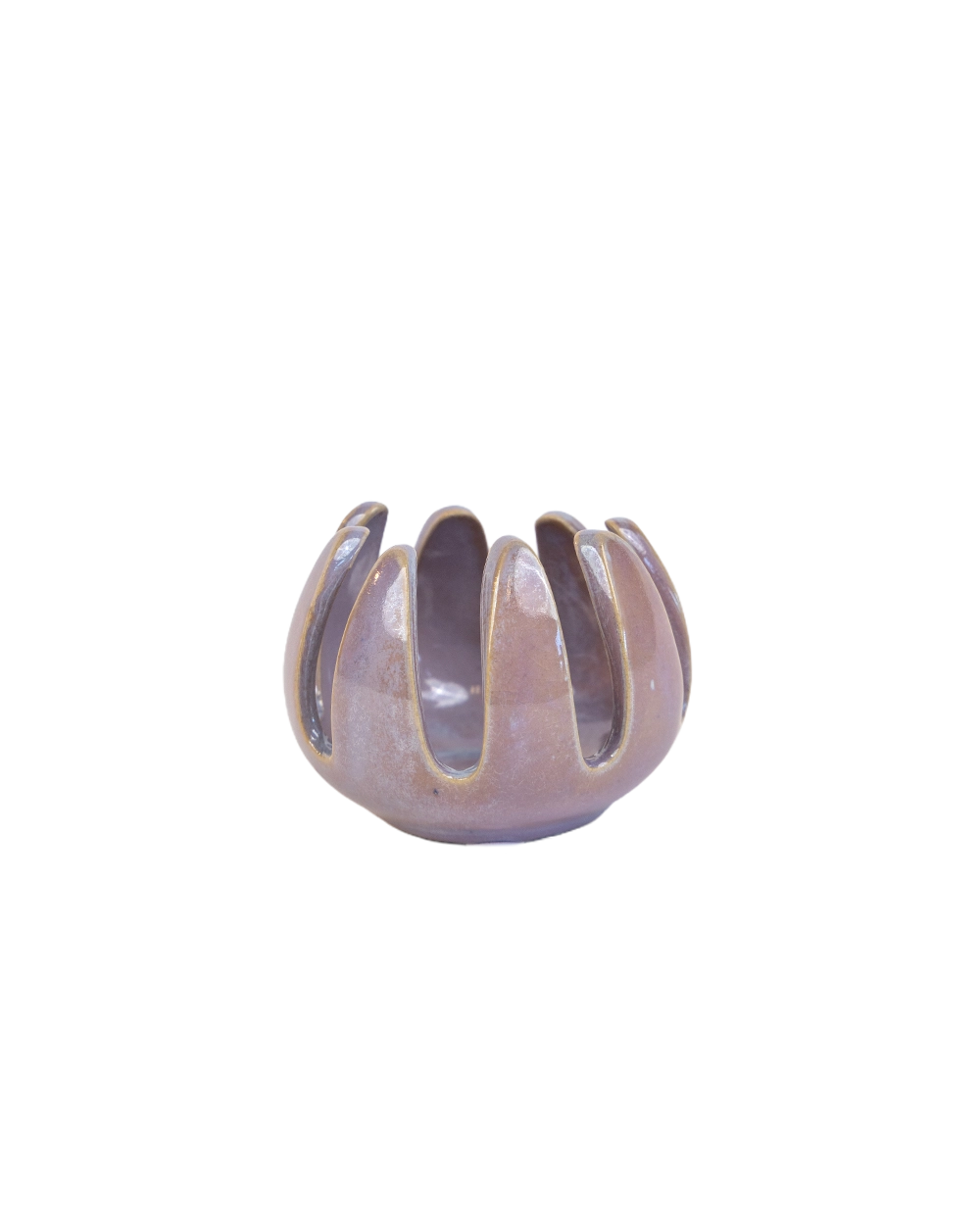
Terrarium Bowl Glass Succulent Garden - Chive Ceramics Studio - Terrariums - Chive US

Succulent Terrarium

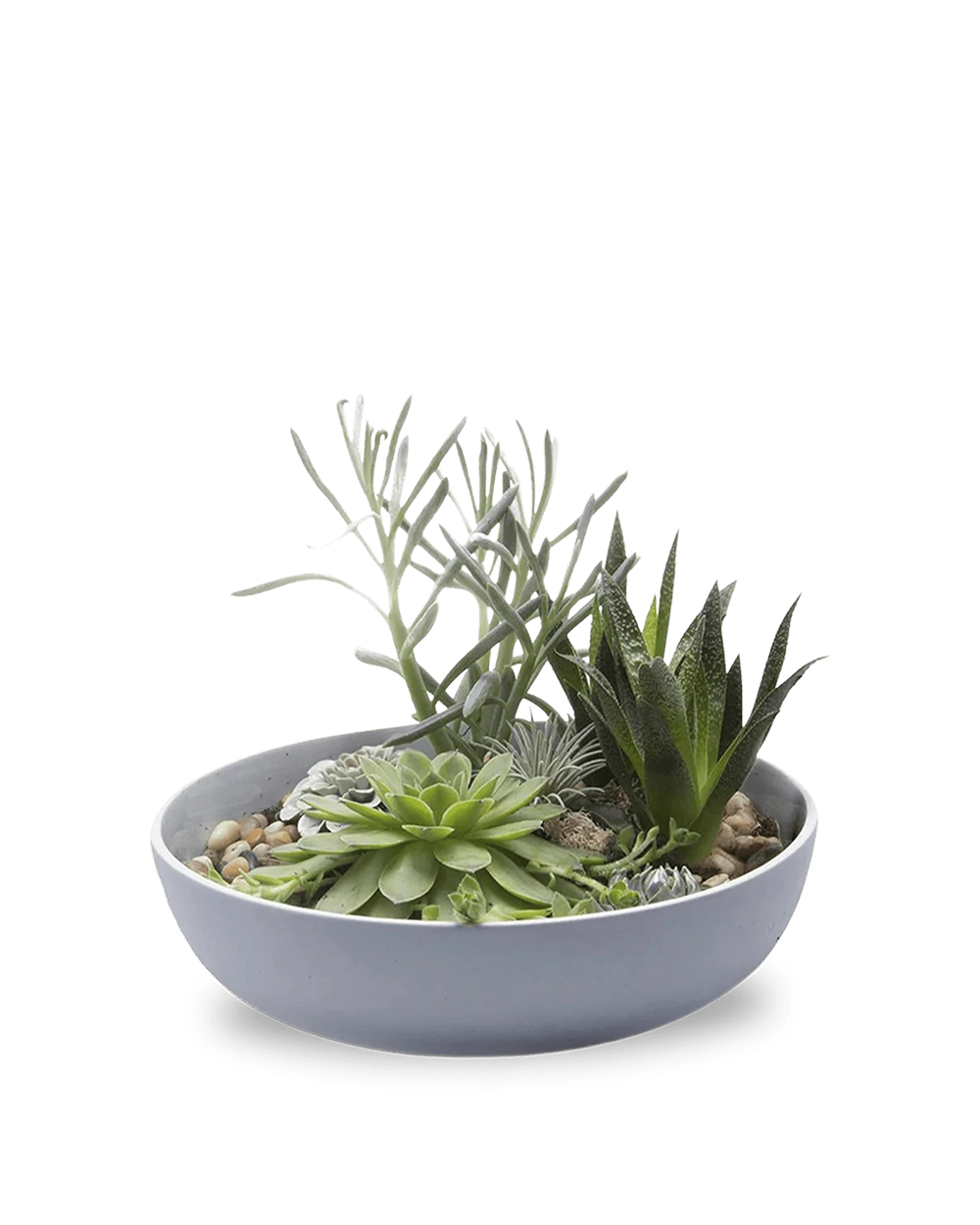
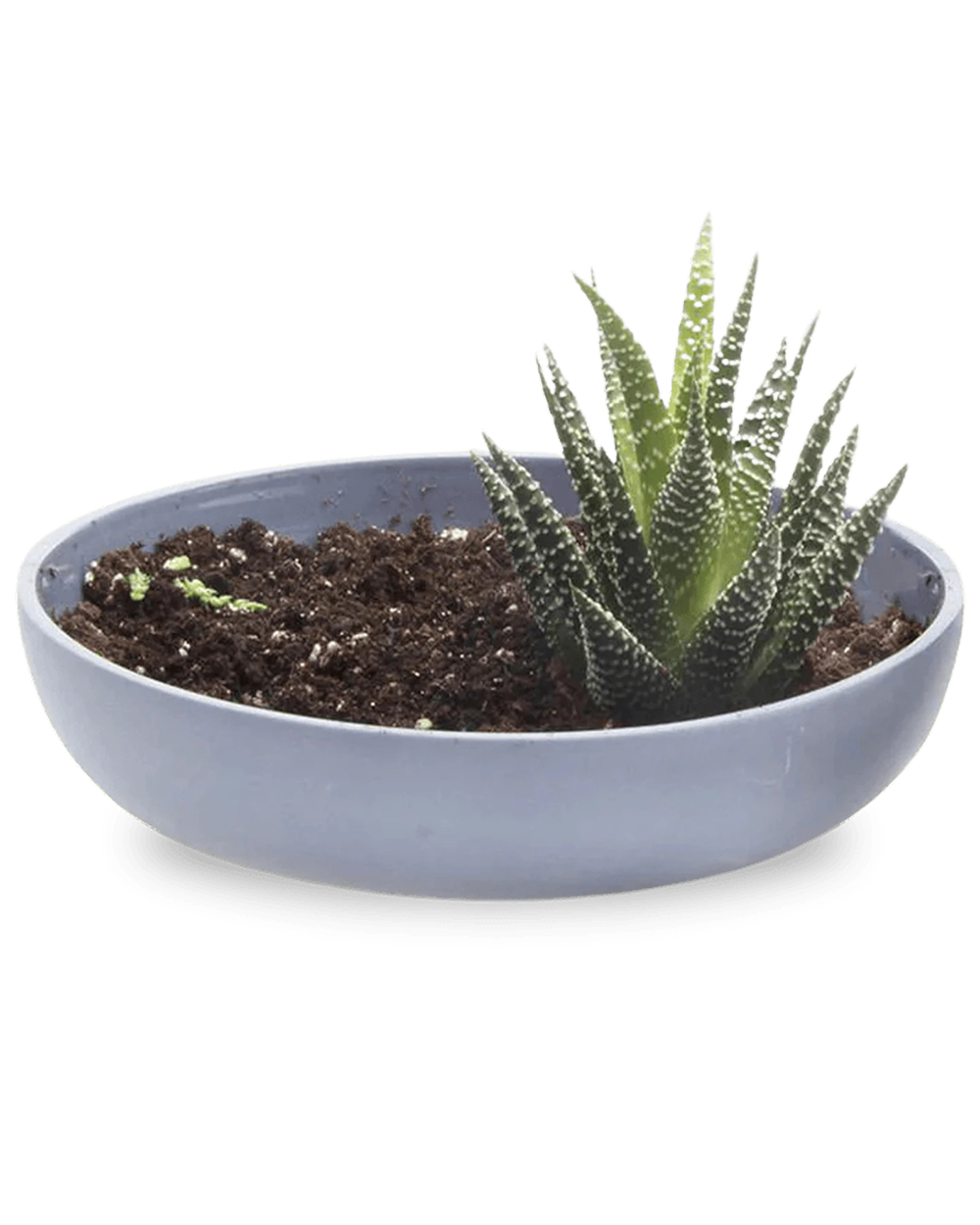
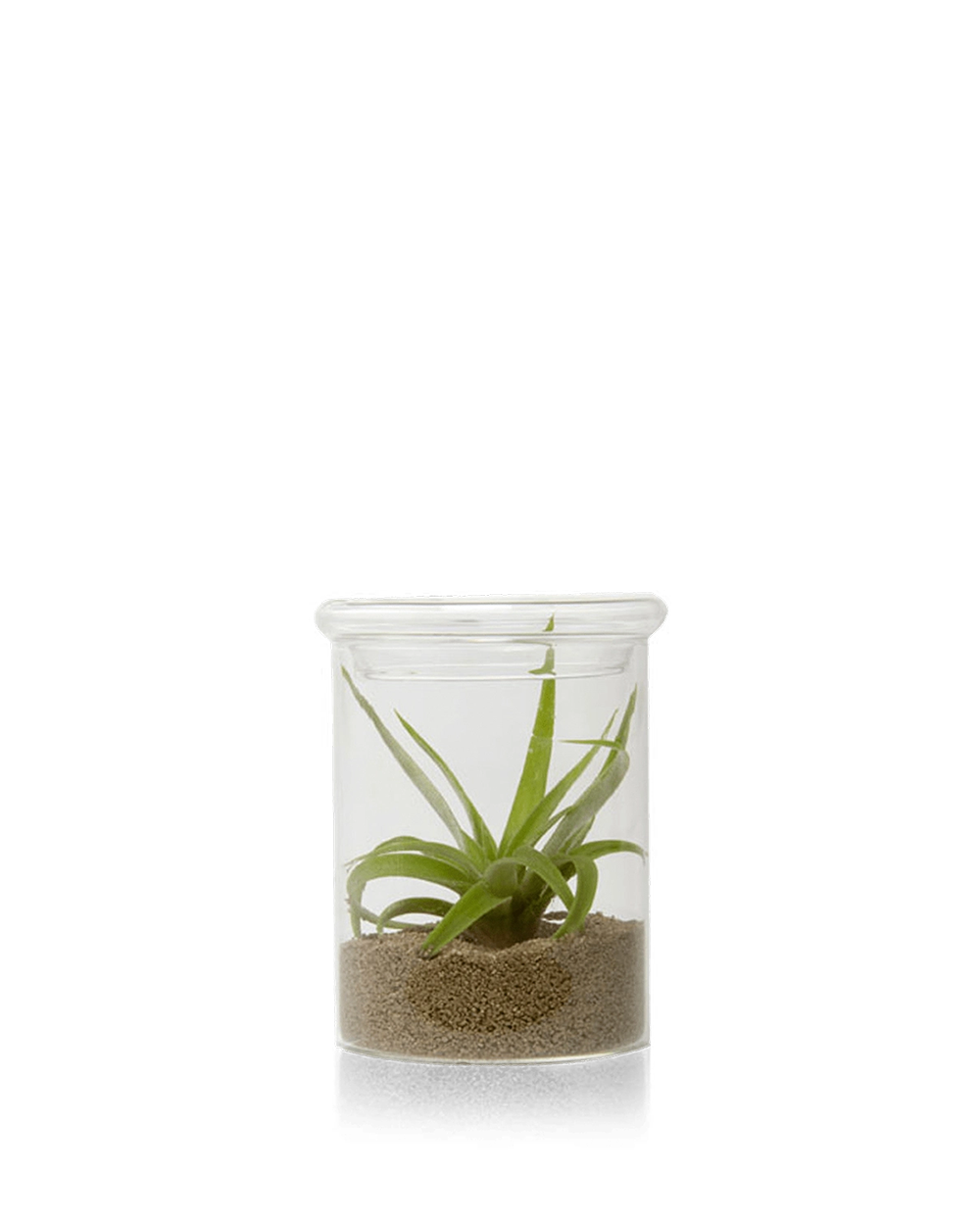
A succulent terrarium is an open vessel with a gravel or charcoal layer standing in for the drainage hole glass can't have. Half an inch of pebbles below the soil separates roots from standing water; a wide opening keeps the air moving. The bowls and open jars in this collection are shaped for exactly this arithmetic. Water lightly, less often than instinct suggests, and let the glass show you when the soil has actually dried.

Image description

Hanging Terrarium

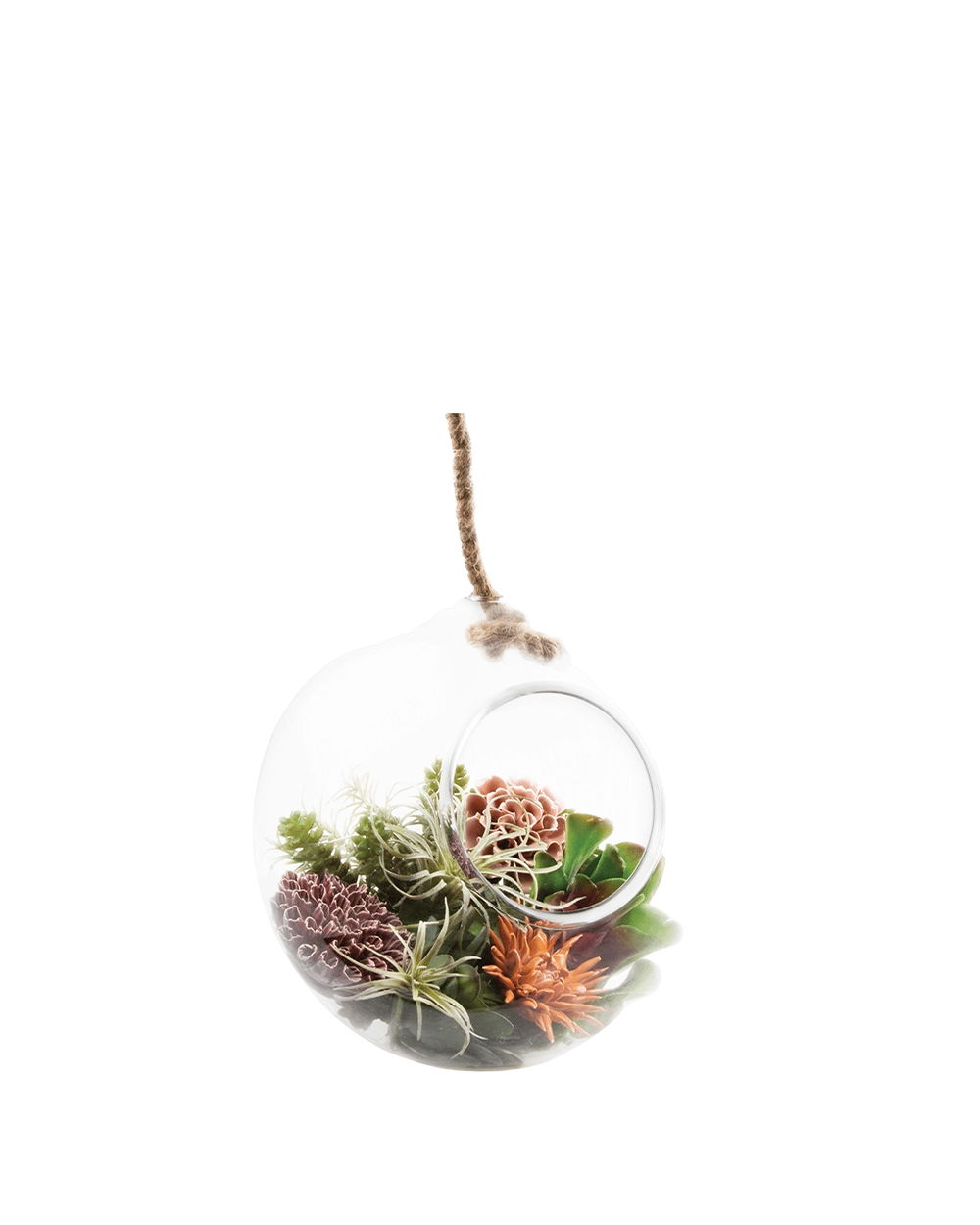
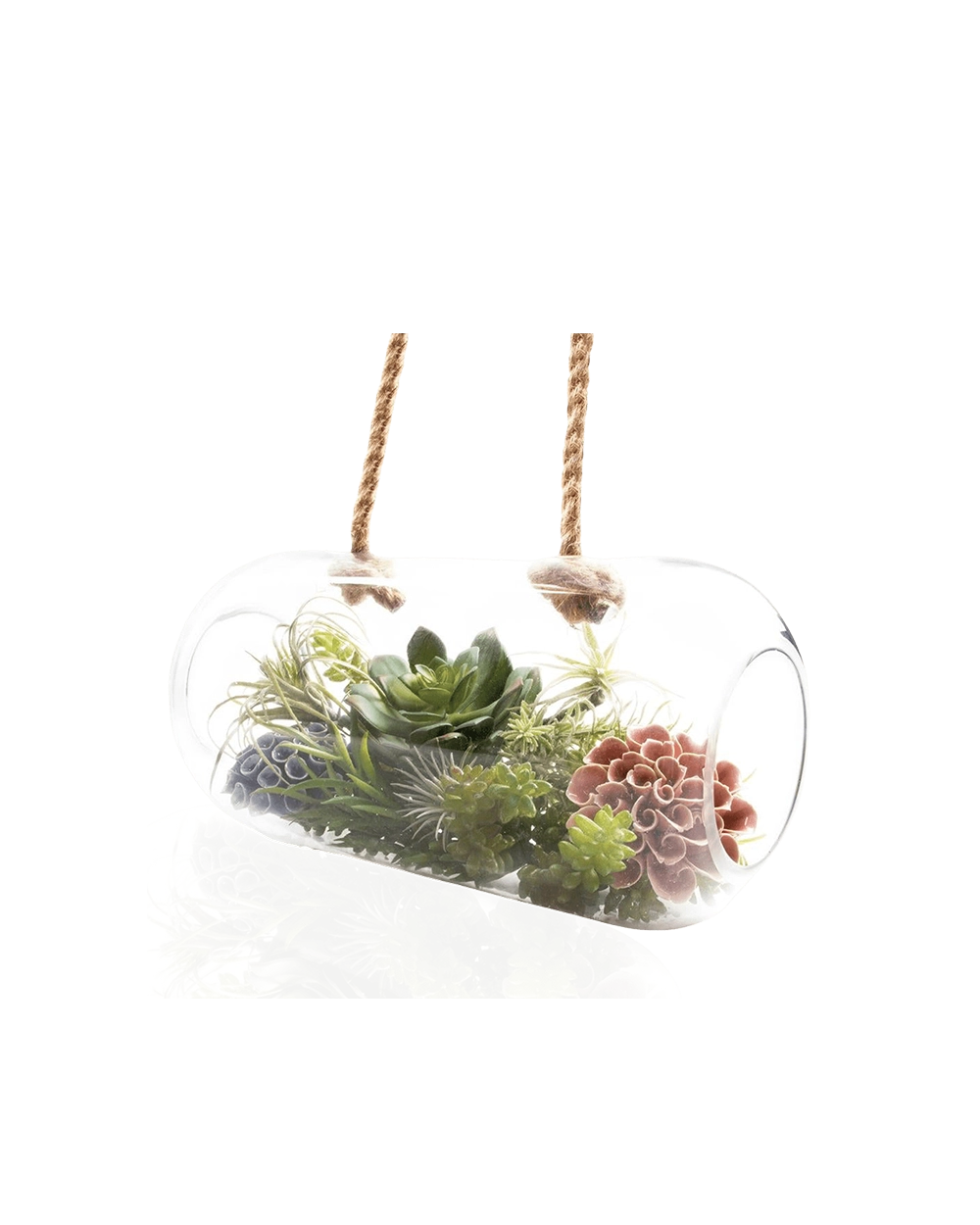
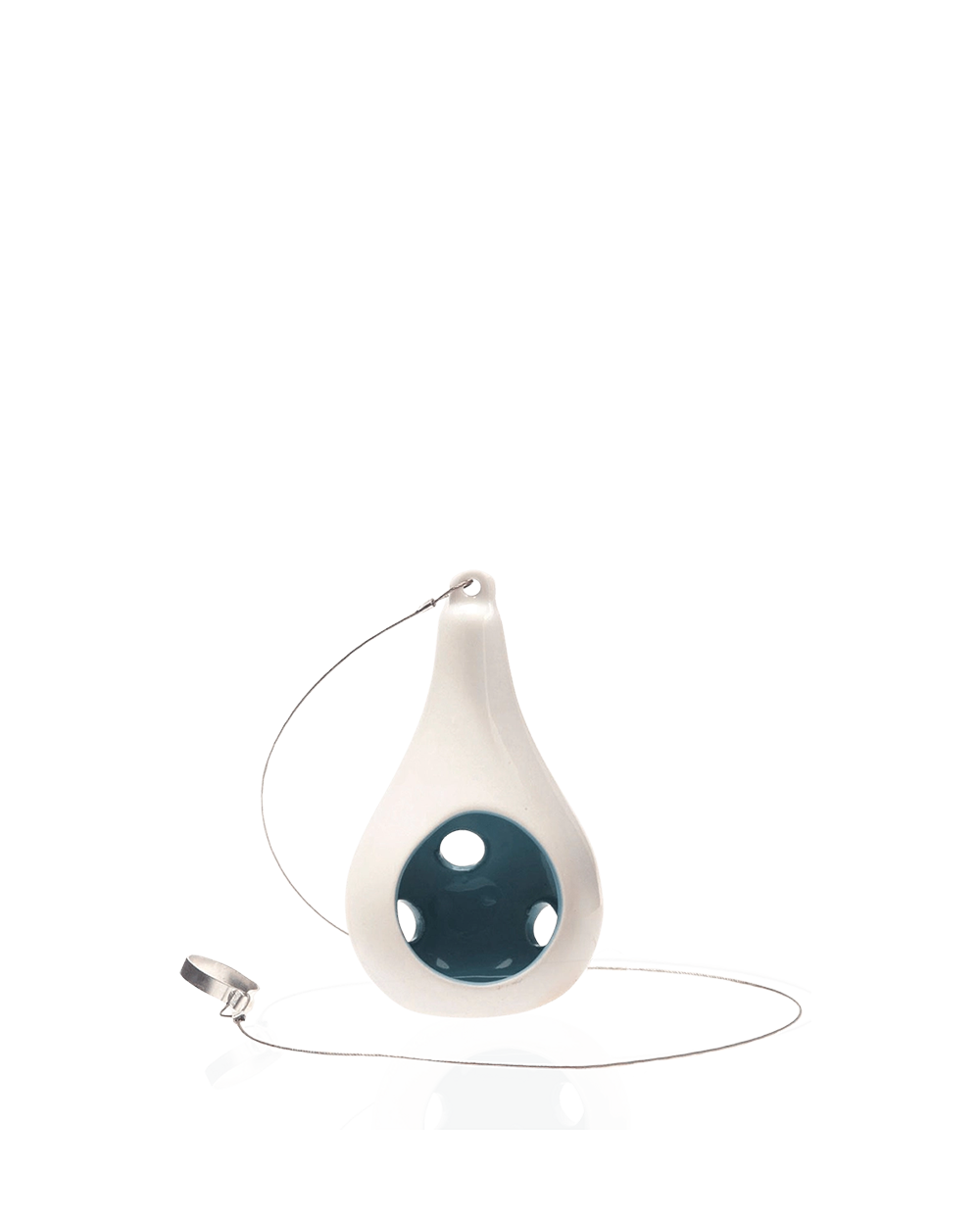
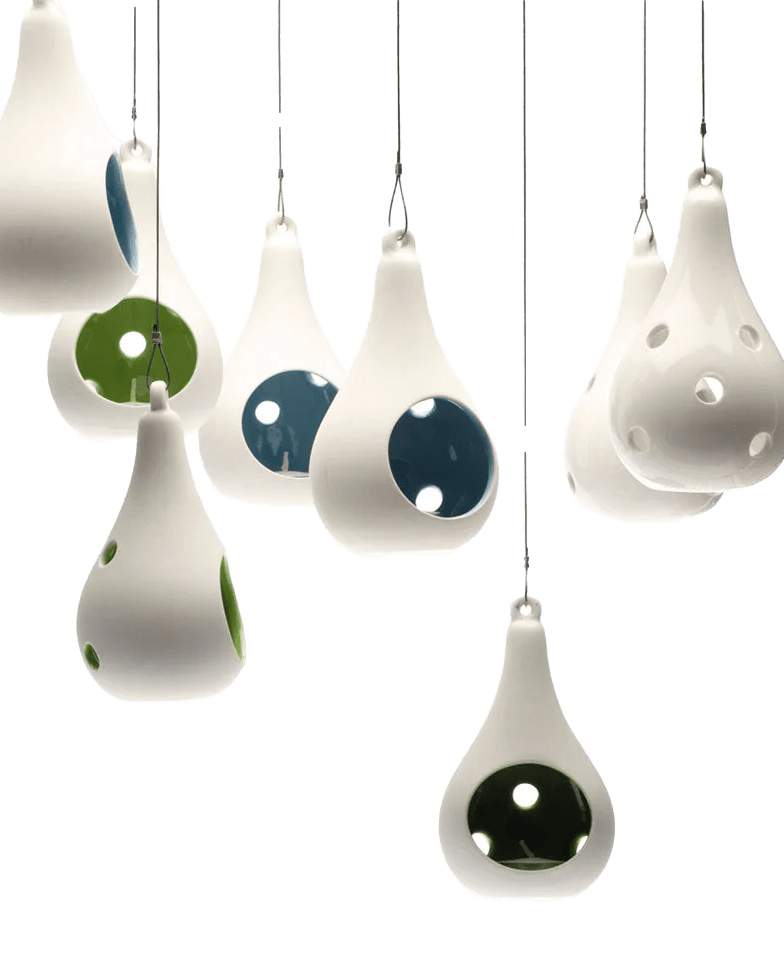
A hanging terrarium puts the garden at eye level and out of reach — which doubles as the pet-and-toddler safety plan. The Bolsk glass globes suspend from a ceiling hook or wall bracket; anchor the hardware to a stud or a rated ceiling anchor, because the weight that matters is glass plus soil plus water, not the empty vessel. Once hung, an air plant or trailing cutting turns the window into the display case it was always auditioning to be.

Chive Studio has designed these terrariums in Toronto since 2004, and studio work sits in 200+ institutions. Chive has exhibited at the Philadelphia Flower Show six times, most recently in 2026 after a thirteen-year absence. Everything here ships gift-ready to 40+ countries. 

Reviewed by Jessie Duenas, Chive designer · Updated August 2026 →

How to Make a Terrarium: A Complete Beginner's Guide

Todd Newgren
Build a terrarium — sealed or open — and you'll understand why it's the only thing on your shelf that might outlive your interest in it. The trick is in the layers, the plant pa...
Read more

Frequently asked questions about terrariums

What is the best glass terrarium for succulents and air plants?

The one that matches the plant’s airflow needs — open-top glass terrariums suit succulents and most air plants, since both require circulation to prevent rot. This collection offers several shapes and sizes, each designed to display plants under glass without suffocating them. The glass is the frame. The opening is the engineering. A beautiful terrarium that traps moisture is an attractive coffin, and the distinction matters.

Do glass terrariums need drainage holes or a gravel layer?

No drainage hole — a glass terrarium uses a gravel or activated-charcoal layer at the base instead, since drilling a hole would defeat the purpose of a glass vessel. A half-inch of pebbles below the soil handles moisture separation. Water sparingly, let the glass show you the moisture level. The system self-regulates when the watering hand exercises restraint, which is the one component the terrarium cannot supply.

What is the difference between an open and closed glass terrarium?

Open terrariums have no lid and suit succulents, cacti, and air plants that need airflow. Closed terrariums seal humidity inside and suit tropical species that prefer moisture. A glass terrarium’s open-or-closed decision determines which plants survive, not which plants look best — aesthetics and biology happen to overlap here, but when they don’t, biology wins. Choose the environment first. The plant will confirm whether you chose correctly.

Can you grow real succulents in a glass terrarium without soil?

Some air plants genuinely need no soil — they absorb moisture through their leaves, a botanical arrangement so efficient it borders on suspicious. Succulents, however, need a thin layer of well-draining medium in the glass terrarium, even if that medium is more gravel than earth. The distinction matters because the internet has persuaded a generation that all small plants in glass vessels are low-maintenance, which is true of some and a polite fiction about the rest. The terrarium looks effortless. The effort is merely redistributed. The gravel does more work than it receives credit for, and the air plant does less work than science thought possible.

What size glass terrarium works best for a single air plant?

A small to medium glass terrarium with a wide opening — the air plant needs airflow more than volume, so a vessel that breathes is more important than one that impresses. A single Tillandsia in a palm-sized terrarium looks intentional. The same plant in an oversized vessel looks like it is waiting for company. Match the scale to the plant, not the shelf space. The plant has no opinion about grandeur.

Is a hanging terrarium safe for homes with pets and children?

Yes, with the obvious caveat that “hanging” is the operative safety feature — a glass terrarium suspended above pet and child reach solves the accessibility question by design. Secure the hook to a stud or ceiling anchor rated for the weight. The terrarium is safe. The mounting hardware is where the diligence belongs. Gravity is not a pet, but it does share a pet’s talent for finding the weakest point in any arrangement.

How often do you need to water plants inside a glass terrarium?

Sparingly — most plants in a glass terrarium need water once a week or less, since the glass slows evaporation considerably. Overwatering is the most common failure. A light mist for air plants, a small pour for succulents, and always less than you think. The glass shows you the moisture level, which is the one advantage a terrarium has over every opaque container. Transparency, in this case, is a diagnostic tool, not a decorating choice.

Can you use a glass terrarium as a decorative display without plants?

Yes — a glass terrarium works as a display case for stones, shells, dried botanicals, candles, or anything small enough to benefit from a glass frame. The vessel does not require a plant to justify its presence. An empty terrarium on a shelf is a decision, not a failure. It is the rare container that looks equally composed full, half-full, and deliberately vacant.

2004 Making ceramics since
200+ Institutions worldwide

RHS Chelsea Flower Show2026 4-star booth award recipient
2 x 5-star booth award — winner
Exhibiting since 2013

About Chive Studio

Chive Studio has designed ceramic wall flowers in Toronto since 2004; the terrariums apply the studio's glass habit to plants that stay. The full vases hub gathers every vessel in one place, the glass vases collection handles the cut-stem side of the glass, and the fake succulents collection covers the rooms where even a terrarium is too much commitment.

Learn more about Chive Studio →

Chive in the Press →