
Asparagus Fern Indoor Houseplant Seeds Packet

Regular price $4.95
Vacuum Sealed
NON-GMO
Seed Pack Guarantee

Build Your Garden With These Shido Seeds

Choose a seed packet as your starting point, then round out the bed with these for that thrown-together-but-somehow-perfect harvest.


Asparagus fern seeds grow into feathery, cloud-like foliage that is not actually a fern and does not apologize for the name. Shido asparagus fern seeds are non-GMO and hermetically vacuum-sealed, holding viability for years past what a paper packet manages. Standard paper-packed seeds begin losing germination viability after approximately one year.

It is not a fern, and it is not asparagus, and it is, regardless of either fact, extremely beautiful in a way that renders both technicalities irrelevant. The foliage arrives soft and feathery and simply keeps expanding outward, filling whatever space it is given without ever once asking for more. It has spent its entire existence being misnamed twice over and has, somehow, never once seemed to notice or care. Every packet ships germination-tested at independent third-party labs before packaging, a formality the seeds themselves seem unbothered by, having already survived years sealed in a vacuum.

Seed specifications
  • Material: Seed
  • Botanical name: Asparagus aethiopicus
  • Genus: Asparagus
  • Plant family: Asparagaceae
  • Species: aethiopicus
  • Plant type: perennial
  • Pollination type: House Plant
  • USDA Hardiness Zones: 9-11
  • Packet contents:
  • Packaging: Hermetically vacuum-sealed
  • Non-GMO: Yes
  • Seed viability: Up to 10 years (sealed) / 4–5 years (unsealed, ideal conditions)
  • Difficulty: Expert - Advanced Grower
Sowing & growing guide

Quick Sowing Guide:

  • When to sow: 8-10 weeks before last frost
  • Sowing depth: 1/4 in
  • Initial spacing: 2-3 in
  • Row spacing: 12-18 in
  • Days to germination: 4-8 weeks
  • Light: Bright indirect light
  • Water: Consistent moisture
  • Soil: Well-draining, rich potting mix

Start Growing: Step-by-step sowing and growing guide

About vacuum sealing

Why Vacuum-Sealed Seeds Last Longer

Standard paper seed packets are permeable to oxygen and moisture -- the two primary causes of seed degradation. Most paper-packaged seeds begin losing germination viability after approximately one year, contributing to significant garden-industry waste: packets purchased, not planted, expired, discarded. Shido Seeds are hermetically vacuum-sealed. The packet does not expire quietly in a drawer. It waits.

About the Packaging

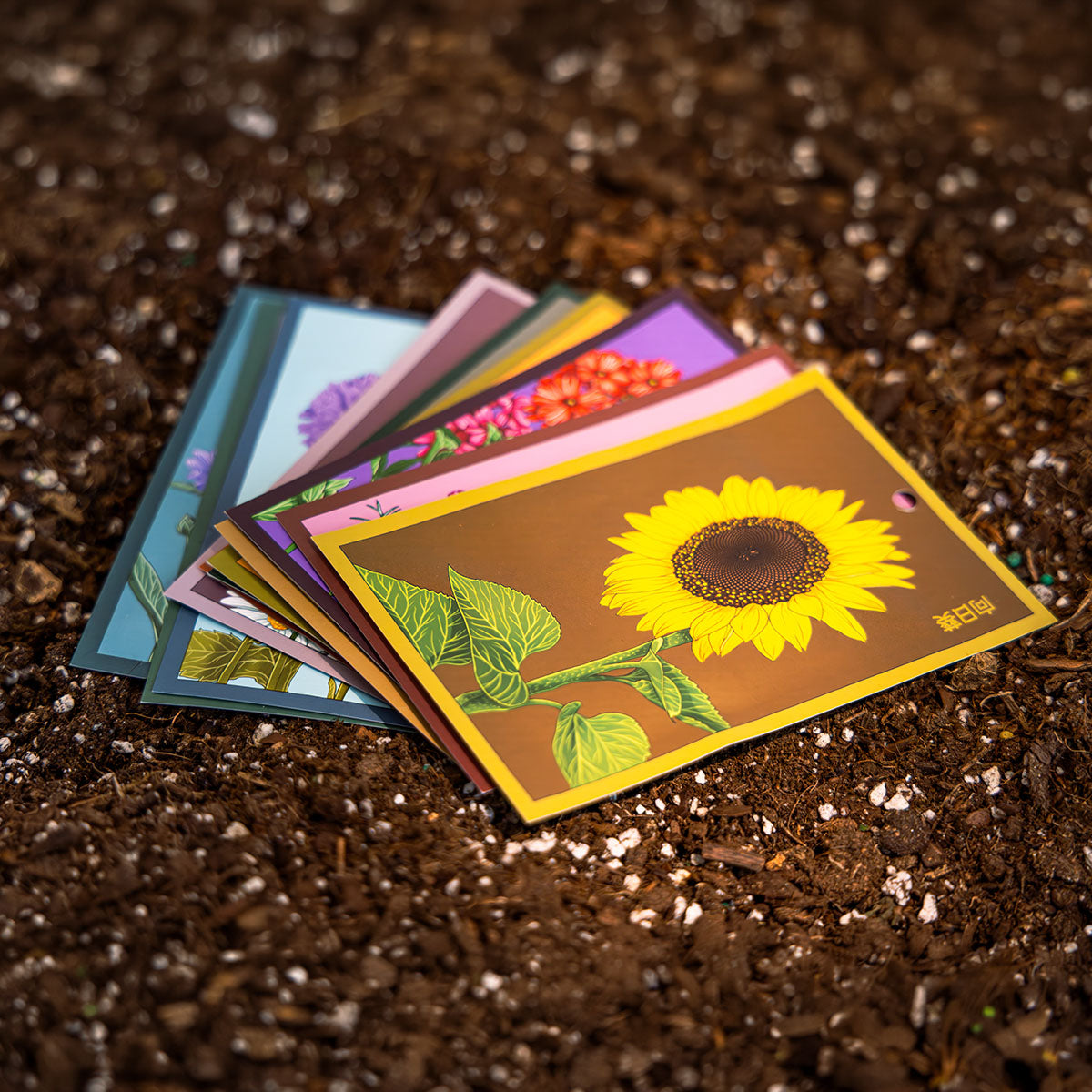
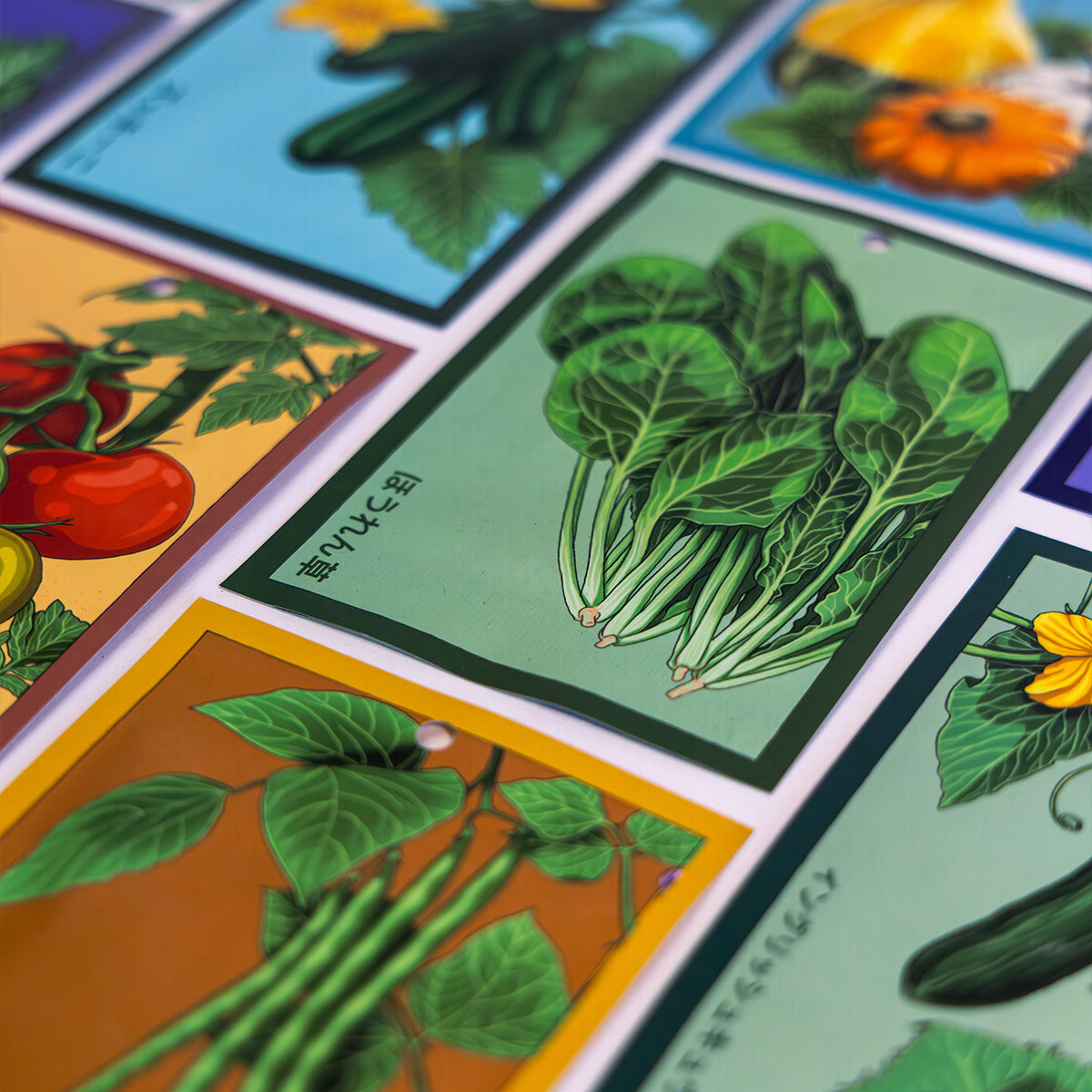
Every Shido seed packet is illustrated in the style of Japanese 1910s woodblock printing -- designed and drawn in-house by Chive, that has been exhibiting at the Chelsea Flower Show in London every year and does not, as a matter of principle, sell to big-box retailers. Customers collect the packets as a series. This was not the original plan.

Shipping & returns

Shipping

  • Free shipping: Orders $200+ within the US
  • Standard: 5–8 business days, Express 2–3 business days (at checkout)
  • International Ships: to 40 countries — rates at checkout
  • Packaging Ships: in outer box to protect gift box

View full shipping policy →

Returns

We accept returns within 30 days of delivery on unused items in original packaging. If your piece arrives damaged, contact us within 7 days with a photo and we will replace it at no charge.

View full return policy →

Satisfaction Guarantee

We stand by the quality of our flower seed packets! Every Shido seed packet is lab-tested for germination before it ships. If your seeds do not perform to the stated germination rate under correct growing conditions, contact us and we will replace or refund. Guaranteed!

Wholesale Inquires

Have a cool shop? Know someone that does?

Find Chive on Faire →

Radish Horticultural Specifications

Botanical

Asparagus aethiopicus

Plant Type

perennial

Light

Bright indirect light

Water

Consistent moisture

Soil

Well-draining, rich potting mix

Depth

1/4 in

Germination

4-8 weeks

USDA Zone

9-11

Mature Height

Harvest

1-3 years


Getting to know your Asparagus Fern

Asparagus Fern isn't a true fern at all, despite the misleading common name, but its feathery, delicate-looking fronds have earned it that nickname anyway thanks to a genuinely fern-like texture and appearance. The plant forms dense, arching sprays of needle-thin foliage that soften a shelf or hanging basket in a way few other houseplants quite manage, reading as lush and textural rather than structural or bold. Germinating it from seed asks for a bit of patience upfront, since the seed coat is naturally hard and benefits genuinely from scarification or a soak before sowing to improve germination rates. Once established, Asparagus Fern thrives in bright, indirect light and tolerates a range of indoor humidity levels better than many true ferns, which tend to sulk in drier air. Consistent watering supports that lush, feathery growth, though the plant recovers reasonably well from an occasional dry stretch despite its delicate appearance. Its trailing, cascading habit makes it a genuinely strong choice for a hanging basket, where the fronds can spill downward and soften whatever hard edges surround them. Small, inconspicuous flowers occasionally appear, followed by tiny berries, though the real appeal here remains squarely on the texture of the foliage itself rather than any bloom. Few houseplants deliver this much textural softness for this modest an amount of ongoing care.


History & origin

Native origins

Indigenous to the coastal and subtropical regions of South Africa, where it grows as an understory plant in dappled shade beneath taller trees — the origin of its fine, light-catching foliage.

1767 — First botanical description

The genus Asparagus was formally described by Carl Linnaeus, placing this ornamental relative of edible asparagus into the scientific record.

1890 — Commercial introduction

The plant was collected in South Africa's Natal Province and introduced to the horticultural trade by an Italian seed company, which named it after their collector, Herr Sprenger — the origin of the common cultivar name "Sprengeri." UAEX

Victorian Era

Its wiry, non-wilting stems made it a favorite of florists for bouquets and arrangements, a role it has held since Victorian times and one that continues in the floral trade today.

Early 20th Century

Described as one of the most popular basket and decorative plants of its era, prized for hanging baskets and as a trailing houseplant.

Today

A low-maintenance staple of home and office plantscaping, valued for its feathery texture, drought tolerance from its water-storing tuberous roots, and continued popularity in cut floral arrangements — though in warm climates like Australia and Florida, it has also become an invasive concern outside cultivation.

Shido Vegetable and Flower Seeds Vacuum sealed for peak freshness

Step-by-Step Sowing & Growing Guide

Getting Started

Tender perennial — patience is the defining task

Step 1: Plan for slow germination first - This is the slowest step in the whole process — seeds can take 4-8 weeks to sprout, longer than almost any other houseplant start. Soak seeds 24 hours before sowing to shorten the wait.

Step 2: Timing - Can be started indoors any time of year as a houseplant. If planting outdoors in a warm zone, start 8-10 weeks before last frost.

Step 3: Soil - Rich, well-draining potting mix, slightly acidic to neutral. Keep consistently moist through germination.

Step 4: Sowing - Cover lightly, about 1/4 inch — unlike many herb seeds, these germinate better with some soil contact and darkness rather than surface light.

Step 5: Ongoing care - Bright indirect light only; direct sun scorches the fine foliage. Keep soil evenly moist but not soggy, letting the top inch dry between waterings. Repot every 1-2 years as tuberous roots fill the container.

Step 6: Harvest - Not a harvest crop — grown for ornamental foliage only (berries are toxic). Trim leggy or yellowing fronds as needed to maintain shape.

Before you start

Materials needed to sow

  • Seed trays or small pots: For the extended germination window before seedlings are established enough to pot up
  • Heat mat: Keeps consistent warmth through the slow 4-8 week germination period
  • Humidity dome: Maintains moisture without disturbing the light soil covering
  • Plant labels: Useful for tracking sow date given how slow and easy to forget germination is

Materials for harvest and storage

  • Sharp scissors or pruning snips: For cutting fronds cleanly, whether trimming for shape or cutting stems to use in floral arrangements. Clean cuts reduce stress on the plant and prevent the fraying that dull blades cause.
  • Gloves: Recommended when handling mature stems, since older growth can develop small, sharp thorns.
  • Bucket or vase of water: For fresh-cut fronds, which hold up well as filler greenery in arrangements and floral work.
  • Floral preservative (optional): Extends the life of cut fronds when combined with fresh flowers in arrangements.

Tip: Cut individual fronds rather than shearing the whole plant, and trim just abov

Growth Requirements

Light:

  • Prefers bright, indirect light; tolerates moderate shade.
  • Avoid direct sun, which scorches the fine, needle-like foliage.
  • Insufficient light causes yellowing and needle drop.

Soil:

  • Rich, well-draining potting mix, slightly acidic to neutral (pH 6.0-7.0).
  • A mix formulated for ferns or houseplants, sometimes amended with bark or coconut fiber, improves drainage.

Watering:

  • Prefers consistently moist soil, but let the top inch dry out between waterings.
  • More drought-tolerant than it appears, thanks to water-storing tuberous roots.
  • Reduce watering in fall and winter during its natural rest period.

Temperature & Climate:

  • Prefers temperatures between 65-75°F; tolerates a range down to about 55°F.
  • Hardy outdoors in USDA zones 9-11; grown as a houseplant or seasonal annual elsewhere.
  • Sensitive to frost and cold drafts — bring indoors well before temperatures drop.

Fertilization:

  • Feed with a balanced liquid houseplant fertilizer weekly during active growth (spring through summer).
  • Reduce to once every 4-6 weeks in fall and winter, or stop feeding entirely during dormancy.
  • A fertilizer with slightly extra nitrogen supports lush, healthy foliage growth.

Maintenance

Daily Tasks:

  • Monitor soil moisture levels
  • Check for adequate humidity
  • Observe for pest activity

Weekly Tasks:

  • Deep watering when soil surface feels dry
  • Mist foliage to increase humidity
  • Remove any yellowing or dead fronds
  • Rotate plants for even growth

Monthly Tasks:

  • Fertilize during growing season (spring/summer)Check for root binding in containers
  • Prune overgrown or damaged stems
  • Clean dust from foliage

Seasonal Tasks:

  • Spring: Repot if needed, increase watering and fertilizing
  • Summer: Maintain consistent moisture, provide extra humidity
  • Fall: Reduce fertilizing, prepare for slower growth
  • Winter: Reduce watering frequency, maintain humidity

Fertilizing Schedule:

Growing season (spring/summer):

  • Balanced liquid fertilizer (10-10-10) diluted to half strength
  • every 2-4 weeks

Winter:

  • Reduce or eliminate fertilizing
  • Organic options: Compost tea or fish emulsion monthly
  • Avoid over-fertilizing which can cause excessive, weak growth

Pruning and Grooming:

  • A few yellow fronds at the base is normal – these are old leaves and can be cut off
  • Cut stems at soil level rather than halfway
  • Remove spent flowers to encourage foliage growth
  • Trim wayward growth to maintain shape
  • Use clean, sharp scissors to prevent disease transmission

Troubleshooting and common mistakes

  • Yellowing needles/fronds — usually overwatering or too much direct sun
  • Needle drop — can be normal seasonal shedding, or a sign of underwatering/low humidity/temperature stress
  • Sparse, leggy growth — insufficient light; move to a brighter (but still indirect) spot

What it's used for

Indoor Applications:

  • Houseplant for bright, indirect light locations
  • Hanging basket specimen for cascading effect
  • Table centerpieces and decorative arrangements
  • Air purification (removes formaldehyde and xylene)
  • Victorian-style conservatory plantings
  • Terrarium component for larger enclosures

Outdoor Applications:

  • Shade garden groundcover in warm climates (USDA zones 9-11)Container gardening on patios and decks
  • Seasonal outdoor decoration in cooler climates

Floral and Craft Uses:

  • Cut foliage for floral arrangements and bouquets
  • Wedding decorations and event styling
  • Dried arrangements and craft projects
  • Botanical photography subject

Garden Benefits:

  • Attracts beneficial insects when flowering
  • Provides habitat for small wildlife
  • Low maintenance once established
  • Long-lasting indoor plant with proper care

Companion plants, pests & diseases

Companion planting

Good companions

  • Ferns, pothos, philodendron — similar indirect-light and humidity preferences for mixed indoor displays
  • Peace lily — comparable water needs

Poor companions / avoid

  • Succulents, cacti — conflicting water needs (asparagus fern wants more consistent moisture)
  • Direct-sun-loving plants — light requirement mismatch in shared outdoor beds

Pests

  • Spider mites — fine webbing, worse in dry indoor air; increase humidity, wipe fronds
  • Mealybugs — white cottony clusters at stem joints; alcohol-dipped cotton swab or insecticidal soap
  • Scale — small brown bumps on stems; scrape off or treat with horticultural oil

Diseases

  • Root rot — from overwatering or poor drainage; most common cause of decline
  • Fungal leaf spot — brown/black spots on fronds in overly wet, poorly ventilated conditions

Pro Tip

Asparagus fern wants bright, indirect light rather than direct sun, which will scorch its delicate needle-like foliage. Keep soil evenly moist, but let the top inch dry out between waterings to avoid root rot. Its tuberous roots store water, making it more forgiving of an occasional missed watering than most houseplants.

Bonus: Repotting every couple of years keeps the tuberous roots from crowding and stunting new growth!

Seeds worth keeping

What makes Shido Seeds different

Shido Seeds are designed by Chive Studio, a ceramic design company. We are not a seed conglomerate. We do not sell through big-box retailers. Each variety in the catalog was selected because it is worth growing — not because it ships well in bulk or photographs well in marketing materials.

Every packet is germination-tested at an independent third-party lab before it earns its woodblock illustration. The vacuum seal removes the oxygen that causes standard paper packets to degrade. The stated germination rate is a floor, not a marketing figure.

If something goes wrong, contact us. We will make it right.

Plants that Grow together look good together...even if they are ceramic
A Bolder Foliage Contrast
For a structural counterpoint to this plant's delicate texture, Dwarf Schefflera brings bold, glossy leaves rather than fine, feathery fronds.

Vegetable Shido Seeds packets — by Chive Studio Toronto

More From Shido's Garden

Explore Shido's houseplant seed collection for other trailing and textural plants that pair naturally with asparagus fern's soft look.

April Birth Flower - Daisy ceramic wall flower styled on wall — Birth Flower Collection — Chive Studio Toronto

Softness That Never Needs Trimming

Asparagus fern's fronds keep growing and need regular shaping, but Chive's Ivory Comanche Peony holds its exact shape indefinitely, no trimming involved.

Chive Shido seed packets with botanical illustrations on a peg rack, showing cherry blossom, tomato, and eggplant designs.

The credentials behind the packet

A plant valued purely for its delicate, feathery texture still needs a seed dependable enough to actually produce that texture once it's in the ground. The studio protects that outcome with the same care applied throughout the catalog, removing oxygen from every packet well before it ever ships rather than trusting paper to hold up on a shelf. A houseplant this reliant on lush, consistent foliage deserves a start that isn't working against that goal from day one. Delicate in appearance doesn't mean delicate in what the seed itself needs to withstand before it's ever planted. Texture this fine still starts from a seed built to actually perform. Fine texture asks for the same rigor as anything bolder.


Plant Care, Simplified with Chive

Keep it alive, keep it thriving. Let's make plant parenthood look easy.

Are Seed Packets GMO? The Honest Answer

Todd Newgren
Are seed packets GMO? No—home garden seed packets, Shido included, are never genetically modified, since GMO seed is only made for large-scale commercial crops. The non-GMO badg...
Read more

Heirloom vs Hybrid Seeds: What Actually Differs | Shido

Todd Newgren
Heirloom seeds aren't automatically better than hybrid seeds—each suits different goals, from saving seed year to year to fighting off disease. The real difference is genetics, ...
Read more

Frequently asked questions

What is the best way to grow Asparagus Fern?

Asparagus Fern thrives in bright, indirect light and tolerates a range of indoor humidity levels, forming dense, arching sprays of feathery, needle-thin foliage. A spot near a bright but curtained window usually provides that ideal balance of light. Regular light feeding during active growth also supports that lush, feathery appearance.

Is Asparagus Fern actually a fern?

No — despite the common name and fern-like appearance, it's not a true fern at all, though its delicate, feathery texture has earned it that nickname anyway. That distinction matters mainly for classification purposes, since the care needs remain quite similar regardless. That naming mix-up is actually fairly common across several unrelated plants with fern-like foliage.

Why is Asparagus Fern good for hanging baskets?

Its trailing, cascading growth habit lets the feathery fronds spill downward attractively, softening whatever hard edges surround the container it's planted in. A hanging basket in a well-lit hallway or living room shows off that trailing habit particularly well. A simple S-hook and ceiling mount is usually all that's needed to display it well.

Does Asparagus Fern need high humidity?

It tolerates a wider range of humidity levels than many true ferns, which tend to sulk in drier air, making it a more forgiving choice for typical indoor conditions. Occasional misting can help in especially dry indoor environments during winter heating season. That flexibility also makes it more forgiving than a true fern in a typical dry home.

Does Asparagus Fern produce flowers or berries?

Yes — small, inconspicuous flowers occasionally appear, followed by tiny berries, though the real appeal remains squarely on the texture of the foliage itself. Removing them isn't necessary, though some growers trim spent flower stems for a tidier appearance. Neither the flowers nor berries are the main draw, but both add a nice, subtle detail.

How long do Asparagus Fern seeds last?

Vacuum-sealed Shido Seeds packets remain viable for up to 10 years under proper storage, compared to roughly one year for a standard paper seed packet exposed to normal conditions. Fine texture asks for the same rigor as anything bolder. Storing packets somewhere cool and dry helps preserve that extended shelf life even further.

Can Asparagus Fern recover from a missed watering?

Yes, reasonably well — despite its delicate appearance, the plant tolerates an occasional dry stretch better than its fine, feathery foliage might suggest. Resuming a normal watering schedule promptly afterward helps the plant recover its full, lush appearance. A thorough watering afterward usually brings the fronds back to their full, lush appearance quickly.

Is this seed germination-tested?

Yes — every Shido Seeds packet, Asparagus Fern included, is tested at independent third-party labs before it reaches a shelf. That extra scrutiny matters given how much this plant's whole appeal rests on foliage quality. No shortcuts taken on texture-first varieties. Delicate looks still need a sturdy start. No compromises.

Verte Rx Shiny Leaves for Plants - Chive Ceramics Studio - Chive Ceramics Studio

The seed is the start. Verte RX handles the rest.

Most seedlings fail not from bad seed but from soil that runs out of what the plant needs before the plant can find it. Verte RX is a liquid plant vitamin formulated for exactly that window — the weeks after germination when the root system is establishing and the margin between thriving and stalling is narrowest.