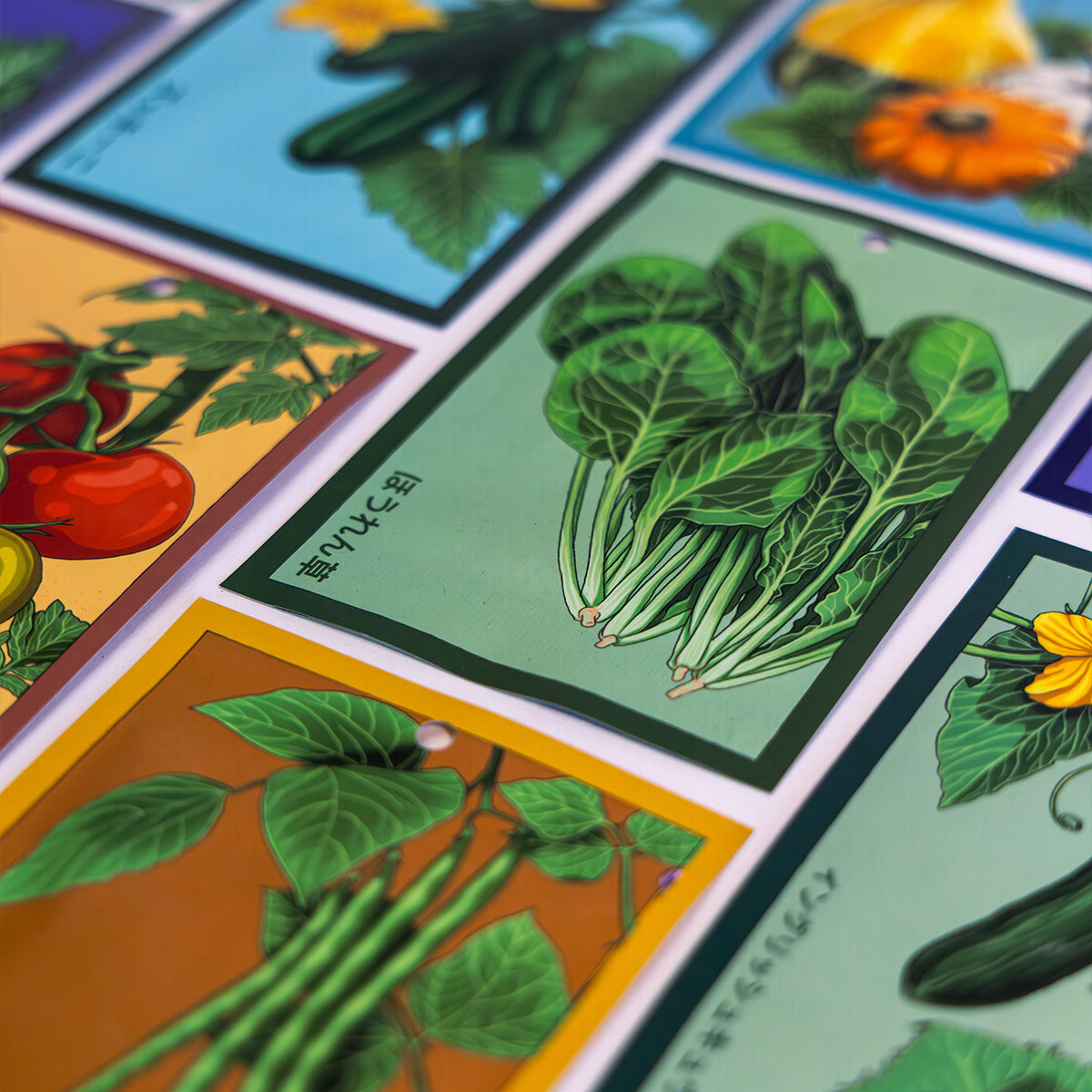
Asparagus Mary Washington Vegetable Seeds Packet

Regular price $4.95

FREE SHIPPING on seeds when you order 5 packs or more

Asparagus Mary Washington seeds for the kitchen garden that intends to actually produce asparagus mary washington this year. Mary Washington asparagus requires patience before its first harvest and then rewards you for decades, which is either inspiring or the gardening equivalent of a very long job interview.

Asparagus Mary Washington is the classic heirloom asparagus variety that takes three years to produce and then reliably delivers for twenty. Each packet is hermetically vacuum-sealed -- removing the oxygen that causes standard paper seed packets to lose germination viability within approximately one year. State law requires a 3-year viability label on sealed packaging. NASA research on hermetic seed storage indicates viability of up to 10 years under proper conditions. Every packet is non-GMO and germination-tested at independent third-party labs before it earns its Japanese woodblock print artwork.

Quick Seed Overview
  • Plant Type: Perennial vegetable
  • Variety: Mary Washington
  • Species: Asparagus officinalis
  • Zone: 3-11
  • Plant Height/Width: 4-5 feet tall / 2-3 feet wide
  • Season: Spring to early summer (harvest), dormant in fall/winter
  • Seed Count: 30
  • Difficulty: Moderate to difficult (slow growth; requires patience)
Satisfaction Guarantee

Seed Pack Guarantee: we stand behind our seeds. If they fail to perform, we'll gladly replace them at no cost. Performance depends on proper growing conditions.

Full Sun to Partial Shade

Well-draining, fertile, pH 6.5-7.5

 ¼ inch (6mm)

12-18 inches apart, rows 4-5 feet apart

Year 3+ (light harvest year 2), April-May annually

Why Shido Seeds Are the Best

Our flower and vegetable seeds are beautifully packaged little packets of magic. Guaranteed to turn your garden into the envy of the neighborhood. Get your hands dirty and let nature simply do its thing.

Complete Growing Guide

This comprehensive guide provides all the information needed to successfully grow from seeds to mature, thriving plants that will provide years of delicate, beautiful foliage for both indoor enjoyment and floral arrangements.

Seed Starting

A pre-soak improves this notoriously slow seed's germination rate.

1. Soak seed in water for 24-48 hours before sowing.

2. No scarification needed.

Seed Starting (Indoor/Direct Method)

Sowing Process:

1. Container Preparation: Fill trays with moistened mix.

2. Seed Placement: Sow 1/2 inches deep.

3. Environmental Control: 70-77°F.

4. Germination Timeline: 14-21 days, slow and sometimes uneven.

Germination and Early Care

Germination Conditions:

  • Soil temperature 70-77°F
  • Consistent moisture
  • Bright light once sprouted

Post-Germination Care:

1. Provide bright light once seedlings emerge.

2. Grow on for the full first season before transplanting to a permanent bed.

3. Remember: full harvest is 3-4 years away — resist harvesting more than a few test spears in years 2-3.

Long-term Care

Soil Management:

  • Avoid tilling asparagus beds since this damages the crown
  • Add compost annually without disturbing crown area
  • Maintain soil pH through periodic testing and amendment

Weed Control:

  • Keep the planting bed around asparagus free of weeds and clean up all plant debris
  • Use heavy mulching to suppress annual weeds
  • Hand weed carefully to avoid crown damage

Fertility Program:

  • Annual spring application of
  • balanced fertilizer
  • Mid-season side-dressing with compost
  • Fall application of potassium to strengthen crowns
  • Organic matter additions to maintain soil health
  • Harvesting and Storage

Harvest Technique:

  • Cut spears at or slightly below soil level with sharp knife
  • Snap spears by hand when they break cleanly
  • Never pull spears from crown
  • Harvest in morning when temperatures are cool

Quality Standards:

  • Spears should be straight and firmTips should be tight and compact
  • Avoid woody or fibrous spears
  • Harvest before tips begin to open

Storage Methods:

  • Fresh storage: Refrigerate standing in shallow water for 1-2 weeks
  • Blanching and freezing: Maintains quality for 8-12 months
  • Dehydrating: Creates shelf-stable asparagus chips
  • Pickling: Traditional preservation method

Companion Planting and Garden Integration

Good Companions:

  • Tomatoes (different root depths, complementary growth periods)
  • Basil and parsley (aromatic herbs that may deter pests)
  • Lettuce and other cool-season crops (utilize space during dormant period)
  • Plants to Avoid: Onions and garlic (may inhibit asparagus growth)
  • Dense, spreading plants that compete for nutrients
  • Crops requiring frequent soil disturbance
  • Season Extension and Climate Adaptation

Cold Climate Considerations:

  • Choose early varieties like Mary Washington for shorter seasons
  • Provide winter mulch protection in zones 3-4
  • Plant in protected locations to extend harvest season

Warm Climate Adaptations:

  • Provide afternoon shade in very hot regions
  • Ensure consistent moisture during heat stress
  • Consider alternative varieties for zones 9-10

Troubleshooting Common Issues

Poor Germination:

  • Causes: Old seeds, inadequate soaking, wrong temperature, poor soil drainage
  • Solutions: Use fresh seeds, proper pre-soaking, maintain optimal temperature

Weak Spear Production:

  • Causes: Overharvesting, poor nutrition, crown damage, inadequate sun
  • Solutions: Reduce harvest period, improve fertility, protect crowns, ensure full sun

Premature Spear Opening:

  • Causes: Hot weather, water stress, overmature spears
  • Solutions: Harvest more frequently, maintain consistent moisture, harvest earlier

Crown Rot Issues:

  • Causes: Poor drainage, overwatering, soil compaction
  • Solutions: Improve drainage, reduce watering, avoid soil compaction

Pro Tip

Avoid harvesting any spears during the first two years after planting. This allows the plants to develop a robust root system and store energy, which leads to larger, healthier harvests in future years. In the third year, harvest spears for only 4-6 weeks to prevent over-stressing the plants. Gradually increase the harvest duration in subsequent years for long-lasting, abundant yields.

Asparagus Mary Washington established bed in full production

Getting to know your Asparagus Mary Washington

Mary Washington asparagus is a popular, heirloom variety known for its tender, flavorful spears. It is a perennial plant that thrives in well-drained, sandy soil and full sun. The plant grows to about 4-5 feet tall when mature and produces slender, green spears with slightly purple tips. Asparagus takes 2-3 years to establish before it can be harvested, but it then produces reliably for 15-20 years. The spears are harvested in early spring and are rich in fiber, vitamins, and antioxidants. Mary Washington is resistant to rust and fusarium wilt, making it a hardy choice for home gardens. After the harvest season, the plant produces feathery, fern-like foliage that adds ornamental value.

What it's used for

1. Culinary Applications:

  • Fresh asparagus spears for grilling, roasting, and steaming
  • Gourmet spring vegetables for fine dining
  • Asparagus soup and risotto ingredients
  • Raw consumption in salads when young and tender
  • Pickling and preserving for year-round enjoyment
  • Blanching and freezing for long-term storage

2. Nutritional Benefits:

  • High in vitamins K, C, and folate
  • Rich in antioxidants and anti-inflammatory compounds
  • Good source of fiber and protein
  • Low-calorie, nutrient-dense vegetable
  • Contains glutathione, a powerful antioxidant

3. Garden Benefits:

  • Ornamental ferny foliage after harvest season
  • Attracts beneficial insects when in bloom
  • Deep root system improves soil structure
  • Long-term perennial crop reduces annual planting work
  • Excellent for establishing food forests and permanent beds

4. Economic Value:

  • High-value crop for market gardening
  • Significant grocery savings over plant lifetime
  • Premium heirloom variety commands higher prices
  • Gift potential for fellow gardeners

Growth Requirements

Temperature:

  • Germination: 70-80°F (21-27°C) optimal
  • Growing season: 60-85°F (15-29°C)
  • Winter dormancy: Requires 150+ hours below 50°F (10°C)
  • Cold tolerance: Hardy to USDA zones 3-9
  • Heat tolerance: Struggles in consistently hot climates (zones 10+)

Light:

  • Full sun preferred (6-8 hours direct sunlight daily)
  • Partial shade tolerated but reduces vigor and yield
  • Morning sun essential for optimal spear development

Protection from harsh afternoon sun in hot climatesSoil:

  • Well-draining, fertile soil essentials
  • pH range: 6.5-7.5 (slightly acidic to slightly alkaline)
  • Deep, loose soil to accommodate extensive root system
  • Rich in organic matter (compost, aged manure)
  • Avoid heavy clay or consistently wet soils

Water:

  • Consistent moisture during establishment and growing season
  • 1-2 inches weekly during active growth
  • Drought tolerance once established (after 2-3 years)
  • Avoid waterlogged conditions, which cause crown rot
  • Deep, infrequent watering preferred

Space:

  • Crown spacing: 12-18 inches apart in rows
  • Row spacing: 4-5 feet apart
  • Permanent bed location (plants live 20+ years)
  • Deep root system extends 4-6 feet down
  • Spreading habit requires adequate room

Maintenance

Annual Tasks:

  • Early Spring: Apply compost and balanced fertilizer before spear emergence
  • Spring: Harvest spears for 6-8 weeks when mature (2+ years old)
  • Late Spring/Summer: Allow ferns to develop fully for energy storage
  • Fall: Cut down dead ferns after first frost, apply mulch

Monthly Tasks (Growing Season):

  • April-May: Harvest spears every 2-3 days during harvest season
  • June-August: Maintain consistent moisture, control weeds
  • September: Begin reducing watering, allow natural dormancy prep

Weekly Tasks (During Harvest):

  • Harvest spears when 6-8 inches tall and pencil-thick or larger
  • Cut or snap spears at soil level, never pull from crown
  • Remove any damaged or pest-affected foliage
  • Monitor for pest activity

Fertilizing Schedule:

  • Early Spring: Apply 10-10-10 balanced fertilizer (2-3 pounds per 100 sq ft)
  • Post-Harvest: Side-dress with compost or aged manure
  • Fall: Apply potassium-rich fertilizer to strengthen crowns
  • Organic Options: Compost, fish emulsion, bone meal

Weed Management:

  • Cultivation must be very shallow, less than 2 inches deep
  • Hand weeding preferred to avoid crown damage
  • Heavy mulching to suppress weeds
  • Pre-emergent herbicides if necessary (organic options preferred)

Pests and Diseases

Growing Together with Shido

At Shido, everything we do starts with one goal: helping you have a truly successful growing experience. We know that planting seeds is just the beginning — your time, energy, and love for gardening are the real magic. That’s why we make sure the seeds you plant are fresh, full of life, and top-quality. When you choose Shido, you’re planting with confidence. We guarantee it.

Our mission is simple: bring you exceptional varieties of high-quality seeds at prices you’ll love, share detailed sowing and growing tips so you can thrive as a home gardener, and deliver the best customer service in the industry, with a smile.

Our Seed Safety Promise

We do not sell genetically modified seeds — ever. And we don’t use genetic engineering to breed new varieties. Instead, our skilled breeders use traditional, natural crossing methods to create hybrid seeds that are healthy, safe, and packed with potential.

Our Seed Quality Guarantee

At Shido, we believe great gardens start with great seeds — and that means quality comes first. Every seed lot we offer is ensure to generate top-notch germination because your garden deserves nothing less.

To keep our seeds at their peak, we run thorough pathology tests at trusted outside labs. When you open a Shido seed packet, you can trust it’s been nurtured, tested, and approved to give you strong, healthy plants from the very first sprout.

Types of Seeds We Offer

Open-Pollinated & Heirloom Seeds

Our open-pollinated (OP) seeds naturally reproduce through wind, insects, water, or self-pollination. When grown in isolation, they produce true-to-type plants year after year.

Among our OP seeds are treasured heirloom varieties — old favorites that have been carefully passed down for generations. While OP plants can be less uniform than hybrids, we run our Open-Pollinated Project to select the most reliable, flavorful, and beautiful strains.

Non-GMO: What It Means and Why It Matters

A GMO (Genetically Modified Organism) is created when scientists alter a plant’s DNA in a lab — often by inserting genes from completely unrelated species — to achieve certain traits, like pest resistance or herbicide tolerance. This is a far cry from natural plant breeding.

At Shido, we believe gardening should stay as close to nature as possible. All our seeds — whether hybrid, heirloom, organic, or open-pollinated — are Non-GMO. They’re bred using traditional methods that respect natural biodiversity, giving you safe, wholesome seeds that grow into plants just as nature intended.

When you plant Shido Non-GMO seeds, you’re choosing purity, sustainability, and peace of mind — along with a garden full of flavor, color, and beauty.

Vacuum-Sealed for Freshness — Good for 10 Years

Every Shido seed packet is vacuum-sealed to lock in freshness and protect your seeds from moisture, air, and pests. This careful packaging not only preserves their quality but also extends their shelf life dramatically. Stored properly in a cool, dry place, our seeds remain viable for up to 10 years — so you can plant them now, next season, or even years down the road. Whether you’re planning a garden this spring or building a long-term seed stash, Shido seeds are ready when you are.


Feed Your Plants Like You Actually Know What You’re Doing

Your plants called—they're tired of your "just water and hope" approach. Give them VerteRx, the premium plant food packed with vitamins and growth boosters. Stronger roots, lusher leaves, and fewer judgmental stares from your fiddle-leaf fig. Because even plants deserve proper nutrition (unlike your diet).

Pretty Pots for Pretty Plants

Your plants work hard to look good—shouldn’t their pots do the same? Choose from our gorgeous flower pots and let your greenery thrive in style. Because plain plastic is just rude.