
Luffa Sponge Vegetable Seeds Packet

Regular price $4.95
Vacuum Sealed
NON-GMO
Seed Pack Guarantee

Build Your Garden With These Shido Seeds

Choose a seed packet as your starting point, then round out the bed with these for that thrown-together-but-somehow-perfect harvest.


Luffa Sponge seeds for the kitchen garden that intends to actually produce luffa sponge this year. The Luffa Sponge is the only vegetable that doubles as a bathroom product, which is either practical or confusing depending on your household.

Luffa Sponge is a tropical vine that produces edible fruits when young and natural kitchen sponges when mature. Each packet is hermetically vacuum-sealed -- removing the oxygen that causes standard paper seed packets to lose germination viability within approximately one year. State law requires a 3-year viability label on sealed packaging. NASA research on hermetic seed storage indicates viability of up to 10 years under proper conditions. Every packet is non-GMO and germination-tested at independent third-party labs before it earns its Japanese woodblock print artwork.

Seed specifications
  • Material: Seed
  • Botanical name: Luffa aegyptiaca
  • Genus: Luffa
  • Plant family: Cucurbitaceae
  • Species: Aegyptiaca
  • Plant type: Annual
  • Pollination type: Vegetable
  • USDA Hardiness Zones: 7-11
  • Packet contents: ≈ 15 Seeds
  • Packaging: Hermetically vacuum-sealed
  • Non-GMO: Yes
  • Seed viability: Up to 10 years (sealed) / 4–5 years (unsealed, ideal conditions)
  • Difficulty: Moderate - Recreational Gardener
Sowing & growing guide

Quick Sowing Guide:

  • When to sow: 4-6 wks before last frost
  • Sowing depth: 1 in
  • Initial spacing: 36-48 in
  • Row spacing: 6-8 ft
  • Days to germination: 7-14 days
  • Light: Full sun
  • Water: Consistent moisture
  • Soil: Well-drained, fertile soil
  • Harvest: 90-120 days

Start Growing: Step-by-step sowing and growing guide

About vacuum sealing

Why Vacuum-Sealed Seeds Last Longer

Standard paper seed packets are permeable to oxygen and moisture -- the two primary causes of seed degradation. Most paper-packaged seeds begin losing germination viability after approximately one year, contributing to significant garden-industry waste: packets purchased, not planted, expired, discarded. Shido Seeds are hermetically vacuum-sealed. The packet does not expire quietly in a drawer. It waits.

About the Packaging

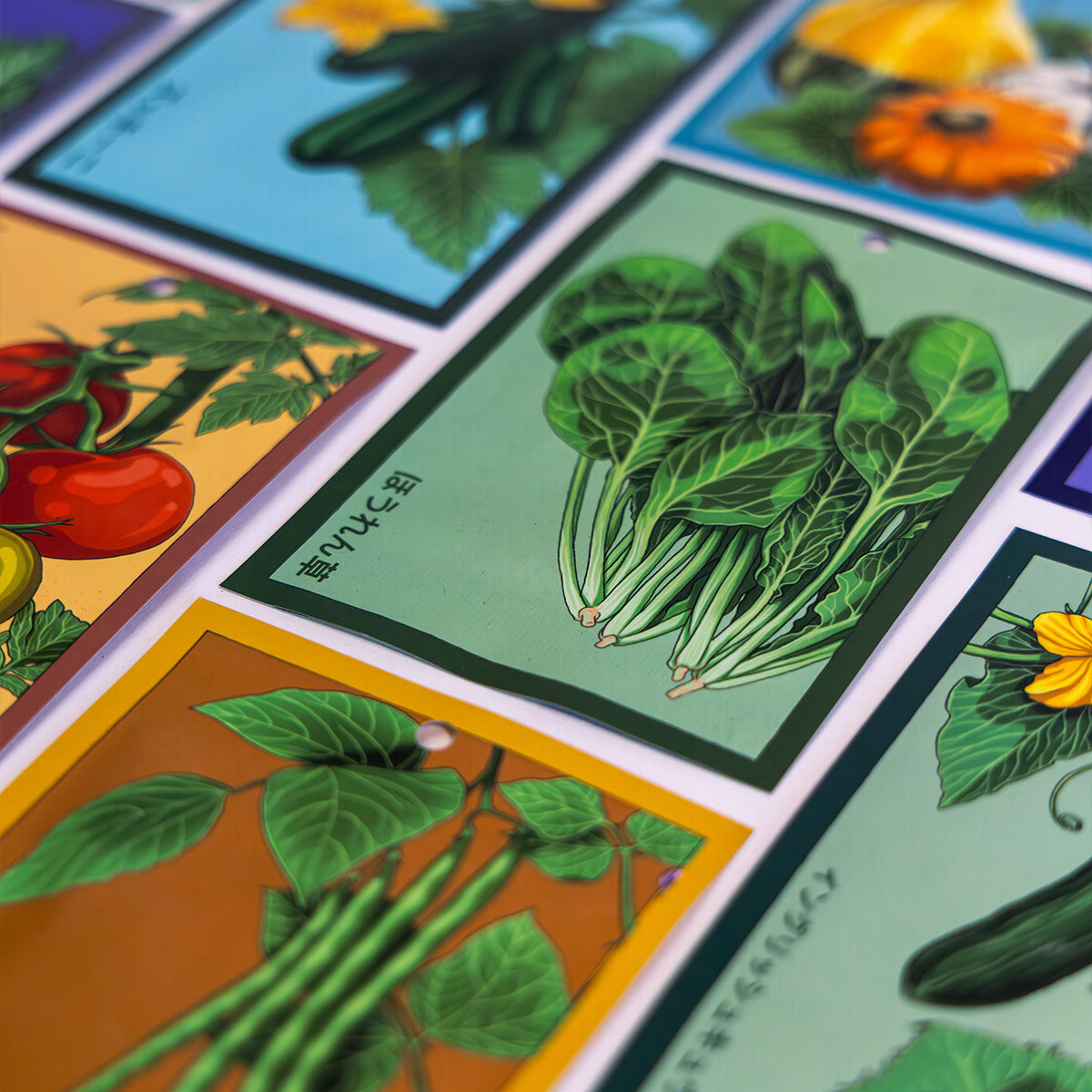
Every Shido seed packet is illustrated in the style of Japanese 1910s woodblock printing -- designed and drawn in-house by Chive, that has been exhibiting at the Chelsea Flower Show in London every year and does not, as a matter of principle, sell to big-box retailers. Customers collect the packets as a series. This was not the original plan.

Shipping & returns

Shipping

  • Free shipping: Orders $200+ within the US
  • Standard: 5–8 business days, Express 2–3 business days (at checkout)
  • International Ships: to 40 countries — rates at checkout
  • Packaging Ships: in outer box to protect gift box

View full shipping policy →

Returns

We accept returns within 30 days of delivery on unused items in original packaging. If your piece arrives damaged, contact us within 7 days with a photo and we will replace it at no charge.

View full return policy →

Satisfaction Guarantee

We stand by the quality of our flower seed packets! Every Shido seed packet is lab-tested for germination before it ships. If your seeds do not perform to the stated germination rate under correct growing conditions, contact us and we will replace or refund. Guaranteed!

Wholesale Inquires

Have a cool shop? Know someone that does?

Find Chive on Faire →

Radish Horticultural Specifications

Botanical

Luffa aegyptiaca

Plant Type

Annual

Light

Full sun

Water

Consistent moisture

Soil

Well-drained, fertile soil

Depth

1 in

Germination

7-14 days

USDA Zone

7-11

Mature Height

10-30 ft

Harvest

90-120 days
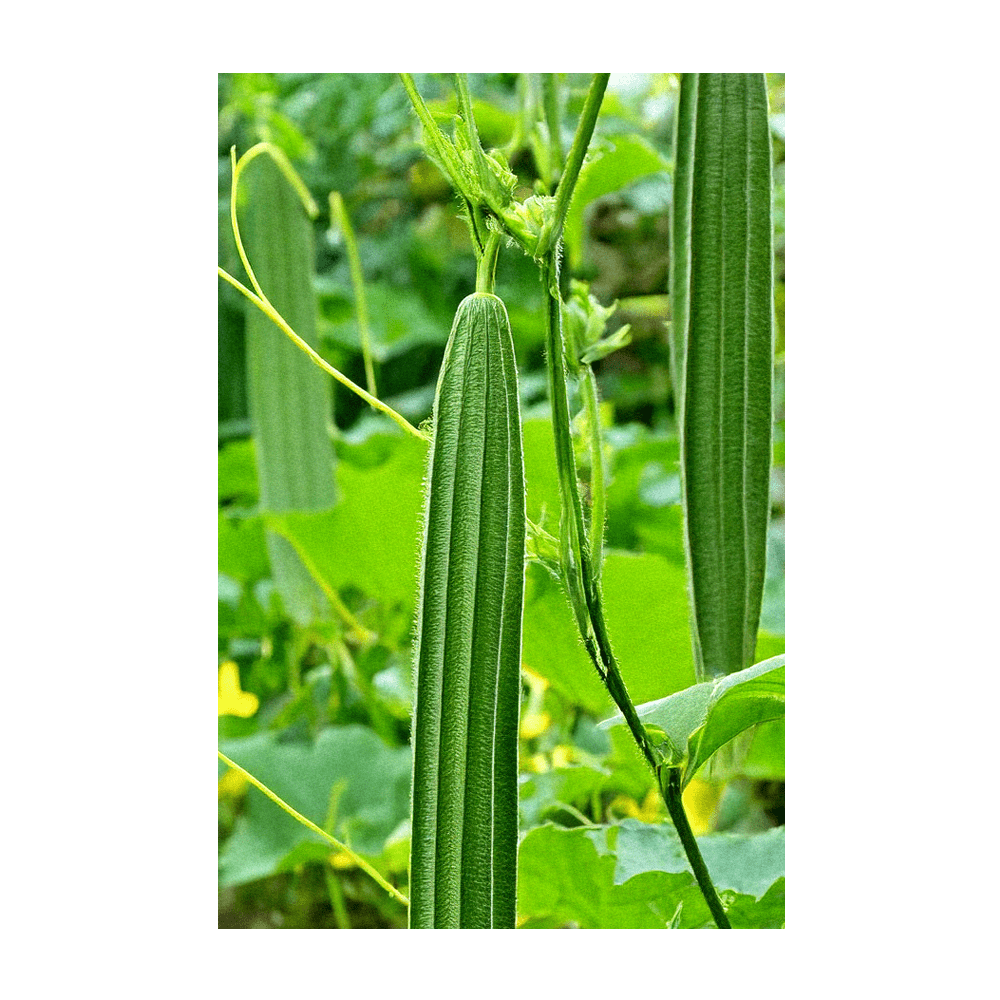

Luffa Sponge seeds vacuum-sealed - Shido Seeds by Chive

Getting to know your Luffa Sponge

Luffa, also known as sponge gourd, is a vigorous climbing vine grown for two genuinely different purposes: edible young fruits and mature, fibrous gourds used as natural sponges once fully dried. This tropical plant thrives in warm, sunny climates and well-drained, nutrient-rich soil, growing into a genuinely long vine that needs a sturdy trellis or support structure to perform well. Luffa produces cheerful yellow flowers that attract pollinators reliably throughout the season, which benefits whatever else is growing nearby that depends on the same pollinator activity. The young fruits are tender enough to eat fresh or cooked, similar in texture and use to zucchini, picked well before the fibrous interior has a chance to develop. Left on the vine to fully mature instead, that same fruit transforms into the dense, fibrous network familiar from a natural bath sponge, requiring considerably more patience than the edible harvest does. Regular watering and a layer of mulch help retain the moisture this vigorous vine depends on throughout a genuinely long growing season. Few plants offer two such different rewards, food and a household tool, from the exact same vine. That dual purpose is really the whole reason luffa earns a spot in the garden at all.


History & origin

Ancient South & Southeast Asia

Luffa (Luffa aegyptiaca and related species) was domesticated in South Asia, with cultivation and use dating back over 2,000 years -- valued in both cuisine (eaten young) and for its mature fibrous interior.

Traditional Chinese Medicine

Luffa has a long history of use in traditional Chinese medicine, where the dried fibrous interior (known as "si gua luo") is used in various preparations.

Global Culinary Use

In many Asian and African cuisines, luffa is eaten as a vegetable while young and tender, similar to zucchini -- a use less familiar to Western gardeners, who more often associate luffa exclusively with its bath-sponge product.

Introduction to Western Gardens

Luffa's dual-purpose nature -- edible young, functional as a sponge when mature -- has made it an increasingly popular novelty crop in Western home gardens over the past several decades, prized for both uses from a single planting.

Today

Grown worldwide both as a food crop in parts of Asia and Africa, and as a sustainable, biodegradable alternative to synthetic sponges in Western markets.

Shido Vegetable and Flower Seeds Vacuum sealed for peak freshness

Step-by-Step Sowing & Growing Guide

Getting Started

Annual, needs a long hot season

Step 1: Plan for a long season first - This crop needs 90-150+ days to reach sponge stage -- in short-season climates, start much earlier indoors than usual, since this normally being direct-sown elsewhere doesn't apply here.

Step 2: Timing - Start indoors 4-6 weeks before last frost -- soak seed 24 hours and nick the tough seed coat to speed germination.

Step 3: Soil - Rich, well-drained soil, pH 6.0-6.8.

Step 4: Trellis - Build a sturdy 6-8 foot trellis or arbor before transplanting -- this is a heavy, vigorous vine.

Step 5: Ongoing care - Water consistently during fruit development.

Step 6: Harvest - For eating: pick young, under 6 inches, like a squash. For sponges: leave on the vine until skin turns brown and papery-light, then cure, peel, and rinse out seeds.

Before you start

Materials needed to sow

  • Seed trays or small pots: Start indoors well ahead of the usual squash-family timing, given this crop's long season.
  • Heat mat: Speeds germination of the tough luffa seed coat.
  • A container of water, for soaking seed 24 hours: Softens the seed coat before sowing.
  • Sturdy trellis or arbor, built before transplanting: This is a heavy, vigorous vine needing 6-8 feet of real support, not a light stake.

Materials for harvest and storage

  • Pruners: For cutting the tough stem.
  • Basket (young fruit) or a large basin (mature fruit): Young luffa is picked like a squash; mature luffa needs soaking and peeling, which takes more space and equipment.
  • Drying rack: For curing sponges once peeled and rinsed of seeds.

Tip: For eating, pick young and small, under 6 inches. For sponges, leave the fruit on the vine until the skin turns brown and papery-light before cutting, curing, peeling, and rinsing out the seeds.

Growth Requirements

Light:

  • Luffa requires full sun, with at least 6-8 hours of direct sunlight per day.
  • Insufficient sunlight can reduce fruit production and lead to smaller, weaker plants.

Soil:

  • Luffa prefers well-draining, fertile soil with a pH of 6.0-6.5.
  • The soil should be rich in organic matter, such as compost or aged manure.
  • Loamy or sandy soil with good drainage is ideal to prevent waterlogging and root rot.

Watering:

  • Luffa plants require consistent and deep watering, especially during flowering and fruiting stages.
  • Water the plants with 1-2 inches of water per week, keeping the soil moist but not soggy.
  • Avoid overhead watering to reduce the risk of fungal diseases.

Temperature and Climate:

  • Luffa thrives in warm to hot climates, requiring temperatures between 70°F and 95°F (21°C-35°C).
  • The plant is frost-sensitive, making it unsuitable for cold climates unless grown in greenhouses.
  • In cooler regions, luffa requires a long, warm growing season, which may necessitate an indoor start.

Fertilization:

  • Apply a balanced fertilizer (10-10-10) at planting.
  • Once the plants start flowering, switch to a low-nitrogen fertilizer (5-10-10) to promote fruit production.
  • Side-dress with compost or organic matter throughout the growing season.

Maintenance

Trellising:

  • Luffa vines require vertical support to keep the fruits off the ground.Use sturdy trellises, arbors, or fences for support.
  • Proper trellising improves air circulation and reduces disease risk.

Pruning:

  • Prune excess leaves and side shoots to improve airflow and direct energy toward fruit production.
  • Pinch off unproductive vines to enhance growth.

Harvesting:

  • For culinary use, harvest luffa when the fruit is 6-12 inches long and still tender.
  • For sponges, wait until the fruit turns yellow-brown and feels lightweight.
  • Cut the fruit from the vine and peel off the outer skin.
  • Rinse the fibrous interior and dry it in the sun.

Troubleshooting and common mistakes

  • Underestimating the season length — this is the longest-season crop in the whole project -- 90-150+ days just to reach sponge stage; short-season climates need an early indoor start
  • Undersized trellis — this is a vigorous, heavy vine needing 6-8 feet of sturdy support, more than almost any other plant here
  • Harvesting sponges too early — skin must turn brown and papery-light before curing -- picking at the green, edible stage is fine for eating but won't yield a usable sponge

Culinary uses & nutritional information

What it's used for

1. Culinary Uses:

  • Young luffa fruits are edible and are commonly used in Asian, Indian, and Middle Eastern cuisines.
  • The flesh has a mild, slightly sweet flavor, similar to zucchini or cucumber.
  • It can be added to stir-fries, soups, curries, and salads.
  • Luffa blossoms and tender leaves are also edible and can be sautéed or added to dishes.

2. Household and Industrial Uses:

  • When fully mature, luffa fruits become natural sponges used for exfoliating skin or cleaning dishes.
  • Luffa fibers are also used in bath products, pot scrubbers, and cleaning cloths.
  • Industrially, luffa is used in filters, upholstery, and eco-friendly products.

3. Medicinal and Health Benefits:

  • Luffa contains antioxidants, vitamins, and minerals.
  • In herbal medicine, luffa is used to treat coughs, inflammation, and skin conditions.
  • The sponge fibers are sometimes used in natural exfoliation treatments.

What parts are edible

  • Fruit (young stage): Eaten like a squash when picked small, under 6 inches -- tender and mild.
  • Flowers: Edible squash blossoms, same as other Cucurbita flowers.
  • Fruit (mature stage): NOT eaten at this stage -- once left to dry and brown on the vine, the interior becomes the fibrous sponge material, which is a household product, not a food.

Nutritional data

Young fruit (sponge/ridge gourd), per 100g

Calories: ~20 kcal

  • Carbohydrates: ~4.4 g
  • Protein: ~1.2 g
  • Total fat: ~0.2 g
  • Dietary fiber: ~1.5 g
  • Vitamin C: ~12 mg (13% RDA)
  • Folates: not well documented -- flagged as unverified
  • Potassium: ~139 mg
  • Cholesterol: 0 mg
  • Confidence note: this is the least-verified nutrition entry in the whole project -- recommend independent confirmation before publishing exact figures

Companion plants, pests & diseases

Companion planting

Good companions

  • Basil, tomato, eggplant — peppers pair well with a very wide range of vegetables
  • Onion, carrot, beans, marigold — broadly compatible, low-conflict companions

Poor companions / avoid

  • Repeated nightshade rotation — standard caution -- avoid planting where tomatoes or eggplant grew the previous season

Pests

  • Cucumber beetles — chew leaves and spread bacterial wilt
  • Squash bugs — cluster at the base of vines
  • Aphids — cluster on new growth

Diseases

  • Powdery mildew — white coating on leaves, common late in a long growing season
  • Downy mildew — yellow patches on upper leaf surface
  • Bacterial wilt — spread by cucumber beetles, sudden wilting with no recovery

Pro Tip

For larger and higher-quality sponges, prune off excess flowers and immature fruits, allowing the plant to focus its energy on fewer, larger fruits. This results in denser, more fibrous sponges.

Seeds worth keeping

What makes Shido Seeds different

Shido Seeds are designed by Chive Studio, a ceramic design company. We are not a seed conglomerate. We do not sell through big-box retailers. Each variety in the catalog was selected because it is worth growing — not because it ships well in bulk or photographs well in marketing materials.

Every packet is germination-tested at an independent third-party lab before it earns its woodblock illustration. The vacuum seal removes the oxygen that causes standard paper packets to degrade. The stated germination rate is a floor, not a marketing figure.

If something goes wrong, contact us. We will make it right.

Plants that Grow together look good together...even if they are ceramic

A Quicker-Payoff Alternative
For a long-term reward on a considerably shorter timeline, Asparagus Mary Washington asks for years of patience rather than one long warm season.

Vegetable Shido Seeds packets — by Chive Studio Toronto

The Rest of the Vegetable Garden

Browse Shido's full vegetable seed collection for other vining crops that share luffa's love of a sturdy trellis.

Buttercup Yellow Gay Paree Peony - Chive Ceramics Studio - Ceramic Flowers - Chive Ceramics Studio

Two Uses, One Plant, Zero Growing

Luffa takes months to deliver either of its two rewards, but Chive's White Snowdrop offers its own quiet appeal the moment it arrives.

Chive Shido seed packets with botanical illustrations on a peg rack, showing cherry blossom, tomato, and eggplant designs.

The credentials behind the packet

A vine that needs a genuinely long season to reach full maturity can't afford to lose time to a slow-germinating packet. The studio protects that timeline by cutting oxygen exposure the moment a packet is sealed, well ahead of any paper envelope's inconsistent track record. A crop already asking for this much patience and trellis space deserves a seed dependable enough to justify the commitment. That same sealed standard applies whether a vine needs weeks or months to fully mature. Two entirely different harvests depend on that same first step going right. Patience on both ends is really what this particular vine asks for. Neither harvest happens without that first quiet step going right.


Plant Care, Simplified with Chive

Keep it alive, keep it thriving. Let's make plant parenthood look easy.

Are Seed Packets GMO? The Honest Answer

Todd Newgren
Are seed packets GMO? No—home garden seed packets, Shido included, are never genetically modified, since GMO seed is only made for large-scale commercial crops. The non-GMO badg...
Read more

Nobody grows one dahlia. This is what nobody tells you.

Ryan Hearst
How to grow dahlias from seed: start indoors 6–8 weeks before last frost, transplant after frost, and expect first blooms in late summer. Nobody warns you that one bloom is all ...
Read more

Frequently asked questions

What is the best way to grow luffa from seed?

Luffa needs warm, sunny conditions and well-drained, nutrient-rich soil, growing into a genuinely long climbing vine that requires a sturdy trellis or support structure to perform well. A layer of mulch also helps retain the consistent moisture this vigorous vine depends on. A layer of mulch also helps retain the moisture this vigorous vine depends on.

Can you eat luffa, or is it only used as a sponge?

Both — young luffa fruits are tender and edible, similar in texture and use to zucchini, while mature fruits left longer on the vine develop the fibrous interior used as a natural sponge. That dual-purpose harvest is really the whole reason luffa earns a spot in so many home gardens.

How do you turn luffa into a sponge?

Let the fruit mature and dry fully on the vine, then peel away the outer skin to reveal the fibrous network inside, which gets rinsed and dried further before use. Letting the fruit dry naturally on the vine typically produces a better final texture than forcing the process. Letting the fruit dry naturally on the vine tends to produce the best final texture.

Does luffa need a trellis to grow well?

Yes, generally — the vine climbs vigorously and produces straighter, more uniform fruit with proper support, compared to letting it sprawl unsupported across the ground. A sturdy A-frame or fence line both work well as alternatives to a formal trellis structure. A sturdy A-frame or fence line both work well as alternatives to a formal trellis.

How long does luffa take to mature into a sponge?

It needs a genuinely long, warm growing season, considerably longer than the edible harvest requires, since the fruit needs real time to develop and then dry into that fibrous structure. That extended timeline is really the tradeoff for getting a genuinely usable sponge at the end. That extended timeline is really the tradeoff for a genuinely usable sponge at the end.

How long do luffa seeds last?

Vacuum-sealed Shido Seeds packets stay viable for up to 10 years when stored properly, compared to roughly one year for a standard paper seed packet exposed to normal conditions. Cool, dry storage further extends that shelf life beyond the basic guarantee. That reliability matters given how long this particular vine's growing season already runs.

Do luffa plants attract pollinators?

Yes — the vine produces cheerful yellow flowers that draw pollinators reliably throughout the season, which benefits other flowering plants growing nearby as well. That pollinator activity also benefits any other flowering vegetables planted nearby in the same bed. That pollinator activity also benefits other flowering vegetables planted nearby in the same bed.

Is this seed germination-tested?

Yes — every Shido Seeds packet, luffa included, is tested at independent third-party labs before it reaches a shelf, given how long this particular crop's growing season already runs. That scrutiny matters given how long this crop's growing season already runs. No shortcuts taken on a crop asking for this much patience.

Verte Rx Shiny Leaves for Plants - Chive Ceramics Studio - Chive Ceramics Studio

The seed is the start. Verte RX handles the rest.

Most seedlings fail not from bad seed but from soil that runs out of what the plant needs before the plant can find it. Verte RX is a liquid plant vitamin formulated for exactly that window — the weeks after germination when the root system is establishing and the margin between thriving and stalling is narrowest.