
Basket Kisses Strawberry Fruit & Berry Seeds Packet

Regular price $4.95
Vacuum Sealed
NON-GMO
Seed Pack Guarantee

Build Your Garden With These Shido Seeds

Choose a seed packet as your starting point, then round out the bed with these for that thrown-together-but-somehow-perfect harvest.


Strawberry seeds for Basket Kisses grow into a compact, trailing variety bred specifically for hanging baskets and containers rather than open rows. Shido Basket Kisses strawberry seeds are non-GMO and hermetically vacuum-sealed, so the packet keeps its viability long after a paper one would have quit. Standard paper-packed seeds begin losing germination viability after approximately one year.

Basket Kisses strawberry was named by someone who understood that a strawberry in a hanging basket is not just a plant, it is a statement, and a fairly confident one. It trails instead of sprawling, stays small instead of demanding a row, and produces fruit that is intensely sweet in almost inverse proportion to how much space it actually took up in the end. Every packet ships germination-tested at independent third-party labs before packaging, a formality the seed has already outlasted many times over inside its vacuum seal.

Seed specifications
  • Material: Seed
  • Botanical name: Fragaria × ananassa 'Basket Kisses'
  • Genus: Fragaria
  • Plant family: Rosaceae
  • Species: × ananassa
  • Plant type: Perennial
  • Pollination type: Vegetable
  • USDA Hardiness Zones: 4–9 zone
  • Packet contents: ≈ 100 Seeds
  • Packaging: Hermetically vacuum-sealed
  • Non-GMO: Yes
  • Seed viability: Up to 10 years (sealed) / 4–5 years (unsealed, ideal conditions)
  • Difficulty: Moderate - Recreational Gardener
Sowing & growing guide

Quick Sowing Guide:

  • When to sow: after 2–4 weeks cold stratification
  • Sowing depth: Surface sow (slightly press)
  • Initial spacing: 12-18 in
  • Row spacing: plant in container/basket
  • Days to germination: 14 to 28 days
  • Light: Full Sun
  • Water: Consistent moisture
  • Soil: Moist, well-drained
  • Harvest: 60-90 days

Start Growing: Step-by-step sowing and growing guide

About vacuum sealing

Why Vacuum-Sealed Seeds Last Longer

Standard paper seed packets are permeable to oxygen and moisture -- the two primary causes of seed degradation. Most paper-packaged seeds begin losing germination viability after approximately one year, contributing to significant garden-industry waste: packets purchased, not planted, expired, discarded. Shido Seeds are hermetically vacuum-sealed. The packet does not expire quietly in a drawer. It waits.

About the Packaging

Every Shido seed packet is illustrated in the style of Japanese 1910s woodblock printing -- designed and drawn in-house by Chive, that has been exhibiting at the Chelsea Flower Show in London every year and does not, as a matter of principle, sell to big-box retailers. Customers collect the packets as a series. This was not the original plan.

Shipping & returns

Shipping

  • Free shipping: Orders $200+ within the US
  • Standard: 5–8 business days, Express 2–3 business days (at checkout)
  • International Ships: to 40 countries — rates at checkout
  • Packaging Ships: in outer box to protect gift box

View full shipping policy →

Returns

We accept returns within 30 days of delivery on unused items in original packaging. If your piece arrives damaged, contact us within 7 days with a photo and we will replace it at no charge.

View full return policy →

Satisfaction Guarantee

We stand by the quality of our flower seed packets! Every Shido seed packet is lab-tested for germination before it ships. If your seeds do not perform to the stated germination rate under correct growing conditions, contact us and we will replace or refund. Guaranteed!

Wholesale Inquires

Have a cool shop? Know someone that does?

Find Chive on Faire →

Radish Horticultural Specifications

Botanical

Fragaria × ananassa 'Basket Kisses'

Plant Type

Perennial

Light

Full Sun

Water

Consistent moisture

Soil

Moist, well-drained

Depth

Surface sow (slightly press)

Germination

14 to 28 days

USDA Zone

4–9 zone

Mature Height

6–8 in crown height, with trailing runners

Harvest

60-90 days
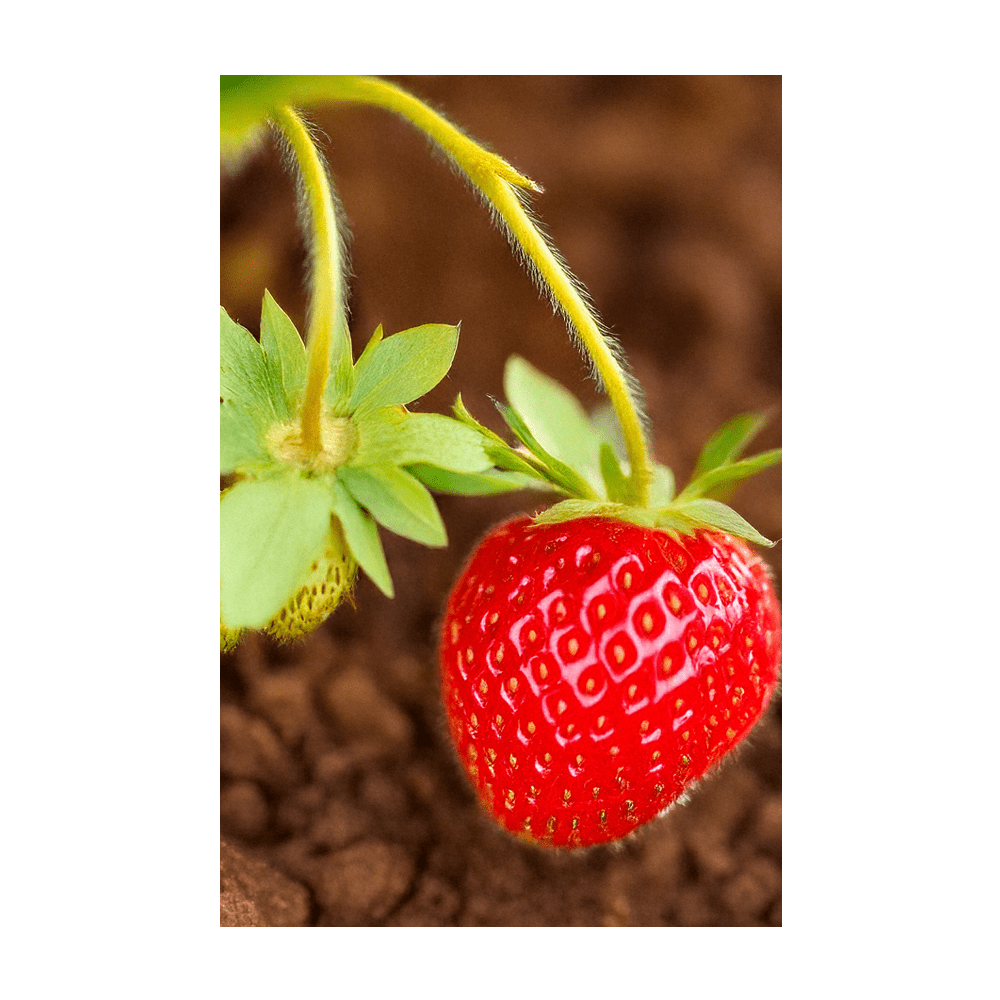

Basket Kisses Strawberry trailing plant with small red fruits in hanging basket

Getting to know your Strawberries

Basket of Kisses strawberry is a variety genuinely well suited to hanging baskets and container growing, producing a cascading habit that spills attractively over the edge of whatever it's planted in rather than spreading flat across open ground. Full sun and well-drained soil suit it best, and steady watering pays off in a genuinely reliable supply of sweet berries across the season. The plant's compact, trailing growth habit makes it a strong choice for anyone without much ground space, bringing a real strawberry harvest to a porch, balcony, or patio setup instead. Regular deadheading of spent flowers and removing runners that would otherwise sprawl beyond the container keeps the plant's energy focused on fruit production rather than unchecked spreading. Basket of Kisses produces berries at a genuinely convenient height for picking, right at arm's reach when grown in a hanging arrangement, which takes the usual stooping out of strawberry harvesting entirely. Consistent moisture matters more in a container setting than in open ground, since containers dry out considerably faster and need more frequent attention through warmer stretches. Few strawberry varieties bring quite this much genuine charm to a small space that would otherwise go unused. That adaptability is really the whole reason this variety has found such a devoted following among container gardeners specifically.


History & origin

Ancient Origins of the Wild Strawberry

Small wild strawberries (Fragaria vesca) have been gathered and eaten across Europe and Asia since prehistoric times, and were cultivated in a limited way in European gardens by the medieval period.

18th Century France -- The Modern Garden Strawberry

The large-fruited garden strawberry familiar today (Fragaria × ananassa) did not exist until the 1750s, when French botanist Antoine Nicolas Duchesne documented and helped develop a cross between a North American strawberry species (Fragaria virginiana) and a Chilean strawberry species (Fragaria chiloensis) -- a chance cross discovered growing in a French garden that produced far larger fruit than either wild parent.

Modern Container Breeding

Compact, trailing strawberry varieties bred specifically for hanging baskets and containers, like this one, represent a more recent breeding focus aimed at small-space and urban gardeners rather than traditional row-planted patches.

Today

Trailing, everbearing container strawberries have become popular for patios, balconies, and small gardens, prized as much for their ornamental cascading habit as for the fruit itself.

Shido Vegetable and Flower Seeds Vacuum sealed for peak freshness

Step-by-Step Sowing & Growing Guide

Getting Started

Perennial, everbearing, compact trailing habit for containers/baskets

Step 1: Stratify seed first - Strawberry seed germinates far better after a period of cold, moist stratification -- chill seed (refrigerated, in a moist paper towel or sand) for 2-4 weeks before sowing.

Step 2: Sowing - Surface sow -- seeds are tiny achenes, less than 1mm, and need light to germinate, so do not bury them. Keep soil at 65-75°F. Germination is slow, 2-6 weeks -- patience matters here.

Step 3: Humidity - Cover loosely with plastic wrap or a humidity dome if ambient humidity is below 40%, to keep the seed bed from drying out during the long germination window.

Step 4: Soil - Well-drained potting mix, pH 5.5-6.8.

Step 5: Transplant into baskets - Once seedlings have several true leaves, move into hanging baskets or containers -- give plants room to breathe even in a container, since good airflow prevents mold on the trailing foliage.

Step 6: Ongoing care - Rotate baskets every few days if sunlight is uneven, to keep growth even on all sides.

Step 7: Harvest - This everbearing variety produces continuously from spring to frost -- pick small, sweet berries as they ripen fully red rather than waiting for a single large harvest.

Before you start

Materials needed to sow

  • Small seed trays or shallow containers: Because the seed is surface-sown, a shallow, wide container works better than a deep one.
  • Fine, well-drained seed-starting mix: The texture matters here -- these seeds are tiny achenes, under 1mm, and need a fine surface to sit on rather than a coarse mix.
  • Refrigerator space: For a 2-4 week cold stratification period before sowing, which significantly improves germination.
  • Spray bottle: For gentle watering after sowing -- a heavy pour or stream will dislodge these tiny, surface-sown seeds.
  • Plastic wrap or a humidity dome: Keeps the seed bed from drying out during the slow 2-6 week germination window, especially important if ambient humidity is below 40%.
  • Slow-release fertilizer pellets: Worth mixing into the potting soil before transplanting seedlings into their final container.
  • Hanging baskets or containers: The intended final home for this compact, trailing variety -- have these ready before seedlings outgrow their starter trays.

Materials for harvest and storage

  • Small, shallow basket or container: Strawberries bruise easily -- a single layer, or close to it, keeps fruit from being crushed by its own weight.
  • Scissors or garden snips: Snipping the stem just above the berry, rather than pulling, reduces damage to both the fruit and the plant, which matters more for a container variety that needs to keep producing all season.
  • Refrigerator storage, unwashed: Wash only right before eating -- washing early introduces moisture that speeds mold and softening.

Tip: Harvest in the morning once dew has dried, and leave a bit of the green cap and short stem attached -- this small step noticeably extends how long the berries stay fresh afterward.

Growth Requirements

Light:

  • Requires full sun (6+ hours); tolerates partial shade in especially hot climates.

Soil:

  • Prefers well-drained potting mix, pH 5.5-6.8.

Watering:

  • Requires consistent moisture — containers and hanging baskets dry out faster than ground beds, so check more frequently.

Temperature & Climate:

  • Hardy in zones 4-9 as a perennial; often grown as an annual or brought indoors over winter in colder zones.

Fertilization:

  • Apply a balanced fertilizer at planting, working slow-release pellets into the potting mix.
  • Feed lightly on a monthly basis through the growing season.

Maintenance

Container Care:

  • Rotate baskets periodically if light is uneven, to keep growth balanced on all sides.
  • Refresh potting soil annually for the best ongoing performance.

Mulching:

  • Not typically needed in containers, though a light surface mulch can help retain moisture.

Pruning:

  • Remove runners if larger individual fruit is preferred over spreading growth.
  • Trim dead or damaged leaves as needed.

Watering:

  • Keep consistently moist — check more frequently than an in-ground bed, since containers and hanging baskets dry out faster.

Harvesting:

  • Pick when fully red, leaving a bit of stem and cap attached to extend freshness.

Storing:

  • Refrigerate unwashed for up to a week.

Troubleshooting and common mistakes

  • Overcrowding containers — reduces airflow and directly increases mold risk -- give plants room to breathe even in a hanging basket
  • Letting baskets dry out — containers and hanging baskets dry out faster than ground beds, and inconsistent watering stresses this trailing type more than a standard garden strawberry patch

Culinary uses & nutritional information

What it's used for

1. Culinary Uses:

  • Consumed fresh, often straight from the plant.
  • Used in desserts, baking, and jams.
  • Used as a colorful garnish.

2. Vitamin C & Nutrition:

  • Exceptionally high in vitamin C, genuinely higher per 100g than many citrus fruits.
  • Good source of dietary fiber.

3. Garden & Decorative Uses:

  • Its trailing habit makes it well suited to hanging baskets and patio containers, adding decorative value beyond the fruit itself.
  • Makes a good companion plant with borage, said to improve flavor and attract pollinators.

What parts are edible

  • Fruit: The red, fleshy part everyone thinks of as the 'fruit' is technically an accessory fruit -- the true botanical fruits are the tiny seed-like achenes dotting its surface, each one containing an actual strawberry seed.
  • Leaves: Not part of the standard harvest, but sometimes dried and used for a mild herbal tea, similar to raspberry leaf.

Nutritional data

Raw garden strawberry, per 100g

Calories: 32 kcal

  • Carbohydrates: 7.7 g
  • Protein: 0.67 g
  • Total fat: 0.3 g
  • Dietary fiber: 2 g
  • Vitamin C: 58.8 mg (65% RDA) -- exceptionally high for a fruit, genuinely higher per 100g than many citrus fruits
  • Folates: 24 µg (6% RDA)
  • Potassium: 153 mg
  • Cholesterol: 0 mg
  • Overall: strawberries' vitamin C content is their single most notable nutritional trait

Companion plants, pests & diseases

Companion planting

Good companions

  • Borage — said to improve strawberry flavor and attract pollinators
  • Thyme, spinach, lettuce — compatible timing and low competition

Poor companions / avoid

  • Cabbage family (brassicas) — competitive/allelopathic effects reported against strawberries
  • Tomatoes and other nightshades — share susceptibility to verticillium wilt

Pests

  • Slugs — damage fruit and foliage, worse in wet conditions
  • Aphids, spider mites — cluster on new growth
  • Tarnished plant bug — causes small, deformed ("catfaced") berries

Diseases

  • Gray mold (Botrytis) — the most common strawberry disease, especially in humid or crowded plantings -- good airflow is the main defense
  • Powdery mildew — white coating on leaves
  • Leaf spot and leaf scorch — circular spots and yellowing/browning of leaves

Pro Tip

Give your strawberries room to breathe—even in containers! Good airflow helps prevent mold and boosts overall health. Rotate your baskets every few days if sunlight is uneven.

Seeds worth keeping

What makes Shido Seeds different

Shido Seeds are designed by Chive Studio, a ceramic design company. We are not a seed conglomerate. We do not sell through big-box retailers. Each variety in the catalog was selected because it is worth growing — not because it ships well in bulk or photographs well in marketing materials.

Every packet is germination-tested at an independent third-party lab before it earns its woodblock illustration. The vacuum seal removes the oxygen that causes standard paper packets to degrade. The stated germination rate is a floor, not a marketing figure.

If something goes wrong, contact us. We will make it right.

Plants that Grow together look good together...even if they are ceramic
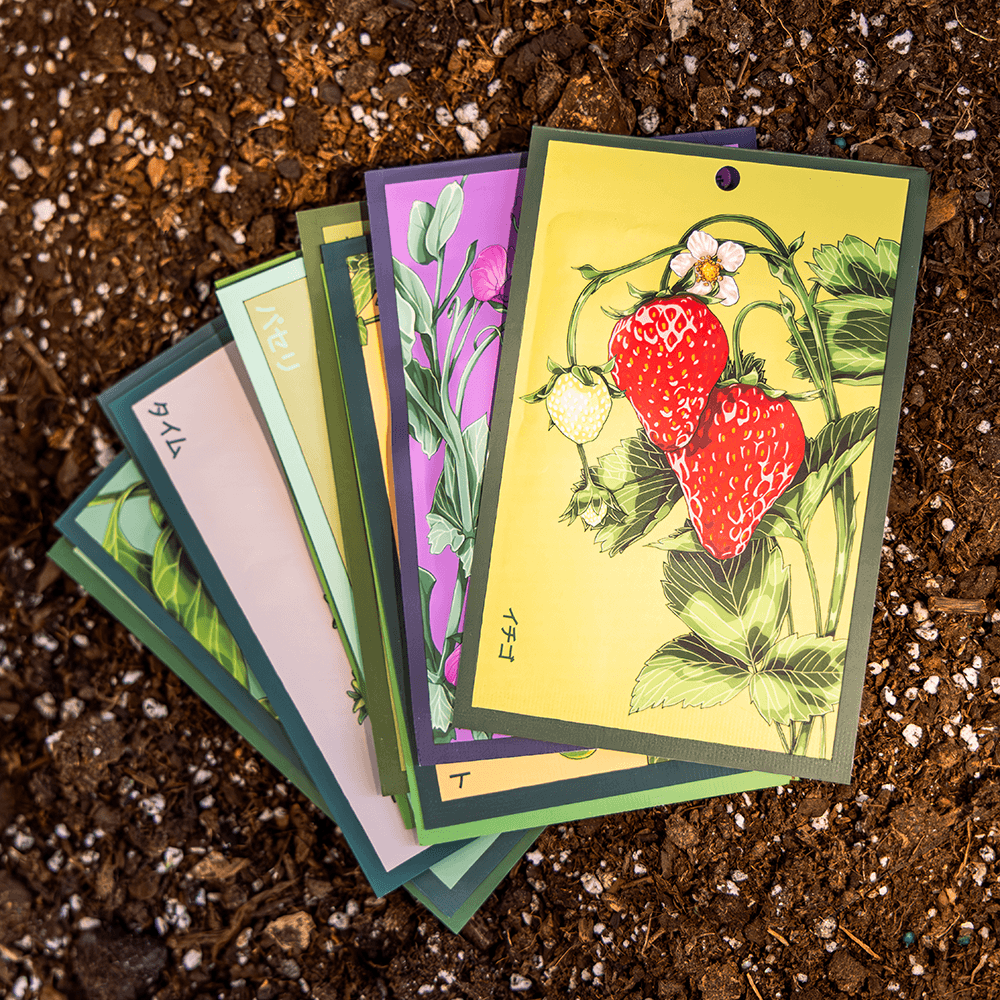
A Longer-Term Fruit Investment
For a fruit that rewards years of patience instead of one season, Blueberry trades strawberry's quick payoff for a decades-long relationship.

Vegetable Shido Seeds packets — by Chive Studio Toronto

The Rest of the Fruit & Berry Garden

This is one of many in Shido's fruit and berry catalog, spanning quick-harvest fruit and slower, longer-term plantings alike.

Buttercup Yellow Gay Paree Peony - Chive Ceramics Studio - Ceramic Flowers - Chive Ceramics Studio

Arm's-Reach Charm, No Basket Required

Basket of Kisses earns its name from a hanging container, and Chive's Ivory Strawflower brings its own reach-out-and-touch appeal to any shelf.

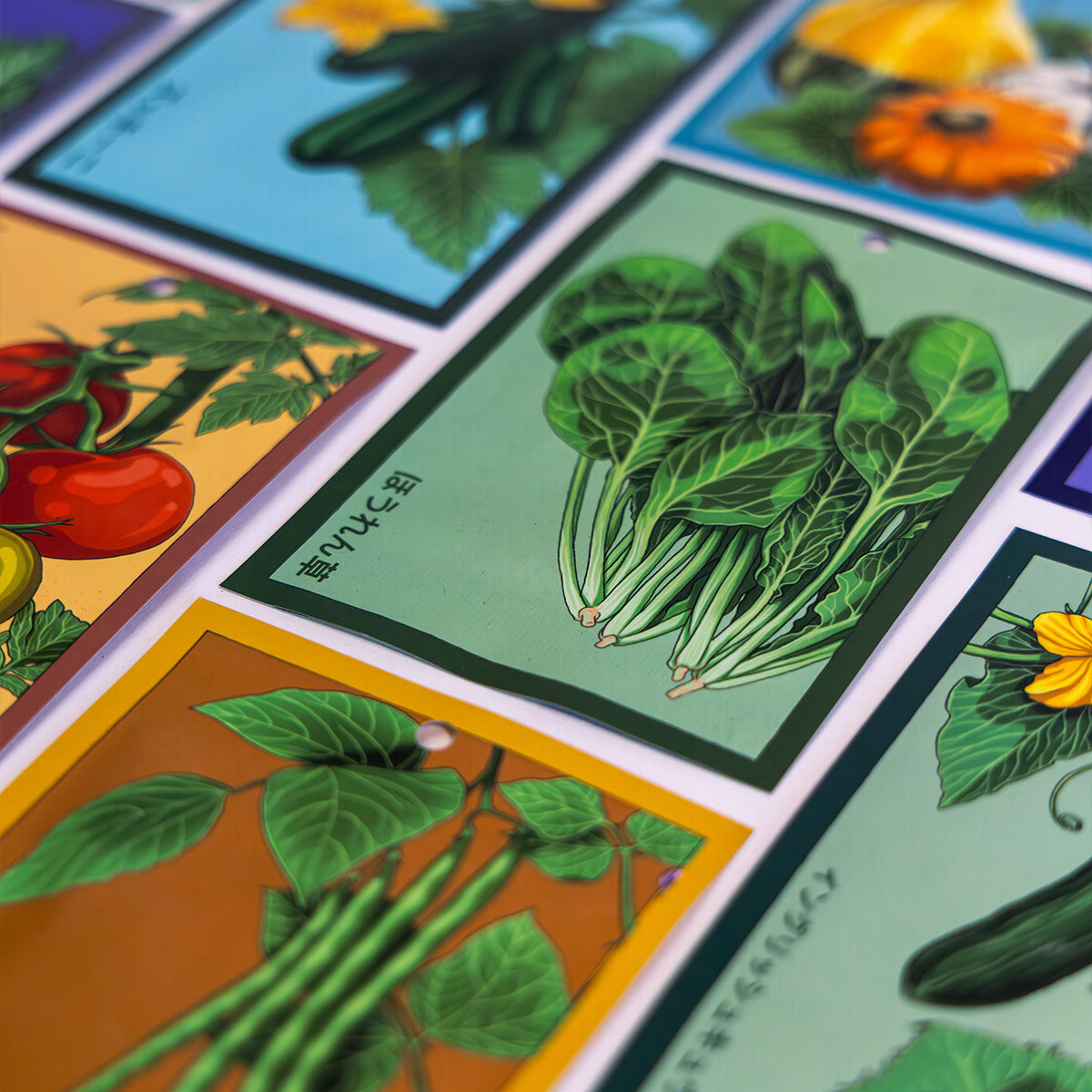
Chive Shido seed packets with botanical illustrations on a peg rack, showing cherry blossom, tomato, and eggplant designs.

The credentials behind the packet

Some of the studio's best pieces get designed specifically for arm's reach, meant to be picked up, turned over, and actually used rather than admired from across a room. Basket of Kisses strawberry follows that same design principle, producing fruit at a genuinely convenient height when grown in a hanging arrangement rather than demanding a gardener stoop to the ground. The studio applies that same accessible thinking to every packet, sealing out oxygen so a variety built for easy reach doesn't come with a harder start hidden underneath. Good design, whether in ceramics or a strawberry plant, usually comes down to making the good part genuinely easy to get to. Convenience at harvest still depends on care much earlier in the process.


Plant Care, Simplified with Chive

Keep it alive, keep it thriving. Let's make plant parenthood look easy.

Do Seeds Expire? How Long Do Seeds Last | Shido

Todd Newgren
Seeds don't expire — they lose viability as oxygen depletes stored energy, and vacuum sealing is the fix. Chive's Shido Seeds are vacuum-sealed, germination-tested, and stocked ...
Read more

Are Seed Packets GMO? The Honest Answer

Todd Newgren
Are seed packets GMO? No—home garden seed packets, Shido included, are never genetically modified, since GMO seed is only made for large-scale commercial crops. The non-GMO badg...
Read more

Frequently asked questions

What is the best way to grow Basket of Kisses strawberries?

Basket of Kisses thrives in full sun and well-drained soil, producing a cascading habit well suited to hanging baskets and containers rather than spreading flat across open ground. That trailing habit is really the whole reason it's become a favorite for porches and balconies. A trellis or hook system helps display that cascading growth to its fullest visual effect.

Why is Basket of Kisses good for hanging baskets?

Its compact, trailing growth habit spills attractively over the edge of a container, and fruit forms at a genuinely convenient height for picking without needing to stoop to the ground. That convenient height also makes it a genuinely good option for gardeners with mobility concerns. That accessibility is a genuine, practical advantage for anyone who finds bending down repeatedly difficult.

Does Basket of Kisses need more water than other strawberries?

In a container setting, yes — containers dry out considerably faster than open garden soil, so more frequent watering matters more here than with a ground-planted strawberry. A consistent watering schedule matters more here than with a strawberry planted directly in the ground. Checking soil moisture daily during hot stretches helps catch dryness before it stresses the plant.

Do you need to remove runners from Basket of Kisses strawberries?

Yes, generally — removing runners that would otherwise sprawl beyond the container keeps the plant's energy focused on fruit production rather than unchecked spreading. Skipping that removal lets the plant spread its energy too thin across new growth instead of fruit. That redirected energy shows up directly in larger, more consistent berries over the season.

Can Basket of Kisses be grown in the ground instead of a container?

Yes, though its trailing habit is really built to be shown off in a hanging arrangement, so a container setup tends to make better use of its natural growth pattern. Either setting works, though the hanging arrangement really shows off what makes this variety distinctive. Either way, consistent care throughout the season matters more than the specific setup chosen.

How long do Basket of Kisses strawberry seeds last?

Vacuum-sealed Shido Seeds packets remain viable for up to 10 years under proper storage, compared to roughly one year for a standard paper seed packet exposed to normal conditions. Convenience at harvest still depends on care much earlier in the process. Cool, dry storage further extends that shelf life well past the basic guarantee.

How sweet are Basket of Kisses strawberries?

Genuinely sweet and flavorful, holding their own against ground-grown varieties despite the compact, container-friendly size of the plant itself. That combination of flavor and convenience is really the whole reason it's found such a devoted following. That sweetness holds up well whether the berries are eaten fresh or baked into something else.

Was this seed line shown at a major flower show?

Chive has exhibited its seed line at the Philadelphia Flower Show, where feedback from professional growers has helped shape several varieties currently offered in the catalog. That scrutiny matters given how much this variety's convenience depends on consistent care. That trade show presence has helped shape several varieties in the current lineup.

Verte Rx Shiny Leaves for Plants - Chive Ceramics Studio - Chive Ceramics Studio

The seed is the start. Verte RX handles the rest.

Most seedlings fail not from bad seed but from soil that runs out of what the plant needs before the plant can find it. Verte RX is a liquid plant vitamin formulated for exactly that window — the weeks after germination when the root system is establishing and the margin between thriving and stalling is narrowest.