




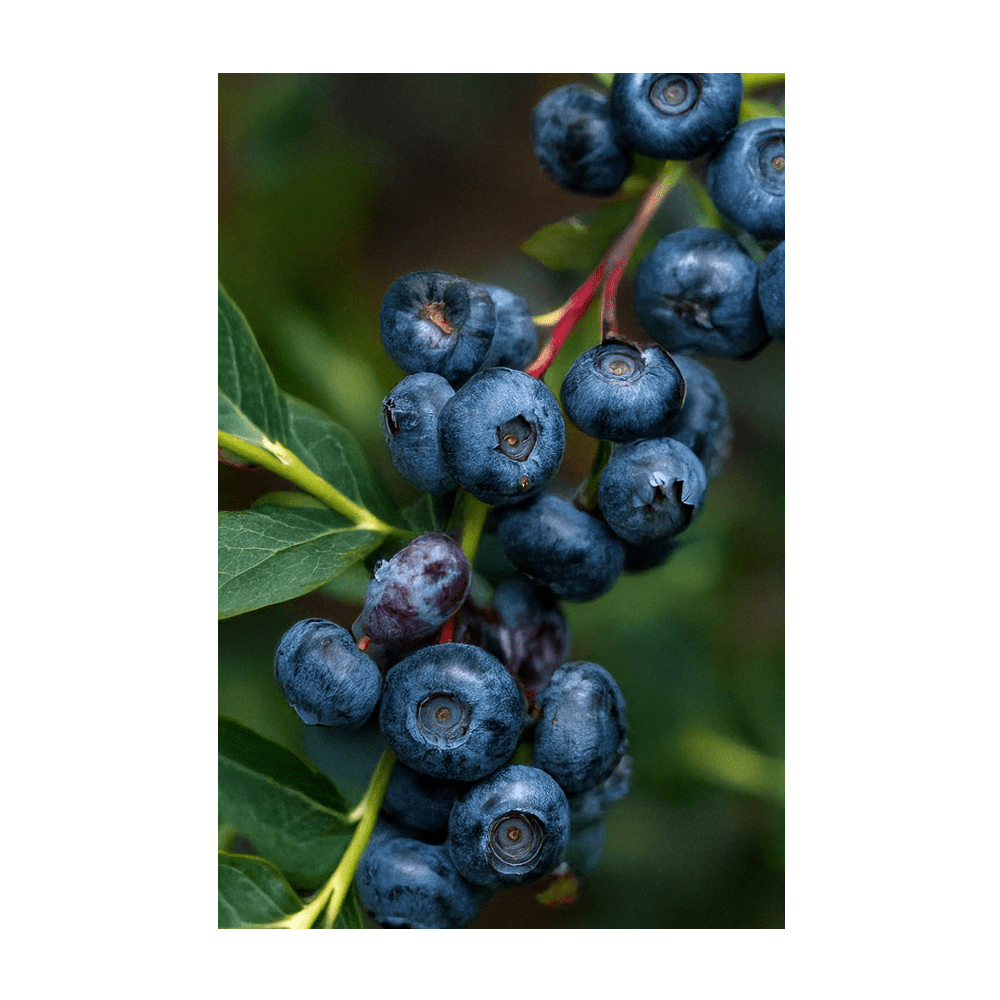
Blueberry Fruit & Berry Seeds Packet
Build Your Garden With These Shido Seeds
Choose a seed packet as your starting point, then round out the bed with these for that thrown-together-but-somehow-perfect harvest.
Blueberry seeds grow into the iconic summer berry, a slow, patient project that eventually rewards acidic soil and a bit of netting with real fruit. Shido blueberry seeds are non-GMO and hermetically vacuum-sealed, so the seed can wait years for the right season without losing a thing. Standard paper-packed seeds begin losing germination viability after approximately one year.
Growing blueberries from seed is a commitment of several years, which is also a reasonable description of blueberry jam and most things worth doing properly. The birds notice the fruit before you do, every single year, and the netting is less a suggestion than a requirement the plant has quietly earned through years of hard, well-documented experience. Patience is the actual ingredient here, not soil. Every packet ships germination-tested at independent third-party labs before packaging, a formality the seed has already outlasted many times over inside its vacuum seal.
- Material: Seed
- Botanical name: v. corymbosum
- Genus: Vaccinium
- Plant family: Ericaceae
- Species: corymbosum
- Plant type: Perennial shrub
- Pollination type: Vegetable
- USDA Hardiness Zones: 3–7 zone
- Packet contents: ≈ 50 Seeds
- Packaging: Hermetically vacuum-sealed
- Non-GMO: Yes
- Seed viability: Up to 10 years (sealed) / 4–5 years (unsealed, ideal conditions)
- Difficulty: Moderate - Recreational Gardener
Quick Sowing Guide:
- When to sow: after 8–12 weeks cold stratification
- Sowing depth: 1/2-1/4 in
- Initial spacing: 4-6 ft
- Row spacing: 8–10 ft
- Days to germination: 28 to 56 days
- Light: Full Sun to partial shade
- Water: Consistent moisture
- Soil: Acidic, well-drained (hight organic mater)
- Harvest: 2-3 years
Why Vacuum-Sealed Seeds Last Longer
Standard paper seed packets are permeable to oxygen and moisture -- the two primary causes of seed degradation. Most paper-packaged seeds begin losing germination viability after approximately one year, contributing to significant garden-industry waste: packets purchased, not planted, expired, discarded. Shido Seeds are hermetically vacuum-sealed. The packet does not expire quietly in a drawer. It waits.
About the Packaging
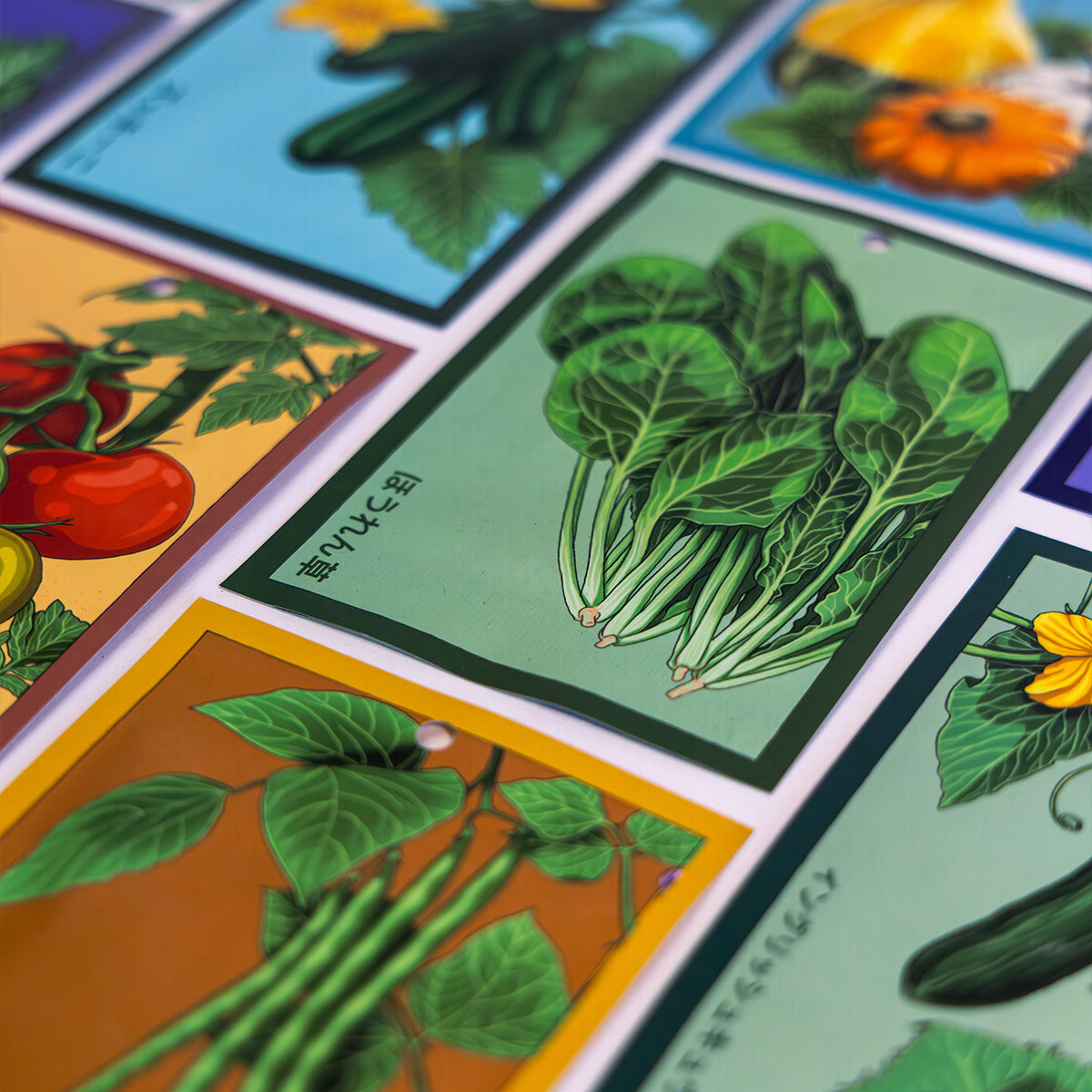
Every Shido seed packet is illustrated in the style of Japanese 1910s woodblock printing -- designed and drawn in-house by Chive, that has been exhibiting at the Chelsea Flower Show in London every year and does not, as a matter of principle, sell to big-box retailers. Customers collect the packets as a series. This was not the original plan.
Shipping
- Free shipping: Orders $200+ within the US
- Standard: 5–8 business days, Express 2–3 business days (at checkout)
- International Ships: to 40 countries — rates at checkout
- Packaging Ships: in outer box to protect gift box
Returns
We accept returns within 30 days of delivery on unused items in original packaging. If your piece arrives damaged, contact us within 7 days with a photo and we will replace it at no charge.
We stand by the quality of our flower seed packets! Every Shido seed packet is lab-tested for germination before it ships. If your seeds do not perform to the stated germination rate under correct growing conditions, contact us and we will replace or refund. Guaranteed!
Have a cool shop? Know someone that does?
Radish Horticultural Specifications

Botanical
v. corymbosum

Plant Type
Perennial shrub

Light
Full Sun to partial shade

Water
Consistent moisture

Soil
Acidic, well-drained (hight organic mater)

Depth
1/2-1/4 in

Germination
28 to 56 days

USDA Zone
3–7 zone

Mature Height
6–12 ft

Harvest
2-3 years
Getting to know your Blueberry
History & origin

Getting Started
Before you start
Materials needed to sow
Materials for harvest and storage
Growth Requirements
Maintenance
Troubleshooting and common mistakes
Culinary uses & nutritional information
What it's used for
What parts are edible
Nutritional data
Companion plants, pests & diseases
Companion planting
Pests
Diseases
Pro Tip

What makes Shido Seeds different
Shido Seeds are designed by Chive Studio, a ceramic design company. We are not a seed conglomerate. We do not sell through big-box retailers. Each variety in the catalog was selected because it is worth growing — not because it ships well in bulk or photographs well in marketing materials.
Every packet is germination-tested at an independent third-party lab before it earns its woodblock illustration. The vacuum seal removes the oxygen that causes standard paper packets to degrade. The stated germination rate is a floor, not a marketing figure.
If something goes wrong, contact us. We will make it right.
Plants that Grow together look good together...even if they are ceramic

A Faster-Payoff Fruit
The Rest of the Fruit & Berry Garden

Color That Doesn't Take Years

The credentials behind the packet
Plant Care, Simplified with Chive
Keep it alive, keep it thriving. Let's make plant parenthood look easy.

Are Seed Packets GMO? The Honest Answer

Heirloom vs Hybrid Seeds: What Actually Differs
Frequently asked questions
What is the best way to grow blueberries?
Why do blueberries need more than one variety planted together?
How long does it take for a blueberry bush to produce fruit?
Can blueberries be grown in containers?
What's the difference between highbush, lowbush, and rabbiteye blueberries?
How long do blueberry seeds last?
Do blueberry bushes need protection from birds?
Was this variety shown at a flower show?
