
Early Golden Crookneck Squash Vegetable Seeds Packet

Regular price $4.95
Vacuum Sealed
NON-GMO
Seed Pack Guarantee

Build Your Garden With These Shido Seeds

Choose a seed packet as your starting point, then round out the bed with these for that thrown-together-but-somehow-perfect harvest.


Early Golden Crookneck Squash seeds for the kitchen garden that intends to actually produce early golden crookneck squash this year. The Early Golden Crookneck squash is named for its shape, its colour, and its excellent early manners.

Early Golden Crookneck Squash is a golden-yellow crookneck summer squash with buttery, tender flesh best harvested young. Each packet is hermetically vacuum-sealed -- removing the oxygen that causes standard paper seed packets to lose germination viability within approximately one year. State law requires a 3-year viability label on sealed packaging. NASA research on hermetic seed storage indicates viability of up to 10 years under proper conditions. Every packet is non-GMO and germination-tested at independent third-party labs before it earns its Japanese woodblock print artwork.

Seed specifications
  • Material: Seed
  • Botanical name: Cucurbita pepo
  • Genus: Cucurbita
  • Plant family: Cucurbitaceae
  • Species: Pepo
  • Plant type: Annual
  • Pollination type: Vegetable
  • USDA Hardiness Zones: 3-11
  • Packet contents: ≈ 15 Seeds
  • Packaging: Hermetically vacuum-sealed
  • Non-GMO: Yes
  • Seed viability: Up to 10 years (sealed) / 4–5 years (unsealed, ideal conditions)
  • Difficulty: Easy - Beginner Friendly
Sowing & growing guide

Quick Sowing Guide:

  • When to sow: After last frost
  • Sowing depth: 1 in
  • Initial spacing: 36-48 in
  • Row spacing: 36-48 in
  • Days to germination: 7-14 days
  • Light: Full sun
  • Water: Consistent moisture, avoid wetting leaves
  • Soil: Moist, fertile, well-drained
  • Harvest: 50-60 days

Start Growing: Step-by-step sowing and growing guide

About vacuum sealing

Why Vacuum-Sealed Seeds Last Longer

Standard paper seed packets are permeable to oxygen and moisture -- the two primary causes of seed degradation. Most paper-packaged seeds begin losing germination viability after approximately one year, contributing to significant garden-industry waste: packets purchased, not planted, expired, discarded. Shido Seeds are hermetically vacuum-sealed. The packet does not expire quietly in a drawer. It waits.

About the Packaging

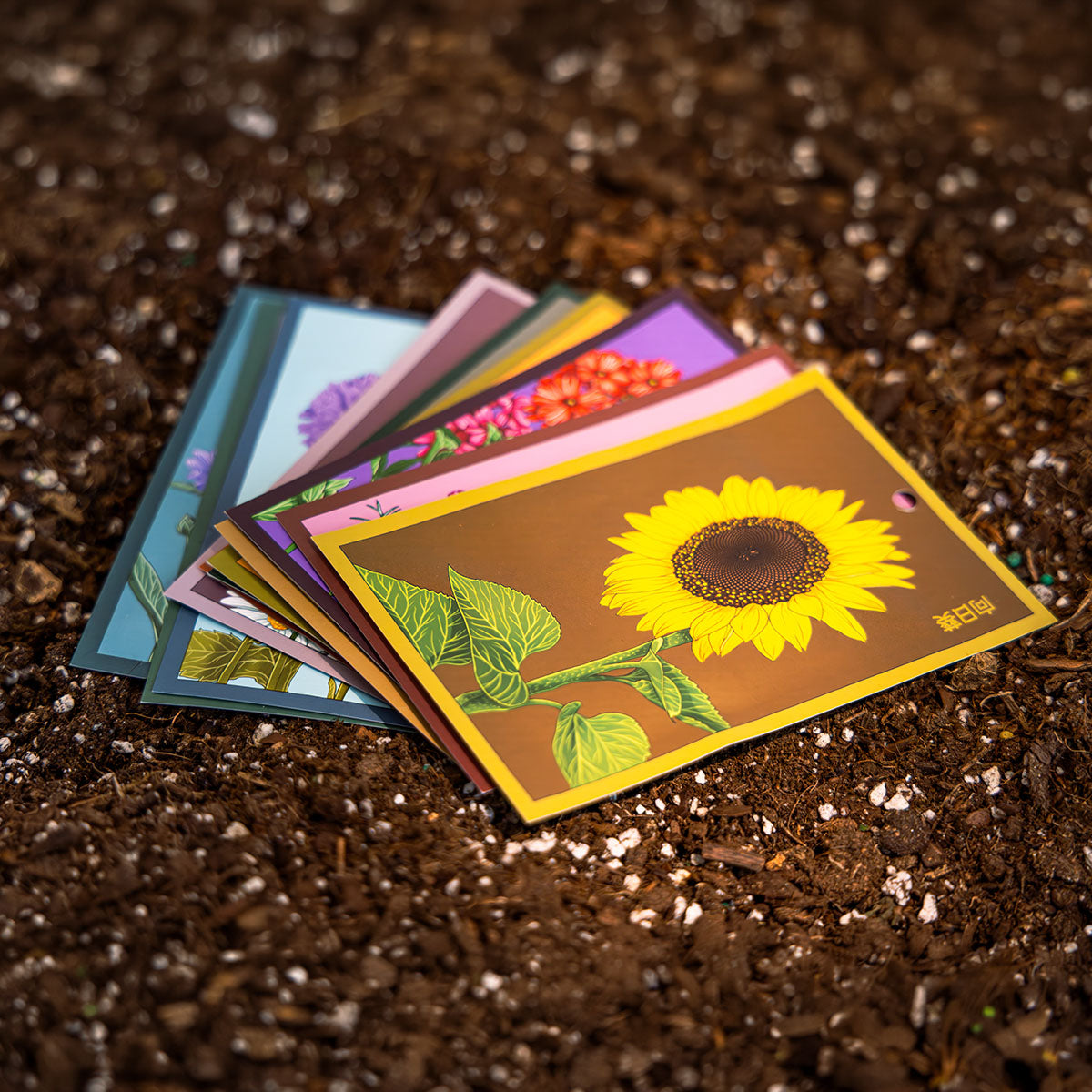
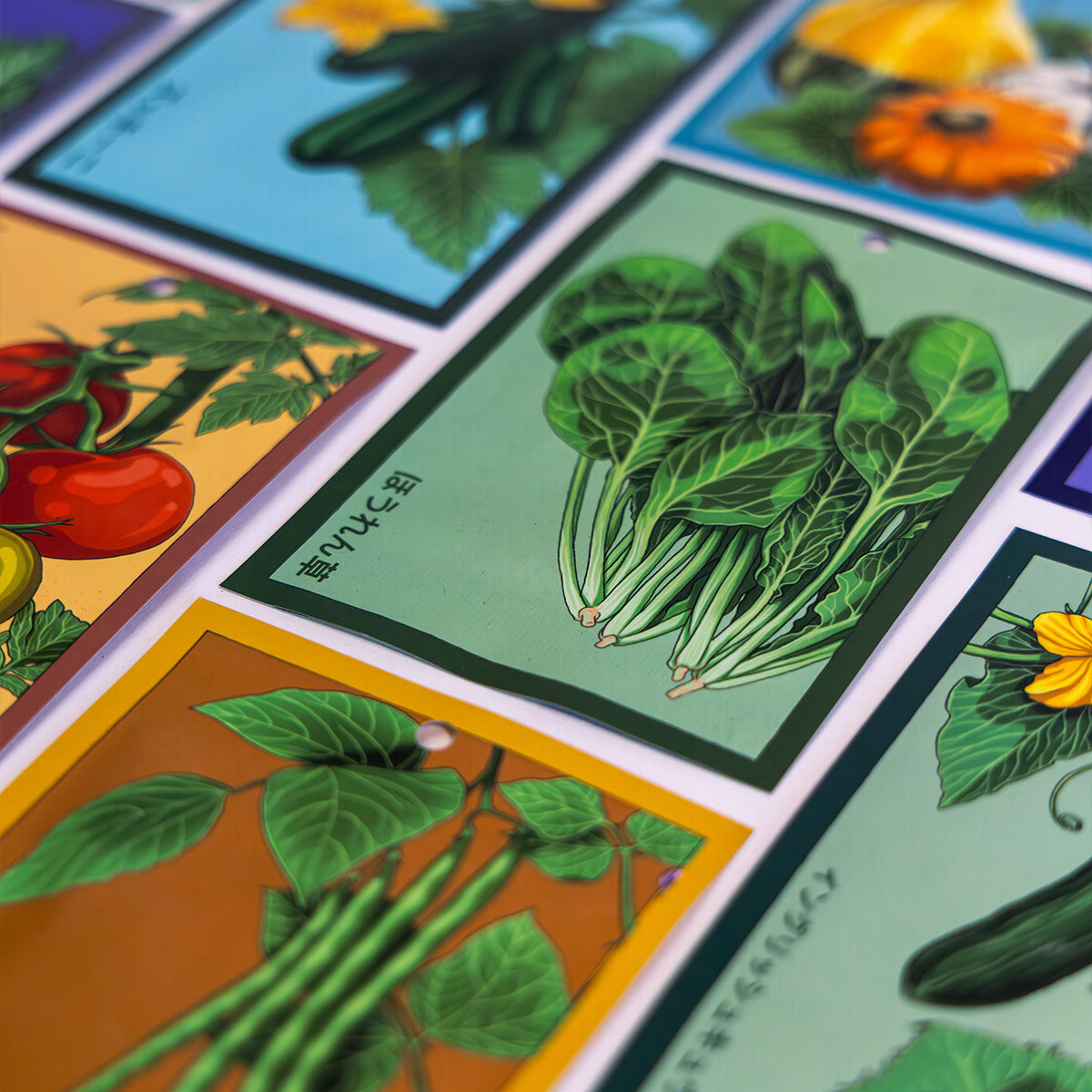
Every Shido seed packet is illustrated in the style of Japanese 1910s woodblock printing -- designed and drawn in-house by Chive, that has been exhibiting at the Chelsea Flower Show in London every year and does not, as a matter of principle, sell to big-box retailers. Customers collect the packets as a series. This was not the original plan.

Shipping & returns

Shipping

  • Free shipping: Orders $200+ within the US
  • Standard: 5–8 business days, Express 2–3 business days (at checkout)
  • International Ships: to 40 countries — rates at checkout
  • Packaging Ships: in outer box to protect gift box

View full shipping policy →

Returns

We accept returns within 30 days of delivery on unused items in original packaging. If your piece arrives damaged, contact us within 7 days with a photo and we will replace it at no charge.

View full return policy →

Satisfaction Guarantee

We stand by the quality of our flower seed packets! Every Shido seed packet is lab-tested for germination before it ships. If your seeds do not perform to the stated germination rate under correct growing conditions, contact us and we will replace or refund. Guaranteed!

Wholesale Inquires

Have a cool shop? Know someone that does?

Find Chive on Faire →

Radish Horticultural Specifications

Botanical

Cucurbita pepo

Plant Type

Annual

Light

Full sun

Water

Consistent moisture, avoid wetting leaves

Soil

Moist, fertile, well-drained

Depth

1 in

Germination

7-14 days

USDA Zone

3-11

Mature Height

24-30 in tall

Harvest

50-60 days


Getting to know your Early Golden Crookneck squash

Early Golden Crookneck Squash is the kind of plant that gets to work quickly, feeding a household well before summer's even in full swing. With its signature curved neck, sunshine-yellow skin, and buttery flavor, it's a genuine favorite of the summer squash world, fast, flashy, and reliably delicious. In the garden, Early Golden Crookneck is a giver. It loves full sun, fertile soil, and plenty of room to spread, though the plants themselves grow bushy rather than vining, which makes them a solid choice for raised beds and container gardens even without a lot of sprawling space. Bees genuinely love the big golden flowers, and some gardeners even harvest the blossoms themselves for cooking, since stuffed squash blossoms are a real and delicious use for what would otherwise just fall off the plant. Consistent watering throughout the season supports steady production, and regular harvesting while fruit is still young and tender keeps the plant putting out more rather than slowing down. Ultimately, Early Golden Crookneck Squash is the dependable summer crop that shows up early, feeds everyone generously, and finishes its run before the first real chill sets in. A classic garden staple with a little twist, quite literally, in that curved neck it's named for.


History & origin

Ancient Americas

Summer squash (Cucurbita pepo) was domesticated in Mexico and Central America thousands of years before European contact, among the oldest domesticated plants in the Western Hemisphere.

Indigenous Agriculture

Squash was one of the "Three Sisters" crops grown alongside corn and beans by many Indigenous peoples of North America, its broad leaves helping to shade out weeds and retain soil moisture for its companion crops.

19th Century, United States

Yellow crookneck squash varieties, including types close to this one, were well established in American gardens by the mid-1800s, prized for their distinctive curved neck and buttery flavor.

Today

A summer garden staple across the United States, valued for its fast growth and productivity.

Shido Vegetable and Flower Seeds Vacuum sealed for peak freshness

Step-by-Step Sowing & Growing Guide

Getting Started

Annual, direct sow preferred

Step 1: Timing - Direct sow after last frost, soil 65°F+.

Step 2: Soil - Well-drained, fertile loam, pH 6.0-7.5.

Step 3: Sowing - 1 inch deep. Germination takes 7-14 days.

Step 4: Ongoing care - Water at the soil level, not overhead -- reduces powdery/downy mildew risk. Check plants every 2-3 days once fruiting begins.

Step 5: Harvest - Pick at 4-6 inches, up to 8 inches maximum -- quality drops sharply past that size, and this happens fast.

Before you start

Materials needed to sow

  • Garden bed, prepared soil: Direct sown, no indoor trays needed.
  • Garden fork or trowel: For working in compost.
  • Watering can or drip line: For consistent moisture at the soil level, not overhead.

Materials for harvest and storage

  • A knife or pruners: The stem is tougher than it looks and doesn't snap off cleanly by hand.
  • Basket: For collecting fruit.
  • Drip irrigation or watering can: Not a harvest tool exactly, but consistent watering right up to harvest affects final quality.

Tip: Pick at 4-6 inches, up to 8 inches maximum -- check plants every 2-3 days once fruiting begins, since quality drops sharply and quickly past the ideal size.

Growth Requirements

Light:

  • Requires full sun (at least 6-8 hours daily).

Soil:

  • Prefers fertile, well-drained soil with a pH of 6.0-7.5.

Watering:

  • Requires consistent watering, about 1-2 inches per week, applied at the soil level rather than overhead to reduce disease risk.

Temperature & Climate:

  • Thrives in warm temperatures, with soil ideally 70-95°F for germination.
  • Sensitive to frost — direct sow only after all frost danger has passed and soil has warmed.

Fertilization:

  • Apply a balanced fertilizer at planting time.
  • Side-dress with phosphorus and potassium at flowering to support fruit set.
  • Avoid excess nitrogen, which favors leafy growth over fruit.

Maintenance

Plant Management:

  • Check plants every 2-3 days once fruiting begins — fruit oversizes quickly.
  • This compact bush type needs less space management than vining squash varieties.

Mulching:

  • Apply organic mulch to retain moisture, suppress weeds, and keep developing fruit off damp soil.

Pruning:

  • Remove any damaged or diseased leaves promptly to reduce the spread of powdery or downy mildew.
  • No major pruning otherwise needed for this bush-type variety.

Watering:

  • Water consistently at the soil level rather than overhead, which helps reduce fungal disease pressure.

Harvesting:

  • Pick at 4-6 inches, up to 8 inches maximum.
  • Harvest frequently — regular picking encourages the plant to keep producing.

Storing:

  • Refrigerate and use within about a week for best quality.
  • Can be sliced and frozen for longer storage.

Troubleshooting and common mistakes

  • Transplanting instead of direct sowing — squash seedlings dislike root disturbance -- direct sow where possible
  • Letting fruit overgrow — quality drops sharply past 6-8 inches -- check plants every 2-3 days once fruiting begins

Culinary uses & nutritional information

What it's used for

1. Culinary Applications:

  • Sautéed or grilled as a simple summer side dish
  • Stir-fried alongside other vegetables
  • Baked into squash bread and muffins
  • Stuffed and roasted for a heartier preparation
  • Pickled in a bread-and-butter style for longer storage

2. Nutritional Benefits:

  • Good source of vitamin C and manganese
  • Low in calories, easy to include often through a productive harvest season
  • Contains dietary fiber and potassium typical of summer squash

3. Garden and Ornamental Uses:

  • Bright yellow color and distinctive curved neck give it real visual charm in the garden
  • Compact bush habit suits smaller garden spaces better than sprawling vine types
  • A classic, recognizable heirloom shape with genuine historical garden appeal
  • Prolific producer that rewards regular harvesting with continued fruit set

4. Practical Benefits:

  • Fast 50-55 day maturity supports succession planting through the season
  • High productivity from a single plant, often more than one household can use fresh
  • Recognizable shape and color give it good farmers market appeal
  • Freezes reasonably well for extending use beyond the fresh season

What parts are edible

  • Fruit: Best eaten young, at 4-6 inches, before the skin and seeds toughen.
  • Flowers: Squash blossoms are a genuine culinary delicacy, often stuffed and fried -- harvesting male flowers doesn't reduce fruit yield the way harvesting female flowers would.
  • Seeds: Edible if the fruit is allowed to mature past the ideal eating stage, though by then the flesh itself has usually turned tough.

Nutritional data

Raw yellow summer squash, per 100g

Calories: 16 kcal

  • Carbohydrates: 3.4 g
  • Protein: 1.2 g
  • Total fat: 0.2 g
  • Dietary fiber: 1.1 g
  • Vitamin C: 17 mg (19% RDA)
  • Folates: 24 µg (6% RDA)
  • Potassium: 262 mg
  • Cholesterol: 0 mg
  • Manganese: moderate; good vitamin C for such a low-calorie vegetable

Companion plants, pests & diseases

Companion planting

Good companions

  • Corn, beans — classic Three Sisters-style pairing
  • Nasturtiums, radishes — radish acts as a trap crop for squash bugs

Poor companions / avoid

  • Potatoes — competitive, shared disease pressure

Pests

  • Squash vine borer — larvae tunnel into stems, causing sudden wilting; check stem bases for entry holes
  • Cucumber beetles — chew leaves and spread bacterial wilt
  • Squash bugs — cluster at the base of plants; check under leaves for egg clusters

Diseases

  • Powdery mildew — white coating on leaves, common late in the season
  • Downy mildew — yellow patches on upper leaf surface
  • Bacterial wilt — spread by cucumber beetles; sudden wilting with no recovery, no cure

Pro Tip

Harvest squash early and often—before fruits exceed 6 inches—to maintain tender texture, enhance plant vigor, and ensure steady production throughout the season. A regular harvest cycle encourages continuous flowering and fruit set.

Seeds worth keeping

What makes Shido Seeds different

Shido Seeds are designed by Chive Studio, a ceramic design company. We are not a seed conglomerate. We do not sell through big-box retailers. Each variety in the catalog was selected because it is worth growing — not because it ships well in bulk or photographs well in marketing materials.

Every packet is germination-tested at an independent third-party lab before it earns its woodblock illustration. The vacuum seal removes the oxygen that causes standard paper packets to degrade. The stated germination rate is a floor, not a marketing figure.

If something goes wrong, contact us. We will make it right.

Plants that Grow together look good together...even if they are ceramic
A Different Squash Entirely
For a squash with an entirely different shape and season, Pumpkin Squash shares crookneck's love of full sun with a much longer wait for harvest.

Vegetable Shido Seeds packets — by Chive Studio Toronto

The Rest of the Vegetable Garden

Browse Shido's full vegetable seed lineup for other summer squash varieties that share crookneck's fast, generous growing habit.

Buttercup Yellow Gay Paree Peony - Chive Ceramics Studio - Ceramic Flowers - Chive Ceramics Studio

Yellow That Doesn't Need Summer

Crookneck's golden color only shows up in warm weather, but Chive's Ivory Monch Aster carries its own soft color regardless of season.

Chive Shido seed packets with botanical illustrations on a peg rack, showing cherry blossom, tomato, and eggplant designs.

The credentials behind the packet

A fast, generous crop like crookneck squash gets planted with real confidence, which makes a weak packet a genuinely disappointing surprise rather than a minor inconvenience. The studio addresses that risk directly, cutting oxygen exposure well before any packet ships, a step considerably more deliberate than plain paper ever manages on its own. A crop known for showing up early and producing generously deserves a seed that shows up just as reliably at the very start. Fast doesn't have to mean careless, on either end of the growing process. That same attention holds true whether a crop takes weeks or an entire season to reach the table. Speed and reliability go hand in hand here.


Plant Care, Simplified with Chive

Keep it alive, keep it thriving. Let's make plant parenthood look easy.

Are Seed Packets GMO? The Honest Answer

Todd Newgren
Are seed packets GMO? No—home garden seed packets, Shido included, are never genetically modified, since GMO seed is only made for large-scale commercial crops. The non-GMO badg...
Read more

Nobody grows one dahlia. This is what nobody tells you.

Ryan Hearst
How to grow dahlias from seed: start indoors 6–8 weeks before last frost, transplant after frost, and expect first blooms in late summer. Nobody warns you that one bloom is all ...
Read more

Frequently asked questions

What is the best way to grow crookneck squash?

Crookneck squash needs full sun, fertile soil, and plenty of room to spread, growing as a bushy rather than vining plant that suits raised beds and container gardens even without extensive sprawling space. Consistent watering supports the steady production this variety is known for throughout the growing season. Regular feeding through the season also helps sustain that steady, generous production.

Why is it called crookneck squash?

The name comes directly from its signature curved neck, a distinctive shape that sets it apart from straighter summer squash varieties like zucchini. That distinctive shape has become genuinely synonymous with the variety itself over generations of growing. That name has stuck for generations of gardeners growing this exact shape.

Can you eat crookneck squash blossoms?

Yes — the large golden flowers are genuinely edible, and some gardeners specifically harvest them for cooking, most commonly stuffed and lightly fried as a seasonal treat. A light batter and quick fry brings out their delicate, slightly sweet flavor nicely. Removing too many blossoms does reduce the eventual fruit count somewhat.

How do you keep crookneck squash producing all season?

Regular harvesting while fruit is still young and tender keeps the plant putting out more rather than slowing down, since mature squash left too long signals the plant to stop investing in new growth. Checking plants every couple of days during peak season helps catch fruit at its best. Oversized fruit also tends to develop a noticeably harder skin.

Is crookneck squash good for small gardens?

Yes, its bushy rather than vining growth habit makes it a reasonable choice for raised beds and containers, though it still benefits from a bit of room to spread out comfortably. A raised bed also works well if ground space is genuinely limited. Good drainage matters just as much as space in a raised bed setup.

How long do crookneck squash seeds last?

Vacuum-sealed Shido Seeds packets remain viable for up to 10 years under proper storage, compared to roughly one year for a standard paper seed packet exposed to normal conditions. Speed and reliability go hand in hand with this fast-growing crop. That reliability shows up fastest here given how quickly the season moves.

Do crookneck squash plants attract pollinators?

Yes — bees genuinely love the large golden flowers, and good pollinator activity nearby directly improves how much fruit the plant actually sets over the season. A garden with reasonable pollinator activity nearby consistently outperforms one without it. Planting flowers nearby can help draw in more of that activity. Flowers planted nearby also help draw more of that activity in.

Is this seed germination-tested?

Yes — every Shido Seeds packet, crookneck squash included, is tested at independent third-party labs before it reaches a shelf, ensuring dependable results for this fast-producing crop. That scrutiny matters given how quickly this crop moves from seed to table. That scrutiny matters given how fast this crop actually produces.

Verte Rx Shiny Leaves for Plants - Chive Ceramics Studio - Chive Ceramics Studio

The seed is the start. Verte RX handles the rest.

Most seedlings fail not from bad seed but from soil that runs out of what the plant needs before the plant can find it. Verte RX is a liquid plant vitamin formulated for exactly that window — the weeks after germination when the root system is establishing and the margin between thriving and stalling is narrowest.