Garlic Vegetable Seeds Packet

Regular price $4.95
Vacuum Sealed
NON-GMO
Seed Pack Guarantee

Build Your Garden With These Shido Seeds

Choose a seed packet as your starting point, then round out the bed with these for that thrown-together-but-somehow-perfect harvest.


Garlic seeds for the kitchen garden that intends to actually produce garlic this year. Garlic is the one ingredient that makes everything better, including other garlic.

Garlic is the kitchen essential that improves virtually every dish it enters and asks for very little in return. Each packet is hermetically vacuum-sealed -- removing the oxygen that causes standard paper seed packets to lose germination viability within approximately one year. State law requires a 3-year viability label on sealed packaging. NASA research on hermetic seed storage indicates viability of up to 10 years under proper conditions. Every packet is non-GMO and germination-tested at independent third-party labs before it earns its Japanese woodblock print artwork.

Seed specifications
  • Material: Seed
  • Botanical name: Allium sativum var. ophioscorodon
  • Genus: Allium
  • Plant family: Amaryllidaceae
  • Species: Sativum
  • Plant type: Perennial
  • Pollination type: Vegetable
  • USDA Hardiness Zones: Hardneck: 3–7 · Softneck: 8–10
  • Packet contents: ≈ 100 Seeds
  • Packaging: Hermetically vacuum-sealed
  • Non-GMO: Yes
  • Seed viability: Up to 10 years (sealed) / 4–5 years (unsealed, ideal conditions)
  • Difficulty: Easy - Beginner Friendly
Sowing & growing guide

Quick Sowing Guide:

  • When to sow: 8-10 wks before last frost
  • Sowing depth: 1/4 in
  • Initial spacing: 4-6 in
  • Row spacing: 12-18 in
  • Days to germination: -
  • Light: Full sun
  • Water: Moderate, well-drained
  • Soil: Well-drained, fertile soil
  • Harvest: 2-3 years

Start Growing: Step-by-step sowing and growing guide

About vacuum sealing

Why Vacuum-Sealed Seeds Last Longer

Standard paper seed packets are permeable to oxygen and moisture -- the two primary causes of seed degradation. Most paper-packaged seeds begin losing germination viability after approximately one year, contributing to significant garden-industry waste: packets purchased, not planted, expired, discarded. Shido Seeds are hermetically vacuum-sealed. The packet does not expire quietly in a drawer. It waits.

About the Packaging

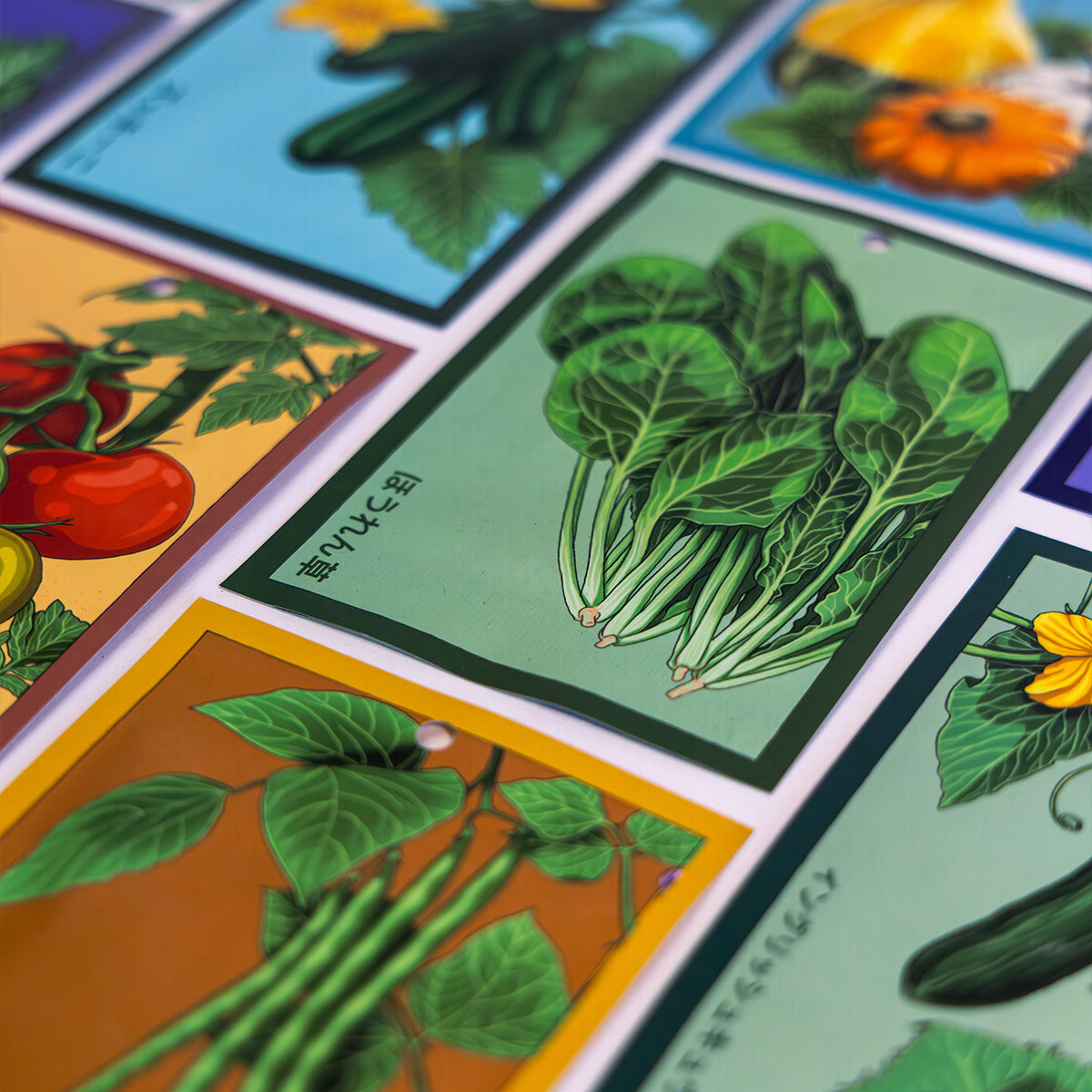
Every Shido seed packet is illustrated in the style of Japanese 1910s woodblock printing -- designed and drawn in-house by Chive, that has been exhibiting at the Chelsea Flower Show in London every year and does not, as a matter of principle, sell to big-box retailers. Customers collect the packets as a series. This was not the original plan.

Shipping & returns

Shipping

  • Free shipping: Orders $200+ within the US
  • Standard: 5–8 business days, Express 2–3 business days (at checkout)
  • International Ships: to 40 countries — rates at checkout
  • Packaging Ships: in outer box to protect gift box

View full shipping policy →

Returns

We accept returns within 30 days of delivery on unused items in original packaging. If your piece arrives damaged, contact us within 7 days with a photo and we will replace it at no charge.

View full return policy →

Satisfaction Guarantee

We stand by the quality of our flower seed packets! Every Shido seed packet is lab-tested for germination before it ships. If your seeds do not perform to the stated germination rate under correct growing conditions, contact us and we will replace or refund. Guaranteed!

Wholesale Inquiries

Have a cool shop? Know someone that does?

Chive Wholesale →

Radish Horticultural Specifications

Botanical

Allium sativum var. ophioscorodon

Plant Type

Perennial

Light

Full sun

Water

Moderate, well-drained

Soil

Well-drained, fertile soil

Depth

1/4 in

Germination

-

USDA Zone

Hardneck: 3–7 · Softneck: 8–10

Mature Height

-

Harvest

2-3 years
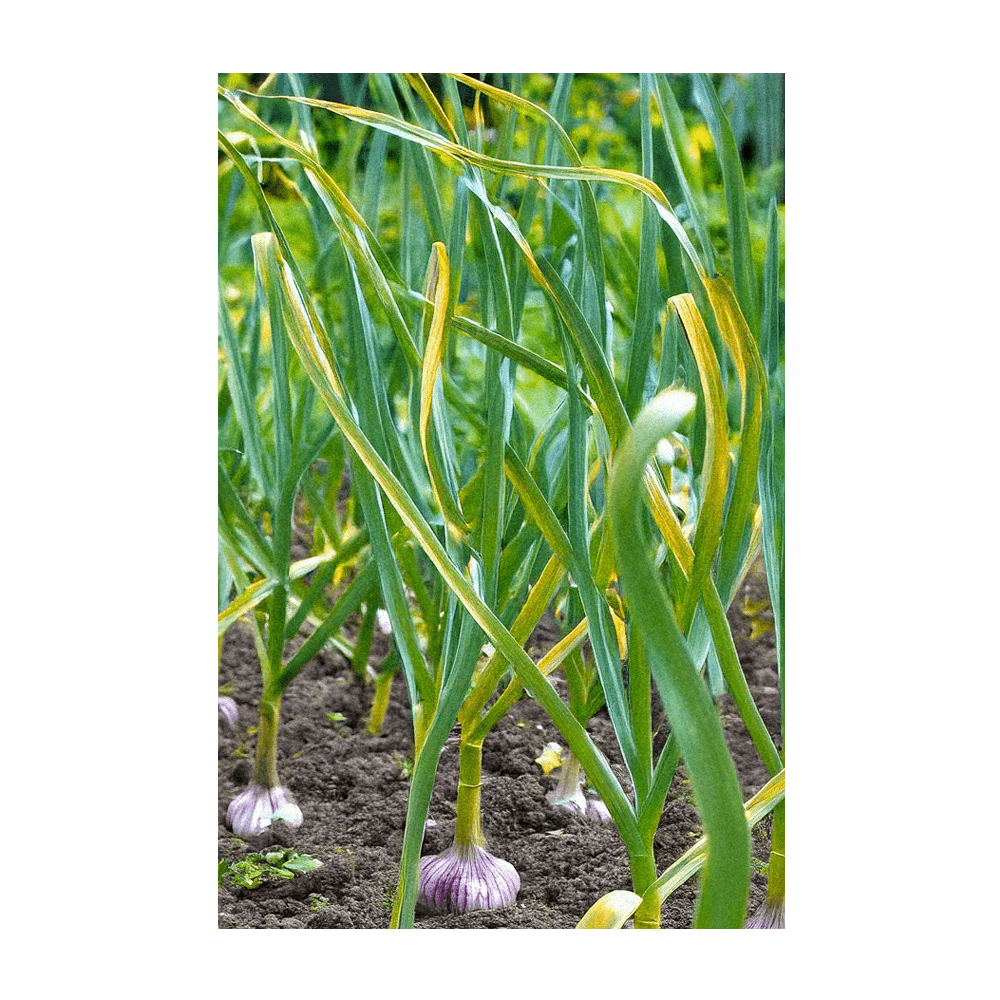

Garlic cloves planted in autumn soil

Getting to know your Garlic

Garlic plants develop a basal cluster of narrow, grass-like leaves rising from a central stem, quietly doing their work underground long before there's much to see above the soil. Underground, the plant forms a bulb made up of multiple individual cloves, each one genuinely capable of becoming an entirely new plant if left unharvested and replanted. Garlic sends up a leafy stalk as it matures, and hardneck varieties specifically produce a flowering stalk called a scape, which curls dramatically before eventually opening if left on the plant too long. Depending on the specific variety grown, a garlic bulb can produce anywhere from a handful of cloves to considerably more, depending on growing conditions and how much attention the bed received throughout the season. Garlic also carries genuine natural pest-deterring compounds, which makes it a genuinely useful companion plant tucked between other vegetables that benefit from a bit of extra protection. It asks for a genuinely long growing season and patient timing, rewarding that wait with bulbs that store considerably longer than most vegetables once properly cured after harvest. Few crops offer this much flavor payoff for this little ongoing maintenance once the initial cloves are actually in the ground. That patience is really the whole tradeoff for a kitchen staple this genuinely useful.


History & origin

Ancient Central Asia

Garlic (Allium sativum) is believed to have originated in Central Asia, with cultivation dating back over 5,000 years, making it one of the oldest cultivated plants in human history.

Ancient Egypt

Garlic bulbs have been found in Egyptian tombs, including that of Tutankhamun, and Egyptian records document garlic being given to laborers building the pyramids, believed to increase strength and endurance.

Ancient Greece & Rome

Greek and Roman physicians, including Hippocrates, documented medicinal uses for garlic. Roman soldiers reportedly carried garlic into battle, associating it with courage.

The True Seed Question

For most of its cultivated history, garlic has been propagated almost exclusively by planting cloves, not true botanical seed -- a consequence of most cultivated garlic having lost the ability to reliably flower and set seed over millennia of clonal propagation. True seed production, of the kind used for this product, is a comparatively recent and specialized practice, mostly of interest to plant breeders developing new garlic varieties rather than a historical norm for garlic cultivation.

Today

A foundational ingredient in nearly every global cuisine, though the vast majority of garlic grown worldwide is still started from cloves rather than seed.

Shido Vegetable and Flower Seeds Vacuum sealed for peak freshness

Step-by-Step Sowing & Growing Guide

Getting Started

Perennial, but a 2-3 year crop -- not a normal single-season vegetable

Step 1: Understand the timeline first - This is true botanical seed, not cloves -- expect a small single-clove "round" in year one, not a usable bulb, with a full multi-clove bulb only reached in year three.

Step 2: Year 1, spring - Sow indoors 8-10 weeks before last frost. Germination is slow and often poor (10-35%) -- this is normal for true garlic seed, not a sign of failure.

Step 3: Soil - Loose, well-drained, rich in organic matter, pH 6.0-7.0 throughout the whole cycle.

Step 4: Year 1, transplant and fall harvest - Transplant after frost danger passes; harvest the small round bulbs in fall and store over winter.

Step 5: Year 2, fall - Plant the stored rounds -- these develop into full multi-clove bulbs.

Step 6: Year 3, harvest - Harvest the mature bulbs once tops begin to dry and fall over, the same signal used for clove-grown garlic.

Before you start

Materials needed to sow

  • Seed trays or small pots: For the year-one indoor start.
  • Heat mat (optional): Can help with an already slow, uneven germination process.
  • Long-term storage crates or mesh bags: Needed by fall of year one to store the small "rounds" harvested before replanting them for year two -- worth having ready well before the first harvest.
  • Detailed garden journal or labels: Given the 2-3 year cycle, tracking exactly what was planted when is more important here than for any other product in this catalog.

Materials for harvest and storage

  • A digging fork: For loosening soil gently around bulbs before pulling, rather than yanking, which can damage the bulb.
  • Mesh bags or a curing rack: For curing bulbs (or year-one rounds) in a warm, dry, airy space before storage.
  • Cool, dark storage space: For longer-term storage once curing is complete.

Tip: Only harvest full bulbs in year three -- year-one "rounds" should be harvested and stored over winter for year-two replanting, not eaten as a normal bulb yet, since they haven't reached full size.

Growth Requirements

Light:

  • Requires full sun.

Soil:

  • Prefers loose, well-drained soil rich in organic matter, pH 6.0-7.0.

Watering:

  • Requires moderate, consistent watering through active growth.
  • Reduce watering as bulbs mature and again before harvest, to support proper curing.

Temperature & Climate:

  • Hardneck types need real winter chill (zones 3-7); softneck types prefer milder winters (zones 8-10).
  • This is a cool-season crop overall, grown across a genuine multi-year cycle from true seed to full bulb.

Fertilization:

  • Apply a balanced fertilizer at planting in each stage of the multi-year cycle.
  • Favor nitrogen during active spring leaf growth, then reduce or stop nitrogen as bulbs begin sizing, which encourages bulb development over continued leaf growth.

Maintenance

Scape Management (hardneck types, later years):

  • Once plants are established enough to flower, cut off curling seed stalks (scapes) if the goal is bulb size rather than seed production that season — this redirects the plant's energy into the bulb.

Mulching:

  • Mulch over winter, especially for first-year seedlings, for cold protection.
  • Mulch also helps retain moisture and suppress weeds during active growth.

Pruning:

  • Minimal pruning needed beyond scape removal when applicable.

Watering:

  • Keep moisture consistent during active growth.
  • Taper off watering as bulbs mature, ahead of harvest.

Harvesting:

  • In year one, harvest small single-clove "rounds" once tops begin to yellow and fall — these are not yet a usable full bulb.
  • In year three, harvest the mature multi-clove bulb the same way.

Storing:

  • Cure for 1-2 weeks in a warm, dry, ventilated space before storing.
  • Year-one rounds must be stored properly to stay viable for year-two replanting — this storage step is part of the growing cycle, not just for eating.

Troubleshooting and common mistakes

  • Expecting a single-season harvest — this product is TRUE SEED, not cloves -- it takes 2-3 years to reach a full bulb; treating it like a normal one-season vegetable is the single biggest point of confusion
  • Poor drainage — garlic rots readily in standing water at any stage of its multi-year cycle

Culinary uses & nutritional information

What it's used for

1. Culinary Applications:

  • A foundational ingredient across nearly every global cuisine -- sautéed, roasted, in sauces, marinades, and dressings
  • Roasted whole for a mellow, spreadable preparation
  • Infused into oils for a milder, longer-lasting flavor base
  • Fresh scapes (on hardneck types) usable as a separate, milder-flavored vegetable

2. Nutritional Benefits:

  • Contains allicin, garlic's most-studied compound, formed when cloves are cut or crushed
  • Good source of manganese and vitamin C, particularly notable for a low-calorie allium
  • Contains vitamin B6
  • Widely discussed in cardiovascular health research, though specific health claims should be made cautiously rather than presented as settled medical fact

3. Garden and Ornamental Uses:

  • Genuinely unusual as a true-seed product rather than the clove-based propagation most gardeners are used to
  • A real educational opportunity for anyone interested in garlic breeding or how new varieties are developed
  • Hardneck scapes offer an ornamental, curling visual element in the garden before harvest
  • Generally low pest and disease pressure once established, an easy long-term addition to a garden bed

4. Practical Benefits:

  • Cures and stores for months once harvested, a genuine pantry staple
  • Appeals specifically to dedicated gardeners interested in a true multi-year growing project
  • Worth flagging clearly: this is a 2-3 year commitment from true seed to full bulb, not a single-season crop
  • Strong gift potential for gardeners who enjoy a longer-term, more involved growing challenge

What parts are edible

  • Cloves / bulb: The primary harvest, reached only in year three of this true-seed growing cycle.
  • Scapes: The curling flower stalks of hardneck garlic types -- edible, with a mild garlic flavor, and traditionally cut off to redirect the plant's energy into the bulb.
  • Young greens: Garlic shoots harvested early in growth are edible, used similarly to a mild scallion or chive.

Nutritional data

Raw garlic cloves, per 100g (note: a realistic serving is 1 clove, ~3g, not 100g)

Calories: 149 kcal

  • Carbohydrates: 33 g
  • Protein: 6.4 g
  • Total fat: 0.5 g
  • Dietary fiber: 2.1 g
  • Vitamin C: 31.2 mg (35% RDA)
  • Folates: 3 µg (1% RDA)
  • Potassium: 401 mg
  • Cholesterol: 0 mg
  • Manganese: 1.7 mg (74% RDA), plus allicin -- garlic's signature sulfur compound, formed only when cloves are cut or crushed

Companion plants, pests & diseases

Companion planting

Good companions

  • Roses, carrots, tomatoes — general allium pest-deterrent value, though evidence is stronger for chives specifically than garlic

Poor companions / avoid

  • Beans, peas — alliums inhibit legume growth

Pests

  • Onion thrips — silvery streaking on leaves
  • Bulb mites — damage stored bulbs; ensure proper curing and dry storage

Diseases

  • White rot — serious soil-borne disease; no cure, requires long crop rotation away from alliums
  • Basal rot — causes bulbs to soften and rot from the base, often in storage
  • Rust — orange pustules on leaves

Pro Tip

To get the biggest bulbs, plant the largest cloves and remove flower scapes early. Rotate garlic to a new location each year to prevent soil-borne diseases and improve yield.

Vegetable sprouting in rich dark soil - Shido Seeds
Seeds worth keeping

What makes Shido Seeds different

Shido Seeds are designed by Chive Studio, a ceramic design company. We are not a seed conglomerate. We do not sell through big-box retailers. Each variety in the catalog was selected because it is worth growing — not because it ships well in bulk or photographs well in marketing materials.

Every packet is germination-tested at an independent third-party lab before it earns its woodblock illustration. The vacuum seal removes the oxygen that causes standard paper packets to degrade. The stated germination rate is a floor, not a marketing figure.

If something goes wrong, contact us. We will make it right.

Plants that Grow together look good together...even if they are ceramic
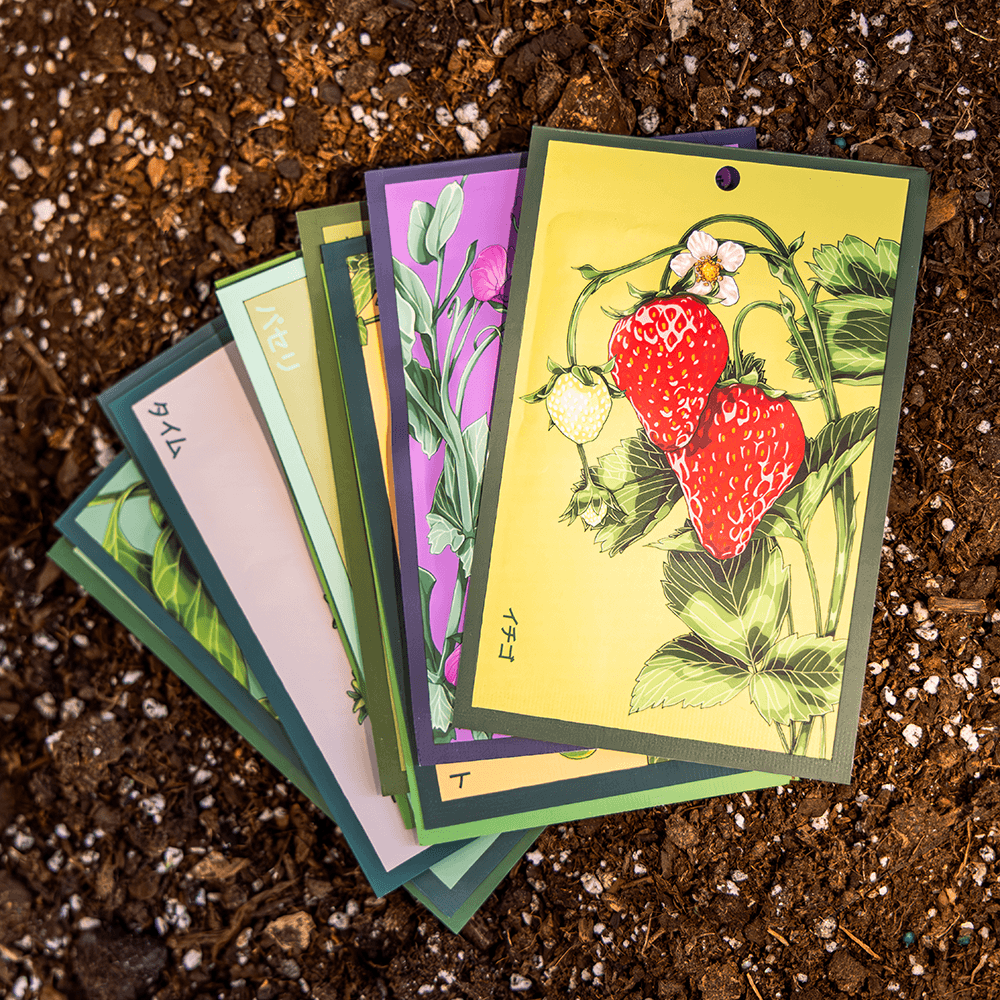
Set of Chive Shido Seeds packets with fruit and flower illustrations on a soil background.

A Quicker Allium Alternative

For an allium with a much shorter growing season, Leek shares garlic's love of well-drained soil with a considerably shorter wait for harvest.

Vegetable Shido Seeds packets — by Chive Studio Toronto

More From Shido's Garden

This sits within Shido's wider vegetable seed catalog, spanning slow, patient crops and much faster-growing staples alike.

A Kitchen Staple, No Curing Required

Garlic needs proper curing to reach its full flavor, but Chive's Ivory Comanche Peony arrives already at its finished, ready state.

Chive Shido seed packets with botanical illustrations on a peg rack, showing cherry blossom, tomato, and eggplant designs.

The credentials behind the packet

A crop that takes this long to reach harvest can't afford to lose any of that time to a slow-germinating packet. The studio addresses that risk at the source, sealing every packet against oxygen well ahead of shipping rather than leaving germination to chance. Garlic's genuinely long growing season already asks a gardener for real patience, and the seed shouldn't add uncertainty on top of that wait. A crop this slow to reward a gardener deserves a start that isn't working against that timeline from day one. Every vegetable in the line gets that same careful treatment, regardless of how long the eventual payoff actually takes. Real payoff at the end justifies real care at the start.


Plant Care, Simplified with Chive

Keep it alive, keep it thriving. Let's make plant parenthood look easy.

Do Seeds Expire? How Long Do Seeds Last

Todd Newgren
Seeds don't expire — they lose viability as oxygen depletes stored energy, and vacuum sealing is the fix. Chive's Shido Seeds are vacuum-sealed, germination-tested, and stocked ...
Read more

Are Seed Packets GMO? The Honest Answer

Todd Newgren
Are seed packets GMO? No—home garden seed packets, Shido included, are never genetically modified, since GMO seed is only made for large-scale commercial crops. The non-GMO badg...
Read more

Frequently asked questions

What is the best way to grow garlic from seed?

Garlic needs a genuinely long growing season and well-drained, fertile soil, developing a basal cluster of narrow leaves above ground while the bulb itself forms underground out of sight. Patient, consistent care throughout that extended timeline rewards a gardener with bulbs that store considerably longer than most vegetables once properly cured. That underground development is really the entire reason garlic rewards a patient, long-season gardener.

What's the difference between hardneck and softneck garlic?

Hardneck varieties produce a curling flowering stalk called a scape, while softneck types don't, generally offering a longer storage life in exchange for skipping that visual, edible bonus. Softneck varieties are generally easier to braid for storage, which many gardeners find genuinely useful. Both types still deliver that same essential garlic flavor in the end.

How many cloves does a garlic bulb typically produce?

It varies by variety and growing conditions, but each bulb splits into multiple individual cloves, every one of them genuinely capable of becoming an entirely new plant if replanted. Growing conditions and specific variety both play a real role in the eventual clove count. Even a modest bulb still represents genuine culinary value for the effort involved.

Does garlic help deter garden pests?

Yes — it carries natural pest-deterring compounds, which makes it a genuinely useful companion plant tucked between other vegetables that benefit from a bit of extra protection nearby. Interplanting garlic near roses or other pest-prone plants is a popular, practical use of that trait. That protective effect extends to whatever's planted in the surrounding rows.

How do you cure garlic after harvest?

Lay harvested bulbs out in a warm, dry, well-ventilated spot for a couple of weeks until the outer skins turn papery and the necks fully dry, which extends storage life considerably. Good airflow during that curing period also helps prevent the kind of rot that can develop. Skipping proper curing shortens storage life considerably compared to doing it right.

How long do garlic seeds last?

Vacuum-sealed Shido Seeds packets stay viable for up to 10 years when stored properly, compared to roughly one year for a standard paper seed packet exposed to normal air and humidity. Real payoff at the end justifies real care at the start. That patience really is the whole trade for a bulb worth keeping around.

Can garlic be grown in containers?

Yes, provided the container is deep enough to accommodate the developing bulb and root system, generally at least eight inches deep with good drainage throughout the season. A wide, shallow container tends to work better here than a deep, narrow one. Good drainage in that container matters just as much as depth alone.

Is this seed lab-tested for germination?

Yes — every Shido Seeds packet, garlic included, is germination-tested at independent third-party labs before it ever reaches a shelf, given how long this particular crop's growing season already runs. That scrutiny matters given how much this crop's payoff depends on patience. That scrutiny matters given how long this crop's payoff takes.

Verte Rx Shiny Leaves for Plants - Chive Ceramics Studio - Chive Ceramics Studio

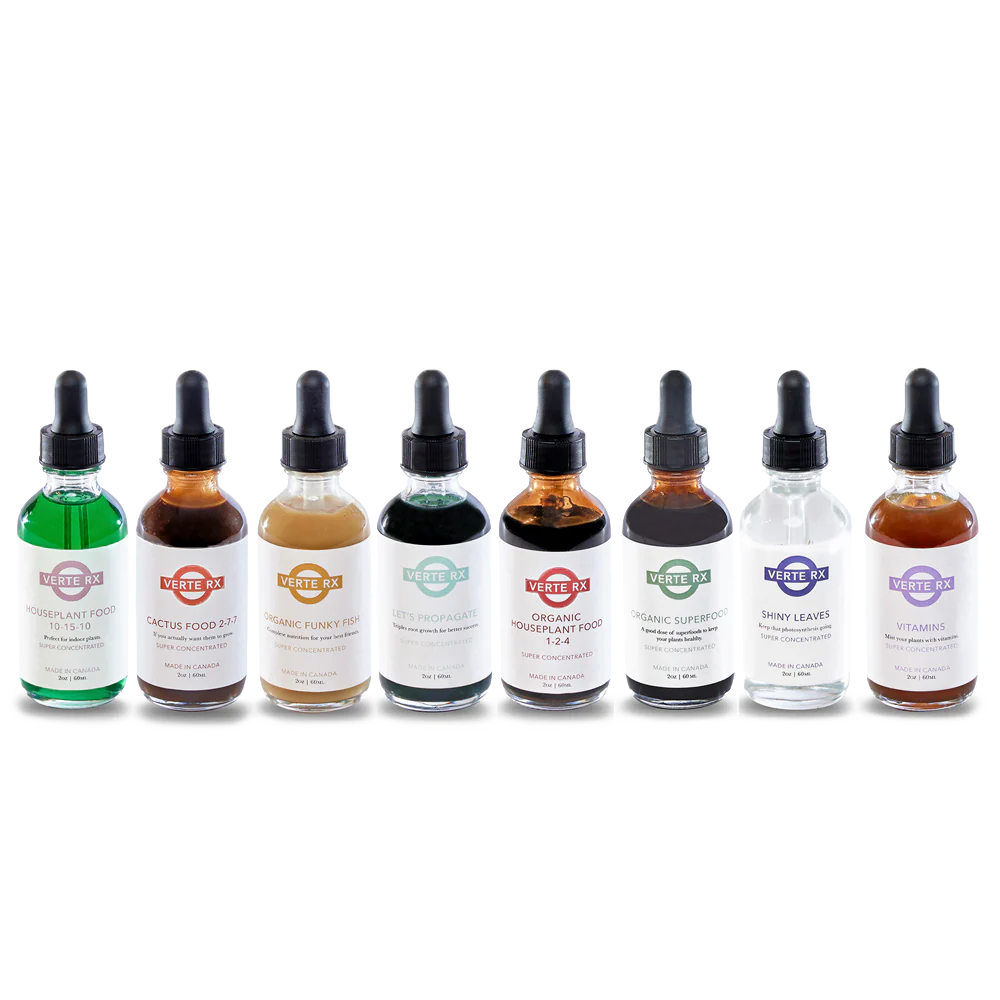
The seed is the start. Verte RX handles the rest.

Most seedlings fail not from bad seed but from soil that runs out of what the plant needs before the plant can find it. Verte RX is a liquid plant vitamin formulated for exactly that window — the weeks after germination when the root system is establishing and the margin between thriving and stalling is narrowest.