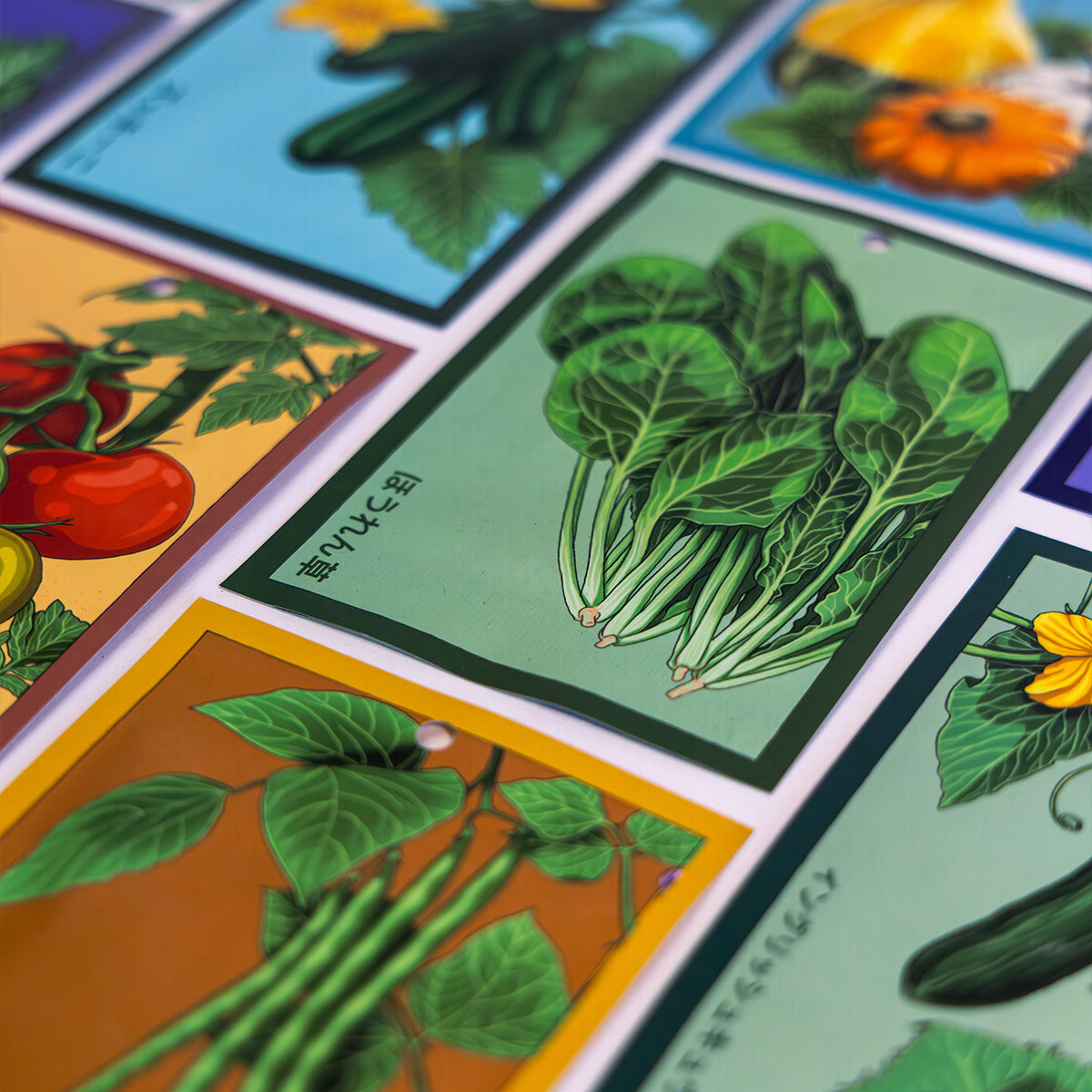
Kohlrabi Purple Delicacy Vegetable Seeds Packet

Regular price $4.95
Vacuum Sealed
NON-GMO
Seed Pack Guarantee

Build Your Garden With These Shido Seeds

Choose a seed packet as your starting point, then round out the bed with these for that thrown-together-but-somehow-perfect harvest.


Kohlrabi Purple Delicacy seeds for the kitchen garden that intends to actually produce kohlrabi purple delicacy this year. Kohlrabi looks like a vegetable that arrived from the future and has been politely pretending to fit in ever since.

Kohlrabi Purple Delicacy is purple-skinned kohlrabi with crisp, sweet white flesh that is excellent raw or cooked. Each packet is hermetically vacuum-sealed -- removing the oxygen that causes standard paper seed packets to lose germination viability within approximately one year. State law requires a 3-year viability label on sealed packaging. NASA research on hermetic seed storage indicates viability of up to 10 years under proper conditions. Every packet is non-GMO and germination-tested at independent third-party labs before it earns its Japanese woodblock print artwork.

Seed specifications
  • Material: Seed
  • Botanical name: Brassica oleracea var. gongylodes
  • Genus: Brassica
  • Plant family: Brassicaceae
  • Species: Oleracea (var. gongylodes)
  • Plant type: Biennial, grown as an annual
  • Pollination type: Vegetable
  • USDA Hardiness Zones: 6
  • Packet contents: ≈ 100 Seeds
  • Packaging: Hermetically vacuum-sealed
  • Non-GMO: Yes
  • Seed viability: Up to 10 years (sealed) / 4–5 years (unsealed, ideal conditions)
  • Difficulty: Moderate - Recreational Gardener
Sowing & growing guide

Quick Sowing Guide:

  • When to sow: Early spring, or 6-8 wks before first fall frost for a fall crop
  • Sowing depth: 1/4 in
  • Initial spacing: 4-6 in
  • Row spacing: 12-18 in
  • Days to germination: 6-10 days
  • Light: Full sun
  • Water: Consistent moisture
  • Soil: Rich, well-drained loam
  • Harvest: 50-60 days

Start Growing: Step-by-step sowing and growing guide

About vacuum sealing

Why Vacuum-Sealed Seeds Last Longer

Standard paper seed packets are permeable to oxygen and moisture -- the two primary causes of seed degradation. Most paper-packaged seeds begin losing germination viability after approximately one year, contributing to significant garden-industry waste: packets purchased, not planted, expired, discarded. Shido Seeds are hermetically vacuum-sealed. The packet does not expire quietly in a drawer. It waits.

About the Packaging

Every Shido seed packet is illustrated in the style of Japanese 1910s woodblock printing -- designed and drawn in-house by Chive, that has been exhibiting at the Chelsea Flower Show in London every year and does not, as a matter of principle, sell to big-box retailers. Customers collect the packets as a series. This was not the original plan.

Shipping & returns

Shipping

  • Free shipping: Orders $200+ within the US
  • Standard: 5–8 business days, Express 2–3 business days (at checkout)
  • International Ships: to 40 countries — rates at checkout
  • Packaging Ships: in outer box to protect gift box

View full shipping policy →

Returns

We accept returns within 30 days of delivery on unused items in original packaging. If your piece arrives damaged, contact us within 7 days with a photo and we will replace it at no charge.

View full return policy →

Satisfaction Guarantee

We stand by the quality of our flower seed packets! Every Shido seed packet is lab-tested for germination before it ships. If your seeds do not perform to the stated germination rate under correct growing conditions, contact us and we will replace or refund. Guaranteed!

Wholesale Inquiries

Have a cool shop? Know someone that does?

Chive Wholesale →

Radish Horticultural Specifications

Botanical

Brassica oleracea var. gongylodes

Plant Type

Biennial, grown as an annual

Light

Full sun

Water

Consistent moisture

Soil

Rich, well-drained loam

Depth

1/4 in

Germination

6-10 days

USDA Zone

6

Mature Height

9-12 in tall

Harvest

50-60 days
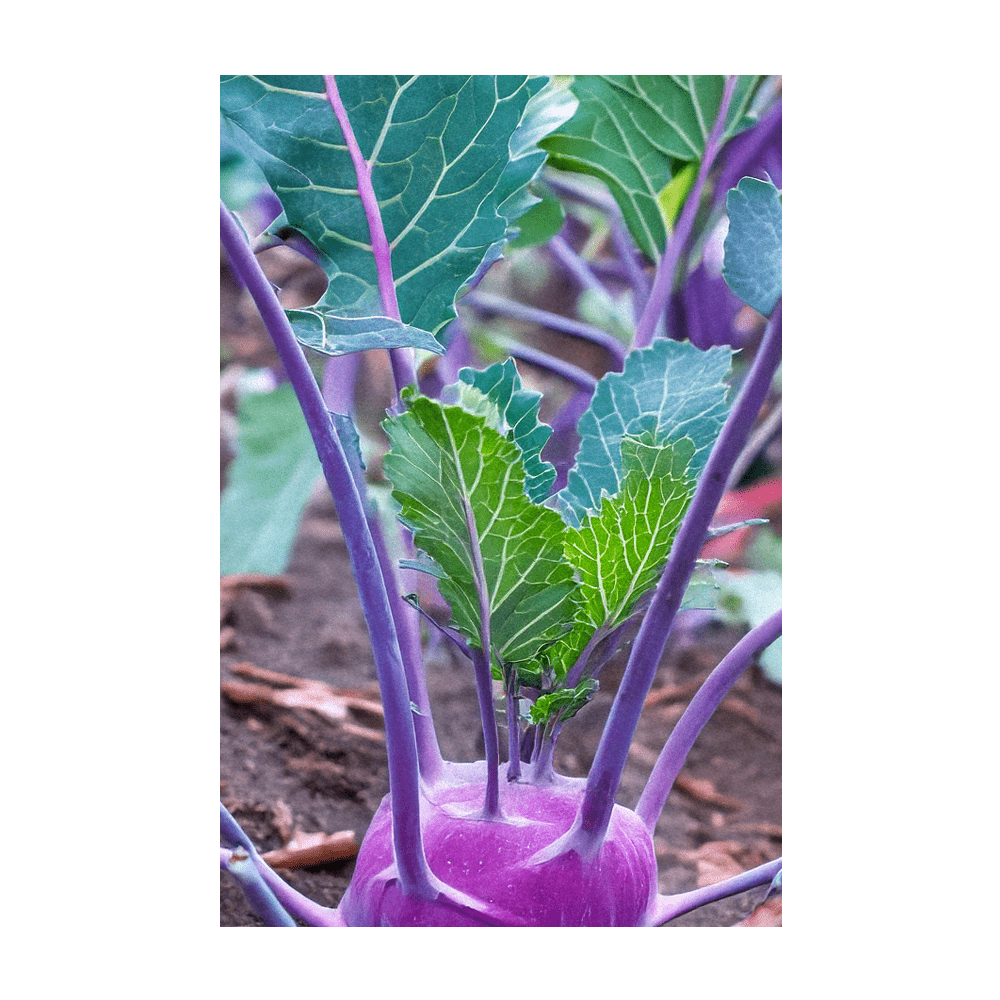

Kohlrabi Purple Delicacy seeds vacuum-sealed - Shido Seeds by Chive

Getting to know your Kohlrabi Purple Delicacy

Kohlrabi Purple Delicacy might be the oddest-looking thing in the garden, and it knows it. With a plump, alien-like bulb sitting above ground and antenna-like stems shooting out in every direction, this vegetable genuinely looks like it landed from somewhere else entirely. But don't let that funky appearance fool you; underneath that unusual exterior is all charm and genuine flavor. In the garden, Kohlrabi Purple Delicacy is about as reliable as a favorite pair of jeans. It matures quickly and doesn't ask for much space, making it a strong choice for small plots or container growing alike. It prefers cool weather, so planting it in spring or fall gets the best results, though it tolerates a bit of light shade and still performs admirably even without ideal conditions. One of its most appealing traits is that it never takes itself too seriously. This is the vegetable equivalent of a quirky friend who's always up for an adventure and never complains about the conditions. Whether you're harvesting smaller, tender bulbs for raw slices or letting them grow larger for cooking, Kohlrabi Purple Delicacy stays dependable, versatile, and genuinely full of personality throughout. Few vegetables bring quite this much character to a garden bed.


History & origin

Ancient Mediterranean

Kohlrabi (Brassica oleracea var. gongylodes) descends from wild cabbage native to the Mediterranean and Atlantic coasts of Europe, part of the same wild species that gave rise to cabbage, broccoli, kale, and cauliflower.

16th Century, Northern Europe

Kohlrabi as a distinct swollen-stem vegetable is first clearly documented in European sources in the 16th century, spreading through Germany and Central Europe -- the name itself derives from German, combining "kohl" (cabbage) and "rübe" (turnip).

Modern Breeding

'Delicacy Purple' (also sold as 'Delicacy White' in its green-skinned counterpart) is a modern named cultivar developed for reliable purple coloring, good cold tolerance, and extended standing time in the garden after reaching maturity.

Today

More popular in European and increasingly in North American home gardens than in mainstream grocery produce sections, prized for its mild, broccoli-stem-like flavor.

Shido Vegetable and Flower Seeds Vacuum sealed for peak freshness

Step-by-Step Sowing & Growing Guide

Getting Started

Biennial, grown as an annual

Step 1: Timing - Direct sow in early spring as soon as soil can be worked, or 6-8 weeks before first fall frost for a fall crop.

Step 2: Soil - Well-drained, fertile, pH 6.0-7.0.

Step 3: Sowing - ¼-½ inch deep. Germination takes 6-10 days.

Step 4: Thinning - Thin to 6-8 inches apart.

Step 5: Ongoing care - Water consistently -- this is more important here than for most root vegetables, since inconsistent moisture directly causes the woody, bitter texture that disappoints growers most.

Step 6: Harvest - Cut the bulb at ground level once it reaches 2-3 inches -- do not wait for it to grow larger, texture only gets worse past that point.

Before you start

Materials needed to sow

  • Garden bed or seed trays: Can be direct sown or started indoors.
  • Garden fork: For loosening soil before sowing.
  • Watering can with a gentle rose: Consistent moisture from the start matters more here than for most root vegetables.
  • Plant labels: Useful for tracking succession sowings if planting more than once per season.

Materials for harvest and storage

  • A sharp knife: For cutting the bulb cleanly at ground level.
  • Basket: For collecting harvested bulbs.
  • Refrigerator crisper drawer: For short-term storage.

Tip: Harvest at 2-3 inches across -- don't wait for a larger bulb, since texture turns woody and bitter quickly past that size, unlike root vegetables that tolerate a bit of extra time in the ground.

Growth Requirements

Light:

  • Requires full sun, though tolerates partial shade better than many root and bulb vegetables.

Soil:

  • Prefers well-drained, fertile soil with a pH of 6.0-7.0.

Watering:

  • Requires consistent watering, about 1-1.5 inches per week.
  • Inconsistent moisture is the leading cause of woody, bitter bulb texture in this crop specifically.

Temperature & Climate:

  • A cool-season crop, thriving between 60-75°F.
  • Tolerates light frost well, but bolts quickly in sustained summer heat.

Fertilization:

  • Apply a balanced fertilizer at planting time.
  • Moderate nitrogen supports early leaf growth, but avoid excess once the bulb begins forming, which can delay bulbing.

Maintenance

Thinning & Spacing:

  • Thin seedlings to proper spacing early — crowded plants produce smaller, slower-developing bulbs.

Mulching:

  • Apply mulch to help maintain the consistent soil moisture this crop needs more than most root vegetables.

Pruning:

  • Minimal pruning needed — removing yellowing outer leaves as the plant matures can improve airflow around the bulb.

Watering:

  • Keep watering consistent — inconsistent moisture is the single biggest cause of woody, bitter bulb texture in this crop specifically.

Harvesting:

  • Cut the bulb at ground level once it reaches 2-3 inches across.
  • Harvest promptly at that size — texture only worsens if the bulb is left to grow larger.

Storing:

  • Refrigerate in a crisper drawer, where it keeps for a couple of weeks.
  • Leaves are more perishable than the bulb and are best used within a few days.

Troubleshooting and common mistakes

  • Letting the bulb grow too large — turns woody and bitter past about 3 inches -- harvest smaller than expected, not larger
  • Inconsistent watering — causes the same woody, bitter texture as over-mature bulbs

Culinary uses & nutritional information

What it's used for

1. Culinary Applications:

  • Raw, sliced thin into slaws and salads for a crisp, mild bite
  • Roasted or stir-fried as a simple side dish
  • Made into fritters, similar to how other brassica bulbs are prepared
  • Added to soups for texture without overwhelming other flavors
  • Pickled, taking advantage of its firm, crisp texture

2. Nutritional Benefits:

  • Notably high in vitamin C for a bulb-type vegetable
  • Good source of dietary fiber and potassium
  • Contains glucosinolates, the same class of protective compounds found across the brassica family
  • Low in calories relative to its filling texture

3. Garden and Ornamental Uses:

  • Genuinely unusual purple-skinned bulb sitting above the soil line, a real visual conversation piece
  • Compact growth habit suited to smaller garden beds or large containers
  • Fast 55-65 day cycle makes it useful for teaching succession planting
  • An easy way to introduce less-common brassica vegetables to a home garden

4. Practical Benefits:

  • Fast maturity supports multiple plantings in a single season
  • Both bulb and leaves are usable, reducing what goes to waste from one plant
  • Holds well in the garden for a period after reaching maturity without quickly declining
  • Distinctive appearance gives it good farmers market and gift appeal, standing out from more familiar vegetables

What parts are edible

  • Bulb: The swollen stem (not a true root) is the primary harvest, best eaten at 2-3 inches before it turns woody.
  • Leaves: Edible and often overlooked -- cooked the same way as kale or collards, with a milder flavor.

Nutritional data

Raw kohlrabi, per 100g

Calories: 27 kcal

  • Carbohydrates: 6.2 g
  • Protein: 1.7 g
  • Total fat: 0.1 g
  • Dietary fiber: 3.6 g
  • Vitamin C: 62 mg (69% RDA) -- notably high for a bulb-type vegetable
  • Folates: 16 µg (4% RDA)
  • Potassium: 350 mg
  • Cholesterol: 0 mg
  • Anthocyanins: present in the purple outer skin specifically, absent in white/green kohlrabi types

Companion plants, pests & diseases

Companion planting

Good companions

  • Beets, onions, cucumbers — compatible timing and low competition
  • Dill, mint, chamomile — general brassica-adjacent herb companions

Poor companions / avoid

  • Tomatoes, peppers, strawberries — documented poor pairing for kohlrabi specifically
  • Other brassicas — shared pests/disease -- keep to a 3-year rotation

Pests

  • Cabbage worms — chew large holes in leaves; handpick or use Bt
  • Aphids, flea beetles — common brassica pests
  • Cabbage root maggot — larvae damage the root/bulb from below; row covers help prevent egg-laying

Diseases

  • Clubroot — swollen, distorted roots -- soil-borne, no cure, requires long rotation and raising soil pH
  • Black rot — V-shaped yellow lesions from leaf edges
  • Downy mildew — in crowded, humid plantings

Pro Tip

Keep soil consistently moist and evenly fertilized with a balanced fertilizer. Harvest when bulbs are 2–3 inches wide—wait too long, and they turn woody and bitter.

Vegetable sprouting in rich dark soil - Shido Seeds
Seeds worth keeping

What makes Shido Seeds different

Shido Seeds are designed by Chive Studio, a ceramic design company. We are not a seed conglomerate. We do not sell through big-box retailers. Each variety in the catalog was selected because it is worth growing — not because it ships well in bulk or photographs well in marketing materials.

Every packet is germination-tested at an independent third-party lab before it earns its woodblock illustration. The vacuum seal removes the oxygen that causes standard paper packets to degrade. The stated germination rate is a floor, not a marketing figure.

If something goes wrong, contact us. We will make it right.

Plants that Grow together look good together...even if they are ceramic

Set of colorful floral Shido Seed packets with floral design on a soil background by Chive Studio

A Familiar Brassica Cousin

For a more conventional relative in the same plant family, Cabbage shares kohlrabi's cool-season habits with a far more familiar shape.

Vegetable Shido Seeds packets — by Chive Studio Toronto

The Rest of the Vegetable Garden

Explore Shido's vegetable seed lineup for other cool-season brassicas that pair naturally with kohlrabi in a spring or fall bed.

Personality Without the Growing Season

Kohlrabi's odd charm only shows once it's fully grown, but Chive's Ivory Spider Mum brings its own distinctive character straight out of the box.

Chive Shido seed packets with botanical illustrations on a peg rack, showing cherry blossom, tomato, and eggplant designs.

The credentials behind the packet

An unusual-looking crop like kohlrabi already asks a gardener to take a bit of a leap on faith, which makes a reliable seed matter more rather than less. The studio protects that leap by cutting oxygen exposure in every packet well before it ever reaches a shelf, rather than trusting a paper envelope's inconsistent track record. A vegetable this genuinely full of personality deserves a start that doesn't undercut that character before it ever gets the chance to grow. Odd doesn't have to mean unreliable, at least not on the seed side of things. That standard covers every variety in the lineup, familiar or genuinely strange-looking. Character in the plant deserves consistency in the seed.


Plant Care, Simplified with Chive

Keep it alive, keep it thriving. Let's make plant parenthood look easy.

Nobody grows one dahlia. This is what nobody tells you.

Ryan Hearst
How to grow dahlias from seed: start indoors 6–8 weeks before last frost, transplant after frost, and expect first blooms in late summer. Nobody warns you that one bloom is all ...
Read more

Do Seeds Expire? How Long Do Seeds Last

Todd Newgren
Seeds don't expire — they lose viability as oxygen depletes stored energy, and vacuum sealing is the fix. Chive's Shido Seeds are vacuum-sealed, germination-tested, and stocked ...
Read more

Frequently asked questions

What is the best way to grow Purple Delicacy kohlrabi?

Kohlrabi Purple Delicacy prefers cool weather, performing best planted in spring or fall, and matures quickly enough that most gardeners see a harvestable bulb well within a couple of months of planting. It tolerates a bit of light shade reasonably well, though full sun produces the strongest overall results. That balance of quick maturity and modest space needs makes it a genuinely practical choice overall.

What does kohlrabi taste like?

It carries a mild flavor somewhere between broccoli stem and cabbage, with a crisp, slightly sweet quality that holds up well eaten raw or lightly cooked. A quick raw slice with a little salt is often the simplest way to try it. A drizzle of good vinegar brightens that mild flavor nicely too.

Why does kohlrabi look so unusual?

Its swollen, bulb-like stem sits visibly above the soil line with leaf stems radiating outward, a genuinely distinctive shape that sets it apart from almost anything else in a typical vegetable garden. That contrast between odd looks and genuine usefulness is really the whole charm of growing it. Most gardeners eventually come to appreciate that odd charm themselves.

Should you harvest kohlrabi small or let it grow larger?

Both work well — smaller, golf-ball-sized bulbs suit tender raw slices, while letting them grow larger makes them better suited to cooking, so the choice really comes down to intended use. Either approach rewards the gardener with a genuinely versatile vegetable either way. Neither approach is objectively better, just suited to different kitchen uses.

Does kohlrabi need much space to grow?

No, it's genuinely compact, making it a strong choice for small plots or container growing where a bulkier root vegetable simply wouldn't fit comfortably. Vertical growing habits like this make it easy to fit several plants into a modest footprint. That efficient use of vertical space suits a crowded bed well.

How long do kohlrabi seeds last?

Vacuum-sealed Shido Seeds packets remain viable for up to 10 years under proper storage, compared to roughly one year for a standard paper seed packet exposed to normal conditions. Character in the plant deserves consistency in the seed. That reliability matters given how quickly this variety moves from seed to harvest.

Is kohlrabi easy to grow for beginners?

Yes, genuinely — its quick maturity, tolerance for a range of conditions, and forgiving nature make it one of the more approachable unusual vegetables for a new gardener to try. Its general resilience also means a few missed waterings rarely spell disaster. New gardeners in particular tend to appreciate that forgiving nature.

Is this seed germination-tested?

Yes — every Shido Seeds packet, Purple Delicacy included, is tested at independent third-party labs before it reaches a shelf, odd appearance aside. That scrutiny matters regardless of how unusual a vegetable looks on the outside. Odd looks don't excuse a weaker germination standard. Same standard, every single time. No compromises made.

Verte Rx Shiny Leaves for Plants - Chive Ceramics Studio - Chive Ceramics Studio

The seed is the start. Verte RX handles the rest.

Most seedlings fail not from bad seed but from soil that runs out of what the plant needs before the plant can find it. Verte RX is a liquid plant vitamin formulated for exactly that window — the weeks after germination when the root system is establishing and the margin between thriving and stalling is narrowest.