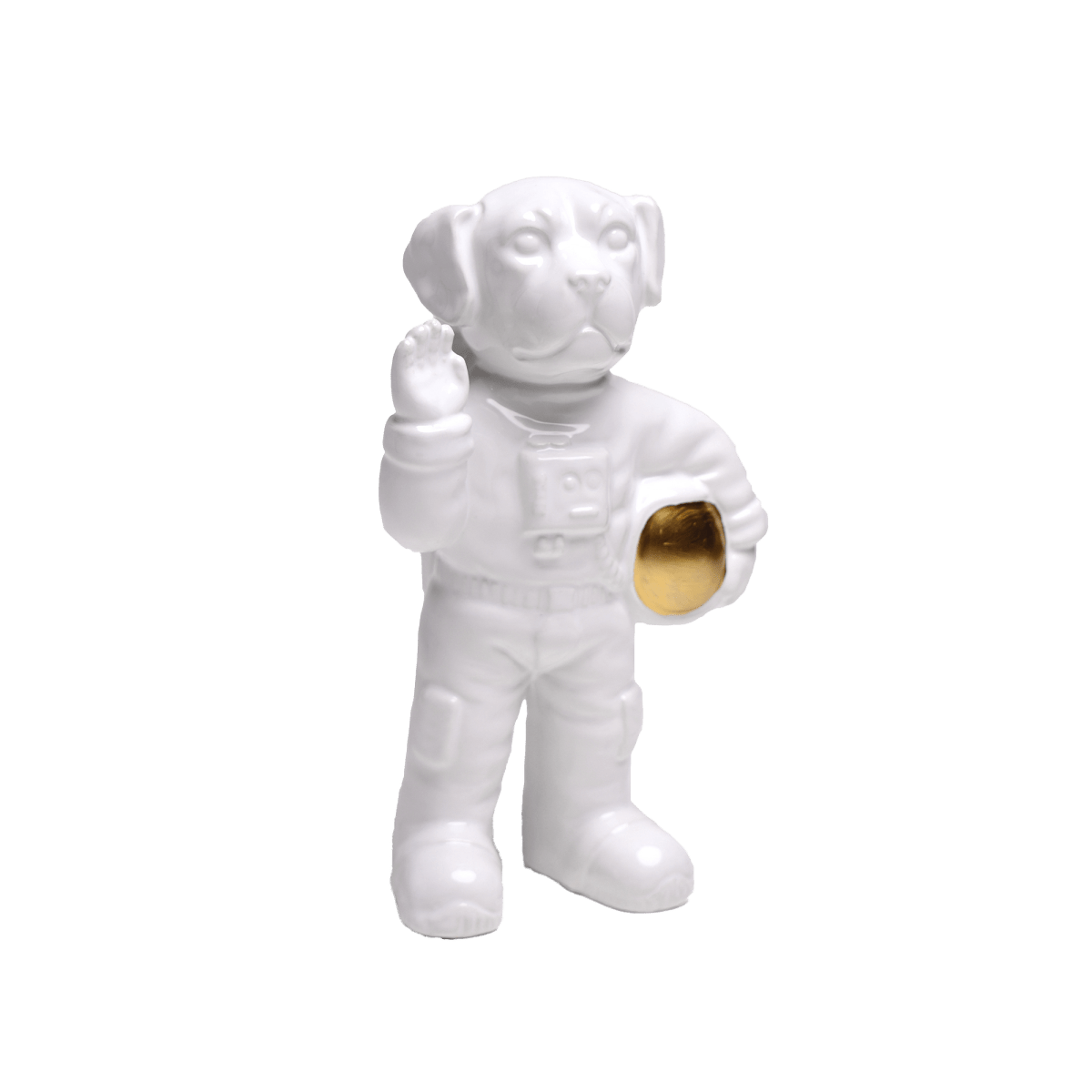
Laika the Astronaut Ceramic Vase

Regular price $35.25
Fully Glazed
Dishwasher safe cleaning
30-day return policy

Build Your Effortless Arrangements With These:

Choose a vase as your anchor, then round out the shelf with these for that thrown-together-but-somehow-perfect look.


The Laika vase is an astronaut dog vase, made because once you have honored the cat who reached orbit first, you cannot in good conscience skip the first dog. The alternative was a slow ceramic feud between cat people and dog people, and nobody here had the stamina for it. So the Laika vase exists: glazed ceramic in two sizes, the large eight inches tall and the medium six, with a mouth that takes a proper handful of stems rather than a lonely one. Laika flew in 1957 and did not come home, which is not a fact I intend to make funny. The vase is not a joke either; it is a space dog vase with real presence, drawn in 2024 with more tenderness than this series usually allows itself. Put something alive in it. That felt, to everyone here, like the whole assignment. Shaped by hand at Chive Ceramics Studio before the glaze ever goes on.

Product detail
  • Vase Type:
  • Material: Ceramic
  • Glaze finish: Glazed
  • Water Resistance: Watertight
  • Year Designed: 2024
Dimension
  • Large 3.5 inches diameter, 8 inches tall
  • Medium 3 inches diameter, 6 inches tall
Vase Care Instructions

Every ceramic vase in this collection is dishwasher safe on the top rack, making cleanup between arrangements as simple as loading it in with the rest of the dishes. The glazed surface holds up fine to regular washing, so there's no need to hand-wash unless you'd prefer to.

If you're cleaning a piece with painted or sculpted detail, a gentler cycle or a quick hand-wash with warm water and mild soap will help keep the finish looking sharp for longer. Either way, rinse and dry after each use — especially if flower food or cut-stem residue was in the water — so nothing lingers and clouds the glaze.

No special sealants, no periodic maintenance. Wash it, dry it, put flowers back in it.

Flowers that Love this Vase
  • Lily
  • Orchid
  • Cosmos
  • Zinnia
  • Stock
  • Statice
  • Coreopsis
  • Phlox
  • Pussy Willow
  • Wallflower

Quick Guide to Building a Floral Arrangement

  1. Pick your vase first
  2. Start with your anchor flower.
  3. Build in odd numbers.
  4. Add height, then fill.
  5. Greenery does the quiet work.
  6. Cut stems at an angle, underwater if you can.
  7. Step back before you decide it's done.

Shipping & returns

Shipping

  • Free shipping: Orders $200+ within the US
  • Standard: 5–8 business days, Express 2–3 business days (at checkout)
  • International Ships: to 40 countries — rates at checkout
  • Packaging Ships: in outer box to protect gift box

View full shipping policy →

Returns

We accept returns within 30 days of delivery on unused items in original packaging. If your piece arrives damaged, contact us within 7 days with a photo and we will replace it at no charge.

View full return policy →

Wholesale Inquires

Have a cool shop? Know someone that does?
Find Chive on Faire →

Astronaut Unique Ceramic Flower Vase - Chive Ceramics Studio - Vases - Chive Ceramics Studio

Drawn Slowly, On Purpose — The Laika

We drew this one more slowly than we usually allow ourselves. The astronaut series began as a bit — helmets on animals, orbit as decor — but the dog changed the temperature in the room. People kept telling us about their own dogs while we sketched, the way people always do, and the design absorbed all of it: the mouth got wider so a real bunch fits, the proportions got sturdier, the whole silhouette settled into something you would trust with flowers that matter. It ships in two sizes because gratitude comes in different amounts. The medium suits a kitchen windowsill and a few stems cut from the yard; the large can anchor a table through an entire occasion. We have heard from customers who keep one filled year-round for a dog who is gone, and from others who just like a good dog in a space suit, and the vase serves both without asking which you are. That felt important to get right. Not every object needs a sense of humor about itself, and this one carries its story gently instead. Fresh water, fresh stems, as often as you can manage. She would have liked the flowers, we think. Most dogs do.

Chive Studio trimming tulip stems with scissors on a wooden surface, with white, purple, and pink tulips arranged nearby.

A (Mostly) Simple Guide to Cutting Your Flowers

So, you’re making an arrangement? Let’s ensure it lives long enough to impress someone—even if it's just you.

  1. Scrub the Scissors: Wash your shears first. Your flowers do not want a side of Dorito dust.
  2. Cut at 45°: Snip stems at an angle. It gives them a straw instead of making them chug from the bottle.
  3. Trim Underwater (Fancy Mode): Cut them submerged to block air bubbles. It’s extra, but they didn’t ask to suffocate.
  4. Ditch Submerged Leaves: Strip anything below the waterline. Unless you are actively going for a swamp aesthetic.
  5. Snip Again if Stale: If they sat out on the counter, trim them again. They need a fresh start (don’t we all?).
  6. Swap the Water: Change it and trim the stems every few days so they don't die immediately.

Voilà! You are now a domestic deity. Go take your Instagram photo before you forget to water them.

Pro Tip: Keep It Short and Sweet!

When it comes to flower stems, shorter is better. Not only do shorter stems look chic in arrangements, but they also help your blooms last longer. Why? Because the shorter the stem, the less distance water has to travel to keep those petals perky. It’s like giving your flowers a shorter commute—less stress, fewer breakdowns.

Perfect Pairs for Any Shelf

Lotus Ceramic Floral Bud Vase
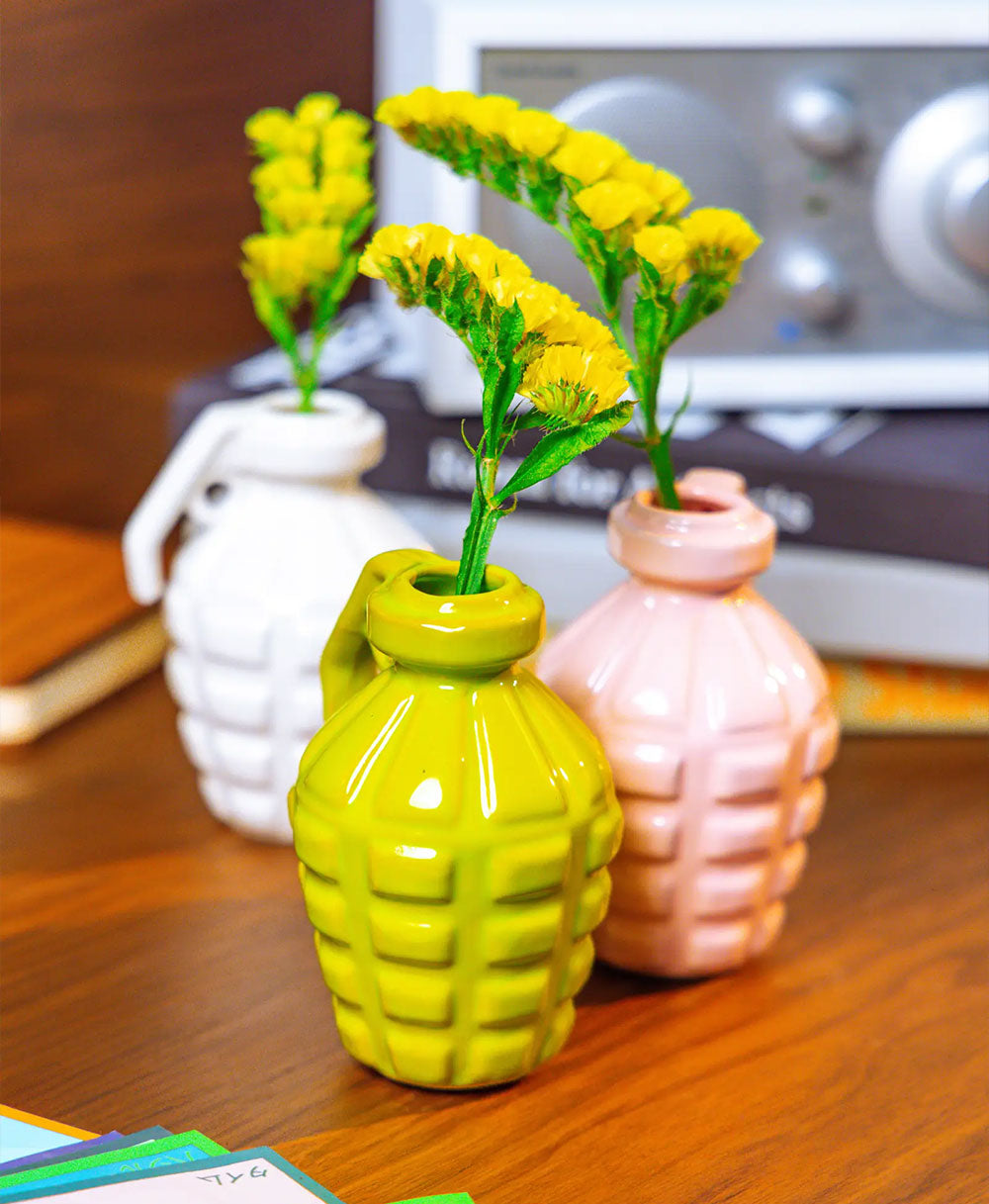
The ceramic vases at Chive come out of the same studio habit that produced everything else here: design the object once, correctly, then resist every opportunity to complicate it. Each one holds stems. None of them holds back. After the widest mouth in the series, try the narrowest brief: the Lotus Ceramic Floral Bud Vase gives each stem its own cup and its own spotlight.

The Ceramic Vases Collection

Every Chive vase is built around one decision about how flowers should stand, then finished by hand until that decision reads as obvious. The Laika's decision was generosity: a mouth wide enough for the whole bunch, no editing required. Other pieces in the family ration stems one at a time or hold them at fixed heights, so between them the collection covers every arranging temperament, including none at all. Shop the Ceramic Vases collection.

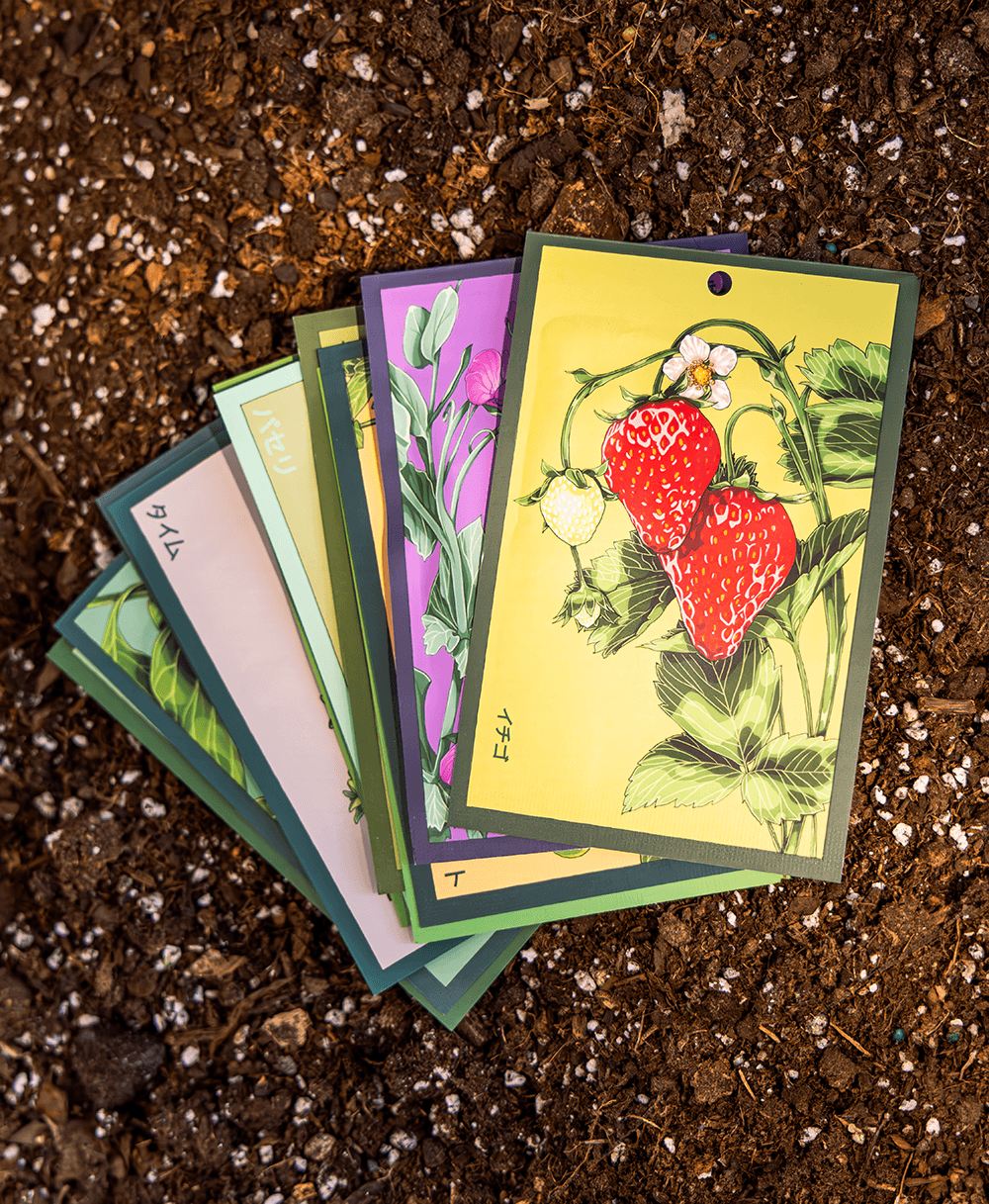
Basket Kisses Strawberry Seeds

A vase named for a good dog pairs naturally with something that grows. Basket Kisses Strawberry Seeds starts a hanging-basket crop of actual strawberries — sweet, prolific, absurdly cheerful — and tending them is the same small daily kindness as changing a vase's water. One packet, one summer, one very pleased household. Laika approves, we assume.


Made to Be Kept — Chive Since 2004

Some pieces the studio makes to be clever, and some it makes to be kept; knowing the difference has been the job since 2004. The Laika belongs to the second group, and production treats it accordingly — thicker walls, patient glazing, an inspection pass that lingers. When an object might end up holding flowers for someone's memory, the tolerance for a lazy seam drops to zero, and that discipline turns out to be contagious across the workbench. Twenty-odd years in, we have learned that the sentimental pieces are the ones that audit us. People forgive a quirky vase its flaws. They do not forgive the important one. So we build every Laika as the important one. It usually is.


Inside the Chive Design Studio

Low maintenance, high impact. Let's make home styling look easy.

Wedding Centerpiece Vases: The Planning Guide Nobody Gives You

Todd Newgren
Wedding centerpiece vases work best small and plural — three to seven per table, one to three stems each. A fifteen-table reception needs roughly seventy-five vases and 100 to 1...
Read the full story

The Best 10 Styles of Vases

Jessie Duenas
The glorious world of flower vases! Because nothing says "I have my life together" quite like a carefully chosen vessel for your soon-to-be-wilting flora. Gather 'round, fell...
Read the full story

Frequently asked questions

What should you look for when buying a astronaut dog vase online?

Size honesty first: a good listing states both options plainly, and ours does — eight inches tall in the large, six in the medium. Then check that the interior is glazed for real water duty, not display-only, and that the mouth opens wide enough for an actual bunch. Sentiment sells astronaut pieces; construction keeps them. Insist on both.

What flowers work best in the Laika vase from Chive?

Generous, upright stems suit the wide mouth — lilies, stock, cosmos by the handful, zinnias when the garden cooperates. The eight-inch large wants some height in the mix so proportions stay balanced; the six-inch medium is happiest with mid-length cuts. This is a vase for the whole bunch, not the lone stem. It was drawn for plenty. Bring it armfuls.

What are the Laika vase's dimensions for shelf or table display?

Two sizes, both published: the large runs three and a half inches across by eight tall, the medium three inches by six. On a shelf, allow for stems adding height above the rim — a bunch can double the total. Tables and consoles absorb either size without negotiation. For enclosed shelves, measure with flowers in mind. The vase is the short half.

Does ceramic keep flower water fresher in the Laika vase?

The walls are thick for a vase this size, and thick glazed ceramic is genuinely good insulation — water inside tracks the room slowly instead of spiking with every sunbeam. Cooler, steadier water slows the bacterial bloom that ages bouquets early. It also keeps light out completely, which clear vessels can't claim. Stems last noticeably longer for it. Physics, doing quiet favors.

How often should you change the water in the Laika vase?

Fresh water every second day is the generous-mouth tradeoff — more stems drink more and shed more, so the reservoir works harder than a bud vase's. The wide opening makes the change genuinely quick: pour, rinse, refill without wrestling. Add a stem trim each time and the bunch repays you in days. Big vase, big thirst. Budget accordingly.

Can the Laika vase anchor a dining table or entryway console?

The large was practically drawn for it. Eight inches of glazed ceramic with a full bunch aboard has real presence on a dining table, and the story gives dinner guests somewhere to start. At an entryway it greets well — sturdy enough to ignore the door's weather, warm enough to set the household's tone. Use the large for anchoring duty here. The medium keeps sills.

Which holds more stems, the Laika vase or the Lotus vase?

The Laika, by a wide margin. Its mouth accepts a full bunch in one motion, while the Lotus deliberately rations — one stem per conical cup, two or three cups depending on the version. They sit at opposite ends of the arranging spectrum: abundance versus curation. Count your stems and the answer chooses itself. Handfuls go to the dog.

Who designed the Laika vase and what inspired its shape?

The studio drew it in 2024 as the companion the astronaut series owed itself — the first dog to orbit, honored alongside the first cat, because the balance mattered to everyone here. Laika's 1957 flight was one-way, and the design treats that with care rather than comedy: a steadier silhouette, a warmer scale. Its inspiration is gratitude, mostly. She earned a vase.

Ceramic astronaut vase with flowers styled on shelf — Chive Studio Toronto
Behind the Studio

The story behind the Chive astronaut vases

The story of Laika, Félicette, a solar eclipse in New York, and a space bar that ordered a hundred vases a month until it closed.