French Beans Vegetable Seeds Packet

Regular price $4.95

FREE SHIPPING on seeds when you order 5 packs or more

French Beans seeds for the kitchen garden that intends to actually produce french beans this year. French beans are the vegetable most likely to make a beginner feel competent, which is exactly why they are worth growing.

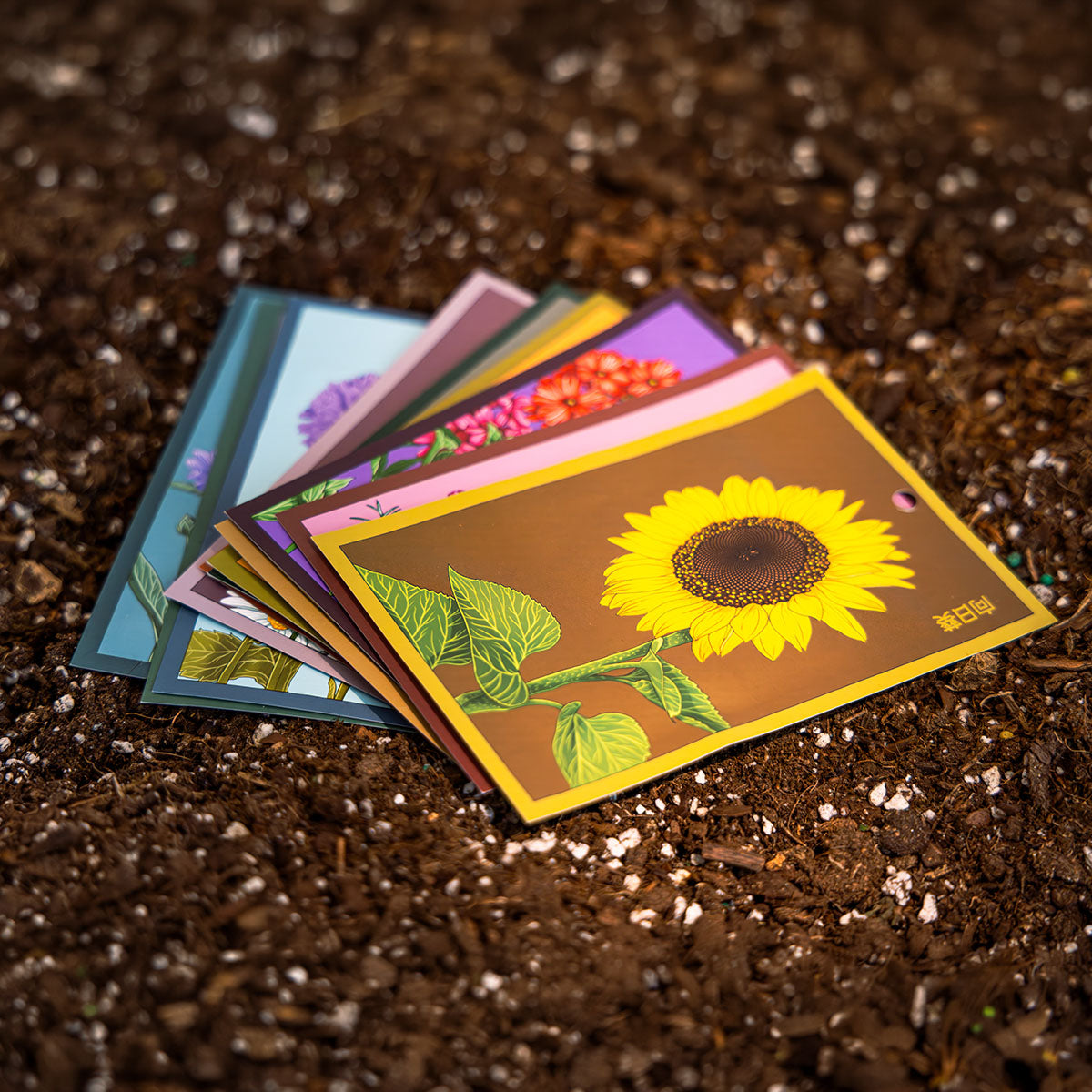
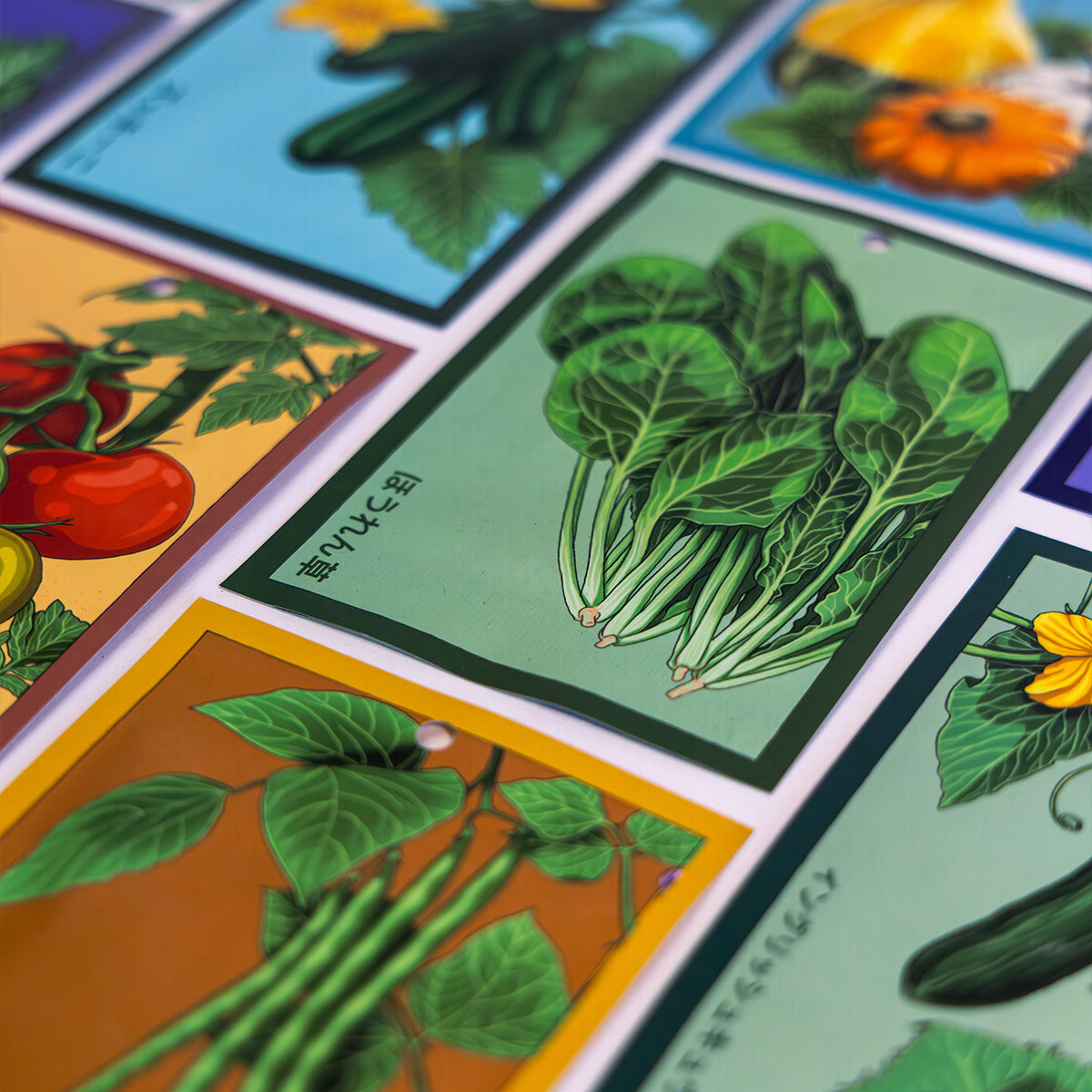
French Beans is reliable French bean producing tender, flavourful pods over a long harvest period. Each packet is hermetically vacuum-sealed -- removing the oxygen that causes standard paper seed packets to lose germination viability within approximately one year. State law requires a 3-year viability label on sealed packaging. NASA research on hermetic seed storage indicates viability of up to 10 years under proper conditions. Every packet is non-GMO and germination-tested at independent third-party labs before it earns its Japanese woodblock print artwork.

Quick Seed Overview
  • Plant Type: Annual vegetable
  • Genus: Phaseolus
  • Species: Phaseolus vulgaris
  • Plant Height/Width: 1-2 feet tall for bush beans, 6-10 feet for pole beans / 1-2 feet wide
  • Season: Spring to Summer
  • Exposure: Full Sun
  • Difficulty: Easy
Satisfaction Guarantee

Seed Pack Guarantee: we stand behind our seeds. If they fail to perform, we'll gladly replace them at no cost. Performance depends on proper growing conditions.

Why Shido Seeds Are the Best

Our flower and vegetable seeds are beautifully packaged little packets of magic. Guaranteed to turn your garden into the envy of the neighborhood. Get your hands dirty and let nature simply do its thing.

Complete Growing Guide

This comprehensive guide provides all the information needed to successfully grow from seeds to mature, thriving plants that will provide years of delicate, beautiful foliage for both indoor enjoyment and floral arrangements.

Seed Starting

1. Optional: soak seed in water for a few hours before sowing.

Seed Starting (Indoor/Direct Method)

Sowing Process:

1. Bed Preparation: Direct sow after last frost, soil 60°F+.

2. Seed Placement: Sow 1-2 inches deep.

3. Environmental Control: 70-80°F.

4. Germination Timeline: 8-10 days.

Germination and Early Care

Germination Conditions:

  • Soil temperature 70-80°F
  • Consistent moisture
  • Full sun once sprouted

Post-Germination Care:

1. Avoid handling plants when wet, which spreads bacterial blight.

2. Pick young and often to keep the plant productive.

Long-term Care

Ongoing Care and Management
Watering Schedule:

Early Growth:

  • Keep soil moist but not wet
  • Water every 2-3 days if no rain

Flowering and Pod Development (CRITICAL!):

  • 1-1.5 inches per week minimum
  • Most critical time for consistent moisture
  • Water especially during flowering and pod formation
  • Water stress causes flower/pod drop
  • Sandy soils may need watering 2-3 times per week

Watering Method:

  • Water deeply to 6-8 inches depth
  • Morning watering best (foliage dries before evening)
  • Drip irrigation or soaker hoses ideal
  • Avoid overhead watering when possible

Fertilizing:

  • Beans only require average fertility
  • Generally no additional fertilization needed if soil prepared properly
  • Beans fix their own nitrogen through Rhizobia bacteria
  • If plants yellowing: light application 5-10-10 fertilizer
  • Avoid high nitrogen (causes excessive foliage, poor pod production)

Mulching:

  • Apply 2-3 inches organic mulch once plants 6 inches tall
  • Maintains soil moisture (critical for tender pods)
  • Regulates soil temperature
  • Suppresses weeds
  • Keep mulch 2 inches from stems

Weed Control:

  • Critical when plants young
  • Hand-pull weeds carefully
  • Shallow cultivation only (1-2 inches deep maximum)
  • Beans have shallow roots easily damaged

Training Pole Varieties
Initial Training:

  • When seedlings 6-8 inches tall, guide to supports
  • Vines twine counterclockwise
  • Gently wrap around support to get started
  • Check weekly and guide wayward vines

Once Established:

  • Vines climb independently
  • Minimal intervention needed
  • Secure any heavy sections if needed

Flowering and Pod Production
Flower Characteristics:

  • Small white, pink, or purple flowers
  • Appear in clusters
  • Self-pollinating (don't need insects)
  • Flowers appear 4-6 weeks after planting

Pod Development:

  • Pods form 7-10 days after flowers pollinated
  • Grow rapidly - check daily during peak season!
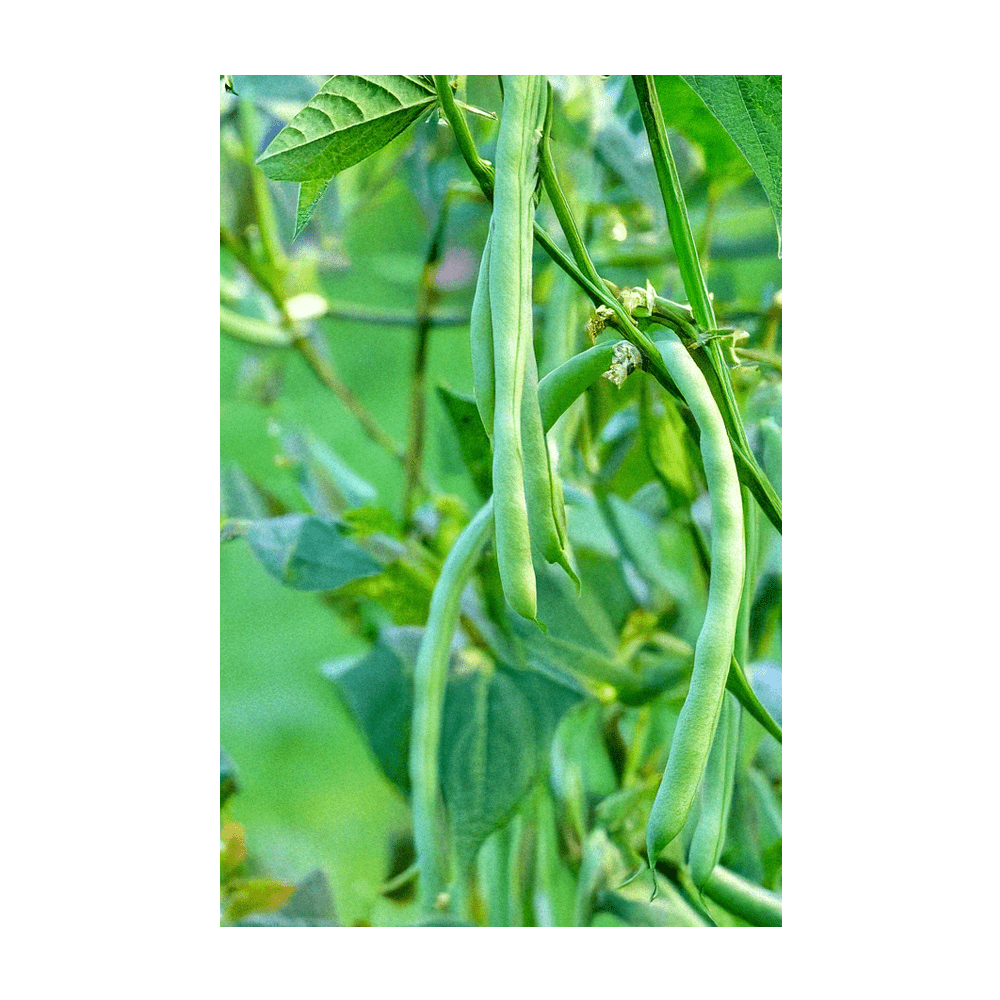
  • For French filet beans: harvest when 4-5 inches long and pencil-thin
  • Standard French beans: 5-7 inches, still slender

Bush vs. Pole Production:

  • Bush: Concentrated production over 2-3 weeks, then done
  • Pole: Continuous production from first harvest until frost

Harvesting
Determining Ripeness:

For Premium French Filet Beans:

  • Length: 4-5 inches (some varieties 6-7 inches)
  • Thickness: Pencil-thin or thinner (very slender!)
  • Appearance: Straight, smooth, dark green
  • Texture: Firm, snap cleanly when bent
  • Seeds: Should NOT be visible bulging in pod
  • Timing: 50-60 days from sowing typically


Important Timing:

  • Harvest BEFORE seeds bulge in pods
  • Check plants DAILY during peak season
  • French beans can go from perfect to over-mature in 2-3 days!
  • Pods left too long become tough and stringy

Harvesting Technique:

  • Pick when pods are firm, well-filled, but still tender
  • Use two hands: hold stem with one hand, pick pod with other
  • Or use scissors/garden shears to snip stem
  • Harvest gently to avoid damaging plant
  • Morning harvest after dew dries = best quality
  • Handle carefully - pods bruise easily

Harvest Frequency:

  • Critical: Pick frequently to encourage more production!
  • Bush beans: harvest every 2-3 days during 2-3 week peak
  • Pole beans: harvest every 1-2 days throughout season
  • Regular picking signals plant to produce more flowers and pods
  • Leaving mature pods on plant stops production

Yield Expectations:

  • Bush: Heavy concentrated harvest over 2-3 weeks
  • Pole: Continuous harvest 6-8+ weeks until frost
  • French beans: 2-4 pounds per 10-foot row (bush)
  • Succession planting provides continuous supply

    Post-Harvest Handling
    Immediate Care:
  • Don't wash until ready to use
  • Store in perforated plastic bag in refrigerator
  • Best quality: use within 3-4 days of harvest
  • Keep away from ethylene-producing fruits

Storage Guidelines:

  • Temperature: 45-50°F / 7-10°C ideal
  • Humidity: 85-95% relative humidity
  • Never below 41°F (causes chill injury, loss of color)
  • Don't store in areas with low humidity (causes wilting)
  • High temps with high humidity cause decay

Preparation:

  • Top and tail: Remove stem end and tip
  • French beans: Often no stringing needed (modern varieties stringless)
  • Brief cooking: 2-3 minutes maintains texture
  • Classic prep: Blanch, shock in ice water, sauté in butter with garlic


Preservation:

  • Freezing: Blanch 2-3 minutes, cool quickly in ice water, drain, freeze in bags (maintains quality
    excellently!)
  • Canning: Pressure can only (low-acid food) - follow USDA guidelines
  • Pickling: Makes elegant refrigerator pickles

Succession Planting Strategy
For Continuous Fresh Harvest:

1. First planting: After last frost, soil 60°F+
2. Second planting: 2-3 weeks after first
3. Third planting: 2-3 weeks after second
4. Continue: Every 2-3 weeks through mid-summer
5. Stop: 50-65 days before first fall frost
6. Result: Fresh beans from early summer through fall

Container Growing
French beans excellent for containers!

Container Requirements:

  • Bush varieties: Minimum 8-10 inches deep, 12-18 inches diameter
  • Pole varieties: 12-15 inches deep, 18-24 inches diameter, with sturdy trellis
  • Multiple drainage holes essential
  • Use quality potting mix (not garden soil)

Container Care:

  • Check moisture daily - containers dry quickly
  • May need daily watering in summer
  • Light liquid fertilizer every 3-4 weeks
  • Bush varieties perfect for patio containers!

Companion Planting
Excellent Companions:

  • Corn: Classic "Three Sisters" - provides natural support for pole beans
  • Squash/Pumpkin: Benefits from nitrogen fixed by beans
  • Lettuce: Early harvest before beans need space
  • Celery: Compatible needs
  • Cucumber: Can share vertical space

Good Companions:

  • Brassicas (cabbage, broccoli, cauliflower)
  • Carrots
  • Radishes
  • Spinach

Avoid Planting Near:

  • Onions, garlic, leeks: May inhibit bean growth
  • Fennel: Allelopathic effects
  • Other legumes: Share same pests/diseases

Seed Saving
French beans are self-pollinating - excellent for seed saving!

Process:
1. Selection: Choose healthiest, most productive plants with best pod characteristics
2. Maturation: Allow selected pods to mature and dry on plant
3. Pod appearance: Wait until pods turn brown and brittle
4. Timing: Harvest when seeds rattle inside dried pods
5. Weather considerations: If rain/frost threatens, harvest and finish drying indoors
6. Shelling: Remove beans from dried pods
7. Further drying: Spread beans in single layer for 1-2 additional weeks
8. Testing: Beans should be rock-hard (can't dent with fingernail)
9. Storage: Store in airtight containers, labeled, in cool dry place

Seed Storage Life:

  • Properly stored: 3-4 years viability
  • Best germination: First 2-3 years

Cross-Pollination:

  • Self-pollinating with low cross-pollination rate
  • Isolate 20+ feet from other bean varieties for pure seed
  • Will NOT cross with runner beans or lima beans (different species)

Troubleshooting Common Issues

Poor or No Germination:

  • Cause: Soil too cold, seeds rotted, old seeds, too deep
    Solution: Wait for 60°F+ soil, ensure drainage, use fresh seeds, plant 1-1.5 inches deep

Slow Growth:

  • Cause: Cool temperatures, insufficient sun, poor nutrition
  • Solution: Wait for warmer weather, ensure full sun, light fertilization

Flowers Drop Without Forming Pods:

  • Cause: Heat stress (above 90°F), water stress, cold nights (below 55°F)
  • Solution: Maintain consistent moisture, provide afternoon shade in extreme heat, plant at proper time

Few Pods:

  • Cause: Over-fertilizing with nitrogen, insufficient sun, not harvesting regularly
  • Solution: Reduce nitrogen, ensure full sun, pick frequently
    Tough, Stringy Pods:
  • Cause: Harvested too late, water stress, too hot
  • Solution: Harvest younger (at pencil-thin stage), maintain moisture, plant for cooler weather

Yellowing Leaves:

  • Cause: Overwatering, nitrogen deficiency, disease
  • Solution: Improve drainage, light nitrogen application, check for disease symptoms

Pro Tip

Train climbing varieties early and harvest often to encourage continued production. Beans fix nitrogen, so avoid over-fertilizing with nitrogen-rich fertilizer or you’ll get leaves over pods.

French Beans tender green pods ready for harvest

Getting to know your Phaseolus Vulgaris Beans

French bean seeds vary in appearance depending on variety but are typically medium-sized, kidney-shaped seeds. Seeds range from white to cream, brown, speckled brown, or mottled patterns. Each seed measures approximately 8-15mm in length depending on variety. There are approximately 80-150 seeds
per ounce (about 1,300-2,400 seeds per pound), with bush beans averaging around 800 seeds per 100 feet of row. Fresh seeds maintain excellent viability rates of 75-85% for 3-4 years when properly stored in cool, dry conditions. White-seeded varieties typically do not germinate as well as dark-seeded beans and are more sensitive to cold soil conditions.

What it's used for

1. Culinary Applications:

  • Fresh eating: Blanched or steamed briefly (2-3 minutes)
  • Classic French preparation: Sautéed in butter with garlic and shallots
  • Gourmet dishes: With toasted almonds, lemon, fresh herbs
  • Salads: Blanched, cooled, added to salads (Salad Niçoise!)
  • Side dishes: Simply prepared to showcase delicate flavor
  • Stir-fries: Added last for tender-crisp texture
  • Pickling: Makes elegant pickled beans
  • Freezing: Excellent for preservation (blanch first)
  • As dried beans (haricots): If left to mature - for soups, stews
  • Flageolet beans: Special French variety harvested semi-dry

2. Flavor and Texture Profile:

  • Ultra-tender, delicate texture
  • Sweet, refined flavor (less "beany" than standard beans)
  • Velvety, thin skin
  • Crisp-tender when properly cooked
  • Virtually stringless in modern varieties
  • Best quality: harvest when pencil-thin (4-5 inches)
    Should snap cleanly when bent

3. Nutritional Benefits:

  • Excellent source of vitamins A, C, and K
  • High in dietary fiber
  • Good source of folate and manganese
  • Contains iron, magnesium, potassium
  • Rich in antioxidants
  • Low calorie (approximately 30-35 calories per cup)
  • Plant-based protein
  • Supports heart health and digestive function

4. Cultural and Culinary Significance:

  • Staple of French cuisine for centuries
  • Called "haricots verts" (green beans) in France
  • "Filet beans" refers to ultra-slender pods
  • Premium price at markets due to labor-intensive harvesting
  • Traditional accompaniment to French dishes
  • Symbol of gourmet/fine dining cuisine

Growth Requirements

Temperature:

  • Germination: 70-95°F (21-35°C), optimal at 75-85°F
  • Growing season: 65-85°F (18-29°C) ideal
  • Warm-season crop - cannot tolerate frost
  • Will not germinate well below 60°F soil temperature
  • Sensitive to cold: prone to rot below 55°F
  • White-seeded beans particularly temperature-sensitive
  • Production declines above 90°F

Light:

  • Full sun essential (minimum 6-8 hours direct sunlight daily)
  • More sun = more flowers = more pods
  • South-facing location ideal

Soil:

  • Well-draining soil absolutely essential
  • pH range: 6.0-6.8, optimal at 6.5
  • Moderately fertile, rich in organic matter
  • Loose, friable texture
  • Don't do well on heavy clay
  • Sandy loam to loamy soil preferred
  • Avoid waterlogged conditions

Water:

  • Consistent moisture especially during flowering and pod development
  • 1-1.5 inches per week during active growth
  • Critical during flowering (water stress causes flower/pod drop)
  • Never waterlogged (promotes disease)
  • Morning watering preferred
  • Mulching helps maintain even moisture

Space:

  • Bush varieties: 12-24 inches tall, no support needed
  • Pole varieties: 6-8 feet tall, require sturdy trellis
  • Seed spacing (bush): 2-4 inches apart
  • Seed spacing (pole): 4-6 inches apart or 6-8 seeds per pole
  • Row spacing (bush): 18-36 inches apart
  • Row spacing (pole): 36-48 inches or teepee spacing
  • Container minimum: 8-12 inches deep

Humidity:

  • Moderate humidity tolerated
  • Good air circulation important
  • Avoid working with wet plants (spreads disease)

Maintenance

Daily Tasks (During Harvest):

  • Check for harvestable pods (grow quickly!)
  • Harvest mature pods to encourage continued production


Every 2-3 Days:

  • Water check during hot, dry weather
  • Harvest check (especially critical for filet beans)


Weekly Tasks:

  • Deep watering 1-2 times per week
  • Weed control around base
  • Scout for pests (Mexican bean beetles, aphids)
  • Train pole varieties to supports

Bi-weekly:

  • Light fertilization if needed (minimal requirements)
  • Major weeding session
  • Check structural integrity of supports (pole types)

Seasonal Tasks:

  • Late Spring: Direct sow after frost danger passed
  • Summer: Regular harvesting, consistent watering, succession plantings
  • Late Summer: Final plantings (7-9 weeks before frost for fall crop)
  • Fall: Final harvest, save seeds from best pods

Fertilizing Schedule:

  • Pre-planting: Work in 2 inches of compost or well-aged manure
  • At planting: Can use legume inoculant (Rhizobium bacteria) for better nitrogen fixation
  • During growth: Minimal fertilization needed - beans fix their own nitrogen!
  • Important: Too much nitrogen promotes leaves over pods
  • If needed: Light side-dressing with balanced fertilizer (5-10-10) if yellowing
  • Container growing: Light liquid fertilizer every 3-4 weeks at half strength

Support Installation (Pole Varieties Only):

  • Install BEFORE planting (essential!)
  • Support options:
    - Bamboo teepees: 3-4 poles (6-8 feet tall) tied at top, plant 6-8 seeds per pole
    - Single poles: Stakes 6-8 feet tall, 4-6 seeds per pole
    - Trellis systems: Sturdy trellis 6-8 feet tall, bean netting, cattle panels
    - String trellis: Vertical strings from top support
  • Vines twine counterclockwise around supports

Weed Control:

  • Keep weed-free, especially when plants young
  • Shallow cultivation only (beans have shallow roots)
  • Hand-pull weeds carefully
  • Mulch after plants established (2-3 inches)

Succession Planting:

  • Plant every 2-3 weeks for continuous harvest
  • Continue through mid-summer
  • Stop planting 50-65 days before first fall frost

Pests and Diseases

Growing Together with Shido

At Shido, everything we do starts with one goal: helping you have a truly successful growing experience. We know that planting seeds is just the beginning — your time, energy, and love for gardening are the real magic. That’s why we make sure the seeds you plant are fresh, full of life, and top-quality. When you choose Shido, you’re planting with confidence. We guarantee it.

Our mission is simple: bring you exceptional varieties of high-quality seeds at prices you’ll love, share detailed sowing and growing tips so you can thrive as a home gardener, and deliver the best customer service in the industry, with a smile.

Our Seed Safety Promise

We do not sell genetically modified seeds — ever. And we don’t use genetic engineering to breed new varieties. Instead, our skilled breeders use traditional, natural crossing methods to create hybrid seeds that are healthy, safe, and packed with potential.

Our Seed Quality Guarantee

At Shido, we believe great gardens start with great seeds — and that means quality comes first. Every seed lot we offer is ensure to generate top-notch germination because your garden deserves nothing less.

To keep our seeds at their peak, we run thorough pathology tests at trusted outside labs. When you open a Shido seed packet, you can trust it’s been nurtured, tested, and approved to give you strong, healthy plants from the very first sprout.

Types of Seeds We Offer

Open-Pollinated & Heirloom Seeds

Our open-pollinated (OP) seeds naturally reproduce through wind, insects, water, or self-pollination. When grown in isolation, they produce true-to-type plants year after year.

Among our OP seeds are treasured heirloom varieties — old favorites that have been carefully passed down for generations. While OP plants can be less uniform than hybrids, we run our Open-Pollinated Project to select the most reliable, flavorful, and beautiful strains.

Non-GMO: What It Means and Why It Matters

A GMO (Genetically Modified Organism) is created when scientists alter a plant’s DNA in a lab — often by inserting genes from completely unrelated species — to achieve certain traits, like pest resistance or herbicide tolerance. This is a far cry from natural plant breeding.

At Shido, we believe gardening should stay as close to nature as possible. All our seeds — whether hybrid, heirloom, organic, or open-pollinated — are Non-GMO. They’re bred using traditional methods that respect natural biodiversity, giving you safe, wholesome seeds that grow into plants just as nature intended.

When you plant Shido Non-GMO seeds, you’re choosing purity, sustainability, and peace of mind — along with a garden full of flavor, color, and beauty.

Vacuum-Sealed for Freshness — Good for 10 Years

Every Shido seed packet is vacuum-sealed to lock in freshness and protect your seeds from moisture, air, and pests. This careful packaging not only preserves their quality but also extends their shelf life dramatically. Stored properly in a cool, dry place, our seeds remain viable for up to 10 years — so you can plant them now, next season, or even years down the road. Whether you’re planning a garden this spring or building a long-term seed stash, Shido seeds are ready when you are.


Feed Your Plants Like You Actually Know What You’re Doing

Your plants called—they're tired of your "just water and hope" approach. Give them VerteRx, the premium plant food packed with vitamins and growth boosters. Stronger roots, lusher leaves, and fewer judgmental stares from your fiddle-leaf fig. Because even plants deserve proper nutrition (unlike your diet).

Pretty Pots for Pretty Plants

Your plants work hard to look good—shouldn’t their pots do the same? Choose from our gorgeous flower pots and let your greenery thrive in style. Because plain plastic is just rude.