
Romaine Lettuce Vegetable Seeds Packet

Regular price $4.95

Vacuum Sealed
NON-GMO
Seed Pack Guarantee

Build Your Garden With These Shido Seeds

Choose a seed packet as your starting point, then round out the bed with these for that thrown-together-but-somehow-perfect harvest.


Romaine Lettuce seeds for the kitchen garden that intends to actually produce romaine lettuce this year. Romaine lettuce grows with the kind of upright confidence that suggests it has always known what it would become.

Romaine Lettuce is the classic upright romaine lettuce with crisp texture and sweet flavour that holds well in the heat. Each packet is hermetically vacuum-sealed -- removing the oxygen that causes standard paper seed packets to lose germination viability within approximately one year. State law requires a 3-year viability label on sealed packaging. NASA research on hermetic seed storage indicates viability of up to 10 years under proper conditions. Every packet is non-GMO and germination-tested at independent third-party labs before it earns its Japanese woodblock print artwork.

Seed specifications
  • Material: Seed
  • Botanical name: Lactuca sativa L. var. longifolia
  • Genus: Lactuca
  • Plant family: Asteraceae
  • Species: Sativa
  • Plant type: Annual
  • Pollination type: Vegetable
  • USDA Hardiness Zones: 2-11
  • Packet contents: ≈ 100 Seeds
  • Packaging: Hermetically vacuum-sealed
  • Non-GMO: Yes
  • Seed viability: Up to 10 years (sealed) / 4–5 years (unsealed, ideal conditions)
  • Difficulty: Easy - Beginner Friendly
Sowing & growing guide

Quick Sowing Guide:

  • When to sow: Direct sow or transplant in early spring and again in late summer for a fall crop
  • Sowing depth: 1/4 in
  • Initial spacing: 8-10 in
  • Row spacing: 12-18 in
  • Days to germination: 7-10 days
  • Light: Full sun
  • Water: Consistent, even moisture
  • Soil: Loamy, fertile, well-drained, (rich in organic matter)
  • Harvest: 70-85 days

Start Growing: Step-by-step sowing and growing guide

About vacuum sealing

Why Vacuum-Sealed Seeds Last Longer

Standard paper seed packets are permeable to oxygen and moisture -- the two primary causes of seed degradation. Most paper-packaged seeds begin losing germination viability after approximately one year, contributing to significant garden-industry waste: packets purchased, not planted, expired, discarded. Shido Seeds are hermetically vacuum-sealed. The packet does not expire quietly in a drawer. It waits.

About the Packaging

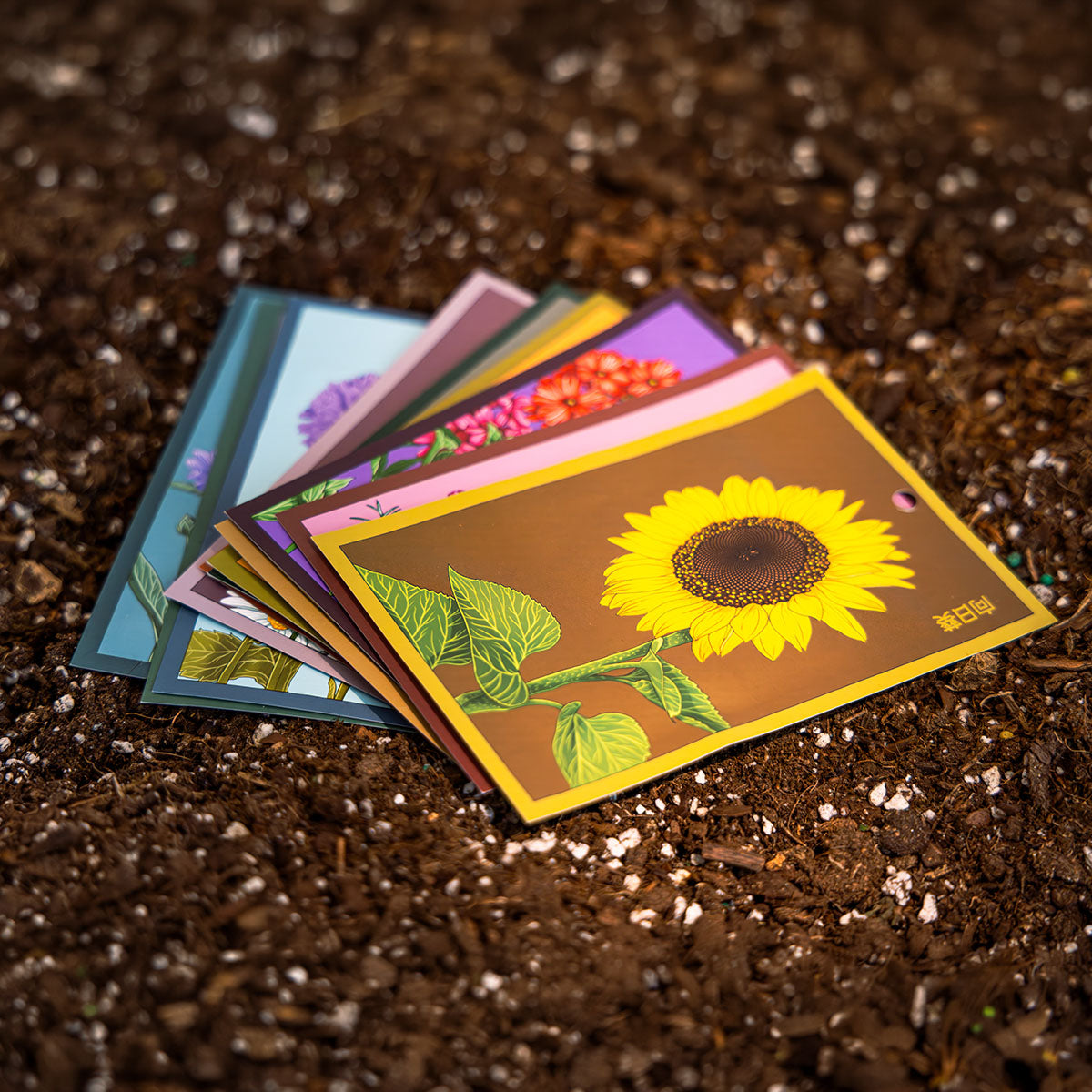
Every Shido seed packet is illustrated in the style of Japanese 1910s woodblock printing -- designed and drawn in-house by Chive, that has been exhibiting at the Chelsea Flower Show in London every year and does not, as a matter of principle, sell to big-box retailers. Customers collect the packets as a series. This was not the original plan.

Shipping & returns

Shipping

  • Free shipping: Orders $200+ within the US
  • Standard: 5–8 business days, Express 2–3 business days (at checkout)
  • International Ships: to 40 countries — rates at checkout
  • Packaging Ships: in outer box to protect gift box

View full shipping policy →

Returns

We accept returns within 30 days of delivery on unused items in original packaging. If your piece arrives damaged, contact us within 7 days with a photo and we will replace it at no charge.

View full return policy →

Satisfaction Guarantee

We stand by the quality of our flower seed packets! Every Shido seed packet is lab-tested for germination before it ships. If your seeds do not perform to the stated germination rate under correct growing conditions, contact us and we will replace or refund. Guaranteed!

Wholesale Inquires

Have a cool shop? Know someone that does?

Find Chive on Faire →

Radish Horticultural Specifications

Botanical

Lactuca sativa L. var. longifolia

Plant Type

Annual

Light

Full sun

Water

Consistent, even moisture

Soil

Loamy, fertile, well-drained, (rich in organic matter)

Depth

1/4 in

Germination

7-10 days

USDA Zone

2-11

Mature Height

8-10 in

Harvest

70-85 days


Getting to know Romaine Lettuce

Romaine lettuce grows in a distinctly upright formation, with long, sturdy leaves ranging from light to dark green depending on how close to the outer edge of the head they sit. The leaves carry a slightly bitter edge balanced by ribs that provide a genuinely refreshing crunch, which is really the whole reason romaine has become the standard base for a proper Caesar salad. Rather than forming a tight, compact round head the way iceberg lettuce does, romaine typically grows into a looser, more open head that's easier to separate leaf by leaf when harvesting. It thrives in cool weather and well-drained, fertile soil, and consistent watering throughout the season keeps the leaves genuinely crisp rather than tough or bitter under stress. Romaine holds up notably well to heartier dressings and toppings compared to more delicate lettuce varieties, which is part of why it's remained a kitchen staple well beyond just Caesar salad specifically. Harvesting outer leaves as needed extends a single planting's usefulness, though the whole head can also be cut at once for a more traditional presentation. Few lettuces balance genuine crunch with this much structural sturdiness in the same leaf. That combination is really what sets romaine apart from milder, softer varieties nearby.


History & origin

Ancient Egypt

Lettuce (Lactuca sativa) was cultivated in ancient Egypt at least 4,000 years ago, originally grown for its seeds and oil before being selectively bred for its leaves.

Ancient Greece & Rome

Romans named this upright type "Cos" lettuce after the Greek island of Kos, where it was reportedly first cultivated in its modern form; the name "Romaine" reflects its later association with Roman cultivation and cuisine.

Medieval & Renaissance Europe

Romaine remained a prized lettuce type through the medieval and Renaissance periods, valued for its crisp texture and better heat tolerance than more delicate lettuce types.

20th Century, United States

Romaine became strongly associated with Caesar salad, invented in the 1920s in Tijuana, Mexico, which significantly boosted its popularity and recognition in North America.

Today

One of the most widely consumed lettuce types in North America, particularly for salads.

Shido Vegetable and Flower Seeds Vacuum sealed for peak freshness

Step-by-Step Sowing & Growing Guide

Getting Started

Annual, cool-season

Step 1: Timing - Direct sow or transplant in early spring and again in late summer -- avoid peak summer heat.

Step 2: Soil - Rich, well-drained loam, pH 6.0-7.0.

Step 3: Sowing - ⅛-¼ inch deep. Germinates poorly above 80°F.

Step 4: Ongoing care - Keep moisture consistent -- inconsistent watering plus heat is what triggers early bolting and bitterness.

Step 5: Harvest - Cut the whole head at soil level, or take outer leaves cut-and-come-again style. Morning harvest gives the crispest texture.

Before you start

Materials needed to sow

  • Garden bed or seed trays: Can be direct sown or transplanted.
  • Seed-starting mix (if transplanting): For a clean, early start.
  • Row cover (optional): Extends the cool-season window and deters early pests.

Materials for harvest and storage

  • A knife: For cutting the whole head at soil level.
  • Basket: For collecting heads or leaves.
  • Salad spinner and airtight storage: For removing moisture and extending fridge life.

Tip: Harvest in the morning after dew has dried -- this gives noticeably crisper texture and better shelf life than an afternoon harvest, when leaves have already lost some moisture to the day's heat.

Growth Requirements

Light:

  • Prefers full sun (at least 6 hours per day) but can tolerate partial shade in warmer climates.

Soil:

  • Grows best in loamy, well-draining soil rich in organic matter.
  • Ideal soil pH: 6.0-6.8.
  • Adding compost before planting improves moisture retention and nutrients.

Watering:

  • Requires consistent moisture to prevent bitterness and bolting.
  • Water deeply and evenly, keeping soil slightly moist but not soggy.
  • Mulching around the plants helps retain moisture and regulate soil temperature.

Temperature & Climate:

  • Thrives in cool weather, with optimal growth at 55-70°F (13-21°C).
  • Can tolerate light frosts but struggles in excessive heat.
  • Shade cloth or afternoon shade can extend the growing season in summer.

Fertilization:

  • Apply a balanced, organic fertilizer (such as a 10-10-10 formula) every 2-3 weeks.
  • Side-dress plants with compost or aged manure for additional nutrients.

Maintenance

Mulching:

  • Apply a light layer of mulch around plants to retain moisture and regulate soil temperature.

Pruning & Thinning:

  • Thin seedlings early to prevent overcrowding.
  • Remove outer leaves regularly to encourage new growth.

Harvesting:

  • Romaine lettuce is ready to harvest in 60-75 days.
  • Cut outer leaves individually or harvest the entire head by cutting at the base.
  • For a continuous harvest, plant new seeds every 2-3 weeks.

Refrigeration:

  • Store unwashed romaine in a perforated plastic bag in the refrigerator for up to 10 days.
  • Wash just before use to prevent excess moisture buildup.

Freezing:

  • Blanch and freeze for soups or smoothies, though texture may change.

Troubleshooting and common mistakes

  • Planting through peak summer heat — bolts and turns bitter quickly once temperatures climb -- plant early enough to mature before hot weather, or plan for afternoon shade
  • Harvesting late in the day — morning harvest, after dew dries, gives noticeably crisper texture and better shelf life

Culinary uses & nutritional information

What it's used for

1. Culinary Uses:

  • The crisp texture and mild flavor make it a favorite for salads.
  • Leaves can be used as a low-carb wrap alternative.
  • Romaine lettuce is often grilled or sautéed to bring out its sweetness.
  • Its sturdy leaves hold dressings well, making it ideal for heartier salads.

2. Nutritional Benefits:

  • High in vitamin A, which supports eye health.
  • Good source of vitamin K, essential for bone health and blood clotting.
  • Contains antioxidants and fiber, aiding digestion and overall wellness.
  • Low in calories and high in water content, making it hydrating and diet-friendly.

3. Ornamental and Companion Planting:

  • Romaine lettuce makes an excellent border plant in vegetable gardens.
  • It pairs well with carrots, radishes, and onions, as they help deter pests.
  • Acts as a natural mulch by shading the soil and retaining moisture.

What parts are edible

  • Leaves: The whole head is eaten -- there is no separate inedible part beyond the very base where roots attach.

Nutritional data

Raw romaine, per 100g

Calories: 17 kcal

  • Carbohydrates: 3.3 g
  • Protein: 1.2 g
  • Total fat: 0.3 g
  • Dietary fiber: 2.1 g
  • Vitamin C: 4 mg (4% RDA)
  • Folates: 136 µg (34% RDA) -- surprisingly good for a mostly-water lettuce
  • Potassium: 247 mg
  • Cholesterol: 0 mg
  • Vitamin A and K: both notably higher than pale iceberg-type lettuce

Companion plants, pests & diseases

Companion planting

Good companions

  • Carrots, radishes — classic companion pairing, low competition
  • Cucumbers, strawberries, onions — compatible timing and low competition

Poor companions / avoid

  • Crowded plantings generally — no strongly antagonistic companion documented, but crowding raises disease risk for this crop

Pests

  • Aphids — cluster in the tight leaf center, harder to spot than on open-leaf lettuce
  • Slugs and snails — damage at soil level, worse in wet conditions
  • Leafminers — tunneling trails in leaves

Diseases

  • Downy mildew — named modern romaine varieties often carry resistance to specific races -- worth asking about for this SKU
  • Lettuce drop (Sclerotinia) — causes sudden collapse at the base, favored by wet soil
  • Bottom rot — affects lower leaves in contact with wet soil

Pro Tip

For crisp, tender romaine lettuce, keep the soil consistently moist and harvest leaves from the outside first to encourage continuous growth. To prevent bitterness, provide partial shade in hot weather and water in the morning to keep plants cool throughout the day.

Bonus: Succession plant every two weeks for a steady supply!

Seeds worth keeping

What makes Shido Seeds different

Shido Seeds are designed by Chive Studio, a ceramic design company. We are not a seed conglomerate. We do not sell through big-box retailers. Each variety in the catalog was selected because it is worth growing — not because it ships well in bulk or photographs well in marketing materials.

Every packet is germination-tested at an independent third-party lab before it earns its woodblock illustration. The vacuum seal removes the oxygen that causes standard paper packets to degrade. The stated germination rate is a floor, not a marketing figure.

If something goes wrong, contact us. We will make it right.

Plants that Grow together look good together...even if they are ceramic
A Looser-Leaf Alternative
For a lettuce that skips the upright head entirely, Green Leaf Lettuce grows under nearly identical conditions with a softer, more casual shape.

Vegetable Shido Seeds packets — by Chive Studio Toronto

The Rest of the Vegetable Garden

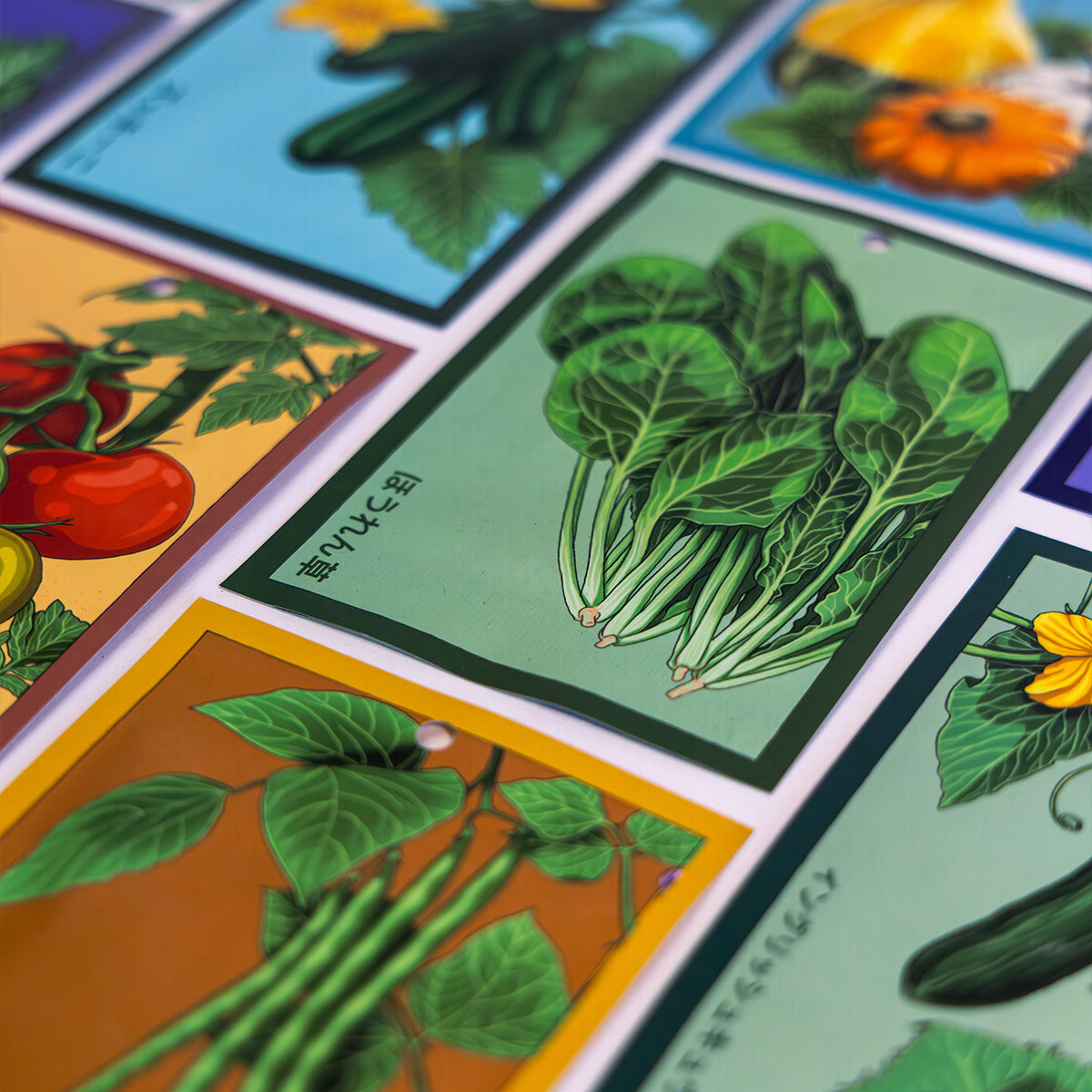
This sits within Shido's wider vegetable seed collection, spanning upright, structured lettuces and looser, leafier types alike.

Buttercup Yellow Gay Paree Peony - Chive Ceramics Studio - Ceramic Flowers - Chive Ceramics Studio

Crunch Without the Wilt

Romaine loses its crunch within days of harvest, but Chive's Ivory Amandine Ranunculus keeps its crisp, defined shape on a shelf indefinitely.

Chive Shido seed packets with botanical illustrations on a peg rack, showing cherry blossom, tomato, and eggplant designs.

The credentials behind the packet

A lettuce built around structure and crunch needs a seed that shows up just as reliably as the texture it eventually produces. Every packet gets vacuum-sealed at the source specifically to protect that outcome, since oxygen exposure is what actually weakens seed sitting on a shelf. Romaine's staying power as a kitchen staple depends on consistent results season after season, not just one good crop. That reliability is really what earns a variety its lasting place in a rotation, seed included. A salad staple this reliable earns that trust one good packet at a time. Consistency here matters as much as crunch does on the plate. Reliability rarely gets noticed directly, right up until it's missing.


Plant Care, Simplified with Chive

Keep it alive, keep it thriving. Let's make plant parenthood look easy.

Do Seeds Expire? How Long Do Seeds Last | Shido

Todd Newgren
Seeds don't expire — they lose viability as oxygen depletes stored energy, and vacuum sealing is the fix. Chive's Shido Seeds are vacuum-sealed, germination-tested, and stocked ...
Read more

Are Seed Packets GMO? The Honest Answer

Todd Newgren
Are seed packets GMO? No—home garden seed packets, Shido included, are never genetically modified, since GMO seed is only made for large-scale commercial crops. The non-GMO badg...
Read more

Frequently asked questions

What is the best way to grow romaine lettuce from seed?

Romaine thrives in cool weather and well-drained, fertile soil, growing upright with sturdy leaves that develop their signature crunch best under consistent watering rather than stressed, inconsistent conditions. Mulching also helps regulate soil moisture during unpredictable spring or fall temperature swings. Mulching also helps regulate soil moisture during unpredictable seasonal temperature swings.

Why is romaine the standard lettuce for Caesar salad?

Its sturdy ribs provide a genuinely satisfying crunch that holds up to a heavier dressing, unlike more delicate lettuce varieties that would wilt or go soggy under the same treatment. That structural sturdiness is really the whole reason romaine became the standard base for that particular salad. That sturdiness is really the whole reason it became the standard base for that dish.

Does romaine form a tight head like iceberg lettuce?

No, generally not — romaine typically grows into a looser, more open head, which makes it easier to separate leaf by leaf compared to iceberg's dense, compact structure. Either growth habit produces the same crisp, familiar texture people actually associate with romaine specifically. Either shape delivers the same crisp texture people specifically associate with romaine.

Can you harvest romaine leaf by leaf?

Yes, outer leaves can be picked as needed to extend a single planting's usefulness, though many gardeners also harvest the entire head at once for a more traditional presentation. Harvesting outer leaves first also lets the inner leaves keep developing for a later picking. Harvesting outer leaves first also gives inner leaves more time to keep developing.

Why does romaine sometimes taste bitter?

A slightly bitter edge is actually characteristic of the variety, balanced by the crisp ribs, though heat stress or inconsistent watering can intensify that bitterness beyond what's typical. That balance between bitterness and crunch is really what defines the variety's overall character. That balance between bitterness and crunch is really what defines the variety's character.

How long do romaine lettuce seeds last?

Vacuum-sealed Shido Seeds packets stay viable for up to 10 years when stored properly, compared to roughly one year for a standard paper seed packet exposed to normal air and humidity. Cool, dry storage further extends that shelf life beyond the basic guarantee. That reliability matters given how much this variety's reputation depends on consistent texture.

Can romaine be grown in containers?

Yes, provided the container is wide enough to support the upright growth habit and receives consistent watering to keep the leaves genuinely crisp rather than tough. A five-gallon container generally provides enough room for a full-sized romaine plant to develop properly. A five-gallon container generally provides enough room for a full romaine plant.

Are these seeds lab-tested for germination?

Yes — every Shido Seeds packet, romaine included, is germination-tested at independent third-party labs before it ever reaches a shelf. That scrutiny matters given how much this variety's reputation depends on consistent texture. No shortcuts taken on a variety this widely relied upon. No shortcuts taken across the whole catalog.

Verte Rx Shiny Leaves for Plants - Chive Ceramics Studio - Chive Ceramics Studio

The seed is the start. Verte RX handles the rest.

Most seedlings fail not from bad seed but from soil that runs out of what the plant needs before the plant can find it. Verte RX is a liquid plant vitamin formulated for exactly that window — the weeks after germination when the root system is establishing and the margin between thriving and stalling is narrowest.