Siberian Crabapple Fruit Seeds Packet

Regular price $4.95
Vacuum Sealed
NON-GMO
Seed Pack Guarantee

Build Your Garden With These Shido Seeds

Choose a seed packet as your starting point, then round out the bed with these for that thrown-together-but-somehow-perfect harvest.


Siberian crabapple seeds grow into a cold-hardy ornamental tree that produces clouds of white spring blossom followed by small red autumn fruit. Shido siberian crabapple seeds are non-GMO and hermetically vacuum-sealed, so the seed can wait out a long winter and then some without losing viability. Standard paper-packed seeds begin losing germination viability after approximately one year.

Growing a Siberian crabapple from seed is a commitment measured in years, which is precisely what makes it satisfying once the blossom finally arrives. It shrugs off cold that would end lesser trees, then produces fruit anyway, as if the winter had been more of an inconvenience than an actual obstacle worth mentioning to anyone. The blossom shows up first, unbothered, like it never doubted the outcome. Every packet ships germination-tested at independent third-party labs before packaging, a formality the seed has already outlasted many times over inside its vacuum seal.

Seed specifications
  • Material: Seed
  • Botanical name: m. baccata
  • Genus: Malus
  • Plant family: Rosaceae
  • Species: baccata
  • Plant type: Perennial tree
  • Pollination type: Vegetable
  • USDA Hardiness Zones: 2 zone
  • Packet contents: ≈ 30 Seeds
  • Packaging: Hermetically vacuum-sealed
  • Non-GMO: Yes
  • Seed viability: Up to 10 years (sealed) / 4–5 years (unsealed, ideal conditions)
  • Difficulty: Expert - Advanced Grower
Sowing & growing guide

Quick Sowing Guide:

  • When to sow: Sow after cold stratification
  • Sowing depth: 1/2 inch
  • Initial spacing: 15-20 ft
  • Row spacing: 15–20 ft
  • Days to germination: 21 to 42 days
  • Light: Full Sun
  • Water: Moderate
  • Soil: Well-drained
  • Harvest: 3-5 years

Start Growing: Step-by-step sowing and growing guide

About vacuum sealing

Why Vacuum-Sealed Seeds Last Longer

Standard paper seed packets are permeable to oxygen and moisture -- the two primary causes of seed degradation. Most paper-packaged seeds begin losing germination viability after approximately one year, contributing to significant garden-industry waste: packets purchased, not planted, expired, discarded. Shido Seeds are hermetically vacuum-sealed. The packet does not expire quietly in a drawer. It waits.

About the Packaging

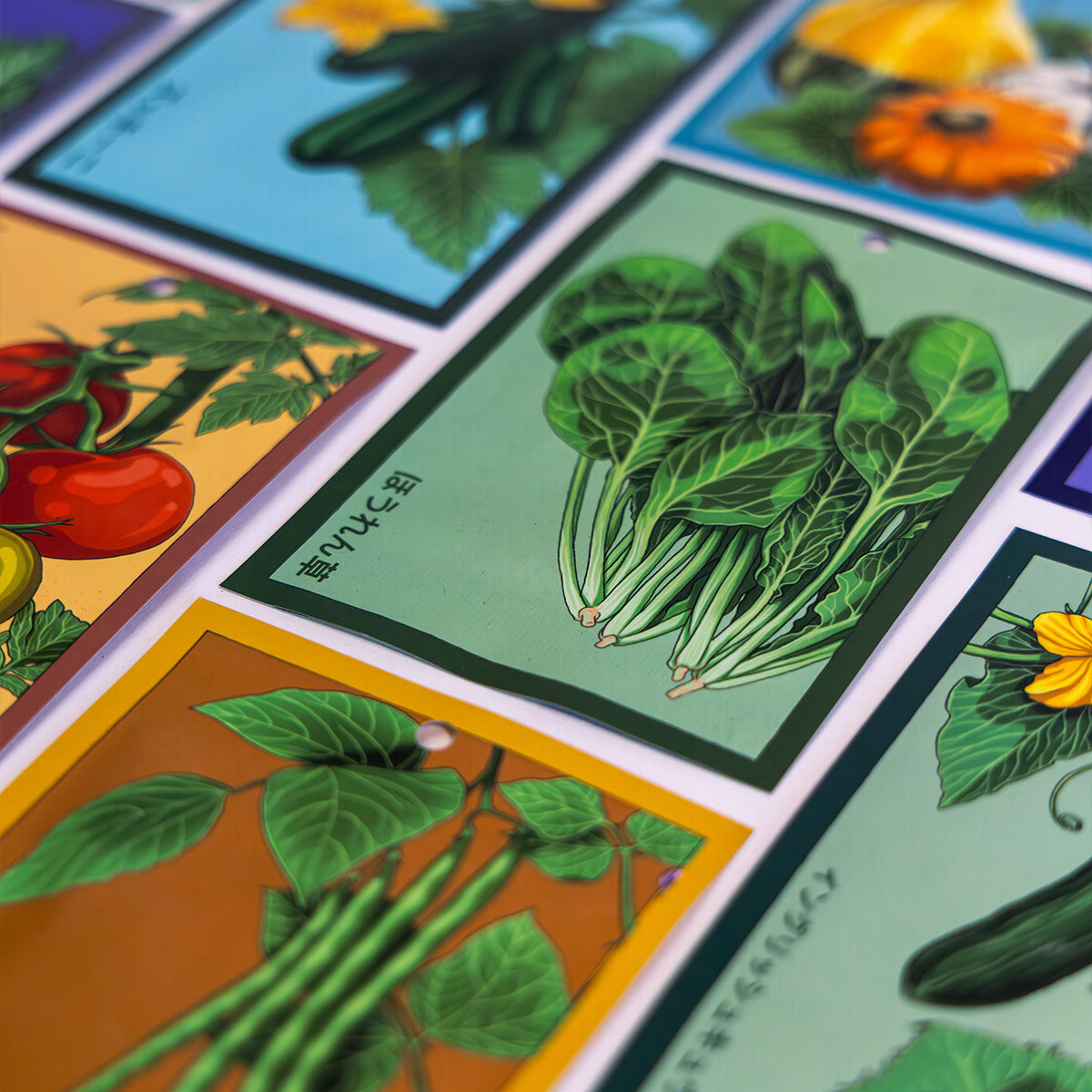
Every Shido seed packet is illustrated in the style of Japanese 1910s woodblock printing -- designed and drawn in-house by Chive, that has been exhibiting at the Chelsea Flower Show in London every year and does not, as a matter of principle, sell to big-box retailers. Customers collect the packets as a series. This was not the original plan.

Shipping & returns

Shipping

  • Free shipping: Orders $200+ within the US
  • Standard: 5–8 business days, Express 2–3 business days (at checkout)
  • International Ships: to 40 countries — rates at checkout
  • Packaging Ships: in outer box to protect gift box

View full shipping policy →

Returns

We accept returns within 30 days of delivery on unused items in original packaging. If your piece arrives damaged, contact us within 7 days with a photo and we will replace it at no charge.

View full return policy →

Satisfaction Guarantee

We stand by the quality of our flower seed packets! Every Shido seed packet is lab-tested for germination before it ships. If your seeds do not perform to the stated germination rate under correct growing conditions, contact us and we will replace or refund. Guaranteed!

Wholesale Inquires

Have a cool shop? Know someone that does?

Find Chive on Faire →

Radish Horticultural Specifications

Botanical

m. baccata

Plant Type

Perennial tree

Light

Full Sun

Water

Moderate

Soil

Well-drained

Depth

1/2 inch

Germination

21 to 42 days

USDA Zone

2 zone

Mature Height

15–50 ft

Harvest

3-5 years
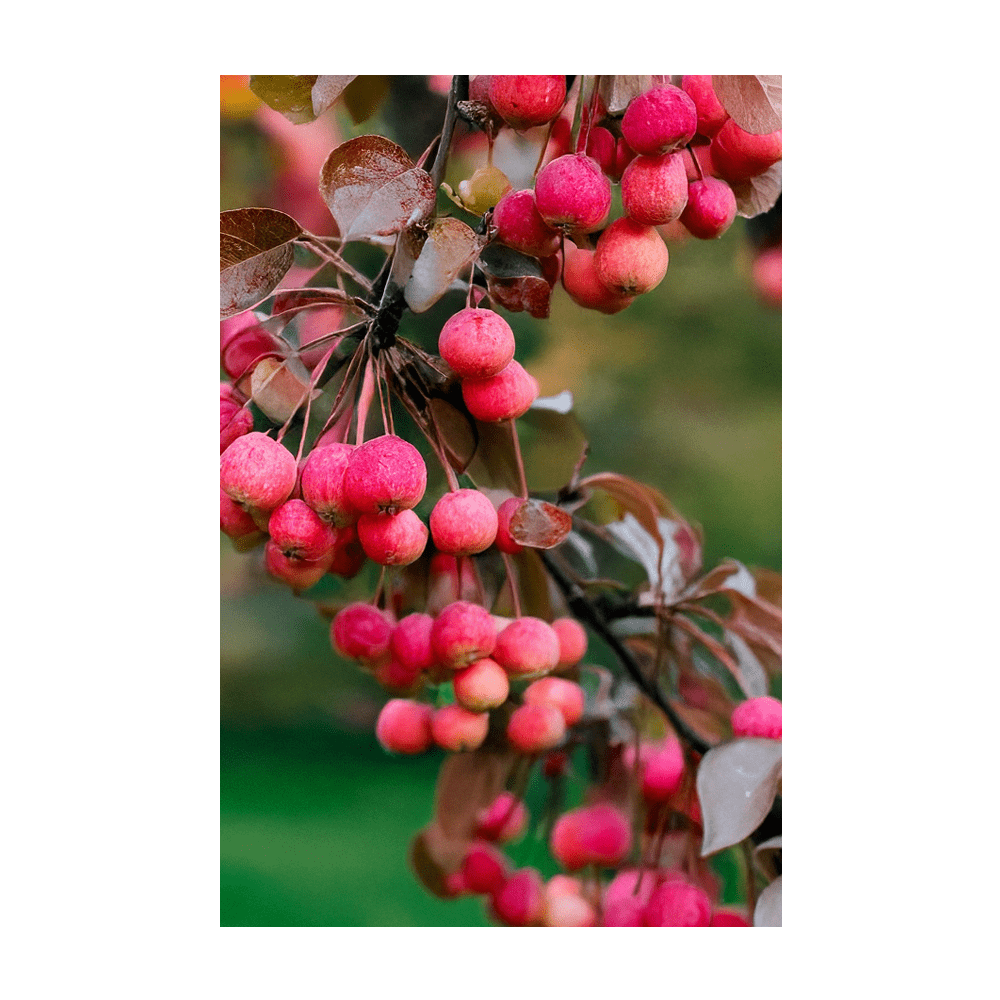

Siberian Crabapple seeds cold stratification - Shido Seeds by Chive

Getting to know your Siberian Crabapple

Siberian Crabapple is the type of tree that doesn't flinch when weather turns genuinely ugly. Cold-hardy, compact, and remarkably resilient, it's the survivalist of the orchard, a small tree with real grit and surprising charm layered underneath that hardiness. Siberian Crabapples also make excellent rootstock for grafting other apple varieties, quietly holding everything together behind the scenes in orchards that rely on them for exactly that structural purpose. They're genuinely disease-resistant, tolerant of poor soils that would stress out a fussier tree, and they make a fantastic wildlife tree that draws birds and pollinators alike throughout the season. This isn't a typical ornamental; it's a tree with real purpose, attitude, and history behind it. Whether planted for beauty, resilience, or its surprisingly useful fruit, the Siberian Crabapple holds its ground through conditions that would genuinely challenge a less hardy variety. Few trees combine this much practical toughness with this much quiet, understated charm in the same trunk. That combination is really the whole reason it's remained a staple choice for gardeners who want reliability over fuss. Few trees ask for this little while offering back quite this much. Toughness and charm rarely come paired together quite this well. A survivalist tree that still turns heads.


History & origin

Ancient Origin

Malus baccata is native across a vast range spanning Siberia, Mongolia, northern China, and Korea, and has been part of the regional landscape and diet of these areas for millennia before formal cultivation records exist.

Traditional Use

Indigenous peoples across its native range used the small, tart fruit fresh, dried for winter storage, and cooked into preserves -- practical uses that persist in the region today.

Introduction to Horticulture & Breeding

Because of its extreme cold hardiness (surviving temperatures beyond -40°F), Malus baccata became an important breeding parent used by horticulturalists to improve the hardiness of ornamental crabapples and domestic apple varieties grown in harsh northern climates, a role it has played since at least the 19th century in Western horticulture.

Today

Valued both as an extremely hardy ornamental and orchard tree and as foundational breeding stock -- many cold-hardy modern crabapple varieties carry Malus baccata somewhere in their ancestry.

Shido Vegetable and Flower Seeds Vacuum sealed for peak freshness

Step-by-Step Sowing & Growing Guide

Getting Started

Perennial Tree -- multi-year timeline

Step 1: Understand the timeline first - This is a tree, not a bramble or annual -- expect years, not months, before flowering and fruiting begin, and full maturity over a much longer horizon than any other product here.

Step 2: Scarify and stratify seed - Soak seed in water for 24 hours, then cold stratify for 30-90 days (refrigerated in a slightly moist bag with sand works well). This step is not optional -- seed will not germinate reliably without it.

Step 3: Sowing - Sow ⅛-¼ inch deep in a cold frame or seed tray, tamping soil and mulching the bed. Germination can take until late winter or spring after stratification, and unevenly at that.

Step 4: Soil - Well-drained loamy soil; tolerates a wide pH range and even heavy clay once established.

Step 5: Transplant - Move seedlings to larger pots once they have several true leaves; plant out in a permanent spot once well-rooted, ideally with some winter protection in the first year.

Step 6: Ongoing care - This species is extremely cold-hardy (to zone 2) and low-maintenance once established -- the tree is self-fertile, so a single specimen can produce fruit.

Step 7: Harvest - Small red or yellow fruits ripen in fall and often persist into winter -- pick once fully colored for fresh eating, cooking, drying, or jelly.

Before you start

Materials needed to sow

  • A container of water: For the 24-hour soak (scarification) that softens the seed coat before stratification -- skipping this step reduces germination odds.
  • A sealable bag and moist sand or peat: For cold stratification -- seed needs 30-90 days refrigerated in this slightly damp medium before it will germinate reliably. This is not optional for this species.
  • Refrigerator space: To hold the stratifying seed at a consistent cold temperature for the full stratification period.
  • Cold frame (or seed trays kept in an unheated but sheltered spot): The traditional method for sowing after stratification -- seed is often sown in fall and left to germinate on its own timeline through late winter into spring.
  • Seed trays or small pots: For sowing and the first season of growth once germination begins.
  • A progression of larger nursery pots: Since this becomes a substantial tree, expect to repot seedlings up through at least one or two container sizes before they're ready for a permanent planting site.
  • A stake and soft tie: Young trees often benefit from a support stake for their first couple of years, especially in windy sites.
  • Winter protection (burlap or extra mulch): Recommended for first-winter seedlings before they've built up the mature plant's exceptional cold hardiness.

Materials for harvest and storage

  • A sturdy basket or bucket: Crabapples are firmer than berries and tolerate being piled several layers deep without crushing.
  • A ladder: Worth having on hand once the tree matures -- fruit at the top of an established tree won't be reachable from the ground.
  • Pruners or simply twisting by hand: Ripe fruit typically detaches with a gentle twist; pruners help for fruit that's more stubborn or awkwardly placed.
  • A dehydrator or drying rack: Crabapples are commonly dried for winter storage given their tart, concentrated flavor.
  • Canning jars and jelly-making supplies: The most traditional use for this fruit -- worth having on hand at harvest time rather than scrambling for supplies once the crop is in.

Tip: A light frost genuinely improves flavor on fruit still on the tree, mellowing some of the tartness -- if a frost is coming and the crop is otherwise ready, it's often worth waiting for it rather than picking early.

Growth Requirements

Light:

  • Requires full sun.

Soil:

  • Tolerates a wide pH range and even heavy clay soil, though well-drained soil supports the healthiest growth.

Watering:

  • Regular watering while young and establishing; drought tolerant once mature.

Temperature & Climate:

  • Exceptionally cold-hardy, to zone 2 — the most cold-tolerant product in this entire catalog.
  • Thrives in genuinely cold climates better than almost any other fruiting plant covered so far.

Fertilization:

  • Apply a balanced fertilizer in early spring while the tree is young.
  • Minimal fertilization needed once established.

Maintenance

Structural Pruning:

  • Prune to shape while the tree is young; mature trees need little beyond removing dead or damaged wood.

Mulching:

  • Mulch around the base to retain moisture and suppress weeds, keeping mulch pulled back from direct contact with the trunk.

Pruning:

  • See structural pruning above — this is largely a low-maintenance tree once established.

Watering:

  • Water regularly while young; drought tolerant once mature.

Harvesting:

  • Pick once fruit is fully colored in fall — a light frost genuinely improves flavor if timing allows.

Storing:

  • Keeps well dried or made into jelly and preserves.
  • Fresh fruit is best used within days to a couple of weeks, given its firm, tart character.

Troubleshooting and common mistakes

  • Skipping stratification — seed will not germinate reliably without 30-90 days of cold, moist stratification first
  • Impatience — this is a multi-year tree, not a single-season crop -- expecting quick results is the most common mismatch of expectations
  • Planting near junipers without knowing about cedar-apple rust — a commonly overlooked disease risk specific to this genus

Culinary uses & nutritional information

What it's used for

1. Culinary Uses:

  • Made into jelly and preserves, its most classic use.
  • Pickled whole as a traditional preparation.
  • Dried for snacking or winter storage.
  • Pressed for cider or juice.

2. Nutritional & Wildlife Value:

  • Source of vitamin C and dietary fiber.
  • Fruit persists into winter and serves as a genuine food source for birds and other wildlife.

3. Garden & Decorative Uses:

  • Used as a flowering and fruiting specimen tree, with spring blossoms followed by a fall fruit display.
  • Makes an excellent windbreak or hedge tree given its dense growth and extreme cold hardiness.
  • A useful pollinator companion for other fruit trees flowering nearby.

What parts are edible

  • Fruit: Edible raw or cooked -- quite tart and astringent eaten fresh, which is why it's more commonly cooked down into jelly, dried for winter storage, or used in preserves rather than eaten out of hand like a domestic apple.
  • Seeds: NOT recommended for eating in quantity -- like apple and other Malus seeds, crabapple seeds contain small amounts of cyanogenic compounds. The amount in a few accidentally swallowed seeds is not a practical concern, but seeds should not be deliberately eaten or ground into food.
  • Flowers: Technically edible, similar to other apple blossoms, though rarely used culinarily -- mostly of ornamental and pollinator value rather than a real harvest.

Nutritional data

Raw crabapple, per 100g

Calories: 76 kcal

  • Carbohydrates: 19.4 g
  • Protein: 0.4 g
  • Total fat: 0.3 g
  • Dietary fiber: ~1.5 g
  • Vitamin C: 8 mg (9% RDA)
  • Folates: not well documented for crabapple specifically
  • Potassium: ~194 mg (estimated)
  • Cholesterol: 0 mg
  • Overall: crabapples run notably higher in calories and carbohydrates than domestic apples per 100g, reflecting their smaller size, thicker skin-to-flesh ratio, and higher acid/sugar concentration -- prized more for cooking and preserving (jelly) than fresh eating for exactly this reason

Companion plants, pests & diseases

Companion planting

Good companions

  • Chives, garlic planted at the base — said to help deter some common apple-family pests
  • Comfrey — deep-rooted companion, cut leaves used as mulch

Poor companions / avoid

  • Black walnut — many Rosaceae family trees, including crabapples, are sensitive to juglone, a growth-inhibiting compound black walnut roots release into the soil
  • Eastern red cedar / juniper, in close proximity — these serve as the alternate host for cedar-apple rust, a disease that affects the crabapple

Pests

  • Apple maggot — larvae tunnel through fruit; affects eating quality more than tree health
  • Codling moth — larvae bore into fruit
  • Aphids — cluster on new growth

Diseases

  • Fire blight — a serious bacterial disease affecting the whole Malus genus -- blackened, scorched-looking shoot tips; prune out and destroy infected wood well below the visible damage
  • Cedar-apple rust — orange-spotted leaves, requires a nearby juniper host to complete its life cycle
  • Apple scab — dark, scabby leaf and fruit lesions, worse in wet springs

Pro Tip

After transplanting your cold-stratified seedlings, plant them in full sun with well-draining soil and mulch around the base. Protect young trees from late frost and rodents with a tree guard or wire mesh.

Seeds worth keeping

What makes Shido Seeds different

Shido Seeds are designed by Chive Studio, a ceramic design company. We are not a seed conglomerate. We do not sell through big-box retailers. Each variety in the catalog was selected because it is worth growing — not because it ships well in bulk or photographs well in marketing materials.

Every packet is germination-tested at an independent third-party lab before it earns its woodblock illustration. The vacuum seal removes the oxygen that causes standard paper packets to degrade. The stated germination rate is a floor, not a marketing figure.

If something goes wrong, contact us. We will make it right.

Plants that Grow together look good together...even if they are ceramic
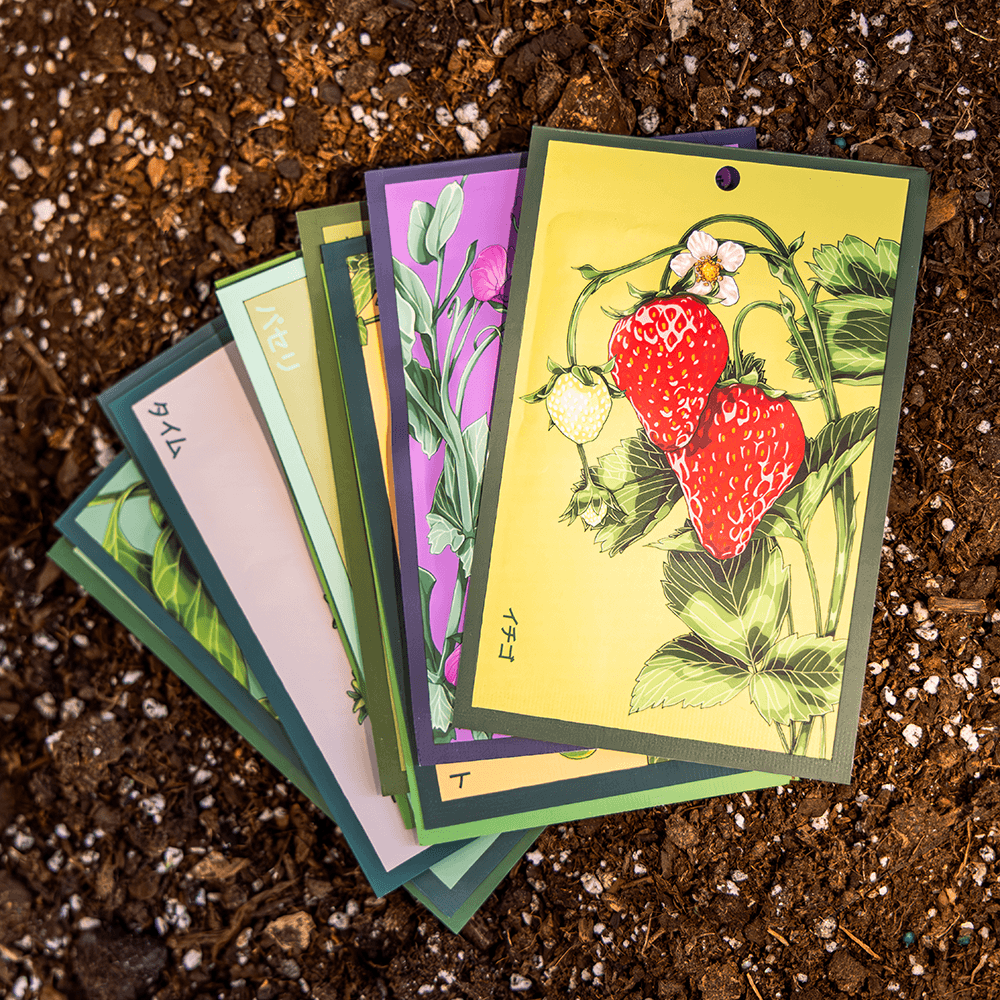
Set of Chive Shido Seeds packets with fruit and flower illustrations on a soil background.

A Sweeter Summer Alternative

For a fruit built around summer heat rather than cold-hardy toughness, Watermelon trades crabapple's resilience for pure warm-season sweetness.

Vegetable Shido Seeds packets — by Chive Studio Toronto

More From the Fruit & Berry Lineup

This belongs to Shido's fruit and berry seed lineup, where cold-hardy trees sit alongside heat-loving vines and brambles.

Buttercup Yellow Gay Paree Peony - Chive Ceramics Studio - Ceramic Flowers - Chive Ceramics Studio

Resilience Without the Wait

A crabapple tree takes real time to establish its toughness, but Chive's Ivory Monch Aster holds up on a shelf from the very first day.

Chive Shido seed packets with botanical illustrations on a peg rack, showing cherry blossom, tomato, and eggplant designs.

The credentials behind the packet

Durability was never an afterthought in the studio's ceramic work; a piece meant to last decades gets built differently from one designed for a single season. Siberian Crabapple carries that same philosophy into the orchard, a tree bred for genuine toughness rather than fleeting ornamental appeal. The studio seals every packet against oxygen with that same long-term thinking, since a tree this built to endure deserves a seed just as durable at the very beginning. Real resilience, in a glaze or a rootstock, always starts with getting the foundation right before anything else gets added on top. A foundation built to last starts well before the first root ever takes hold.


Plant Care, Simplified with Chive

Keep it alive, keep it thriving. Let's make plant parenthood look easy.

How to Plant Zinnia Seeds | Shido Seeds Guide

Todd Newgren
Zinnia seeds germinate in 7 days and bloom all summer long. You plant one packet thinking "a little color." By August, the zinnias have taken over. Learn the one rule that keeps...
Read more

Do Seeds Expire? How Long Do Seeds Last | Shido

Todd Newgren
Seeds don't expire — they lose viability as oxygen depletes stored energy, and vacuum sealing is the fix. Chive's Shido Seeds are vacuum-sealed, germination-tested, and stocked ...
Read more

Frequently asked questions

What is the best way to grow Siberian Crabapple?

Siberian Crabapple tolerates poor soils and genuinely harsh conditions better than most fruit trees, making it a strong choice for a gardener who wants resilience without demanding constant attention. That resilience also means less time spent worrying about soil amendments or specialized care routines. That low-maintenance nature makes it a strong choice for a gardener who wants reliable results.

Why is Siberian Crabapple used as rootstock for other apples?

Its exceptional cold-hardiness and disease resistance make it a sturdy foundation for grafting less hardy apple varieties, effectively lending its toughness to a more delicate fruit above the graft. That grafting relationship lets orchardists combine crabapple toughness with a more delicate variety's superior fruit quality. That combined resilience and quality is really the whole point of grafting onto a hardy rootstock.

Is Siberian Crabapple fruit edible?

Yes — the small red autumn fruits are edible, most commonly used in jellies and preserves rather than eaten fresh, since they carry a notably tart flavor on their own. Cooking down the tart fruit with sugar mellows that sharpness into something genuinely spreadable and enjoyable. A simple crabapple jelly is one of the more traditional and rewarding uses for the fruit.

Does Siberian Crabapple attract wildlife?

Yes, genuinely — it makes an excellent wildlife tree, with both the spring blossoms and autumn fruit drawing pollinators and birds throughout the growing season. That wildlife value adds real ecological benefit beyond just the tree's ornamental and practical uses. That ecological role adds genuine value beyond what a purely ornamental tree would offer.

How cold-hardy is Siberian Crabapple?

Exceptionally so — it holds up to genuinely harsh winter conditions that would damage or kill a less hardy ornamental tree, which is really the whole reason it's prized as rootstock. That hardiness is really the entire reason it's remained a trusted choice across generations of orchardists. Few ornamental trees combine that level of toughness with genuinely attractive spring blossoms.

How long do Siberian Crabapple seeds last?

Vacuum-sealed Shido Seeds packets stay viable for up to 10 years when stored properly, compared to roughly one year for a standard paper seed packet exposed to normal conditions. A foundation built to last starts well before the first root ever takes hold. Cool, dry storage further extends that shelf life well past the basic guarantee.

Does Siberian Crabapple need a lot of space to grow?

Its compact size compared to a standard apple tree makes it a reasonable choice even for a smaller yard, without sacrificing the toughness and resilience it's known for. Its manageable size also makes pruning and maintenance considerably easier than with a larger fruit tree. That combination of compact size and toughness suits a wider range of garden situations.

Was this seed line shown at a major flower show?

Chive has exhibited its seed line at the Philadelphia Flower Show, where feedback from professional growers has helped shape several varieties currently offered in the catalog. That scrutiny matters given how widely this variety gets used as a grafting foundation. That trade show presence has helped shape several varieties currently offered in the catalog.

Verte Rx Shiny Leaves for Plants - Chive Ceramics Studio - Chive Ceramics Studio

The seed is the start. Verte RX handles the rest.

Most seedlings fail not from bad seed but from soil that runs out of what the plant needs before the plant can find it. Verte RX is a liquid plant vitamin formulated for exactly that window — the weeks after germination when the root system is establishing and the margin between thriving and stalling is narrowest.