Watermelon Fruit Seeds Packet

Regular price $4.95

Vacuum Sealed
NON-GMO
Seed Pack Guarantee

Build Your Garden With These Shido Seeds

Choose a seed packet as your starting point, then round out the bed with these for that thrown-together-but-somehow-perfect harvest.


Watermelon seeds to plant are a full-season commitment for a sprawling vine that delivers fruit in direct proportion to the space you're willing to give it. Shido watermelon seeds are non-GMO and hermetically vacuum-sealed, so viability doesn't quietly expire before the vine ever gets planted. Standard paper-packed seeds begin losing germination viability after approximately one year.

It does not do well halfway; either the garden commits or the vine simply sprawls toward whatever space is left and takes it anyway, uninvited but unbothered. Growing one to actual ripeness is less a task than a negotiation with an unreasonably confident plant that assumes the whole yard was always going to be its idea, and by midsummer it is, more often than not, entirely right about it. Every packet ships germination-tested at independent third-party labs before packaging, a formality the seed has already outlasted many times over inside its vacuum seal.

Seed specifications
  • Material: Seed
  • Botanical name: c. lanatus
  • Genus: Citrullus
  • Plant family: Cucurbitaceae
  • Species: lanatus
  • Plant type: Annual
  • Pollination type: Vegetable
  • USDA Hardiness Zones: 3–11 zone
  • Packet contents: ≈ 10 Seeds
  • Packaging: Hermetically vacuum-sealed
  • Non-GMO: Yes
  • Seed viability: Up to 10 years (sealed) / 4–5 years (unsealed, ideal conditions)
  • Difficulty: Moderate - Recreational Gardener
Sowing & growing guide

Quick Sowing Guide:

  • When to sow: Direct sow after last frost
  • Sowing depth: 1 in
  • Initial spacing: 3-5 ft
  • Row spacing: 8–10 ft
  • Days to germination: 7–10 days
  • Light: Full Sun
  • Water: Deep and consistent through fruit development
  • Soil: Moist, sandy, well-drained
  • Harvest: 80-100 days

Start Growing: Step-by-step sowing and growing guide

About vacuum sealing

Why Vacuum-Sealed Seeds Last Longer

Standard paper seed packets are permeable to oxygen and moisture -- the two primary causes of seed degradation. Most paper-packaged seeds begin losing germination viability after approximately one year, contributing to significant garden-industry waste: packets purchased, not planted, expired, discarded. Shido Seeds are hermetically vacuum-sealed. The packet does not expire quietly in a drawer. It waits.

About the Packaging

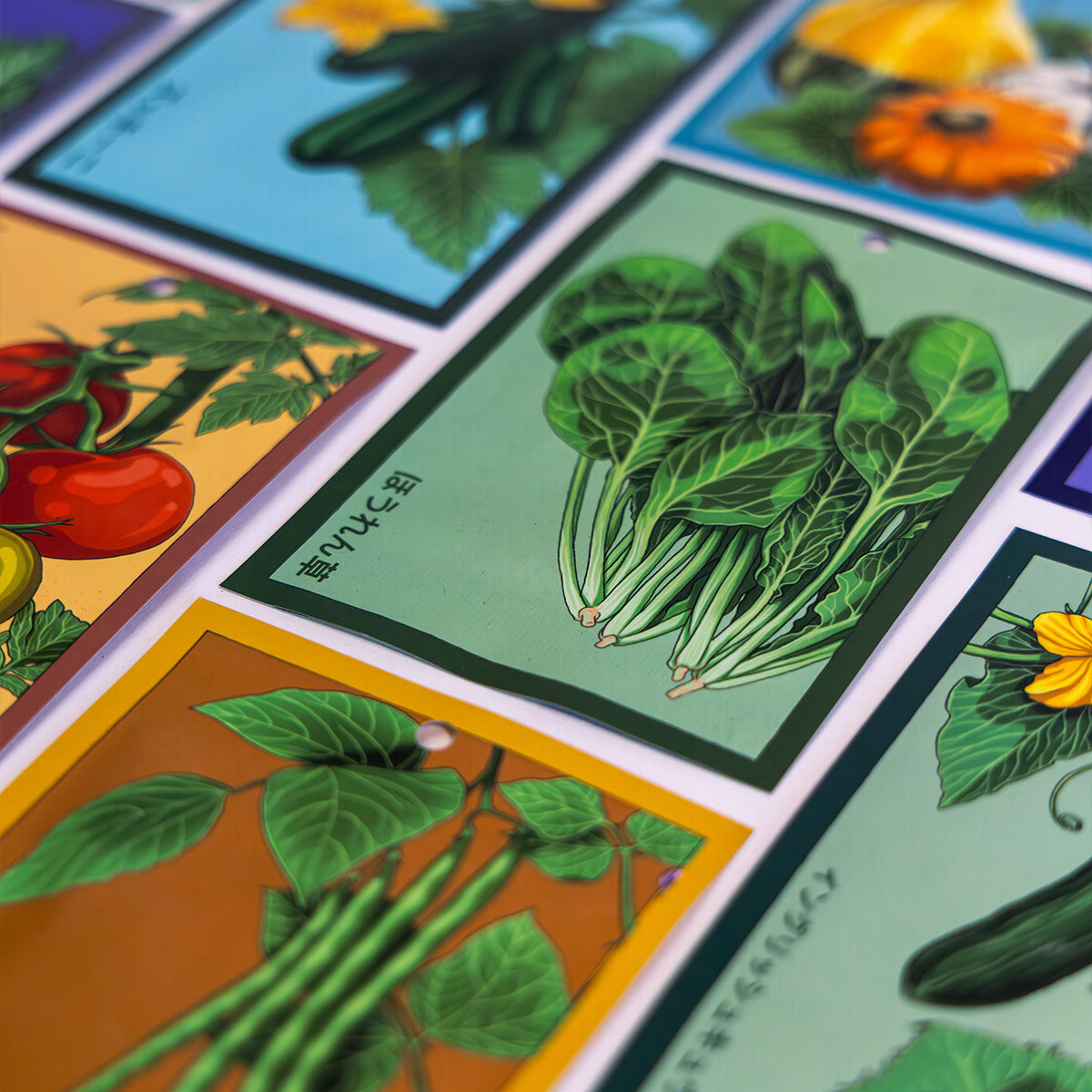
Every Shido seed packet is illustrated in the style of Japanese 1910s woodblock printing -- designed and drawn in-house by Chive, that has been exhibiting at the Chelsea Flower Show in London every year and does not, as a matter of principle, sell to big-box retailers. Customers collect the packets as a series. This was not the original plan.

Shipping & returns

Shipping

  • Free shipping: Orders $200+ within the US
  • Standard: 5–8 business days, Express 2–3 business days (at checkout)
  • International Ships: to 40 countries — rates at checkout
  • Packaging Ships: in outer box to protect gift box

View full shipping policy →

Returns

We accept returns within 30 days of delivery on unused items in original packaging. If your piece arrives damaged, contact us within 7 days with a photo and we will replace it at no charge.

View full return policy →

Satisfaction Guarantee

We stand by the quality of our flower seed packets! Every Shido seed packet is lab-tested for germination before it ships. If your seeds do not perform to the stated germination rate under correct growing conditions, contact us and we will replace or refund. Guaranteed!

Wholesale Inquires

Have a cool shop? Know someone that does?

Find Chive on Faire →

Radish Horticultural Specifications

Botanical

c. lanatus

Plant Type

Annual

Light

Full Sun

Water

Deep and consistent through fruit development

Soil

Moist, sandy, well-drained

Depth

1 in

Germination

7–10 days

USDA Zone

3–11 zone

Mature Height

6–10+ ft

Harvest

80-100 days


Getting to know your Watermelons

Watermelon is an annual vining plant that spreads across the ground with real enthusiasm once it gets going, sending out long, trailing vines that claim considerably more garden space than most first-time growers budget for. Tendrils help the plant anchor itself as it sprawls, climbing a bit if given support but generally happier stretching out across open ground instead. It thrives in genuinely hot summer conditions, needing consistent warmth from planting through harvest to develop the sweetness the fruit is famous for. Bees do most of the real pollination work here, moving between the plant's flowers, so a garden with decent pollinator activity nearby tends to produce noticeably better fruit set than one without it. Watermelon asks for patience above almost everything else; rushing the season or skimping on warmth produces a smaller, less flavorful harvest than waiting it out properly. Consistent watering throughout fruit development matters enormously, though easing off slightly as fruit nears ripeness actually concentrates the sweetness rather than diluting it. Few fruits reward a genuinely hot, patient season with quite this much sheer volume of sweet, refreshing payoff. That tradeoff between space, patience, and reward is really the whole case for growing watermelon at home rather than just buying one at the store.


History & origin

Ancient Africa

Watermelon (Citrullus lanatus) was domesticated in Africa; recent genomic research points to the Kordofan melon of Sudan as the closest wild ancestor of the modern sweet watermelon, refining earlier theories about its exact original range.

Ancient Egypt

Watermelon seeds and depictions have been found in Egyptian tombs dating back roughly 4,000 years, and the fruit's high water content made it valuable both as food and as a practical water source in arid regions.

Spread via Trade Routes

Watermelon spread through the Mediterranean world and along trade routes into India and China by the 7th-10th centuries CE, and was introduced to the Americas by European colonizers and enslaved Africans in the 16th and 17th centuries, becoming deeply embedded in African American agricultural and culinary tradition.

Today

One of the most widely grown fruits in the world by cultivated area, with thousands of named varieties ranging from small personal-sized melons to giants exceeding 100 pounds.

Shido Vegetable and Flower Seeds Vacuum sealed for peak freshness

Step-by-Step Sowing & Growing Guide

Getting Started

Annual, direct sow, needs significant space and heat

Step 1: Timing - Direct sow after all frost danger has passed and soil has warmed to at least 70°F -- watermelon is notably more heat-loving than most garden crops.

Step 2: Soil - Rich, well-drained sandy loam, pH 6.0-6.8.

Step 3: Sowing - 1 inch deep, in mounded hills to improve drainage and soil warmth.

Step 4: Space generously - Vines sprawl 6-10+ feet -- this is one of the most space-hungry plants in this entire catalog, so plan accordingly or grow a smaller bush-type variety if space is limited.

Step 5: Ongoing care - Water deeply and consistently while fruit is developing, then reduce watering in the final week or two before harvest to concentrate sugars.

Step 6: Harvest - Judge ripeness by the pale ground spot (where the fruit touched soil) turning from white to yellow, the tendril nearest the fruit drying and browning, and a dull rather than glossy skin -- thumping for a hollow sound is a supplementary check, not a reliable one on its own.

Before you start

Materials needed to sow

  • A garden bed or large container: This crop needs significant room to sprawl -- confirm space before committing to a planting location.
  • Rich, well-drained sandy loam soil: Amend heavier soils with compost or sand to improve drainage and warming.
  • A hoe or rake, for mounding hills: Watermelon is traditionally sown in raised hills, which improve both drainage and soil warmth -- a real practical step, not just tradition.
  • A ruler or sowing guide: For consistent 1-inch sowing depth.
  • A watering can or drip irrigation setup: Deep, consistent watering matters through fruit development, tapering off in the final week or two before harvest.
  • Garden marker: Useful for tracking sowing date, since judging ripeness later depends on knowing roughly how many days the fruit has had to develop.
  • Row cover (optional): Can help retain soil heat and protect young seedlings if nights are still cool after transplanting or sowing.

Materials for harvest and storage

  • A sharp knife: Cut the stem rather than twisting or pulling the fruit free, which can damage the vine and reduce the quality of any remaining fruit still developing.
  • A wheelbarrow or garden cart: Mature watermelons are heavy -- worth having a way to move them that doesn't involve carrying a large, awkward fruit any real distance by hand.
  • Cool, dry storage space: Whole, uncut watermelon actually keeps best at cool room temperature for the best flavor, rather than immediately refrigerated -- refrigerate only after cutting.

Tip: Check three signs together rather than relying on thumping alone: the ground spot (where the fruit touches soil) should have turned from white to yellow, the tendril nearest the fruit should be dry and browning, and the skin should look dull rather than glossy -- when all three agree, it's ready.

Growth Requirements

Light:

  • Requires full sun.

Soil:

  • Prefers rich, well-drained sandy loam, pH 6.0-6.8.

Watering:

  • Requires deep, consistent watering through fruit development.
  • Reduce watering in the final week or two before harvest to concentrate sugars.

Temperature & Climate:

  • A warm-season crop, needing soil at least 70°F to germinate well.
  • Frost-sensitive — plant only after all frost danger has passed.

Fertilization:

  • Apply a balanced fertilizer at planting.
  • Side-dress with potassium and phosphorus as vines begin to flower to support fruit development.

Maintenance

Vine Management:

  • Allow ample space for sprawling vines (6-10+ feet), or train onto a very sturdy trellis with fruit slings for smaller varieties.

Mulching:

  • Apply organic mulch to retain moisture, suppress weeds, and keep developing fruit off damp soil.

Pruning:

  • Minimal pruning needed; pinching growing tips can help direct energy toward existing fruit rather than continued vine growth.

Watering:

  • Water deeply and consistently through fruit development.
  • Reduce watering in the final week or two before harvest to concentrate sugars.

Harvesting:

  • Check the ground spot color, tendril condition, and skin dullness together — no single sign is reliable alone.

Storing:

  • Whole, uncut fruit keeps best at cool room temperature, not immediately refrigerated.
  • Refrigerate only after cutting.

Troubleshooting and common mistakes

  • Relying on thumping alone for ripeness — not a reliable method by itself -- check the ground spot color and tendril condition near the fruit stem instead, as covered in the planting guide
  • Underestimating space needs — this is one of the most space-hungry plants in the whole catalog, needing 6-10+ feet of sprawling room per vine

Culinary uses & nutritional information

What it's used for

1. Culinary Uses:

  • Consumed fresh as slices, cubes, or in fruit salads.
  • Used in juices, smoothies, sorbets, and desserts.
  • The rind can be pickled or used in stir-fries.

2. Hydration & Nutrition:

  • Composed of over 90% water, making it a genuinely hydrating fruit.
  • Rich in vitamins A and C, and antioxidants like lycopene.

3. Garden & Decorative Uses:

  • Used in gardens as a ground cover due to its sprawling vines.
  • Makes an excellent companion plant for corn and sunflowers.

What parts are edible

  • Flesh: The primary harvest and the reason this fruit is grown.
  • Rind: Genuinely edible, though rarely eaten in most Western kitchens -- commonly pickled or stir-fried in some cuisines, using the lighter-colored inner layer just beneath the tough outer skin.
  • Seeds: Edible, typically roasted and salted as a snack -- a genuinely separate harvest from the flesh, similar to pumpkin seeds, though modern seedless watermelon varieties produce very few usable seeds.

Nutritional data

Raw watermelon flesh, per 100g

Calories: 30 kcal

  • Carbohydrates: 7.6 g
  • Protein: 0.61 g
  • Total fat: 0.15 g
  • Dietary fiber: 0.4 g
  • Vitamin C: 8.1 mg (9% RDA)
  • Folates: 3 µg (1% RDA)
  • Potassium: 112 mg
  • Cholesterol: 0 mg
  • Lycopene: ~4,530 µg -- watermelon is one of the richest dietary sources of this compound, actually exceeding raw tomato per gram. It also contains citrulline, an amino acid concentrated in the flesh and rind, both genuinely distinctive compounds for this fruit

Companion plants, pests & diseases

Companion planting

Good companions

  • Corn, radishes, nasturtiums — radishes act as a trap crop for cucumber beetles

Poor companions / avoid

  • Potatoes — competitive, shared disease pressure common to many cucurbit-adjacent plantings

Pests

  • Cucumber beetles — chew leaves and spread bacterial wilt
  • Aphids, squash bugs — standard vining-crop pest pressures
  • Vine borers — tunnel into stems, causing sudden wilting

Diseases

  • Fusarium wilt — soil-borne, causes sudden wilting with no recovery
  • Anthracnose — dark, sunken spots on leaves and fruit
  • Powdery mildew, downy mildew — common late in the season
  • Bacterial fruit blotch — a serious, seed-borne watermelon-specific disease that causes water-soaked lesions on fruit -- source seed from a reputable supplier to minimize risk

Pro Tip

Plant watermelons in well-draining soil with plenty of compost, and give them at least 8 hours of full sun daily. For sweeter melons, cut back on watering as they ripen—the less water, the more concentrated the sugars!

Seeds worth keeping

What makes Shido Seeds different

Shido Seeds are designed by Chive Studio, a ceramic design company. We are not a seed conglomerate. We do not sell through big-box retailers. Each variety in the catalog was selected because it is worth growing — not because it ships well in bulk or photographs well in marketing materials.

Every packet is germination-tested at an independent third-party lab before it earns its woodblock illustration. The vacuum seal removes the oxygen that causes standard paper packets to degrade. The stated germination rate is a floor, not a marketing figure.

If something goes wrong, contact us. We will make it right.

Plants that Grow together look good together...even if they are ceramic

Another Orchard Original
For a genuinely different kind of fruit tree entirely, Siberian Crabapple trades watermelon's sprawling vines for a compact, cold-hardy tree.

Vegetable Shido Seeds packets — by Chive Studio Toronto

The Rest of the Fruit & Berry Garden

Browse Shido's full fruit and berry seed collection for other warm-season crops that share watermelon's love of genuine summer heat.

Buttercup Yellow Gay Paree Peony - Chive Ceramics Studio - Ceramic Flowers - Chive Ceramics Studio

Sweetness That Doesn't Wait for August

Watermelon needs a full hot season to reach peak sweetness, but Chive's Ivory Comanche Peony arrives already at its most appealing, no season required.

Chive Shido seed packets with botanical illustrations on a peg rack, showing cherry blossom, tomato, and eggplant designs.

The credentials behind the packet

A glaze needs real time in the kiln to develop its final depth of color, not unlike a watermelon needing a genuinely long, hot season before its sweetness fully develops. The studio learned that patience the hard way, firing pieces too early more than once before the color and finish actually matched the vision. Watermelon runs on that exact same principle: rushing the season produces a paler, less satisfying result no matter how much a gardener wants an early harvest. Every seed packet gets sealed against oxygen with the same patience the studio applies to a slow-firing glaze, protecting the wait rather than undercutting it. Some things simply can't be hurried without losing what made them worth waiting for.


Plant Care, Simplified with Chive

Keep it alive, keep it thriving. Let's make plant parenthood look easy.

Heirloom vs Hybrid Seeds: What Actually Differs | Shido

Todd Newgren
Heirloom seeds aren't automatically better than hybrid seeds—each suits different goals, from saving seed year to year to fighting off disease. The real difference is genetics, ...
Read more

Nobody grows one dahlia. This is what nobody tells you.

Todd Newgren
How to grow dahlias from seed: start indoors 6–8 weeks before last frost, transplant after frost, and expect first blooms in late summer. Nobody warns you that one bloom is all ...
Read more

Frequently asked questions

What is the best way to grow watermelon from seed?

Watermelon needs genuinely hot summer conditions and plenty of room to spread, with vines that can claim considerably more garden space than most first-time growers expect. Consistent watering through fruit development supports steady growth, though easing off slightly as fruit nears ripeness actually concentrates the sweetness rather than diluting it.

How much space does watermelon need to grow?

More than most gardeners initially budget for — the sprawling vines can extend well beyond where they were planted, so giving them room from the start avoids crowding out neighboring crops later. Vines left to sprawl freely almost always outperform ones trained too tightly into a small space. Crowding tends to reduce both fruit size and overall sweetness across the whole vine.

Why does watermelon need so much heat to grow well?

Sugar development in the fruit depends directly on sustained warmth throughout the season, which is why a cooler or shorter summer tends to produce a less sweet, less satisfying harvest overall. A shorter or cooler summer season simply doesn't give the plant enough time to build that sugar content up.

How do you know when a watermelon is ripe?

Look for the underside resting on soil to turn from white to a creamy yellow, and give the fruit a firm knock — a deep, hollow sound is a reasonably reliable sign of ripeness. That sound comes from the flesh separating slightly from the rind once genuinely ripe, a subtle but real difference.

Does watermelon need a lot of pollinator activity?

Yes — bees do most of the actual pollination work, so a garden with decent pollinator traffic nearby tends to produce noticeably better fruit set than one without it. Planting flowers nearby can help draw in more of that pollinator activity if it's naturally lacking. A garden without much natural bee traffic benefits noticeably from a few nearby flowering plants.

How long do watermelon seeds last?

Vacuum-sealed Shido Seeds packets stay viable for up to 10 years when stored properly, compared to roughly one year for a standard paper seed packet exposed to normal air and humidity. That patience mirrors the same wait the fruit itself asks for. Cool, dry storage further extends that shelf life well past the basic guarantee.

Can watermelon be grown in a smaller garden?

It's possible with a trellis to grow vines vertically, though the fruit itself may need support like a sling to keep its weight from pulling the vine down prematurely. That extra step is worth the effort if ground space is genuinely limited in a given garden. That extra structure pays off considerably once fruit starts developing real weight.

Was this variety shown at a flower show?

Chive has exhibited its seed line at the RHS Chelsea Flower Show, where feedback from professional growers has helped shape several varieties currently offered in the catalog. That scrutiny matters given how much a full season's space commitment already demands. That trade show presence has helped shape several varieties currently offered across the broader catalog.

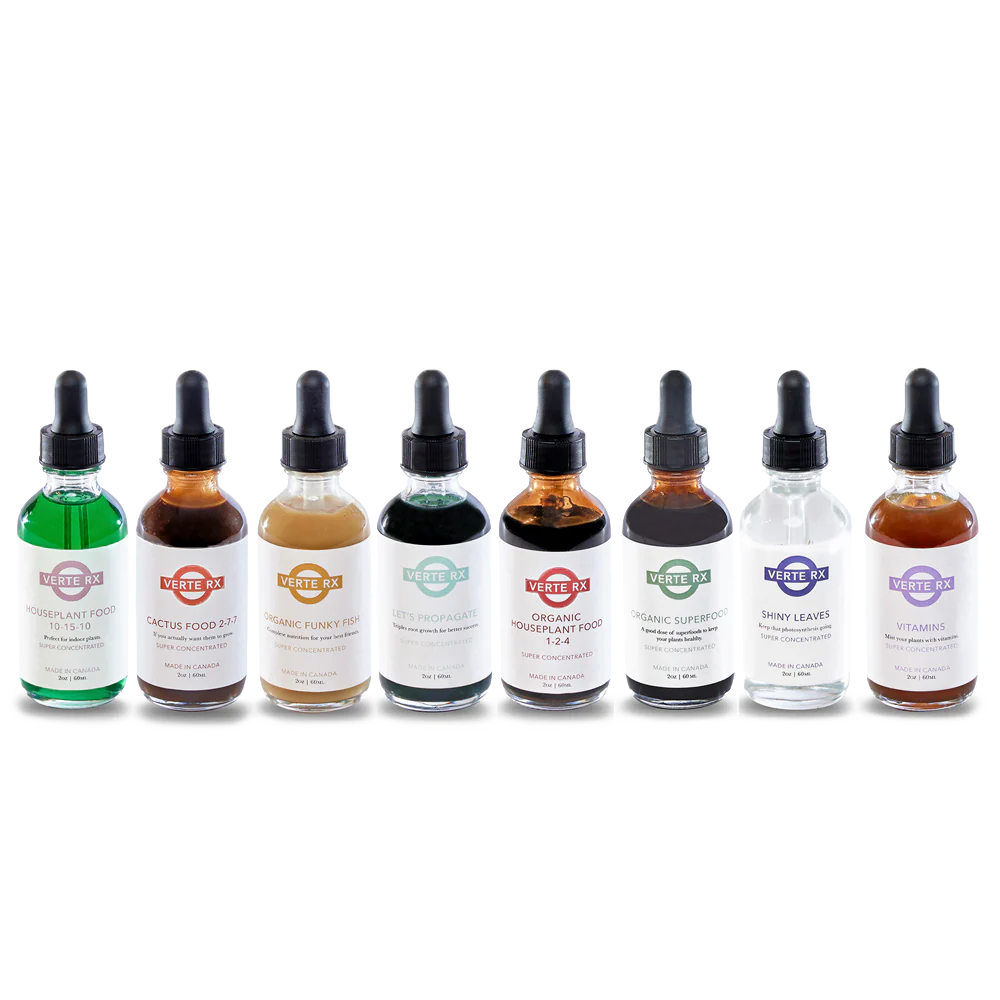
Verte Rx Shiny Leaves for Plants - Chive Ceramics Studio - Chive Ceramics Studio

The seed is the start. Verte RX handles the rest.

Most seedlings fail not from bad seed but from soil that runs out of what the plant needs before the plant can find it. Verte RX is a liquid plant vitamin formulated for exactly that window — the weeks after germination when the root system is establishing and the margin between thriving and stalling is narrowest.