Sweet Purple Tomatillo Vegetable Seeds Packet

Regular price $4.95
Vacuum Sealed
NON-GMO
Seed Pack Guarantee

Build Your Garden With These Shido Seeds

Choose a seed packet as your starting point, then round out the bed with these for that thrown-together-but-somehow-perfect harvest.


Sweet Purple Tomatillo seeds for the kitchen garden that intends to actually produce sweet purple tomatillo this year. The sweet purple tomatillo requires two plants to fruit, which is either charming or inconvenient depending on your garden size.

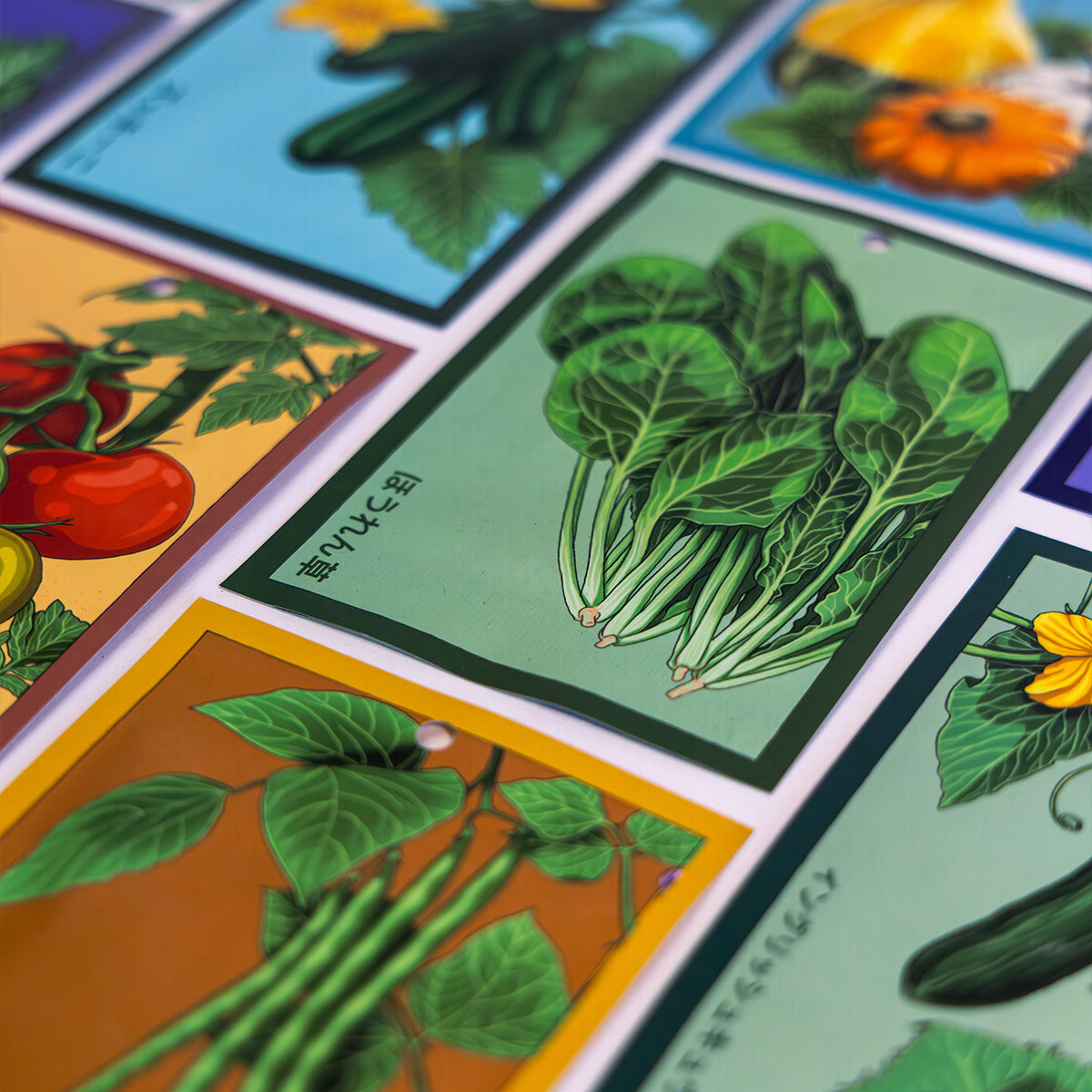
Sweet Purple Tomatillo is purple-fruited tomatillo with sweeter flavour than the green variety and better manners at the table. Each packet is hermetically vacuum-sealed -- removing the oxygen that causes standard paper seed packets to lose germination viability within approximately one year. State law requires a 3-year viability label on sealed packaging. NASA research on hermetic seed storage indicates viability of up to 10 years under proper conditions. Every packet is non-GMO and germination-tested at independent third-party labs before it earns its Japanese woodblock print artwork.

Seed specifications
  • Material: Seed
  • Botanical name: Physalis philadelphica
  • Genus: Physalis
  • Plant family: Solanaceae
  • Species: Philadelphica
  • Plant type: Annual
  • Pollination type: Vegetable
  • USDA Hardiness Zones: 10-11
  • Packet contents: ≈ 100 Seeds
  • Packaging: Hermetically vacuum-sealed
  • Non-GMO: Yes
  • Seed viability: Up to 10 years (sealed) / 4–5 years (unsealed, ideal conditions)
  • Difficulty: Expert - Advanced Grower
Sowing & growing guide

Quick Sowing Guide:

  • When to sow: 6-8 wks before last frost
  • Sowing depth: 1/4 in
  • Initial spacing: 24-36 in
  • Row spacing: 36 in
  • Days to germination: 7-10 days
  • Light: Full sun
  • Water: Moderate
  • Soil: Well-drained, moderately fertile
  • Harvest: 75-100 days

Start Growing: Step-by-step sowing and growing guide

About vacuum sealing

Why Vacuum-Sealed Seeds Last Longer

Standard paper seed packets are permeable to oxygen and moisture -- the two primary causes of seed degradation. Most paper-packaged seeds begin losing germination viability after approximately one year, contributing to significant garden-industry waste: packets purchased, not planted, expired, discarded. Shido Seeds are hermetically vacuum-sealed. The packet does not expire quietly in a drawer. It waits.

About the Packaging

Every Shido seed packet is illustrated in the style of Japanese 1910s woodblock printing -- designed and drawn in-house by Chive, that has been exhibiting at the Chelsea Flower Show in London every year and does not, as a matter of principle, sell to big-box retailers. Customers collect the packets as a series. This was not the original plan.

Shipping & returns

Shipping

  • Free shipping: Orders $200+ within the US
  • Standard: 5–8 business days, Express 2–3 business days (at checkout)
  • International Ships: to 40 countries — rates at checkout
  • Packaging Ships: in outer box to protect gift box

View full shipping policy →

Returns

We accept returns within 30 days of delivery on unused items in original packaging. If your piece arrives damaged, contact us within 7 days with a photo and we will replace it at no charge.

View full return policy →

Satisfaction Guarantee

We stand by the quality of our flower seed packets! Every Shido seed packet is lab-tested for germination before it ships. If your seeds do not perform to the stated germination rate under correct growing conditions, contact us and we will replace or refund. Guaranteed!

Wholesale Inquires

Have a cool shop? Know someone that does?

Find Chive on Faire →

Radish Horticultural Specifications

Botanical

Physalis philadelphica

Plant Type

Annual

Light

Full sun

Water

Moderate

Soil

Well-drained, moderately fertile

Depth

1/4 in

Germination

7-10 days

USDA Zone

10-11

Mature Height

2-4 ft

Harvest

75-100 days

Sweet Purple Tomatillo plant growing with papery husks

Getting to know your Sweet Purple Tomatillo

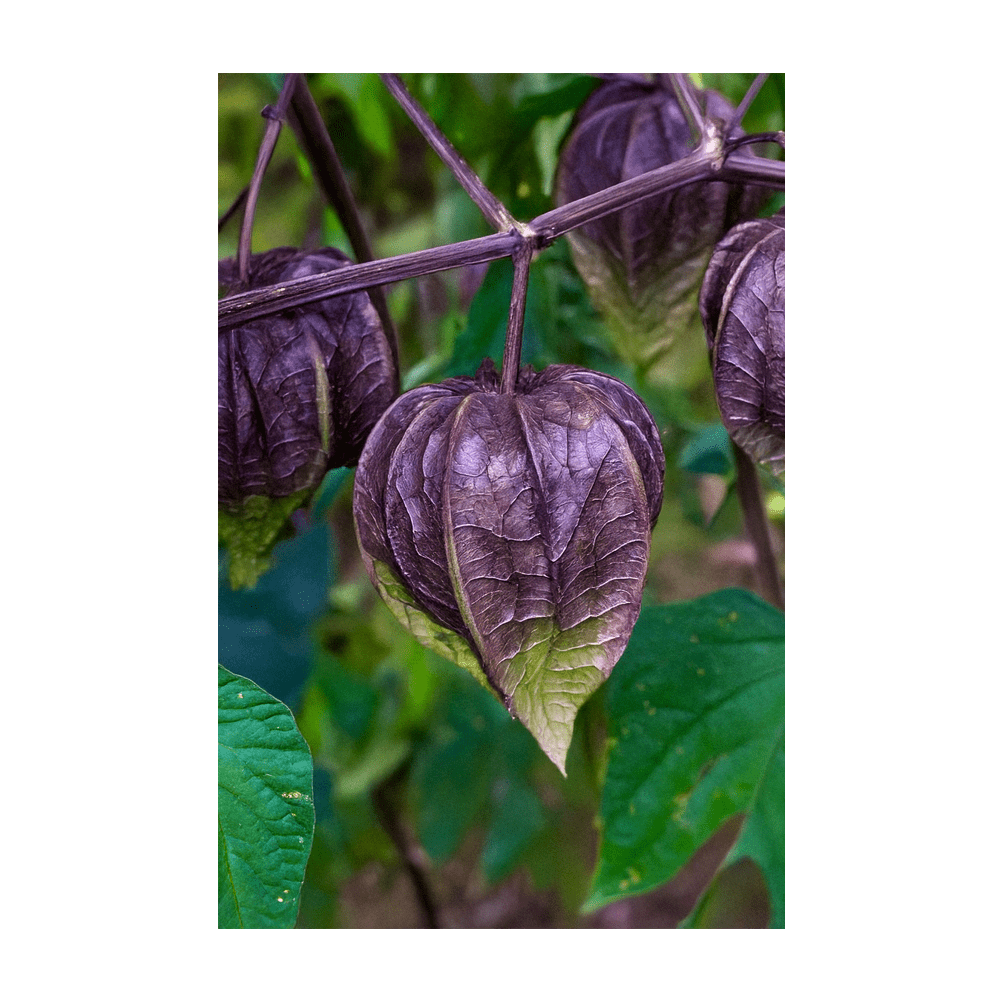
In the garden, these plants grow similarly to tomatoes but with less diva energy. Give them full sun, well-draining soil, and a bit of support, and they'll reward you with clusters of husk-wrapped gems that seem to appear almost overnight once the plant gets going. They're self-sterile, though, so you'll need at least two plants for proper pollination, and honestly, you'll want more than that anyway once you taste what a real harvest actually yields. Don't underestimate their ornamental value either; when the sun hits those purple fruits peeking through their papery husks, it's a genuine show worth pointing out to anyone walking past the garden. Whether you're making purple salsa, roasting them down for a deep, smoky sauce, or slicing them raw into a salad for a tart, bright note, this tomatillo brings the kind of flavor and flair that makes both meals and gardens more memorable. The husks themselves peel back easily once the fruit inside is ready, which makes harvest satisfying in a way that few other vegetables quite manage. Few plants combine this much visual charm with this much genuine culinary payoff in return. That balance of looks and flavor is really the whole case for growing it at all.


History & origin

Ancient Mesoamerica

Tomatillos (Physalis philadelphica) were domesticated in Mexico, with evidence suggesting cultivation predates that of the tomato, making it one of the older Mesoamerican domesticated fruits.

Aztec Cuisine

Known in Nahuatl as "tomatl," the tomatillo was a dietary staple, used in sauces that are direct ancestors of modern Mexican salsa verde.

Post-Colonial Period

Unlike the tomato, the tomatillo remained largely confined to Mexican and Central American cuisine for centuries, only gaining wider international recognition in the 20th century alongside the global spread of Mexican food.

Purple-Fruited Types

Purple and purple-streaked tomatillo varieties represent a color selection within the species, prized for visual appeal and a slightly different flavor balance than the more common yellow-green types.

Today

A defining ingredient of Mexican cuisine, essential to salsa verde and increasingly grown in home gardens outside its native range.

Shido Vegetable and Flower Seeds Vacuum sealed for peak freshness

Step-by-Step Sowing & Growing Guide

Getting Started

Annual -- requires two plants to fruit

Step 1: Plant at least two - This is the first and most important decision, before any seed goes in soil -- tomatillo is self-incompatible and a single plant will flower but never set fruit.

Step 2: Timing - Start indoors 6-8 weeks before last frost, or direct sow after soil hits 75°F.

Step 3: Soil - Well-drained, moderately fertile, pH 6.0-7.0.

Step 4: Sowing - ¼ inch deep. Germination takes 7-10 days.

Step 5: Transplant - After frost danger passes, 24 inches apart, rows 36 inches -- give this sprawling plant room.

Step 6: Harvest - Pick once the fruit fills and splits the papery husk, or drops naturally -- purple color develops last, after the fruit is already usable.

Before you start

Materials needed to sow

  • At least two seed trays or pots: A genuine requirement, not just good practice -- this variety needs two plants to fruit at all, so start more than one from the outset.
  • Seed-starting mix: For the indoor start.
  • Grow light: For the 6-8 week indoor period.
  • Plant labels: Marking both plants clearly helps track that a true pair made it to transplanting.

Materials for harvest and storage

  • Basket: For collecting fruit.
  • A paring knife: Useful for trimming away the papery husk before cooking.
  • Freezer bags: Tomatillos freeze well, husked, for later use in sauces.

Tip: Pick once the fruit fills and splits the husk, or drops naturally -- the purple color develops last, after the fruit is already ripe enough to use, so don't wait for full color before harvesting.

Growth Requirements

Light:

  • Requires full sun.

Soil:

  • Prefers well-drained, moderately fertile soil with a pH of 6.0-7.0.

Watering:

  • Requires moderate, consistent watering — semi-drought tolerant once established, but benefits from steady moisture during fruit set.

Temperature & Climate:

  • Thrives in warm temperatures, ideally 70-85°F.
  • Sensitive to frost — transplant or direct sow only after frost danger has passed.

Fertilization:

  • Apply a balanced fertilizer at planting time.
  • Side-dress with phosphorus and potassium during fruiting.
  • Avoid excess nitrogen, which favors foliage over fruit — worth noting given this variety already requires two plants for any fruit set at all.

Maintenance

Support:

  • Benefits from a stake or small cage given its sprawling 2-4 foot habit, even though it isn't strictly required.

Mulching:

  • Apply organic mulch to retain moisture and suppress weeds.

Pruning:

  • Minimal pruning needed — pinching leggy growth early on can encourage a bushier, more manageable form.

Watering:

  • Water moderately and consistently — more drought-tolerant than tomatoes once established, but benefits from steady moisture during fruit set.

Harvesting:

  • Pick once the fruit fills and splits the husk, or drops from the plant naturally.
  • Remember this variety needs two plants to fruit at all — a lone plant will flower but never set fruit.

Storing:

  • Store in the husk in the refrigerator for up to two weeks.
  • Remove the husk and freeze for longer storage.

Troubleshooting and common mistakes

  • Planting only one plant — THE most common mistake -- tomatillo is self-incompatible and a single plant will flower heavily but set no fruit; always plant at least two
  • Waiting for full color before harvest — fruit is usable once it fills and splits the husk, well before the purple color fully develops

Culinary uses & nutritional information

What it's used for

1. Culinary Applications:

  • The base for salsa verde, tomatillo's signature culinary use
  • Roasted to deepen and concentrate flavor before blending into sauces
  • Used raw in salads once fully ripened
  • Central to Mexican and Southwestern cooking traditions
  • Made into chutneys and preserved condiments

2. Nutritional Benefits:

  • Good source of vitamin C and niacin
  • Contains dietary fiber
  • Purple varieties specifically contain anthocyanins, an antioxidant pigment absent in standard green or golden tomatillos
  • Low in calories

3. Garden and Ornamental Uses:

  • Purple fruit inside papery, lantern-like husks make this a genuinely striking plant to grow
  • The husk itself is an interesting visual and educational feature as fruit develops
  • A useful teaching example for pollination biology, since this variety requires two plants to fruit at all
  • Sprawling habit benefits from a support structure, adding vertical garden interest

4. Practical Benefits:

  • Requires planting at least two plants to get any fruit at all -- worth flagging clearly before purchase, not just in the growing instructions
  • High yield per plant once pollination is working
  • Purple color is a genuine point of difference for farmers market sales compared to standard green tomatillos
  • Well suited to bulk salsa-making and canning

What parts are edible

  • Fruit: Harvested inside its papery husk once it fills and splits the covering -- the husk itself is not eaten.
  • Husk: Not edible -- a papery covering that protects the fruit and is discarded before cooking or eating.

Nutritional data

Raw tomatillo, per 100g

Calories: 32 kcal

  • Carbohydrates: 5.8 g
  • Protein: 1 g
  • Total fat: 1 g
  • Dietary fiber: 1.9 g
  • Vitamin C: 11.7 mg (13% RDA)
  • Folates: 7 µg (2% RDA)
  • Potassium: 268 mg
  • Cholesterol: 0 mg
  • Anthocyanins: present in the purple fruit specifically -- a pigment/antioxidant compound absent in standard green or golden tomatillos

Companion plants, pests & diseases

Companion planting

Good companions

  • Basil, marigolds, nasturtiums — general pest-deterrent companions
  • Garlic, onions, carrots — low competition, easy bed-mates

Poor companions / avoid

  • Tall Solanaceae that shade it — avoid crowding, tomatillo needs full sun

Pests

  • Flea beetles — small shot-holes in leaves, especially on seedlings
  • Cutworms — sever seedlings at the soil line; use collars for protection
  • Aphids — cluster on new growth

Diseases

  • Generally disease-resistant as a species — tomatillos hold up better than related tomatoes, peppers, or eggplant
  • Powdery mildew — occasional, mainly in crowded, humid plantings

Pro Tip

Plant in clusters of at least three and support them early. Tomatillos need others for pollination, and staking prevents sprawling vines from breaking under fruit load. Bury stems deeply—new roots form at buried nodes, improving vigor and nutrient uptake.

Seeds worth keeping

What makes Shido Seeds different

Shido Seeds are designed by Chive Studio, a ceramic design company. We are not a seed conglomerate. We do not sell through big-box retailers. Each variety in the catalog was selected because it is worth growing — not because it ships well in bulk or photographs well in marketing materials.

Every packet is germination-tested at an independent third-party lab before it earns its woodblock illustration. The vacuum seal removes the oxygen that causes standard paper packets to degrade. The stated germination rate is a floor, not a marketing figure.

If something goes wrong, contact us. We will make it right.

Plants that Grow together look good together...even if they are ceramic

Set of Chive Shido Seeds packets with fruit and flower illustrations on a soil background.

Another Nightshade Worth Pairing

For a fellow nightshade that also rewards a bit of staking, Black Beauty Eggplant shares tomatillo's love of full sun with a completely different harvest.

Vegetable Shido Seeds packets — by Chive Studio Toronto

The Rest of the Vegetable Garden

Explore Shido's vegetable seed lineup for other warm-season crops that pair naturally with tomatillo in a summer garden.

Buttercup Yellow Gay Paree Peony - Chive Ceramics Studio - Ceramic Flowers - Chive Ceramics Studio

Purple That Doesn't Need a Second Plant

Tomatillos need a second plant nearby just to fruit, but Chive's Ivory Strawflower delivers its color on its own, no pairing required.

Chive Shido seed packets with botanical illustrations on a peg rack, showing cherry blossom, tomato, and eggplant designs.

The credentials behind the packet

A self-sterile plant already needs a second one nearby just to produce fruit, which raises the stakes considerably if either packet fails to germinate. The studio protects against that risk by keeping oxygen out of every packet until it's opened, rather than trusting paper to hold up over time. A crop this dependent on pairing deserves seed dependable enough to make that pairing actually work. That care matters more here than with a self-fertile crop, since two failed packets would mean no harvest at all. Doubling the seed investment only makes sense if both packets actually come through. Reliability here is really the quiet foundation the whole pairing depends on.


Plant Care, Simplified with Chive

Keep it alive, keep it thriving. Let's make plant parenthood look easy.

Nobody grows one dahlia. This is what nobody tells you.

Ryan Hearst
How to grow dahlias from seed: start indoors 6–8 weeks before last frost, transplant after frost, and expect first blooms in late summer. Nobody warns you that one bloom is all ...
Read more

Do Seeds Expire? How Long Do Seeds Last | Shido

Todd Newgren
Seeds don't expire — they lose viability as oxygen depletes stored energy, and vacuum sealing is the fix. Chive's Shido Seeds are vacuum-sealed, germination-tested, and stocked ...
Read more

Frequently asked questions

What is the best way to grow purple tomatillos?

Give them full sun, well-draining soil, and a bit of support as they grow, much like a tomato plant, along with at least two plants nearby since this variety needs cross-pollination to produce fruit. A simple stake or small cage works well once the plant starts carrying a fuller load of fruit.

Why do tomatillos need more than one plant?

Tomatillos are self-sterile, meaning a single plant's flowers can't pollinate themselves, so at least two plants growing near each other are necessary for any fruit to actually form. Planting slightly more than the minimum two is a reasonable hedge against an underperforming plant. That's a reasonable insurance policy against one plant simply underperforming.

How do you know when tomatillos are ready to harvest?

The husk fills out and often splits slightly as the fruit inside matures, and the tomatillo itself should feel firm, filling most of the papery husk surrounding it. At that point, simply pull back the husk to check the color and firmness of the fruit inside. A tomatillo that's outgrown its husk entirely is usually a sign it's been left too long.

What does purple tomatillo taste like?

It carries a bright, tart flavor similar to a green tomatillo but with a bit more sweetness, making it well suited to salsas, roasted sauces, or sliced raw into salads. That versatility is really the whole reason tomatillos show up across so many different cuisines. That tartness also holds up well against rich, fatty dishes that need a brighter counterpoint.

Are tomatillos related to tomatoes?

Yes, both belong to the nightshade family and share similar growing habits, though tomatillos are wrapped in a distinctive papery husk that tomatoes don't have. Both plants benefit from very similar care, which makes growing them side by side straightforward. Growing them side by side rarely causes any real conflict in the garden.

How long do tomatillo seeds last?

Vacuum-sealed Shido Seeds packets stay viable for up to 10 years when stored properly, compared to roughly one year for a standard paper seed packet exposed to normal air and humidity. Storing unused packets somewhere cool and dry helps preserve that extended shelf life even further. That reliability matters given how much this variety already depends on having a second plant nearby.

Can tomatillos be grown in containers?

Yes, provided there's room for at least two plants and something for them to lean against as they grow, since they benefit from support much like a sprawling tomato vine. Providing that lean-to support early avoids disturbing roots later once the plants are fully established. A simple stake or small cage works well for most container setups.

Is this seed lab-tested for germination?

Yes — every Shido Seeds packet, this tomatillo variety included, is germination-tested at independent third-party labs before it ever reaches a shelf. That scrutiny matters given how much this variety already depends on successful pairing. That testing matters most for a variety that already depends on more than one plant succeeding.

Verte Rx Shiny Leaves for Plants - Chive Ceramics Studio - Chive Ceramics Studio

The seed is the start. Verte RX handles the rest.

Most seedlings fail not from bad seed but from soil that runs out of what the plant needs before the plant can find it. Verte RX is a liquid plant vitamin formulated for exactly that window — the weeks after germination when the root system is establishing and the margin between thriving and stalling is narrowest.