
Zucchini Vegetable Seeds Packet

Regular price $4.95

Vacuum Sealed
NON-GMO
Seed Pack Guarantee

Build Your Garden With These Shido Seeds

Choose a seed packet as your starting point, then round out the bed with these for that thrown-together-but-somehow-perfect harvest.


Zucchini seeds for the kitchen garden that intends to actually produce zucchini this year. Zucchini produces with such enthusiasm that it will eventually test the patience of friends and neighbours.

Zucchini is the famously productive summer squash that rewards consistent harvesting with more zucchini than anyone planned for. Each packet is hermetically vacuum-sealed -- removing the oxygen that causes standard paper seed packets to lose germination viability within approximately one year. State law requires a 3-year viability label on sealed packaging. NASA research on hermetic seed storage indicates viability of up to 10 years under proper conditions. Every packet is non-GMO and germination-tested at independent third-party labs before it earns its Japanese woodblock print artwork.

Seed specifications
  • Material: Seed
  • Botanical name: Cucurbita pepo var. cylindrica
  • Genus: Cucurbita
  • Plant family: Cucurbitaceae
  • Species: Pepo
  • Plant type: Annual
  • Pollination type: Vegetable
  • USDA Hardiness Zones: 3-11
  • Packet contents: ≈ 10 Seeds
  • Packaging: Hermetically vacuum-sealed
  • Non-GMO: Yes
  • Seed viability: Up to 10 years (sealed) / 4–5 years (unsealed, ideal conditions)
  • Difficulty: Easy - Beginner Friendly
Sowing & growing guide

Quick Sowing Guide:

  • When to sow: Direct sow after last frost
  • Sowing depth: 1 in
  • Initial spacing: 36-48 in
  • Row spacing: 36-48 in
  • Days to germination: 6-10 days
  • Light: Full sun
  • Water: Consistent moisture, avoid wetting leaves
  • Soil: Loamy, and well-drained
  • Harvest: 50-70 days

Start Growing: Step-by-step sowing and growing guide

About vacuum sealing

Why Vacuum-Sealed Seeds Last Longer

Standard paper seed packets are permeable to oxygen and moisture -- the two primary causes of seed degradation. Most paper-packaged seeds begin losing germination viability after approximately one year, contributing to significant garden-industry waste: packets purchased, not planted, expired, discarded. Shido Seeds are hermetically vacuum-sealed. The packet does not expire quietly in a drawer. It waits.

About the Packaging

Every Shido seed packet is illustrated in the style of Japanese 1910s woodblock printing -- designed and drawn in-house by Chive, that has been exhibiting at the Chelsea Flower Show in London every year and does not, as a matter of principle, sell to big-box retailers. Customers collect the packets as a series. This was not the original plan.

Shipping & returns

Shipping

  • Free shipping: Orders $200+ within the US
  • Standard: 5–8 business days, Express 2–3 business days (at checkout)
  • International Ships: to 40 countries — rates at checkout
  • Packaging Ships: in outer box to protect gift box

View full shipping policy →

Returns

We accept returns within 30 days of delivery on unused items in original packaging. If your piece arrives damaged, contact us within 7 days with a photo and we will replace it at no charge.

View full return policy →

Satisfaction Guarantee

We stand by the quality of our flower seed packets! Every Shido seed packet is lab-tested for germination before it ships. If your seeds do not perform to the stated germination rate under correct growing conditions, contact us and we will replace or refund. Guaranteed!

Wholesale Inquires

Have a cool shop? Know someone that does?

Find Chive on Faire →

Radish Horticultural Specifications

Botanical

Cucurbita pepo var. cylindrica

Plant Type

Annual

Light

Full sun

Water

Consistent moisture, avoid wetting leaves

Soil

Loamy, and well-drained

Depth

1 in

Germination

6-10 days

USDA Zone

3-11

Mature Height

24-36 in

Harvest

50-70 days


Zucchini seeds growing in garden — Shido Seeds by Chive Studio Toronto

Getting to know your Zucchinis

Zucchini is a fast-growing summer squash known for its elongated, green or yellow fruits and tender flesh, and it thrives in warm temperatures, full sun, and well-drained soil rich in organic matter. The plants produce large, lobed leaves alongside yellow flowers that are themselves edible, a detail that surprises plenty of first-time growers who never think to eat anything beyond the fruit itself. Zucchini needs ample space to spread, since its vines can reach several feet in width by mid-season, crowding out anything planted too close at the outset. The plant is famously, almost comically productive once it gets going, often yielding far more fruit per plant than most households know what to do with, which is where the long-running joke about anonymously gifting zucchini to neighbors actually comes from. Regular harvesting encourages the plant to keep producing rather than slowing down, and it also prevents individual zucchini from growing overly large and tough, since the smaller, younger fruits are consistently more tender and better flavored than anything left too long on the vine. Consistent watering throughout the season keeps growth steady and helps the plant avoid the stress that can lead to bitter-tasting fruit later on. Few vegetables reward this little effort with quite this much return.


History & origin

Ancient Americas

Like all Cucurbita pepo squash, zucchini's ancestry traces to domestication in the Americas thousands of years ago.

19th Century, Italy

The specific elongated green summer squash known as zucchini was developed in Italy in the 19th century, with the name itself being Italian (a diminutive of "zucca," meaning squash or pumpkin).

20th Century American Introduction

Zucchini was introduced to the United States primarily through Italian immigration in the early 20th century, gradually becoming one of the most common home garden vegetables.

Today

Famous among home gardeners for its extremely prolific production, often leading to a friendly glut of zucchini among neighbors and community gardens each summer.

Shido Vegetable and Flower Seeds Vacuum sealed for peak freshness

Step-by-Step Sowing & Growing Guide

Getting Started

Annual, direct sow, extremely prolific

Step 1: Timing - Direct sow after last frost, soil 65°F+.

Step 2: Soil - Rich, fertile, well-drained soil, pH 6.0-7.5.

Step 3: Sowing - 1 inch deep. Germination is fast, 6-10 days.

Step 4: Plant conservatively - One or two plants are usually enough for a household -- this is famously the most overproductive vegetable in most home gardens.

Step 5: Ongoing care - Check plants daily once fruiting begins -- fruit can go from perfect to oversized within 2-3 days during peak summer growth.

Step 6: Harvest - Cut the stem (don't twist or pull) at 6-8 inches long.

Before you start

Materials needed to sow

  • Garden bed, prepared soil: Direct sown.
  • Garden fork: For working in compost.
  • A plan for just one or two plants: Not exactly a material, but worth deciding before sowing -- this is famously the most overproductive vegetable in most home gardens.

Materials for harvest and storage

  • A knife: Cut the stem rather than twisting or pulling, which can damage the vine.
  • Basket: For collecting fruit.
  • Freezer bags: Zucchini freezes well shredded, for later use in baking.

Tip: Check plants daily once fruiting begins -- this crop can go from perfect to oversized within 2-3 days during peak summer growth, faster than almost any other vegetable in this catalog.

Growth Requirements

Light:

  • Requires full sun (at least 6-8 hours per day) for optimal growth.

Soil:

  • Prefers well-draining, fertile soil enriched with organic matter.
  • Ideal soil pH: 6.0-7.5.

Watering:

  • Needs consistent moisture, especially during fruit development.
  • Avoid overhead watering to reduce fungal diseases.
  • Water deeply 1-2 times per week, depending on climate conditions.

Temperature & Climate:

  • Zucchini thrives in warm temperatures between 65-85°F (18-29°C).
  • Cannot tolerate frost, so plant after the last frost date.

Fertilization:

  • Use balanced fertilizer (10-10-10) at planting time.
  • Apply side-dressing of compost or organic fertilizer once fruiting begins.

Maintenance

Mulching:

  • Apply organic mulch to retain moisture and suppress weeds.
  • Helps keep fruit off the ground to prevent rot.

Pruning:

  • Trim excess leaves to improve airflow and reduce disease risk.
  • Remove old or yellowing leaves regularly.

Pollination:

  • Zucchini requires pollination to set fruit.
  • Encourage bees and pollinators by planting nearby flowers.
  • If fruit is underdeveloped, hand-pollinate using a soft brush.

Harvesting:

  • Ready for harvest 45-55 days after planting.
  • Pick when 6-8 inches long for best flavor and texture.
  • Regular harvesting encourages continuous fruit production.

Refrigeration:

  • Store fresh zucchini in a plastic bag in the crisper drawer.
  • Best used within 5-7 days.

Freezing:

  • Blanch and freeze sliced or grated zucchini for long-term storage.
  • Can be stored for 6-12 months.

Pickling & Canning:

  • Zucchini can be pickled or turned into relish.
  • Preserve in canning jars for extended use.

Troubleshooting and common mistakes

  • Planting more than needed — one or two plants are usually enough for a household -- this is famously the most overproductive vegetable in most home gardens
  • Skipping daily checks once fruiting begins — zucchini can go from perfect to oversized within 2-3 days during peak summer growth, faster than almost any other crop in this project
  • Poor pollination — fruit that starts growing then rots at the tip is often a sign of too few pollinators -- hand-pollinating with a small brush can help if bee activity is low

Culinary uses & nutritional information

What it's used for

1. Culinary Uses:

  • Sliced or diced for soups, stir-fries, and sautés.
  • Grated into baked goods like zucchini bread and muffins.
  • Stuffed with fillings and baked.
  • Can be eaten raw, grilled, roasted, or pickled.

2. Nutritional Benefits:

  • Low in calories but high in fiber, vitamin C, and potassium.
  • Contains antioxidants that support overall health.
  • Hydrating due to its high water content.

3. Companion Planting & Pollination:

  • Benefits from companion planting with beans, peas, and marigolds.
  • Relies on bees for pollination, increasing fruit production.
  • Produces male and female flowers, both needed for fruit development.

What parts are edible

  • Fruit: The primary harvest, best at 6-8 inches.
  • Flowers: A genuine culinary delicacy (squash blossoms), often stuffed and fried.
  • Young leaves and shoots: Occasionally used in some cuisines, though this is far less common than eating the fruit or flowers.

Nutritional data

Raw zucchini, per 100g

Calories: 17 kcal

  • Carbohydrates: 3.1 g
  • Protein: 1.2 g
  • Total fat: 0.3 g
  • Dietary fiber: 1 g
  • Vitamin C: 17.9 mg (20% RDA)
  • Folates: 24 µg (6% RDA)
  • Potassium: 261 mg
  • Cholesterol: 0 mg
  • Overall: good vitamin C and potassium relative to its very low calorie count

Companion plants, pests & diseases

Companion planting

Good companions

  • Corn, beans — classic Three Sisters-style pairing
  • Radishes — trap crop for cucumber beetles
  • Nasturtiums, borage — borage reportedly improves pollination

Poor companions / avoid

  • Potatoes — competitive, shared disease pressure

Pests

  • Squash vine borer — larvae tunnel into stems, causing sudden wilting
  • Cucumber beetles — chew leaves and spread bacterial wilt
  • Squash bugs — cluster at the base of plants

Diseases

  • Powdery mildew, downy mildew — common late in the season, especially in crowded plantings
  • Bacterial wilt — spread by cucumber beetles, no cure
  • Blossom end rot — from inconsistent watering

Pro Tip

Hand-pollinate flowers if fruit production is low by transferring pollen from male to female flowers. Harvest zucchinis when they are 6–8 inches long for the best flavor and to encourage continuous production. Regular picking prevents plants from slowing down!

Seeds worth keeping

What makes Shido Seeds different

Shido Seeds are designed by Chive Studio, a ceramic design company. We are not a seed conglomerate. We do not sell through big-box retailers. Each variety in the catalog was selected because it is worth growing — not because it ships well in bulk or photographs well in marketing materials.

Every packet is germination-tested at an independent third-party lab before it earns its woodblock illustration. The vacuum seal removes the oxygen that causes standard paper packets to degrade. The stated germination rate is a floor, not a marketing figure.

If something goes wrong, contact us. We will make it right.

Plants that Grow together look good together...even if they are ceramic

For When One Squash Isn't Enough
For a vine with a bolder, more unusual look, the Funky Squash shares zucchini's productivity with a shape that draws more attention on the vine.

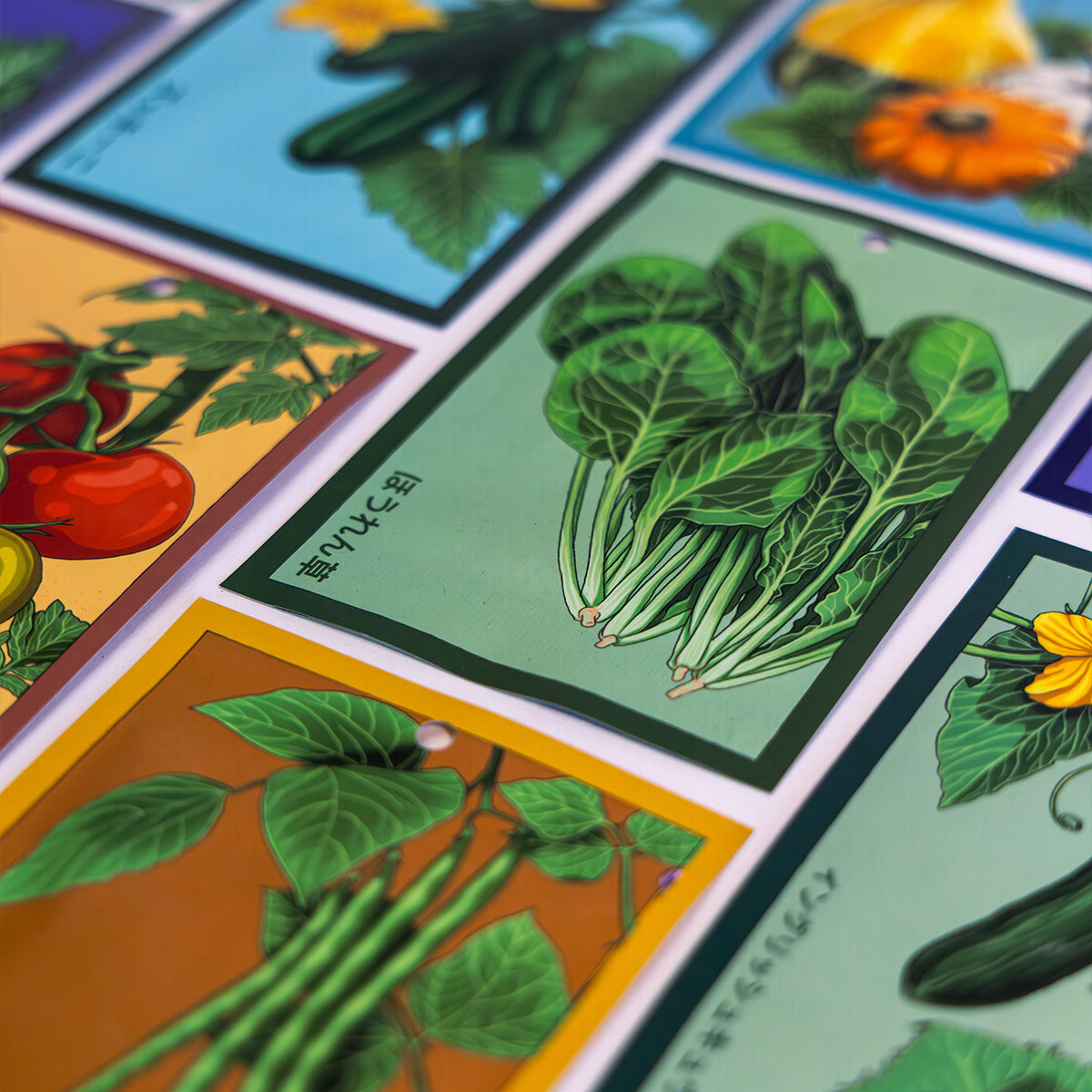
Vegetable Shido Seeds packets — by Chive Studio Toronto

The Rest of the Vegetable Garden

This is part of Shido's wider vegetable seed collection, spanning reliable garden staples and more unusual finds.

Buttercup Yellow Gay Paree Peony - Chive Ceramics Studio - Ceramic Flowers - Chive Ceramics Studio

One Harvest That Won't Overwhelm You

Unlike a zucchini vine in full swing, Chive's Ivory Spider Mum never produces more than a shelf can comfortably hold.

Chive Shido seed packets with botanical illustrations on a peg rack, showing cherry blossom, tomato, and eggplant designs.

The credentials behind the packet

Zucchini is the one crop nearly every vegetable gardener plants without fail, year after year, which means a bad packet here doesn't just cost one season, it breaks a habit people have relied on for years. Keeping oxygen out of the packet entirely is the studio's way of preventing that kind of quiet failure, a step most seed companies skip in favor of a cheaper paper envelope. A seed that's already proven itself reliable in the garden deserves packaging that matches that reputation rather than undercutting it. That same standard runs across the whole lineup, but it matters most on the varieties people plant on autopilot, trusting the seed without a second thought. Few vegetables have earned that level of trust quite like this one.


Plant Care, Simplified with Chive

Keep it alive, keep it thriving. Let's make plant parenthood look easy.

Are Seed Packets GMO? The Honest Answer

Todd Newgren
Are seed packets GMO? No—home garden seed packets, Shido included, are never genetically modified, since GMO seed is only made for large-scale commercial crops. The non-GMO badg...
Read more

Nobody grows one dahlia. This is what nobody tells you.

Todd Newgren
How to grow dahlias from seed: start indoors 6–8 weeks before last frost, transplant after frost, and expect first blooms in late summer. Nobody warns you that one bloom is all ...
Read more

Frequently asked questions

What is the best way to grow zucchini from seed?

Wait for warm soil before planting, then give the vines full sun and well-drained soil rich in organic matter. Consistent watering matters throughout the season, though established zucchini plants are fairly forgiving compared to some other summer squash. Zucchini is also fairly tolerant of imperfect conditions once established, which makes it a forgiving choice for less experienced gardeners.

Why does zucchini produce so much fruit?

Zucchini plants are simply built for high productivity, setting fruit continuously through the growing season rather than all at once. Regular harvesting actually encourages the plant to keep producing rather than slowing down, which is part of why a single plant so reliably overwhelms a household's needs. That famous abundance is really just the plant doing exactly what it was bred to do, season after season.

How often should you harvest zucchini?

Check plants every couple of days during peak season, since zucchini grows quickly and a fruit left too long becomes oversized and noticeably tougher than one picked while still young and tender. A zucchini left just a few days too long can go from perfectly tender to noticeably tough almost overnight.

Can zucchini plants be grown in containers?

Yes, provided the container is large enough to support the plant's substantial root system and the vines have room to spread somewhat, even if trained more compactly than they would in open ground. Regular feeding also helps a container-grown plant keep up with the demands of its own productivity. A five-gallon container or larger generally gives the roots enough depth to support healthy growth through a full season.

Are zucchini flowers edible?

Yes — both male and female zucchini blossoms are edible and show up in various dishes, often stuffed and fried, though harvesting too many flowers will reduce how much fruit the plant ultimately produces. Male blossoms tend to be more commonly harvested for cooking, since removing them has less impact on fruit production.

How long do zucchini seeds last?

Vacuum-sealed Shido Seeds packets stay viable for up to 10 years when stored properly, compared to roughly one year for a standard paper seed packet exposed to normal air and humidity. For a crop most gardeners replant every single year, that reliability removes one more thing to worry about each spring.

Why do zucchini plants sometimes stop producing fruit?

Poor pollination is the most common cause, especially if female flowers open without enough bee activity nearby, or if the plant is under stress from inconsistent watering or nutrient deficiency. Hand-pollinating with a small brush can help in gardens without much natural bee activity nearby. A stressed plant redirects energy toward survival rather than fruit production, which is why consistent care matters even for a famously easy crop.

Is this seed lab-tested for germination?

Yes — every Shido Seeds packet, zucchini included, is germination-tested at independent third-party labs before reaching a shelf, ensuring a dependable rate rather than relying on assumptions. That third-party verification matters even for a crop as reliable as zucchini, since consistency is the whole point of the claim. That consistency is really what lets a gardener plant the same reliable variety year after year without a second thought.

Verte Rx Shiny Leaves for Plants - Chive Ceramics Studio - Chive Ceramics Studio

The seed is the start. Verte RX handles the rest.

Most seedlings fail not from bad seed but from soil that runs out of what the plant needs before the plant can find it. Verte RX is a liquid plant vitamin formulated for exactly that window — the weeks after germination when the root system is establishing and the margin between thriving and stalling is narrowest.