Vases and Terrariums - Chive Ceramics Studio

All Vases & Terrariums

The vase is the frame. The flower is the painting.

Vases hold more decisions than water: shape decides how stems fall, size decides how many, material decides what shows. This hub gathers every Chive vase and terrarium — Pooley multi-stem vases, glass vessels from test tubes to compotes, studio-fired ceramics, and glass terrariums — so the comparison happens on one page.

Bud, wall & compote shapes · Glass & ceramic vases · Terrariums · Featured in The O List · Designed in Toronto, made by hand · Ships gift-ready to 40+ countries
Filters
Sort by

Choosing a vase is mostly a matter of matching geometry to intention. A narrow neck holds a few stems upright and makes one flower look deliberate; a wide mouth lets a dozen fall loosely and makes abundance look casual. Height follows the same logic — roughly a third of the stem below the rim keeps tall arrangements from tipping, and short garden cuts want a vessel that meets them at their level. Every piece in this hub was designed with a specific stem-count and posture in mind, which is another way of saying the vase does half the arranging before your hands get involved.

The range runs wider than the word suggests. The Pooley puts individual glass tubes in a ceramic base so each stem stands alone; the glass collection covers wall-mounted vessels, cylinders, and compotes; the ceramic pieces are fired at the studio and carry the weight tall stems need; and the terrariums extend the same glass logic to living plants. Chive has designed all of it in Toronto since 2004, and pieces from the range have appeared in The O List — which is a long way of saying the vases have been vetted by people who look at objects for a living.

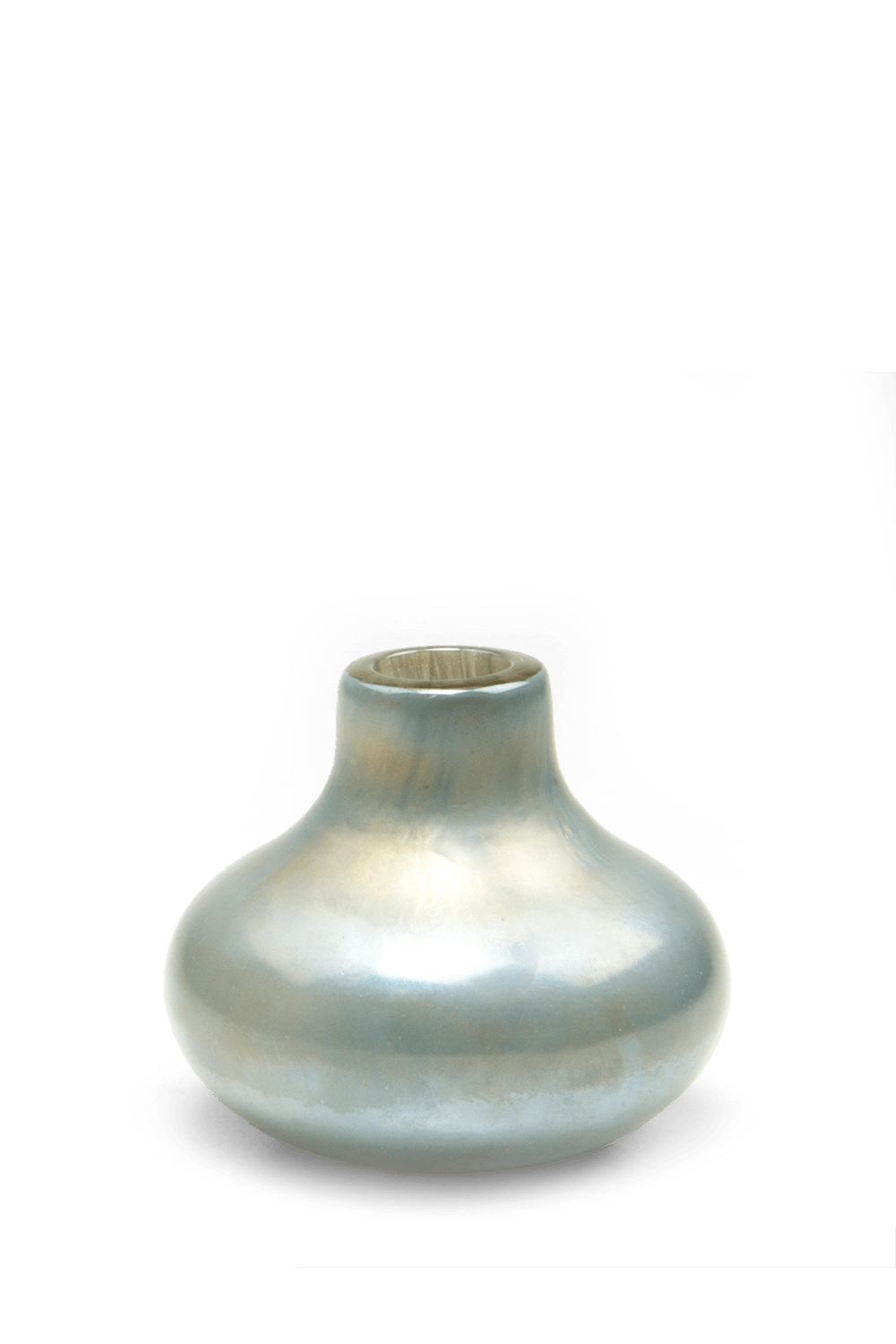
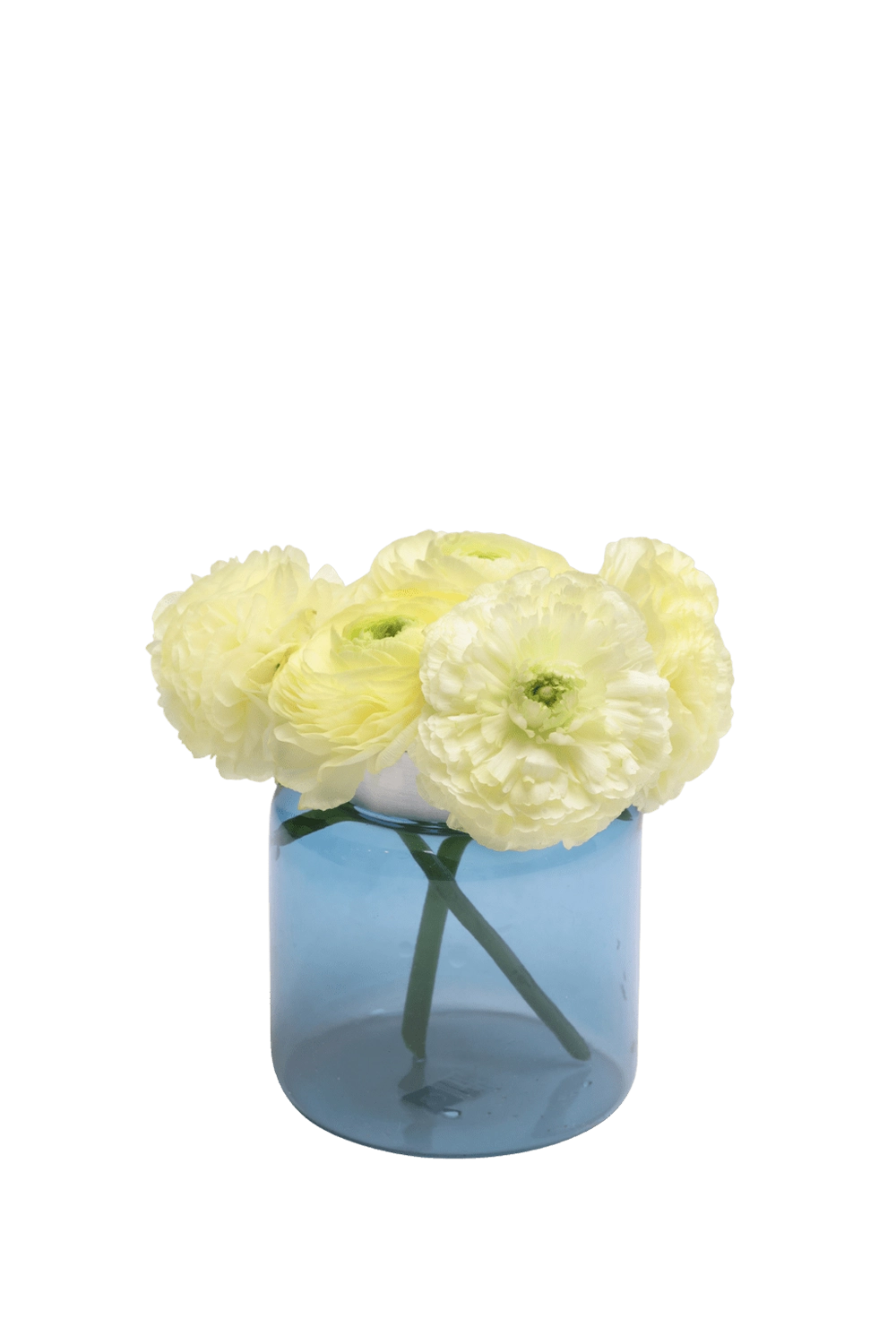
Chive ceramic pooley bud vase in color scout blue, styled with fresh flowers, on a wood desk.

Decorative Vases

Decorative vases carry the room when the flowers are absent — shape, glaze, and color doing the work between arrangements. The strongest decorative pieces here are the ones designed to look finished empty: the sculptural ceramic bud pieces, the colored glass that reads as an object rather than a container. If a vase needs flowers to justify its shelf, it is storage. If it holds the shelf alone, it is decor. This collection leans hard toward the second kind.

Close up of a wedding tabletop arrangement with three Chive Loft glass bud vases in teal, green, and yellow holding pink and white flowers.

Types of Vases

The types of vases worth knowing reduce to a short list: bud sizes for one to three stems, cylinders for uniform verticals, compotes for low spreading arrangements, wall vases for surfaces you don't have, kenzan vessels for pin-anchored ikebana work, and terrariums for the plants that stay. Each type in this hub links down to its own collection, where the shapes get specific. Learn the six types and every florist's arrangement suddenly becomes legible — it is always one of these, sized with intent.

Chive Studio has designed every vase and terrarium in this hub in Toronto since 2004, each piece made by hand, and studio work now sits in 200+ institutions worldwide. Pieces from the range have been featured in The O List, and everything ships gift-ready to 40+ countries.

Reviewed by Jessie Duenas, Chive designer · Updated August 2026 →

How to Arrange Flowers in a Bud Vase

Jessie Duenas
Bud vase arrangements follow one rule: one stem, cut at an angle, in a narrow-neck vase filled 80% with water. Strip the lower leaves, set it down, and the whole thing takes fiv...
Read more

Frequently asked questions about our Vases and Terrariums

What are the best decorative vases for a modern home?

Handblown glass and hand-fired ceramic — the best decorative vases balance shape, material, and the ability to hold water without making the whole production look like it is trying too hard. This collection covers Pooley bud vases, Loft wedding sets, glass vessels in over a dozen shapes, and ceramic pieces fired at the studio. The vase is the frame. The flower is the painting. A good frame knows when to shut up.

What vase shapes work best for different kinds of stems?

Narrow necks suit single stems and small bouquets by keeping them upright; wide mouths accommodate looser, fuller arrangements. Vase shapes determine the arrangement more than the flowers do — a cylinder holds stems vertical, a compote spreads them outward, a bud vase isolates one. Match the shape to the stem count rather than the flower species. The shape does half the arranging before your hands get involved.

How do you choose a flower arrangement vase for fresh stems?

Match the vase opening to the stem count — a flower arrangement vase with a narrow neck holds a few stems upright; a wide mouth lets a dozen fall where they want. The vessel height should complement the stems at roughly a two-thirds ratio: stem length above the rim roughly double the vase height visible below. The math sounds fussy. The result looks effortless. That gap between the two is where good vases live.

How do you clean a vase without scratching the glass inside?

Warm water, a drop of soap, and a bottle brush with soft bristles — how to clean a vase is simple until the neck is narrower than the wrist, at which point it becomes an engineering problem humanity has been solving with mixed results since the first person put flowers in a container and then confronted what the flowers left behind. Rice grains shaken in warm water work for vases that defeat the brush. A denture tablet dissolved overnight handles the ones that defeat the rice. The vase wins the first round. The owner wins eventually, using tools designed for entirely different problems. The satisfaction is disproportionate. The vase does not apologise.

Which vase for tall flowers keeps long stems from tipping over?

A vase for tall flowers needs a heavy base and a height that supports at least one-third of the stem below the rim — top-heavy arrangements tip when the vessel is too light or too short for the stem length. The ceramic pieces in this collection carry more weight than glass at equivalent size, which helps. Counterbalance is the engineering. The flower gets the credit. The vase never mentions its contribution.

What vase sizes are best for flowers with short or long stems?

Three to five inches for short stems; seven inches and above for long — the best vases for flowers are the ones scaled to the stems they hold. An oversized vase drowns a small bouquet. A small vase topples under a tall arrangement. Vase sizes are a proportion question, not a preference one. The eye knows when the ratio is wrong before the brain can explain why. Trust the eye. It has practice.

What makes a minimalist vase work in a small modern space?

Clean lines, a single material, and a footprint small enough to share a surface without competing for it — a minimalist vase works by taking up less visual space than the flower it holds. This collection includes bud vases sized for windowsills and shelves where a single stem is the entire arrangement. Minimalism in vases is restraint in three dimensions. The vase disappears. The flower does not. That is the design working.

Where can you find a mid century modern vase that looks authentic?

A studio that designs from the period's principles rather than its catalogue — a mid century modern vase should be shaped for function, coloured with intent, and free of decoration that exists only to decorate. This collection includes glass and ceramic pieces that follow that logic. The mid-century aesthetic was always about the object earning its place in the room. A vase that earns its shelf still looks mid-century. A vase that copies one just looks careful.

2004 Making ceramics since
200+ Institutions worldwide

RHS Chelsea Flower Show2026 4-star booth award recipient
2 x 5-star booth award — winner
Exhibiting since 2013

About Chive Studio

Chive Studio has designed ceramic wall flowers in Toronto since 2004; the vases came along because the flowers kept needing somewhere to stand. This hub splits four ways: bud vases for single stems and propagation, glass vases from test tubes to compotes, a ceramic flower vase range fired at the studio, and a glass terrarium collection for the plants that stay.

Learn more about Chive Studio →

Chive in the Press →