





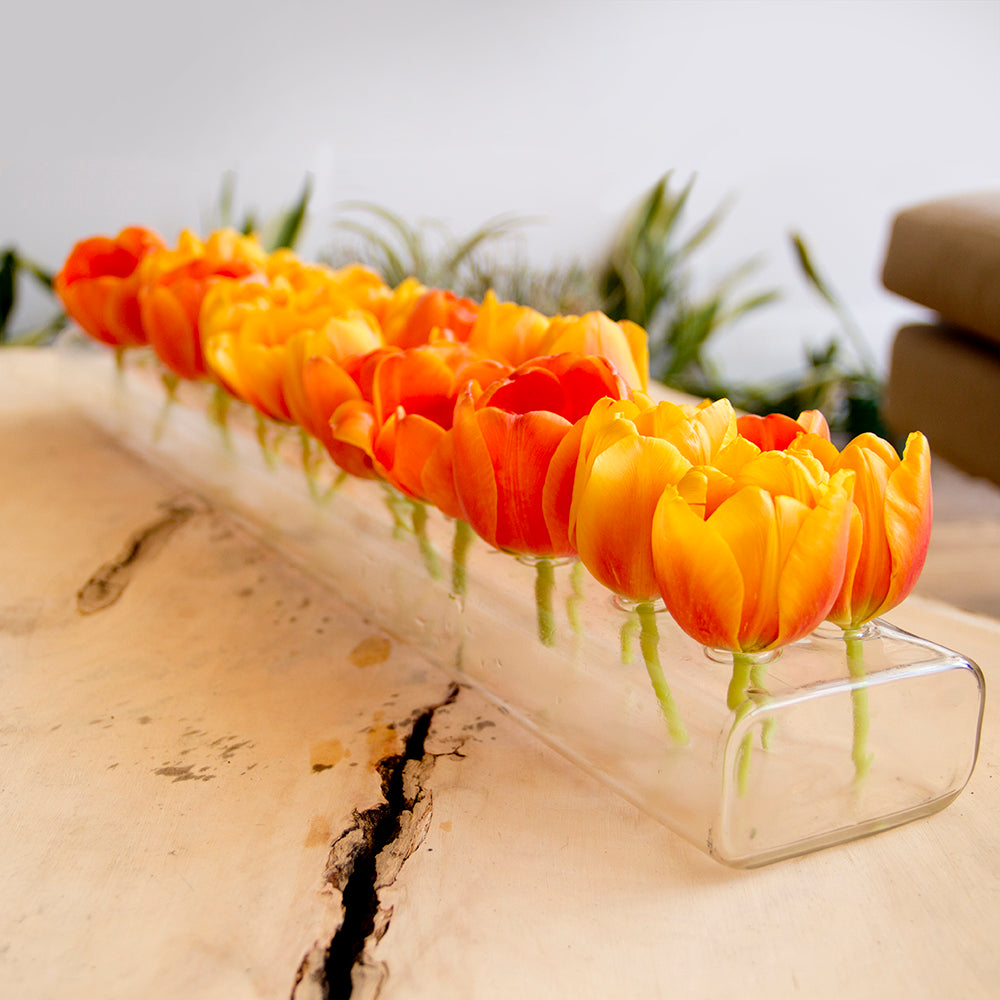


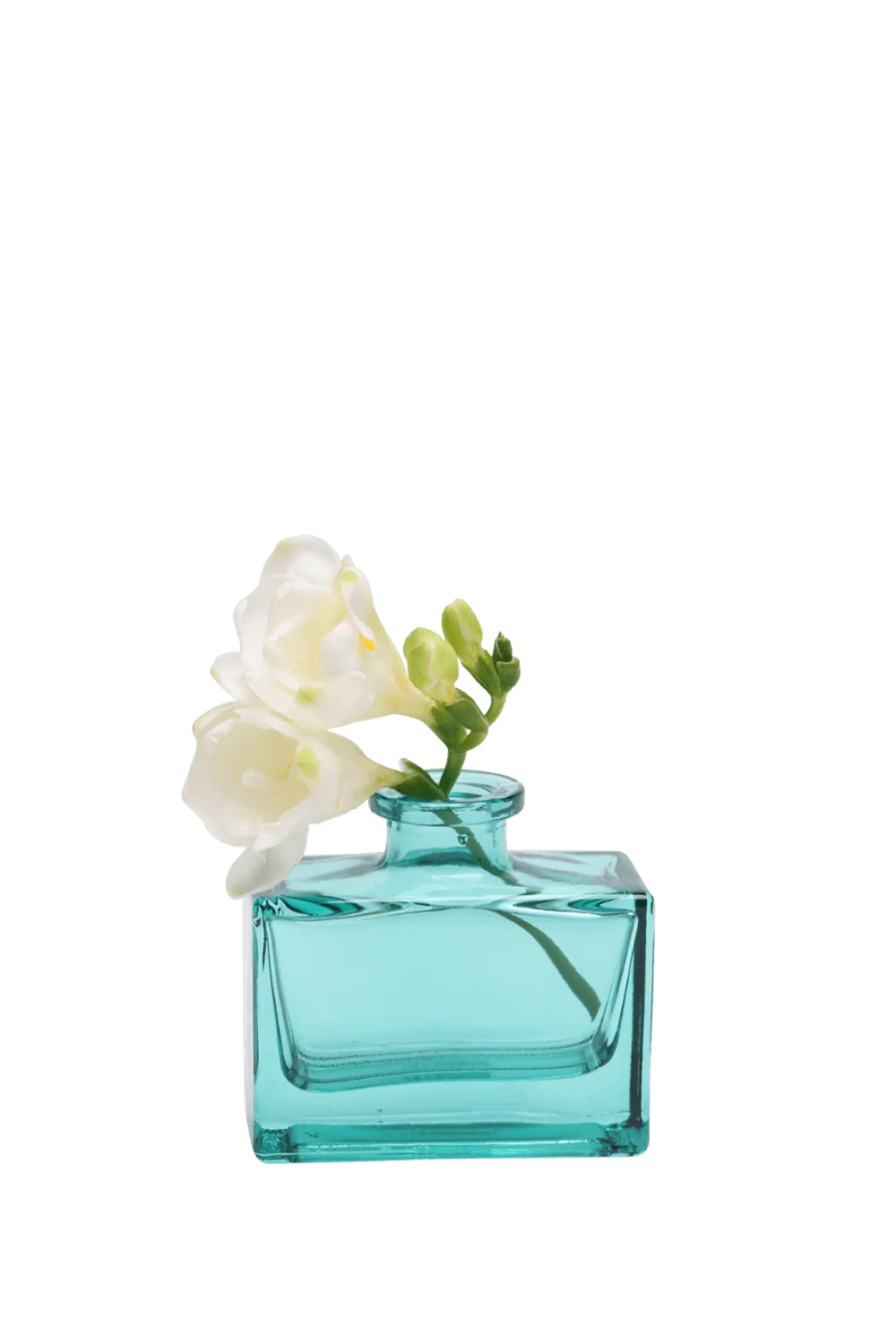
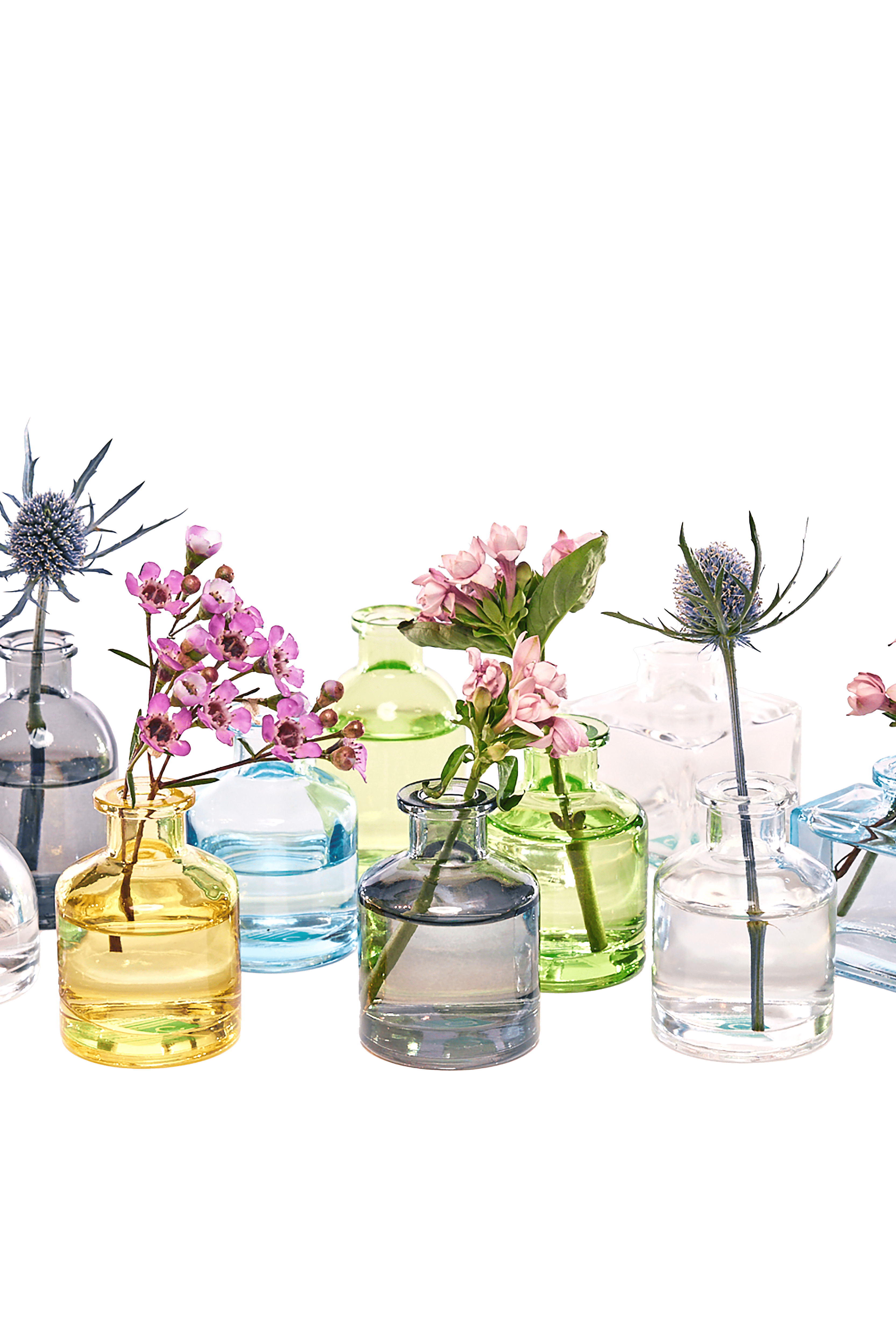


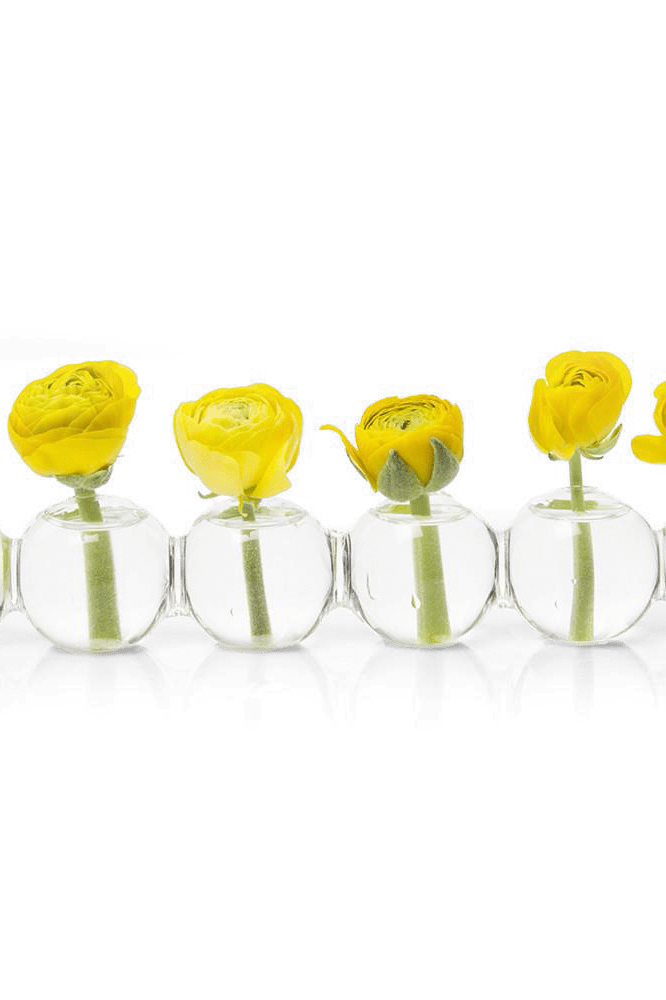


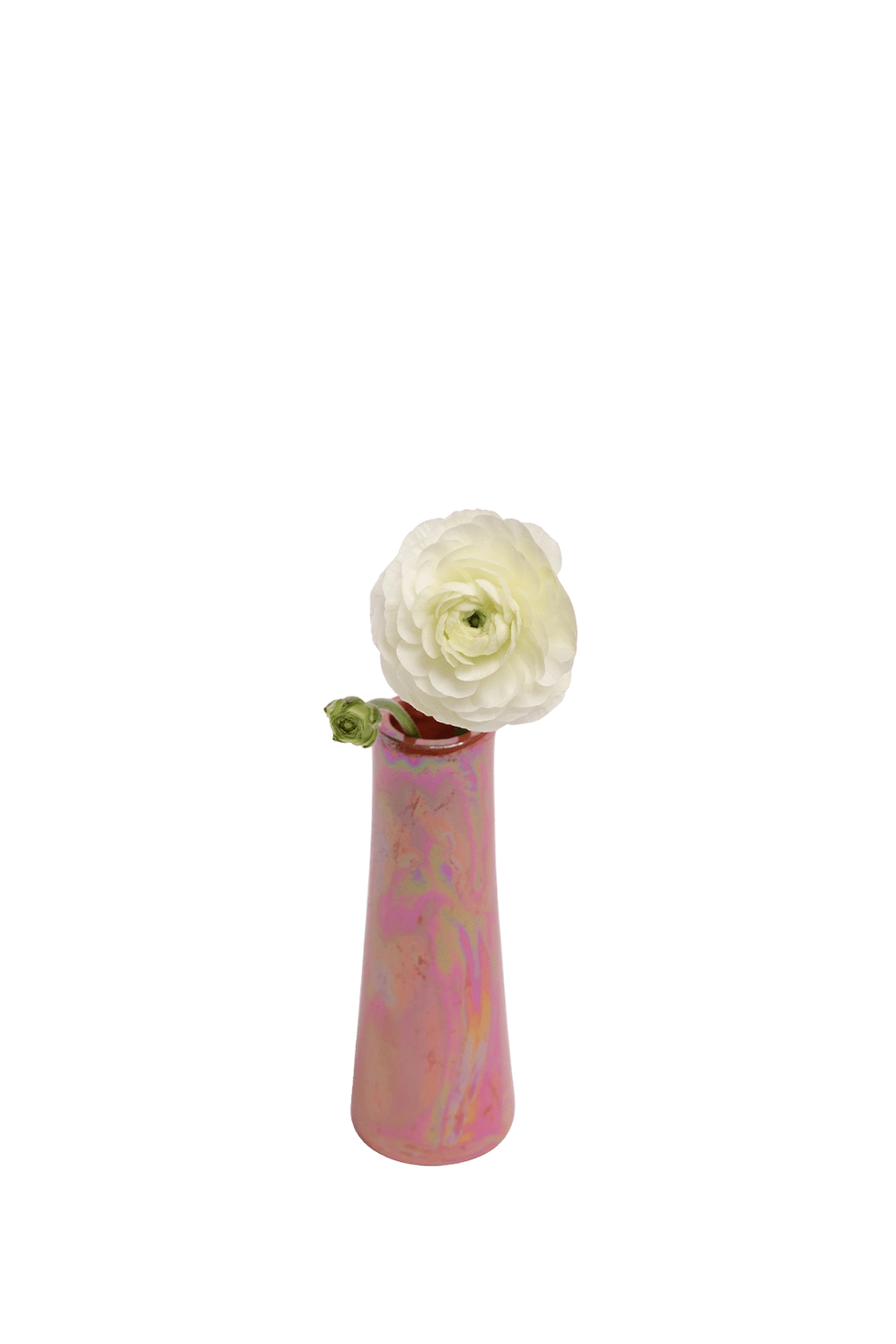



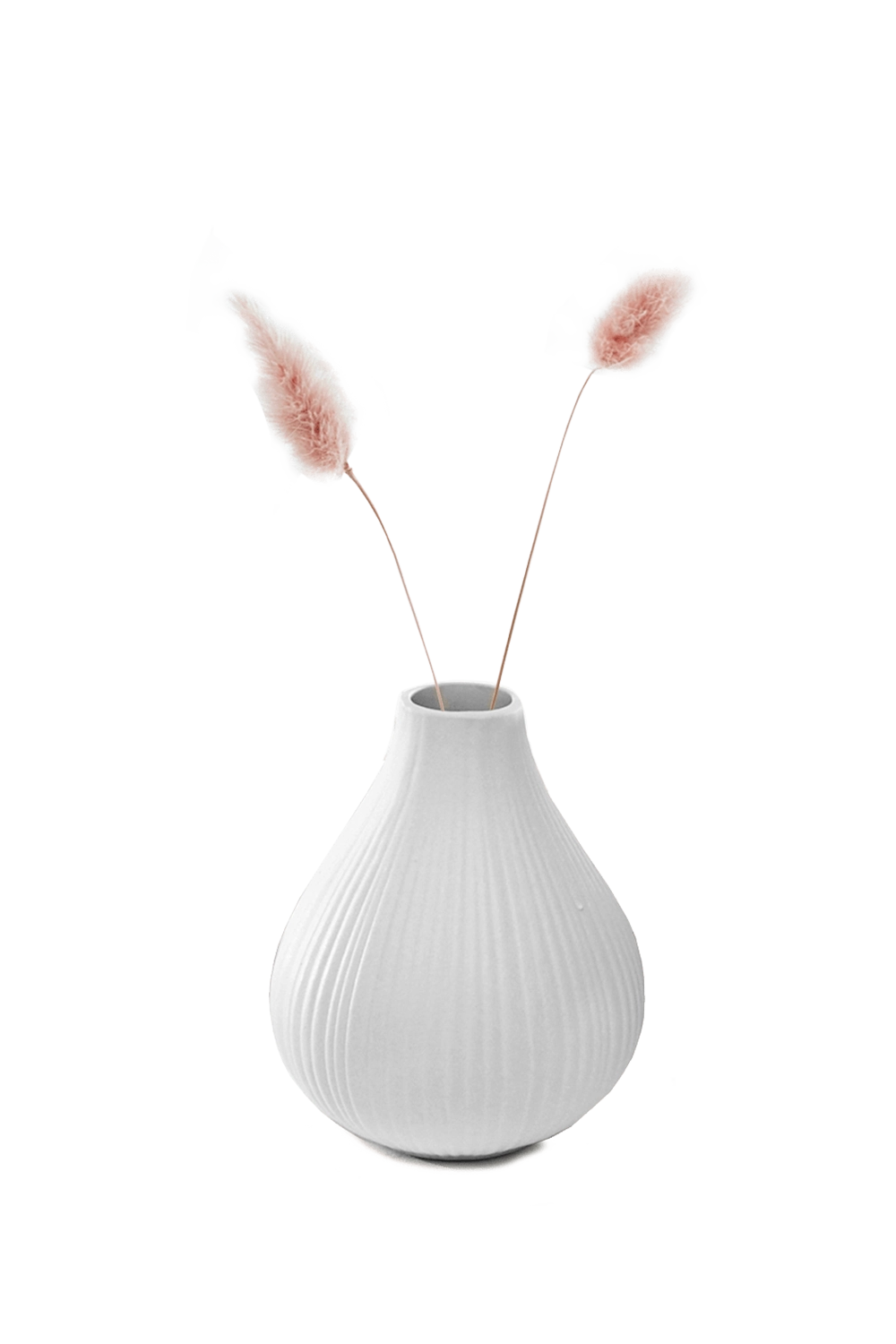
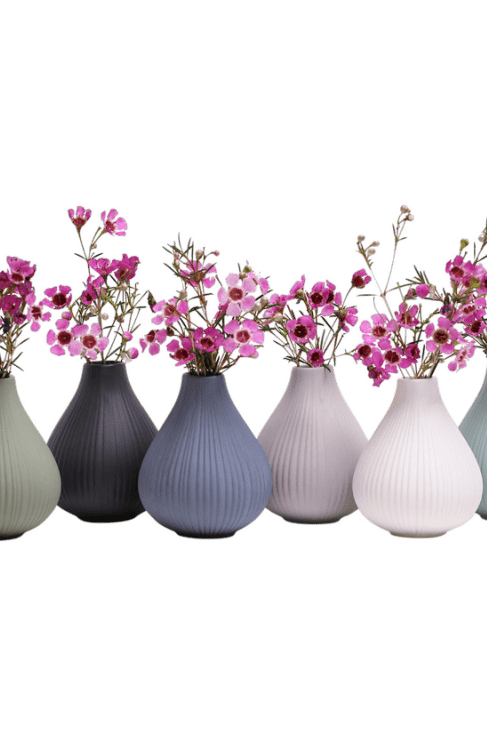


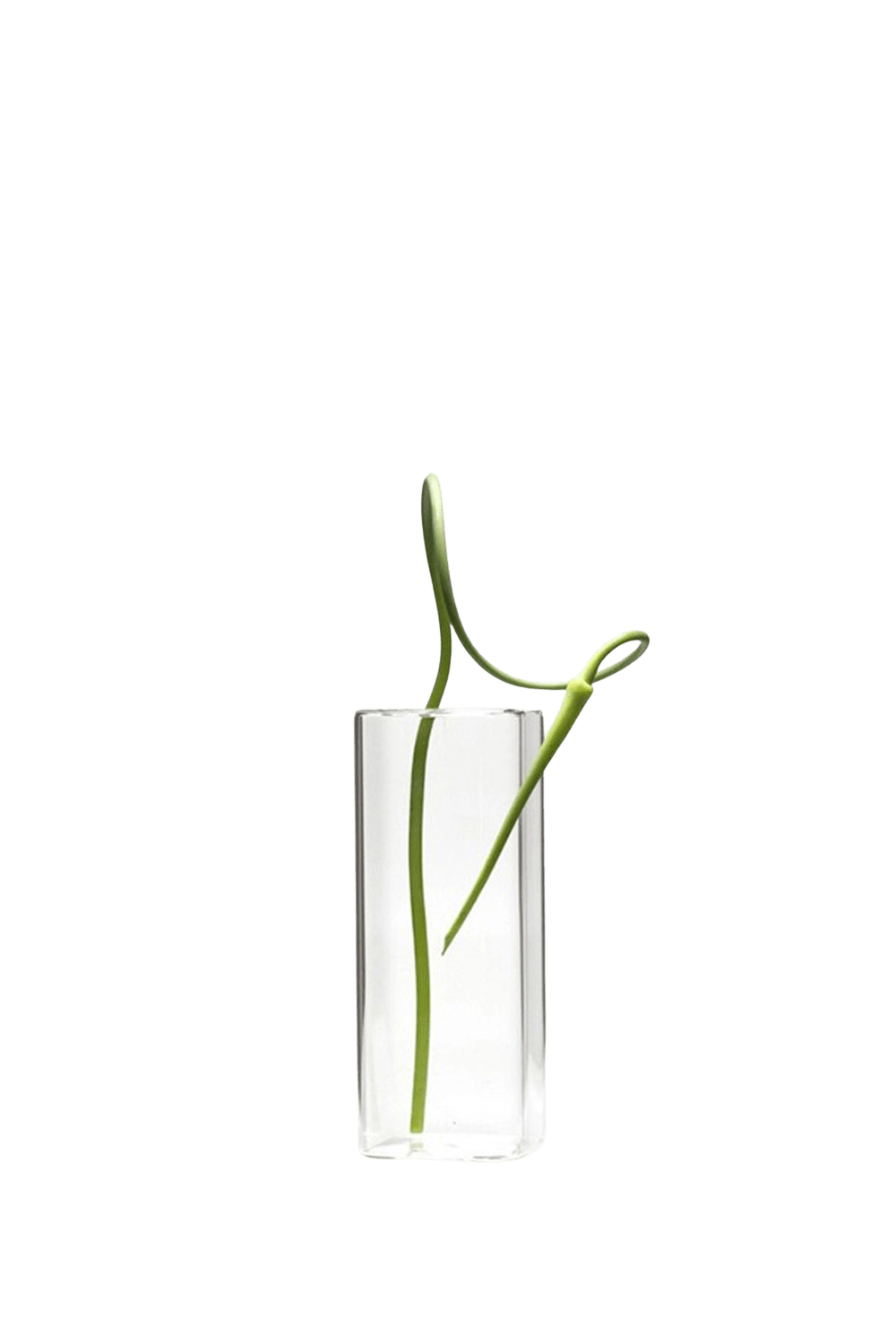
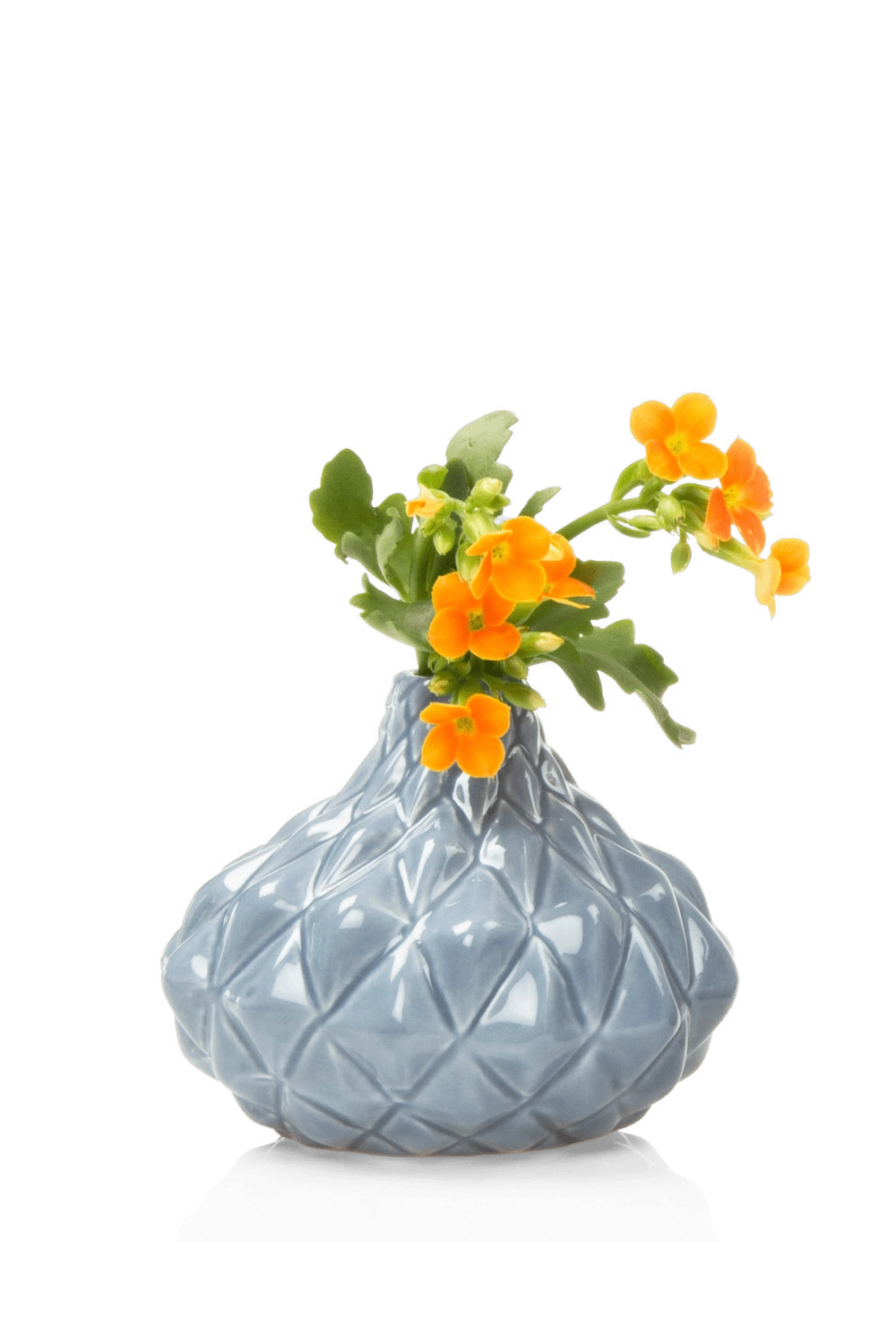


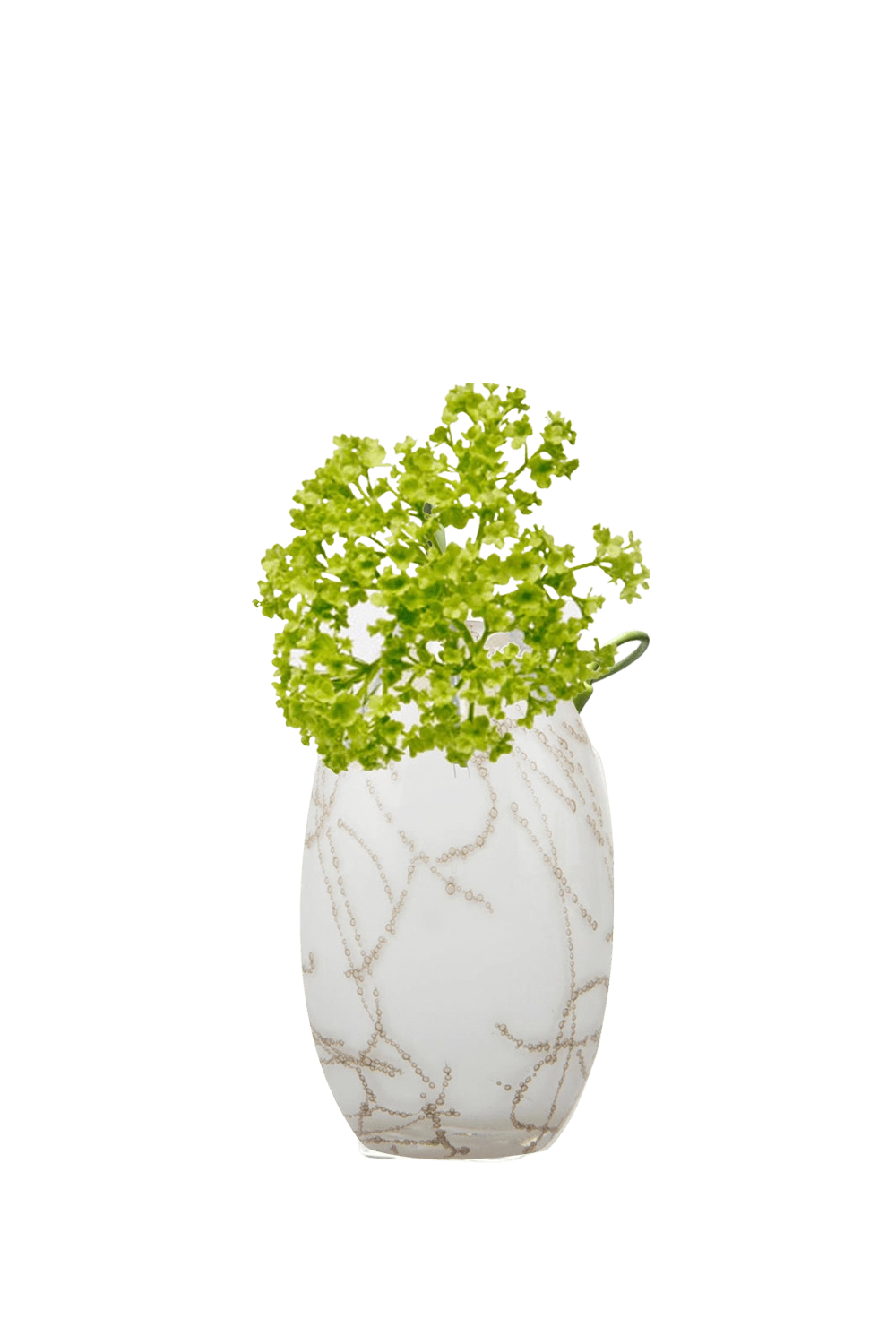
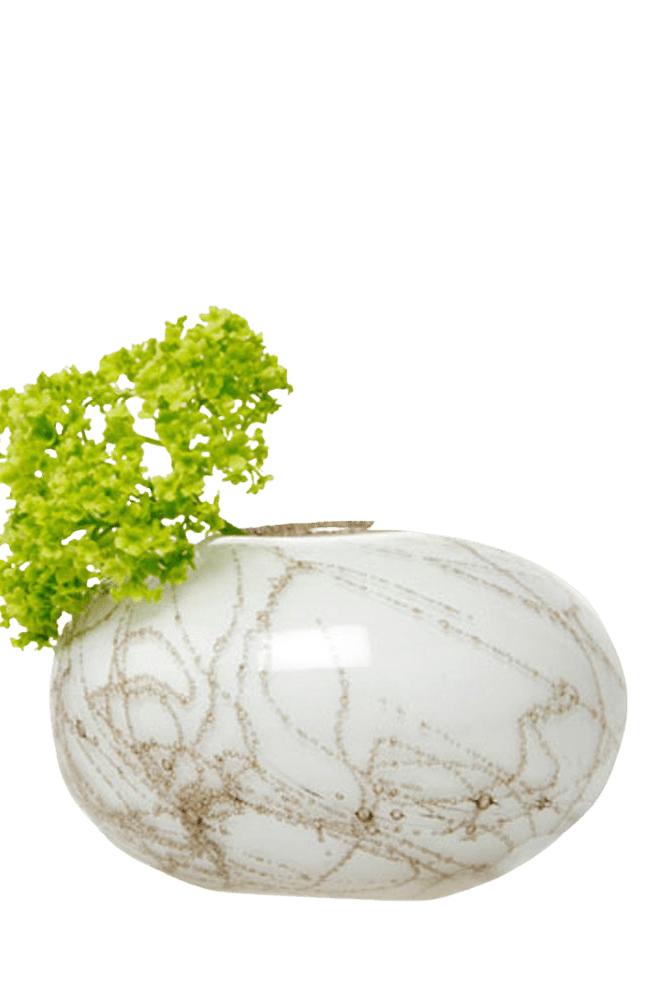
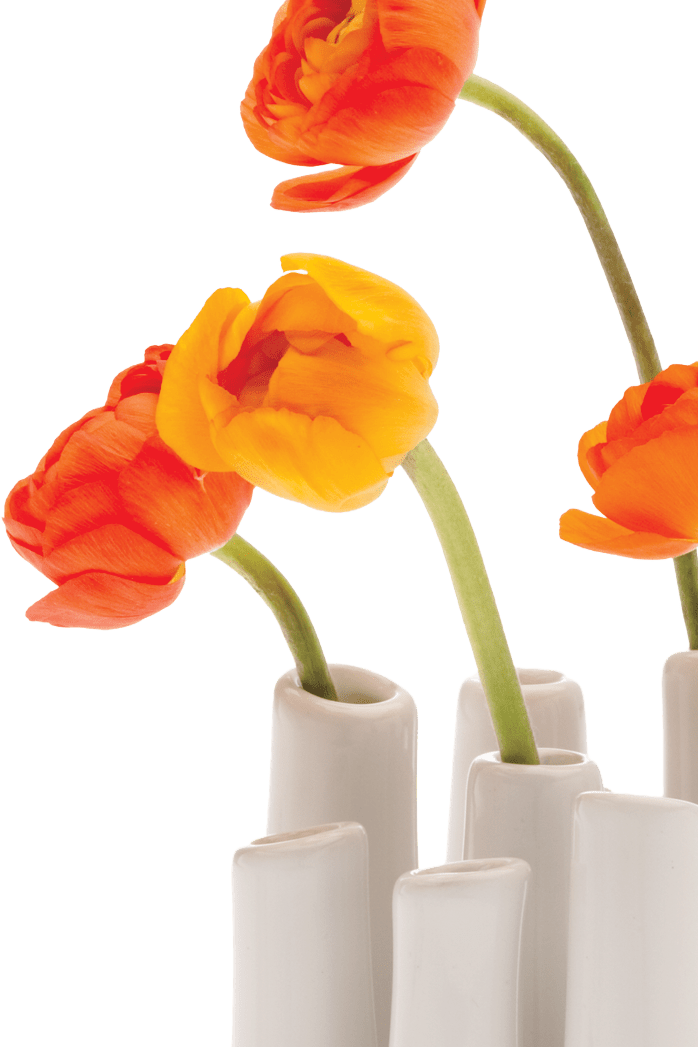
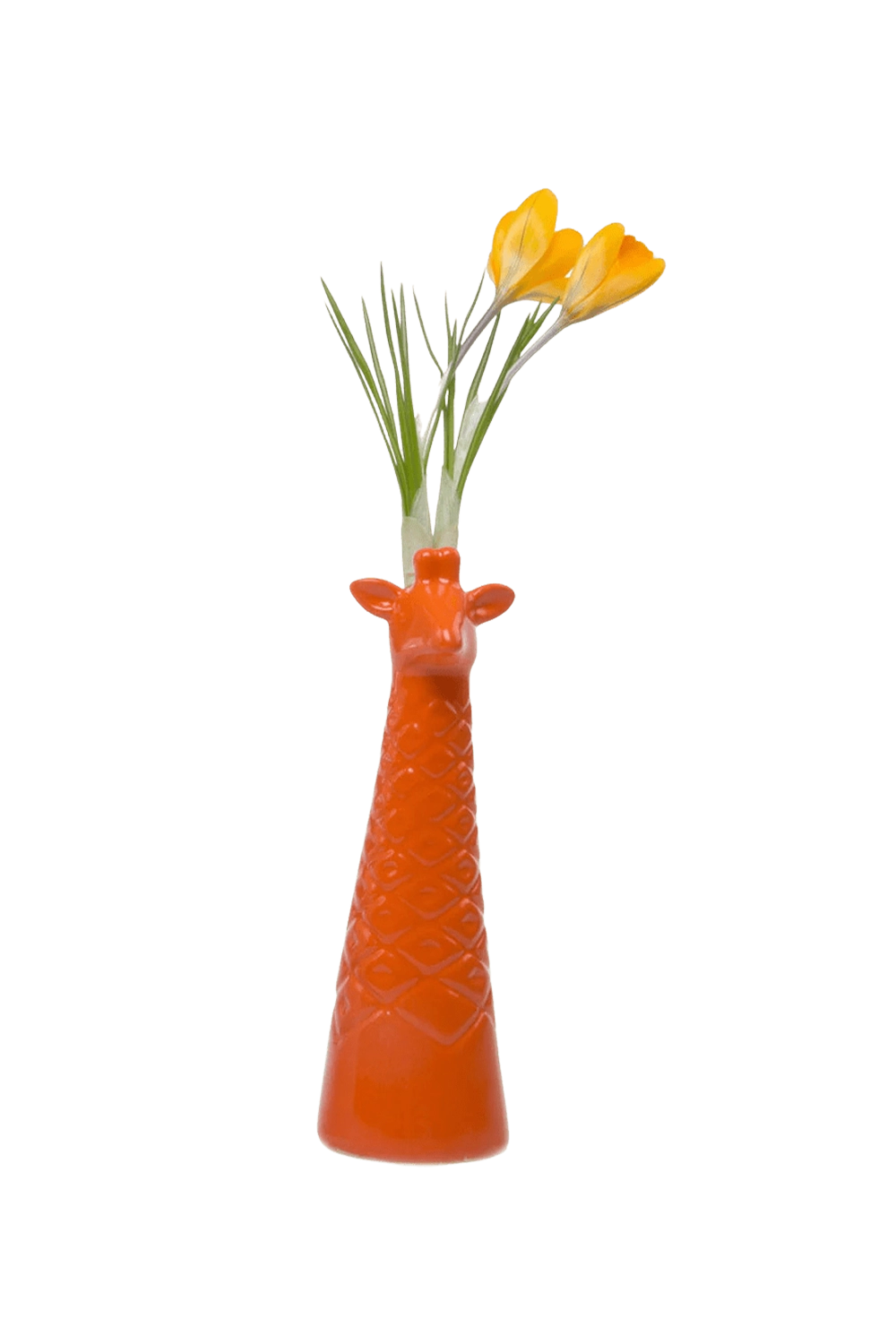
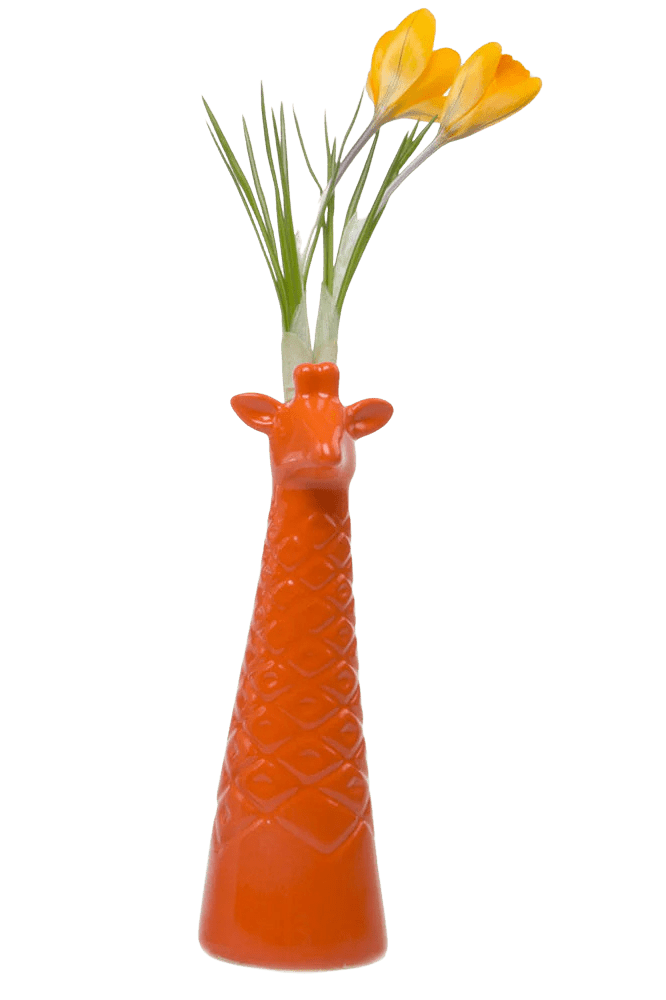
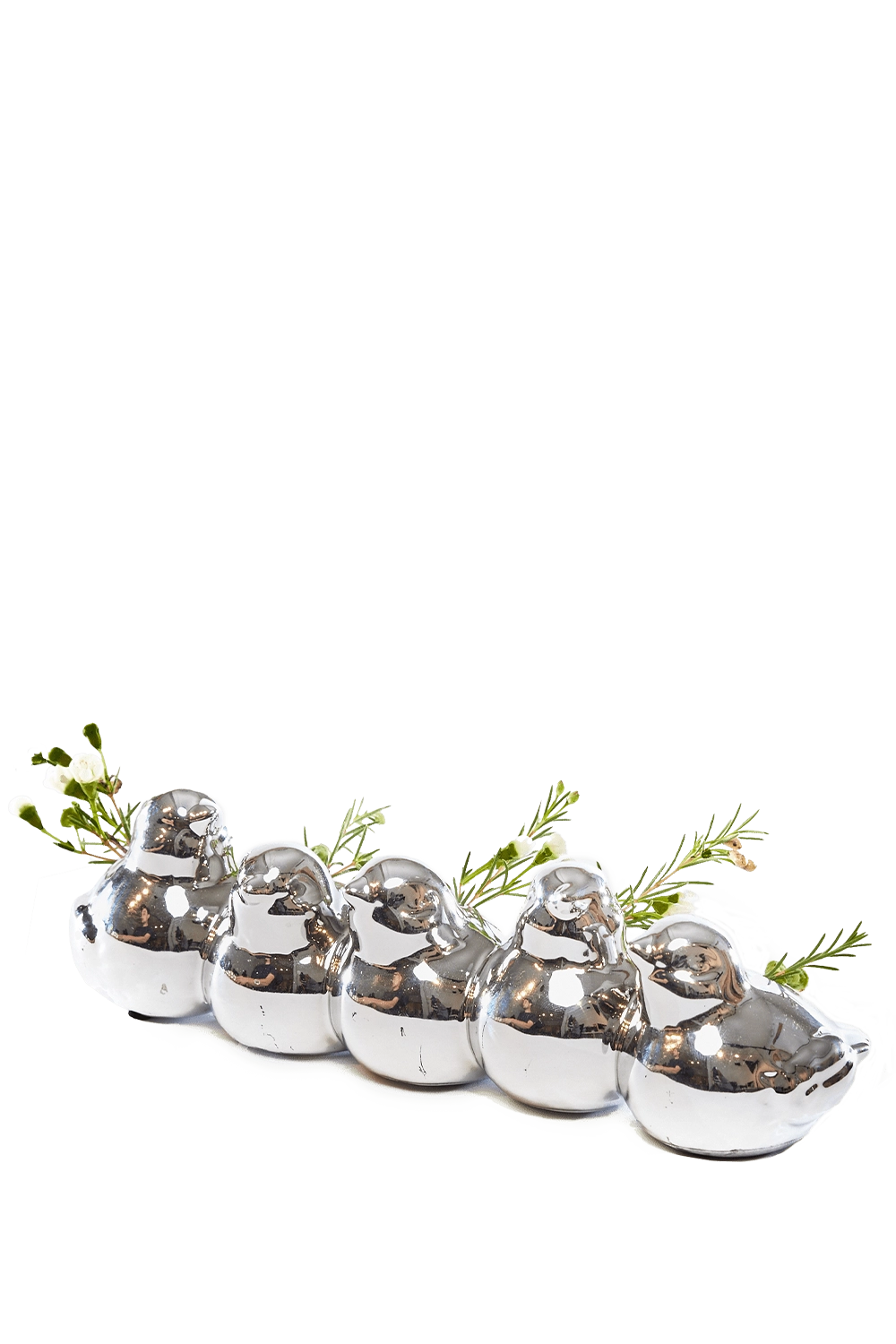
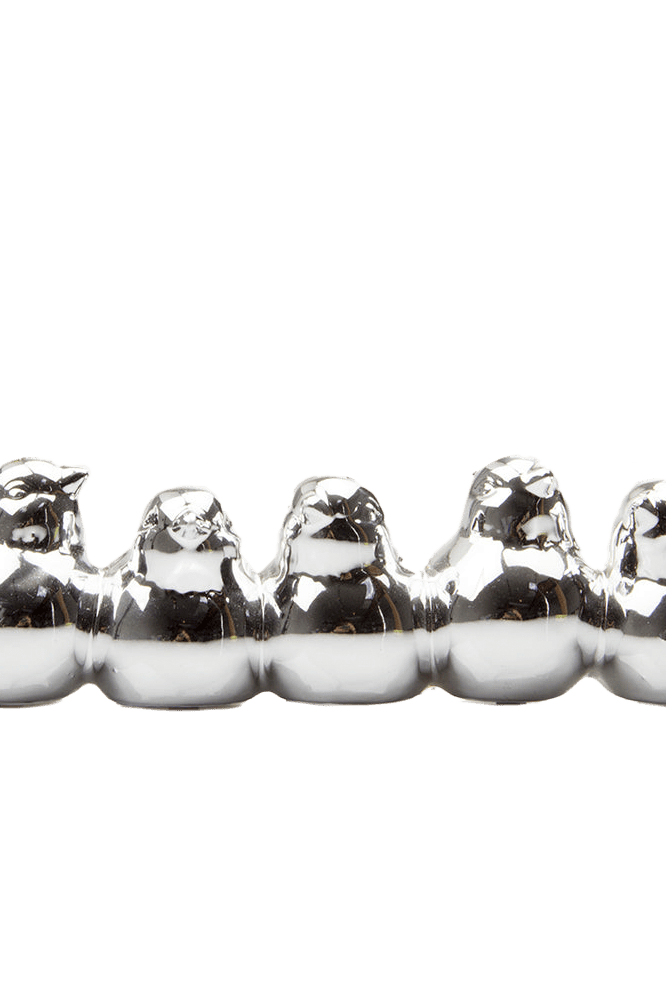
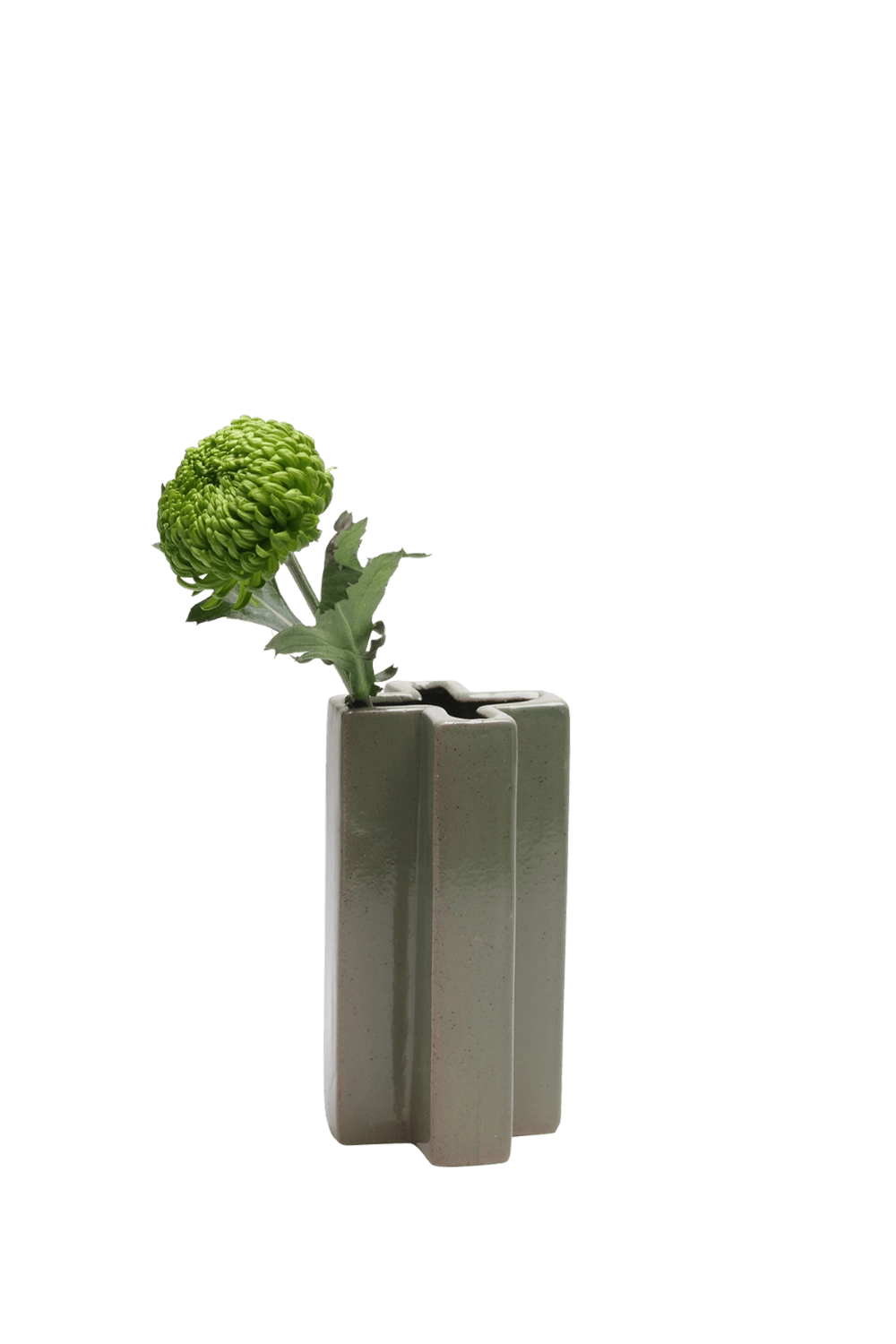
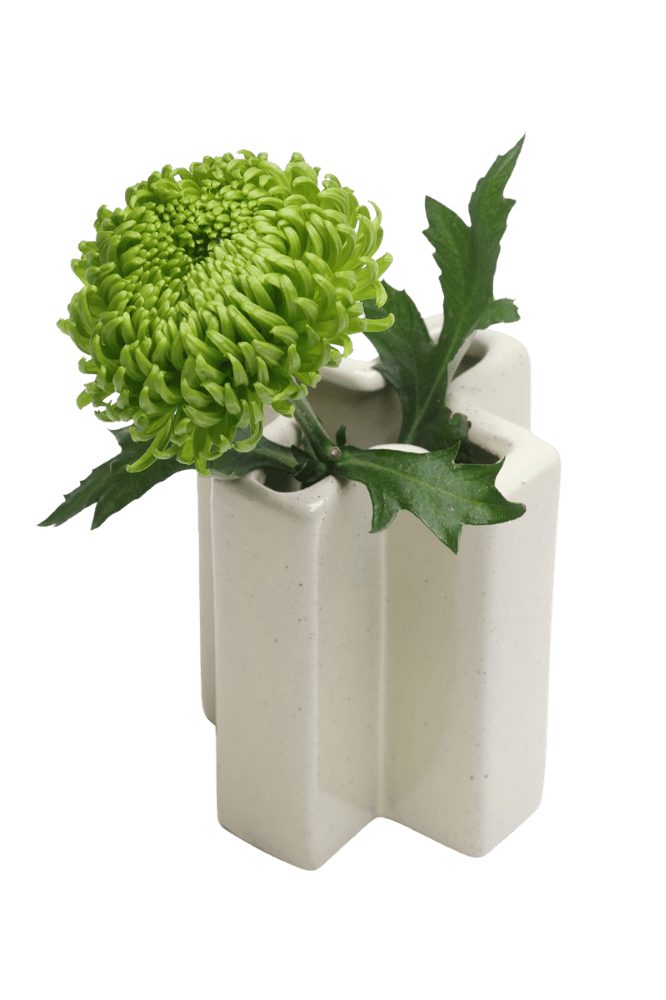
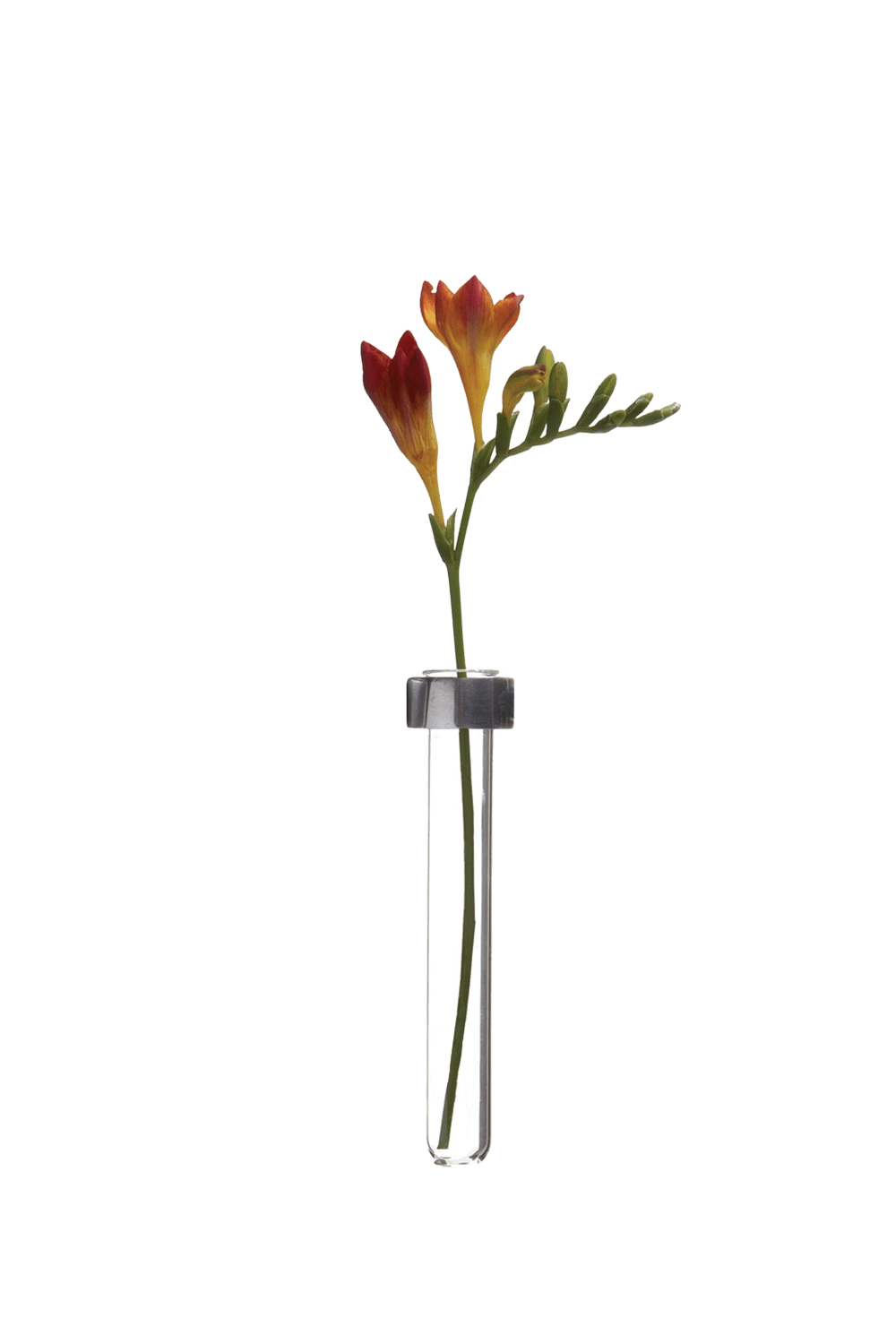
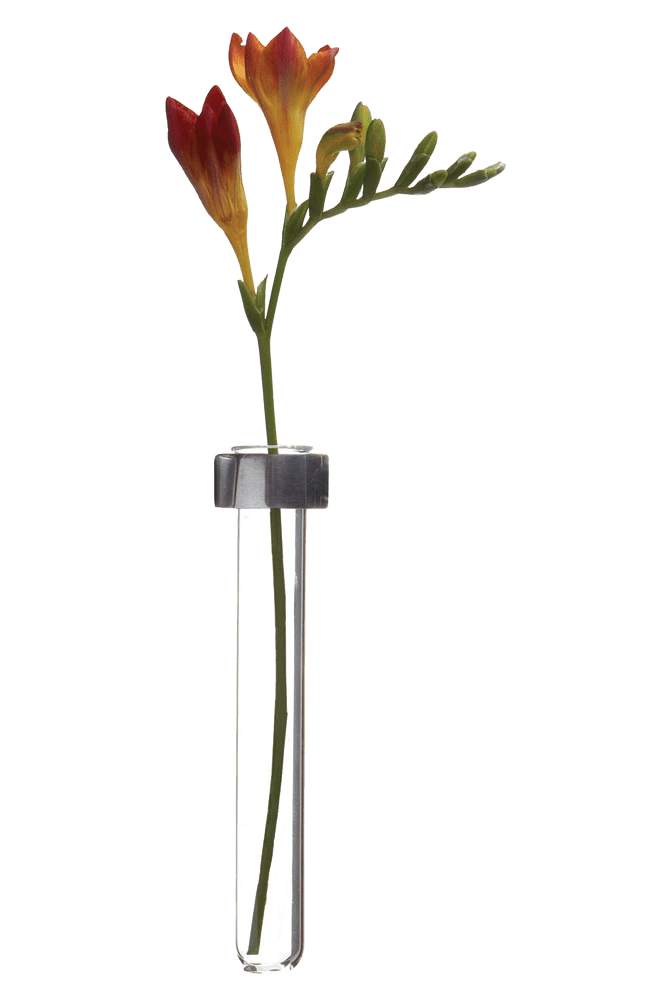
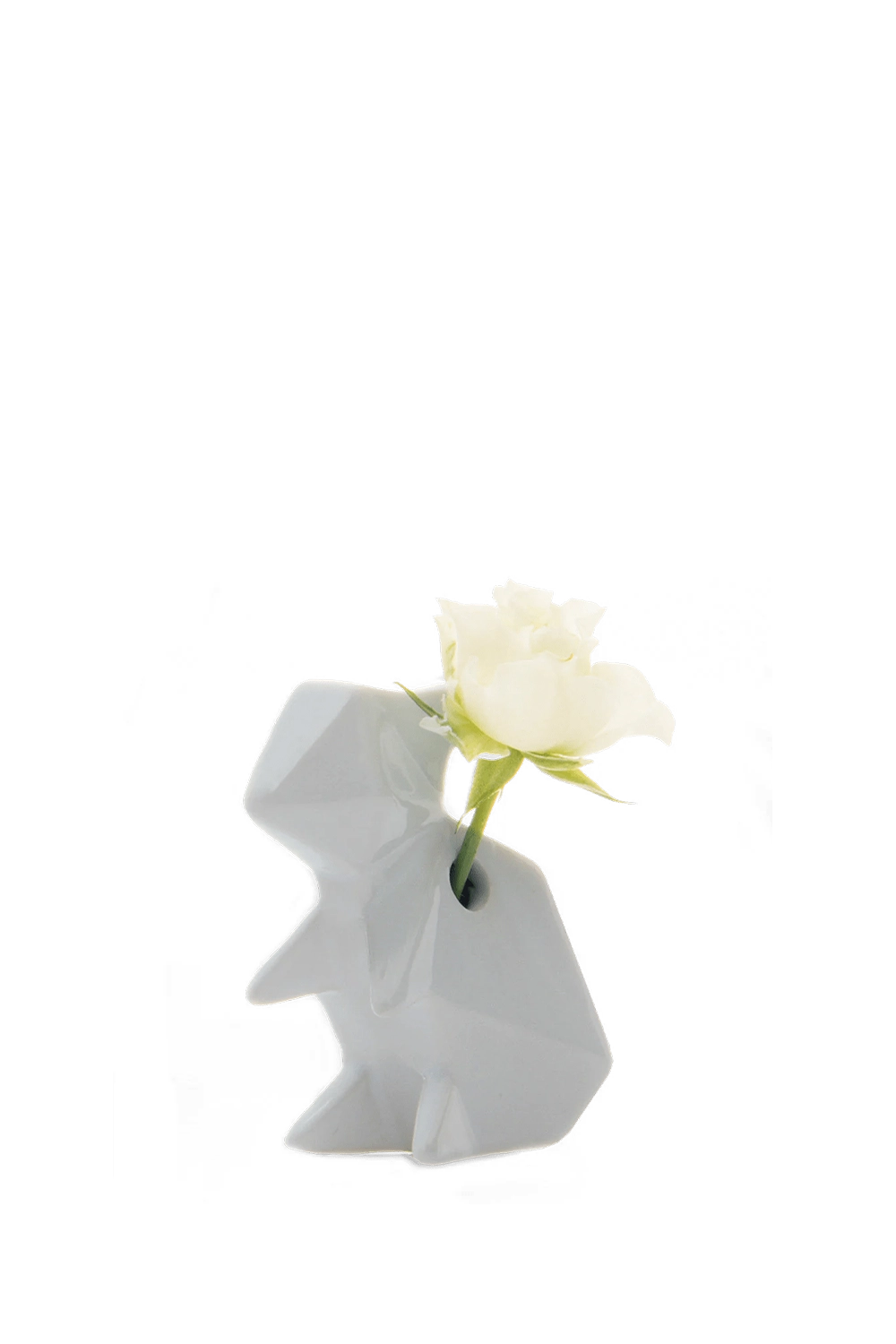
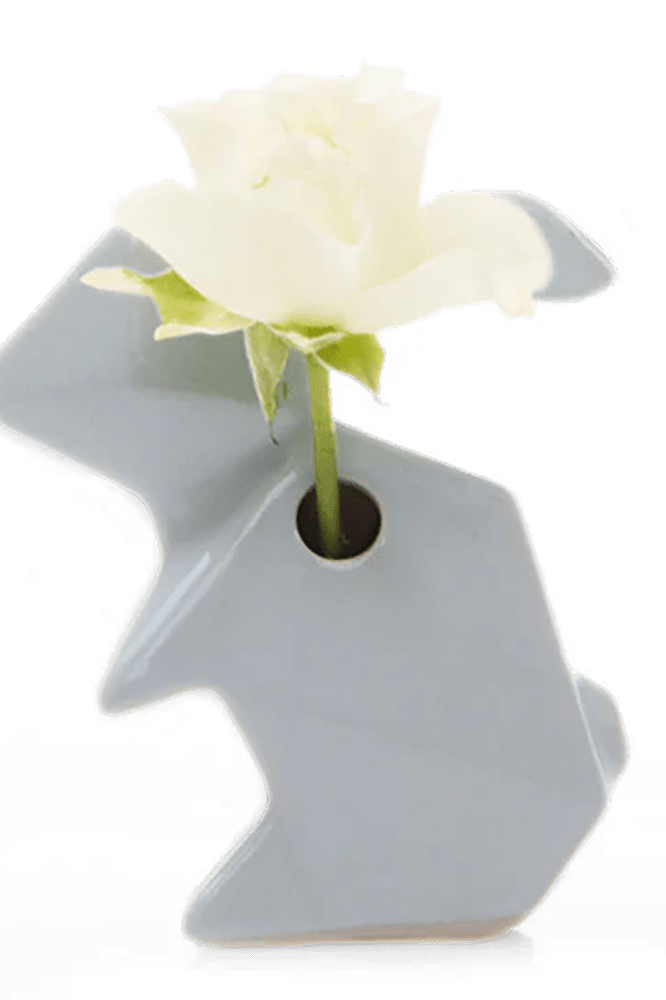
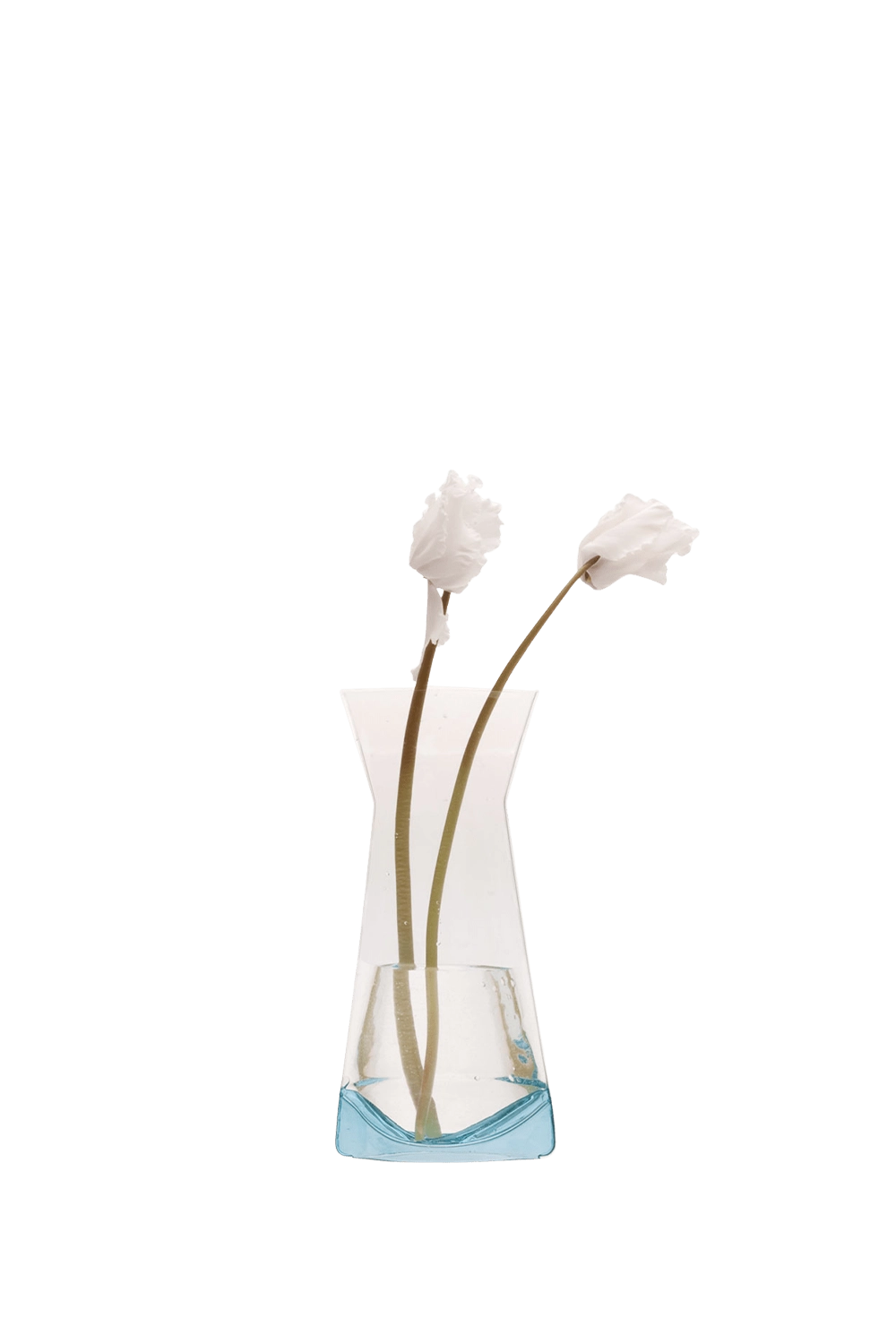
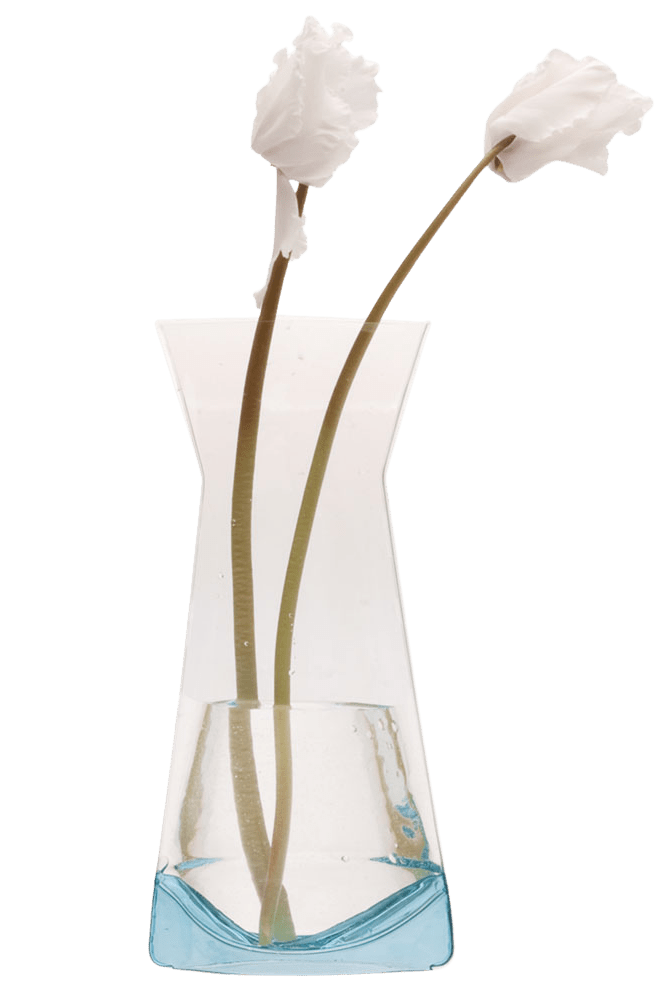
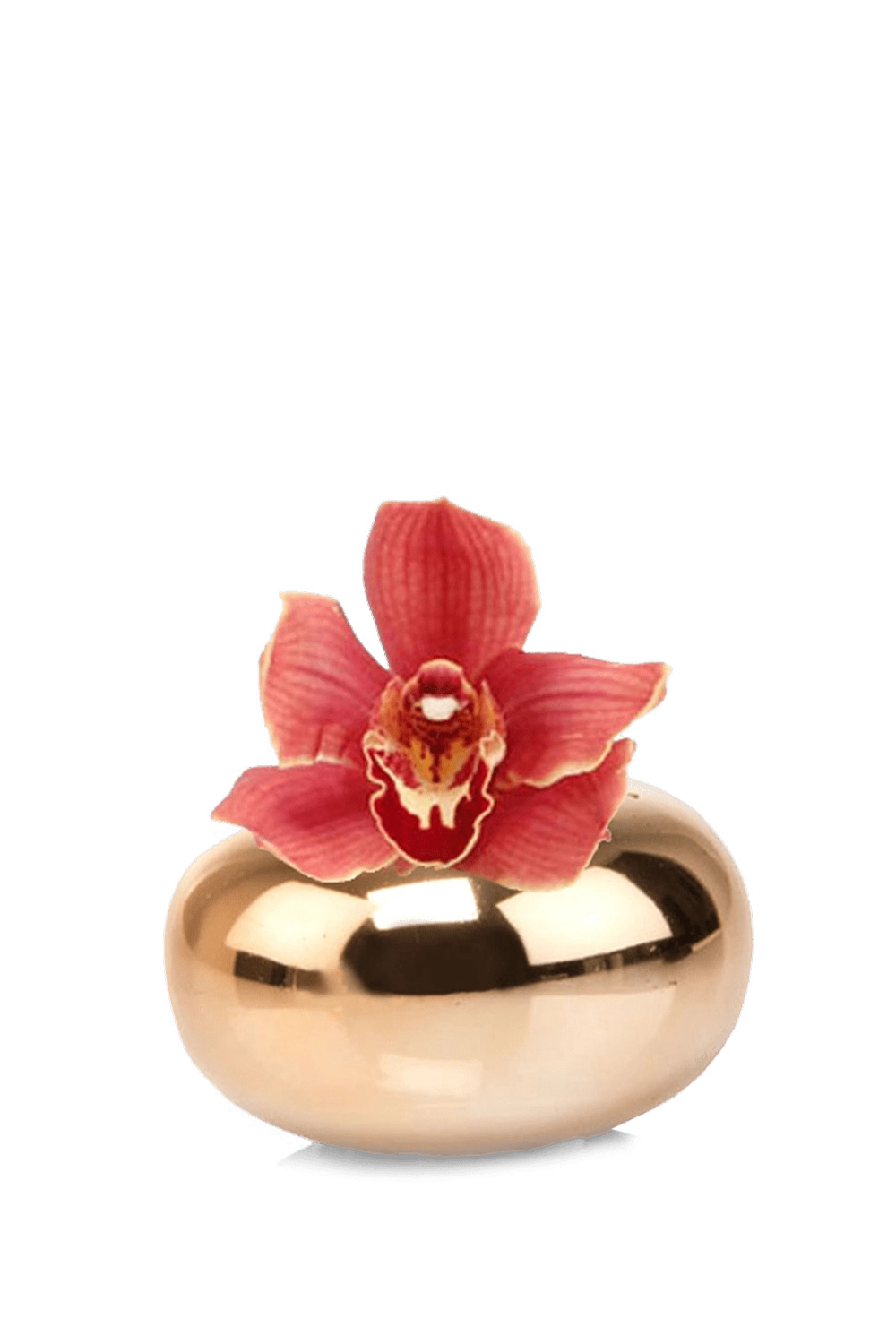
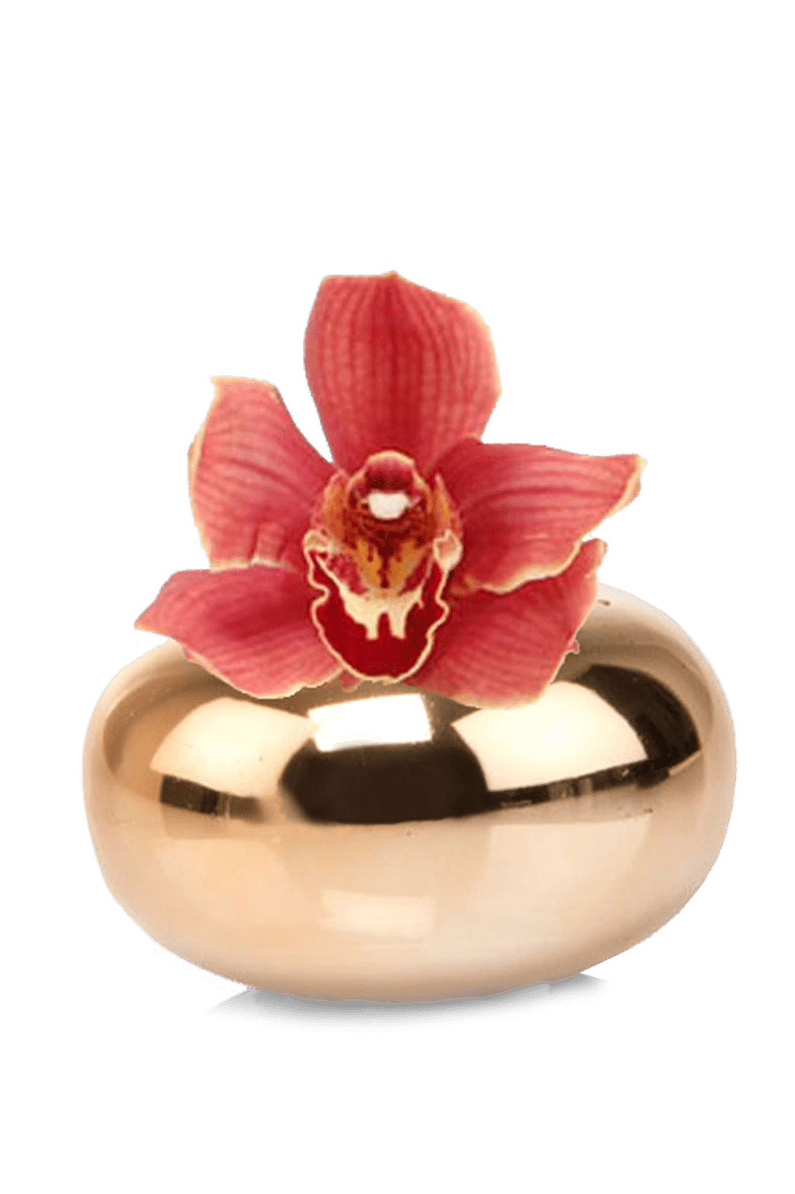


Choosing a vase is mostly a matter of matching geometry to intention. A narrow neck holds a few stems upright and makes one flower look deliberate; a wide mouth lets a dozen fall loosely and makes abundance look casual. Height follows the same logic — roughly a third of the stem below the rim keeps tall arrangements from tipping, and short garden cuts want a vessel that meets them at their level. Every piece in this hub was designed with a specific stem-count and posture in mind, which is another way of saying the vase does half the arranging before your hands get involved.
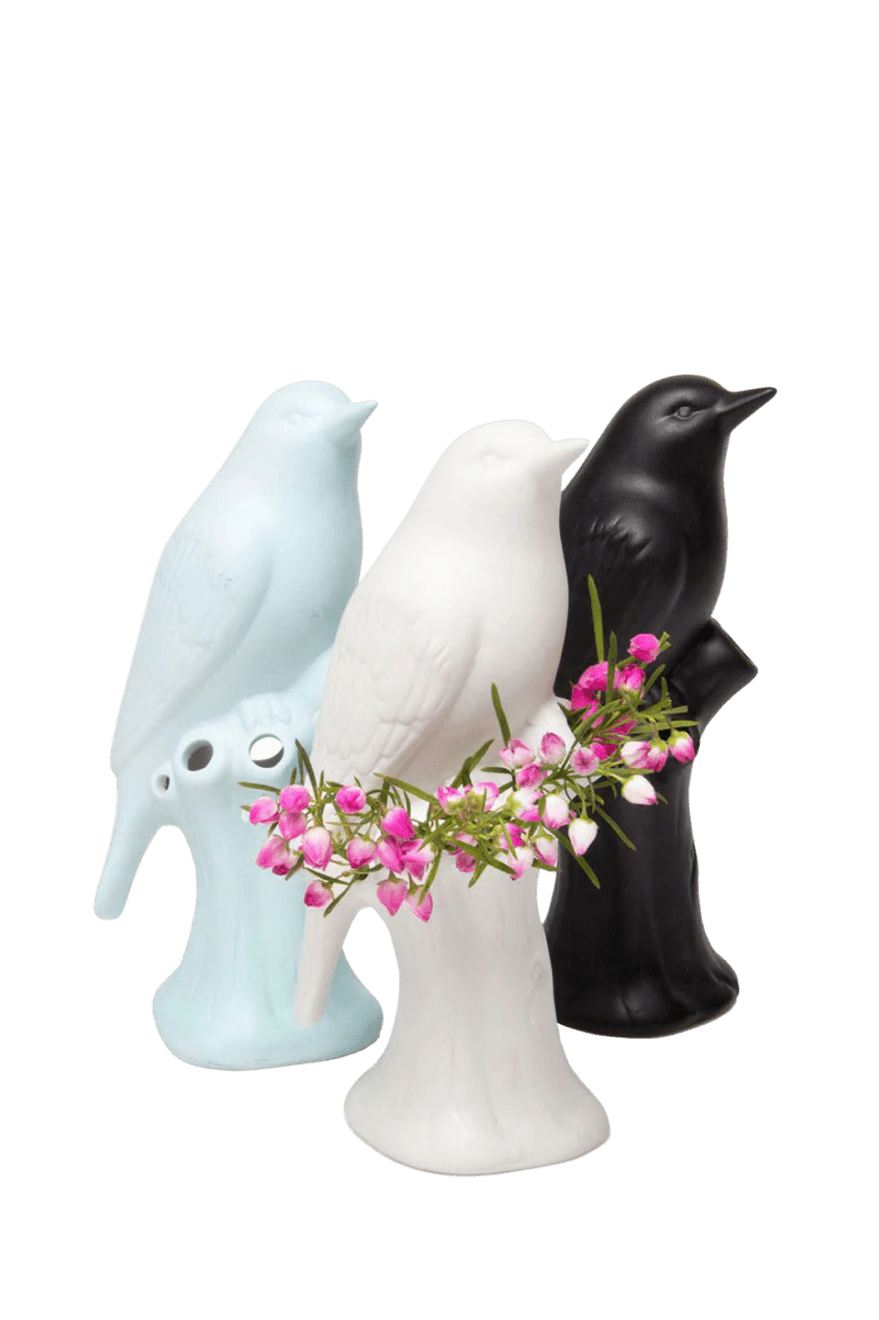
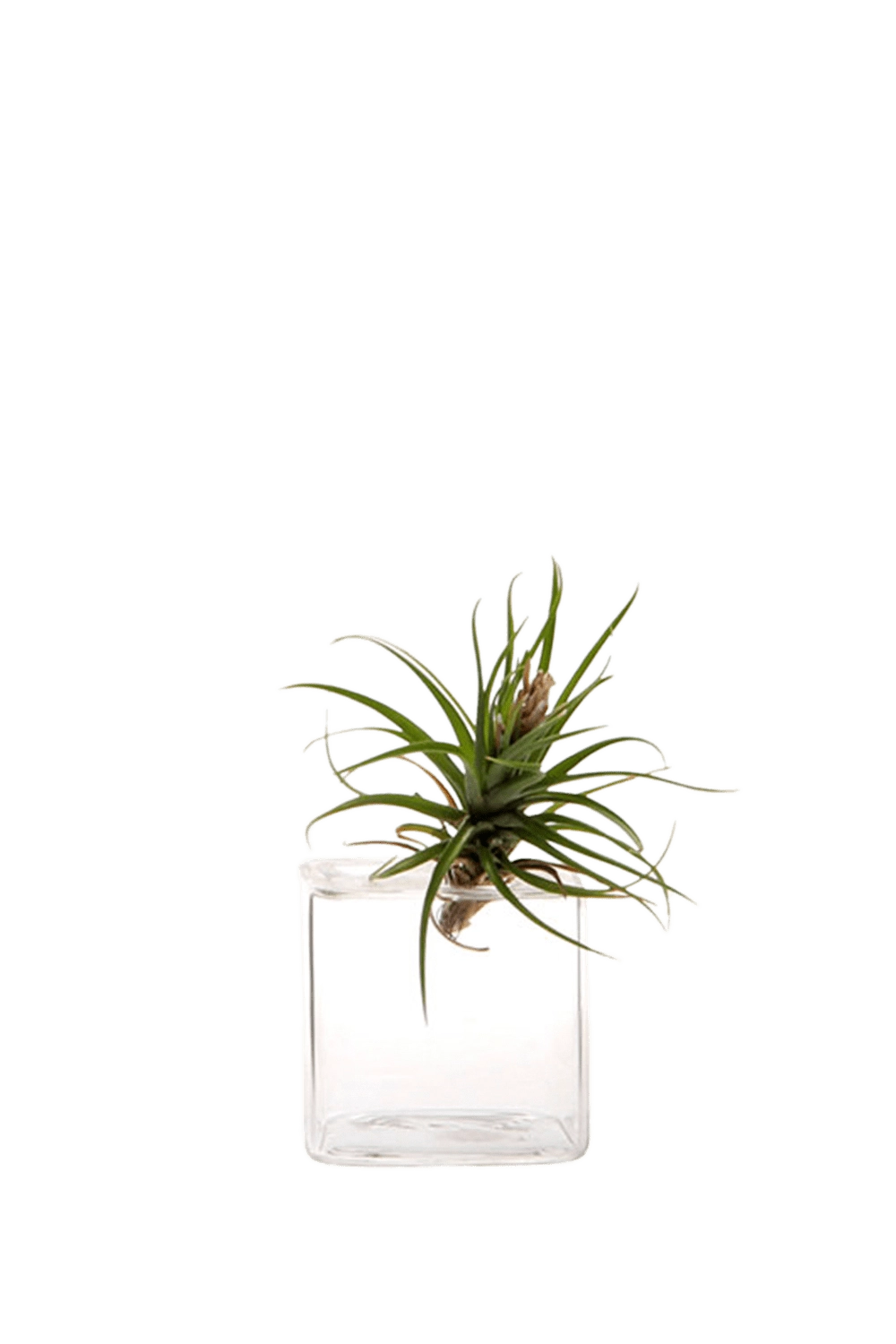
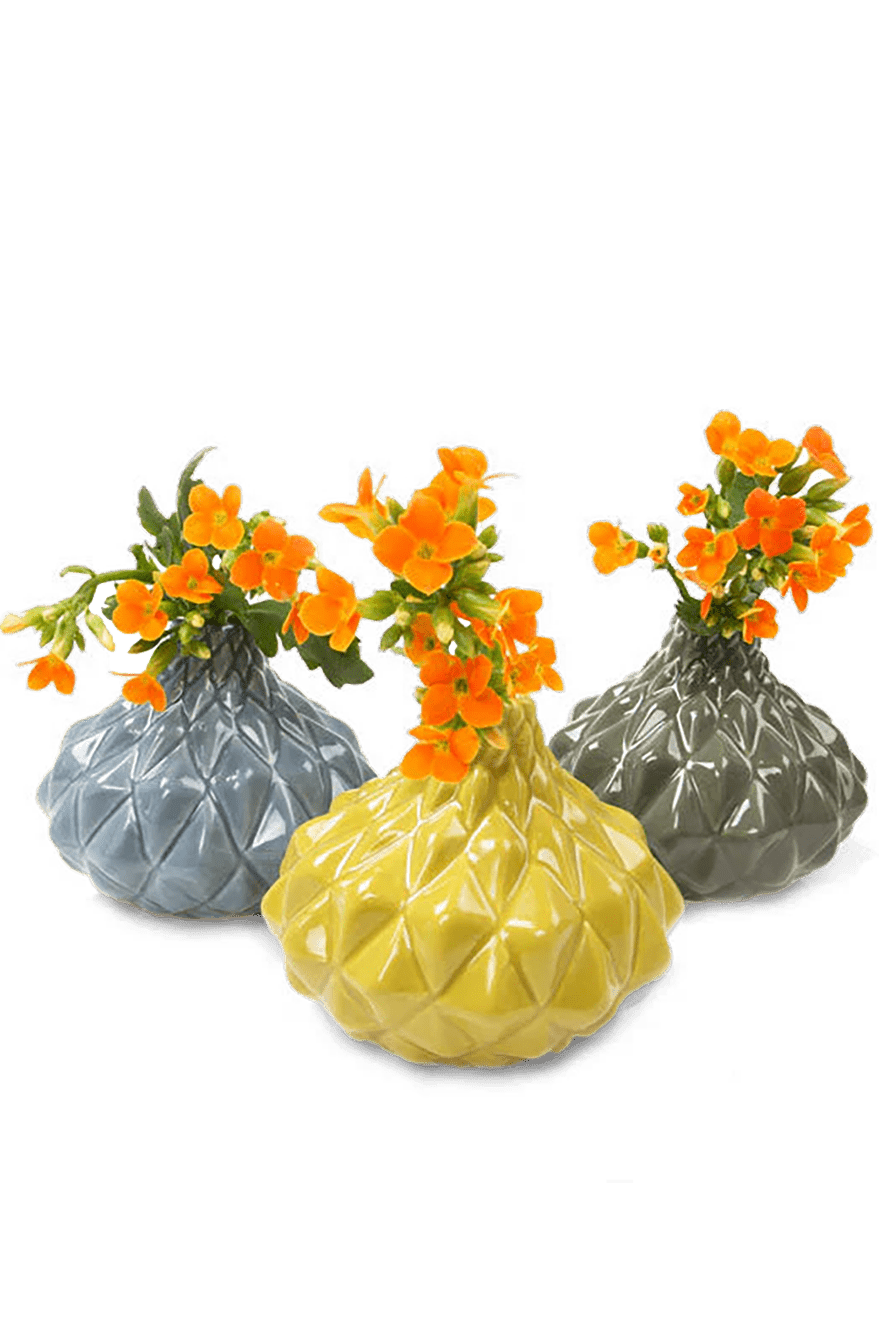
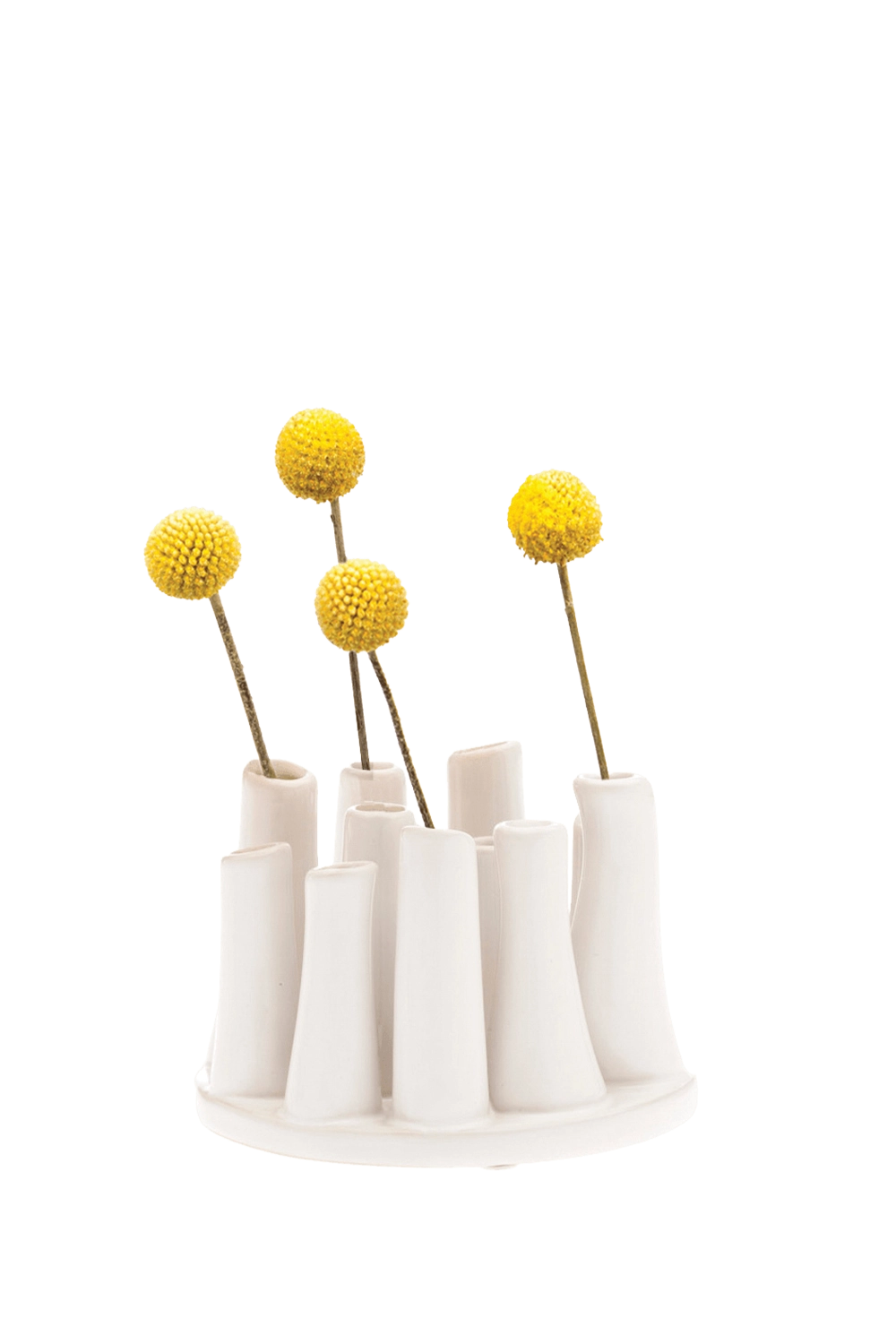
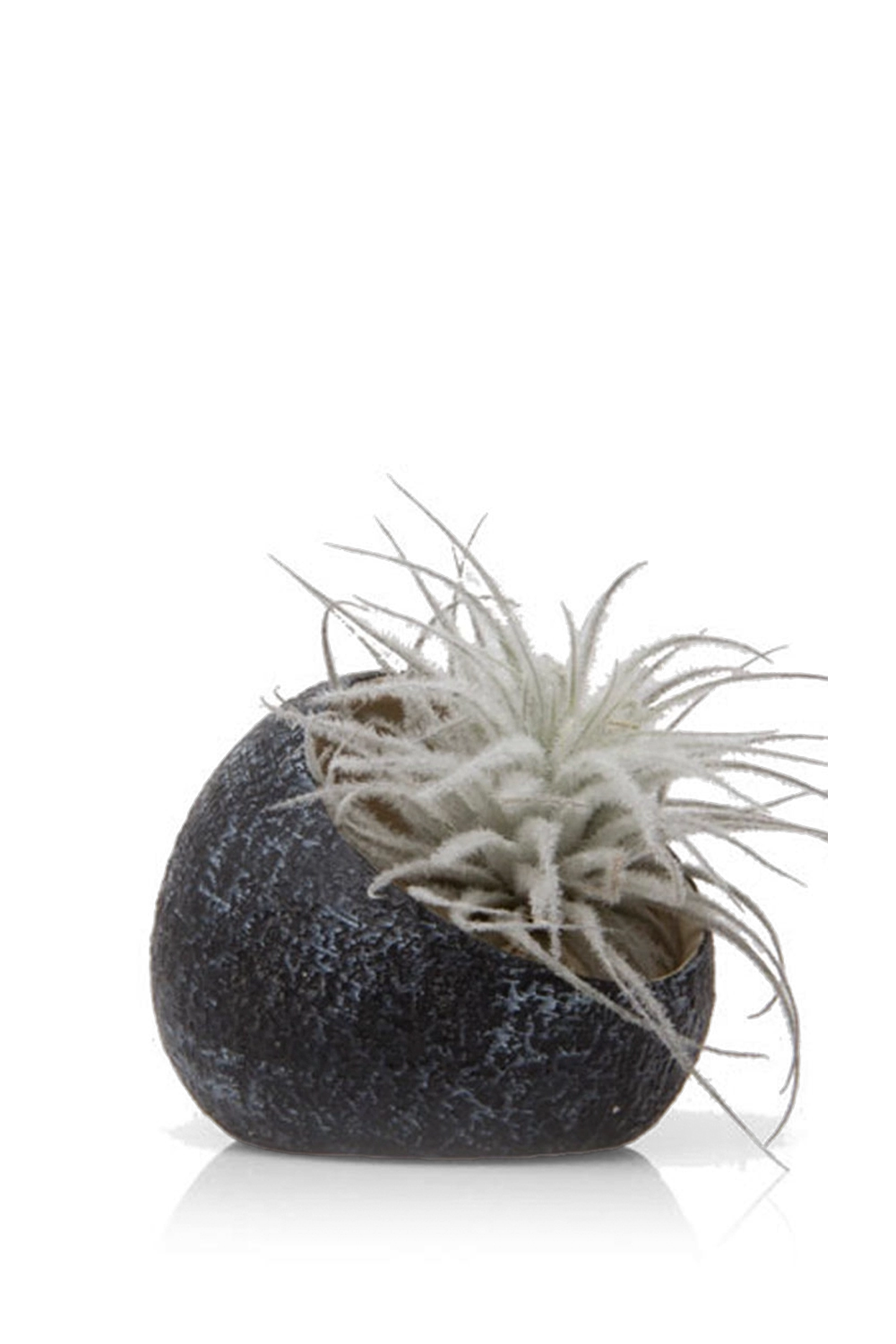
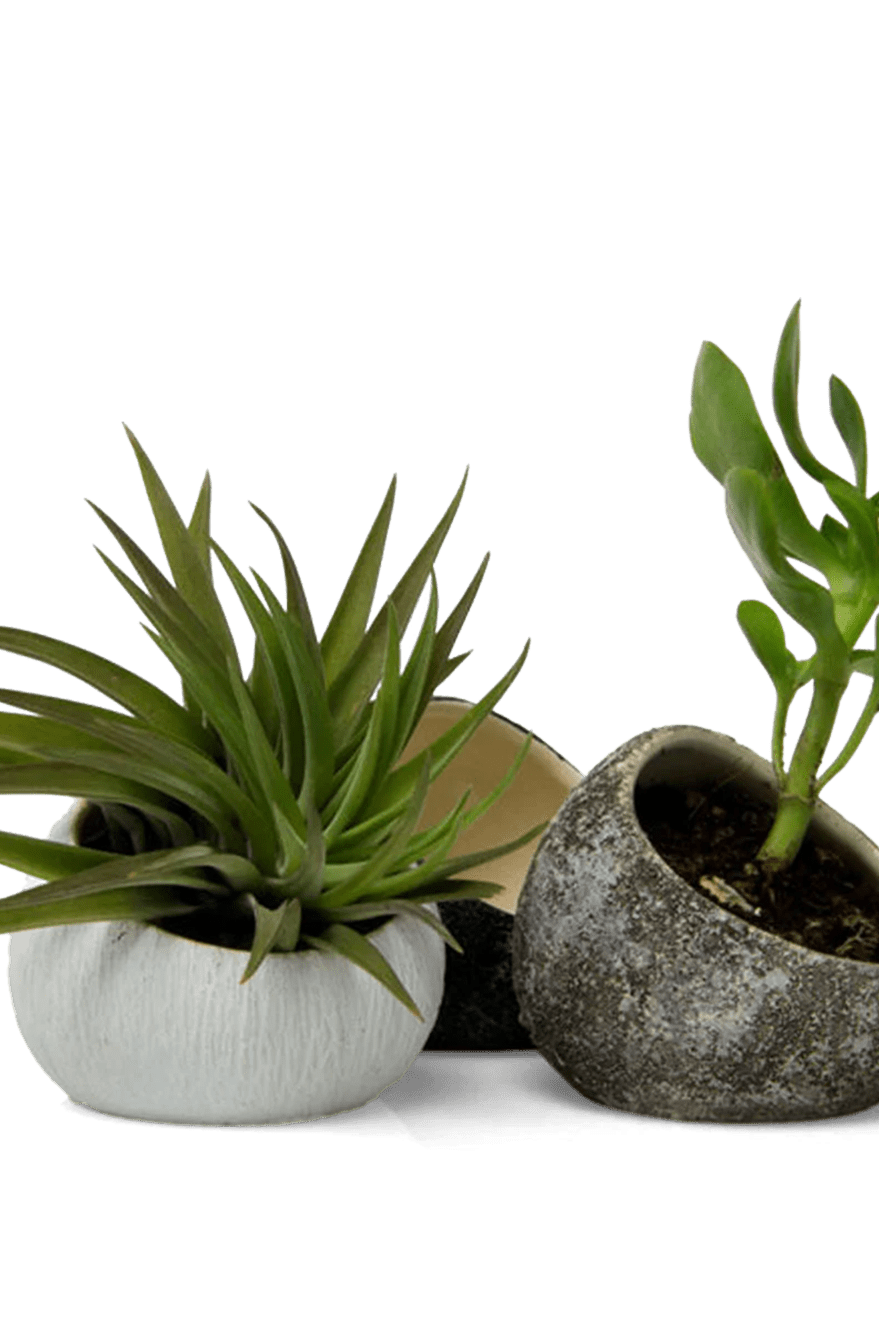
The range runs wider than the word suggests. The Pooley puts individual glass tubes in a ceramic base so each stem stands alone; the glass collection covers wall-mounted vessels, cylinders, and compotes; the ceramic pieces are fired at the studio and carry the weight tall stems need; and the terrariums extend the same glass logic to living plants. Chive has designed all of it in Toronto since 2004, and pieces from the range have appeared in The O List — which is a long way of saying the vases have been vetted by people who look at objects for a living.

Decorative Vases

Types of Vases

How to Arrange Flowers in a Bud Vase
Frequently asked questions about our Vases and Terrariums
What are the best decorative vases for a modern home?
What vase shapes work best for different kinds of stems?
How do you choose a flower arrangement vase for fresh stems?
How do you clean a vase without scratching the glass inside?
Which vase for tall flowers keeps long stems from tipping over?
What vase sizes are best for flowers with short or long stems?
What makes a minimalist vase work in a small modern space?
Where can you find a mid century modern vase that looks authentic?
RHS Chelsea Flower Show2026 4-star booth award recipient
2 x 5-star booth award — winner
Exhibiting since 2013