


Vegetable Seeds — Heirloom & Hybrid

For gardeners who have moved past optimism and into methodology.

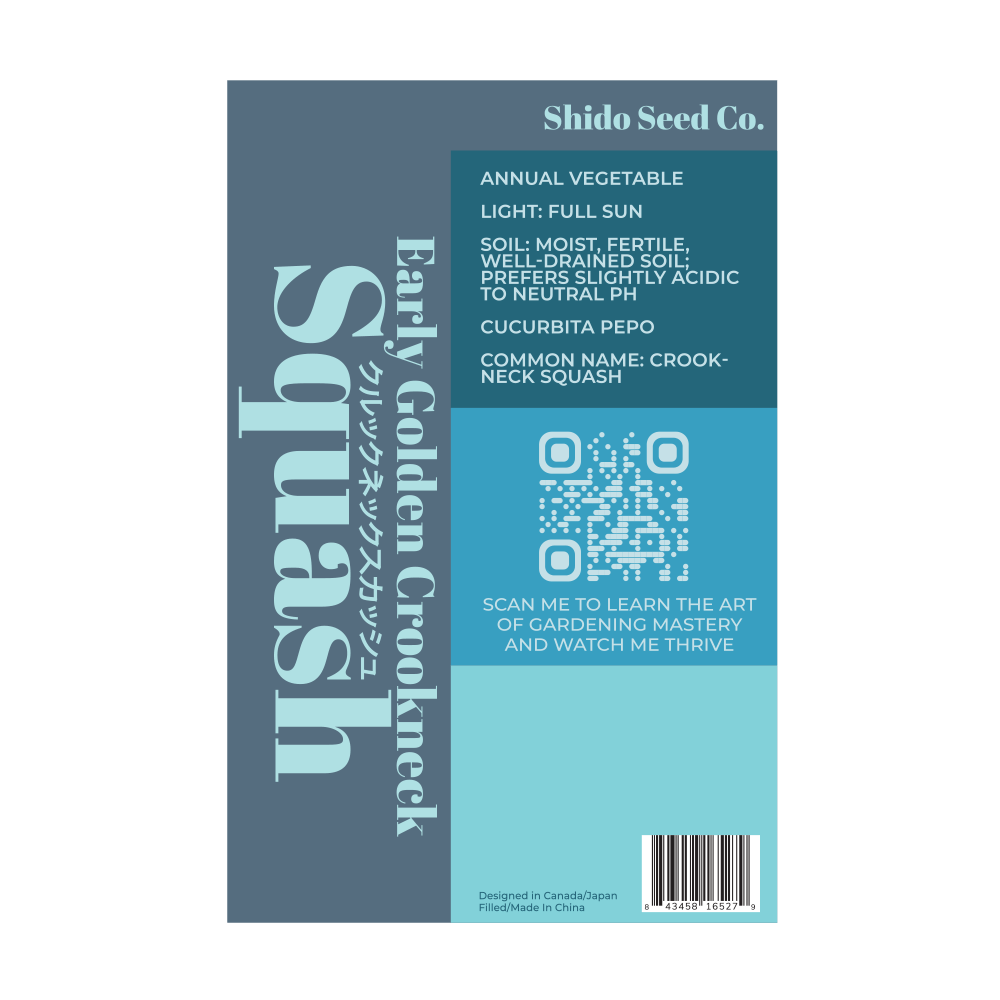
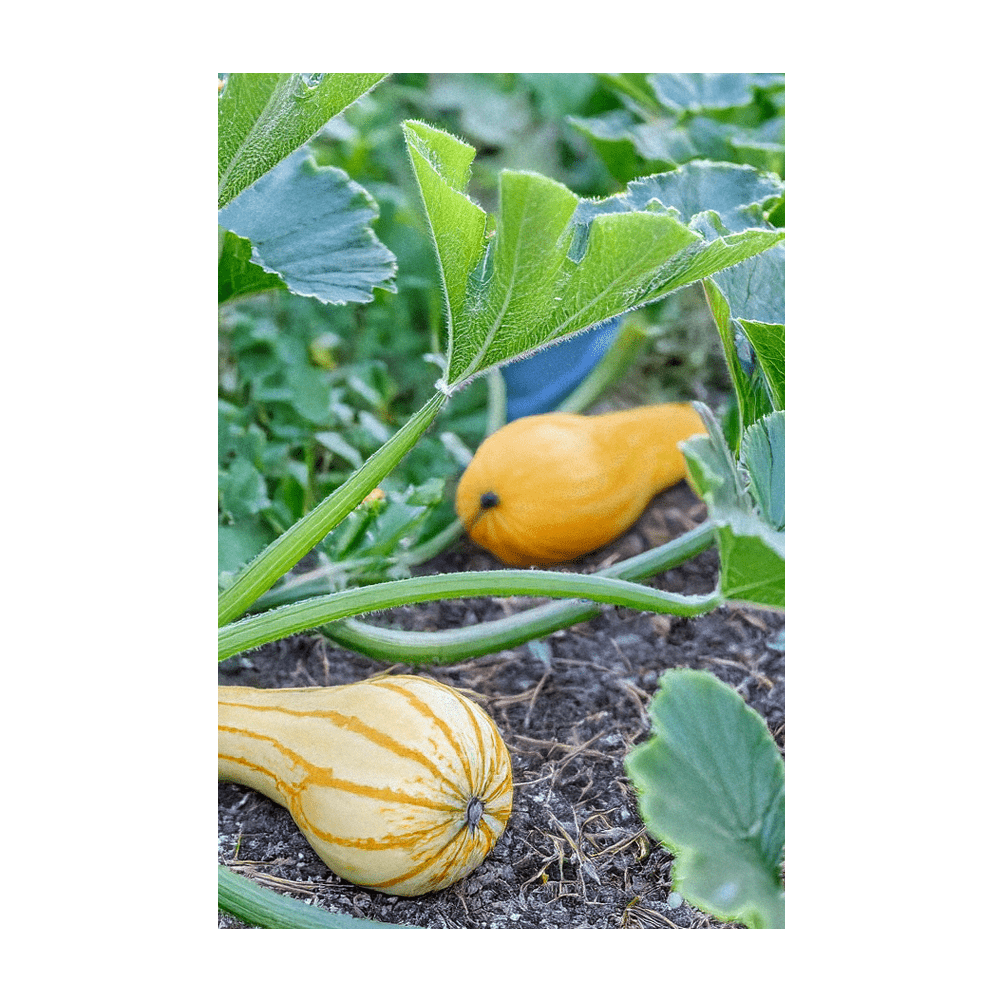
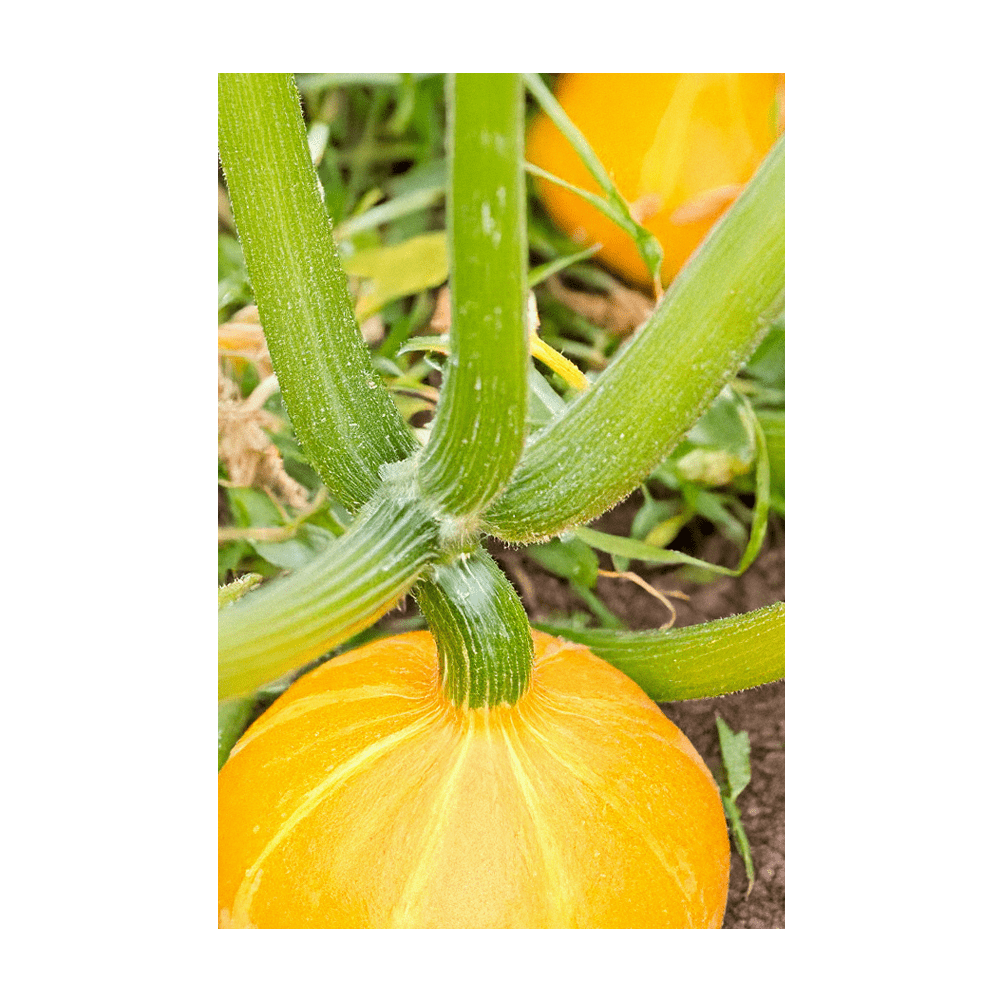
Vegetable seeds from Shido span more than forty heirloom and hybrid varieties — tomatoes of every temperament, kale, radish, beans, squash, and lettuce — all non-GMO, germination-tested, and vacuum-sealed. Heirlooms grow true from saved seed; hybrids carry bred-in traits. Each packet states which it is.

40+ vegetable varieties · heirloom & hybrid · vacuum-sealed non-GMO · lab-tested germination · spacing & season notes per packet · Ships gift-ready to 40+ countries
Filters
Sort by

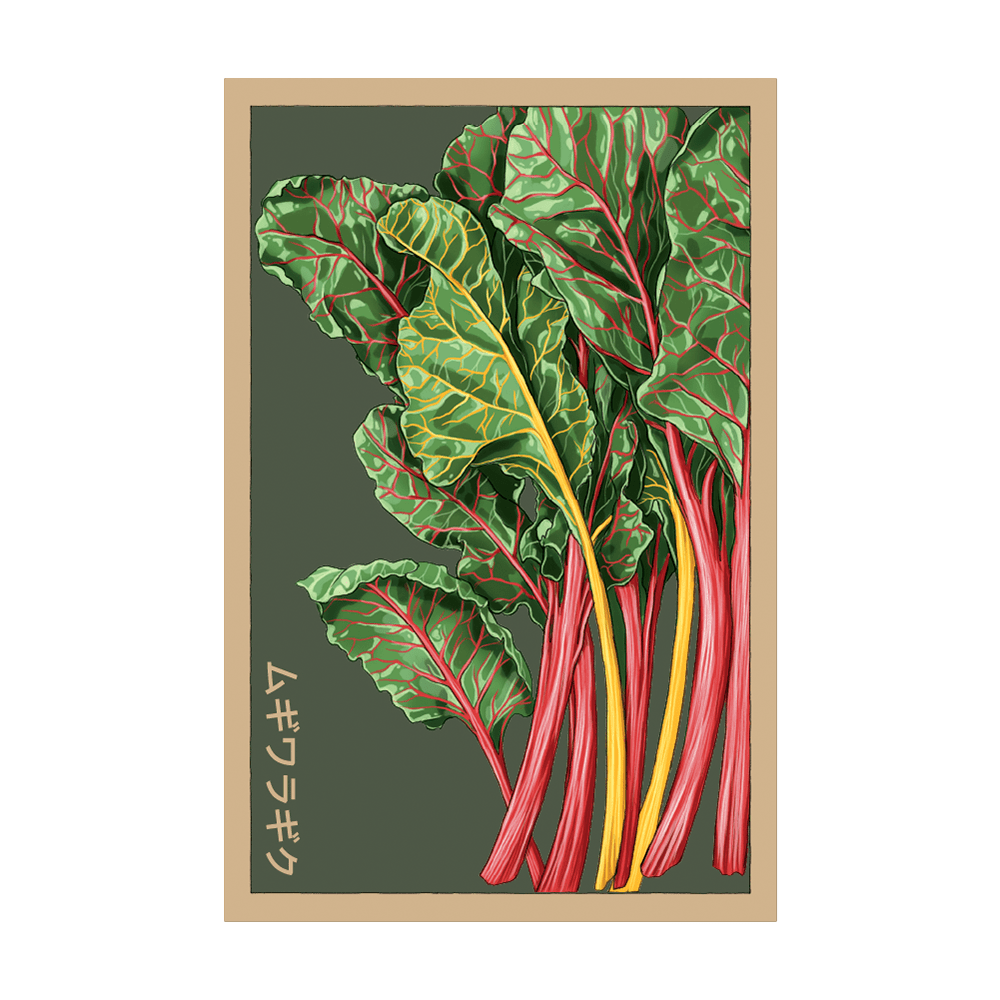
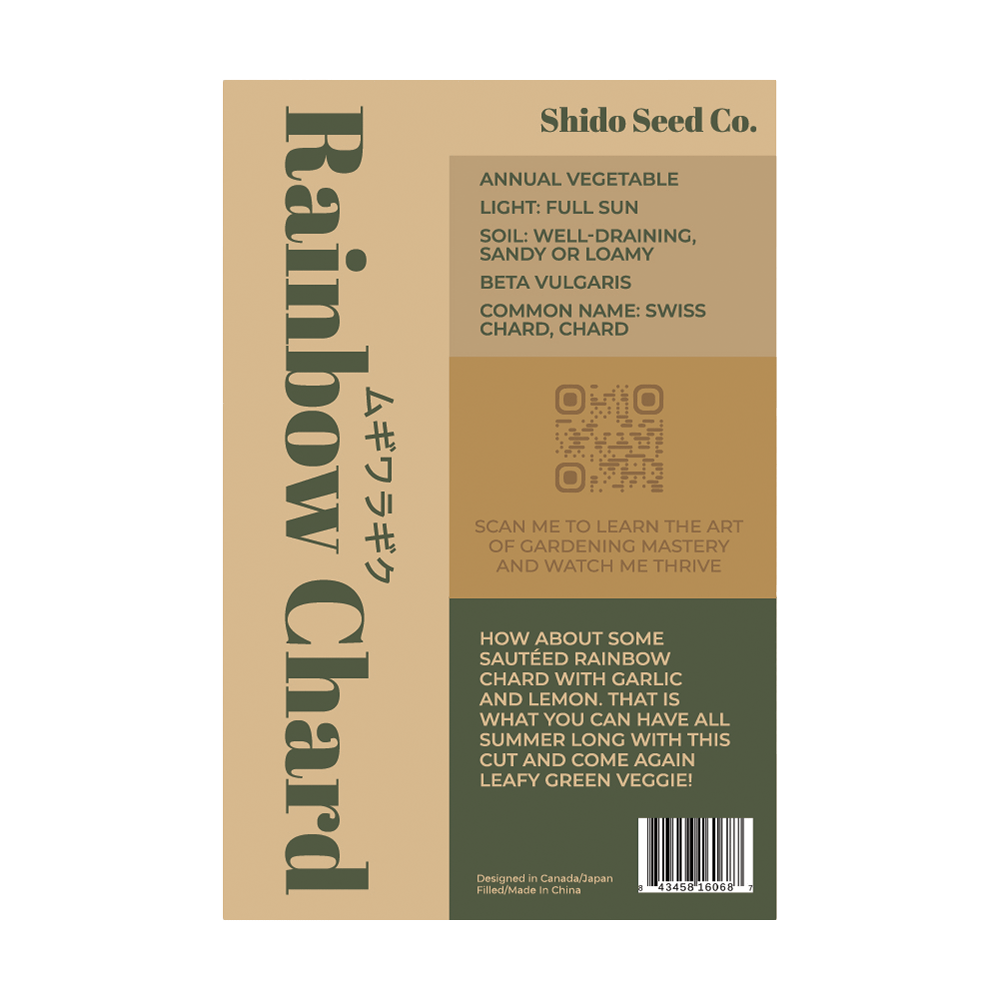
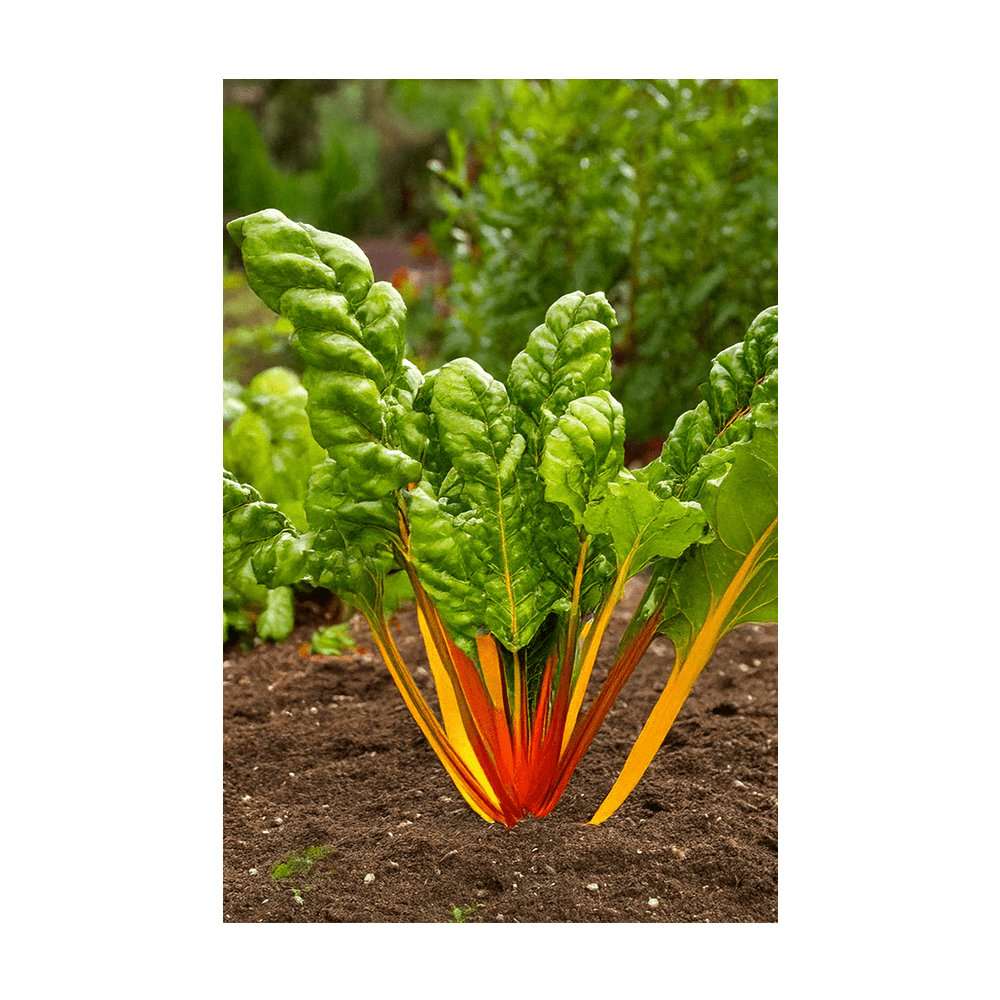
Vegetable seeds are the difference between a grocery-store tomato and a good one, provided the seed germinates before the season runs out on you. Shido's vegetable collection covers 40+ varieties — heirloom tomatoes, squash, rainbow chard, beans, and lettuce — every one non-GMO, germination-tested at independent labs, and vacuum-sealed so the packet holds its rates through the season you didn't get to it.

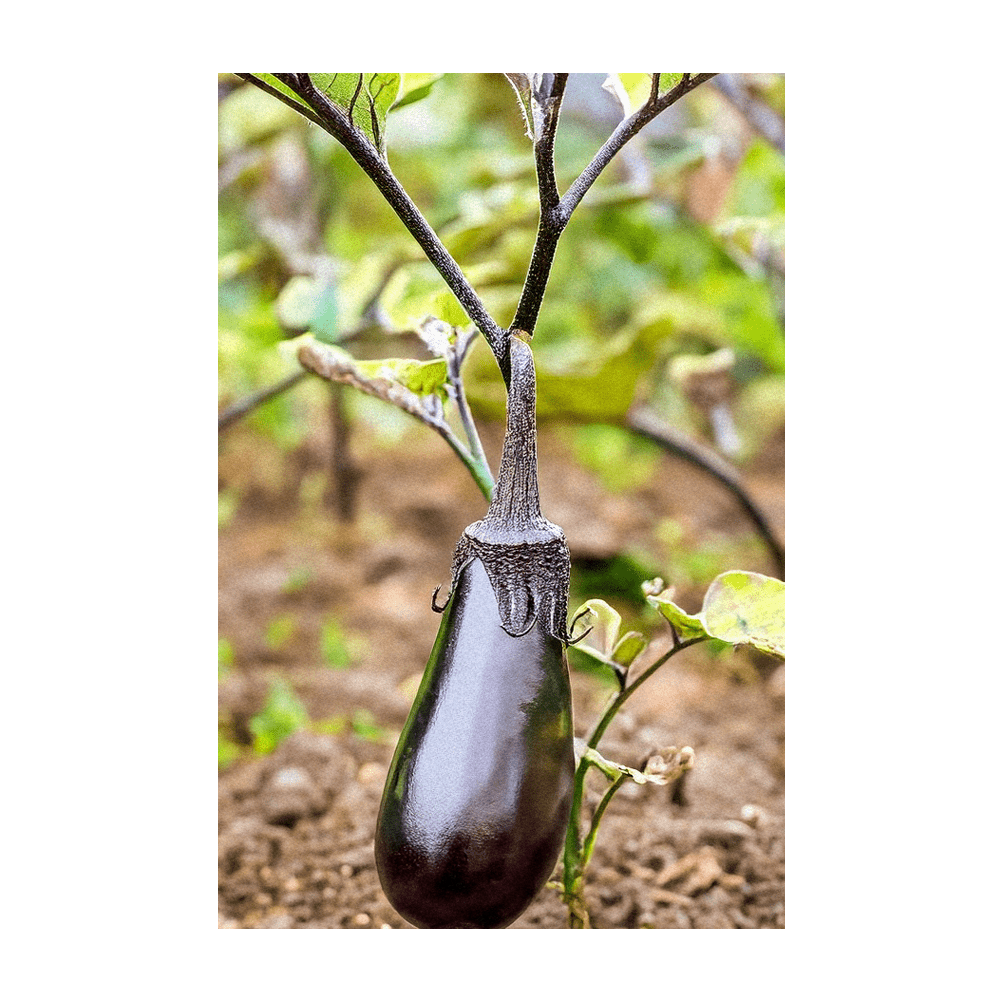
The range runs from radishes and lettuce that forgive a slow start to tomatoes and eggplant that ask for a longer commitment. Each product page notes companion planting where one genuinely helps, so the bed gets planned before the trowel comes out.

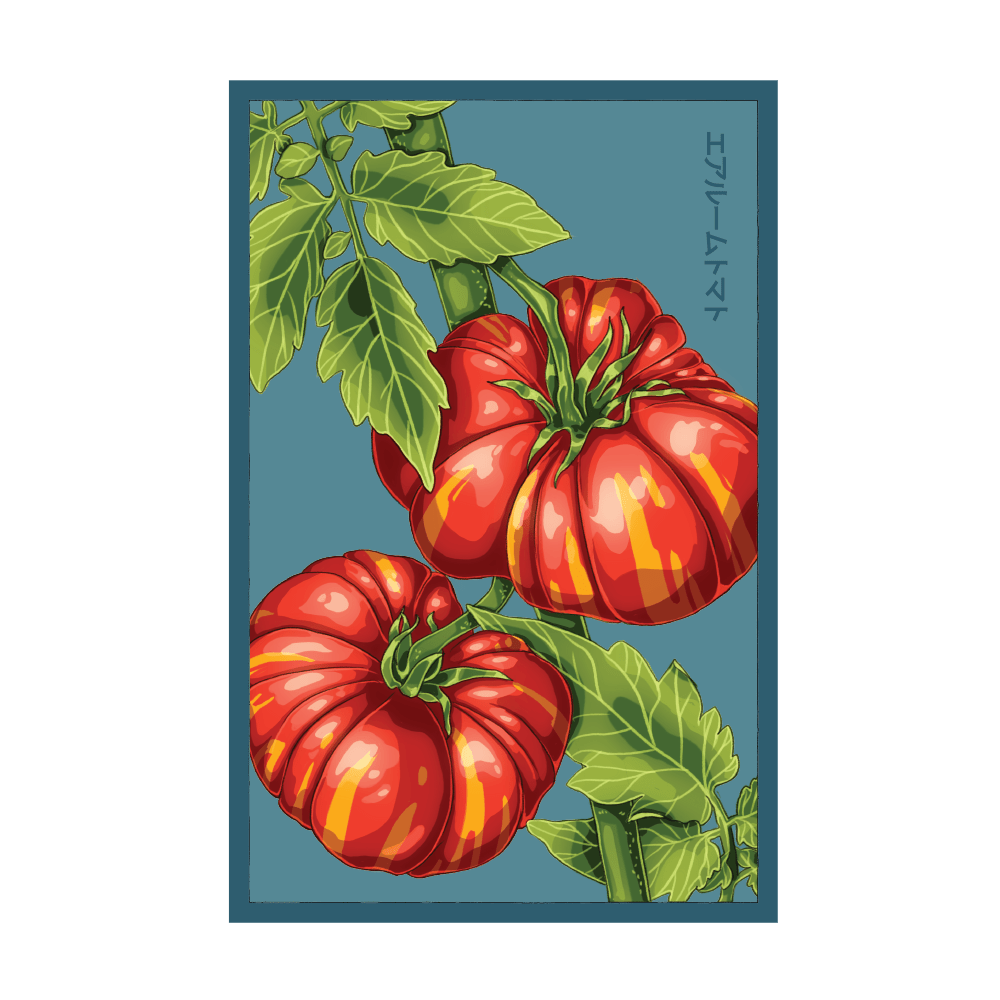
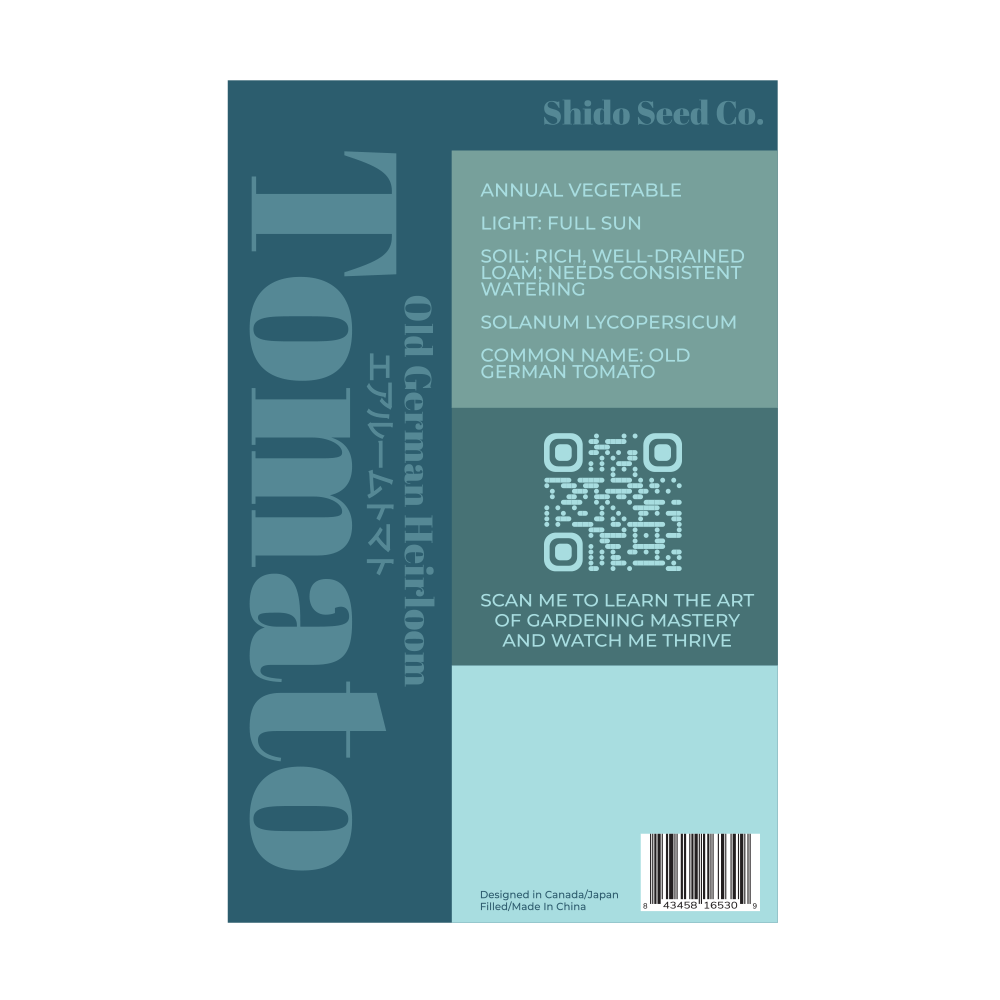
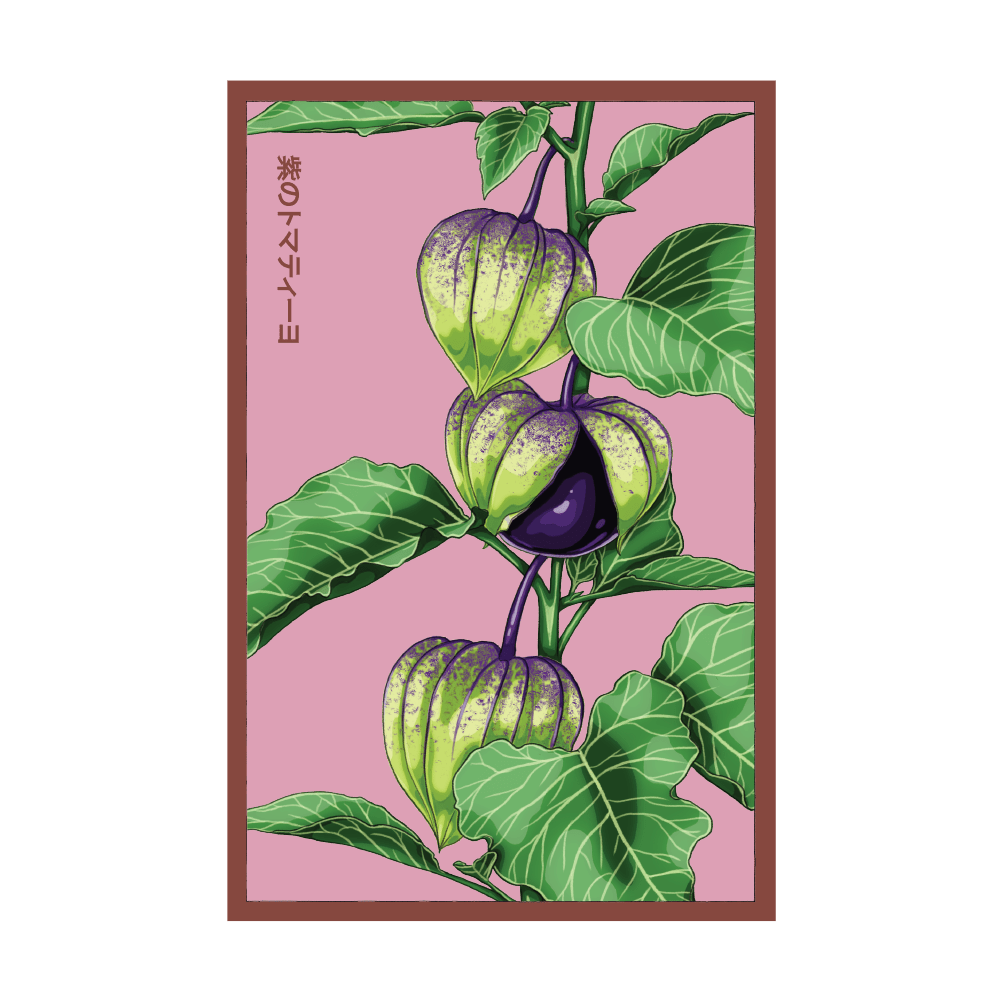
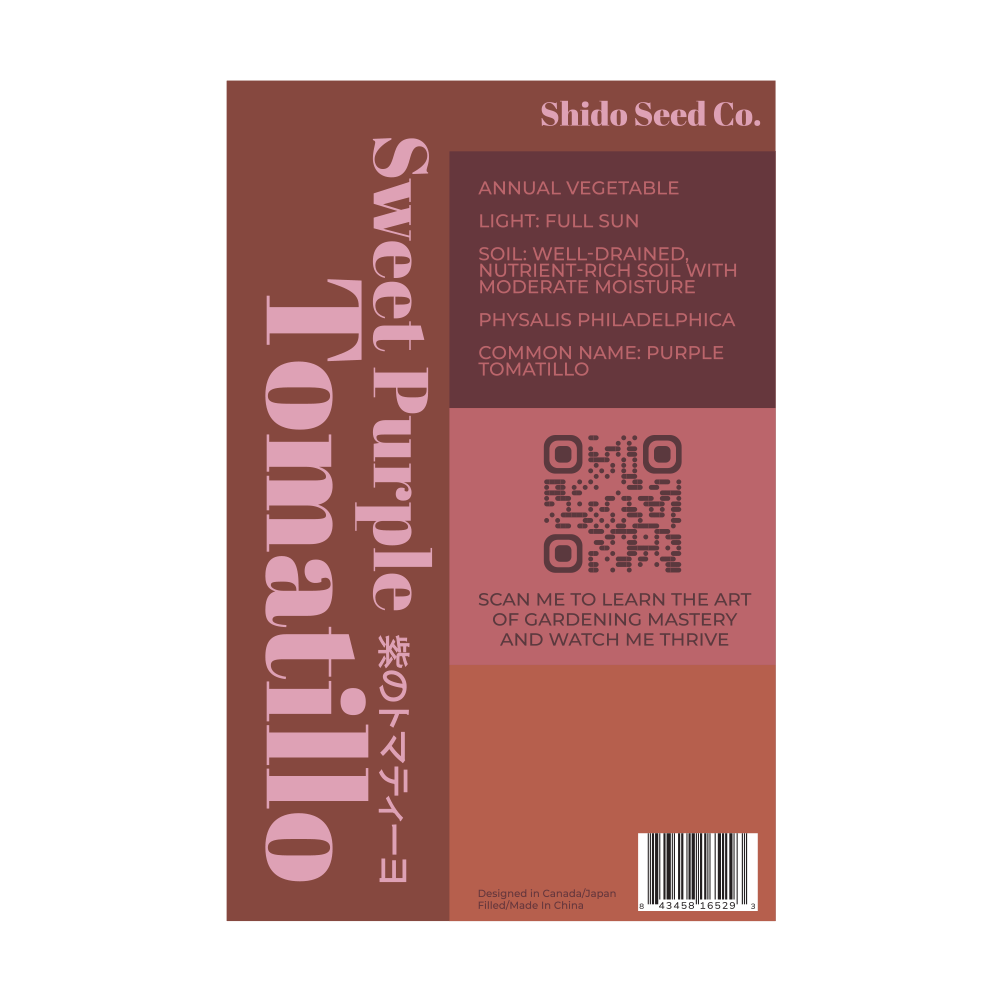
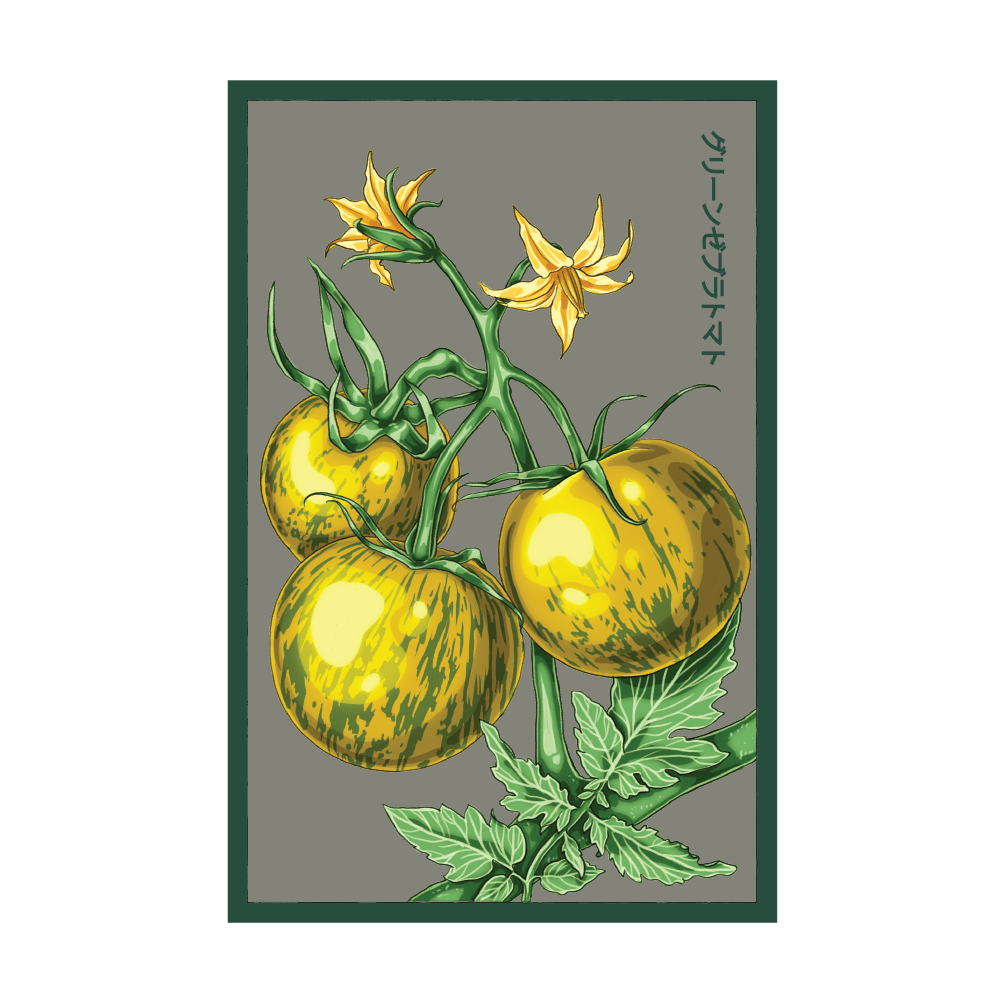
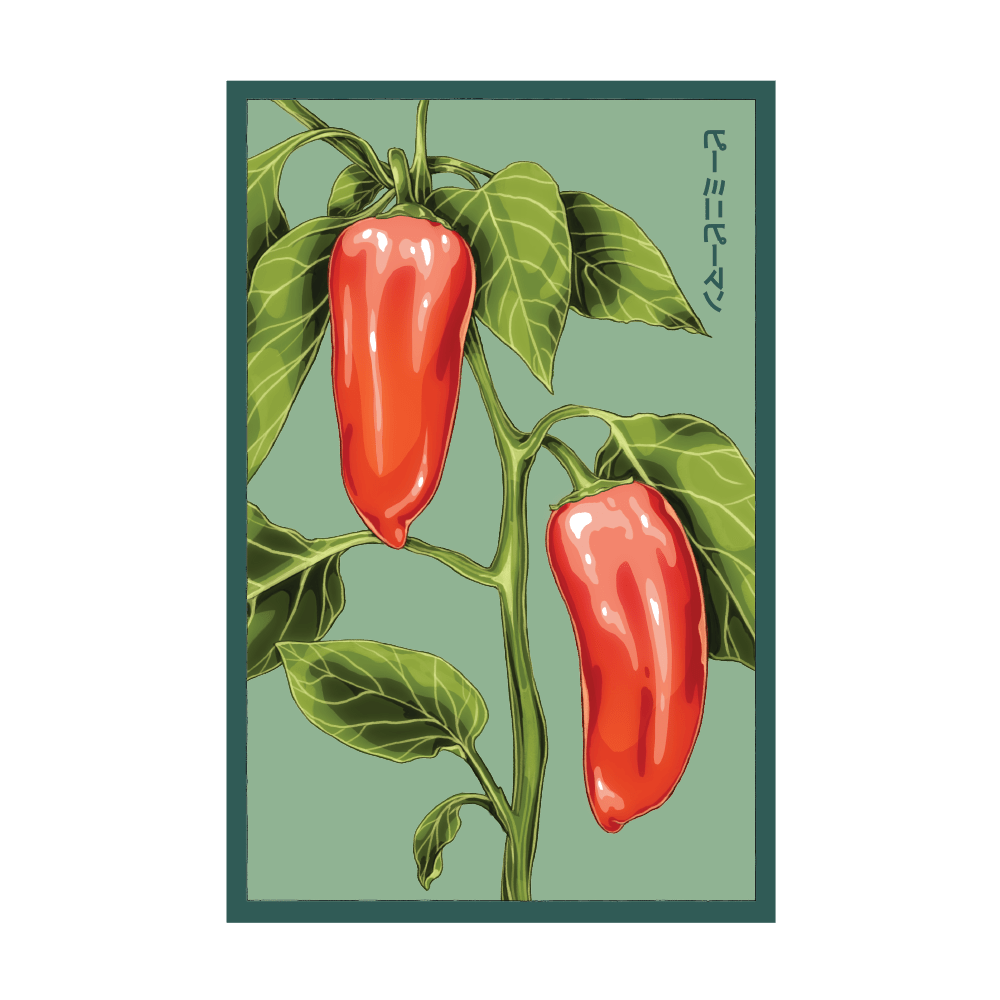
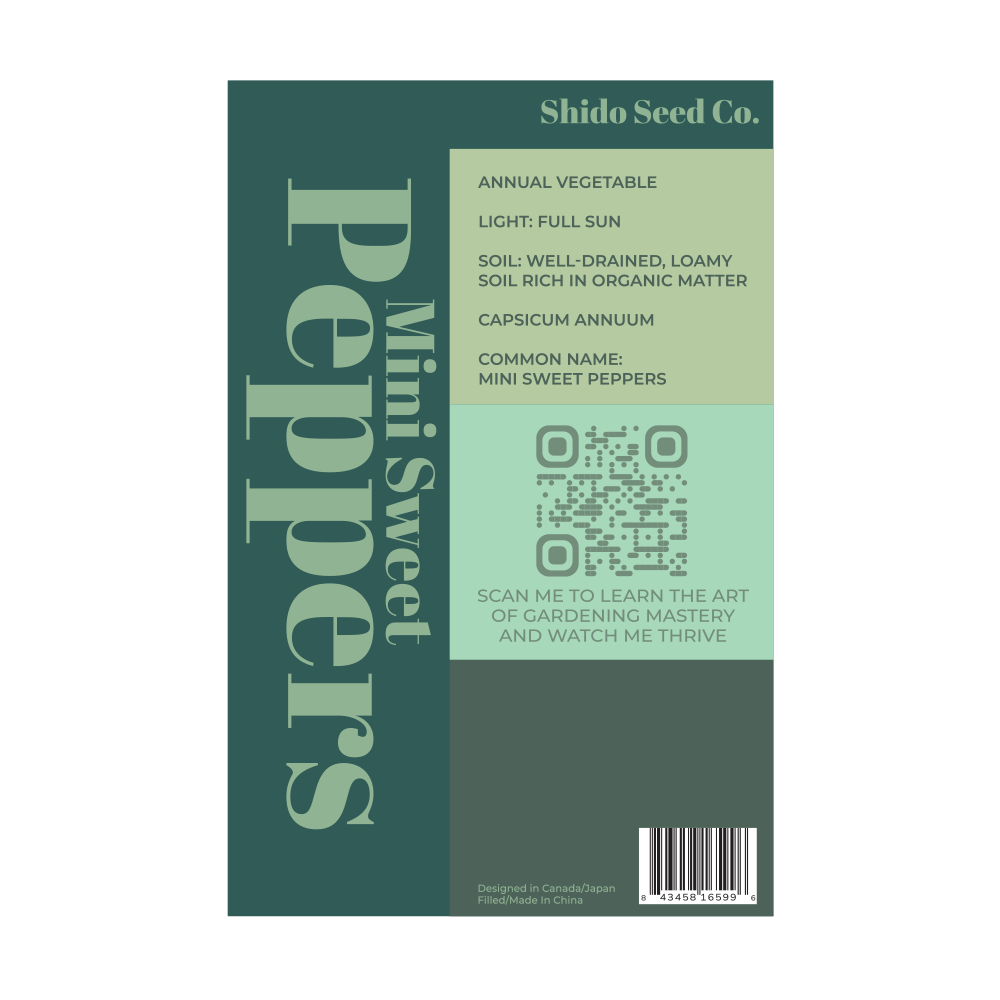
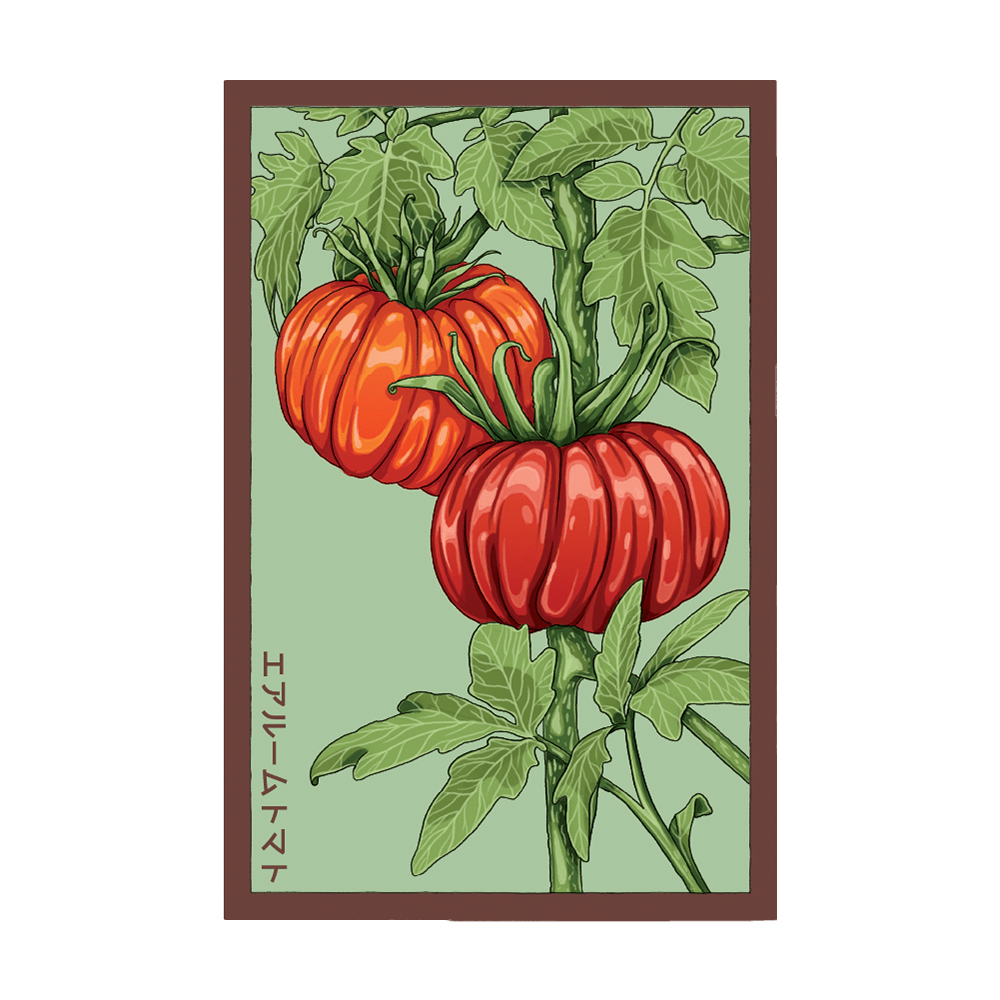
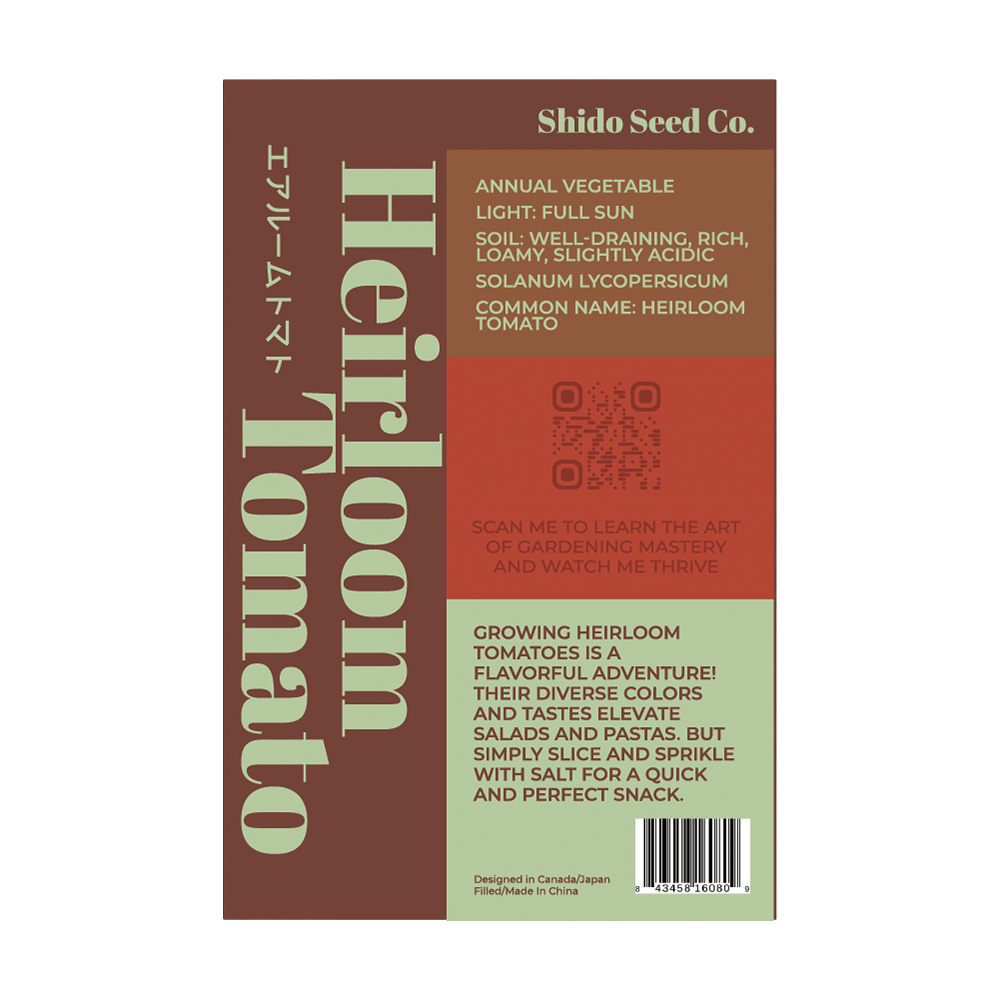
Colorful Shido seed packets with tomato illustrations on a soil background | Chive

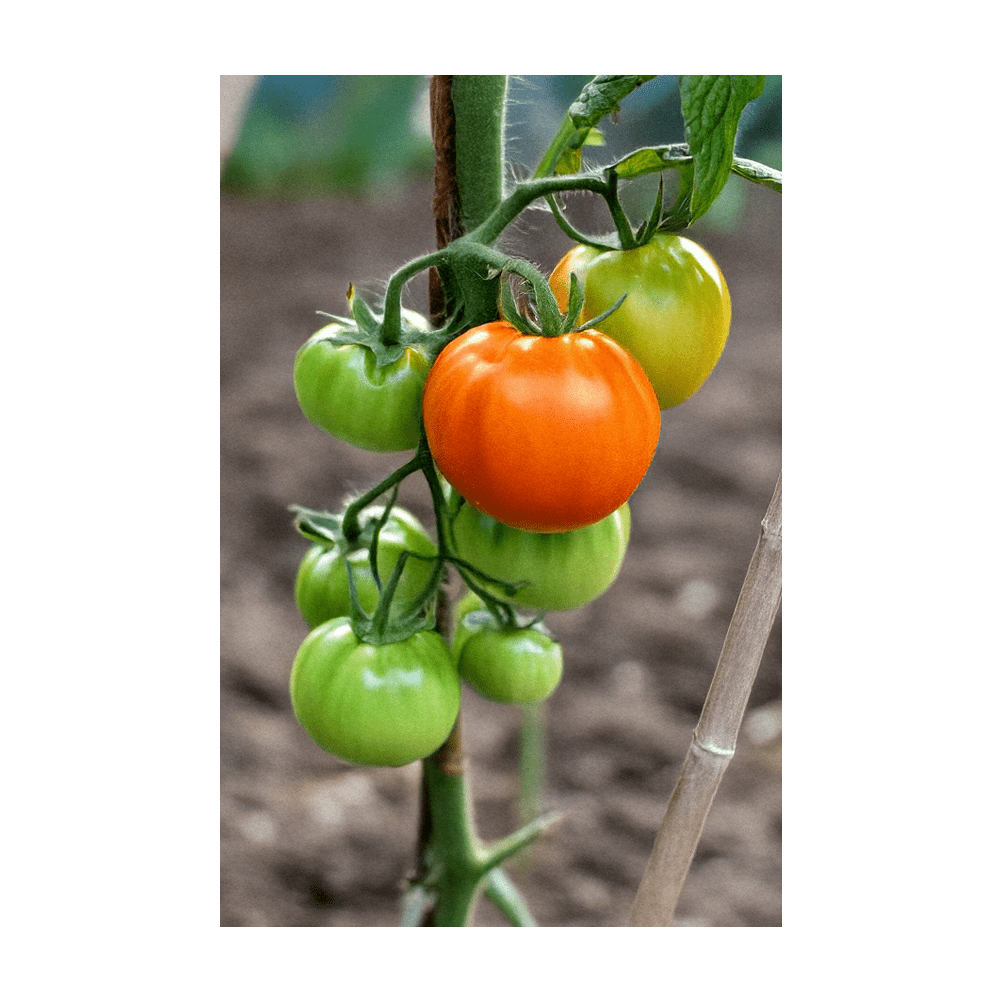
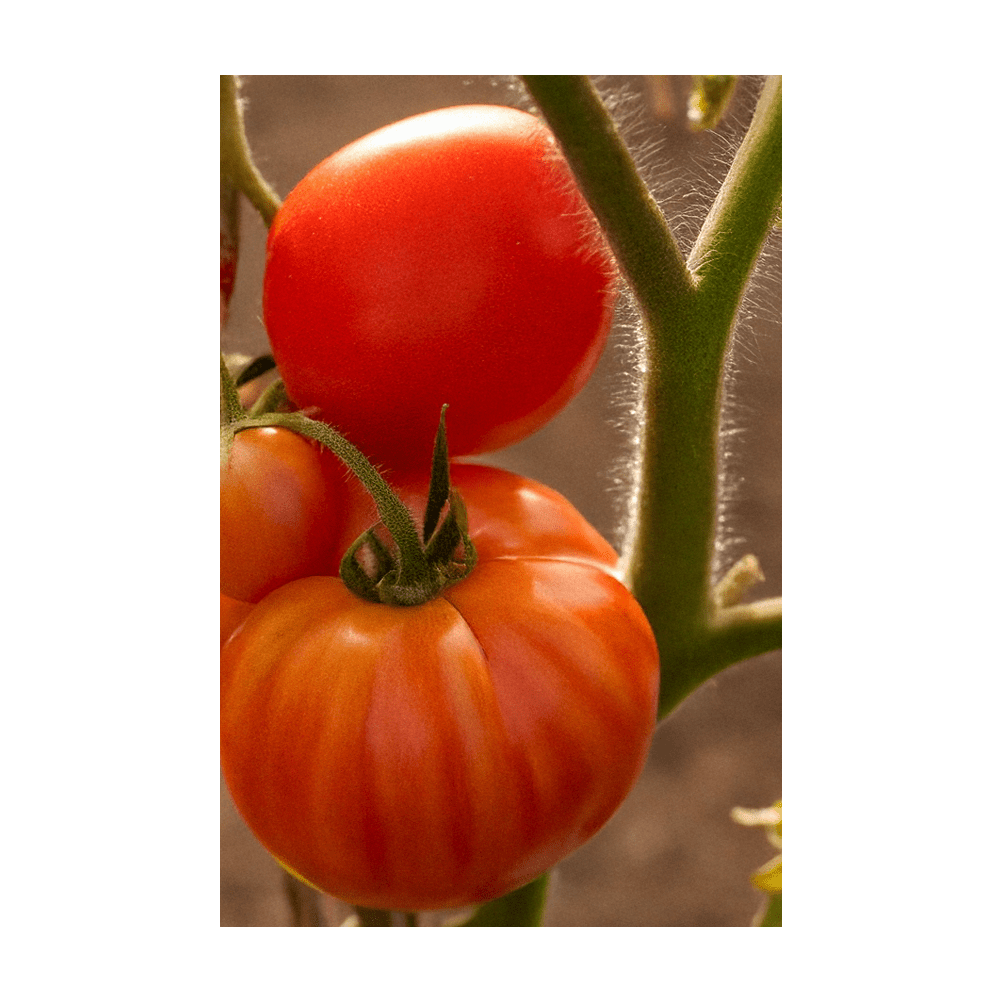
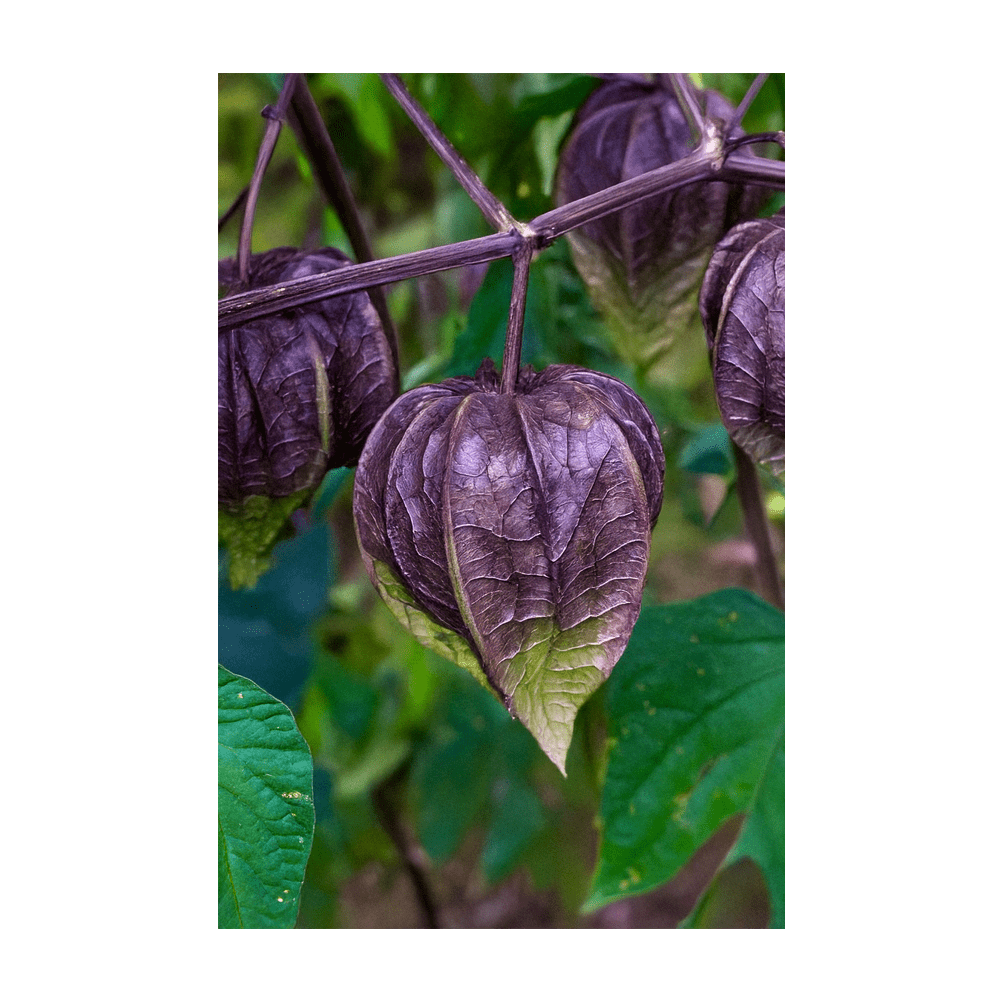
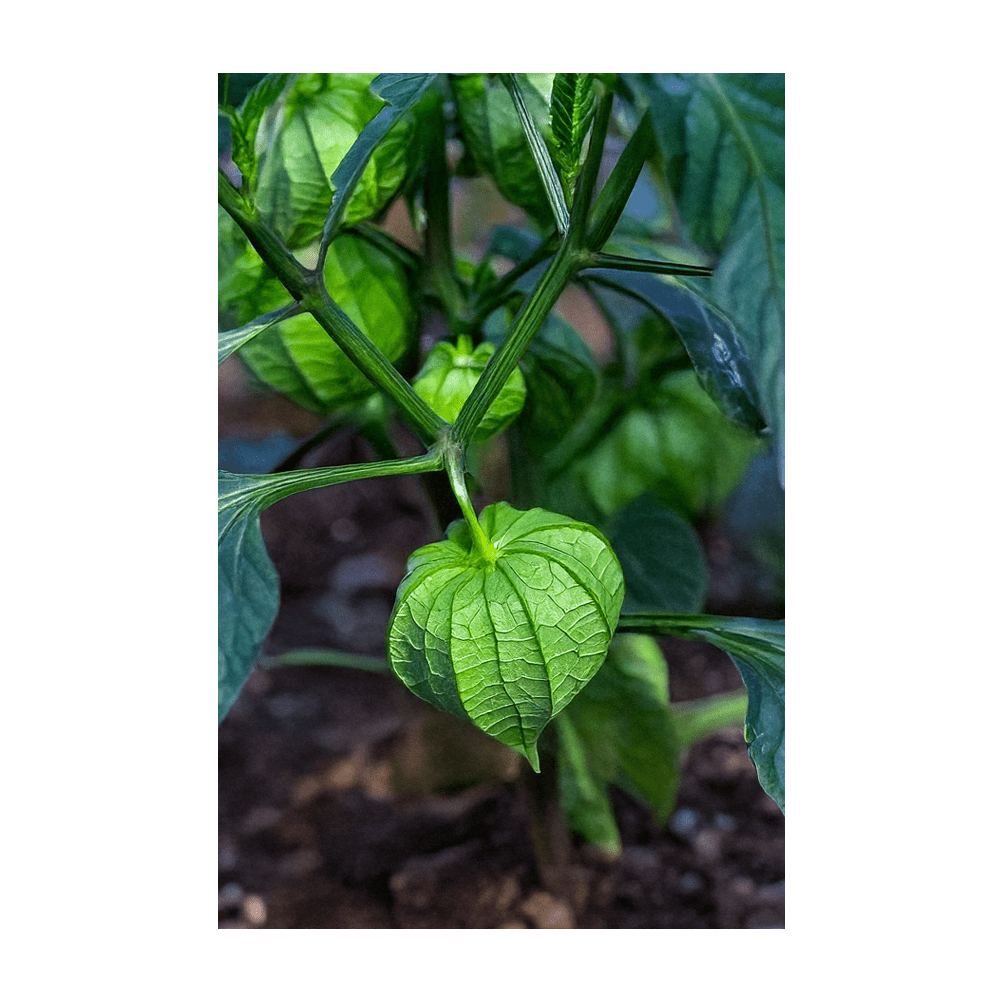
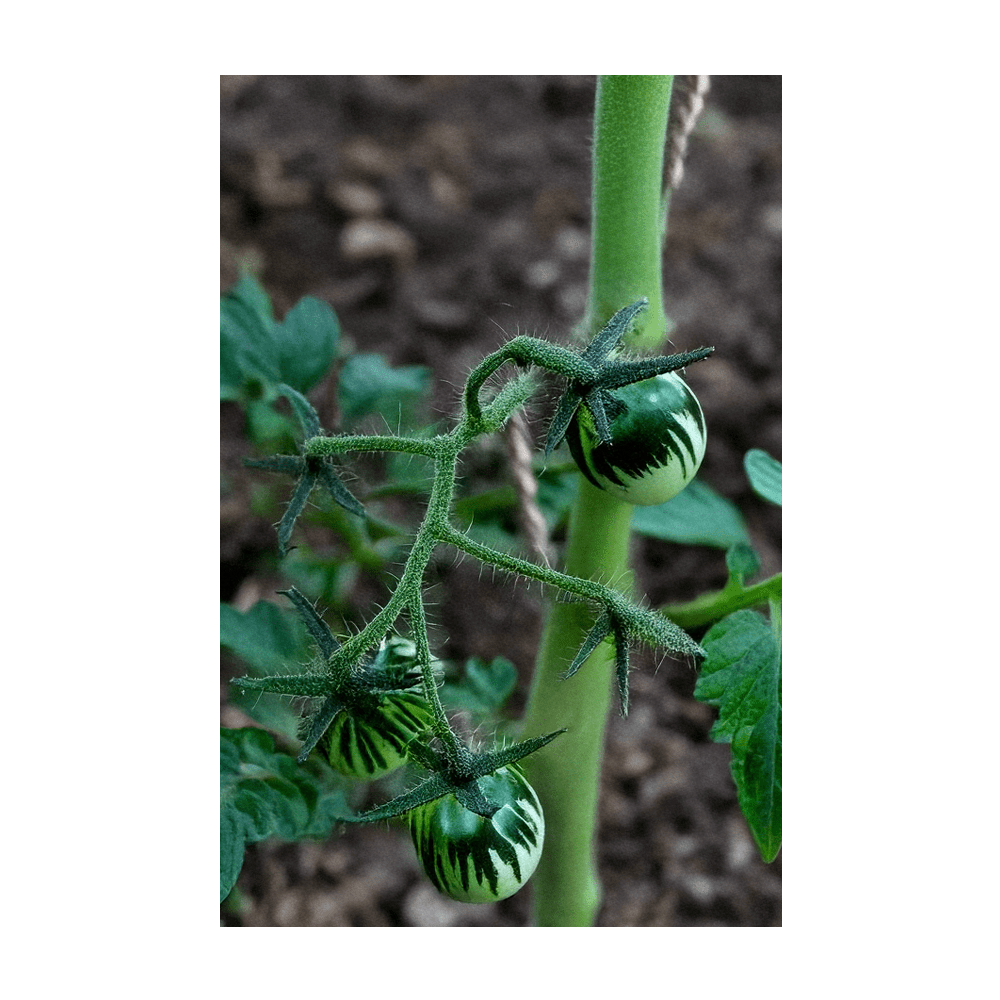
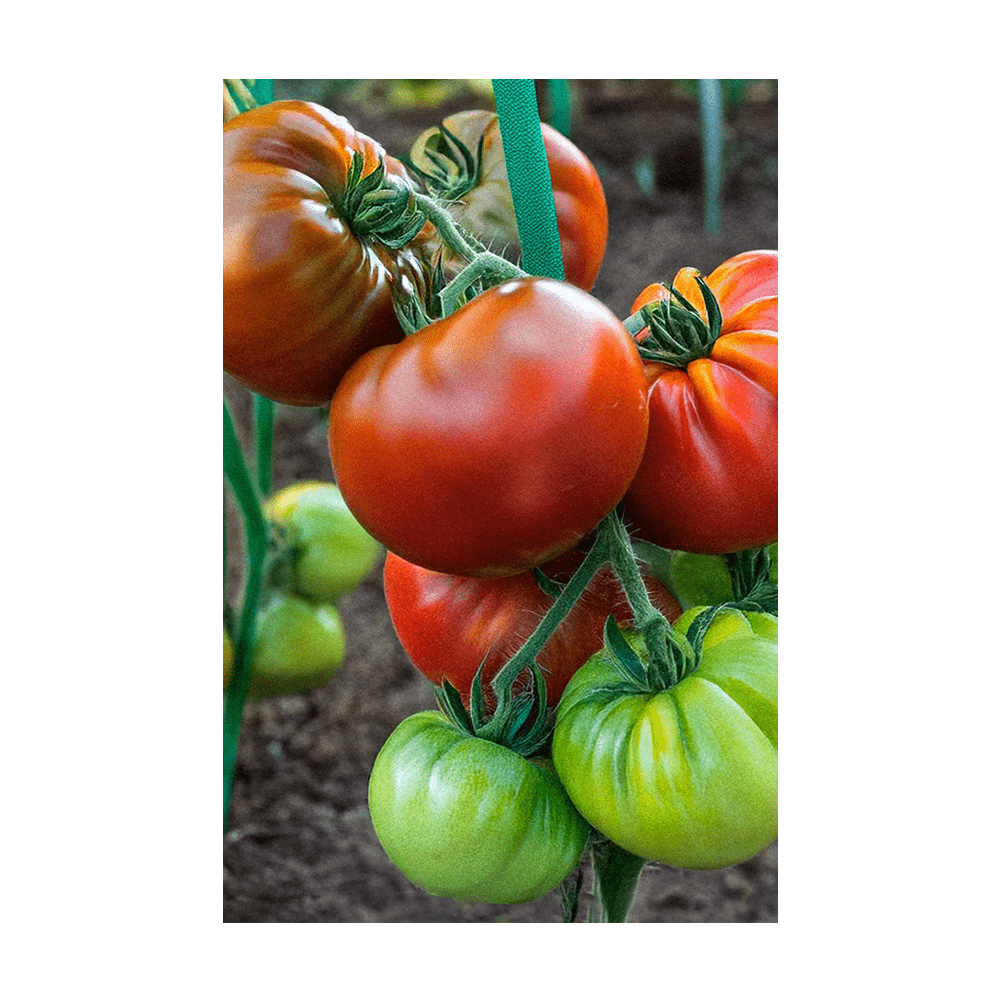
Heirloom tomato seeds

Heirloom tomatoes are open-pollinated, meaning they grow true to type from saved seed — plant one this year, save the seed, and next year's plant arrives nearly identical. That's the opposite of a hybrid, which won't reliably repeat. Heirlooms ask for a full season and a bit more attention than a hybrid tomato, but the trade is flavor complexity that breeding for shelf life tends to sacrifice. Start indoors six to eight weeks before the last frost, same as any tomato, then transplant once the soil has warmed.

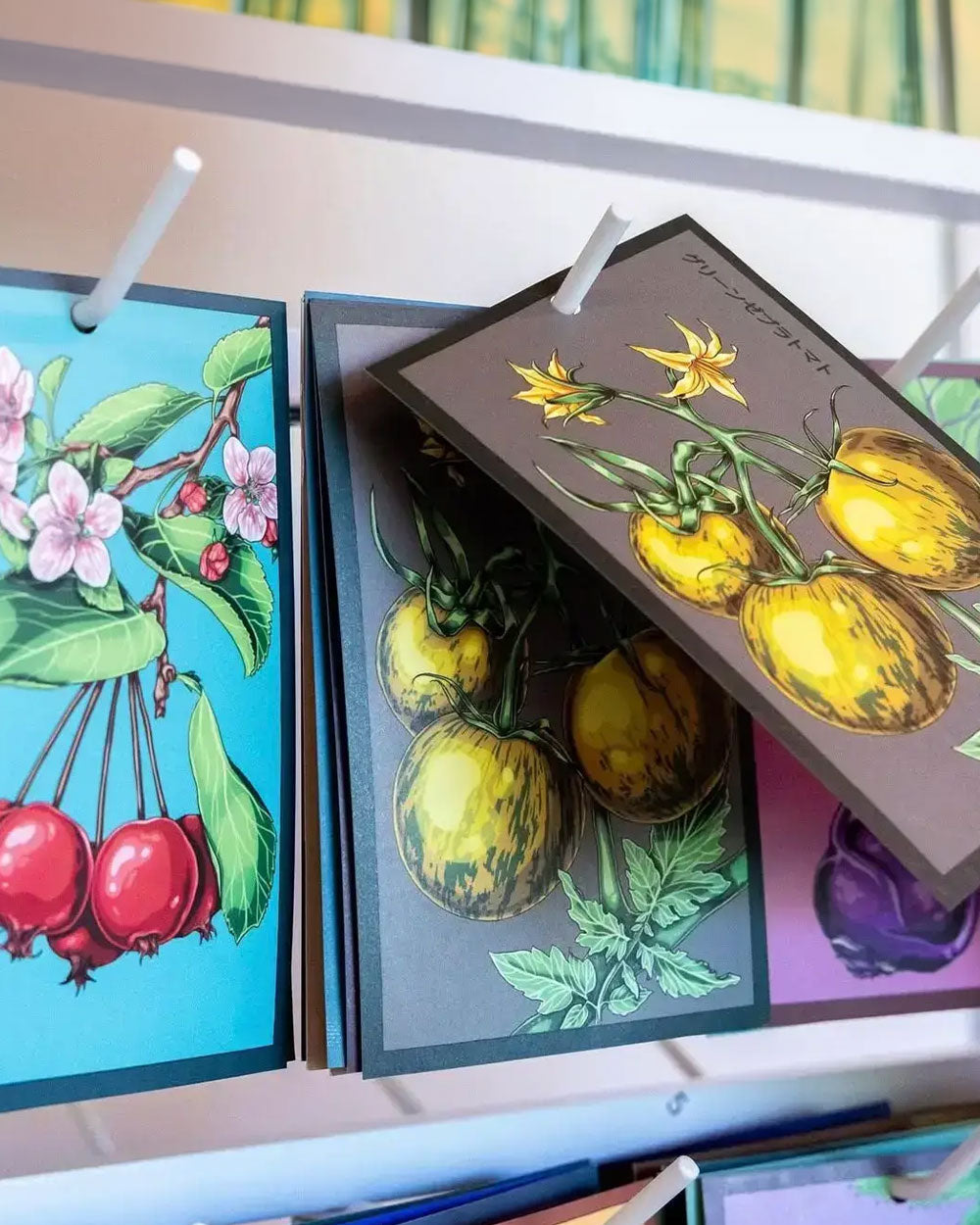
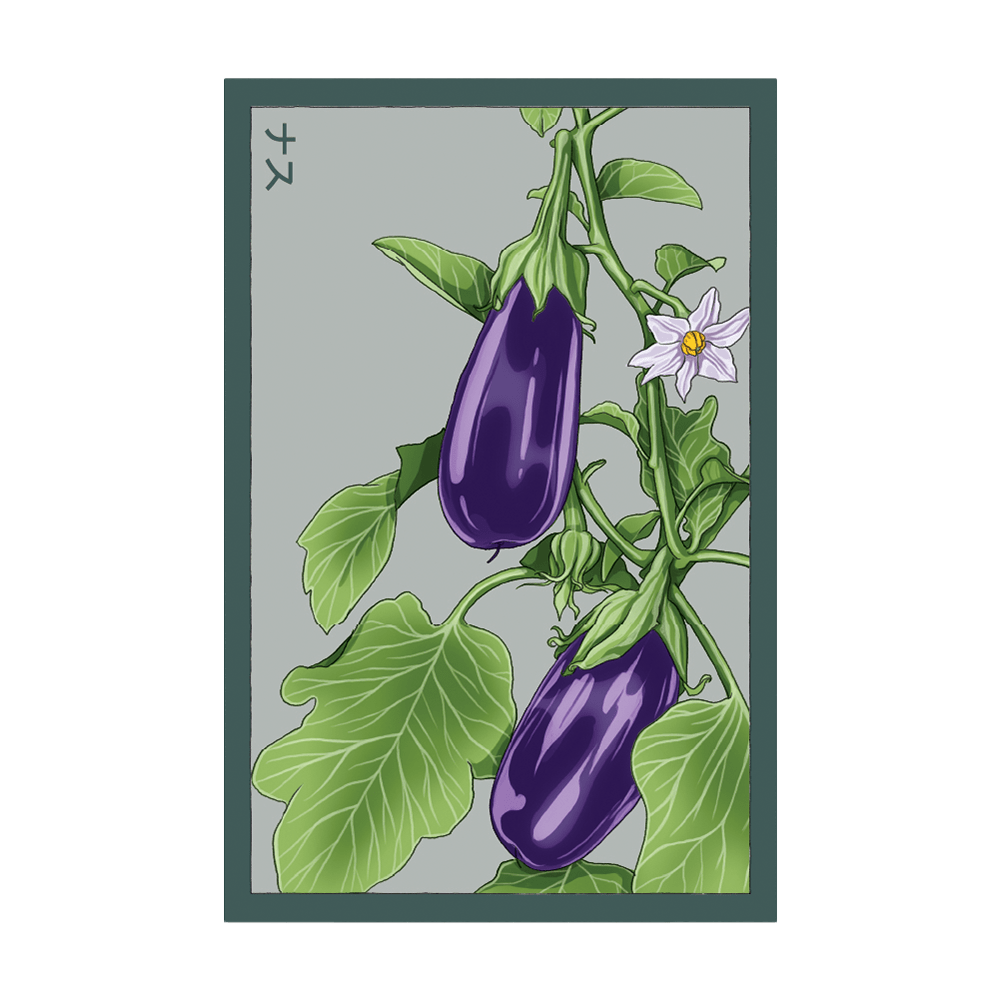
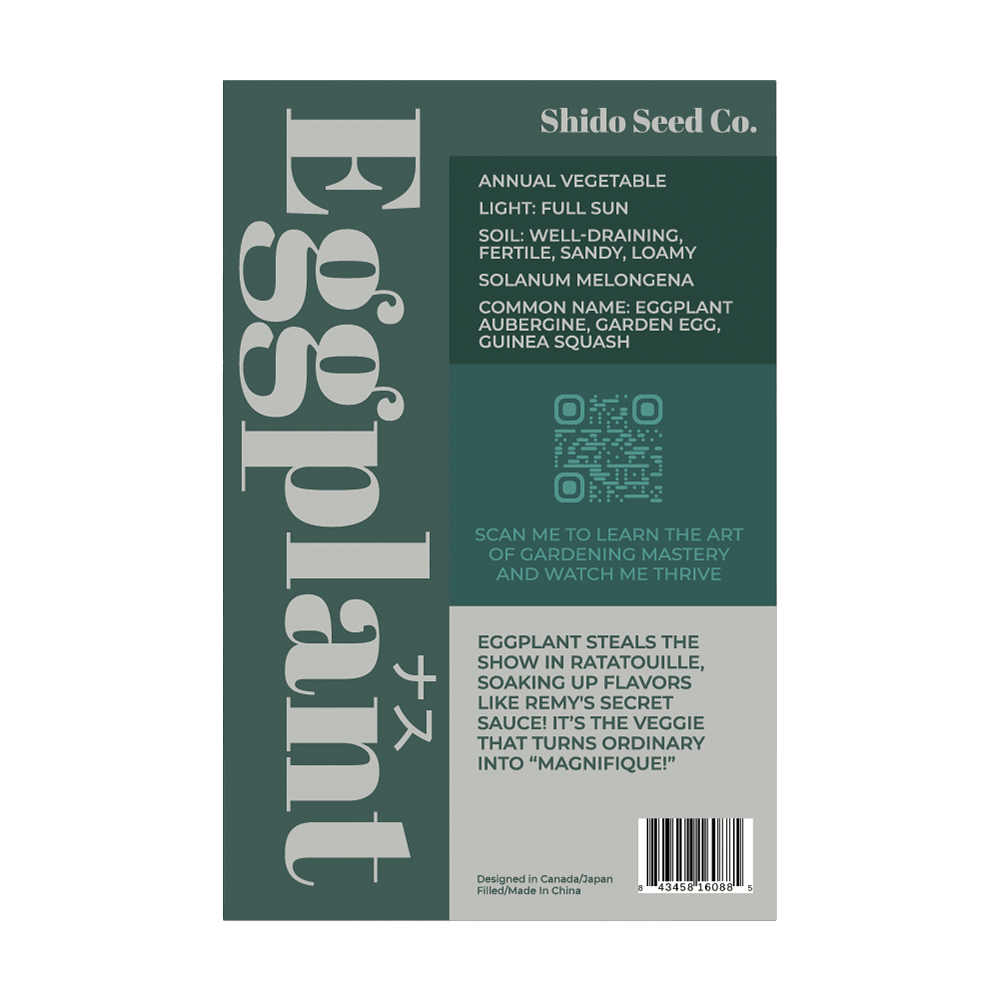
Chive Shido seed packets with botanical illustrations on a peg rack, showing cherry blossom, tomato, and eggplant designs.

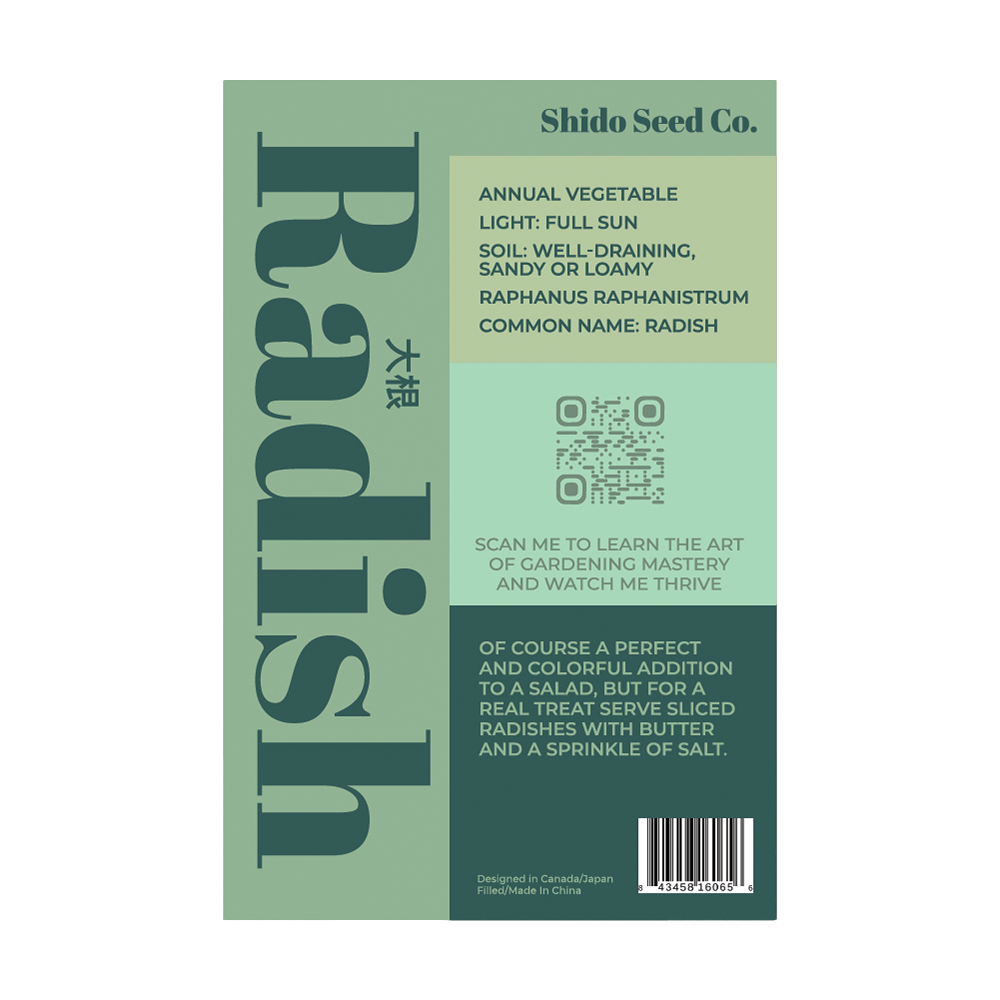
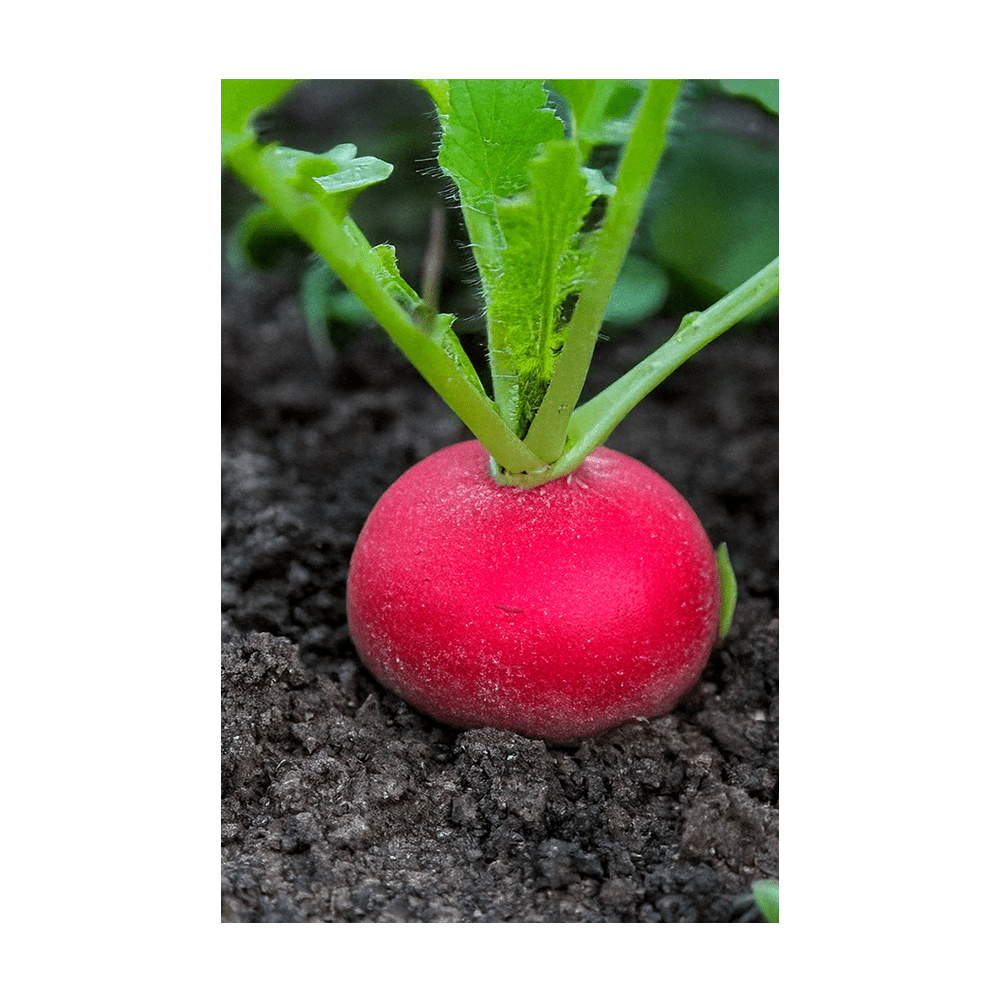
Radish seeds

Radishes are the fastest reward in this entire collection, often ready to pull in three to four weeks from a direct sowing — no indoor head start required. They're also one of the most forgiving crops here, tolerating average soil and a gardener still learning to read a calendar. Because they mature so quickly, radishes work well as a succession crop: sow a small batch every couple of weeks instead of the whole packet at once, and the harvest arrives steadily rather than all together.

Shido Seeds is a Chive Studio line, designed in Toronto by the studio that has been designing since 2004. The vegetable collection sits inside a catalog of 124 seed varieties across five categories, every lot germination-tested at independent labs before packaging, and every packet printed with a state-mandated three-year viability date. The line ships to 40+ countries.

Heirloom vs Hybrid Seeds: What Actually Differs | Shido

Todd Newgren
Heirloom seeds aren't automatically better than hybrid seeds—each suits different goals, from saving seed year to year to fighting off disease. The real difference is genetics, ...
Read more

Are Seed Packets GMO? The Honest Answer

Todd Newgren
Are seed packets GMO? No—home garden seed packets, Shido included, are never genetically modified, since GMO seed is only made for large-scale commercial crops. The non-GMO badg...
Read more

Frequently asked questions about the Vegetable Seeds

What's the difference between heirloom and hybrid vegetable seeds?

Heirloom vegetables are open-pollinated varieties that grow true to type generation after generation, meaning seed saved from this year's harvest will produce the same plant next year. Hybrids are bred by crossing two parent varieties for specific traits like disease resistance, but their seed won't reliably repeat. Shido's vegetable collection includes both, labeled clearly on each packet.

Which vegetable seeds are easiest for a first-time gardener?

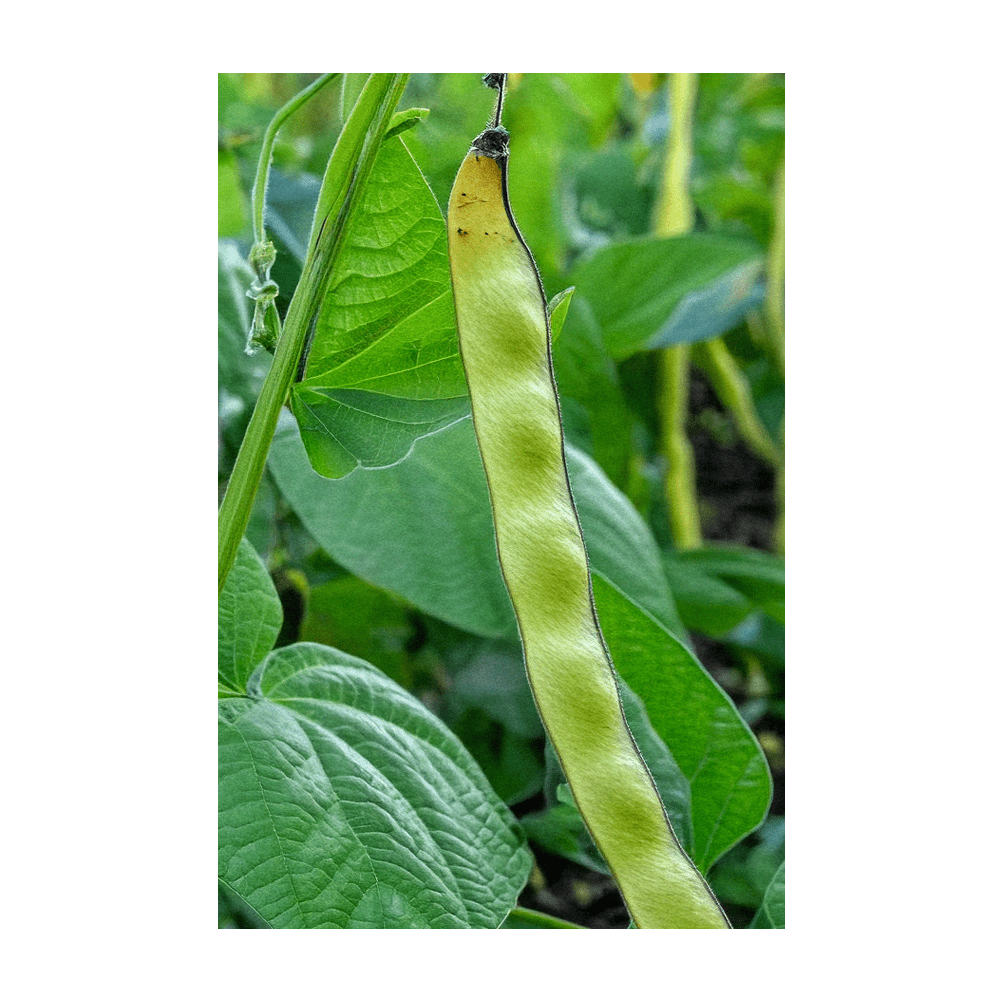
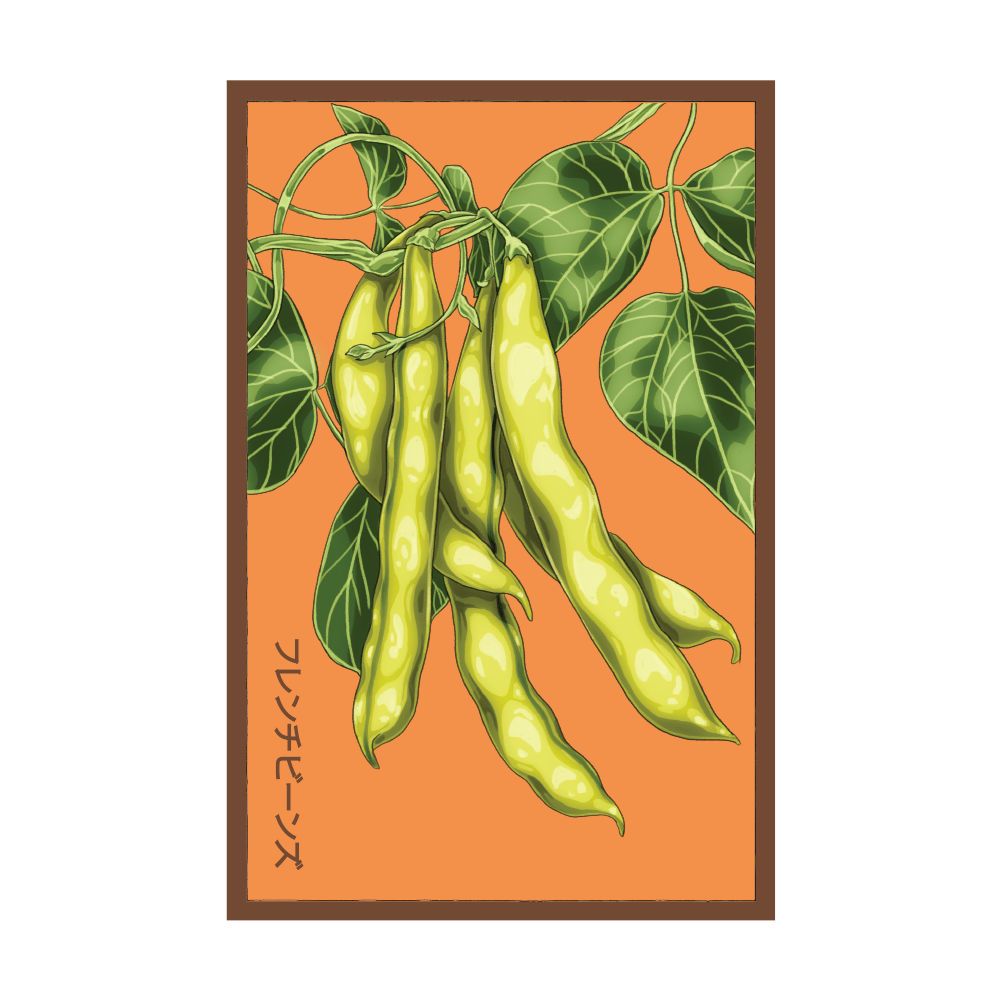
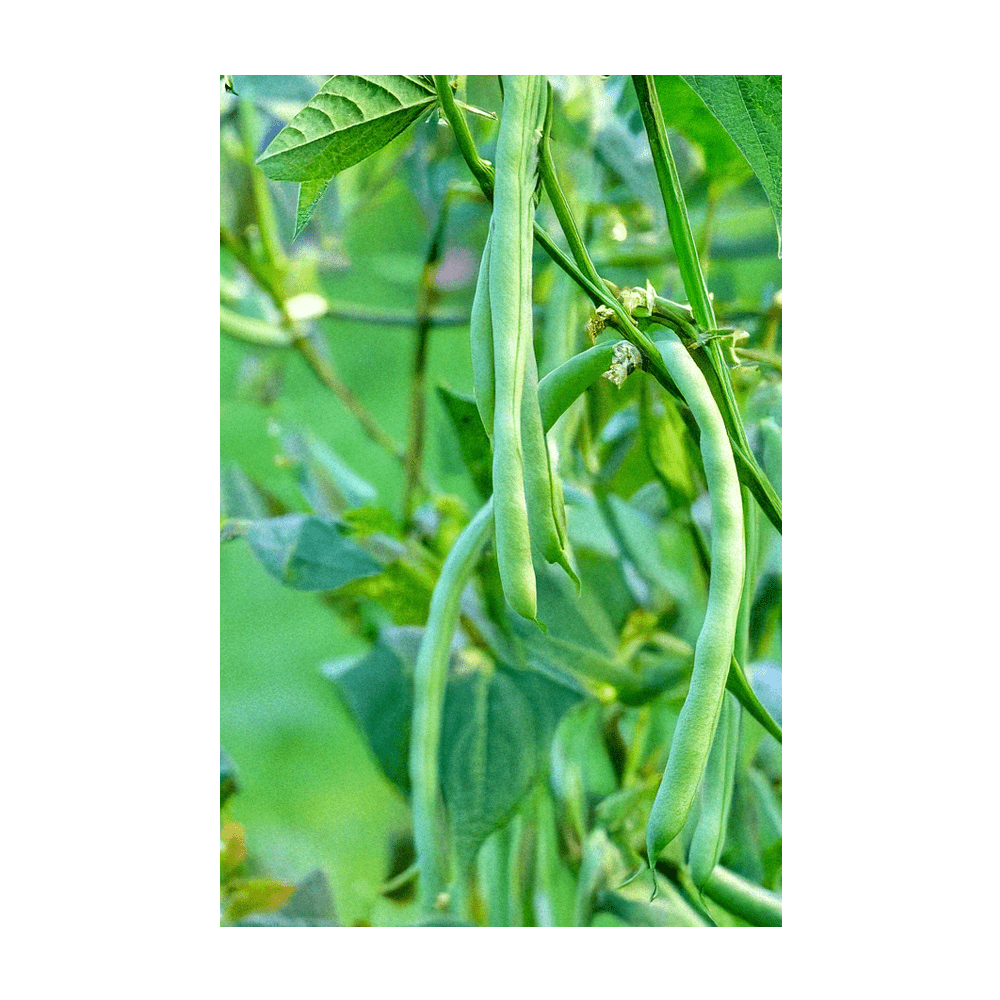
Radishes, lettuce, and beans are the most forgiving vegetables in this collection, germinating quickly and tolerating a reasonable amount of neglect. Tomatoes and eggplant ask for more attention and a longer season. Starting with the easy varieties builds the confidence to attempt the harder ones next year.

What is companion planting and does it matter for these seeds?

Companion planting pairs vegetables that benefit each other nearby, like basil planted near tomatoes to repel pests, or beans planted near corn to fix nitrogen in the soil. It's a real, well-documented practice, not garden folklore. Each vegetable's product page notes useful companions where one genuinely exists.

How much space do vegetable seeds need to grow well?

Space requirements vary widely across this collection, from a few inches for radishes to several feet for sprawling squash vines. Crowded vegetables compete for light and nutrients and generally underperform as a result. Check the specific spacing guidance on each product page before committing bed space.

What should go in a fall vegetable garden?

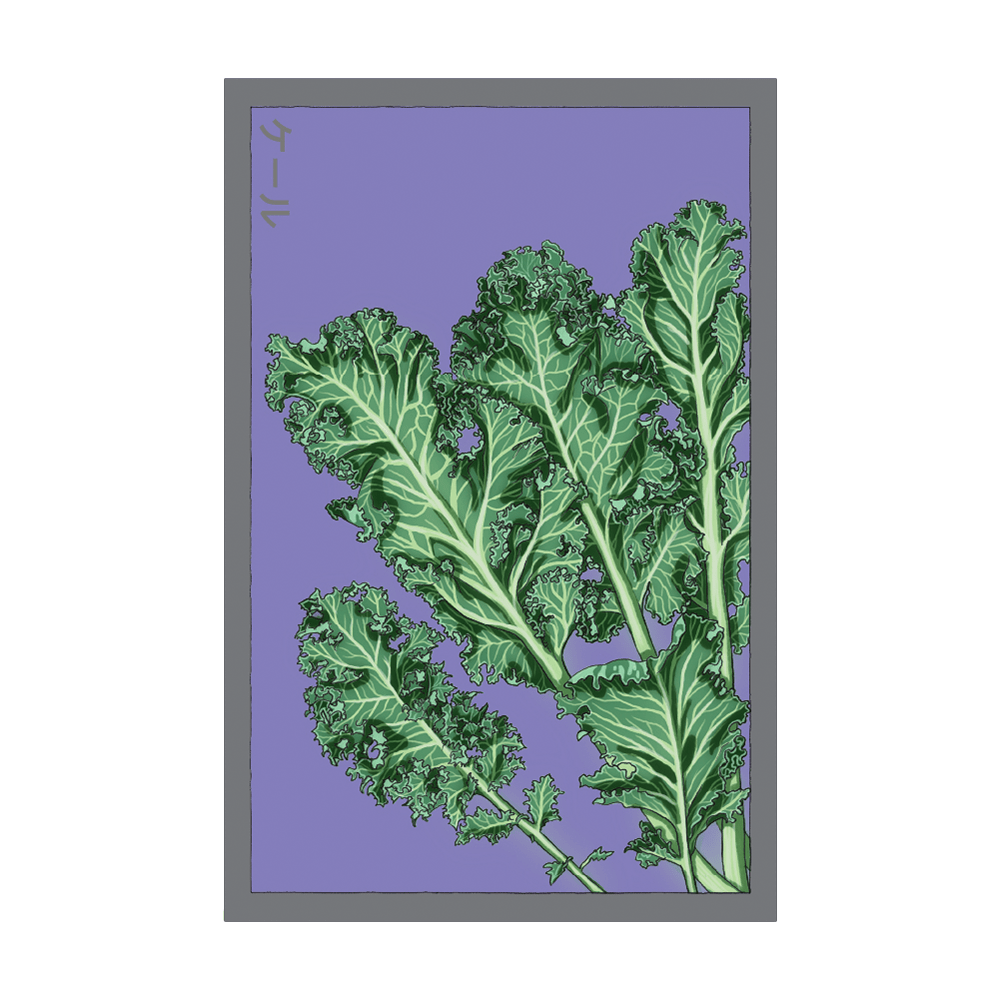
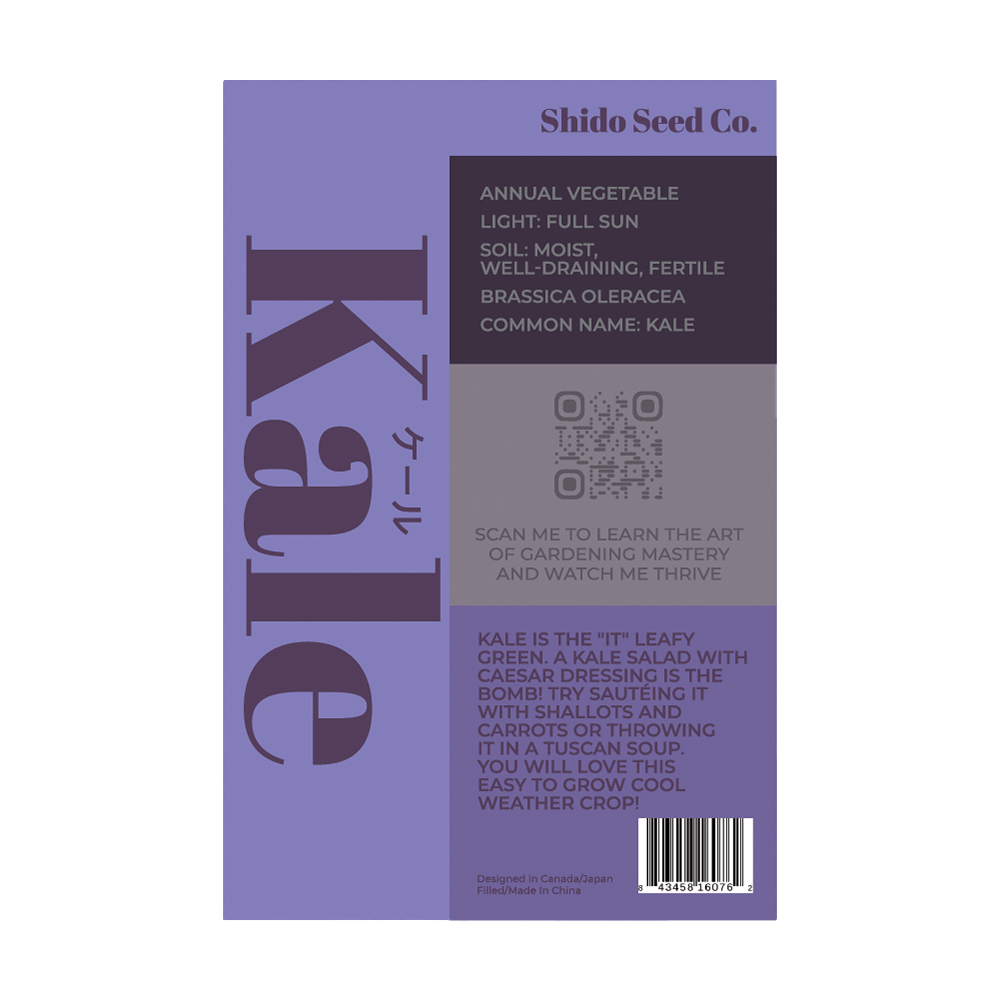
Cold-tolerant, fast-maturing crops — a fall vegetable garden runs on radishes, lettuce, kale, and other greens sown in late summer, timed to mature before hard frost. Kale improves with cold, sweetening after the first light frosts. Count backwards from your first-frost date using the days-to-maturity figure on each packet. The fall bed is the year's second chance, and it is usually less crowded than the spring one.

What is succession planting and how does it work?

Succession planting means sowing small amounts of the same crop every two to three weeks instead of the whole
packet at once, so the harvest arrives as a steady supply rather than a single glut. Radishes, lettuce, and beans
respond best to it. A vacuum-sealed packet suits the method — the unsown remainder holds its viability between rounds instead of fading in a drawer while it waits its turn.

Which vegetables grow well in pots?

Lettuce, radishes, and compact tomato varieties are the reliable vegetables to grow in pots — shallow-rooted or bred small, they produce honestly in containers on a balcony or doorstep. Give each pot real drainage, more water than a bed would need, and the sunniest position available. The container garden trades scale for proximity: smaller harvests, but ten steps from the kitchen where they get used.

When should vegetable seeds be planted?

When to plant vegetable seeds is set by the last frost date and each crop's tolerance: hardy crops like radish and kale sow directly as soon as the soil is workable; tender crops like tomatoes start indoors six to eight weeks before the last frost and transplant after it. Every Shido packet states the timing for its variety. The frost date anchors everything else, so learn yours first.

2004 Making ceramics since
200+ Institutions worldwide

RHS Chelsea Flower Show2026 4-star booth award recipient
2 x 5-star booth award — winner
13 consecutive years of exhibiting

About Chive Studio

Chive Studio has designed ceramic wall flowers in Toronto since 2004. Shido Seeds is the studio's seed line, and this collection is its kitchen garden — heirloom and hybrid vegetables, vacuum-sealed and non-GMO. The full catalog lives under seed packets, the
cook's shelf under herb seeds, and the line's boxed assortments under gardening gifts.

Learn more about Chive Studio →

Chive in the Press →·